分类: politics

  • What is Trump’s ‘Board of Peace’ and who will govern Gaza?

    What is Trump’s ‘Board of Peace’ and who will govern Gaza?

    A newly revealed charter for former President Donald Trump’s proposed ‘Board of Peace’ outlines an ambitious international organization with potential to rival the United Nations in conflict mediation. Originally conceived as part of Trump’s post-war governance framework for Gaza following Israel’s two-year military campaign, the initiative appears to have expanded into a broader peace-building entity with global aspirations.

    The charter, obtained by Middle East Eye, describes the Board as seeking to ‘promote stability, restore dependable and lawful governance, and secure enduring peace in areas affected or threatened by conflict.’ It explicitly calls for a ‘more nimble and effective international peace-building body’ than existing institutions, suggesting a fundamental challenge to current diplomatic frameworks.

    The document grants Trump extensive authority as chair, including unilateral power to appoint and remove member states—a decision reversible only by a two-thirds majority vote. Membership terms reveal a financial threshold for extended participation: countries serving three-year terms unless contributing over $1 billion within the first year of operations.

    Simultaneously, the White House unveiled a hierarchical structure beneath the Board featuring a ‘founding executive board’ specifically for Gaza stabilization. This seven-member body includes prominent figures such as Secretary of State Marco Rubio, former presidential adviser Jared Kushner, billionaire real estate developer Steve Witkoff, former UK Prime Minister Tony Blair, World Bank President Ajay Banga, and Apollo Global Management CEO Marc Rowan.

    The appointments have drawn immediate criticism from Palestinian analysts and rights groups who note the absence of Palestinian representation in senior roles. Islamic Jihad, Gaza’s second-largest militant group, condemned the board’s composition as aligning with ‘Israeli specifications.’

    The complex governance architecture extends to include a High Representative for Gaza (former UN envoy Nikolay Mladenov), an 11-member Gaza Executive Board with regional representatives, and a technocratic National Committee for the Administration of Gaza led by former Palestinian deputy minister Ali Shaath.

    This sweeping initiative represents Trump’s most ambitious attempt to reshape international conflict resolution mechanisms, though its implementation faces significant geopolitical challenges and widespread skepticism from affected communities.
  • Diplomacy or retaliation? The EU mulls its options as tensions with U.S. rise over Greenland

    Diplomacy or retaliation? The EU mulls its options as tensions with U.S. rise over Greenland

    European leaders are coordinating emergency response strategies following President Donald Trump’s unexpected announcement of punitive tariffs targeting eight European nations. The unprecedented measure, tied explicitly to U.S. ambitions to acquire Greenland, has triggered the most significant transatlantic trade crisis in recent years.

    During a weekend statement from his Florida golf club, President Trump declared impending 10% tariffs on imports from Denmark, Norway, Sweden, France, Germany, the United Kingdom, Netherlands, and Finland. These tariffs would escalate to 25% by June 1st absent a negotiated agreement for the “Complete and Total purchase of Greenland” by the United States.

    The European Commission convened emergency diplomatic sessions in Brussels, with representatives condemning the move as economic coercion. European Commission spokesperson Olof Gill stated while emphasizing restraint: “Our priority is to engage, not escalate. The EU has tools at its disposal and is prepared to respond should the threatened tariffs be imposed.”

    Analysts identify three primary countermeasures available to the EU: symmetrical tariff implementation, suspension of the nascent EU-U.S. trade agreement framework, and deployment of the recently established Anti-Coercion Instrument (ACI) – a mechanism designed specifically to address economic pressure campaigns. The ACI, created following China’s trade restrictions against Lithuania, represents the bloc’s most powerful trade defense capability, though its implementation remains contentious among member states.

    The timing coincides with critical diplomatic gatherings, including the World Economic Forum in Davos and an emergency EU summit on transatlantic relations scheduled for Thursday. European leaders have unanimously declared that tariff implementation would violate existing trade agreements and undermine diplomatic relations.

    Concurrently, the EU is accelerating trade diversification efforts, finalizing agreements with Mercosur nations, Indonesia, and Japan while advancing negotiations with the United Arab Emirates and India. Commission officials characterize these developments as strategic victories amid global economic uncertainty, with the India agreement alone potentially encompassing nearly two billion people.

    French President Emmanuel Macron captured the European consensus, stating: “Tariff threats are unacceptable and have no place in this context. Europeans will respond in a united and coordinated manner should they be confirmed. We will ensure that European sovereignty is upheld.”

  • India agrees to boost trade and strategic ties with UAE amid regional tensions

    India agrees to boost trade and strategic ties with UAE amid regional tensions

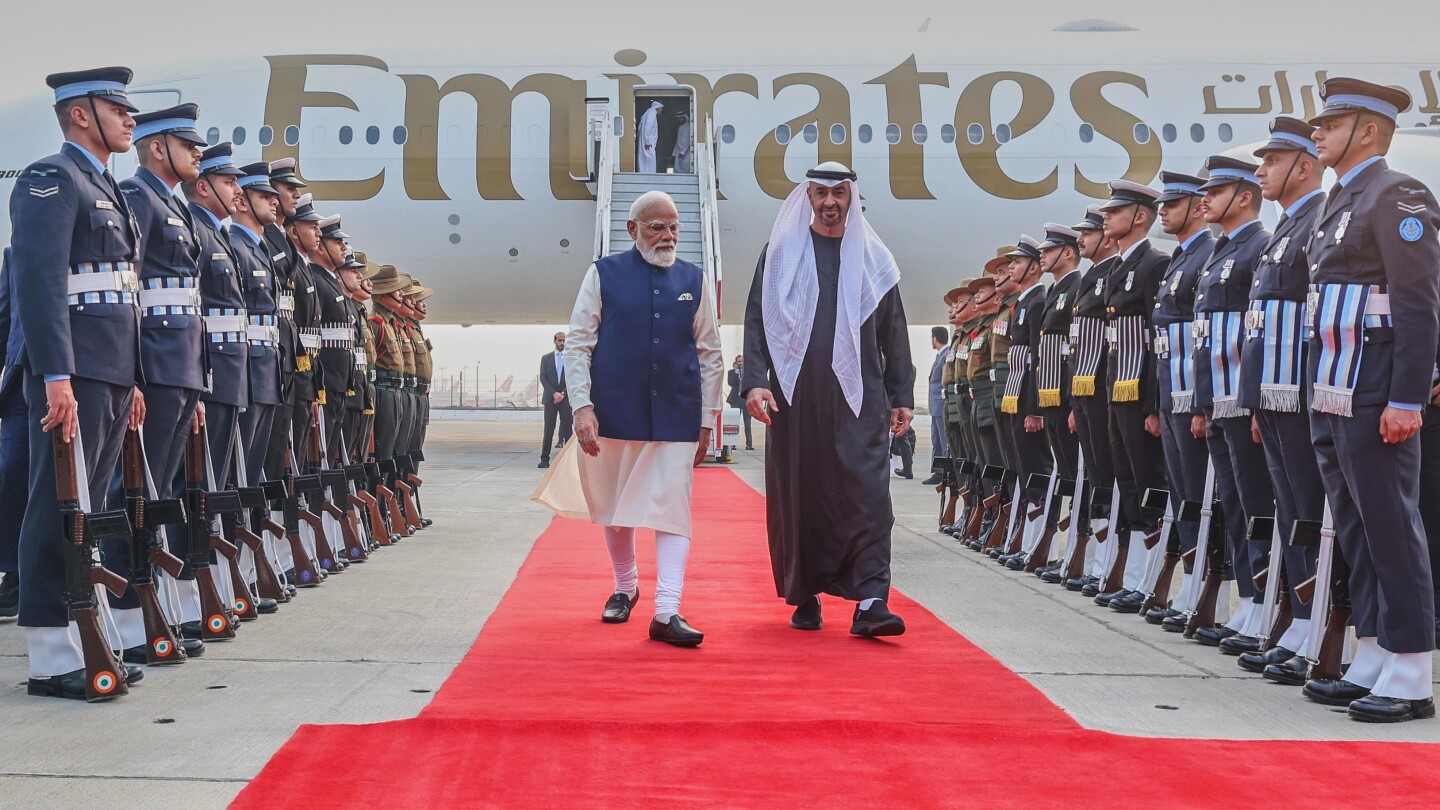
    NEW DELHI — In a significant diplomatic engagement, Indian Prime Minister Narendra Modi hosted United Arab Emirates President Sheikh Mohamed bin Zayed Al Nahyan in New Delhi on Monday, culminating in a comprehensive set of agreements designed to substantially enhance bilateral cooperation. The high-level discussions yielded ambitious economic targets and strategic alignments against the backdrop of escalating regional instability in West Asia.

    The centerpiece of the renewed partnership is a commitment to double bilateral trade to $200 billion by 2032, building upon the remarkable momentum established since the implementation of the Comprehensive Economic Partnership Agreement in February 2022. This foundational pact has already propelled trade volumes beyond the $100 billion threshold through tariff reductions and expanded market access.

    Beyond commercial expansion, the nations finalized several pivotal arrangements including a decade-long liquefied natural gas contract committing India to import 500,000 metric tons annually beginning in 2028. The defense sector received substantial attention with both parties agreeing to establish a strategic framework agreement, while additional collaborations were announced in space exploration and food security initiatives.

    The UAE further demonstrated its investment confidence through commitments to develop specialized economic zones in Gujarat, Modi’s home state, featuring advanced infrastructure including modern ports, airports, and smart urban developments.

    This strengthened partnership assumes heightened geopolitical significance amid escalating tensions throughout West Asia, particularly involving Iran, Yemen, and the ongoing crisis in Gaza. Analysts observe that both nations are strategically positioning themselves as stabilizing forces during this period of regional uncertainty and global realignment.

    Harsh Pant of the Observer Research Foundation noted: ‘The India-UAE relationship continues to evolve across multiple dimensions. Current regional turmoil creates both challenges and opportunities for these partners to coordinate their approaches to maintaining stability.’

    India maintains substantial economic interests and diaspora connections throughout West Asia, making continued engagement with key regional partners like the UAE essential to navigating the complex geopolitical landscape.

  • Chinese courts see surge in foreign-related cases

    Chinese courts see surge in foreign-related cases

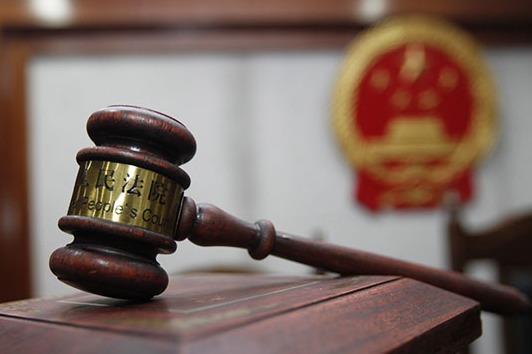
    China’s judicial authorities reported a substantial increase in international legal disputes during 2025, with approximately 40,000 first-instance civil and commercial cases involving foreign parties processed throughout the year. This represents a remarkable 50 percent surge compared to previous year’s figures, according to official data released by the Supreme People’s Court on January 19, 2026.

    The dramatic rise in cross-border litigation reflects China’s expanding global economic engagement and the judicial system’s evolving capacity to handle complex international legal matters. The Supreme People’s Court emphasized that these developments demonstrate the nation’s continued commitment to enhancing foreign-related adjudication capabilities while ensuring equal protection for both domestic and international litigants.

    Beyond international cases, Chinese courts managed an overwhelming volume of over 20 million first-instance civil and commercial disputes nationwide, marking an 11 percent annual increase. Intellectual property litigation showed significant growth with more than 470,000 cases processed, representing a five percent year-on-year increase that underscores China’s evolving innovation landscape.

    Environmental justice also saw substantial developments, with courts processing over 160,000 first-instance civil environmental cases—an 11 percent increase that demonstrates strengthened judicial support for ecological protection initiatives.

    In criminal justice, authorities intensified efforts against criminal offenses, processing more than 1 million first-instance criminal cases while sentencing over 1.4 million defendants. Notably, both case numbers and conviction rates demonstrated a year-on-year decline, suggesting potential improvements in crime prevention strategies.

    The comprehensive judicial data reveals a nation undergoing rapid legal transformation across multiple domains, with particular significance for international businesses and investors engaged with China’s expanding economy.

  • Iran warns attack on Khamenei would mean full-scale war

    Iran warns attack on Khamenei would mean full-scale war

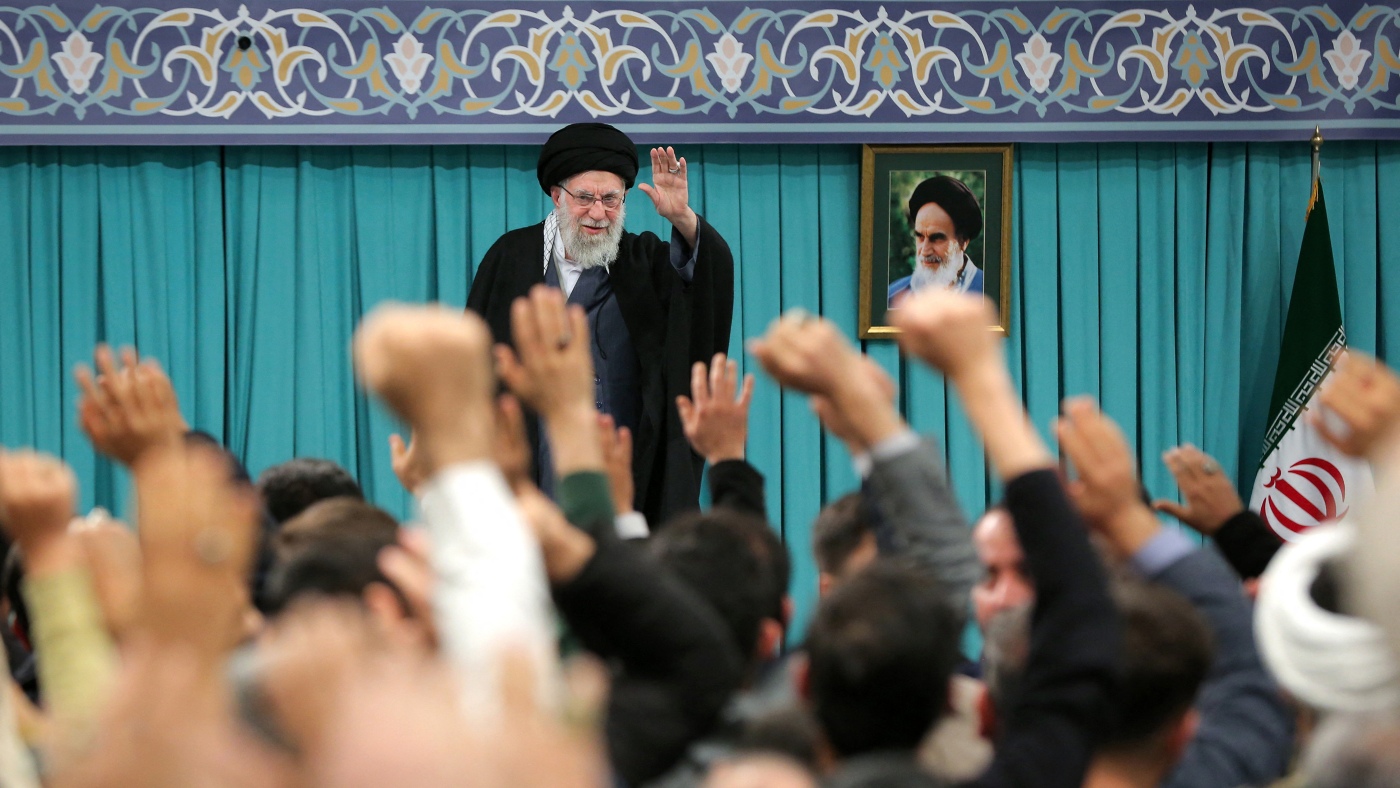
    Iranian President Masoud Pezeshkian has issued a stark warning that any military action targeting Supreme Leader Ali Khamenei would constitute a declaration of “full-scale war against the Iranian nation.” The statement, delivered via social media platform X on Sunday, represents the most direct response yet to provocative comments from former US President Donald Trump, who recently characterized Khamenei as “a sick man” and called for new leadership in Iran during an interview with Politico.

    President Pezeshkian directly linked Iran’s economic hardships to “the longstanding enmity and inhumane sanctions imposed by the United States government and its allies.” His warning follows Trump’s claim on Friday that he had received assurances from “very important sources” in Tehran regarding the planned executions of protesters, which reportedly led to a pause in potential US military action.

    The escalating diplomatic crisis unfolds against the backdrop of significant civil unrest within Iran. In a rare official acknowledgment, Supreme Leader Khamenei confirmed that “several thousand” people died during recent protests, while simultaneously blaming the United States and President Trump personally for the violence and casualties. Khamenei’s social media account stated unequivocally that Iran holds “the US President guilty due to the casualties, damages and slander he inflicted upon the Iranian nation.”

    Despite earlier statements from Iranian officials suggesting executions might not proceed, authorities indicated on Sunday they might still carry out death sentences for detained protesters. An anonymous Iranian official provided a significantly higher death toll than previously acknowledged, confirming at least 5,000 fatalities since anti-government demonstrations began on December 28th. The official attributed these deaths to “terrorists and armed rioters” allegedly supported by “Israel and armed groups abroad.”

    Recent developments suggest the government’s severe crackdown, which included a near-total internet blackout beginning January 8th, has substantially quelled the protests. Internet monitoring group NetBlocks reported a “very slight rise in internet connectivity” to approximately 2% of normal levels, with some services gradually being restored. Meanwhile, in a symbolic challenge to authorities, Iranian state television was reportedly hacked on Sunday, broadcasting messages from Reza Pahlavi and showing protest footage that encouraged security forces to support demonstrators.

  • How could Europe respond to Trump’s Greenland tariffs?

    How could Europe respond to Trump’s Greenland tariffs?

    A fresh transatlantic trade confrontation has erupted following former President Donald Trump’s unexpected ultimatum to eight European nations regarding Greenland. On Saturday, Trump threatened to impose escalating tariffs—starting at 10% on February 1st and potentially rising to 25% by summer—unless these countries support his administration’s initiative to purchase Greenland.

    The targeted nations include major EU economies France and Germany, alongside the UK, Denmark, Norway, Sweden, Netherlands, and Finland. European leaders have responded with firm opposition, with the European Commission vowing to protect the bloc’s economic interests through available mechanisms.

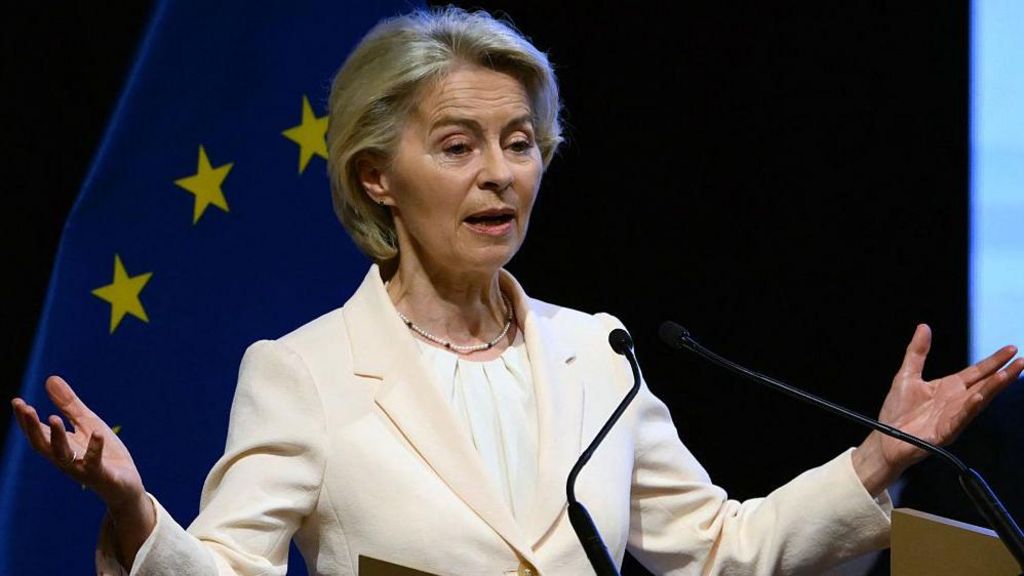
    This development jeopardizes the fragile trade détente established less than six months ago when European Commission President Ursula von der Leyen negotiated a reduction of threatened US tariffs from 30% to 15% on EU exports. That agreement, which was scheduled for European Parliament ratification next week, now faces suspension according to influential German MEP Manfred Weber.

    Without formal approval or extension of the current suspension, previously prepared EU counter-tariffs totaling €93 billion on American goods—ranging from livestock to aircraft parts and whiskey—will automatically activate on February 7th. This would create significant political pressure on Trump from US exporters facing European market restrictions.

    The EU’s most powerful trade weapon, the Anti-Coercion Instrument (ACI), represents a potential nuclear option. This mechanism allows the bloc to impose comprehensive trade and financial restrictions while bypassing international treaties, effectively blocking access to the single market. However, deploying the ACI involves a lengthy process—potentially exceeding one year—and risks substantial economic collateral damage to EU members themselves.

    Meanwhile, UK Prime Minister Keir Starmer has adopted a conciliatory stance, explicitly rejecting immediate retaliatory measures and emphasizing that “a tariff war is in nobody’s interests.” Alternative options under consideration include expanding the Digital Services Tax, which could impact major US tech corporations like Amazon and Meta.

    The legal foundation of Trump’s tariff strategy remains uncertain, with the US Supreme Court poised to rule on whether the former president overstepped his authority by implementing taxes through the International Emergency Economic Powers Act.

  • US Catholic cardinals urge Trump administration to embrace a moral compass in foreign policy

    US Catholic cardinals urge Trump administration to embrace a moral compass in foreign policy

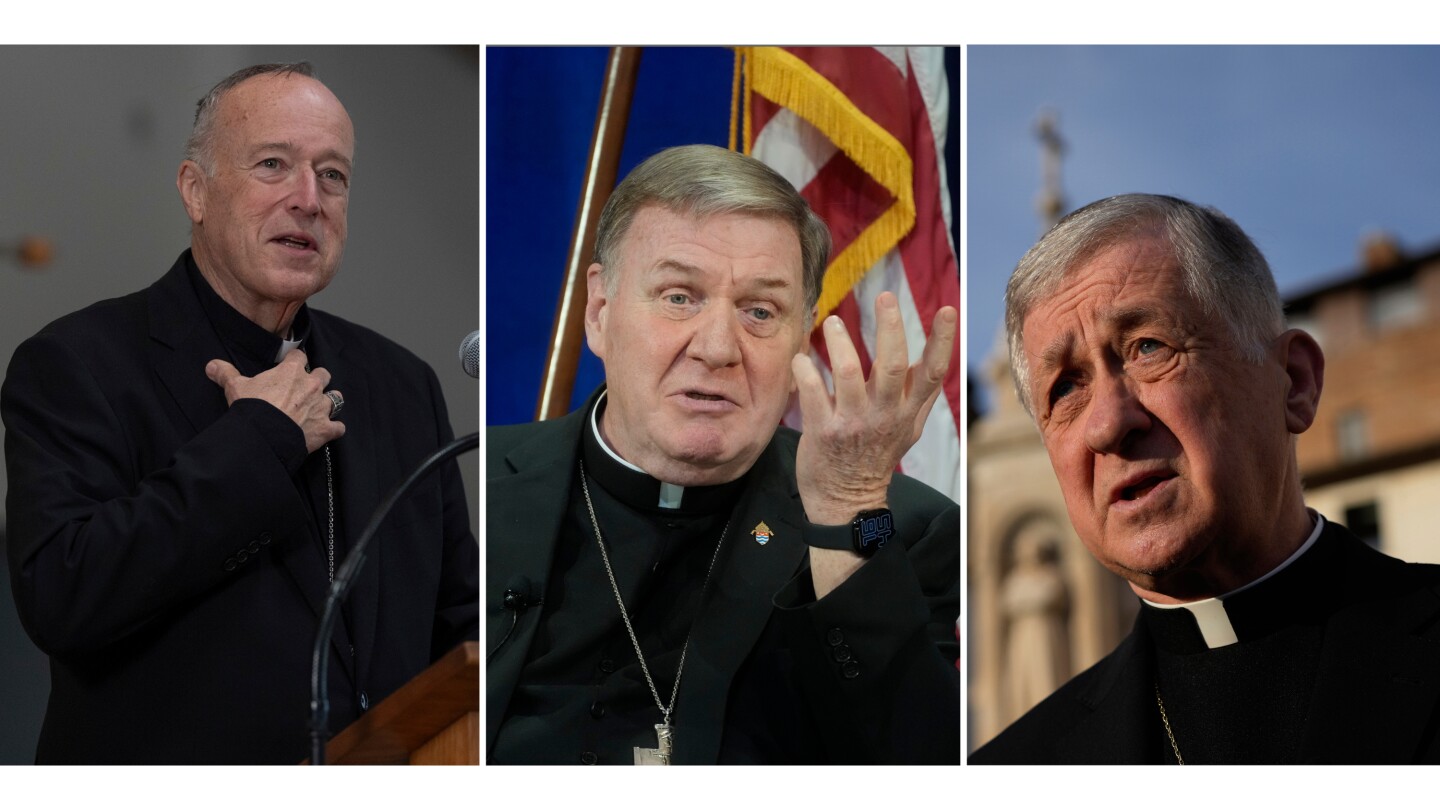
    In an unprecedented move, three influential American Catholic cardinals have publicly called upon the Trump administration to realign its foreign policy with ethical principles, warning that current approaches risk causing extensive human suffering rather than fostering global peace. Cardinals Blase Cupich of Chicago, Joseph Tobin of Newark, and Robert McElroy of Washington jointly expressed deep concerns regarding recent U.S. military operations in Venezuela, considerations about acquiring Greenland, and substantial reductions in foreign assistance programs.

    The religious leaders characterized the contemporary foreign policy discourse as dangerously mired in “polarization, partisanship, and narrow economic and social interests,” emphasizing the absence of a coherent moral vision. Cardinal McElroy notably observed that “Most of the United States and the world are adrift morally in terms of foreign policy,” while acknowledging America’s continuing significant global influence.

    This declaration represents the second instance in recent months where high-ranking U.S. Catholic figures have openly challenged administration policies perceived as conflicting with fundamental human dignity principles. The cardinals’ statement draws intellectual inspiration from Pope Leo XIV’s substantial January address to Vatican diplomats, in which the pontiff delivered a comprehensive critique of nations employing force to assert global dominance, thereby undermining international peace and the post-World War II legal framework.

    The church leaders specifically questioned the ethical foundations of military intervention in Venezuela, potential Greenland acquisition attempts, ongoing conflict in Ukraine, and drastic cuts to international development aid. They articulated a vision for American foreign policy that prioritizes human dignity, religious liberty, and economic assistance, stating: “We renounce war as an instrument for narrow national interests and proclaim that military action must be seen only as a last resort.”

    Cardinal Cupich revealed that the statement originated from concerns raised by multiple cardinals during early January Vatican meetings, finding resonance with Pope Leo’s diplomatic address. While acknowledging potential justification for opposing Venezuelan leadership, Cupich criticized the methodology: “When we go ahead and do it in such a way that is portrayed as saying, ‘Because we can do it, we’re going to do it, that might makes right’—that’s a troublesome development.”

    The cardinals emphasized their intervention transcends partisan politics, seeking instead to advocate for ethical governance focused on the common good. Cardinal Tobin summarized this perspective: “It can’t be that my prosperity is predicated on inhuman treatment of others. The real argument isn’t just my right or individual rights, but what is the common good.”

  • Pro-Greenland protesters mock Trump’s MAGA slogan with ‘Make America Go Away’ caps

    Pro-Greenland protesters mock Trump’s MAGA slogan with ‘Make America Go Away’ caps

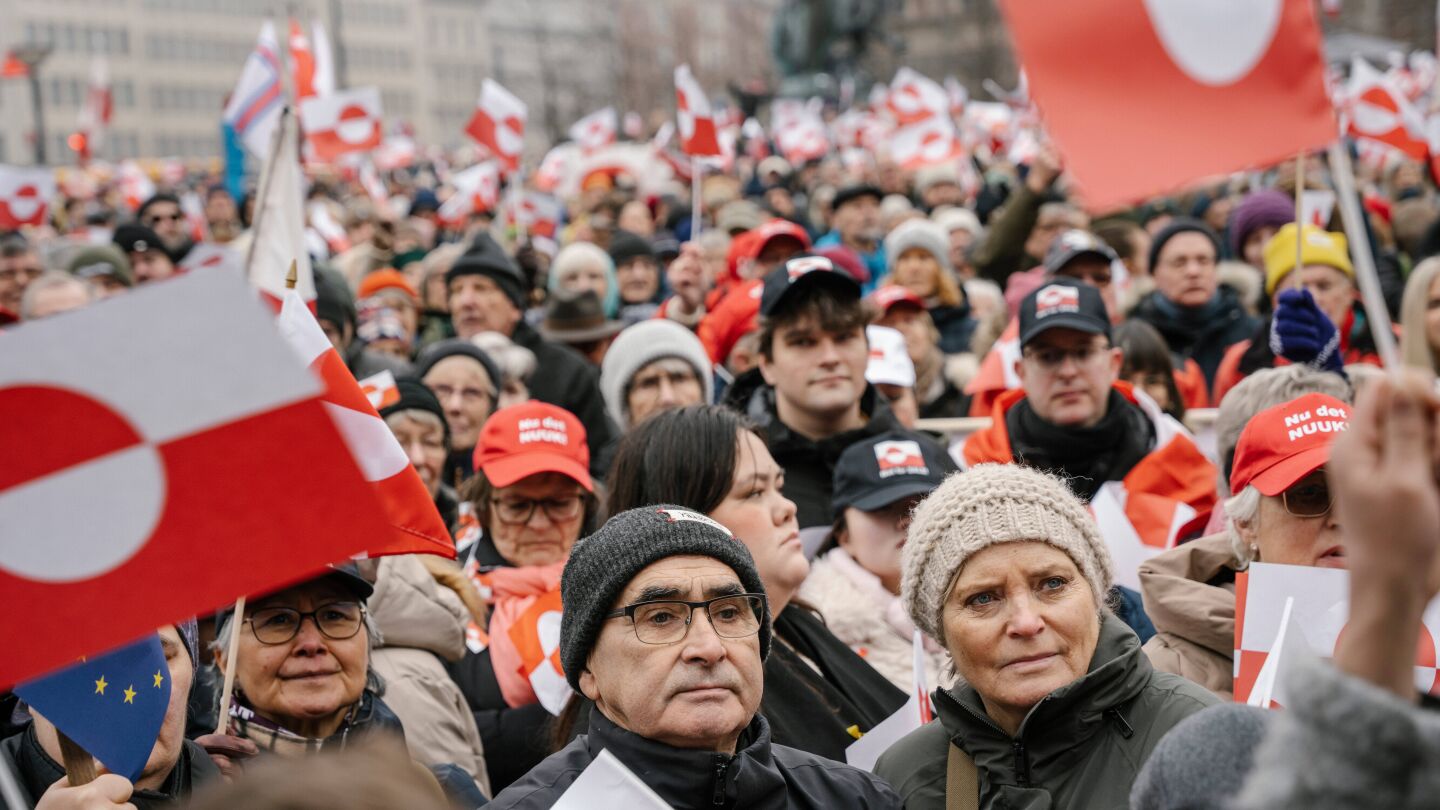
    COPENHAGEN, Denmark — A wave of creative resistance has swept through Denmark as citizens respond to U.S. President Donald Trump’s expressed interest in acquiring Greenland. The movement has found its symbol in parody baseball caps that transform Trump’s iconic “Make America Great Again” slogan into “Make America Go Away.”

    These satirical accessories, created by Copenhagen vintage store owner Jesper Rabe Tonnesen, have evolved from commercial failure to cultural phenomenon following the Trump administration’s serious overtures toward the autonomous Danish territory. What began as a limited run last year has exploded into a nationwide statement, with thousands of caps now in production to meet surging demand.

    The headwear has appeared at public demonstrations, including a weekend protest in freezing temperatures outside Copenhagen City Hall, where participants waved Danish and Greenlandic flags while carrying signs with messages like “No Means No” and “Make America Smart Again.”

    European governments have formally rallied behind Denmark, emphasizing Arctic security concerns and the importance of respecting territorial sovereignty. Meanwhile, Danish citizens have adopted a more direct approach to expressing their disapproval. “I want to show my support to Greenland and also show that I don’t like the president of the United States,” stated 76-year-old Copenhagen resident Lars Hermansen, who participated in the weekend demonstration.

    Tonnesen, 58, described his motivation: “When a delegation from America went up to Greenland, we started to realize this probably wasn’t a joke—it’s not reality TV, it’s actually reality. So I said, OK, what can I do? Can I communicate in a funny way with a good message and unite the Danes?”

    The movement has also produced linguistic creativity with an alternative design featuring the phrase “Nu det NUUK!”—a clever play on words that replaces the Danish expression “Nu det nok” (meaning “Now it’s enough”) with the name of Greenland’s capital city.

    Protesters maintained a balance between serious messaging and lighthearted expression. Kristian Boye, 49, who attended the Copenhagen rally, captured this dual approach: “I’m here to support the Greenlanders, who are going through a very hard time right now. They are being threatened with having their country invaded. I think it’s totally unacceptable.”

  • EU executive arm, Russia and Thailand asked to join Trump’s Board of Peace for Gaza

    EU executive arm, Russia and Thailand asked to join Trump’s Board of Peace for Gaza

    The United States has extended invitations to multiple nations to participate in President Donald Trump’s newly proposed ‘Board of Peace,’ intended to oversee the implementation of the next phase of the Gaza peace plan. The European Commission, Russia, and Thailand have confirmed receipt of invitations, with each expressing cautious interest while undertaking detailed reviews of the proposal.

    Kremlin spokesman Dmitry Peskov stated that President Vladimir Putin is examining the invitation’s specifics, while Thai authorities similarly acknowledged they are assessing the details. European Commission President Ursula von der Leyen will consult with EU leadership regarding potential participation, though no formal acceptance has been declared.

    The initiative faces significant opposition from Israeli officials, with Finance Minister Bezalel Smotrich denouncing the plan as ‘bad for the State of Israel’ and calling for its cancellation. Smotrich asserted Israeli sovereignty over Gaza during a ceremony inaugurating a new West Bank settlement, advocating for military administration rather than international oversight.

    Prime Minister Benjamin Netanyahu’s office previously stated that the board’s formation occurred without Israeli coordination and contradicts official government policy. The United States is expected to announce formal board membership during the upcoming World Economic Forum in Davos.

    According to undisclosed charter details obtained by AP, a $1 billion contribution would secure permanent membership dedicated to Gaza reconstruction efforts, while three-year appointments require no financial commitment. The board’s potential scope suggests it could function as an alternative to established international bodies like the UN Security Council.

    Concurrently, Egypt has expressed support for the newly appointed committee of Palestinian technocrats tasked with managing Gaza’s daily affairs during the peace plan’s implementation. Meanwhile, UN agencies report improved but still fragile humanitarian conditions, with over three-quarters of Gaza’s population experiencing crisis-level food insecurity despite expanded aid operations.

  • Pentagon readies 1,500 troops for potential Minnesota deployment, US officials say

    Pentagon readies 1,500 troops for potential Minnesota deployment, US officials say

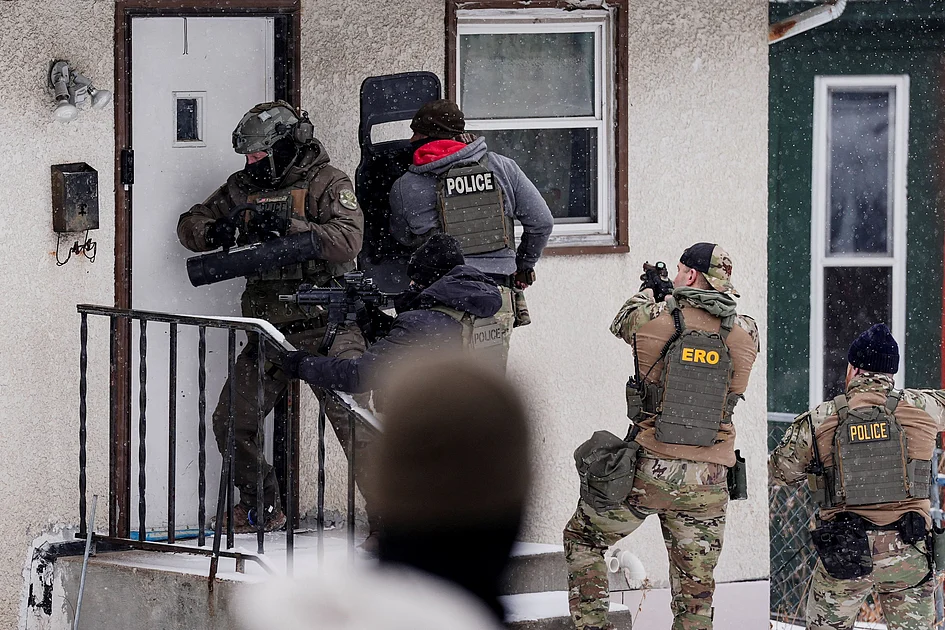
    The Pentagon has initiated preparations to deploy approximately 1,500 active-duty soldiers from Alaska to Minnesota, according to U.S. officials who spoke to Reuters on Sunday. This military mobilization comes in response to escalating tensions in the midwestern state, where widespread protests have erupted against intensified Immigration and Customs Enforcement (ICE) operations.

    The development follows President Donald Trump’s Thursday threat to invoke the Insurrection Act, which would authorize military deployment if state officials fail to contain demonstrations targeting immigration authorities. While the Army has placed units on prepare-to-deploy status, officials emphasized that actual deployment remains uncertain and contingent on potential violence escalation.

    Tensions in Minneapolis intensified dramatically after the January 7th fatal shooting of Renee Good, a 37-year-old mother of three, by ICE officer Jonathan Ross during a vehicle encounter. The administration has already dispatched 3,000 immigration and Border Patrol officers to the region, despite local officials characterizing the protests as largely peaceful.

    Minneapolis Mayor Jacob Frey expressed strong opposition to military intervention, stating on NBC’s ‘Meet the Press’ that ‘We don’t need more federal agents to keep people safe. We are safe.’ He warned that military deployment would further exacerbate tensions in the city.

    The situation has grown increasingly complex with multiple incidents drawing national attention. The Justice Department has launched an investigation into a protest at a St. Paul church where demonstrators disrupted a service to protest a pastor’s alleged ICE affiliations. Meanwhile, ICE agents conducted a Sunday operation in St. Paul, removing a Hmong community member from his home while facing vocal opposition from neighbors.

    President Trump has justified the increased federal presence by referencing a social welfare funds scandal in Minnesota, specifically targeting the state’s Somali immigrant community. However, enforcement actions have expanded to include other immigrant groups, including the recent arrest of three workers from a family-run Mexican restaurant in Willmar.

    The potential deployment involves soldiers from two infantry battalions under the 11th Airborne Division, specializing in cold-weather operations. Pentagon spokesperson Sean Parnell stated that the Department of War ‘is always prepared to execute the orders of the commander-in-chief if called upon,’ using the administration’s preferred terminology for the Defense Department.

    This development represents the latest chapter in the administration’s pattern of federal interventions, primarily targeting cities governed by Democratic officials. While the president maintains these actions are necessary to combat crime and protect federal property, local leaders accuse the administration of federal overreach and exaggerating isolated violence incidents to justify military deployment.