分类: politics

  • US sanctions six Palestinian aid groups it accuses of ties to Qassam Brigades

    US sanctions six Palestinian aid groups it accuses of ties to Qassam Brigades

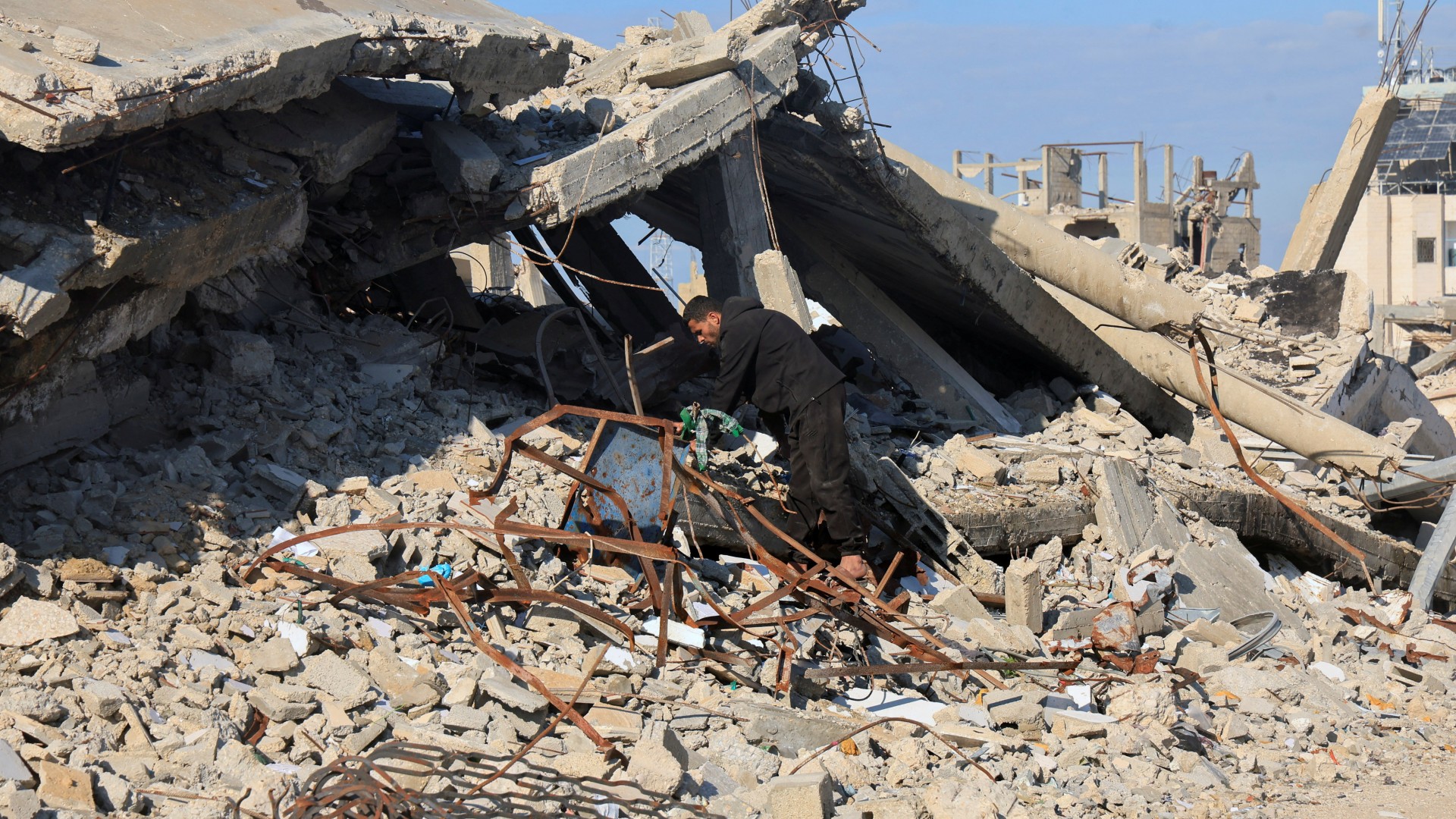
    In a significant move targeting Hamas’s financial infrastructure, the U.S. Treasury Department imposed sanctions on six Palestinian humanitarian organizations operating in Gaza on Wednesday. The designated entities—Waed Society, Al-Nur, Qawafil, Al-Falah, Merciful Hands, and Al-Salameh—stand accused of functioning as a clandestine support network for Hamas’s military wing, the Qassam Brigades.

    The Treasury’s Office of Foreign Assets Control (OFAC) revealed that Hamas’s internal security personnel have been formally assigned to operate within several of these organizations, particularly Waed Society and Al-Salameh. According to official statements, Merciful Hands, Al-Nur, and Al-Falah have allegedly directed funds directly to Hamas’s military operations, while Qawafil has purportedly completed projects specifically designed to benefit the organization.

    Despite their public-facing activities—which include medical support for war wounds, distribution of food and medicine, community support sessions, and advocacy for Palestinian prisoners—these groups allegedly serve as fronts for Hamas’s financial operations. The Treasury also sanctioned The Popular Conference for Palestinians Abroad (PCPA), identifying it as a coordination body for flotilla attempts to break the Israeli siege on Gaza, along with its UK-based founder Zaher Khaled Hassan Birawi.

    Under Secretary of the Treasury for Terrorism and Financial Intelligence John K Hurley emphasized that the Trump administration would not tolerate Hamas’s exploitation of financial systems to fund terrorist operations. The designations immediately freeze all U.S. assets belonging to these entities and prohibit any transactions through American banking systems, effectively rendering credit cards like Visa and Mastercard unusable for these organizations.

    The Treasury statement clarified that the sanctions specifically target Hamas’s operational strategy rather than legitimate political advocacy, noting that members of the Palestinian diaspora retain the right to gather and advocate for their political concerns. This action represents the latest development in the ongoing U.S. campaign to disrupt Hamas’s financial networks while maintaining distinction between legitimate humanitarian work and terrorist financing operations.

  • Albanese government buzzing after Canadian PM’s Trump take-down

    Albanese government buzzing after Canadian PM’s Trump take-down

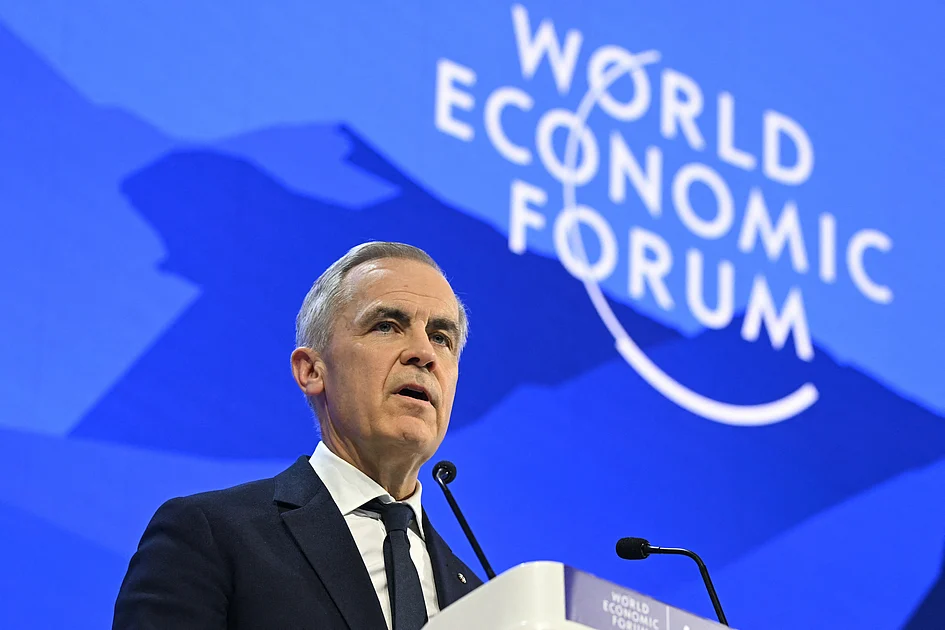
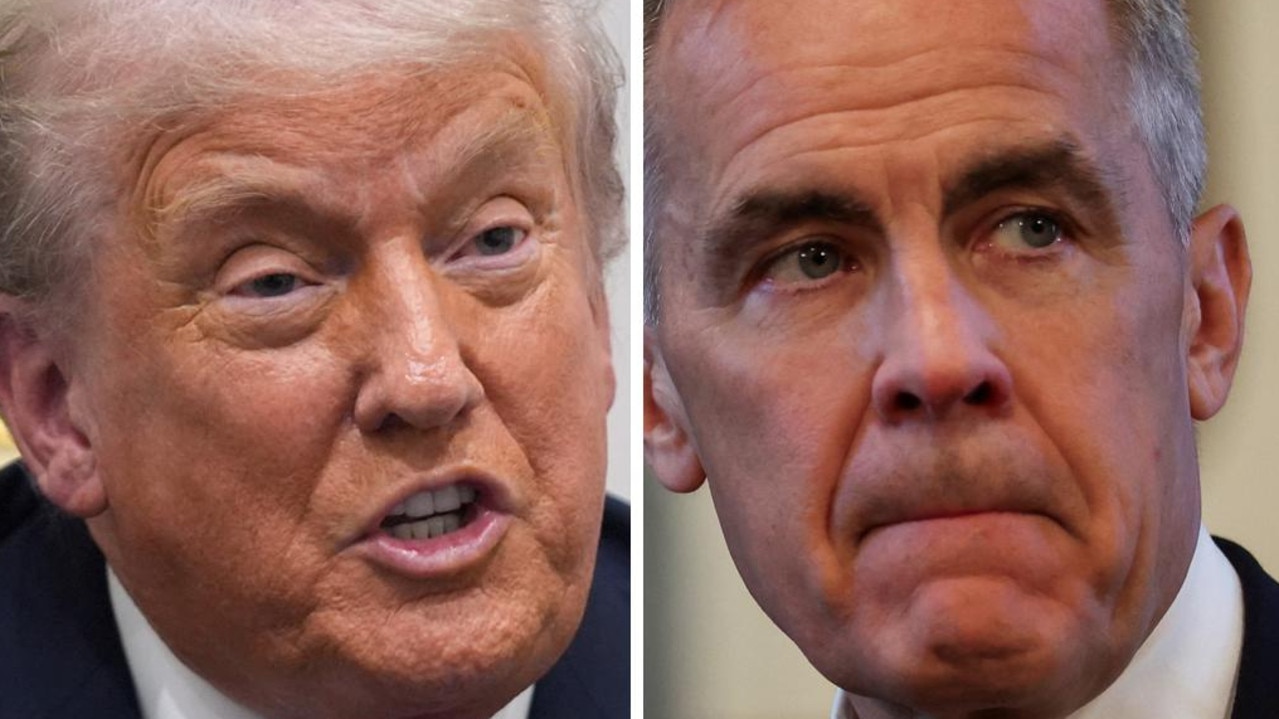
    The Albanese government is actively engaging with Canadian Prime Minister Mark Carney’s forceful critique of former U.S. President Donald Trump’s approach to international relations, according to Australian Treasurer Jim Chalmers. The speech, delivered at the Davos Economic Forum, characterized the current global situation as a “rupture, not a transition” of the rules-based order.

    Carney’s address warned that middle powers like Australia and Canada face significant disadvantages when negotiating bilaterally with hegemonic nations, stating they “negotiate from weakness” and are forced to “accept what is offered.” His comments gained particular relevance amid ongoing political fallout from Trump’s controversial threats to seize Greenland, a move analysts suggest could destabilize NATO and strain U.S.-European alliances.

    Treasurer Chalmers described Carney’s speech as “very thoughtful, and obviously very impactful,” confirming it has prompted multiple discussions within the Australian government. Chalmers acknowledged that the “old certainties” Australia previously relied upon are deteriorating, citing economic crises, trade tensions, NATO discussions, and Russia’s invasion of Ukraine as contributing factors to this geopolitical fragmentation.

    The Treasurer emphasized Australia’s need to navigate this changing landscape by maintaining commitment to international institutions while maximizing opportunities presented by the current volatility. He noted that middle powers like Australia and Canada possess “extraordinary advantages” despite the challenges of global instability.

    Adding to the conversation, former Prime Minister Malcolm Turnbull urged current leader Anthony Albanese to adopt Carney’s approach directly, characterizing Trump as valuing different principles than his presidential predecessors. Turnbull specifically encouraged Albanese to deliver a similar message of sovereignty and middle-power cooperation, stating: “We will not be bullied, we will maintain our sovereignty. As a middle power, we will work with other middle powers to stand up to the bully.”

  • Slashed incomes and gamers go cold turkey: the fallout from Uganda’s internet shutdown

    Slashed incomes and gamers go cold turkey: the fallout from Uganda’s internet shutdown

    Uganda’s recent general election triggered a nationwide internet shutdown with profound consequences for citizens, businesses, and democratic processes. The government-ordered blackout, officially implemented to ‘ensure peace and protect national stability’ during the electoral period, effectively paralyzed the digital economy and restricted information flow throughout the country.

    Mobile money agent Mirembe Tracy experienced immediate financial devastation when withdrawal systems disconnected. Her weekly earnings of approximately 450,000 Ugandan shillings (£130) vanished entirely, leaving her unable to pay rent. ‘That money is what I use to pay rent. Losing it was a total loss,’ she told the BBC. Like thousands of others dependent on digital transactions, she found herself with no income source beyond minimal prepaid airtime sales that provide no commission.

    The disruption extended throughout Kampala’s economy. SafeBoda, the popular ride-hailing platform for motorcycle taxis, saw its entire server infrastructure rendered inoperative. Co-founders reported that both riders and dependent businesses were forced offline indefinitely. Meanwhile, entrepreneur Namukwaya Olivia, who relies on Instagram, TikTok and WhatsApp to market traditional cultural clothing, described complete operational paralysis: ‘We could not send pictures, we could not receive orders, and we could not make deliveries.’

    Journalists faced particularly severe challenges in fulfilling their professional duties. Ngabo Amon described smartphones becoming ‘largely useless’ as research, communication, and content transmission capabilities disappeared. The blackout created an information vacuum that prevented accurate election coverage and real-time reporting of developing situations. Some journalists resorted to physically transporting footage by bus from rural areas to Kampala—a process that rendered news obsolete by arrival time.

    The African Union election observation mission noted that the shutdown ‘limited access to information, freedom of association and curtailed economic activities,’ while simultaneously ‘creating suspicion and mistrust’ in the electoral process. President Yoweri Museveni’s landslide victory extended his 40-year rule amid opposition allegations of ‘fake results’ and ‘ballot stuffing.’

    Beyond economic and professional impacts, the blackout created personal hardships. Kenyan journalist Caroline Mutai described the psychological toll: ‘The shutdown almost gave me depression.’ Students like Aaron Benitez lost educational connectivity as online learning platforms and communication channels failed. ‘We usually study online, sometimes on Zoom, but during that time everything just stopped,’ he reported.

    Even after partial restoration following President Museveni’s victory declaration, many social media platforms remain restricted or slow, driving widespread adoption of VPN services. The episode served as a stark demonstration of how deeply digital accessibility underpins modern life, economic stability, and democratic transparency in contemporary Uganda.

  • Trump to unveil ‘Board of Peace’ at Davos after Greenland backtrack

    Trump to unveil ‘Board of Peace’ at Davos after Greenland backtrack

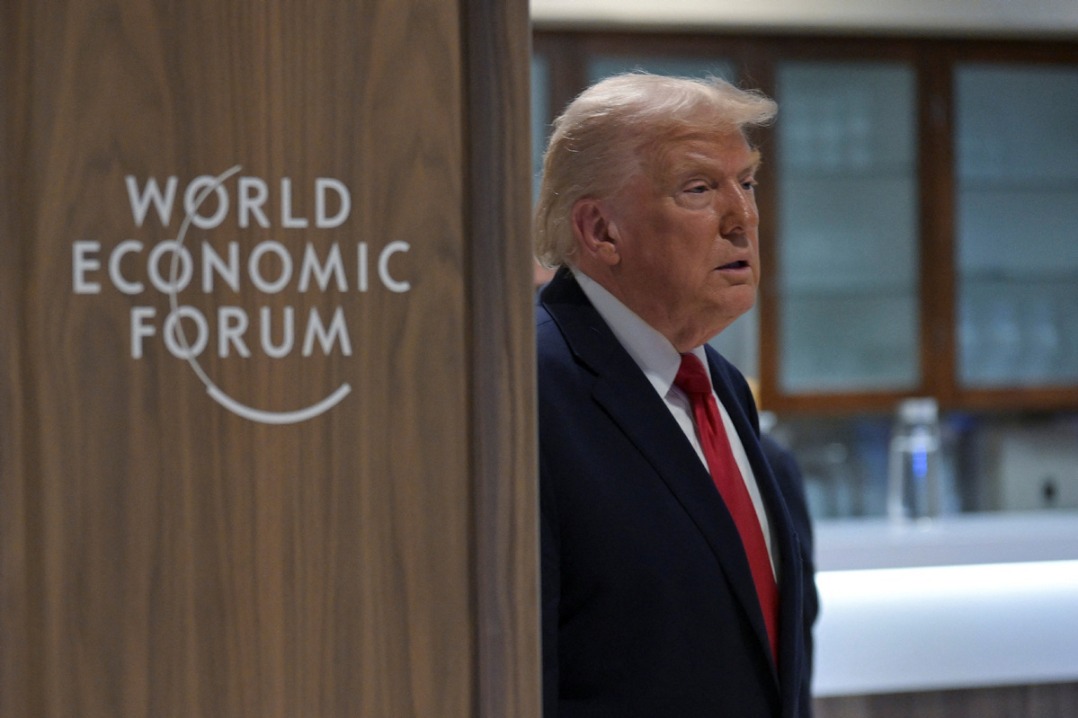
    DAVOS, SWITZERLAND – President Donald Trump is poised to introduce his controversial ‘Board of Peace’ initiative during Thursday’s sessions at the World Economic Forum, following his unexpected reversal on proposed tariffs against Europe and military action regarding Greenland.

    The newly established conflict resolution body, which requires a $1 billion commitment for permanent membership, will host a charter signing ceremony with approximately 35 world leaders having committed participation according to senior administration officials. The board has attracted leaders including Russia’s Vladimir Putin, Israel’s Benjamin Netanyahu, and Saudi Arabia’s leadership, though key European allies remain notably skeptical.

    Trump enthusiastically promoted the initiative during meetings with Egyptian President Abdel Fattah al-Sisi on Wednesday, declaring it ‘the greatest board ever formed.’ The announcement comes against the backdrop of the President’s expressed frustration at not receiving Nobel Peace Prize recognition despite his claims of resolving multiple international conflicts.

    Originally conceptualized for Gaza reconstruction following the Hamas-Israel conflict, the board’s charter deliberately avoids geographical limitations, raising concerns among diplomats that it might evolve into a parallel organization to the United Nations. This development occurs alongside continuing Ukraine peace negotiations, with Trump scheduled to meet President Volodymyr Zelensky following the board’s inauguration.

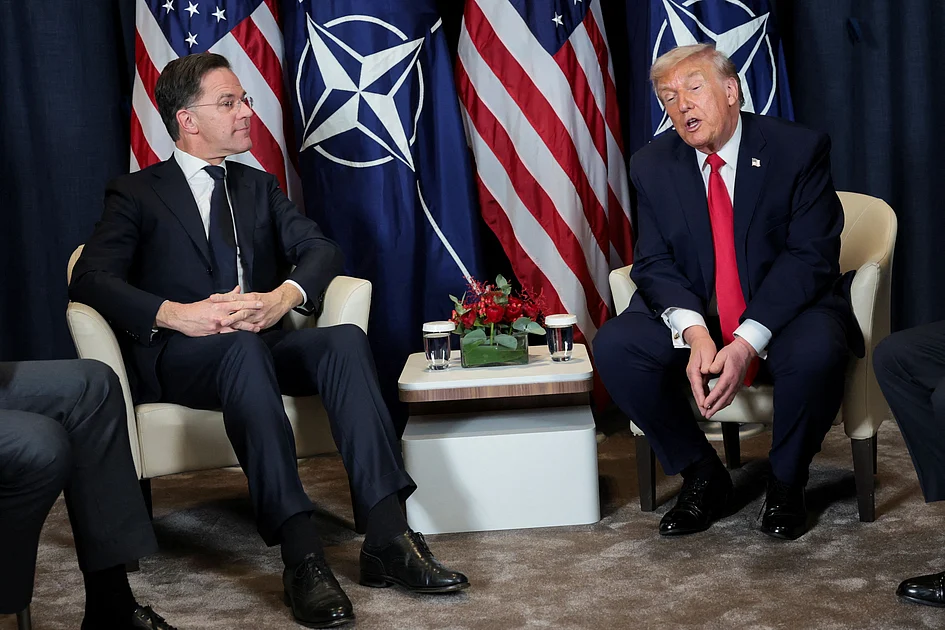
    The President reiterated his controversial assessment that both Russian and Ukrainian leadership would be ‘stupid’ not to reach a peace agreement, while simultaneously announcing a breakthrough in NATO discussions regarding Greenland’s strategic importance. Trump revealed he had established a ‘framework of a future deal’ with NATO Secretary General Mark Rutte, resulting in the cancellation of tariffs previously scheduled for February 1st against European allies.

    Special envoys including Jared Kushner and businessman Steve Witkoff are scheduled to travel directly from Davos to Moscow for Thursday discussions with President Putin, underscoring the administration’s multifaceted diplomatic approach.

  • 19th-century slave empire plan resonates with Trump foreign policy

    19th-century slave empire plan resonates with Trump foreign policy

    As President Donald Trump completes his second year in office, his unconventional foreign policy approach has drawn striking parallels to a largely forgotten 19th century expansionist movement. The administration’s assertive stance toward neighboring nations—including controversial claims on Greenland, interventions in Venezuela, and coercive rhetoric toward Mexico and Cuba—resonates with the ambitions of the Knights of the Golden Circle, a secret society that flourished during the 1850s.

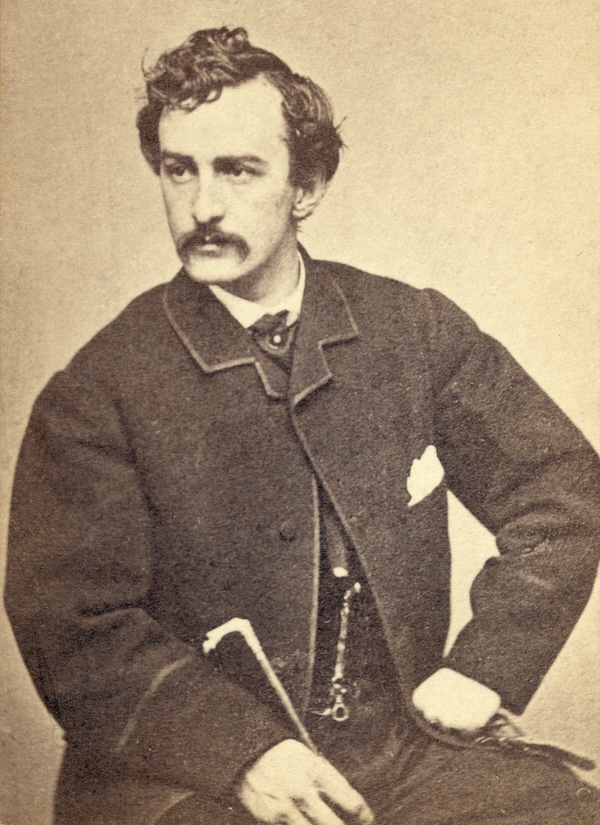
    Founded in 1854 by Virginia physician George W.L. Bickley, the Knights envisioned creating a slaveholding empire encompassing the southern United States, Mexico, Central America, the Caribbean, and northern South America. This ‘Golden Circle’ would center its operations in Havana and control global production of lucrative cash crops through enslaved labor. Historical records suggest the organization attracted prominent figures including Confederate general Nathan Bedford Forrest and Abraham Lincoln’s assassin, John Wilkes Booth.

    The Knights initially sought to annex territories to strengthen slavery’s political power before pivoting to support Southern secession as tensions escalated. Their ideology combined territorial expansion with white supremacist beliefs, viewing hemispheric dominance as America’s ‘manifest destiny.’

    Contemporary analysts note that Trump’s ‘America First’ approach—particularly his personalized ‘Donroe Doctrine’—similarly treats neighboring nations as strategic assets rather than sovereign equals. His administration’s pressure campaigns against Cuba, Venezuela, and Mexico reflect a modern iteration of hemispheric control ambitions, albeit through economic coercion and political influence rather than direct territorial conquest.

    What distinguishes Trump’s approach is its transactional rhetoric and dismissal of multilateral norms. Unlike Cold War-era interventions framed in ideological terms, current policy emphasizes tangible gains and unilateral action. This modern manifestation of expansionist thinking demonstrates how historical patterns of American imperialism have adapted to contemporary political contexts while maintaining core assumptions about geographic entitlement and hemispheric dominance.

  • Trump removes tariffs threat, agrees to ‘framework’ for Greenland deal

    Trump removes tariffs threat, agrees to ‘framework’ for Greenland deal

    In a significant diplomatic development, former U.S. President Donald Trump has retracted his threat to impose tariffs on several nations regarding their positions on Greenland. The announcement came following high-level discussions with NATO Secretary General Mark Rutte during the World Economic Forum in Davos.

    Trump revealed through his Truth Social platform that the two parties have established a preliminary framework agreement concerning Greenland’s future trajectory. While specific details of the arrangement remain undisclosed, the understanding proved sufficient for Trump to cancel previously scheduled tariffs that were set to take effect on February 1st.

    The threatened tariffs had created tension among NATO allies, with several member nations facing potential economic repercussions for their stance on Greenland’s development and international status. The breakthrough suggests a compromise has been reached that addresses Trump’s concerns about the strategic Arctic territory while maintaining alliance cohesion.

    This development represents a notable shift in Trump’s approach to international diplomacy, moving from economic coercion to negotiated settlement through established multilateral channels. The framework agreement marks a temporary resolution to what had become a contentious issue in transatlantic relations, though the specific terms and implementation details await further clarification.

  • World order in ‘midst of a rupture’: Canada PM Carney tells Davos

    World order in ‘midst of a rupture’: Canada PM Carney tells Davos

    Canadian Prime Minister Mark Carney delivered a stark assessment of the international system during his address at the World Economic Forum in Davos, Switzerland, declaring that the world is experiencing a fundamental rupture rather than a transitional phase. Speaking before U.S. President Donald Trump’s scheduled appearance, Carney characterized the current global environment as one defined by intensifying great power competition and the deterioration of rules-based governance.

    The Prime Minister, who entered Canadian politics last year, reiterated his consistent warning that the world cannot return to the pre-Trump era of international relations. While not explicitly naming the American president, Carney’s analysis clearly addressed the transformative impact of Trump’s policies on global affairs.

    Carney acknowledged Canada’s historical benefits from American-led hegemony, which previously provided public goods including secure maritime routes, financial stability, collective security frameworks, and dispute resolution mechanisms. However, he emphasized that a new reality has emerged where powerful nations increasingly utilize economic integration as tools of coercion rather than cooperation.

    In a particularly striking metaphor, Carney warned that middle powers like Canada must collaborate effectively or risk becoming ‘on the menu’ in great power competitions. He challenged these nations to move beyond simply building defensive walls and instead pursue more ambitious collective strategies.

    The address gained additional significance following reports from Canada’s Globe and Mail newspaper revealing that Canadian military planners have developed contingency models for a potential U.S. invasion. According to anonymous senior officials, these plans involve insurgency-style tactics similar to those used against Soviet and American forces in Afghanistan.

    This military planning context follows concerning rhetoric from President Trump, who has repeatedly referred to Canada as a potential 51st state and recently shared a social media image depicting both Canada and Venezuela under the American flag. The Davos meeting has been further overshadowed by Trump’s threats to enforce U.S. control over Greenland, prompting Carney to affirm Canada’s support for Greenland and Denmark’s right to self-determination.

  • Trump defends Greenland bid and tariffs at Davos as EU weighs retaliation

    Trump defends Greenland bid and tariffs at Davos as EU weighs retaliation

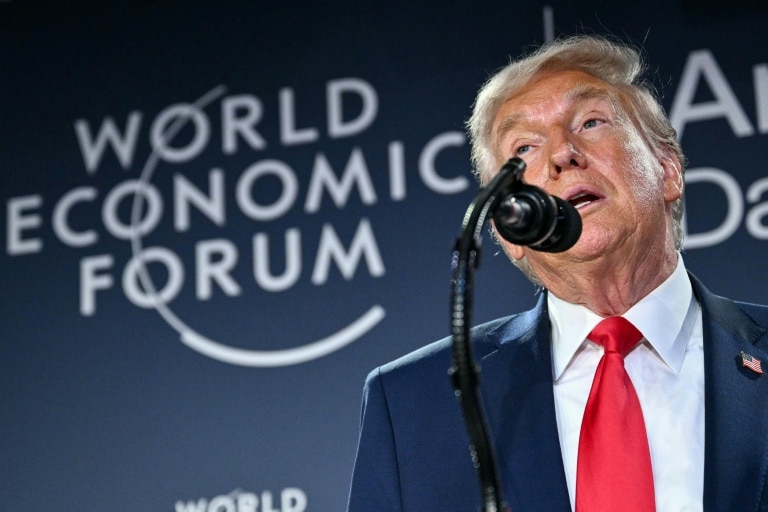
    At the World Economic Forum in Davos on January 21, 2026, U.S. President Donald Trump vigorously defended his controversial proposal to acquire Greenland from Denmark while justifying his tariff-based economic approach. The American leader characterized the Arctic territory as a critical strategic asset for national and international security, asserting that “no nation or group of nations is in any position to be able to secure Greenland other than the United States.”

    Trump’s address came amidst growing European opposition to both his territorial ambitions and economic policies. The president explicitly ruled out military force while demanding “immediate negotiations” for the purchase, framing it as a straightforward transaction rather than an expansionist maneuver.

    Regarding economic policy, Trump positioned tariffs as fundamental to American prosperity, declaring that “We have made some great trade deals; everyone knows when the U.S. grows, you will follow.” This defense followed his weekend threat on Truth Social to impose escalating tariffs—starting at 10% on February 1 and potentially reaching 25% by June—on eight NATO allies including the UK, Germany, and France unless they acquiesced to the Greenland acquisition.

    European leaders mounted a coordinated response ahead of Trump’s appearance. French President Emmanuel Macron rejected what he termed “the law of the strongest,” criticizing Trump’s approach as “new colonialism” and reaffirming Europe’s commitment to international law. European Commission President Ursula von der Leyen warned that tariff threats risked creating a “downward spiral” in transatlantic relations, while UK Prime Minister Keir Starmer condemned the proposed measures as “completely wrong.”

    The confrontation escalated following Trump’s speech, with the European Parliament formally suspending work on approving a previously negotiated U.S.-EU trade deal. European Council President Antonio Costa confirmed an emergency summit in Brussels to coordinate retaliatory measures, potentially targeting €110 billion ($129 billion) worth of American exports.

    Trump further complicated diplomatic tensions by attacking European renewable energy policies, particularly wind power, which he dismissed as a “hoax” that allegedly benefits China. However, industry data from the World Wind Energy Association directly contradicted his claims, showing China as the world’s largest wind power market with cumulative installed capacity exceeding 600 GW by mid-2025, including 51.4 GW added in the first half of that year alone.

  • Immigration officials allow suspect in $100M jewelry heist to self deport, avoiding trial

    Immigration officials allow suspect in $100M jewelry heist to self deport, avoiding trial

    In a stunning administrative decision that has jeopardized one of America’s largest criminal investigations, U.S. Immigration and Customs Enforcement (ICE) permitted the central suspect in a monumental $100 million jewelry theft to voluntarily depart for South America in December 2022. This unexpected deportation has created significant tensions between federal agencies and left prosecutors scrambling to salvage their case.

    Jeson Nelon Presilla Flores, identified as a key operative in the sophisticated 2022 armored truck robbery, faced substantial federal charges including conspiracy to commit theft from interstate and foreign shipment. The meticulously planned heist targeted a Brink’s tractor-trailer transporting precious gems and luxury watches from an international jewelry show near San Francisco. While court documents indicate Flores pleaded not guilty, conviction could have resulted in a 15-year prison sentence.

    The deportation occurred despite Flores’ status as a lawful permanent resident who had been released on bail. Defense attorney John D. Robertson subsequently filed a motion to permanently dismiss the indictment, arguing that ICE’s intervention violated his client’s criminal prosecution rights. Federal prosecutors have opposed this motion, requesting dismissal “without prejudice” to preserve future prosecution options should Flores reenter the United States.

    Legal experts characterize this interagency breakdown as highly unusual for a case of this magnitude. Former federal prosecutor Laurie Levenson noted the extraordinary nature of the deportation, stating, “It’s just beyond me how they would deport him without the prosecutors… being in on the conversation. This really was the left hand not knowing what the right hand was doing.”

    The aftermath has left numerous jewelry companies demanding answers and closure. Attorney Jerry Kroll, representing affected jewelers, emphasized the victims’ perspective: “When a defendant in a major federal theft case leaves the country before trial, victims are left without answers, without a verdict, and without closure.”

    Discrepancies in the reported value of stolen merchandise continue to complicate the case, with victims claiming over $100 million in losses while Brink’s security company maintains the stolen items were valued under $10 million.

  • US allies won’t soon forget Greenland crisis triggered by Trump

    US allies won’t soon forget Greenland crisis triggered by Trump

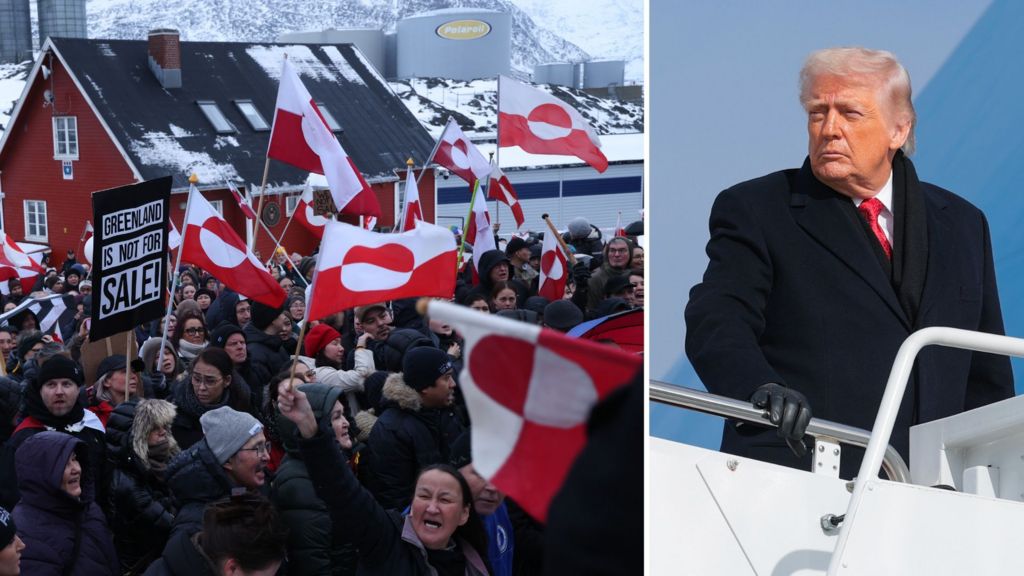
    A tense diplomatic standoff over Greenland’s sovereignty, ignited by Donald Trump’s acquisition threats and military rhetoric, appears to have been resolved through high-level NATO intervention. The crisis, which unfolded over two weeks and threatened transatlantic relations, culminated in a strategic agreement focused on Arctic security rather than territorial transfer.

    NATO Secretary General Mark Rutte played a pivotal role in de-escalating tensions following Trump’s provocative statements about purchasing Greenland and imposing tariffs on European allies. The breakthrough built upon preliminary discussions between Washington and a diplomatic delegation comprising Danish and Greenlandic foreign ministers, which established a working group to address the island’s future.

    While specific terms remain confidential, emerging details suggest the arrangement involves enhanced U.S. military presence on Greenland rather than sovereignty transfer. Anonymous officials cited by The New York Times indicate potential Danish cession of small territorial parcels for American military bases, mirroring the UK’s sovereign base model in Cyprus. President Trump additionally referenced secured access to Greenland’s substantial mineral resources, though neither Danish authorities nor NATO have confirmed these claims.

    NATO clarified that discussions center on collective Arctic security efforts among the seven Arctic allies—United States, Canada, Denmark, Norway, Sweden, Finland and Iceland—with explicit intent to counter Russian and Chinese military and economic expansion in the region.

    The resolution leaves behind diplomatic reverberations, with Canadian Prime Minister Mark Carney describing the episode as a ‘rupture’ in traditional alliances and EU Commission President Ursula von der Leyen referencing ‘seismic change’ in international relations. Observers note the crisis has accelerated calls for European strategic independence and exposed the fragility of existing alliance structures in the face of unilateral actions.