分类: politics

  • Son-in-law of Venezuelan opposition candidate released after 380 days in detention

    Son-in-law of Venezuelan opposition candidate released after 380 days in detention

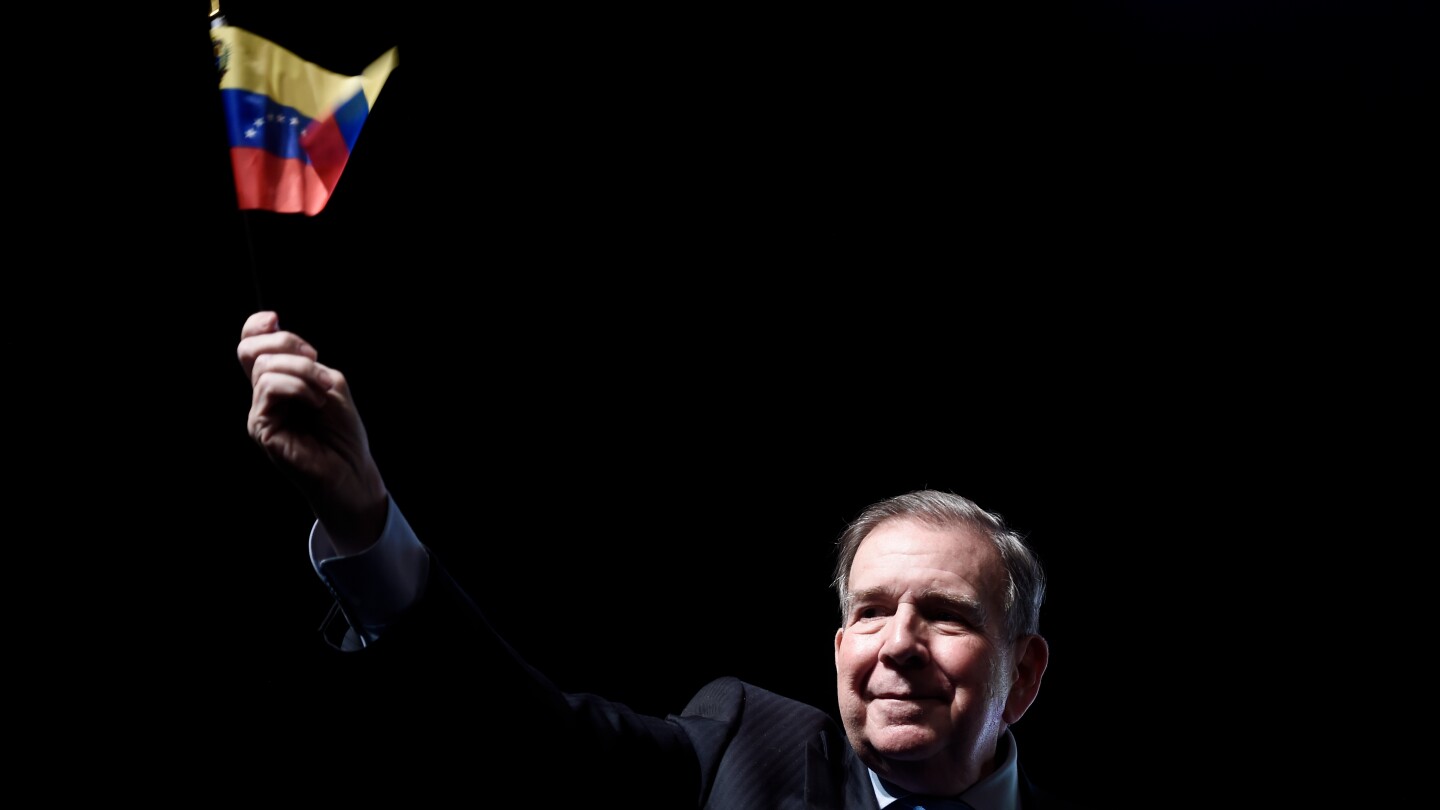
    CARACAS, Venezuela — In a significant development within Venezuela’s political landscape, Rafael Tudares Bracho, son-in-law of prominent opposition leader Edmundo González, has been released from detention after enduring over 380 days incommunicado imprisonment. His liberation represents part of a broader pattern of prisoner releases initiated by Venezuela’s interim government following the apprehension of former President Nicolás Maduro by U.S. authorities on narcotics trafficking allegations.

    The emotional reunion occurred Thursday morning, ending what family members described as an “unjust and arbitrary detention” characterized by enforced disappearance conditions. Mariana González, Tudares Bracho’s wife and daughter of the opposition leader, announced the development via social media platform X, emphasizing the “stoic and profoundly difficult struggle” the family endured throughout the ordeal.

    Tudares Bracho’s legal proceedings drew international scrutiny after his November 28 trial concluded within a single 12-hour session, resulting in convictions for conspiracy, terrorism, and criminal association charges that carried a 30-year sentence. The remarkably expedited judicial process and subsequent lengthy incommunicado detention raised serious concerns about due process violations.

    The release coincides with growing domestic pressure as families of detained Venezuelans maintain vigils outside prisons demanding freedom for approximately 800 imprisoned critics, journalists, and opposition members. Edmundo González, widely recognized as the legitimate victor of Venezuela’s 2024 presidential election despite his current exile status, celebrated the development while cautioning against viewing it as an isolated incident.

    In a social media statement, González emphasized the broader implications: “It would be a mistake to reduce this event to a personal story. There remain men and women deprived of liberty for political reasons, without guarantees, without due process, and in many cases, without truth.”

    According to Venezuela’s leading prisoner rights organization Foro Penal, this release brings the verified number of freed political prisoners to 145, while at least 775 individuals remain in detention. The Trump administration has characterized these releases as goodwill gestures toward the United States, though concerns persist regarding Venezuela’s judicial independence and human rights record.
  • Danish PM thanks Starmer for support over Greenland

    Danish PM thanks Starmer for support over Greenland

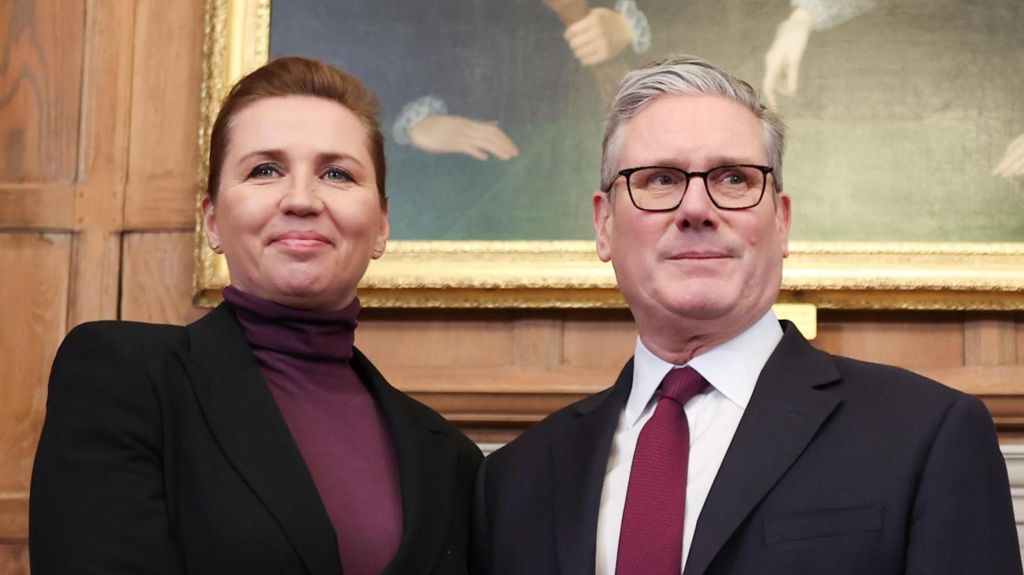
    In a significant diplomatic development, Danish Prime Minister Mette Frederiksen has expressed gratitude to UK Prime Minister Sir Keir Starmer for his unwavering support during recent tensions over former US President Donald Trump’s threats to annex Greenland. The leaders met at Chequers, the British prime minister’s country estate, where they celebrated the successful resolution of what Frederiksen described as “a difficult time” for European solidarity.

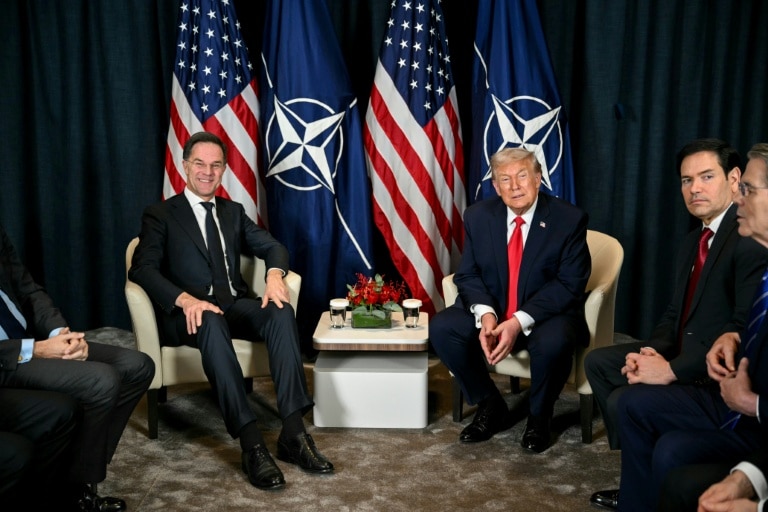
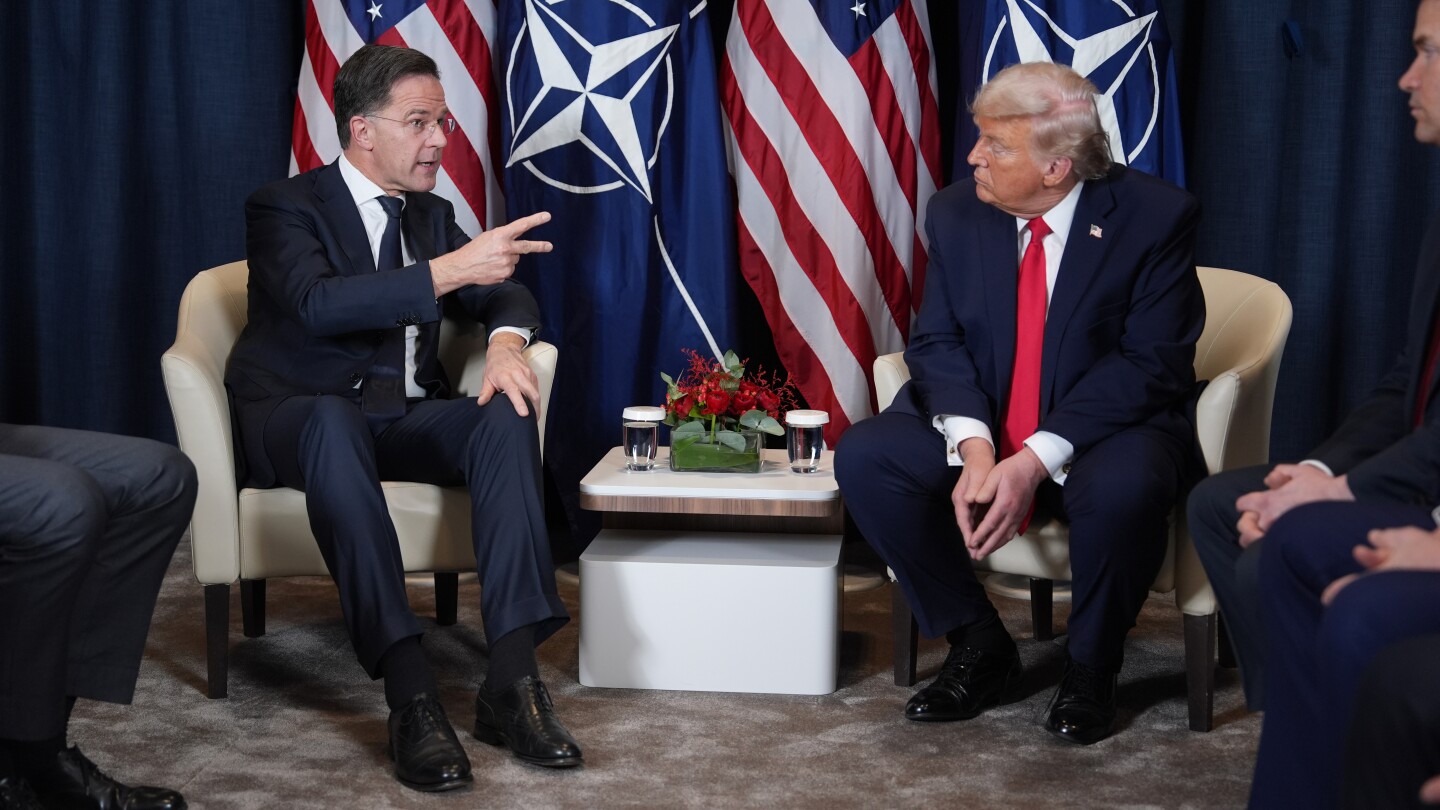
    The crisis emerged when Trump renewed calls for the United States to take control of Greenland, a Danish autonomous territory rich in strategic resources and geopolitical significance. This prompted immediate concern across NATO allies and triggered fears of potential trade wars. However, following intensive diplomatic efforts, including discussions between Trump and NATO Secretary General Mark Rutte at the World Economic Forum in Davos, the former president abandoned his threat to impose 10% import tariffs on eight countries, including the UK.

    Prime Minister Starmer welcomed the de-escalation, noting that “the threat of tariffs against the United Kingdom was lifted” and emphasizing the importance of Arctic security for global stability. “Now we can start the hard yards of finding a way forward on security in the Arctic, which may seem remote but actually matters to all of us in terms of safety and security,” Starmer stated during his Hertfordshire visit.

    The resolution emerged from what Downing Street characterized as “serious behind-the-scenes diplomacy,” with the UK maintaining constant communication with the US administration and coordinating closely with NATO leadership. The agreement includes developing a new framework for NATO’s role in enhancing Arctic security, though specific details remain limited.

    Foreign Secretary Yvette Cooper clarified that the agreement focuses on establishing an “Arctic sentry” initiative rather than addressing Greenland’s mineral resources. She emphasized that the climbdown resulted from the UK’s “determined diplomacy” and “very coordinated approach across allies,” despite Trump’s attempts to pressure the UK through criticism of the Chagos Islands agreement with Mauritius.

    The diplomatic victory highlights the effectiveness of what Frederiksen praised as the “British way” of diplomacy—pragmatic, fact-based, and principled. The Danish leader even referenced The Beatles, noting that sometimes nations need to “get by with a little help from our friends” in challenging situations.

  • Germany expels a Russian diplomat after a suspect is arrested in an espionage case

    Germany expels a Russian diplomat after a suspect is arrested in an espionage case

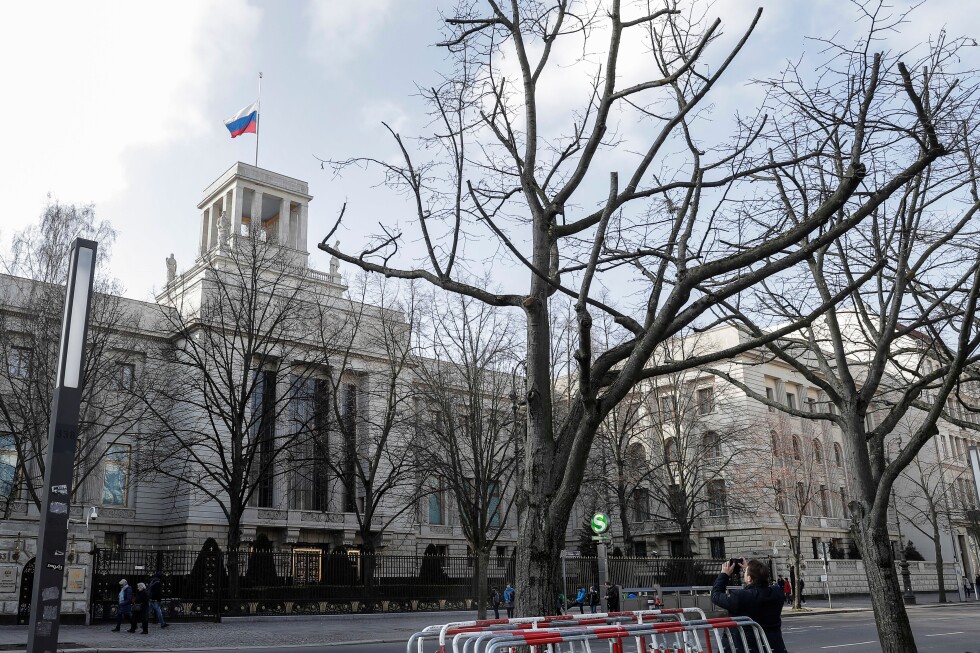
    BERLIN — In a significant diplomatic escalation, Germany has declared a Russian diplomat persona non grata following the arrest of a dual national suspected of conducting espionage operations for Russian intelligence. The German Foreign Ministry announced the expulsion on Thursday, stating unequivocally that espionage activities, particularly those masquerading under diplomatic cover, will not be tolerated on German soil.

    The case centers on a German-Ukrainian woman apprehended in Berlin on Wednesday by federal prosecutors. Investigation documents reveal she maintained regular contact since late 2023 with an operative from Russia’s embassy who was identified as an intelligence officer. According to prosecutors, the suspect provided sensitive information related to military support for Ukraine, including details about defense industry facilities, experimental drone testing programs, and planned deliveries of unmanned aerial vehicles to Ukrainian forces.

    Furthermore, the suspect allegedly facilitated her Russian contact’s infiltration of political events in Berlin using false identities, enabling intelligence gathering operations. The investigation has expanded to include two former German military employees, one recently retired officer, suspected of leaking classified information to the primary suspect. The Defense Ministry confirmed its active cooperation with the ongoing probe into these security breaches.

    The Russian ambassador was formally summoned to receive notification of the diplomat’s expulsion, underscoring Germany’s firm response to what it characterizes as unacceptable intelligence operations exploiting diplomatic channels.

  • Ugandan MP and Bobi Wine ally arrested over election violence

    Ugandan MP and Bobi Wine ally arrested over election violence

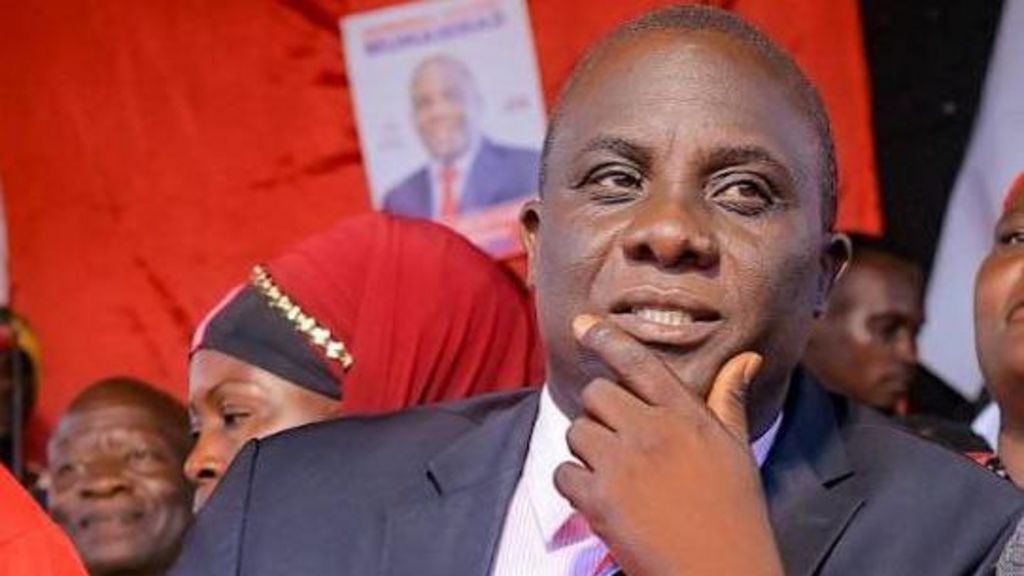
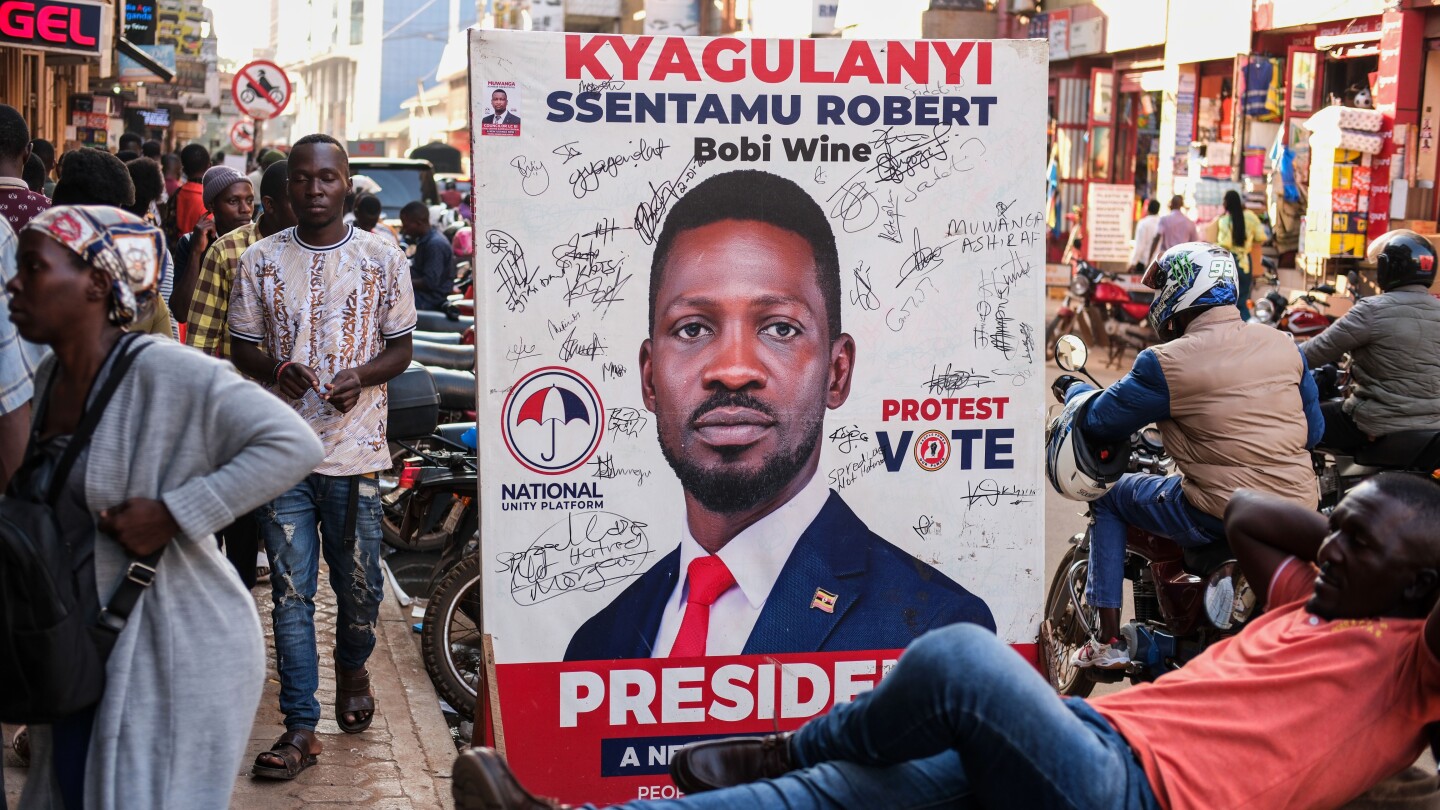
    Ugandan authorities have taken into custody Muwanga Kivumbi, a prominent opposition parliamentarian and key associate of opposition leader Bobi Wine, regarding alleged involvement in recent electoral violence. The arrest intensifies political strains following President Yoweri Museveni’s controversial re-election to an unprecedented seventh term.

    Kivumbi, serving as deputy leader of Wine’s National Unity Platform (NUP), faces accusations of orchestrating assaults on police facilities and vote-processing centers after his party’s electoral defeat—charges the NUP vehemently denies. The Uganda Police Force announced via social media platform X that Kivumbi would face judicial proceedings, characterizing his detention as connected to “recent incidents of political violence.”

    Conflicting narratives emerge regarding casualty figures. Official police reports indicate seven fatalities during the disturbances, while Kivumbi presents a contradictory account alleging ten individuals were killed at his residence while awaiting parliamentary election outcomes.

    President Museveni, during his victory address, specifically cautioned opposition elements including Kivumbi about alleged coordinated plans to target polling stations. He detailed that security forces neutralized seven individuals in Butambala district, outside Kampala, when groups reportedly armed with machetes attempted violent attacks.

    The political climate remains volatile with Bobi Wine—Museveni’s primary electoral opponent—currently in hiding after fleeing a post-election raid on his residence. Wine has repudiated the election results as fundamentally “fake” due to systematic electoral fraud, and alleges an ongoing “silent massacre” targeting political activists.

    Further complicating the situation, Uganda’s military commander General Muhoozi Kainerugaba—who is both Museveni’s son and presumed successor—disclosed that security forces eliminated 22 opposition supporters during election-related clashes. This contrasts with Wine’s unverified social media assertion of over 100 election violence fatalities.

    Authorities have reportedly detained dozens of youths in Kampala on various election-related charges, signaling a broader crackdown. Uganda, which has never experienced peaceful presidential transition since independence, continues under Museveni’s rule that began in 1986 and could extend to 45 years by 2031.

  • What we know about Trump’s  ‘framework of future deal’ over Greenland

    What we know about Trump’s ‘framework of future deal’ over Greenland

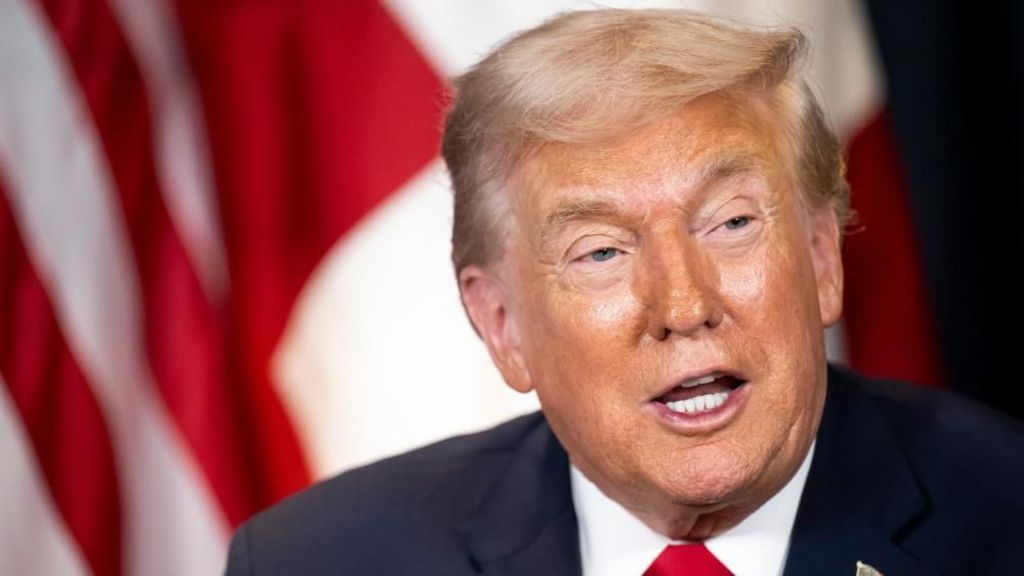
    In a surprising diplomatic development, former U.S. President Donald Trump has declared the establishment of a “framework of a future deal” concerning Greenland during the World Economic Forum in Davos, Switzerland. The announcement came through his Truth Social platform on Wednesday, following discussions with NATO Secretary General Mark Rutte.

    This declaration follows weeks of heightened tensions after Trump threatened economic sanctions against eight close U.S. allies who opposed his controversial plans to acquire the semi-autonomous Danish territory. While Trump characterized the meeting with Rutte as “very productive,” the NATO leader clarified that Danish sovereignty over Greenland was not discussed during their conversation.

    Both Danish and Greenlandic authorities have responded with firm statements reaffirming that sovereignty remains non-negotiable. Danish Prime Minister Mette Frederiksen emphasized that while Denmark remains open to discussions on “security, investments, economy,” the nation’s sovereignty is not subject to negotiation. This position was echoed by Aaja Chenmitz, one of Greenland’s two representatives in the Danish parliament, who asserted that “Nothing about us without us” regarding any negotiations affecting Greenland.

    The diplomatic standoff appears to center on reports suggesting the potential transfer of sovereignty over specific areas of Greenland for U.S. military bases, similar to Britain’s sovereign base areas in Cyprus. U.K. Foreign Secretary Yvette Cooper expressed hope for trilateral discussions involving Denmark, Greenland, and the United States while emphasizing that Greenland’s sovereignty must be protected.

    Strategic concerns driving U.S. interest include countering perceived threats from Chinese and Russian activities in the Arctic region and securing access to Greenland’s vast reserves of rare earth minerals, crucial for modern technologies. NATO allies have proposed alternative security arrangements, including an “Arctic Sentry” initiative modeled after the Baltic Sea surveillance mission, to address U.S. security concerns without compromising sovereignty.

    The existing 1951 defense agreement between the U.S. and Denmark already permits unlimited U.S. military personnel in Greenland, with over 100 permanently stationed at the Pituffik base. Potential negotiations may focus on modernizing this agreement rather than transferring sovereignty, despite Trump’s previous insistence that “Countries have to have ownership and you defend ownership, you don’t defend leases.”

    This development represents the latest chapter in Trump’s longstanding interest in acquiring Greenland, continuing a tradition of U.S. presidential interest in the strategically vital Arctic territory that dates back decades.

  • What to know about Greenland’s role in nuclear defense and Trump’s ‘Golden Dome’

    What to know about Greenland’s role in nuclear defense and Trump’s ‘Golden Dome’

    The vast ice-covered expanse of Greenland has emerged as a geopolitical focal point in hypothetical nuclear conflict scenarios involving global powers. Scientific analysis reveals that intercontinental ballistic missiles (ICBMs) launched between nuclear adversaries would predominantly traverse Arctic airspace, placing Greenland directly within critical flight corridors.

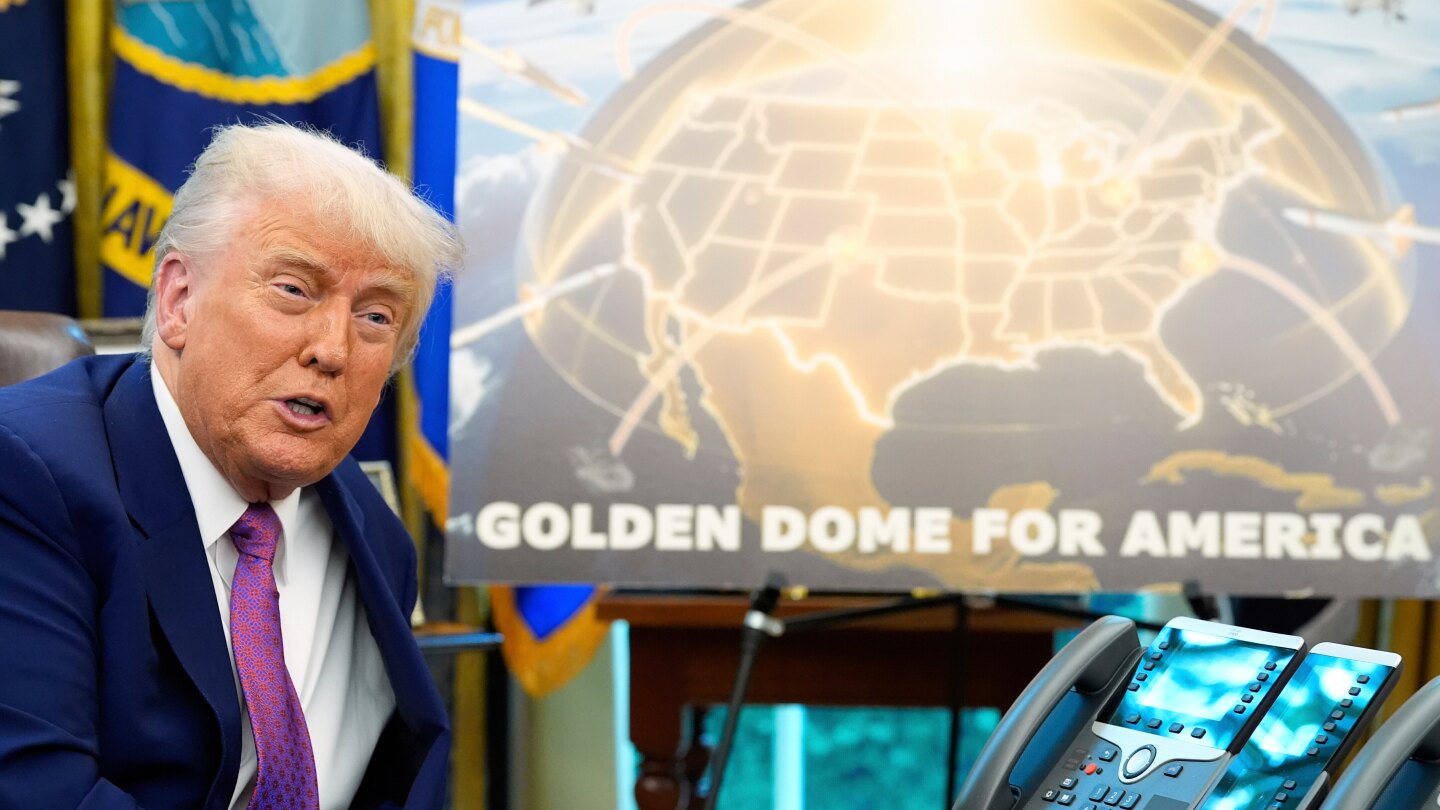
    This strategic positioning has catalyzed unprecedented political maneuvers. Former U.S. President Donald Trump has publicly advocated for American acquisition of the autonomous Danish territory, citing imperative defense requirements. His proposed ‘Golden Dome’ missile defense initiative—a multibillion-dollar technological shield purportedly becoming operational before 2029—forms the cornerstone of this geopolitical proposition.

    The Pituffik Space Base (formerly Thule Air Base) represents America’s northernmost early-warning installation. Its advanced AN/FPS-132 radar system possesses remarkable capabilities, scanning over 5,550 kilometers with 240-degree coverage while detecting objects as small as automobiles. This installation provides crucial response time for decision-makers contemplating nuclear engagement scenarios.

    However, defense analysts question the logical consistency of acquisition arguments. The United States maintains operational control through existing bilateral agreements, with decades of uninterrupted access. French nuclear specialist Etienne Marcuz notes comparable strategic installations in allied territories like the United Kingdom’s Fylingdales radar station operate without sovereignty discussions.

    Technological evolution further complicates acquisition rationale. Emerging space-based sensor systems and advanced detection technologies may gradually diminish Greenland’s strategic monopoly in missile tracking. The political landscape has also shifted markedly—where Denmark previously accommodated U.S. defense requests routinely, current relations show increased strain following acquisition proposals.

    The geopolitical chessboard continues evolving as Arctic capabilities gain prominence in great power competition, with Greenland remaining both strategically vital and politically contentious in global security architecture.

  • What we know about Trump’s Greenland ‘framework’ deal

    What we know about Trump’s Greenland ‘framework’ deal

    In a significant diplomatic reversal, President Donald Trump has withdrawn his threat to impose tariffs on European nations and seize Greenland from Denmark, instead announcing a new framework for Arctic cooperation following discussions with NATO Secretary General Mark Rutte at the World Economic Forum in Davos.

    The breakthrough came after weeks of escalating tensions that saw Trump threaten to levy tariffs against eight European countries beginning February 1 unless Denmark ceded control of the autonomous Arctic territory. The president’s abrupt policy shift emerged from substantive talks focused on regional security concerns rather than territorial acquisition.

    According to officials familiar with the negotiations, the United States and Denmark will renegotiate their 1951 defense pact concerning Greenland, which already grants Washington considerable military flexibility on the island. The existing agreement, last updated in 2004, essentially permits the U.S. to expand its military presence provided it notifies Danish and Greenlandic authorities in advance.

    The current American military footprint in Greenland centers on the strategically vital Pituffik Space Base in the northwest, which serves as a critical component of the U.S. missile defense system.

    Secretary General Rutte characterized the discussions as productive, noting that one key outcome was establishing how NATO members with Arctic territories—seven nations in total—could collectively enhance regional security. “We discussed how to ensure that the Chinese and Russians will not gain access to the Greenland economy or military infrastructure,” Rutte stated, emphasizing the alliance’s shared interest in limiting non-Arctic powers’ influence in the region.

    Both American and European officials explicitly denied that sovereignty arrangements for U.S. bases in Greenland were discussed during the Rutte-Trump meeting. Danish Prime Minister Mette Frederiksen reinforced this position, confirming she had consulted with Rutte both before and after his discussion with Trump and stating unequivocally that “no negotiations were held yesterday with NATO about our sovereignty.”

  • NATO chief Mark Rutte’s shows he’s the ‘Trump Whisperer’ after Greenland diplomacy with Trump

    NATO chief Mark Rutte’s shows he’s the ‘Trump Whisperer’ after Greenland diplomacy with Trump

    THE HAGUE, Netherlands — A potentially explosive geopolitical standoff between the United States and European allies over Greenland’s sovereignty was unexpectedly defused through the diplomatic intervention of NATO Secretary-General Mark Rutte, reinforcing his reputation as Washington’s most effective European interlocutor.

    The crisis emerged when President Donald Trump publicly asserted America’s claim to ‘complete ownership’ of Greenland, threatening punitive tariffs against eight European nations to pressure Denmark over control of the strategically vital Arctic territory. Even after Trump retracted threats of military action during his Davos address, the diplomatic impasse persisted.

    Rutte’s behind-the-scenes diplomacy proved decisive. Through a combination of personal charm and strategic flattery—including effusive text messages addressing Trump as ‘daddy’ and ‘Mr. President, dear Donald’—the Dutch politician engineered a dramatic reversal. Trump subsequently announced a new ‘framework for future Arctic security agreements’ developed in consultation with Rutte at the World Economic Forum.

    Atlantic Council strategist Matthew Kroenig observed: ‘Secretary-General Rutte has emerged as Europe’s most effective diplomat and Trump whisperer. He possesses a unique ability to maintain constructive U.S. engagement with NATO through his distinctive communication style.’

    Rutte’s approach reflects political skills honed during nearly thirteen years as Netherlands’ longest-serving prime minister, where he earned the nickname ‘Teflon Mark’ for surviving numerous scandals through pragmatic coalition-building and perceived indestructible cheerfulness. His resilience was demonstrated when he resigned over a childcare allowance scandal in 2021 only to win subsequent elections with increased support.

    The NATO leadership appointment itself demonstrated Rutte’s exceptional diplomatic capabilities, having secured backing from traditionally skeptical leaders including Hungary’s Viktor Orbán and Turkey’s Recep Tayyip Erdoğan. His consensus-building skills are considered particularly valuable as NATO navigates Trump’s criticisms while coordinating support for Ukraine against Russian aggression.

    Finnish President Alexander Stubb, another leader noted for Trump rapport, publicly endorsed Rutte’s crisis-resolution abilities during the Greenland tensions, telling Davos attendees the solution lay with the Dutch leader—prompting knowing laughter from audience members and panelists alike.

  • After presidential election, Ugandan police detain a key ally of opposition figure Bobi Wine

    After presidential election, Ugandan police detain a key ally of opposition figure Bobi Wine

    Ugandan authorities have escalated their crackdown on opposition forces following last week’s contentious presidential election, detaining a senior ally of opposition leader Bobi Wine amid allegations of electoral violence. Muwanga Kivumbi, deputy president of Wine’s National Unity Platform party and a sitting lawmaker, was taken into custody Thursday for his purported involvement in deadly clashes within his Butambala constituency that resulted in seven fatalities.

    The detained parliamentarian, who recently lost his parliamentary seat, stands accused of instigating violence that prompted security forces to open fire on his residence. Kivumbi emotionally addressed the tragedy during victim funerals, maintaining that those killed were innocent casualties of state-sponsored aggression rather than perpetrators.

    President Yoweri Museveni, extending his 35-year rule with a declared 71.6% victory that opposition forces decry as fraudulent, has taken a confrontational stance against dissent. In a nationally televised address, the 81-year-old leader alleged opposition elements attempted to disrupt voting processes, claiming victims in Butambala had assaulted police officers with machetes. Museveni specifically urged religious leaders to intervene with youth he described as vulnerable to political manipulation.

    Despite police spokesman Kituuma Rusoke’s assurance that Bobi Wine (legally named Kyagulanyi Ssentamu) faces no current accusations and remains under state protection, the opposition leader reports being in hiding due to safety concerns. The electoral process itself faced widespread criticism following a multi-day internet blackout and technical failures in biometric voting systems that disproportionately affected opposition strongholds including the capital Kampala.

    International observers note this election continues Uganda’s six-decade absence of peaceful presidential transitions since independence. Museveni’s forthcoming seventh term will extend his leadership toward a half-century, cementing his dominance over a political landscape where no clear successors have emerged within his National Resistance Movement party.

  • Bangladesh launches campaigns for first post-Hasina polls

    Bangladesh launches campaigns for first post-Hasina polls

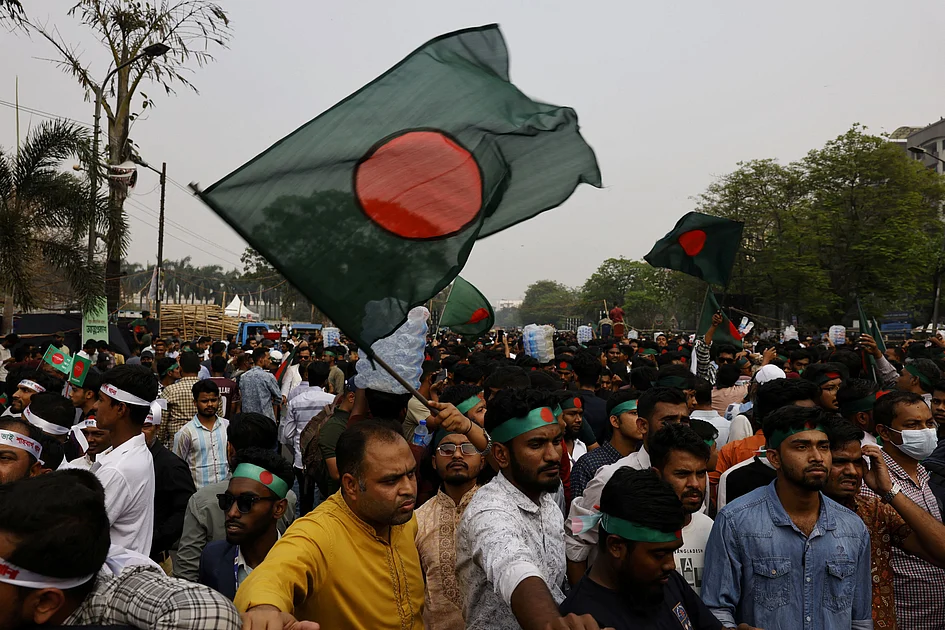
    Bangladesh has formally commenced campaign activities for its landmark February 12 parliamentary elections, marking the nation’s first electoral process since the 2024 uprising that ended Sheikh Hasina’s prolonged authoritarian rule. The South Asian nation of 170 million people stands at a critical juncture, with these elections poised to reshape both domestic governance and regional power dynamics following extended political instability.

    The electoral atmosphere remains charged with both anticipation and apprehension. Recent security concerns include the murder of a student leader involved in the anti-Hasina protests last month, while authorities have issued warnings about coordinated disinformation campaigns targeting the electoral process. European Union observers have designated these elections as the “most significant democratic exercise of 2026.”

    Political mobilization has reached unprecedented scales, with mass rallies expected to draw hundreds of thousands of supporters. The Bangladesh Nationalist Party (BNP), under the leadership of Tarique Rahman, has initiated its campaign from the northeastern city of Sylhet. Rahman, who returned from 17 years of exile in December, assumed party leadership following the death of his mother, former Prime Minister Khaleda Zia.

    The campaign traditionally begins in Sylhet, home to the centuries-old Sufi shrine of Shah Jalal, despite Jamaat-e-Islami’s ideological opposition to Sufi interpretations of Islam. This Islamist party instead launched its campaign from Dhaka, led by Shafiqur Rahman. The National Citizen Party (NCP), formed by student leaders of the uprising and now allied with Jamaat-e-Islami, similarly commenced its activities in the capital.

    Overseeing the transition is Muhammad Yunus, the 85-year-old Nobel Peace Prize laureate who returned from exile in August 2024 to lead a caretaker government as “chief adviser.” Yunus describes inheriting a “completely broken” political system and has championed constitutional reforms aimed at preventing a return to authoritarianism. A referendum on these reforms will occur concurrently with the elections, proposing strengthened checks and balances among government branches.

    Yunus has expressed particular concern about the impact of disinformation on the electoral process, noting that social media platforms face coordinated attacks spreading false information from both foreign and domestic sources. Meanwhile, regional relations have shifted significantly, with neighboring India providing refuge to the deposed Sheikh Hasina, who received a death sentence in absentia for crimes against humanity during her crackdown on protesters.