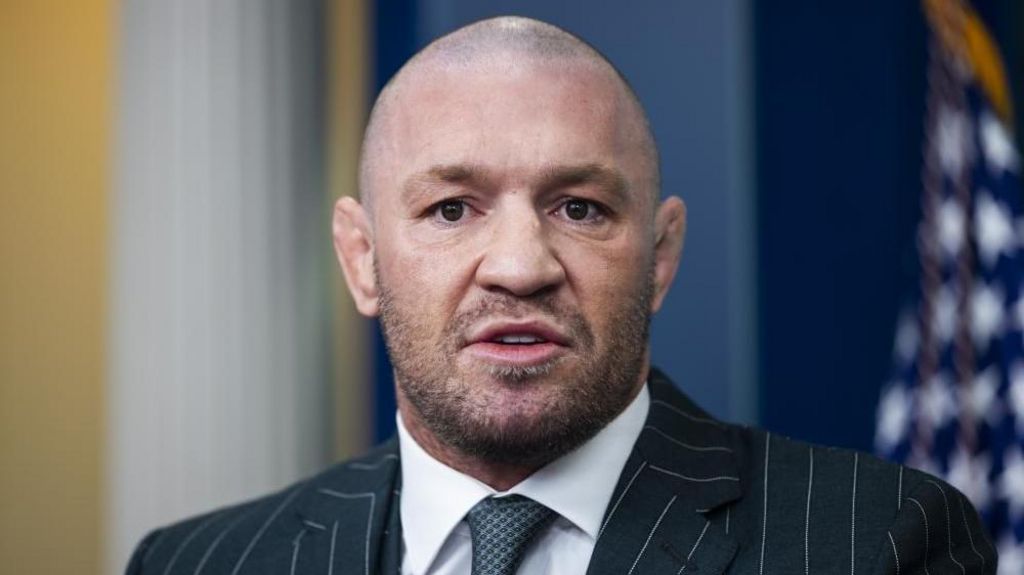
Mixed martial arts star Conor McGregor has announced his withdrawal from the upcoming Irish presidential election, just hours before he was scheduled to address key council meetings in Dublin and Kildare. McGregor, who had been vying for the nominations required to appear on the ballot, cited “careful reflection and family consultations” as the reasons behind his decision. The 37-year-old former UFC champion expressed gratitude for the “support and encouragement” he received but criticized the election’s eligibility rules, calling them a “straitjacket” that hinders a truly democratic process. McGregor’s withdrawal comes after months of social media campaigning, during which he urged his followers to lobby local councillors for his nomination. However, his absence from early candidate presentations raised doubts about his commitment to the race. McGregor’s potential candidacy had already faced scrutiny due to his legal troubles, including a recent civil case in which he was ordered to pay £206,000 in damages for sexual assault allegations, which he denies. With McGregor out of the running, the focus now shifts to the three confirmed candidates: Catherine Connolly, Jim Gavin, and Heather Humphreys, each backed by major political parties. The Irish presidential election is set for October 24, with nominations closing on September 24.
分类: politics
-
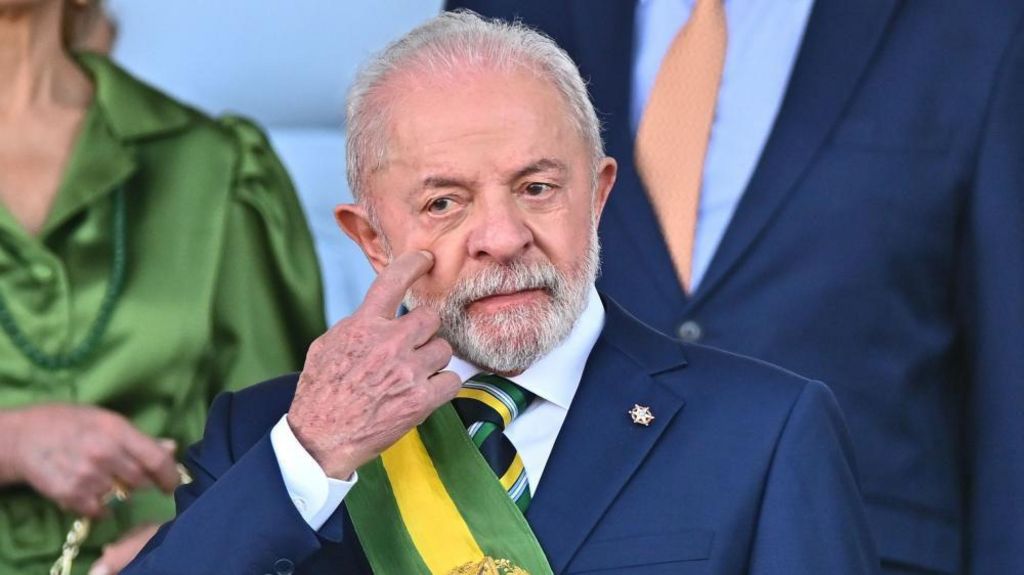
Brazil’s Lula hits back at Trump over Bolsonaro trial and tariffs
Brazilian President Luiz Inácio Lula da Silva has publicly defended the trial and subsequent sentencing of his predecessor, Jair Bolsonaro, to over 27 years in prison for orchestrating a coup attempt. In a strongly-worded opinion piece published in the New York Times, Lula refuted claims by former U.S. President Donald Trump that the trial was a ‘witch hunt,’ describing it instead as a ‘historic decision that safeguards Brazil’s institutions and democratic rule of law.’ Lula emphasized that the trial was conducted in strict adherence to Brazil’s 1988 Constitution, which was established after decades of struggle against military dictatorship. He also addressed the strained relations between the U.S. and Brazil, criticizing Trump’s imposition of 50% tariffs on Brazilian imports as ‘misguided and illogical.’ Lula argued that the U.S. had accumulated a $410 billion trade surplus with Brazil over the past 15 years, suggesting that the tariffs were politically motivated. He further accused the U.S. government of using tariffs and the Magnitsky Act to shield Bolsonaro from accountability. Lula concluded by asserting Brazil’s commitment to dialogue with the U.S. but made it clear that ‘Brazil’s democracy and sovereignty are not on the table.’ The trial, which concluded last Thursday, saw four out of five Supreme Court justices convict Bolsonaro on all charges. Bolsonaro’s legal team has announced plans to appeal the verdict.
-
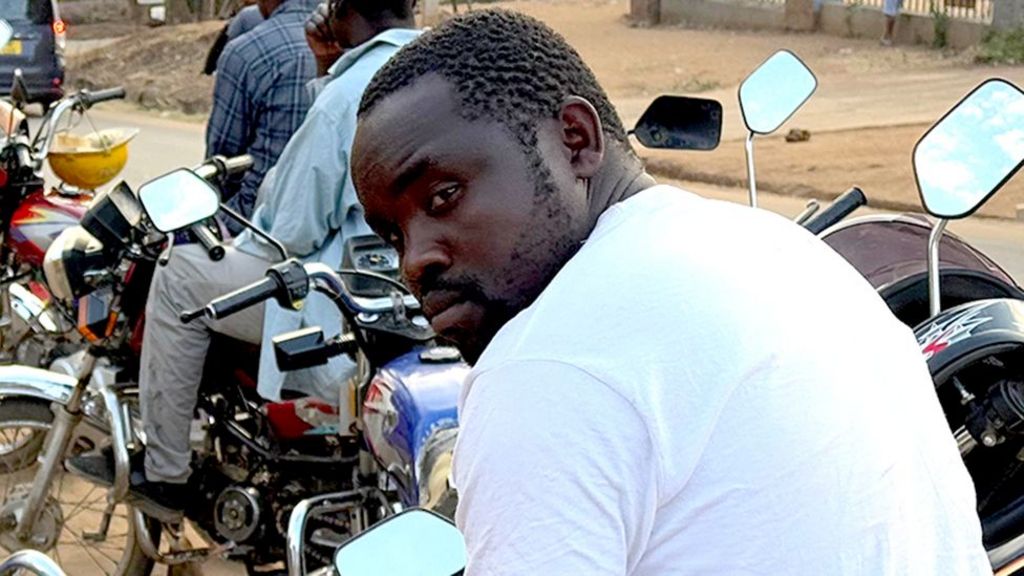
Malawi – where the petrol queue might overshadow the queue to vote
As Malawi approaches its general election on Tuesday, the pressing concerns for many citizens are not the candidates or their promises, but the dire economic conditions that have gripped the nation. Prolonged fuel shortages, frequent power outages, skyrocketing living costs, widespread hunger, and rampant youth unemployment have created a palpable sense of frustration among the populace. Against this backdrop, the presidential, parliamentary, and local council candidates are vying for votes, but the usual fervor of election campaigns has been noticeably subdued. The presidential race, a rematch between incumbent Lazarus Chakwera and former President Peter Mutharika, has been marked by a lack of the traditional campaign fanfare, with fewer billboards and limited distribution of free T-shirts. The economic strain has also led to tensions, with fistfights breaking out in long queues for petrol. Chakwera has attempted to address the fuel crisis, blaming corrupt officials for sabotaging the oil market, but the issue remains unresolved. The economic challenges are particularly significant for young voters, who make up around half of the electorate. Many express disillusionment with the political process, citing years of unfulfilled promises. Despite the cynicism, candidates like Chakwera, Mutharika, and former President Joyce Banda continue to campaign, each pledging to bring about radical change. However, the real test will be whether the eventual winner can deliver on their promises and alleviate the economic hardships faced by the majority of Malawians.
-
If Donald Trump gets his disaster capitalism way in Gaza
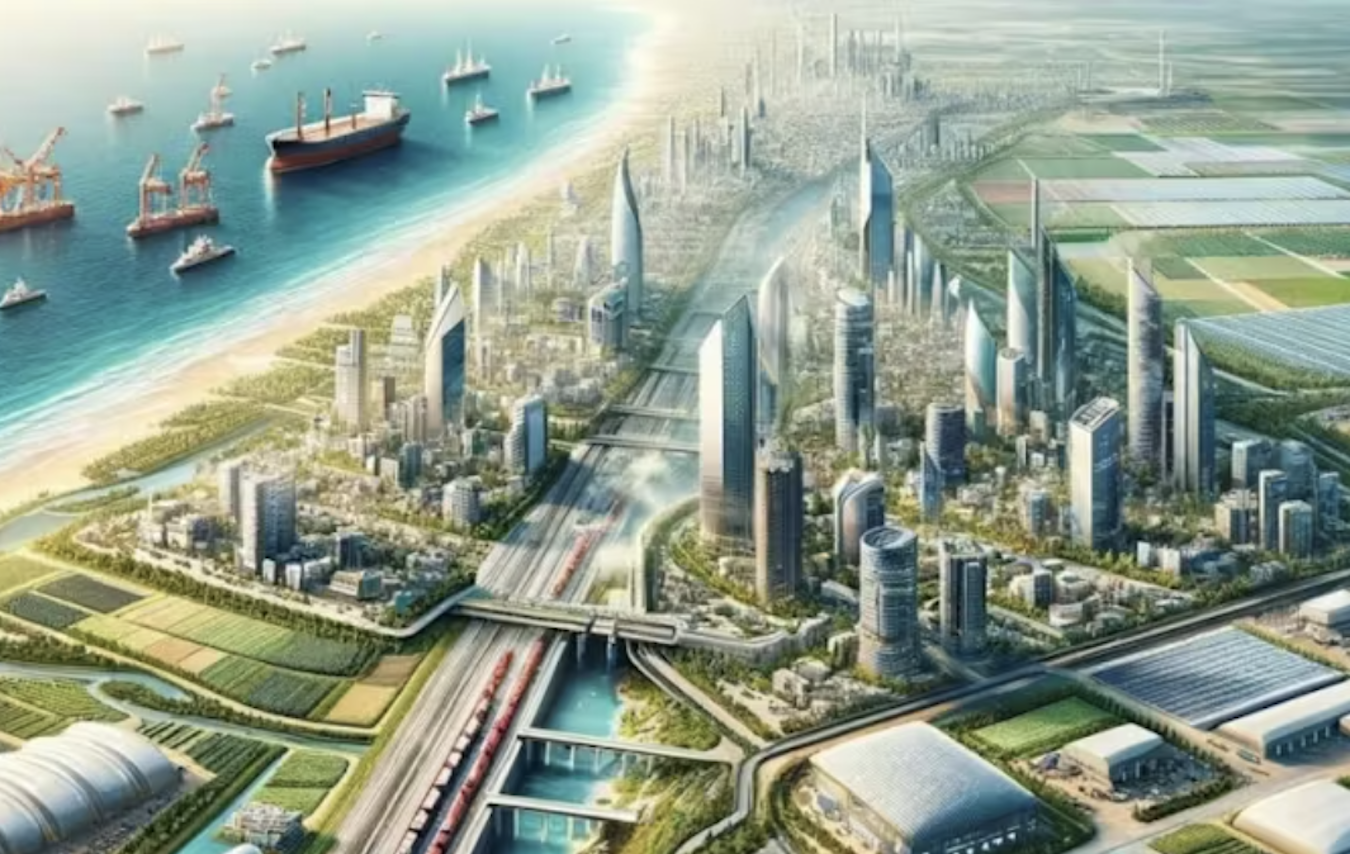
Gaza, a region devastated by conflict, lies in ruins with entire neighborhoods destroyed and hundreds of thousands of residents crammed into tents, struggling for basic necessities like food, water, and power. Amid this humanitarian crisis, a leaked 38-page document from the Trump administration, titled the Gaza Reconstitution, Economic Acceleration and Transformation (Great) Trust, proposes a radical plan to “fundamentally transform Gaza” by integrating it into the India–Middle East–Europe Economic Corridor (Imec).
The plan, framed as a reconstruction effort, emphasizes “massive US gains” and the acceleration of Imec, while consolidating an “Abrahamic regional architecture”—a reference to the 2020 Abraham Accords that normalized relations between Israel, the UAE, and Bahrain. This vision aligns closely with Israeli Prime Minister Benjamin Netanyahu’s “Gaza 2035” proposal, which envisions Gaza as a sanitized logistics hub linked to Saudi Arabia’s Neom mega-project, devoid of meaningful Palestinian presence.
Imec, launched at the 2023 G20 summit in New Delhi, is a transformative infrastructure project signed by the US, EU, India, Saudi Arabia, and the UAE. It includes railways, ports, pipelines, and digital cables connecting South Asia to Europe via the Arabian Peninsula. While Israel is not a formal signatory, its role is implicit, with the corridor running through Haifa Port.
The plan casts Gaza as both an obstacle and a gateway, presenting it as a historic crossroads of trade routes. It proposes extending Gaza’s port, integrating its industries into regional supply chains, and reorganizing its land into “planned cities” and digital economies. However, the vision is not one of recovery for Gaza’s residents but rather its conversion into a logistics center serving Imec.
The Great Trust’s most radical element is its model of direct trusteeship, envisioning a US-led custodianship that would govern Gaza, oversee security, manage aid, and control redevelopment. Even after establishing a “Palestinian polity,” the trust would retain powers through a Compact of Free Association. The plan also includes provisions for “voluntary relocation,” offering financial incentives for Palestinians to leave Gaza, a move critics argue sanctions ethnic cleansing.
The document is laden with “Abrahamic” branding, from logistics hubs to infrastructure corridors, and envisions a techno-futurist Gaza with smart manufacturing zones, AI-regulated data centers, and luxury resorts. It aims to channel Gulf capital into Gaza’s redevelopment, forecasting $70–100 billion in public investment and $35–65 billion from private investors.
While Saudi Arabia has not formally joined the Abraham Accords, its backing of Imec signals acceptance of the framework. For Washington, Gaza’s reconstruction is seen as a final step in persuading Riyadh to normalize relations with Israel. However, the plan’s focus on Gaza as a distressed asset to be flipped raises ethical concerns, with critics labeling it disaster capitalism at its sharpest.
Despite the grand visions of free-trade zones and futuristic cities, Palestinians have consistently rejected such schemes. The leaked document underscores that Gaza’s future is being framed within a broader US effort to reshape the region, raising questions about whose interests are truly being served.
-
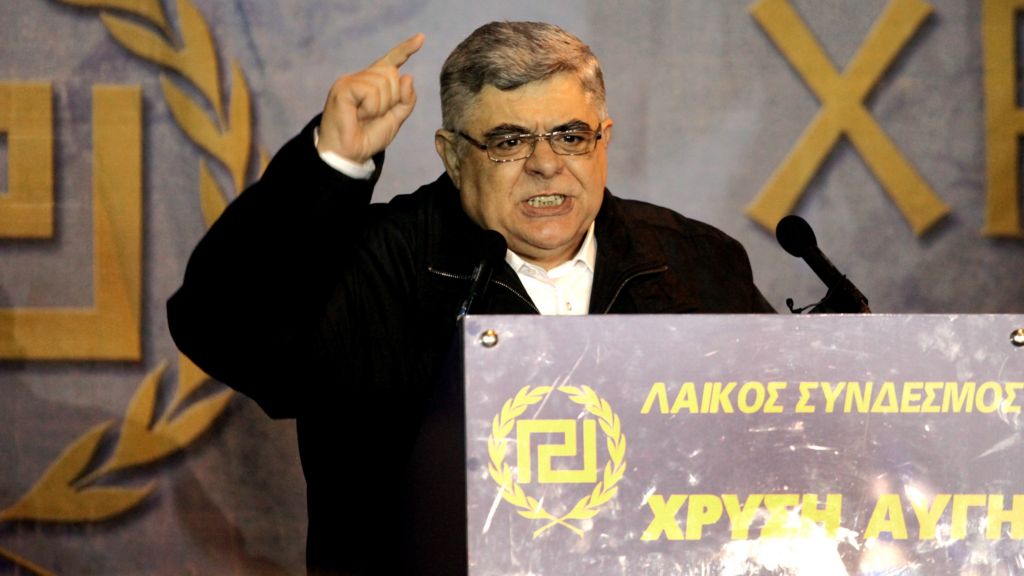
Neo-Nazi Golden Dawn leader released from prison early
Nikos Michaloliakos, the notorious leader of the Greek neo-Nazi party Golden Dawn, has been granted early release from prison, igniting widespread condemnation. The 67-year-old far-right politician, known for his admiration of Nazism and Holocaust denial, was permitted to serve the remainder of his 13-year sentence under house arrest due to health concerns, as reported by state media on Friday. Michaloliakos had been convicted in 2020 for orchestrating a series of violent attacks on immigrants and political opponents carried out by Golden Dawn supporters. This marks the second time he has been released early; a previous attempt in May 2024 was revoked after he failed to demonstrate satisfactory behavior. Golden Dawn, which Michaloliakos founded and led, was declared a criminal organization linked to the murder of an anti-fascist musician and attempted murders of Egyptian fishermen and communist activists. The party gained significant traction during Greece’s financial crisis, securing third place in the 2012 elections with its anti-immigrant and nationalist rhetoric. Despite officially denying its neo-Nazi identity, Golden Dawn adopted Nazi-inspired symbols and ideologies. Michaloliakos and former party MPs were convicted of leading or participating in the criminal group. The decision to release him has drawn sharp criticism from left-wing parties, with Greece’s New Left party calling it a ‘serious blow to the collective memory and the struggle for democracy and justice.’ The communist party KKE has demanded the decision be overturned, emphasizing that Golden Dawn’s crimes remain unforgotten by the public and younger generations.
-
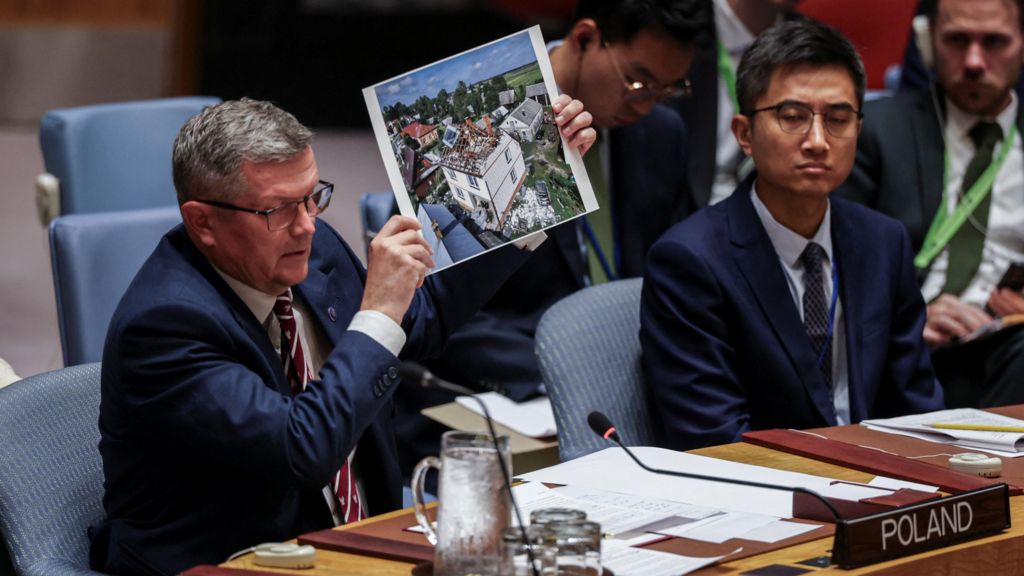
New Nato mission to bolster eastern flank after Russia drone incursion
In a dramatic escalation of tensions, Poland has accused Russia of a deliberate incursion after more than a dozen drones breached Polish airspace on Wednesday. The incident, described as the most serious of its kind since Russia’s full-scale invasion of Ukraine began in February 2022, has prompted a swift response from Nato allies. Denmark, France, and Germany have pledged military support, including fighter jets and warships, to strengthen the alliance’s eastern flank. Other Nato members are expected to follow suit in the coming days.
-
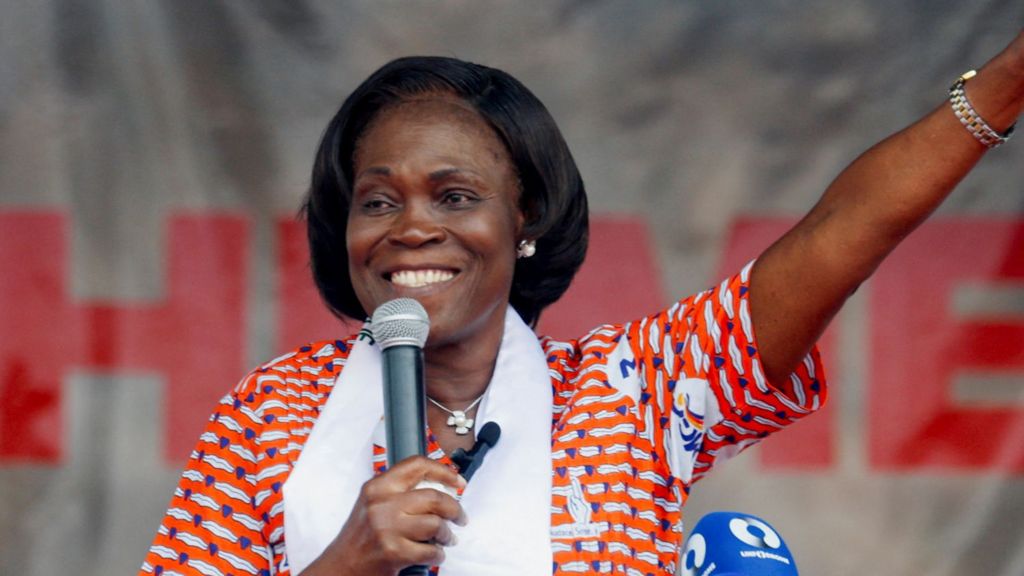
Ivory Coast’s ‘iron lady’ – from hiding in a bunker to presidential hopeful
In a dramatic political resurgence, former Ivory Coast First Lady Simone Gbagbo has announced her candidacy for the upcoming presidential election, marking a significant turn in her tumultuous career. Once a fugitive hiding in a bunker to evade arrest, Gbagbo, now 76, has emerged as a defiant contender, promising to modernize and revitalize the nation. Her journey from the shadows of her ex-husband Laurent Gbagbo’s presidency to the forefront of Ivorian politics is a testament to her resilience and ambition. Known as the ‘Iron Lady’ for her steely demeanor, Gbagbo has long been a polarizing figure in Ivory Coast’s political landscape. Her tenure as first lady from 2000 to 2011 was marked by her influential role in her husband’s administration, where she was both revered and feared. Despite a criminal conviction and a highly publicized divorce, Gbagbo has methodically rebuilt her political base, founding the leftist Movement of Capable Generations (MGC) and positioning herself as a formidable challenger to incumbent President Alassane Ouattara. Her candidacy is not only a political milestone but also a symbolic one, as she seeks to become Ivory Coast’s first female president. Gbagbo’s campaign, fueled by her powerful rhetoric and extensive political experience, has garnered significant attention, particularly among her ex-husband’s supporters, who have been barred from backing Laurent due to his ineligibility. As the election approaches, all eyes are on Simone Gbagbo, whose potential victory would mark a historic chapter in Ivory Coast’s turbulent political history.
-
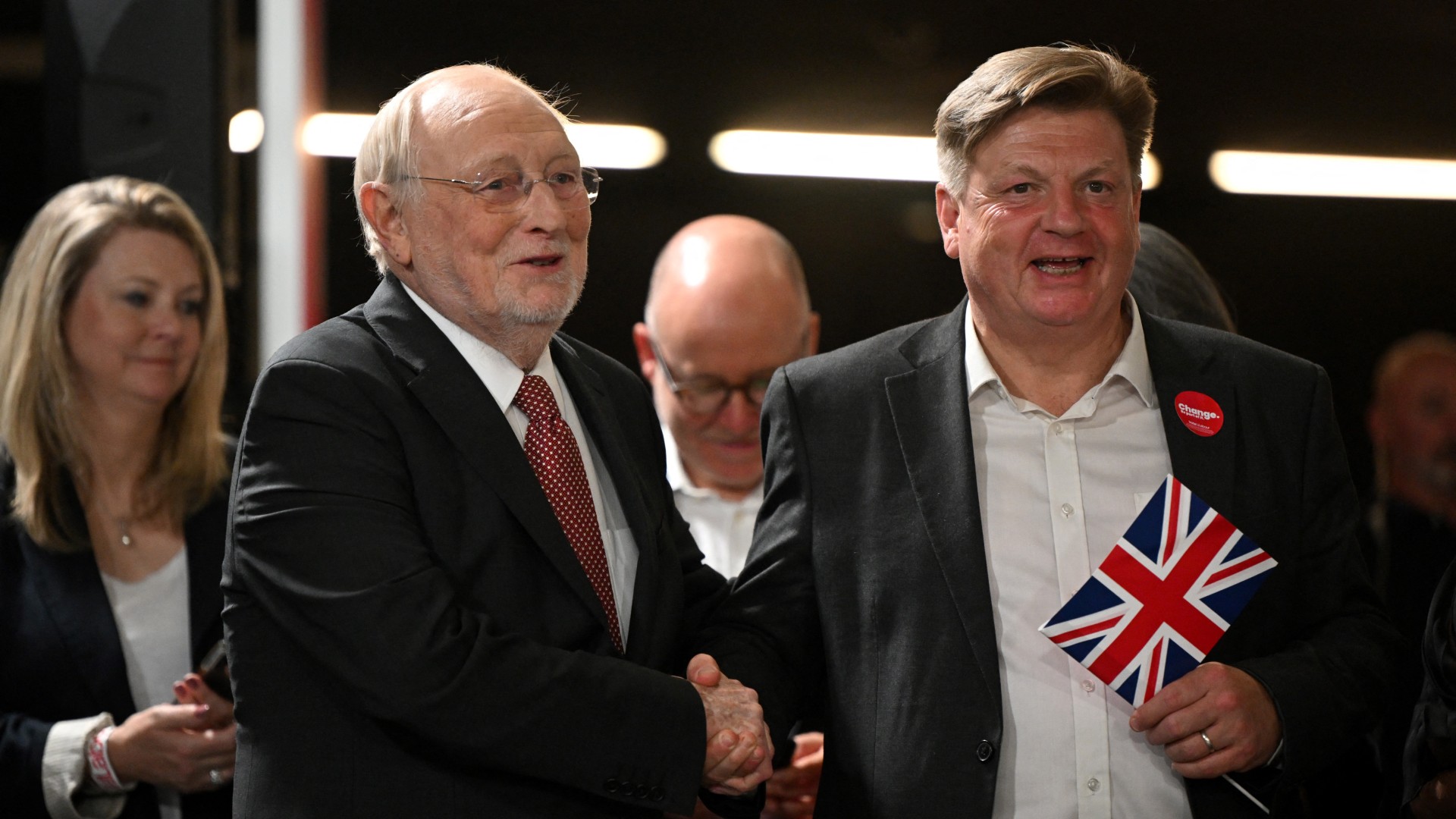
Exclusive: Neil Kinnock says Palestine Action are not terrorists in split with Starmer
In a rare public dissent, former Labour Party leader Neil Kinnock has openly criticized Prime Minister Keir Starmer’s decision to designate Palestine Action as a terrorist organization. Speaking exclusively to Middle East Eye, Kinnock argued that the move has weakened Britain’s anti-terror laws by conflating activism with terrorism. Palestine Action, a group advocating for an end to Israel’s military operations in Gaza, was proscribed on July 4 after its activists vandalized RAF Brize Norton air base. The designation places the group alongside notorious organizations like al-Qaeda and ISIS, making support for it punishable by up to 14 years in prison. Kinnock, who abstained from voting on the proscription in the House of Lords, emphasized that protesting against the dire situation in Gaza does not equate to terrorism. He also expressed concern over the mass arrests of nearly 900 demonstrators in London, including elderly individuals and Holocaust survivors’ relatives, on terrorism charges. The Labour government, however, has defended its decision, with Home Secretary Shabana Mahmood praising the Metropolitan Police’s handling of the protests. The controversy has exposed a significant divide within Labour ranks, with only 10 MPs voting against the proscription in the House of Commons. Meanwhile, the humanitarian crisis in Gaza continues to escalate, with over 64,000 Palestinians killed since October 2023 and famine declared by the UN-backed global hunger monitor. While Kinnock acknowledged Israel’s war crimes in Gaza, he refrained from labeling the conflict as genocide, citing the need for legal proof. The ongoing war has drawn international condemnation, with Israel facing charges of genocide at the International Court of Justice. Despite Hamas’s acceptance of a US-backed ceasefire proposal, Israel’s recent failed airstrike on Doha has further complicated efforts to end the conflict. Kinnock commended Israeli protesters for their courage in opposing Prime Minister Benjamin Netanyahu, who is wanted by the International Criminal Court for war crimes.
-
‘For peace, prepare for war’: How Turkey sees Israel’s attack on Qatar
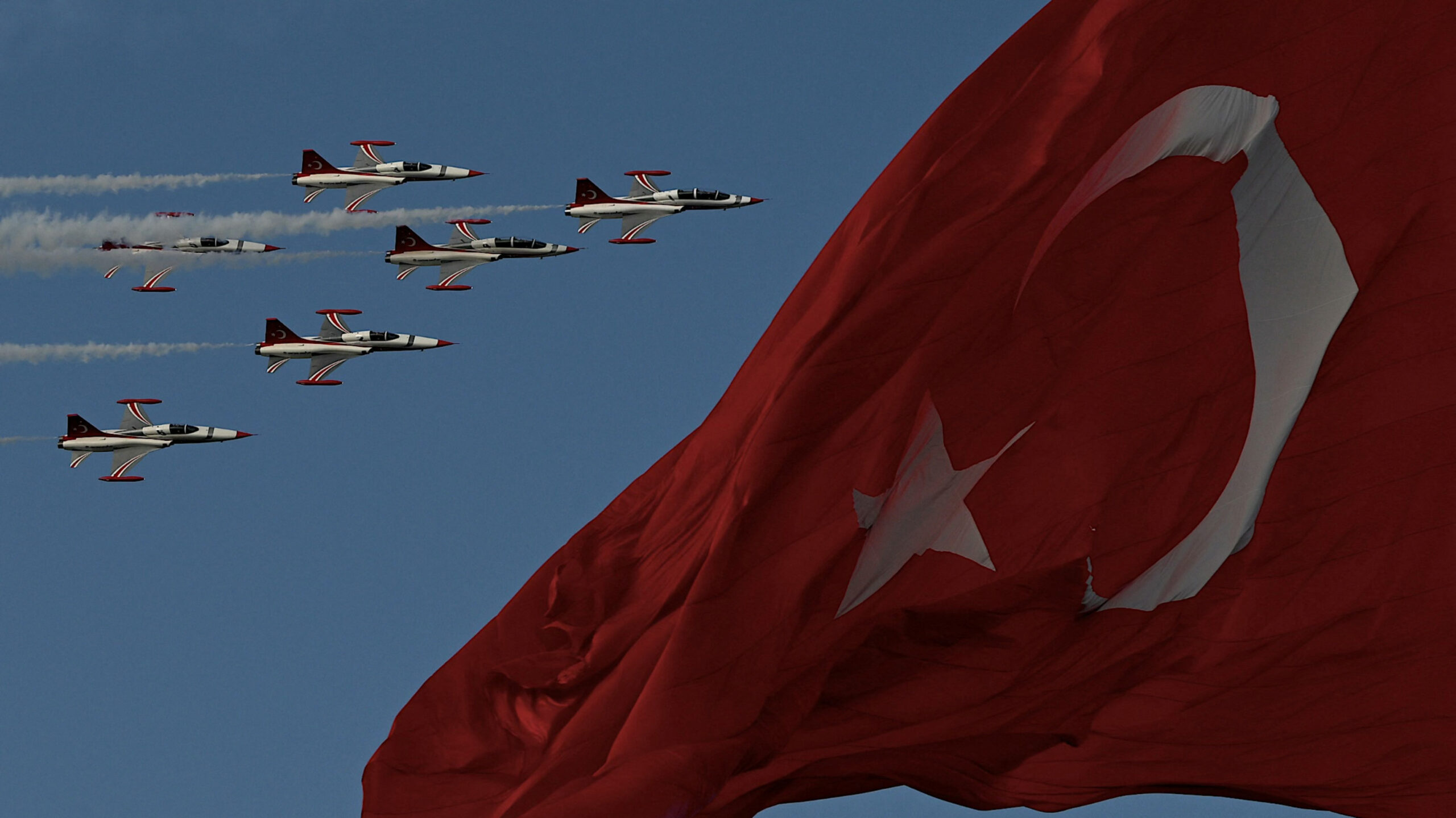
Israel’s recent daylight strike on Hamas leadership in Doha has sent shockwaves across the Gulf region, validating Turkey’s long-standing warnings about Israel’s willingness to disregard international norms and sovereignty. Turkish Foreign Minister Hakan Fidan has repeatedly highlighted Israel’s expansionist strategy, which many Gulf states believed would be restrained by U.S. security guarantees, particularly in Qatar, home to a major U.S. military base. However, the strike has underscored the limits of such assumptions. Turkey, a close ally of Qatar, swiftly condemned the attack, with President Recep Tayyip Erdogan pledging joint steps with Qatar in response. Despite this, Turkey’s options remain constrained, given its modest military presence in Doha and Qatar’s multi-layered security framework involving the U.S., the UK, and the Gulf Cooperation Council. The incident has exacerbated tensions between Turkey and Israel, raising concerns about potential confrontation. In response, Turkey has heightened its air patrols and accelerated defense investments, including the development of advanced missile and air defense systems. While Turkey remains cautious, officials emphasize that any violation of its airspace would provoke a decisive response. Despite the escalating rhetoric, both nations are likely to manage tensions through U.S. mediation and established intelligence channels.
-
A new world order isn’t coming–it’s already here
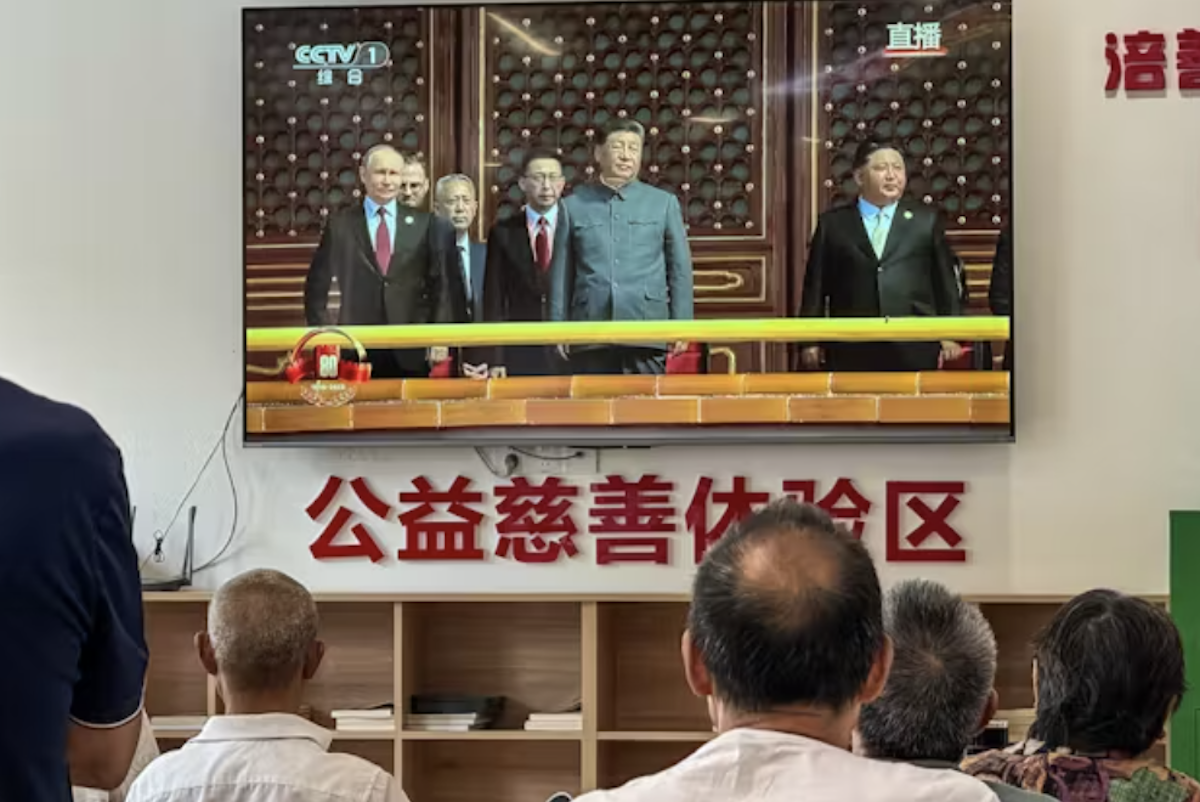
On September 3, 2025, China commemorated the 80th anniversary of its victory over Japan with a meticulously orchestrated event showcasing its military prowess. The spectacle, attended by 26 world leaders, reignited discussions in Western media about the emergence of a China-centric ‘new world order,’ potentially replacing the US-dominated ‘rules-based order.’ This event underscored China’s growing influence on the global stage, prompting geopolitical analysts to argue that the transition to a new world order is already underway, albeit in a state of flux. Historically, global dominance has shifted from the British Empire (1815–1880) to the bipolar Cold War era (1945–1991) and the unipolar US-led order post-1991. However, the US’s global position has been challenged by events such as the 2008 financial crisis, the war on terrorism, and the rise of economic nationalism. Today, a multipolar world is emerging, with the US, China, and Europe as key players. China, under Xi Jinping, is actively pursuing a Sino-centric order, forming alliances with nations like Russia, while Europe is remilitarizing to address regional threats. Despite their strengths, all three power centers face internal challenges, including economic stagnation, aging populations, and political instability. The Global South, comprising nations like Brazil, India, and Indonesia, remains a fluid bloc, hedging between major powers. As the world navigates this transitional phase, questions arise about the durability of alliances, the management of internal crises, and the potential for cooperation on global issues like climate change. The hope is that the transition to a new world order will occur peacefully, avoiding outright conflict.