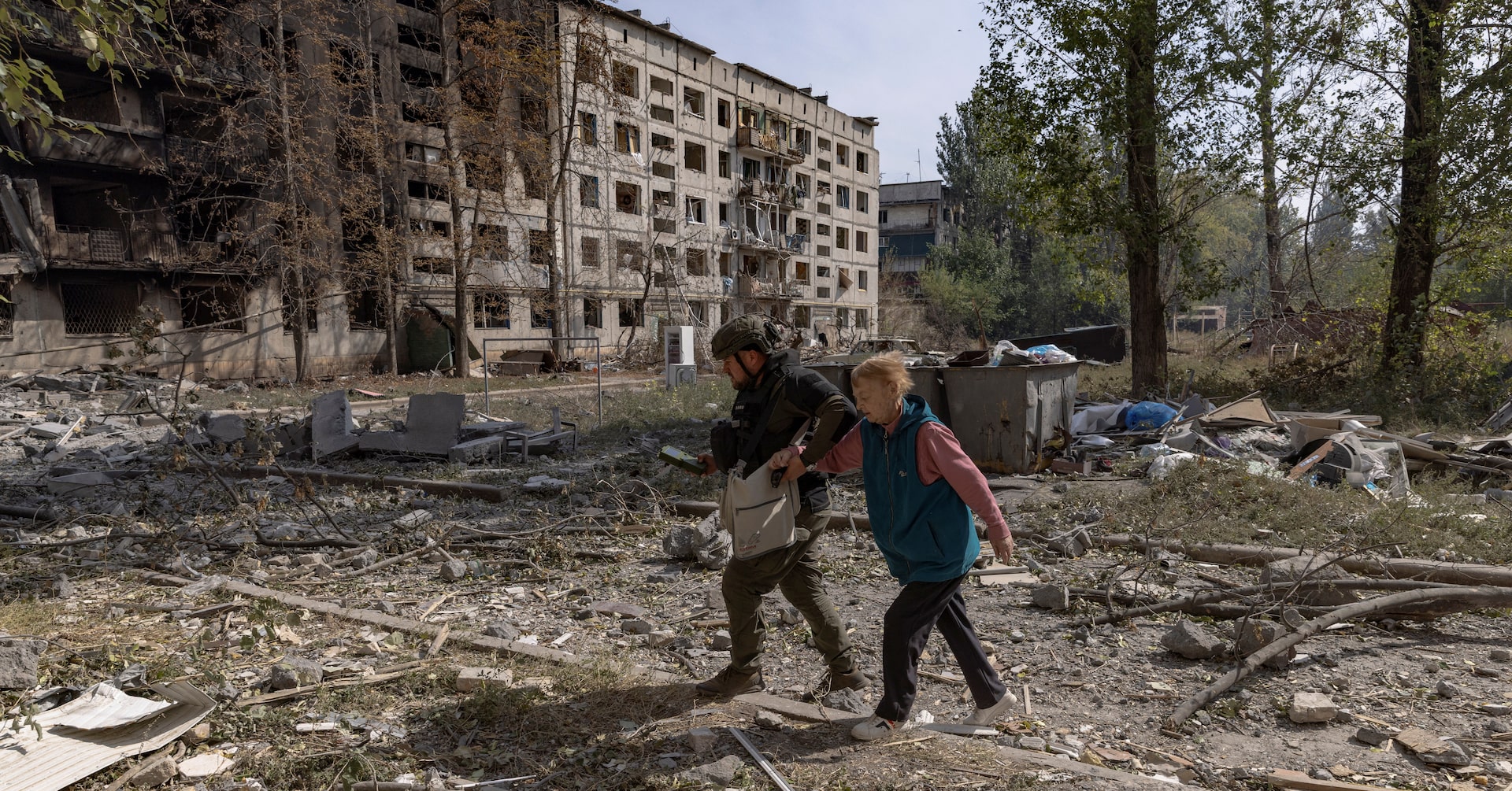
The European Union is actively considering innovative financial strategies to support Ukraine amidst its ongoing conflict with Russia. One such proposal involves leveraging frozen Russian assets to underpin a ‘reparation loan’ aimed at bolstering Ukraine’s wartime finances. This approach seeks to circumvent potential vetoes from Hungary, a member state known for its pro-Moscow stance. European Commission President Ursula von der Leyen recently introduced the concept, emphasizing that the loan would be structured around cash balances linked to Russian central bank assets frozen in the West following Moscow’s invasion of Ukraine. Crucially, the plan avoids seizing these assets, a move that has been a red line for some EU members. The proposed mechanism would involve replacing the frozen Russian assets with zero-coupon bonds issued by the European Commission, guaranteed by either all EU countries or a coalition of willing participants. This strategy aims to ensure that Ukraine would only repay the loan once it receives compensation from Russia for war-related damages. The initiative is still in its preliminary stages, with many details, including the exact amounts, yet to be finalized. However, officials believe that this approach could provide Ukraine with much-needed financial support while minimizing political risks associated with Hungary’s potential veto. The EU has already been using interest from the frozen assets to repay a $50 billion loan extended to Ukraine by G7 countries. Moving forward, the proposed scheme could offer greater investment flexibility and higher returns, further aiding Ukraine’s recovery efforts.
分类: politics
-
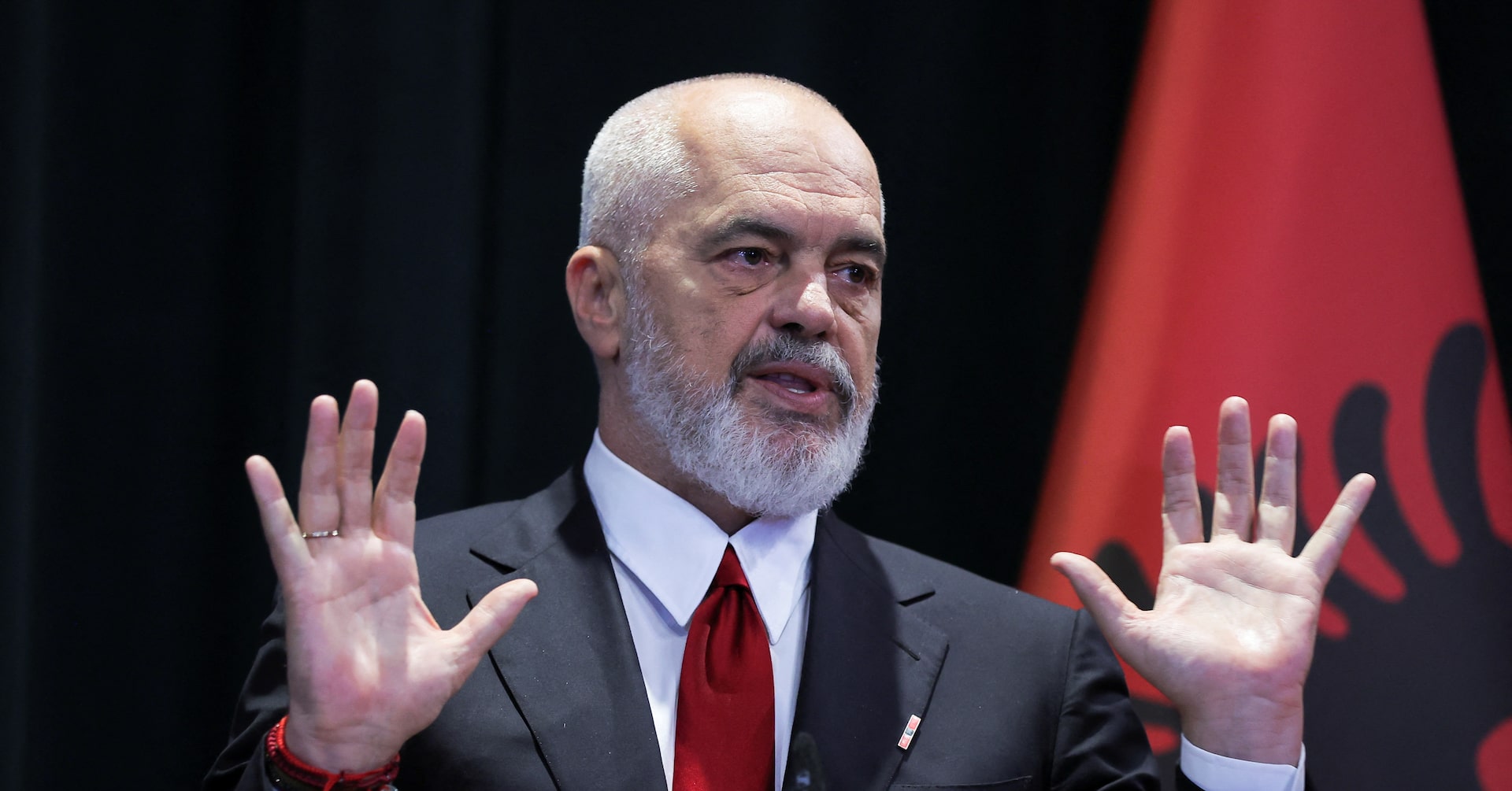
Albania’s Rama starts fourth term as PM, targets EU membership
Albania’s Prime Minister Edi Rama has been confirmed for a historic fourth consecutive term by the country’s parliament, solidifying his leadership in the Balkan nation. The Socialist Party leader, who ran unopposed, secured 82 votes in the 140-seat assembly, marking another majority victory following May’s elections. During his address to lawmakers, Rama emphasized his commitment to steering Albania toward European Union membership by 2030, declaring it the cornerstone of his new mandate. ‘European Albania is the guiding compass for every aspect of our program and the metronome for the rhythm of every reform we will undertake,’ he stated. However, Albania’s path to EU integration faces significant hurdles, including widespread corruption and its reputation as a hub for money laundering linked to drug and weapons trafficking. In a bold and controversial move, Rama recently appointed an AI-powered bot named Diella to oversee public tenders, aiming to curb corruption. Diella, introduced via a video address, asserted its role as a facilitator rather than a replacement for human oversight. The opposition has vehemently criticized the appointment, labeling it unconstitutional and potentially exacerbating corruption. Sali Berisha, leader of the Democratic Party, accused Rama’s mandate of being ‘based on crime, corruption, drugs, and the violation of the Constitution.’ The lack of parliamentary debate on the new government further fueled opposition discontent. Despite these challenges, Rama remains steadfast in his vision for Albania’s future within the EU.
-
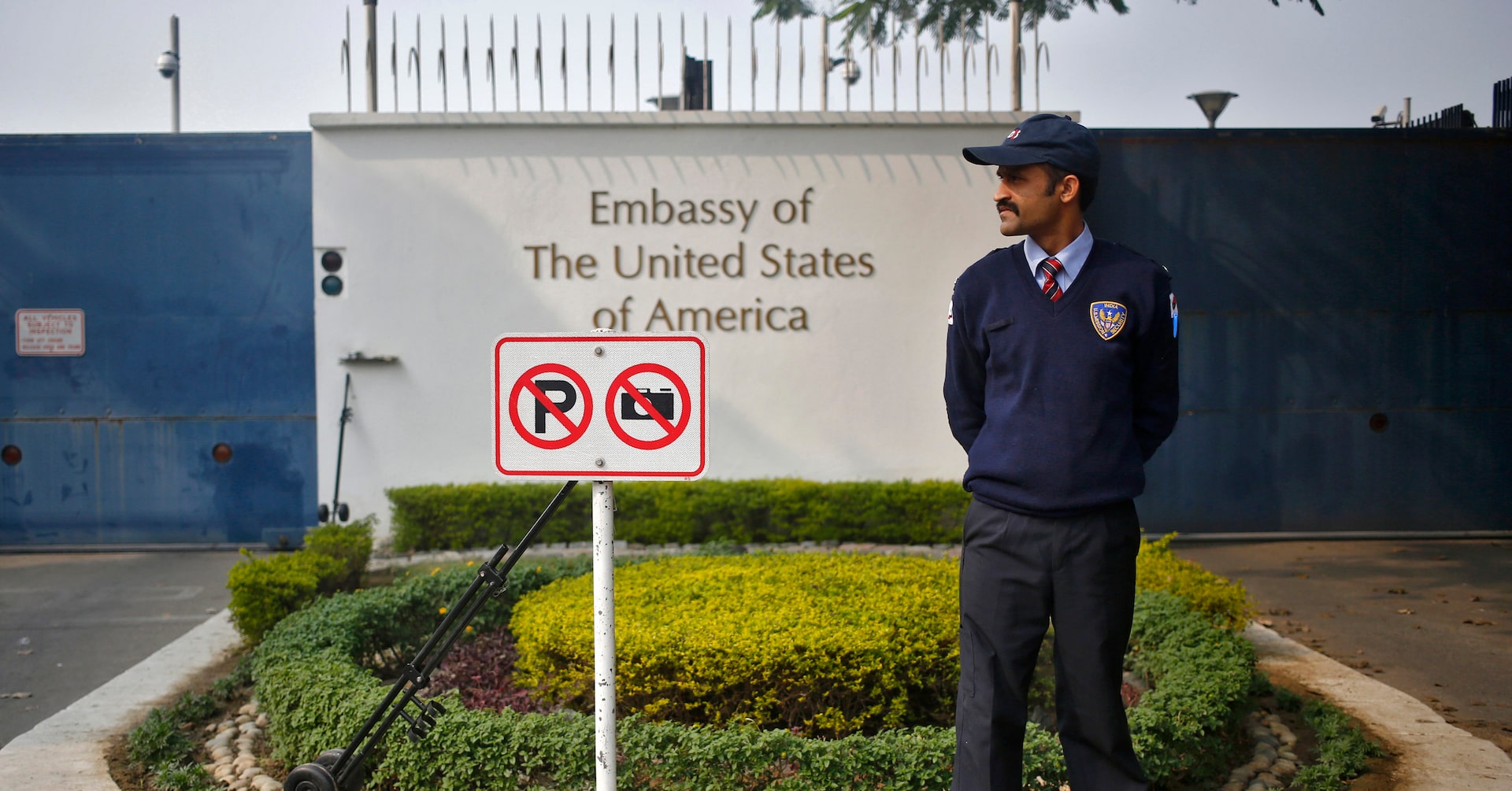
US embassy in India says it revoked, denied visas over fentanyl links
The U.S. Embassy in New Delhi has taken decisive action against certain Indian business executives and corporate leaders by revoking or denying their visas. This move comes in response to their alleged involvement in trafficking fentanyl precursors, as confirmed by the embassy in an official statement released on Thursday. Fentanyl precursors are the essential chemicals used in the production of fentanyl, a potent synthetic opioid responsible for a significant public health crisis in the United States. The embassy did not disclose the identities of the individuals affected by this visa action, maintaining confidentiality in line with its protocols. This development underscores the U.S. government’s intensified efforts to combat the global fentanyl trade and its supply chain. The decision also highlights the growing scrutiny of international business leaders linked to activities that contribute to the opioid epidemic. The embassy’s statement serves as a stern reminder of the legal and diplomatic consequences for those involved in such illicit activities.
-
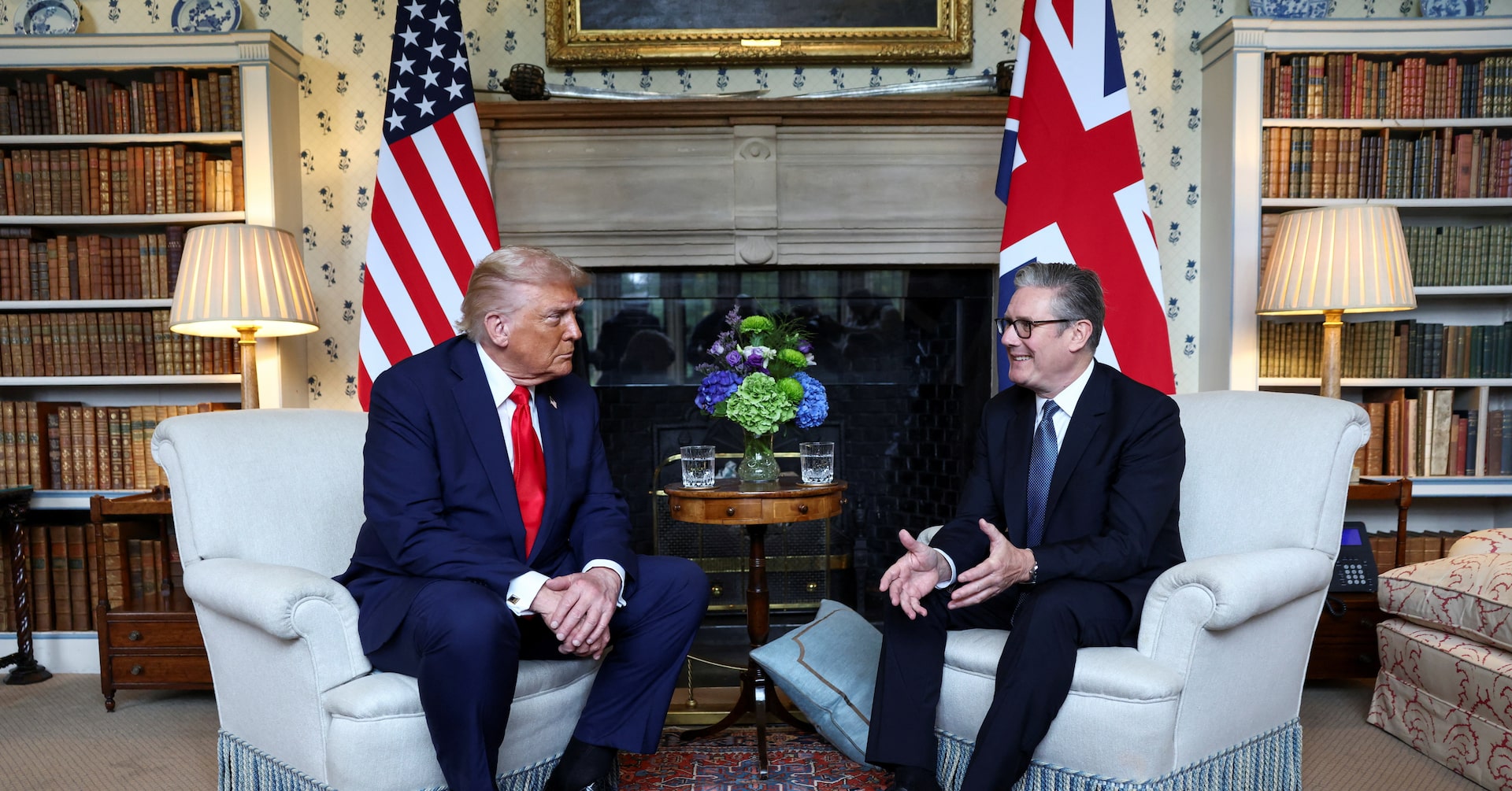
Starmer, Trump to discuss foreign affairs, investment after pomp-filled royal welcome
U.S. President Donald Trump and British Prime Minister Keir Starmer convened at Chequers, the Prime Minister’s country residence, on September 18, 2025, to solidify a landmark £150 billion ($205 billion) U.S. investment package in the UK. The deal, spanning technology, energy, and life sciences, aims to rejuvenate the historic ‘special relationship’ between the two nations. This meeting, part of Trump’s second state visit to the UK, shifted focus from domestic political challenges to global affairs, following a day of ceremonial events with King Charles III. Despite the celebratory tone, underlying tensions over Ukraine, Israel, and sensitive domestic issues loomed. Starmer, facing domestic pressures, sought to leverage the visit to bolster his international standing. Trump, meanwhile, emphasized the value of U.S.-UK ties, praising Britain’s historical contributions to global values. The leaders also addressed contentious topics, including Russia’s invasion of Ukraine and Israel’s actions in Gaza, which could strain discussions. While Starmer secured significant U.S. investments, hopes for reduced steel and aluminium tariffs were dashed. The visit underscored both cooperation and friction in the U.S.-UK alliance.
-
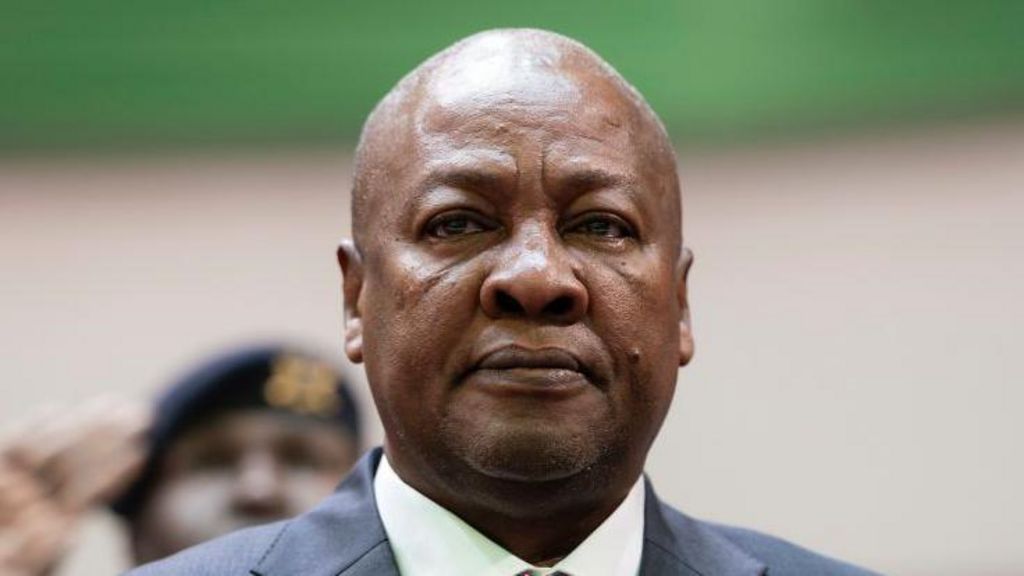
US deportees sue Ghana over ‘illegal’ detention
Ghana’s President John Mahama is under fire from opposition lawmakers for failing to present a controversial deportation agreement with the United States to parliament for ratification. The issue has escalated as 11 individuals deported from the US to Ghana have filed a lawsuit against the Ghanaian government, alleging unlawful detention. Their lawyer, Oliver-Barker Vormawor, claims the detainees have not violated any Ghanaian laws and are being held illegally in a military camp. He has demanded the government produce the group in court and justify their detention. The government has yet to respond to the lawsuit but has indicated plans to accept an additional 40 deportees. Opposition MPs are calling for an immediate suspension of the deportation deal until it is properly ratified by parliament, as required by Ghanaian law. The situation has sparked confusion, with conflicting statements from President Mahama and Foreign Minister Samuel Okudzeto Ablakwa regarding the status of the deportees. While Mahama stated that 14 deportees had been returned to their countries of origin, Ablakwa contradicted him, saying only most had been repatriated. Vormawor’s court filing asserts that 11 deportees remain in detention in Ghana. The deportations are part of the Trump administration’s stringent immigration policies, which have led to record-level deportations of undocumented migrants. Ghana’s foreign minister emphasized that the decision to accept the deportees was based on humanitarian principles and pan-African solidarity, not an endorsement of US immigration policies. Meanwhile, five of the detainees, including three Nigerians and two Gambians, have also sued the US government, arguing their deportation violated a court order.
-
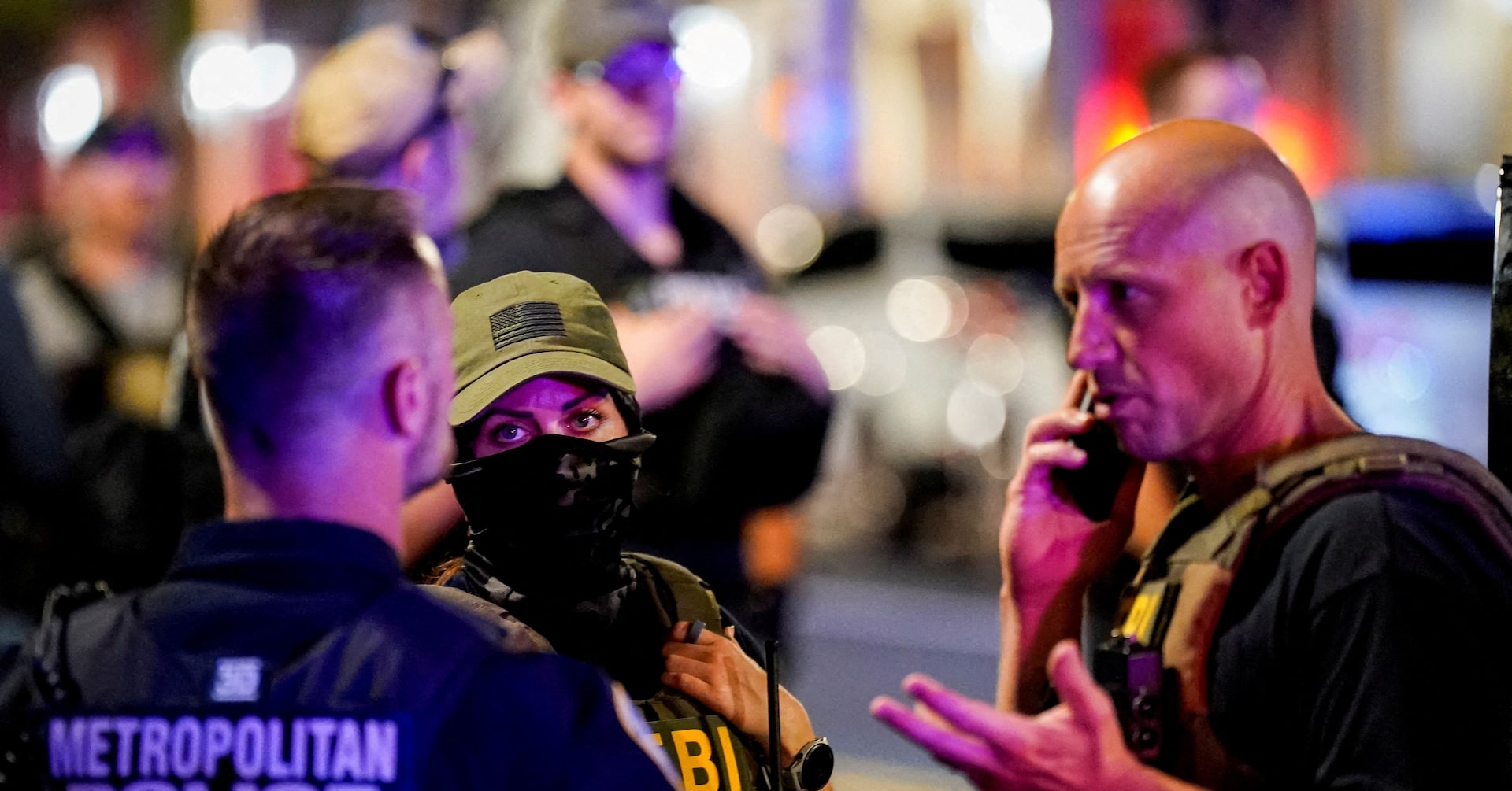
Exclusive: US probes people swept up in Trump Washington crackdown for benefits fraud
The U.S. Department of Health and Human Services (HHS) Inspector General’s office has launched an investigation into whether individuals detained during President Donald Trump’s intensified crime prevention efforts in Washington, D.C., are fraudulently enrolled in federal benefit programs. This probe, revealed through a government document and sources familiar with the matter, focuses on potential misuse of Medicare, Medicaid, and Temporary Assistance for Needy Families (TANF) programs by those caught in the crackdown. The initiative has diverted federal agents from high-impact cases, raising concerns about resource allocation. Since August 2025, Trump has deployed National Guard troops and federal law enforcement to curb crime in the capital, resulting in over 2,000 arrests. However, it remains unclear if any charges related to benefits fraud have been filed. The investigation also examines individuals questioned or detained but not arrested. Critics argue that involving specialized agents in this effort is inefficient, as it sidelines their expertise in recovering significant funds for the government. The HHS Inspector General’s office declined to comment, citing policy. Meanwhile, the crackdown has led to a notable decline in violent crime in D.C., with a 35% drop in 2024 and an additional 26% reduction in the first seven months of 2025. Trump has expressed plans to replicate this strategy in other cities, starting with Memphis, Tennessee.
-
Co-build mechanism for coexistence
The 12th Beijing Xiangshan Forum, a prominent international security dialogue, convened at the Beijing International Convention Center from September 17 to 19, 2025. This year’s forum centered on the theme ‘Upholding International Order and Promoting Peaceful Development,’ drawing global attention to the pressing need for stability and cooperation in an increasingly complex geopolitical landscape. Among the distinguished speakers was Chad Sbragia, former US deputy assistant secretary of defense, who shared his insights on fostering coexistence in a divided world. His remarks underscored the importance of dialogue, mutual understanding, and collaborative mechanisms to address global challenges. The forum also highlighted significant developments in international relations, including the signing of a mutual defense agreement between Saudi Arabia and Pakistan, as well as urgent calls from global leaders for an immediate ceasefire in Gaza. The event served as a platform for nations to reaffirm their commitment to peace, security, and sustainable development, emphasizing the collective responsibility to build a harmonious global order.
-
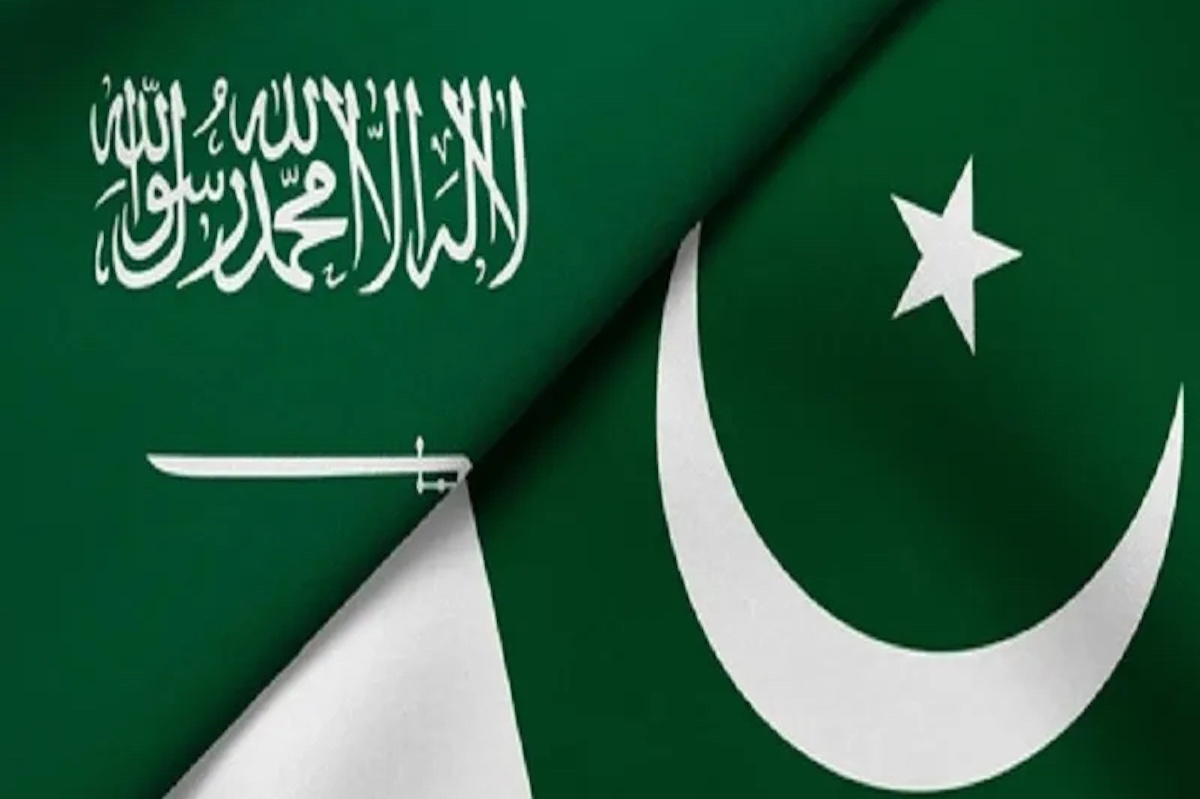
Saudi-Pakistan defense pact more symbolism than substance
Saudi Arabia and Pakistan have inked a Strategic Mutual Defense Agreement (SMDA), a pact designed to bolster defense collaboration and enhance joint deterrence against potential aggressions. The agreement stipulates that an attack on either nation will be regarded as an attack on both, echoing the strategic ambiguity of NATO’s Article 5. However, it stops short of mandating military intervention, leaving the specifics of support open to interpretation. The move comes as Saudi Arabia, a key U.S. ally, reportedly seeks to counterbalance Israel’s actions in the region, particularly in light of recent conflicts in Gaza. By aligning with nuclear-armed Pakistan, Saudi Arabia aims to strengthen its defensive posture, while Pakistan may gain Saudi support in its longstanding tensions with India. Despite the pact’s symbolic significance, analysts argue that its practical impact may be limited. Pakistan has historically avoided direct confrontation with Israel, even in its conflicts with India, and Saudi Arabia maintains strong economic ties with India, its major oil importer. The agreement is seen more as a gesture of solidarity within the Muslim world rather than a transformative military alliance. The most plausible scenario for mutual military support would involve the Houthi rebels in Yemen, should they escalate hostilities against Saudi Arabia. While the SMDA has sparked debate, its real-world implications remain uncertain, with many viewing it as a strategic maneuver rather than a game-changing alliance.
-
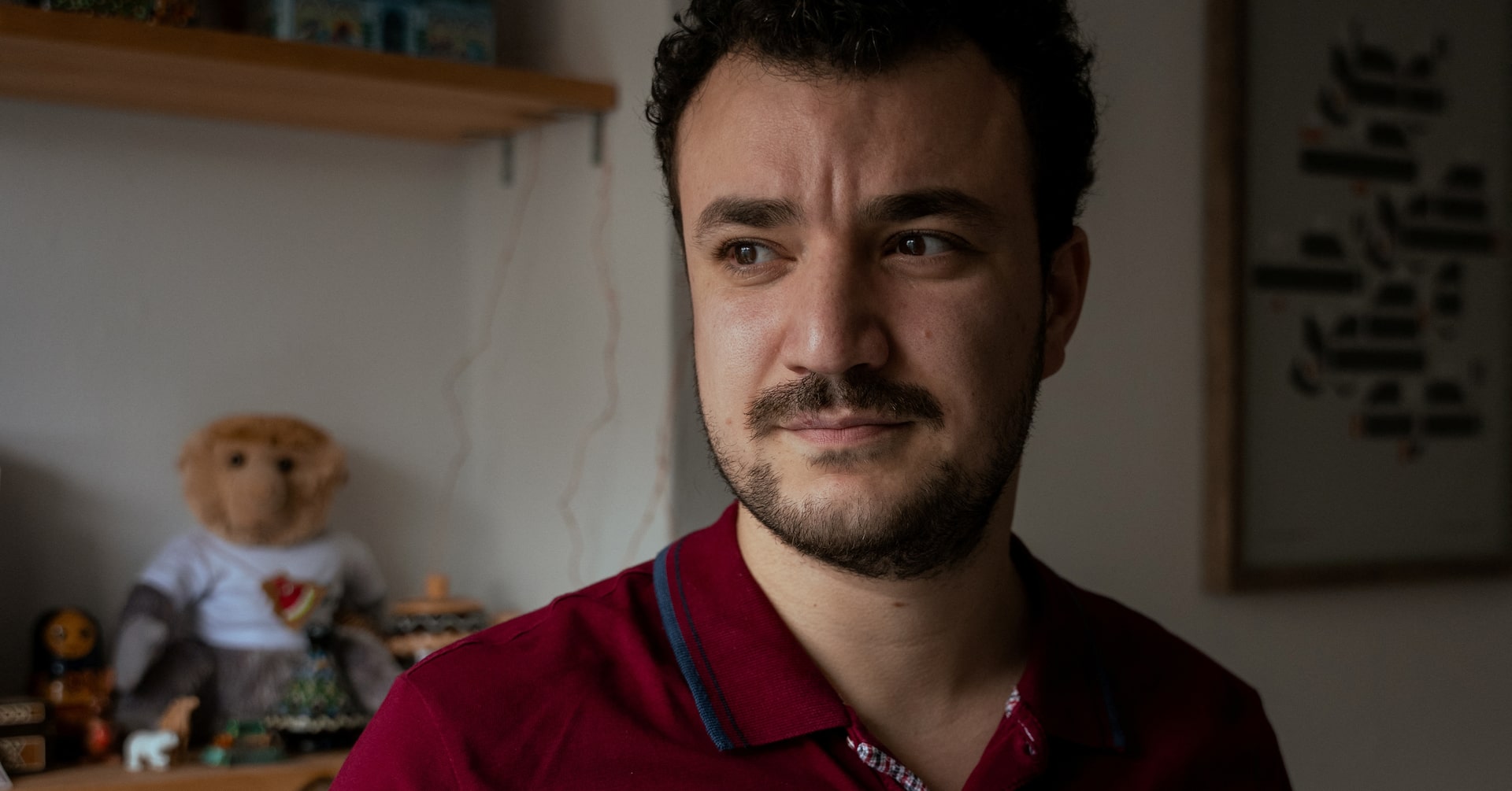
US immigration judge orders Khalil deportation, his lawyers say separate ruling protects him for now
In a controversial decision, a U.S. immigration judge has ordered the deportation of Mahmoud Khalil, a pro-Palestinian activist and Columbia University student, to either Algeria or Syria. The ruling, issued on September 17, 2025, stems from allegations that Khalil omitted critical information from his green card application. Immigration Judge Jamee Comans asserted that Khalil ‘willfully misrepresented material facts’ to bypass immigration protocols and increase his chances of approval. However, Khalil’s legal team has vowed to appeal the decision, citing ongoing federal court orders that prevent his immediate deportation or detention. Khalil, a 30-year-old permanent U.S. resident of Palestinian descent, was previously detained for over 100 days earlier this year under the Trump administration’s crackdown on pro-Palestinian activism. During his detention, Khalil missed the birth of his child, as his wife, a U.S. citizen, was pregnant at the time. He was eventually released on June 20 after U.S. District Judge Michael Farbiarz ruled that punishing Khalil for a civil immigration matter was unconstitutional. The Trump administration has labeled pro-Palestinian activists like Khalil as antisemitic and supporters of extremism, a characterization vehemently denied by protesters, including some Jewish groups. They argue that criticizing Israel’s actions in Gaza and advocating for Palestinian rights is unfairly equated with extremism. Khalil has accused the administration of retaliating against him for exercising his right to free speech, stating, ‘They resorted to fabricating baseless allegations to silence me.’ The case has sparked widespread concern among human rights advocates, who warn that such actions threaten free speech and due process. Columbia University, where Khalil is a student, was a focal point of last year’s protests calling for an end to Israel’s war and divestment from companies supporting Israel. The ongoing legal battle highlights the tension between immigration enforcement and constitutional rights in the U.S.
-
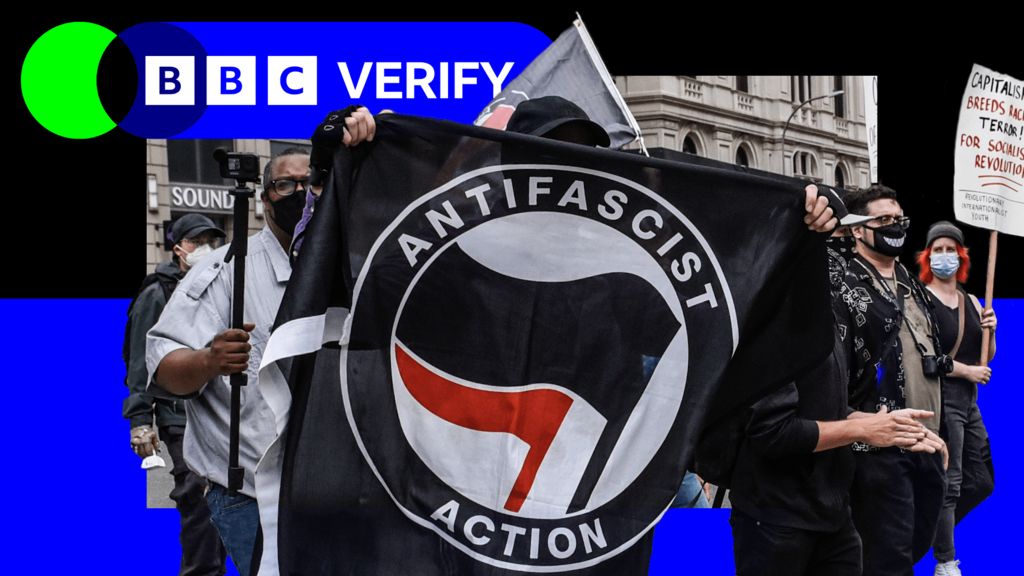
What is Antifa and why is President Trump targeting it?
Former US President Donald Trump has announced his intention to designate Antifa as a ‘major terrorist organization,’ targeting what he describes as the ‘radical left.’ This declaration follows the killing of conservative activist Charlie Kirk, which has intensified political divisions in the country. In a post on his Truth Social platform, Trump labeled Antifa as a ‘sick, dangerous, radical left disaster’ and pledged a thorough investigation into the group. Antifa, a decentralized, leftist movement opposing far-right, racist, and fascist groups, has long been a focal point of Trump’s criticism. However, experts question the feasibility of this designation, given Antifa’s lack of formal structure, leadership, or membership. In 2020, then-FBI Director Christopher Wray noted that Antifa is better understood as an ideology rather than an organization. Despite this, Antifa remains a contentious topic among right-wing influencers and politicians, who argue it is part of a broader left-wing network undermining US values. The movement, whose name derives from the German ‘antifaschistisch,’ gained prominence after Trump’s 2016 election and the 2017 Charlottesville rally. Activists associated with Antifa have frequently clashed with right-wing groups, both online and in physical confrontations. Critics highlight the movement’s willingness to use violence, which activists claim is in self-defense. Trump’s proposal to designate Antifa as a terrorist organization faces legal hurdles, as the US government can only designate foreign groups as Foreign Terror Organizations (FTOs). Legal experts emphasize that the First Amendment protects the right of association, complicating any efforts to label domestic groups as terrorist organizations. This is not the first time Trump has targeted Antifa; he made a similar pledge in 2020 but did not follow through. His latest move comes amid heightened political tensions, with the Department of Justice recently removing a study on political violence that highlighted far-right extremism as a significant threat. Experts warn that politicizing violence risks escalating tensions rather than reducing them.