分类: politics

  • China’s top court balances innovation, public interest in IP protection

    China’s top court balances innovation, public interest in IP protection

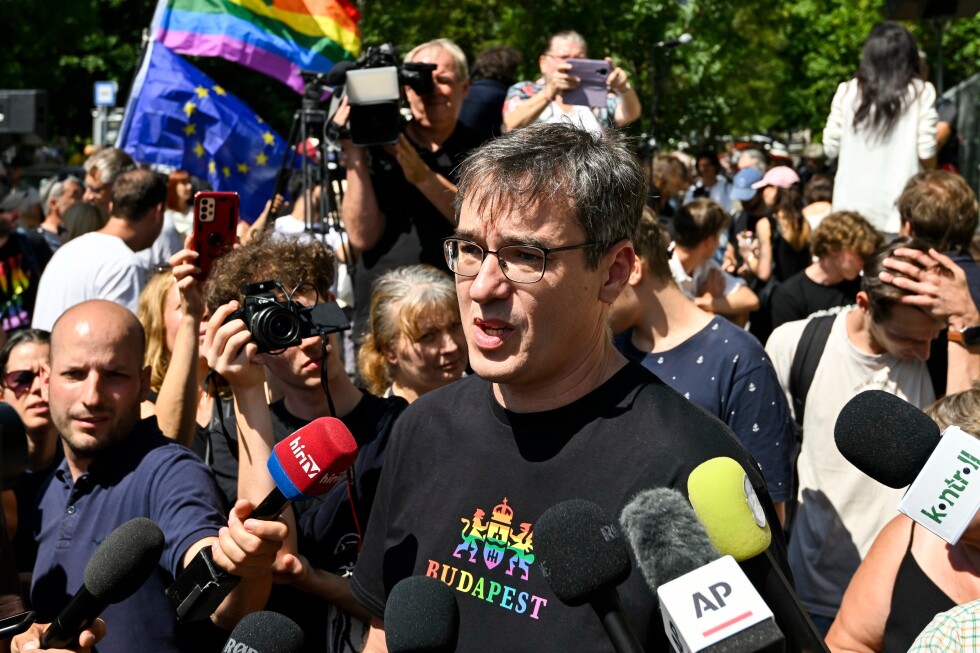
    In a significant development for China’s legal landscape, the Supreme People’s Court has articulated a sophisticated approach to intellectual property jurisprudence that carefully balances robust protection for innovators with broader public interest considerations. Deputy Chief Judge He Zhonglin of the court’s Intellectual Property Division revealed compelling data demonstrating this dual-focused strategy in action.

    Since its establishment in January 2019, the specialized IP Court has rendered punitive damages in 58 separate cases, amounting to total compensation awards of 2.05 billion yuan (approximately $295 million). Additionally, 73 cases have resulted in individual compensation exceeding 10 million yuan, collectively totaling 5.24 billion yuan in awarded damages.

    Judge He characterized protection and interest balancing as two fundamental pillars of effective IP governance. “Protection serves as the foundational element,” he explained, “while interest balancing represents the ultimate objective of our judicial work.” This philosophy responds to the increasing complexity of IP cases, particularly those involving cutting-edge technologies and strategic emerging industries.

    The rising compensation figures reflect both China’s evolving economic landscape and deliberate judicial policy. Judge He noted that higher awards directly correlate with the nation’s technological advancement, market expansion, and intensified business competition. “As China progresses toward high-quality development,” he observed, “intellectual property has transformed into core corporate assets and critical competitive tools, consequently increasing market valuations and amplifying the impact of infringement activities.”

    Addressing whether higher compensation invariably signifies better protection, Judge He emphasized evidentiary rigor as the court’s guiding principle. The judiciary calibrates awards according to innovation levels and infringement severity—applying substantial damages for highly innovative works with significant harm, while awarding appropriate but reduced compensation for cases involving modest innovation with limited damage.

    The court’s approach represents implementation of both central leadership directives and legal mandates strengthening IP rights. Looking forward, Judge He affirmed the court’s commitment to “maintaining strict protection while optimally balancing rights holders’ interests with public benefits, ultimately achieving equilibrium between protection and innovation promotion to stimulate market competition vitality.”
  • Europe must act urgently and stop outsourcing defence, says EU’s Kallas

    Europe must act urgently and stop outsourcing defence, says EU’s Kallas

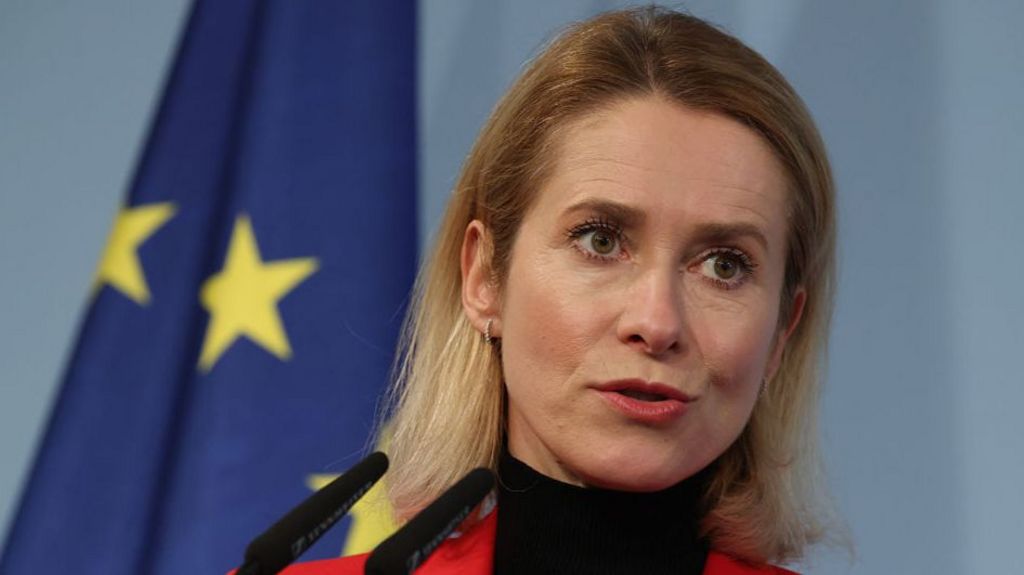
    In a stark assessment of transatlantic relations, EU Foreign Policy Chief Kaja Kallas has declared that Europe is “no longer Washington’s primary centre of gravity,” signaling a fundamental reorientation in global power dynamics. The warning came during a Brussels defense conference where European leaders grappled with the implications of diminished American focus on European security.

    Kallas emphasized that while the United States remains a vital partner, no great power has ever “outsourced its survival and survived.” She characterized Washington’s strategic pivot away from Europe as a structural rather than temporary shift, urging European nations to transition from thinking as individual states to “acting jointly as Europeans.”

    The address follows contentious remarks from NATO Secretary General Mark Rutte, who dismissed European defense autonomy as unrealistic dreaming. Rutte’s comments provoked immediate pushback from French Foreign Minister Jean-Noël Barrot, who countered that “Europeans can and must take control of their security,” emphasizing that even the United States supports strengthening the European pillar of NATO.

    The recent diplomatic crisis over Greenland exemplifies the deteriorating relations. Former President Donald Trump’s threat to acquire the semi-autonomous Danish territory—and subsequent tariff threats against European allies—highlighted what Kallas termed a “tectonic shift” in the relationship. Though Rutte reportedly helped de-escalate tensions during Davos discussions, the incident exposed fundamental fractures in the alliance.

    EU Defence Commissioner Andrius Kubilius, speaking at the same conference, reinforced Kallas’s message, noting that the US now expects Europeans to assume greater defense responsibility as America diminishes its continental presence. He described Europe as “a giant, but a sleeping giant” that must rapidly build defensive independence “without delays and without excuses.”

    The calls for European strategic autonomy come against the backdrop of Russia’s invasion of Ukraine, which has paradoxically strengthened NATO through the accession of Sweden and Finland while simultaneously exposing European defense vulnerabilities. Although NATO members have committed to increasing defense spending to 5% of GDP by 2035 under US pressure, Rutte suggested true autonomy would require 10% of GDP and independent nuclear capabilities—a prospect he warned would sacrifice the “ultimate guarantor of our freedom” in America’s nuclear umbrella.

    The current deliberations represent the most significant reassessment of European security architecture since NATO’s 1949 founding, with leaders grappling with how to maintain alliance cohesion while developing meaningful strategic autonomy in an increasingly multipolar world.

  • Trump warns Iran ‘time is running out’ as US military builds up in Gulf

    Trump warns Iran ‘time is running out’ as US military builds up in Gulf

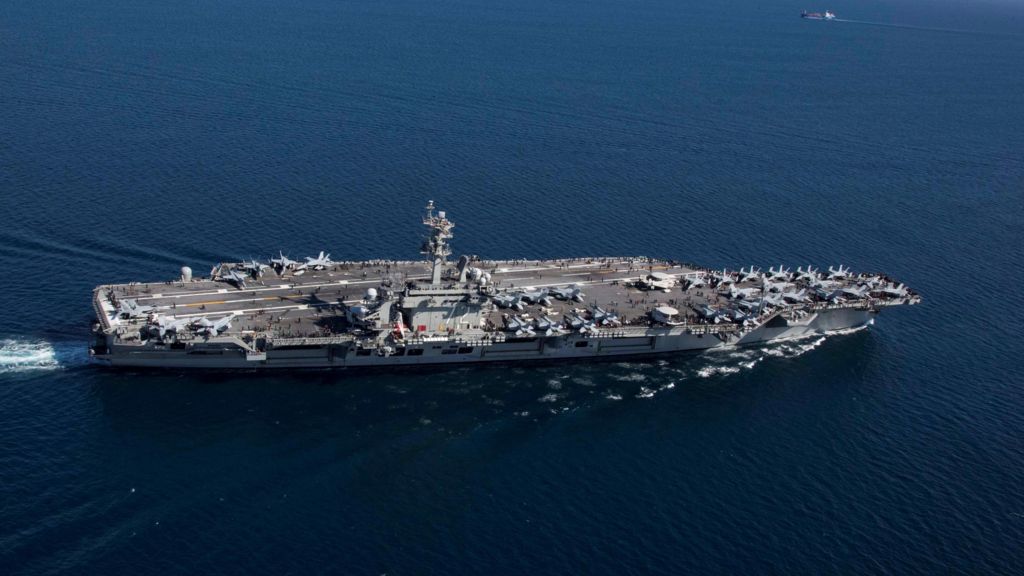
    President Donald Trump has escalated tensions with Iran through a stark ultimatum on his Truth Social platform, declaring that time is expiring for Tehran to engage in nuclear negotiations. The warning coincides with a substantial U.S. naval deployment to the Persian Gulf, described by Trump as a “massive Armada” advancing with “great power, enthusiasm, and purpose.”

    This military mobilization follows Iran’s severe crackdown on domestic protests that began in late December. According to the U.S.-based Human Rights Activists News Agency (HRANA), approximately 5,633 protesters are among nearly 6,000 confirmed fatalities, with an additional 17,000 alleged deaths under investigation despite communication blackouts. Norway-based Iran Human Rights (IHR) estimates the final death toll could surpass 25,000.

    Iranian Foreign Minister Abbas Araghchi condemned the U.S. approach, stating through AFP translation that “conducting diplomacy through military threat cannot be effective or useful.” He emphasized that successful negotiations would require Washington to “set aside threats, excessive demands and raising illogical issues.”

    The nuclear standoff intensifies as BBC Verify confirms the arrival of the USS Abraham Lincoln carrier strike group in the Middle East. Trump referenced the June 2025 U.S. strikes—codenamed “Midnight Hammer”—that targeted Iran’s Fordo, Natanz, and Isfahan uranium enrichment facilities, warning that “the next attack will be far worse.” While Trump urged Iran to “quickly ‘Come to the Table’ and negotiate a fair and equitable deal – NO NUCLEAR WEAPONS,” Tehran maintains its nuclear program is exclusively peaceful and denies weapons development ambitions.

    The U.S. president characterized the current naval presence as exceeding the force deployed prior to the seizure of Venezuela’s former leader Nicolás Maduro, emphasizing its readiness to “rapidly fulfil its mission, with speed and violence, if necessary.”

  • South Korean ex-president Yoon’s wife sentenced to 20 months in prison for bribery

    South Korean ex-president Yoon’s wife sentenced to 20 months in prison for bribery

    In a landmark judicial ruling that has captured national attention, Kim Keon-hee, spouse of impeached former South Korean President Yoon Suk-yeol, has been sentenced to 20 months imprisonment for corruption offenses. The Seoul Central District Court delivered the verdict on Wednesday, finding the former first lady guilty of exploiting her official position for personal enrichment.

    The court mandated both incarceration and financial penalties, ordering confiscation of 12.81 million won (approximately $9,010 USD) acquired through illicit means. Presiding judges determined that Kim had accepted bribes from Unification Church representatives during 2022 in exchange for providing preferential treatment to the religious organization.

    However, the judiciary cleared Kim of several other serious allegations. The court returned not-guilty verdicts regarding capital markets act violations and political funds act infractions. Prosecutors’ claims of stock price manipulation involvement were rejected, with judges noting insufficient evidence to establish complicity despite acknowledging her awareness of the market interference activities.

    The case involved multiple layers of alleged misconduct. Prosecutors had contended that Kim collaborated with her husband to illegally obtain public opinion polling data valued at 270 million won ahead of the presidential election. Additional charges included attempting to influence party politics by orchestrating mass enrollment of Unification Church members in the People Power Party.

    This conviction marks a historic moment in South Korean judicial history, as Kim becomes the first spouse of a former president to undergo trial while in detention. She has remained incarcerated since August 2025 following her indictment, representing a dramatic fall from grace for the former presidential family.

  • The politician whose death leaves a vacuum in India’s richest state

    The politician whose death leaves a vacuum in India’s richest state

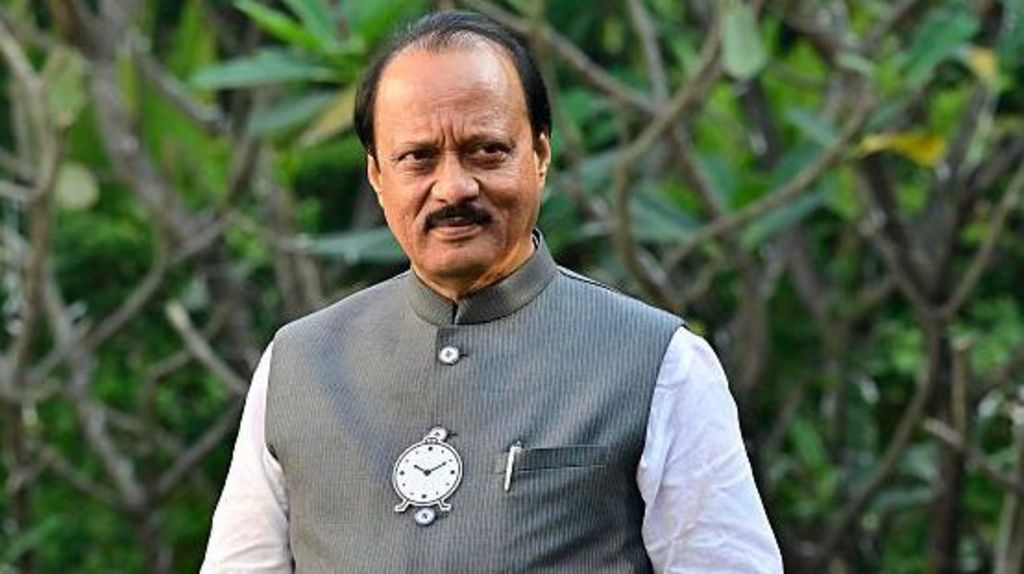
    Maharashtra’s political sphere faces profound uncertainty following the tragic demise of Deputy Chief Minister Ajit Pawar, who perished in a plane crash on Wednesday alongside four other individuals. The incident has created a significant power vacuum in India’s wealthiest state, where Pawar had established himself as a formidable political operator.

    For decades, Pawar navigated Maharashtra’s notoriously complex political environment—a constantly shifting landscape of alliances, regional loyalties, and intense rivalries. His approach combined pragmatic decision-making with shrewd political instincts, enabling his rapid ascent through the ranks of the Nationalist Congress Party (NCP), founded by his uncle Sharad Pawar.

    The relationship between uncle and nephew defined much of Ajit Pawar’s political journey. While Sharad Pawar embodied traditional, strategic authority with his measured tones and coalition-building expertise, Ajit developed a distinct political identity focused on regional governance and control of local networks. His blunt, practical style and mercurial personality garnered both devoted followers and vocal critics.

    Their political differences culminated in dramatic public ruptures, first in 2019 when Ajit briefly aligned with the rival Bharatiya Janata Party (BJP) to claim the deputy chief minister position—a move that collapsed within days due to his uncle’s intervention. The final break occurred in 2023 when Ajit formally split from his uncle’s NCP, joined a BJP-led coalition, and successfully claimed the party’s name and electoral symbol for his faction.

    This schism transformed Maharashtra’s political dynamics, dividing the once-unified Pawar political dynasty into competing camps. Recent speculation about possible reconciliation between the factions has been rendered moot by Ajit Pawar’s sudden death. Critical questions now emerge regarding the stability of the alliances he built and whether his political successors—potentially including his cousin Supriya Sule (Sharad Pawar’s daughter), his wife, or son—can maintain cohesion among his supporters.

    Pawar’s legacy remains deeply complex: to admirers, he represented political adaptability and courage; to critics, he exemplified opportunistic power maneuvering. His passing underscores how personal ambitions and familial relationships can dramatically shape political outcomes in unexpected ways.

  • Why China views the UK visit as part of something bigger

    Why China views the UK visit as part of something bigger

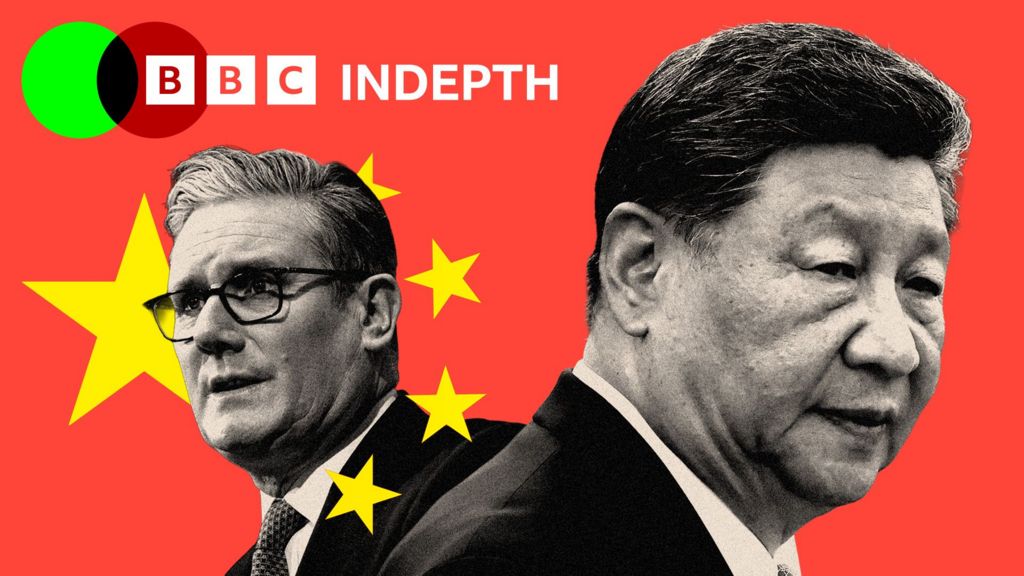
    Despite Beijing’s harsh winter conditions, the Chinese capital has become an unexpected hub of diplomatic activity, welcoming a succession of Western leaders seeking to reestablish ties with the world’s second-largest economy. The most notable among these visitors is British Prime Minister Sir Keir Starmer, marking the first UK leadership visit to China in eight years.

    This diplomatic flurry comes after China secured approval for a massive new embassy in London, a precondition Beijing officials explicitly tied to announcing Starmer’s visit. The UK delegation arrives with substantial economic ambitions, hoping to secure dozens of new trade agreements to bolster Britain’s economy amid ongoing domestic challenges.

    Dr. Yu Jie, Senior Research Fellow at Chatham House, notes that even establishing a reasonable trading relationship would constitute significant progress given current circumstances. The visit represents part of China’s broader charm offensive, positioning itself as a stable, predictable alternative to the United States in global partnerships.

    This strategy appeared successful with Canadian Prime Minister Mark Carney, who recently announced a “new strategic partnership with China” during his Beijing visit. However, such overtures risk provoking Washington’s ire, as demonstrated by President Trump’s threat to impose 100% tariffs on Canada should it proceed with Chinese trade deals.

    Starmer has attempted to navigate these geopolitical tensions by declaring Britain would not choose between the US and China. Analysts suggest Beijing remains realistic about its limited ability to fracture the special relationship between Washington and London.

    The current diplomatic engagement marks a notable shift from what Prime Minister Starmer himself termed an “ice age” in UK-China relations. While a return to the “golden era” symbolized by the 2015 meeting between Xi Jinping and David Cameron remains improbable, experts view these developments as the beginning of a cautious thaw.

    Beyond high-level politics, people-to-people connections endure. The story of Bowei Wang exemplifies lasting cultural ties—after studying in Scotland during warmer diplomatic times, he now imports Glasgow-brewed ale to his Beijing pub near Tiananmen Square, creating a cross-cultural experience complete with British historical imagery.

    China’s economic leverage provides substantial negotiating power, controlling approximately one-third of global goods manufacturing, over 90% of rare earth mineral processing, and 60-80% of renewable energy components. This dominance has enabled Beijing to employ trade measures against countries that displeased it, as experienced by Australia, Canada, Japan, and South Korea in recent years.

    Business leaders like Tom Simpson of the China Britain Business Council emphasize the visit’s importance, noting China’s position as Britain’s third-largest trading partner with £45 billion in annual exports. However, Chinese analysts express concerns about Starmer’s inconsistent follow-through on engagement promises and Britain’s domestic political stability.

    The diplomatic movement has practical implications for ordinary citizens. British tour operators in China hope successful negotiations might lead to visa-free travel for UK passport holders, mirroring arrangements Beijing has already extended to 70 other countries.

    As Western leaders brave Beijing’s winter chill, they calculate that reengagement with China—despite its complexities and risks—represents a necessary strategic calculation in an increasingly multipolar world.

  • Trump aide Miller says Minneapolis agents may have breached ‘protocol’

    Trump aide Miller says Minneapolis agents may have breached ‘protocol’

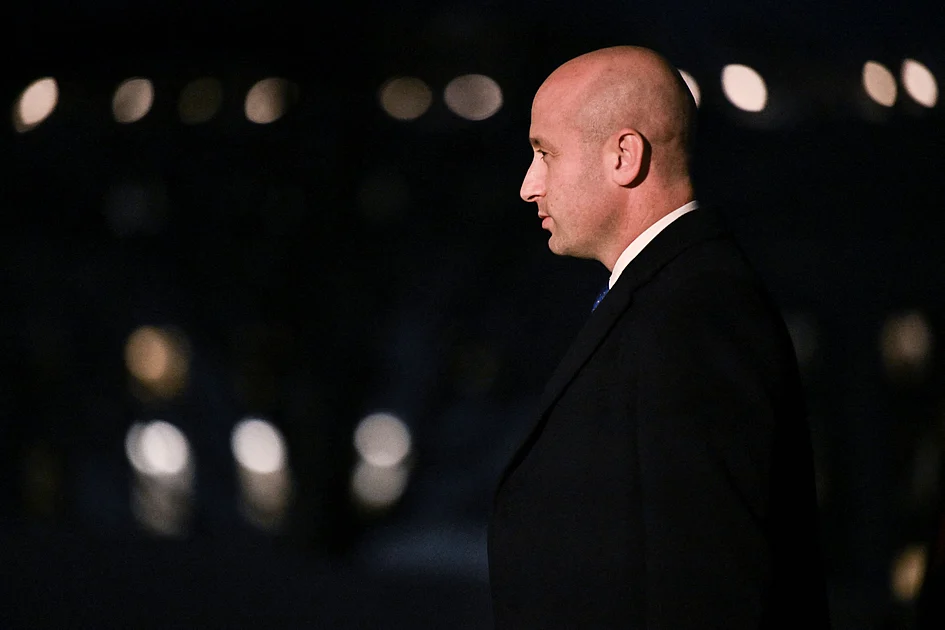
    The White House has initiated an internal review into potential protocol violations by federal agents during the Minneapolis protest incident that resulted in the fatal shooting of 37-year-old nurse Alex Pretti. Senior Presidential Advisor Stephen Miller confirmed the investigation Tuesday, marking a significant shift from previous administration statements that falsely characterized the victim as a would-be assassin.

    Miller, who serves as Deputy Chief of Staff and architects the administration’s immigration policies, disclosed that Customs and Border Protection personnel might have deviated from established operational guidelines during Saturday’s protest against immigration enforcement measures. The admission follows President Trump’s expressed desire to de-escalate tensions in Minneapolis amid growing national scrutiny.

    According to Miller’s statement, the White House had issued explicit directives for additional personnel to establish physical separation between arrest teams and demonstrators. “We are evaluating why the CBP team may not have been following that protocol,” Miller acknowledged, while simultaneously attributing his earlier inflammatory remarks to preliminary information provided by Homeland Security Secretary Kristi Noem.

    Video evidence subsequently contradicted initial claims that Pretti was brandishing a weapon when approached by federal agents. Footage confirmed that although the nurse legally carried a sidearm, agents had already secured the firearm before firing multiple shots at close range. This visual evidence directly contradicts Noem’s initial assertion that Pretti threatened agents with a weapon.

    Miller’s statement represents the administration’s first public concession regarding potential procedural failures in the incident, which has sparked nationwide protests and intensified scrutiny of federal immigration enforcement tactics.

  • Ecuador says ICE agent attempted to enter its Minneapolis consulate

    Ecuador says ICE agent attempted to enter its Minneapolis consulate

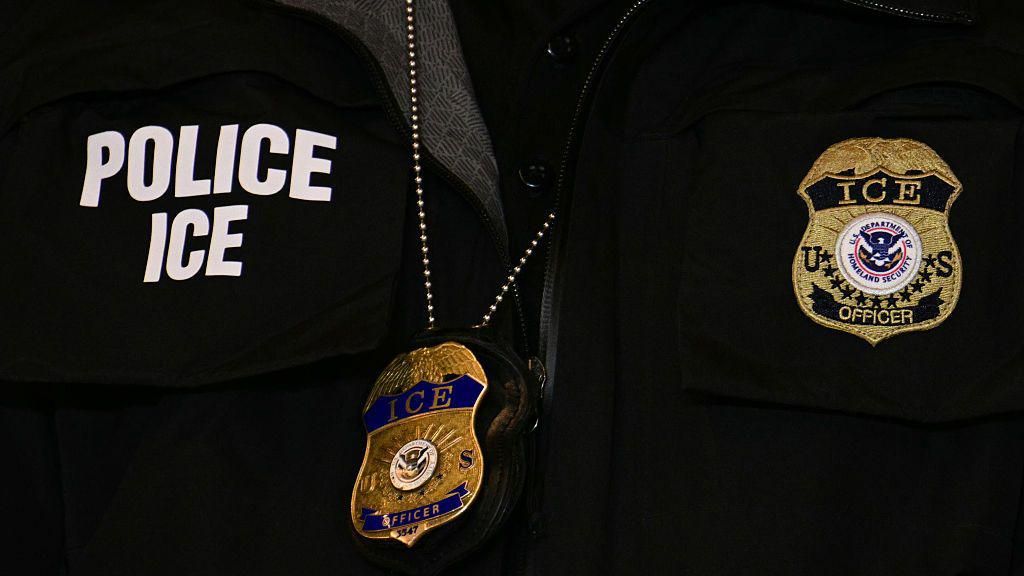
    A significant diplomatic incident has unfolded between Ecuador and the United States following an attempted entry by a U.S. Immigration and Customs Enforcement (ICE) agent into Ecuador’s consular facility in Minneapolis. Ecuador’s foreign ministry issued a formal condemnation, stating that consular officials prevented the agent from accessing the premises to ensure the protection of Ecuadorian citizens inside the building.

    The confrontation occurred at approximately 11:00 local time on Tuesday, with Ecuadorian officials citing the 1963 Vienna Convention on Consular Relations which designates consular premises as ‘inviolable.’ The convention explicitly prohibits host country authorities from entering consular working areas without consent from the consular post’s head—consent that Ecuador maintains was neither given nor assumed in this instance.

    Unverified video footage circulating in Ecuadorian media appears to show a tense exchange where a consular official blocks the ICE agent’s access, repeatedly stating ‘this is the consulate, you’re not allowed in here.’ The agent responds with a warning that physical contact would result in detention attempts.

    This incident creates unexpected diplomatic friction between the Trump administration and Ecuadorian President Daniel Noboa, who has generally maintained strong bilateral relations. Just two months prior, both leaders had agreed to strengthen commercial ties, and Noboa had previously expressed gratitude for the U.S. designation of Ecuadorian criminal gangs as Foreign Terrorist Organizations.

    The consular confrontation occurs amid heightened tensions in Minneapolis following the fatal shootings of two individuals, including intensive care nurse Alex Pretti, by border agents during immigration protests. President Trump recently announced he would ‘de-escalate immigration and border operations a little bit’ in Minnesota, where approximately 3,000 immigration agents are currently deployed.

    The Ecuadorian government has delivered an official letter of protest to the U.S. embassy in Quito, marking a rare diplomatic challenge between the two nations as the Trump administration continues its prioritized enforcement of strict immigration policies that have resulted in over 675,000 removals according to recent Homeland Security statements.

  • Budapest’s liberal mayor charged for organizing banned Pride event

    Budapest’s liberal mayor charged for organizing banned Pride event

    Hungarian prosecutors have formally charged Budapest Mayor Gergely Karácsony for organizing last year’s prohibited LGBTQ+ Pride march, marking a significant escalation in the government’s campaign against sexual minority events. The Budapest Chief Prosecutor’s Office announced Wednesday that Karácsony, who has led the capital since 2019, violated prohibition orders by publicly promoting and leading the June 28 demonstration despite an official ban imposed by Hungary’s right-wing nationalist government.

    The event, which organizers claim attracted approximately 300,000 participants—making it the largest Pride gathering in Hungarian history—proceeded in defiance of police restrictions. Prosecutors have recommended financial penalties without trial proceedings, alleging the mayor repeatedly encouraged public participation before personally leading the unlawful assembly.

    In a defiant response, Karácsony declared himself a ‘proud defendant,’ asserting that defending fundamental freedoms should not constitute criminal behavior. ‘If anyone thinks they can ban me, deter me, or prevent me and my city from doing so, they are gravely mistaken,’ the mayor stated, framing the charges as political retaliation for supporting LGBTQ+ rights.

    The legal action follows controversial legislation enacted in March 2025 by Prime Minister Viktor Orbán’s ruling party that prohibited Pride events nationwide. The government has justified these measures by claiming such celebrations violate children’s rights to moral development, prioritizing these protections over constitutional guarantees of peaceful assembly. This approach mirrors earlier restrictive policies, including a 2021 law banning homosexual content from minors—legislation widely criticized by European institutions and human rights organizations as repressive and comparable to Russian-style restrictions on sexual minorities.

  • Iran rejects talks with US amid military ‘threats’

    Iran rejects talks with US amid military ‘threats’

    Iran has formally declared negotiations with the United States impossible while facing military threats, escalating regional tensions following President Donald Trump’s refusal to dismiss potential armed intervention. This stance emerged amidst a significant U.S. naval presence, led by the USS Abraham Lincoln strike group, deployed to Middle Eastern waters.

    Foreign Minister Abbas Araghchi emphasized that diplomacy cannot coexist with intimidation, stating Tehran would only consider talks if Washington abandons threats and ‘illogical demands.’ Concurrently, Iranian officials engaged in covert diplomatic outreach to key Arab allies of the U.S., including Saudi Arabia, Qatar, and Egypt, seeking regional support and emphasizing de-escalation.

    The humanitarian situation remains dire. The U.S.-based Human Rights Activists News Agency (HRANA) verified at least 6,221 fatalities during recent protests, predominantly protesters killed by security forces. With internet restrictions persisting, the actual death toll is feared significantly higher. Over 42,000 individuals have been arrested, and reports indicate security forces are searching hospitals for wounded demonstrators and arresting medical personnel.

    Analysts suggest potential U.S. military options range from targeted strikes on facilities to full-scale regime change operations. Meanwhile, Iran’s judiciary announced the execution of an individual convicted of espionage for Israel’s Mossad, raising concerns from rights groups that arrested protesters might face similar capital charges.