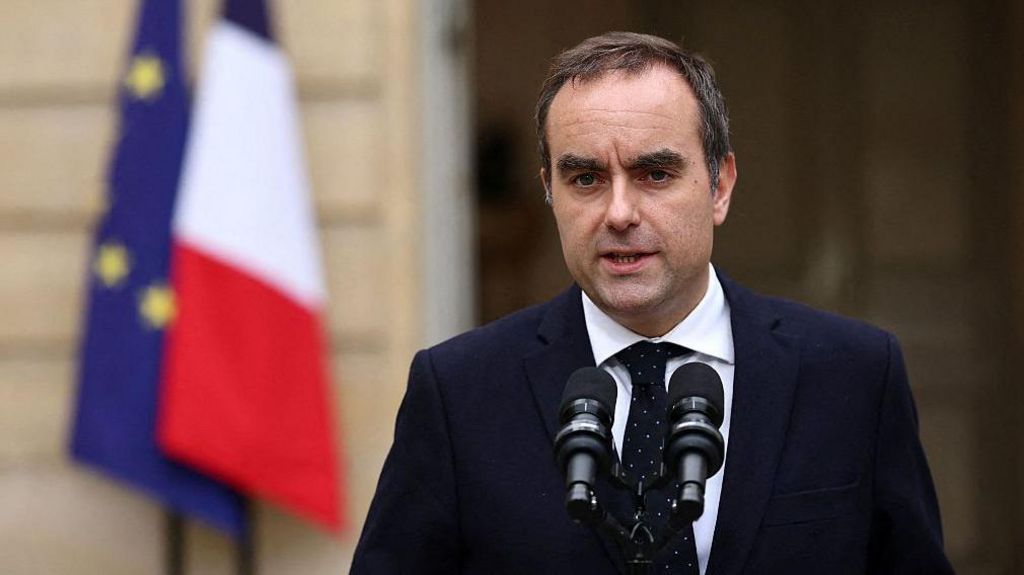
In a dramatic turn of events, French Prime Minister Sébastien Lecornu stepped down on Monday, marking the third resignation of a prime minister in less than a year. The move comes amidst a deepening political crisis in France, characterized by a hung parliament and ideological divisions. President Emmanuel Macron is expected to appoint a new prime minister within 48 hours, as the Elysee Palace seeks to quell speculation about the possibility of fresh elections. Lecornu, a close ally of Macron, was tasked with forming a consensus among political parties to navigate the current impasse. However, the path to forming a stable government remains fraught with challenges, as parties remain deeply divided over key issues such as the national budget and pension reforms. Lecornu emphasized the urgent need to pass a budget by year-end, warning that parties should not dismiss it without thorough examination. The political stalemate, which began after snap elections in July 2024, has hindered legislative progress and exacerbated France’s economic woes, including a national debt of €3.4 trillion, the third highest in the eurozone. As Macron remains silent following Lecornu’s resignation, the question of who will lead France out of this crisis looms large.
分类: politics
-

Argentine court sentences man to 10 years in prison for trying to shoot former President Fernández
In a landmark ruling, an Argentinian court has sentenced Fernando Sabag Montiel to 10 years in prison for his failed attempt to assassinate former President Cristina Fernández de Kirchner in September 2022. His accomplice, Brenda Uliarte, received an eight-year sentence. The dramatic incident, which unfolded outside Fernández’s Buenos Aires residence, saw Sabag Montiel point a loaded gun at her face and pull the trigger, but the weapon malfunctioned, leaving her unharmed. The case has deeply divided Argentina, with Fernández’s supporters staging protests while critics fueled conspiracy theories. Fernández, a polarizing figure in Argentinian politics, is known for her left-wing populism, which critics blame for the country’s economic struggles, including rampant inflation and fiscal deficits. Earlier this year, Fernández was convicted of corruption and sentenced to six years in prison, though she is serving her sentence under house arrest due to safety concerns. Despite her legal troubles, she remains politically active, voicing opposition to current President Javier Milei and maintaining a strong presence on social media. The trial revealed that Sabag Montiel and Uliarte had meticulously planned the attack, including surveilling Fernández’s routines. Sabag Montiel confessed, claiming his actions were motivated by Fernández’s alleged corruption, while Uliarte denied involvement.
-
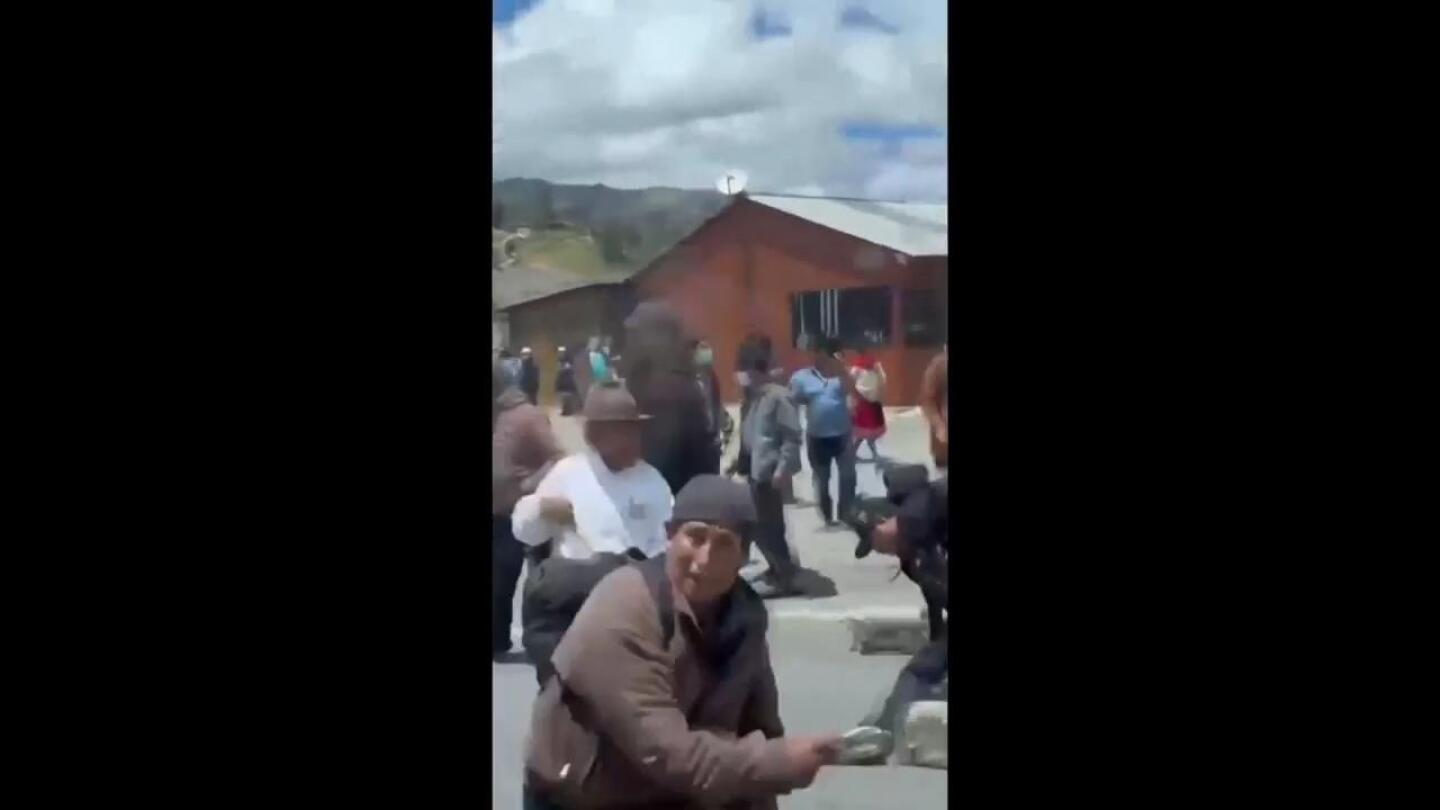
Noboa’s motorcade attacked with rocks in Ecuador in what government calls an assassination attempt
Ecuador is grappling with escalating tensions as President Daniel Noboa’s motorcade was targeted by protesters in what his Cabinet has labeled an assassination attempt. The incident occurred amidst widespread anti-government demonstrations triggered by the removal of a fuel subsidy, which has caused diesel prices to surge from $1.80 to $2.80 per gallon. The protests, led by Ecuador’s largest Indigenous group, have paralyzed parts of the country, prompting Noboa to declare a state of emergency across 10 provinces. Defense Minister Gian Carlo Loffredo condemned the attack, describing it as an act of terrorism. However, a judge later ruled the arrest of five suspects illegal, leading to their release and complicating the investigation. The Confederation of Indigenous Nationalities of Ecuador accused the government of provoking the incident to justify its harsh policies, while defense attorney Yaku Pérez asserted the suspects’ innocence. International figures, including U.N. Secretary-General António Guterres and the U.S. State Department, have condemned the violence, urging peaceful dialogue. The unrest follows a violent clash between police and Indigenous protesters last week, resulting in casualties and arrests. Noboa, who initially enjoyed Indigenous support, now faces growing opposition as his administration struggles to address the crisis.
-
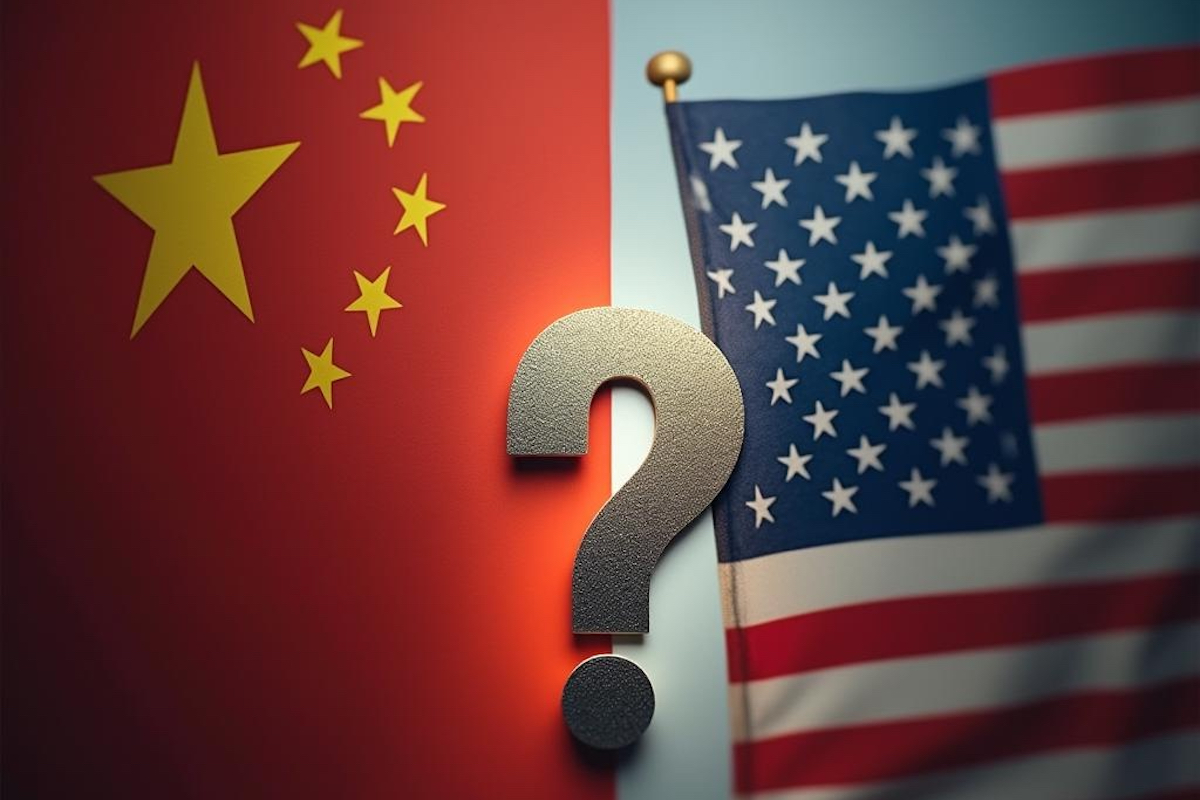
American mistakes handing China short-term gains
The dynamics of US-China relations can be examined through three distinct lenses: short-term, medium-term, and long-term perspectives. In the immediate context, China has secured four significant outcomes: halting rare earth exports to counter US tariffs, leveraging military displays to deter US aggression, weakening India’s alignment with the US, and boosting trade surpluses with third countries despite declining exports to the US. These maneuvers reflect China’s strategic agility in navigating geopolitical tensions. In the medium term, however, China’s alliances with Russia and Iran have proven costly, draining resources and entangling Beijing in conflicts that may not yield favorable outcomes. The long-term outlook remains uncertain, particularly regarding China’s ability to address structural issues such as its massive trade surplus and currency convertibility. Historically, similar challenges contributed to the downfall of the Ming and Qing dynasties. Today, China’s ambition to dominate global trade hinges on adopting free-market principles, which could paradoxically lead to de-industrialization. Meanwhile, the US faces its own set of challenges, including declining alliances and a lack of cohesive long-term strategies. While China appears to have a plan, its domestic economic woes, such as rising debt and a collapsing real estate sector, pose significant risks. Ultimately, the future of US-China relations will depend on how both nations navigate these complex and interconnected challenges.
-
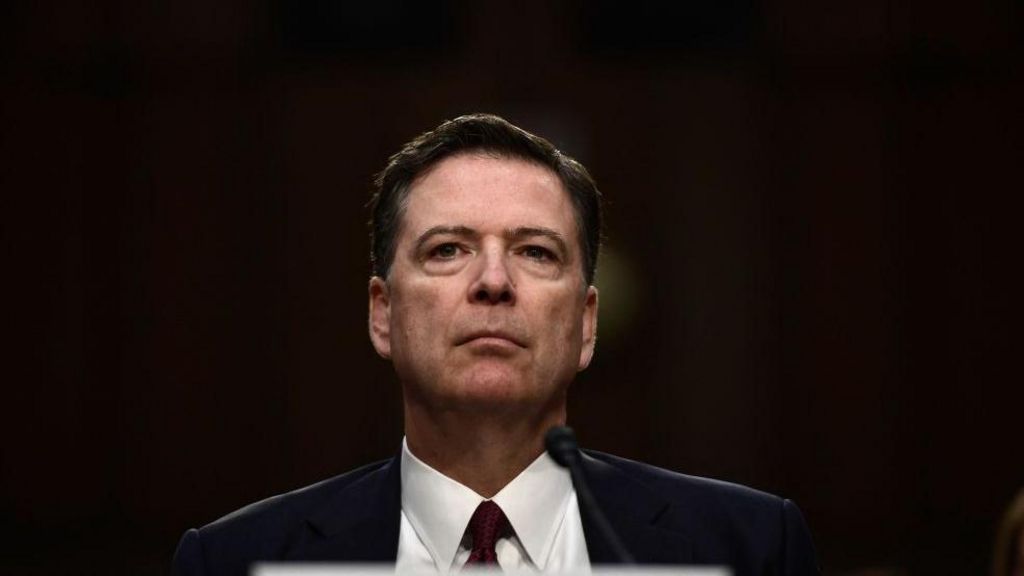
Ex-FBI director James Comey pleads not guilty to federal charges
James Comey, the former director of the US Federal Bureau of Investigation (FBI), has entered a plea of not guilty to charges of making false statements to lawmakers and obstructing a congressional proceeding. The plea was submitted on his behalf by his attorney, Patrick Fitzgerald, in a federal court in Alexandria, Virginia, on Wednesday. Fitzgerald argued that the case should be dismissed, citing political targeting due to Comey’s criticism of former President Donald Trump. The indictment followed Trump’s public urging of his attorney general to take legal action against Comey. A trial date has been set for January 5, with Comey’s legal team seeking a swift resolution. Fitzgerald also indicated plans to file motions to dismiss the case, claiming the prosecution is vindictive and that the appointment of the US attorney overseeing the case was unlawful. The case was initially handled by Erik Siebert, a Virginia prosecutor who resigned under pressure from Trump after failing to bring criminal charges against another political adversary, New York Attorney General Letitia James. Trump subsequently appointed Lindsey Halligan to take over the case. Comey appeared in good spirits during the court proceedings, accompanied by his wife, Patrice Failor, and daughter Maureen Comey, a federal prosecutor who was recently dismissed by the Trump administration. Comey, who served as FBI Director from 2013 to 2017, was fired early in Trump’s presidency while leading an investigation into Russian election interference and potential links to Trump’s campaign. His tenure was marked by controversy, including his announcement of an investigation into Hillary Clinton’s use of a private email server just days before the 2016 presidential election. Since leaving government, Comey has been a vocal critic of Trump. The charges against him stem from allegations that he lied to Congress during a 2020 Senate Judiciary Committee hearing about the FBI’s investigations into Clinton and Russia. Prosecutors also accuse him of obstructing the panel. In a video posted to Instagram after his indictment, Comey maintained his innocence and accused Trump of behaving like a ‘tyrant,’ vowing to stand up to him. The charges were filed after Trump publicly demanded his attorney general prosecute Comey.
-
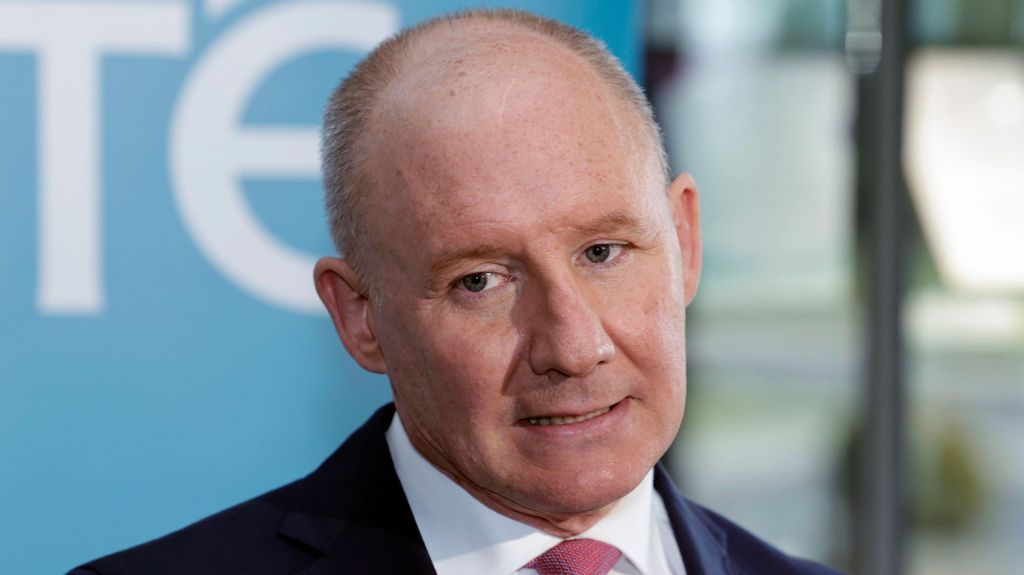
Jim Gavin to pay back €3.3k to former tenant after dispute
Jim Gavin, the former Irish Presidential candidate for Fianna Fáil, has agreed to repay €3,300 (£2,870) owed to a former tenant, Niall Donald, following a financial dispute that dates back 16 years. The controversy, which emerged during Gavin’s campaign, led to his withdrawal from the presidential race over the weekend. Donald, deputy editor of the Sunday World Newspaper and co-host of the ‘Crime World’ podcast, publicly detailed the ‘complicated’ financial issue, stating that he had overpaid rent due to a banking error and had struggled to recover the funds. Gavin’s legal representative has now confirmed that the repayment will be made, pending clarification of two unspecified issues. The dispute has sparked internal criticism within Fianna Fáil, with party leader and Taoiseach Micheál Martin facing scrutiny for his endorsement of Gavin. Donald expressed sympathy for Gavin, acknowledging the pressure he faced during the campaign, but emphasized the financial hardship the overpayment caused him. The incident has raised questions about the handling of the controversy by Fianna Fáil and the broader implications for the party’s leadership.
-

Trump calls for jailing of Illinois governor and Chicago mayor in immigration standoff
President Donald Trump has escalated tensions with Illinois officials, calling for the imprisonment of Chicago Mayor Brandon Johnson and Illinois Governor JB Pritzker. In a fiery social media post, Trump accused the Democratic leaders of failing to protect federal immigration officers conducting raids in Chicago, labeling the city a ‘war zone’ due to ongoing protests against immigration enforcement. This rhetoric comes as hundreds of National Guard troops have been deployed to Chicago as part of Trump’s immigration crackdown, mirroring similar actions in Los Angeles, Washington DC, Memphis, and Portland. A judge has temporarily blocked the deployment to Portland but allowed it in Chicago, prompting Illinois and Chicago to file a lawsuit to halt the move. Trump has threatened to invoke the Insurrection Act, potentially using the military if courts intervene. Meanwhile, protests in Chicago turned violent last weekend, with immigration authorities reporting an armed woman allegedly ramming her car into law enforcement vehicles, leading to an exchange of gunfire. The woman’s condition remains unclear. Pritzker and Johnson have vehemently opposed Trump’s actions, with Pritzker calling them ‘authoritarian’ and Johnson accusing Trump of targeting him unjustly. The standoff highlights the deepening divide between Trump and Democratic-led cities and states.
-
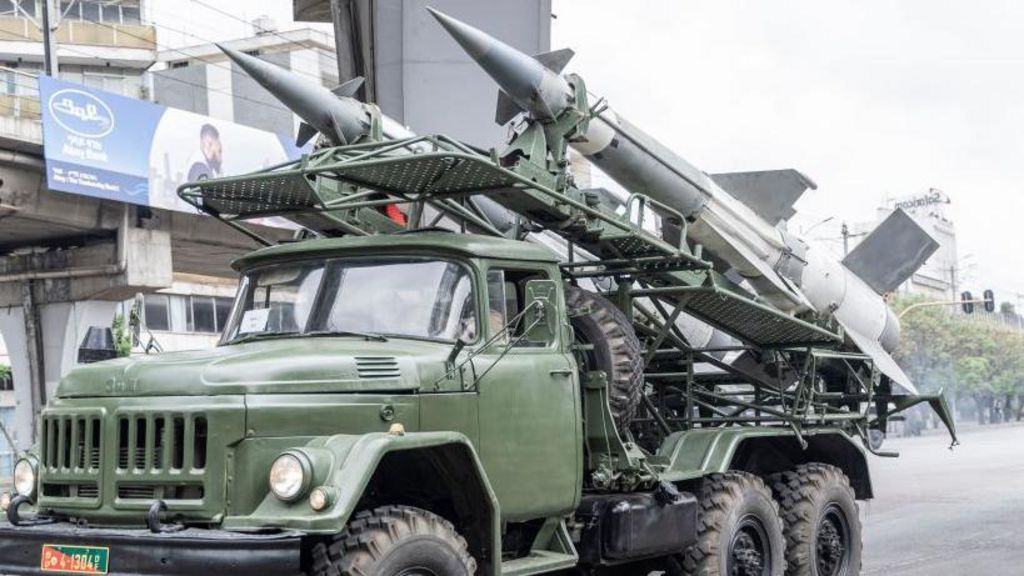
Ethiopia accuses Eritrea of preparing for war as Red Sea tensions rise
In a dramatic escalation of tensions between Ethiopia and Eritrea, Ethiopia has accused its northern neighbor of conspiring with opposition groups to wage war, according to a letter sent by Ethiopian Foreign Minister Gedion Timothewos to UN Secretary-General Antonio Guterres. The letter alleges that Eritrea, in collaboration with a hardline faction of the Tigray People’s Liberation Front (TPLF), is actively funding and mobilizing armed groups in Ethiopia’s Amhara region. This accusation comes amid growing friction over Ethiopia’s bid to regain access to the Red Sea, a move that has alarmed Eritrea, which controls the coastline since its independence in 1993. The two nations previously fought a brutal border war from 1998 to 2000, which claimed tens of thousands of lives. Although relations improved after Ethiopian Prime Minister Abiy Ahmed took office in 2018, recent developments have reignited hostilities. Ethiopia’s push for Red Sea access has been met with sharp criticism from Eritrea, with its Information Minister Yemane Gebremeskel dismissing Ethiopia’s claims as ‘bizarre and mind-boggling.’ Meanwhile, Ethiopia faces internal unrest, particularly in the Amhara region, where the Fano militia, previously allied with Abiy’s government, is now opposing federal forces. The situation remains volatile, with fears of a broader conflict looming.
-
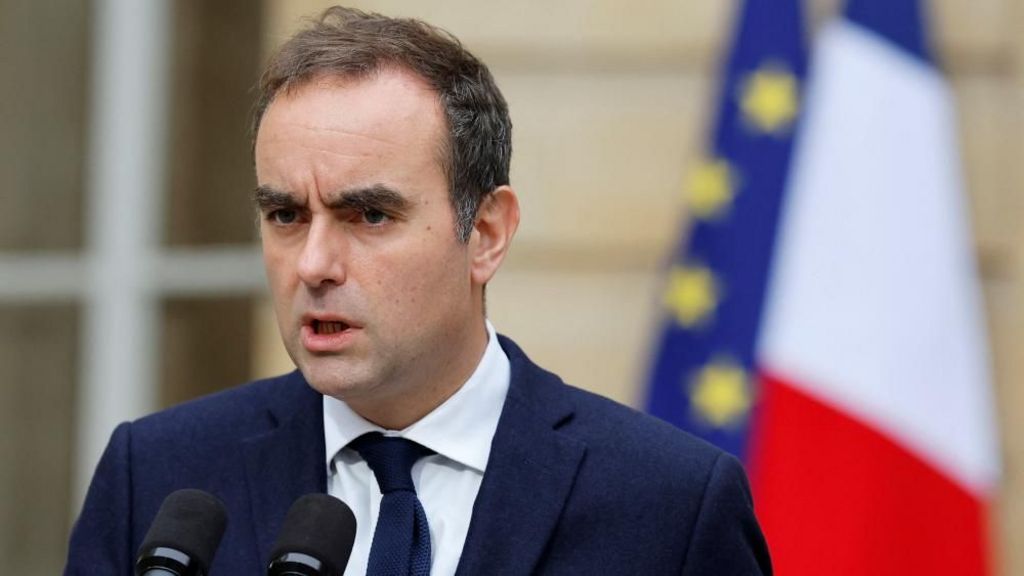
Crunch moment in French crisis as outgoing PM tries to avert new election
In the midst of France’s deepening political crisis, outgoing Prime Minister Sébastien Lecornu expressed cautious optimism about the possibility of passing a budget before the year’s end. Lecornu, who became the third French prime minister to resign in less than a year, has been tasked with finding a solution to stabilize the country by Wednesday evening. His resignation on Monday plunged France into renewed political uncertainty, just 18 months before President Emmanuel Macron’s second term concludes. Macron’s decision to call snap elections in mid-2024 resulted in a hung parliament and a series of minority governments, further complicating the political landscape. Lecornu, who served only 26 days before his government collapsed, has been engaging with various political parties to forge a path forward. He noted a ‘willingness’ among parties to pass a budget by December 31, which could reduce the likelihood of dissolving parliament. However, challenges remain, as Socialist leader Olivier Faure ruled out his party’s participation in any government led by Macron’s allies, citing irreconcilable differences over the budget plan. Meanwhile, the hard-right National Rally, led by Marine Le Pen, has called for new parliamentary elections. Lecornu’s best hope appears to be forming a centrist coalition with the conservative Republicans, though their participation is uncertain. National Assembly President Yaël Braun-Pivet warned of ‘very serious consequences’ if a budget deal is not reached soon. Lecornu emphasized the importance of reducing France’s budget deficit, which currently stands at 5.4% of GDP, to maintain the country’s credibility and borrowing capacity. Additionally, he highlighted the need to address the future of New Caledonia, France’s South Pacific territory, which has been seeking greater autonomy. The planned 2026 budget included financial aid for New Caledonia following last year’s riots, but Lecornu’s resignation has delayed the referendum and provincial elections scheduled for next year.
-
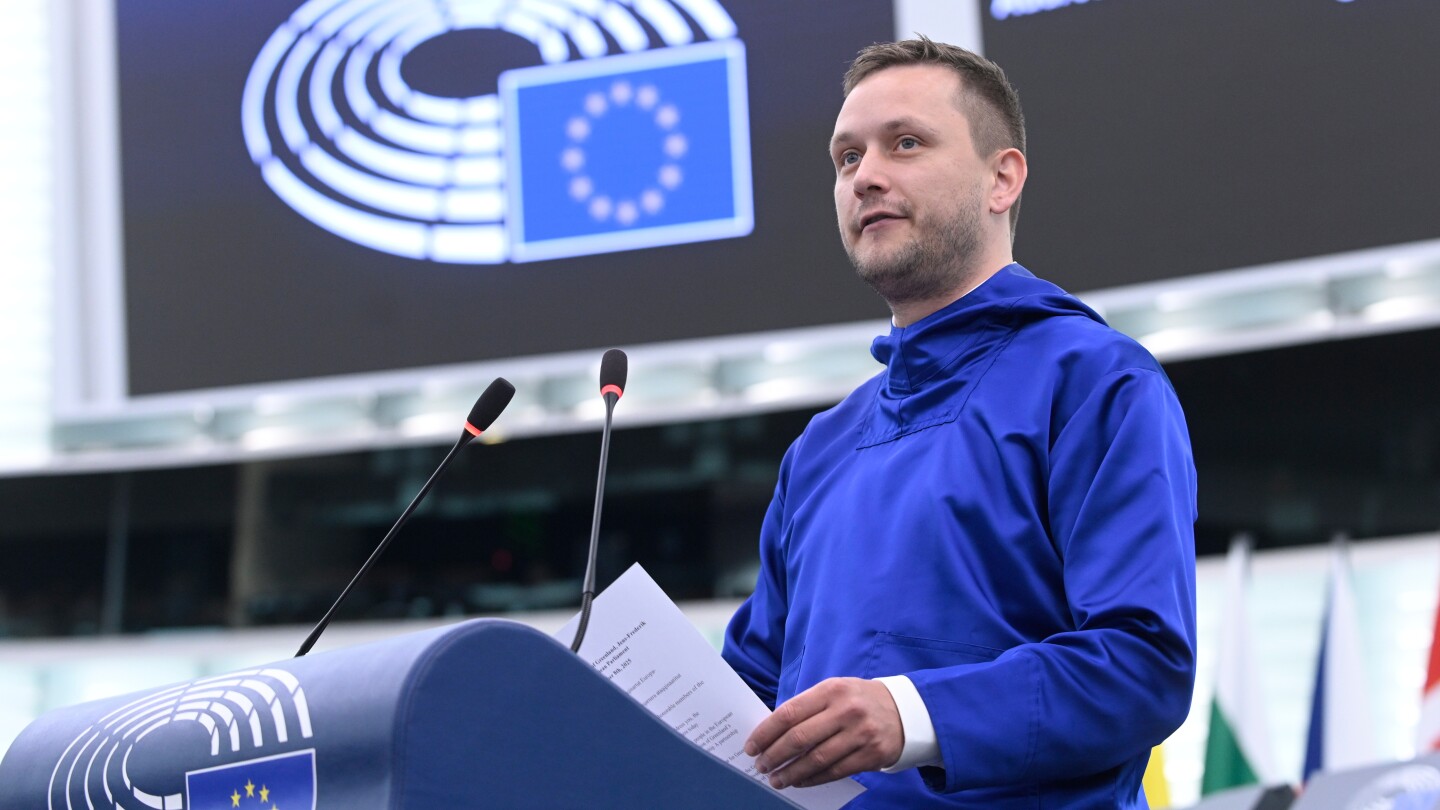
Greenland’s leader hails EU as trusted friend and urges investment in its minerals
In a significant address to the European Parliament in Strasbourg, Greenland’s Prime Minister Jens-Frederik Nielsen expressed gratitude to the European Union for its enduring partnership and called for increased investment in the Arctic island’s mineral resources, renewable energy, and infrastructure. Nielsen, 34, described 2025 as a pivotal year for Greenland, emphasizing the challenges posed by climate change while avoiding mention of former U.S. President Donald Trump’s controversial remarks about acquiring the territory. He highlighted the EU’s role as a “stable, reliable, and important partner” for over four decades, extending a heartfelt thanks for its support during challenging times. Greenland, once a Danish colony, became a self-governing entity in 2009 but remains part of the Danish realm. Nielsen underscored the island’s abundance of critical raw minerals sought by the EU, noting the capital-intensive nature of mining. He also urged investment in hydroelectricity, telecommunications, and the construction of two regional airports, emphasizing the need for trusted operators to ensure infrastructure stability. The speech concluded with a standing ovation from lawmakers as Nielsen thanked the EU for being a “trusted friend of Greenland.”