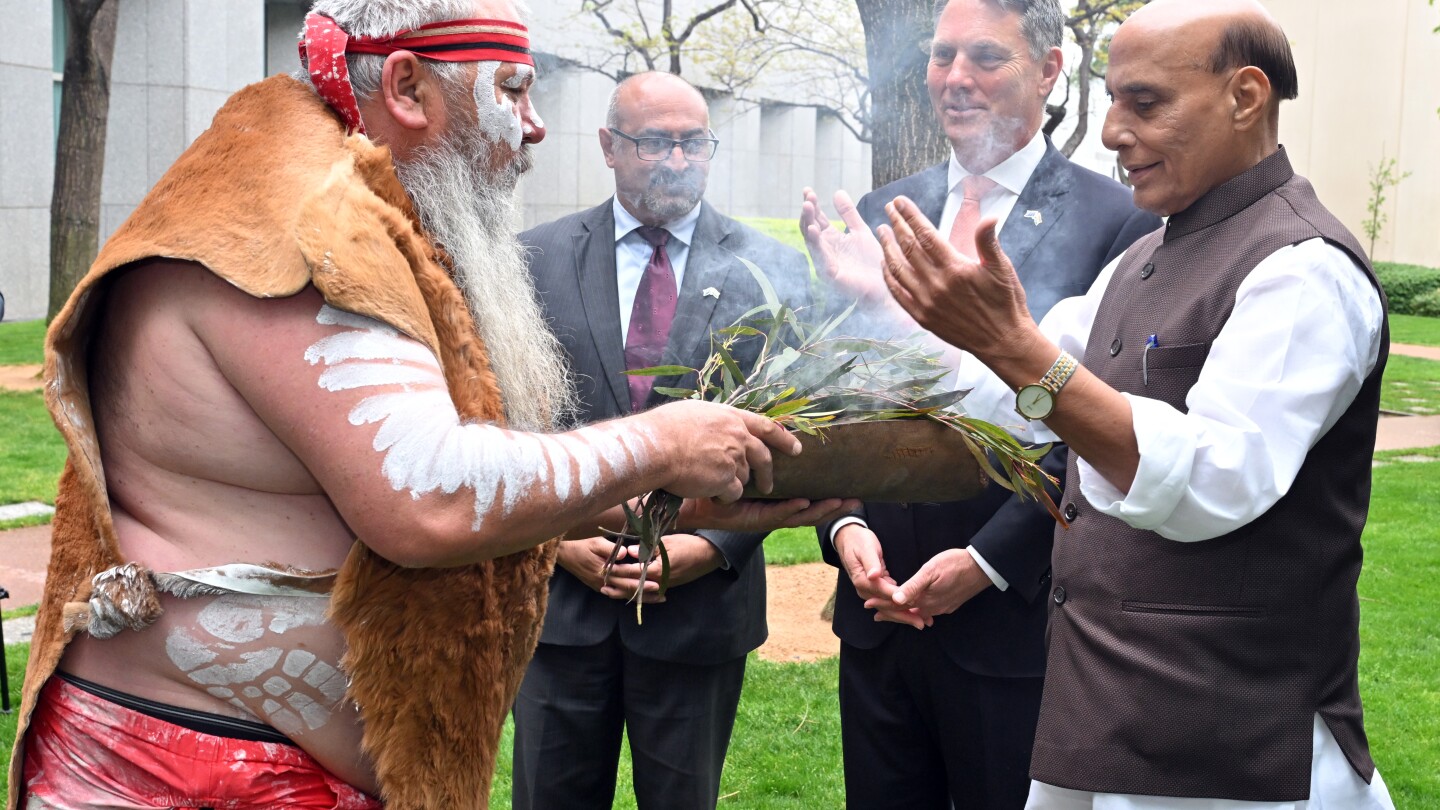
In a landmark move to bolster Indo-Pacific stability, Australian and Indian defense ministers inked a comprehensive bilateral security agreement on Thursday. This marks the first visit of an Indian defense minister to Australia since 2013, as highlighted by Australian Defense Minister Richard Marles. The pact includes the establishment of a joint staff forum and submarine rescue cooperation, reflecting the deepening defense partnership between the two nations. Marles emphasized the practical impact of this collaboration in maintaining regional stability. The growing ties were further evidenced by India’s inaugural participation in the multinational Talisman Sabre military exercises in Australia this July. These exercises, which began in 2005 as a U.S.-Australia initiative, this year involved over 35,000 personnel from 19 countries. Both nations are also part of the Quad alliance, alongside the United States and Japan, which focuses on enhancing maritime security in the Indo-Pacific. Raji Rajagopalan, a senior fellow at the Australian Strategic Policy Institute, noted the symbolic and practical significance of the visit, underscoring India’s strategic balancing act between China and the U.S. in the region. Additionally, Australia has been fortifying its security relationships with South Pacific neighbors, recently signing a defense treaty with Papua New Guinea, its second alliance-level security pact after the ANZUS Treaty.
分类: politics
-
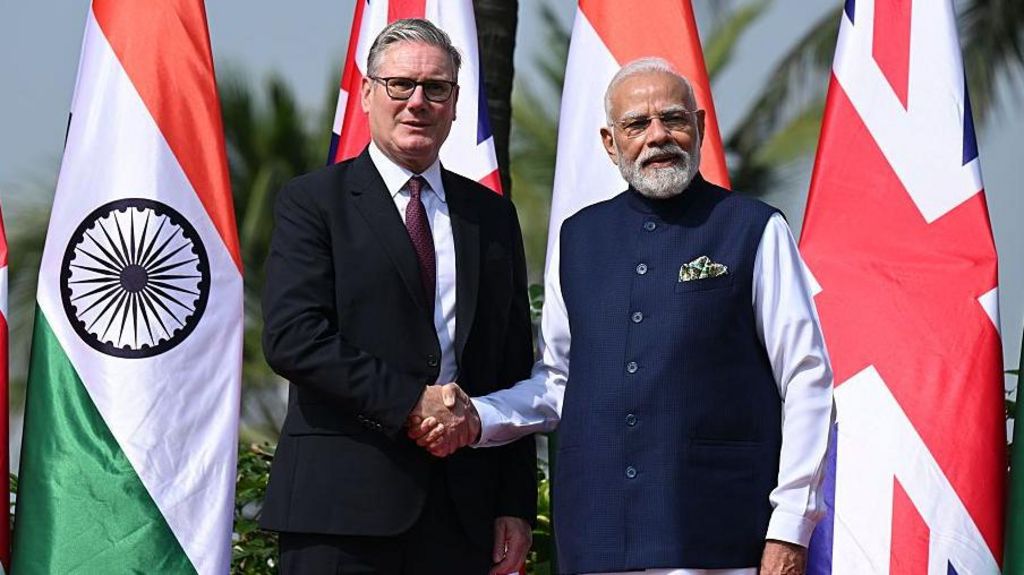
Starmer meets Modi on his first visit to India
Sir Keir Starmer, the UK Prime Minister, embarked on his inaugural visit to India, leading a substantial trade delegation comprising over 100 CEOs, entrepreneurs, university vice-chancellors, and cultural leaders. The visit, described as ‘historic’ by Indian Prime Minister Narendra Modi, took place in Mumbai, India’s financial hub. The two leaders convened to explore avenues for enhancing business and trade relations, following the landmark UK-India trade agreement signed in July. Starmer is scheduled to deliver a keynote address at a fintech conference during his stay. The visit has been marked by a warm reception, with thousands of photos of Starmer and Modi adorning the streets of Mumbai. On his first day, Starmer met with Nandan Nilekani, the founder of India’s digital ID system, amidst the UK government’s controversial plan to introduce a compulsory digital ID for workers. Despite opposition, with over 2.8 million people signing a petition against the proposal, the government remains resolute, arguing it will curb illegal migrant labor. Additionally, Starmer announced that Yash Raj Films will produce three Bollywood films in the UK starting 2026, ending an eight-year hiatus. The UK-India trade deal, yet to be implemented, has already spurred £1 billion in investment and created nearly 7,000 jobs in the UK. The agreement will reduce India’s average tariff on UK products from 15% to 3%, while the UK will lower taxes on Indian goods such as clothing, footwear, and seafood. India, in turn, will reduce duties on Scotch whisky, cosmetics, and luxury cars. The deal is projected to boost the UK’s GDP by £4.8 billion annually and increase bilateral trade by £25.5 billion by 2040. Last year, UK-India trade totaled £42.6 billion and was already on an upward trajectory. Before his visit, Starmer emphasized that the UK would not relax visa rules for India but highlighted significant opportunities to enhance trade and cultural ties. The visit occurs against the backdrop of strained India-US relations due to President Donald Trump’s imposition of 50% tariffs on India, including a 25% penalty for purchasing Russian oil. India and the US have been negotiating a trade deal for months without a major breakthrough.
-
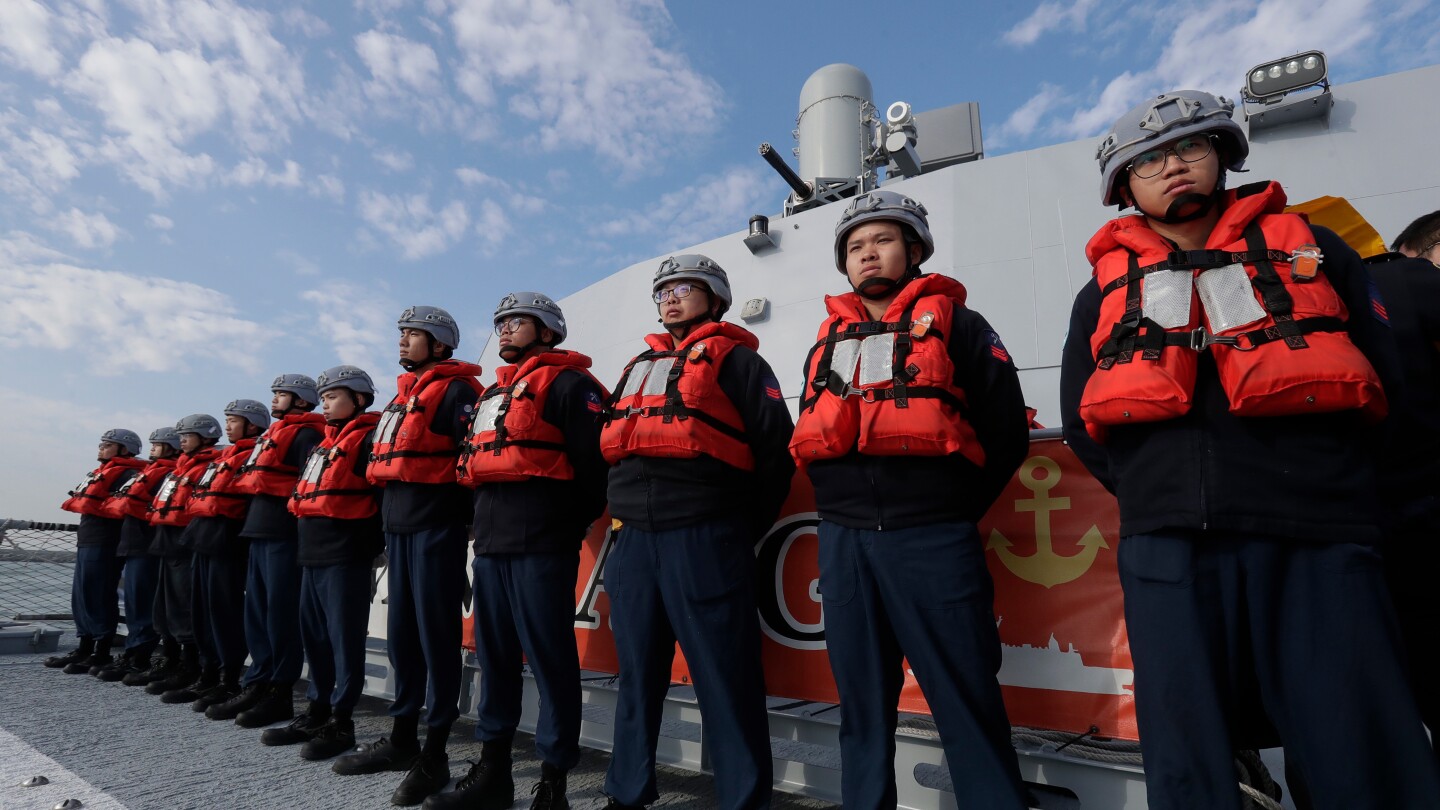
Taiwan says anti-drone measures will be a top priority in defense against China
In response to escalating Chinese drone incursions, Taiwan’s Ministry of National Defense has unveiled a comprehensive strategy to counter these threats. The ministry announced on Thursday that it is actively training soldiers to shoot down drones and is seeking to procure advanced anti-drone weaponry. This initiative comes as Chinese drones frequently encroach upon Taiwan’s outlying islands, which are geographically closer to China than the main island of Taiwan. China continues to assert its claim over Taiwan, despite the island’s de facto self-governance. Major General Sun Li-fang, a spokesperson for the defense ministry, emphasized the rapid evolution of drone and anti-drone technologies, stating, ‘Drone development and anti-drone developments are progressing rapidly, and we are prioritizing this in our military preparedness efforts.’ The report also highlighted China’s increasing use of grey-zone tactics, which include non-armed assaults such as drone surveillance and patrol exercises. Taiwan’s military is conducting night shooting drills and other training exercises to enhance its defensive capabilities. Additionally, Taiwan is strengthening its ties with the United States, its largest unofficial ally, to bolster regional security. In February, Taiwan signed a $761 million deal with the U.S. to acquire an air defense system specifically designed to counter drone threats. Defense Minister Wellington Koo reaffirmed Taiwan’s commitment to increasing defense spending to approximately 5% of GDP, up from the current 3%, to address the growing military tensions with Beijing.
-
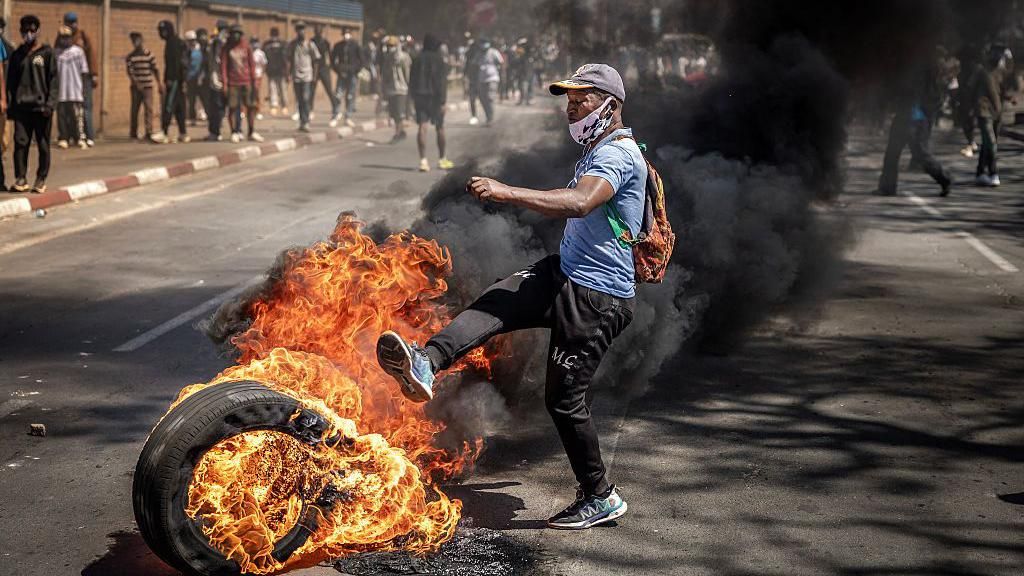
Madagascar president asks for one year to resolve problems or he will resign
Madagascar’s President Andry Rajoelina has pledged to address the nation’s pressing challenges within a year, vowing to resign if he fails to deliver. Speaking at a town-hall meeting at his palace, Rajoelina engaged with government supporters, urging honesty over flattery. ‘It’s the people who kept telling me everything was fine who are responsible for our current situation,’ he remarked. The protests, initially sparked by water and electricity shortages, have evolved into widespread discontent over corruption, unemployment, and the cost-of-living crisis. The youth-led movement, Gen Z Mada, has rejected Rajoelina’s invitation to dialogue, accusing the government of repression and vowing to continue demonstrations. Rajoelina, who came to power in 2009 after mass protests, has dismissed his cabinet and appointed an army general as prime minister, a move the protesters have dismissed. Despite the unrest, life in most parts of the capital, Antananarivo, remains normal, though some areas are heavily policed. The UN reports at least 22 deaths in clashes with security forces, a figure disputed by authorities. Rajoelina remains committed to resolving the crisis through dialogue rather than protests.
-
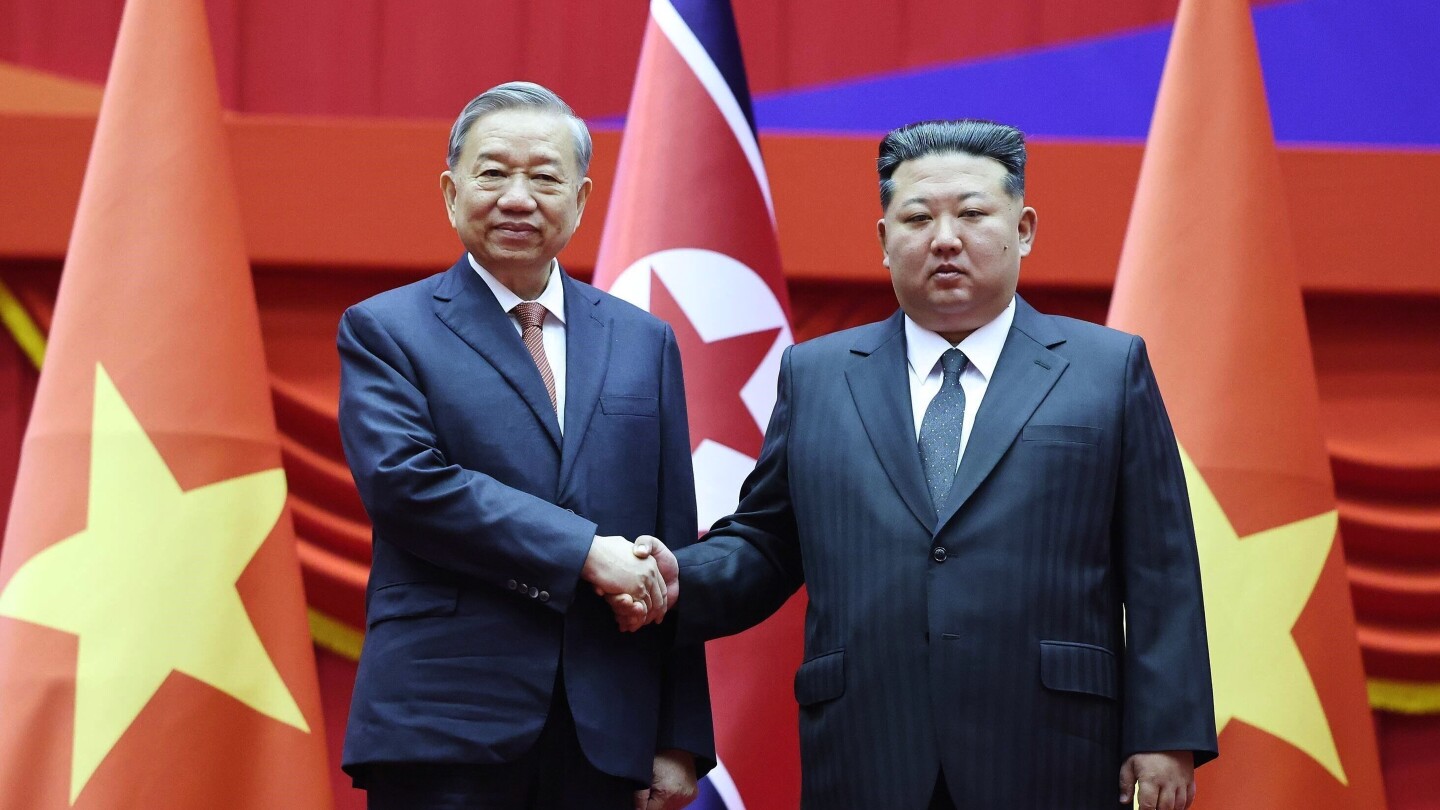
North Korea’s ruling party turns 80 with foreign leaders in attendance
North Korea is commemorating the 80th anniversary of its ruling Workers’ Party on Friday, with significant participation from foreign dignitaries and leaders. The event underscores Pyongyang’s efforts to strengthen ties with key global allies, particularly China and Russia, both of which are sending high-level representatives. Chinese Premier Li Qiang arrived in Pyongyang on Thursday, marking the highest-level visit by a Chinese leader since 2019. Li, a member of the Standing Committee of the Communist Party’s Politburo and China’s second-highest-ranking official, has been increasingly active in representing China on the global stage, including at the United Nations General Assembly in September. Russia is represented by Dmitry Medvedev, former president and deputy head of the Security Council, reflecting the deepening cooperation between North Korea and Russia, particularly in the context of the Ukraine conflict. Vietnam’s top leader, Communist Party General Secretary To Lam, also arrived in Pyongyang, where he was welcomed by North Korean leader Kim Jong Un. The visit coincides with the 75th anniversary of diplomatic relations between the two nations. Additionally, Laos’ President Thongloun Sisoulith is attending the celebrations, further highlighting the event’s international significance. The anniversary serves as a platform for North Korea to showcase its diplomatic alliances and reinforce its position on the global stage, though specific details of the commemorative activities remain undisclosed.
-
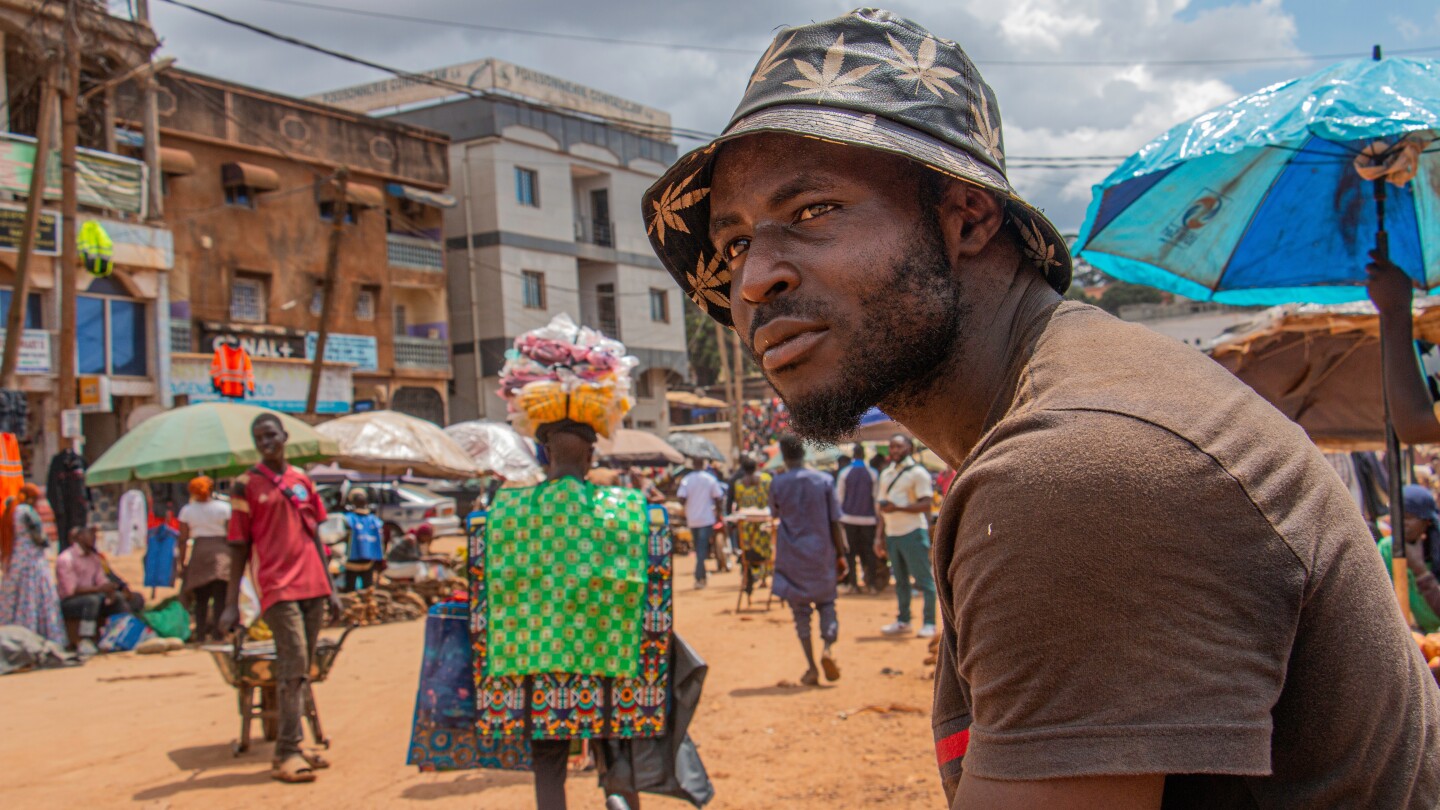
The world’s oldest president seeks an eighth term in Cameroon as youth grumble
In Cameroon, a nation where the median age is 18, the generational divide between its youthful population and its aging leadership has never been more pronounced. As the country prepares for its presidential election, 92-year-old Paul Biya, the world’s oldest president, is seeking an eighth term in office. Biya, who has ruled Cameroon for over four decades, faces widespread disillusionment among the youth, who accuse the education system of corruption and the political system of favoring the elite. Elvis Nghobo, a 34-year-old market vendor in Yaounde, exemplifies this frustration. After failing to gain admission to multiple professional schools, he blames the system for his struggles and has decided not to vote, calling the election results a foregone conclusion. Nghobo’s sentiment is echoed by millions of young Cameroonians who feel excluded from the country’s modest economic growth and are grappling with unemployment and informal employment. Despite being an oil-producing nation, Cameroon’s youth say the benefits of economic growth have not reached them. The country also faces escalating security crises, including a secessionist conflict in the English-speaking western region and Boko Haram insurgency in the north. Biya is challenged by nine opposition candidates, including former allies, but critics argue the opposition lacks credibility. Maurice Kamto, a prominent opposition figure, was barred from running, further fueling skepticism about the electoral process. Analysts suggest that Cameroon’s elites are unwilling to disrupt the status quo, with Biya’s entourage and ruling party ensuring his continued dominance. As the election approaches, many young Cameroonians, like Nghobo, have lost faith in the ballot box, believing that power change will require alternative means.
-
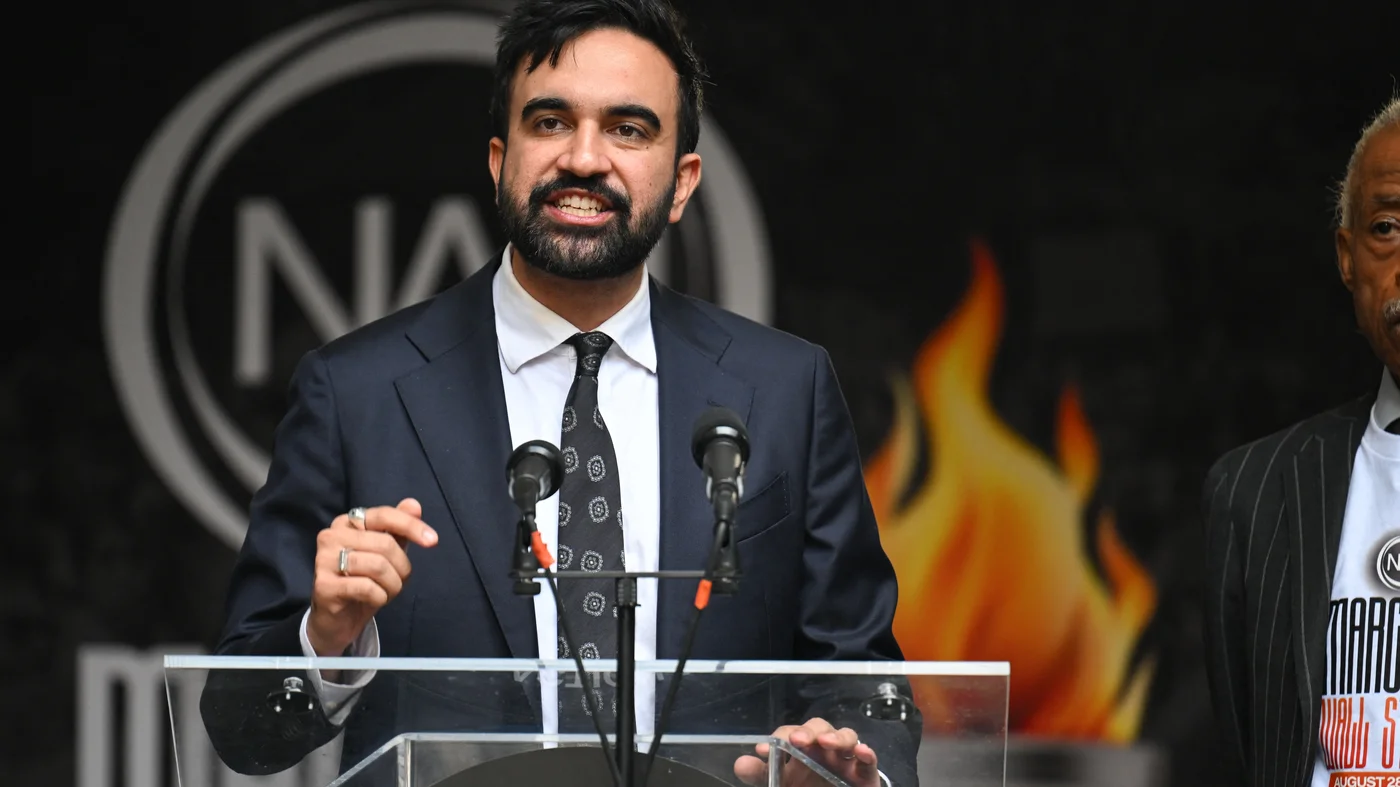
Zohran Mamdani under fire from all sides following 7 October statement
New York mayoral candidate Zohran Mamdani’s statement on October 7, marking the second anniversary of the Hamas-led attack, has ignited a firestorm of reactions across the political spectrum. Mamdani began by mourning the 1,100 Israelis killed and hundreds taken hostage, but swiftly pivoted to condemn Israel’s military response, labeling it a ‘genocidal war’ with a death toll exceeding 67,000. He criticized the U.S. government’s complicity and called for an end to occupation and apartheid. However, his failure to explicitly mention ‘Palestinians’ or ‘Palestine’ drew sharp criticism from pro-Palestine advocates, who accused him of flattening the power imbalance between Israelis and Palestinians. Palestinian activist Nerdeen Kiswani denounced the statement as ‘disgraceful,’ arguing it dehumanized Palestinians by equating Hamas’s actions with Israel’s systemic violence. Journalist Sana Saeed accused Mamdani of ‘genocide apologia’ for framing Palestinian resistance within the same moral register as Israel’s decades-long occupation. Others, including journalist Aaron Mate, criticized factual inaccuracies in Mamdani’s statement, particularly regarding the number of Israeli casualties. Meanwhile, the pro-Israel base, including the Israeli foreign ministry, condemned Mamdani for allegedly advocating for Hamas and spreading propaganda. Despite attempts to strike a measured tone, Mamdani’s statement left him politically isolated, alienating both his progressive base and Israel’s defenders. Critics argue his centrist approach risks losing credibility, while supporters contend he faces the pragmatic realities of electoral politics in a city with a significant Jewish population.
-
US diplomat fired over relationship with woman accused of ties to Chinese Communist Party
In a significant move underscoring the Biden administration’s stringent stance on national security, the U.S. State Department has terminated a diplomat for engaging in a romantic relationship with a Chinese woman reportedly connected to the Chinese Communist Party (CCP). This marks the first such dismissal since the implementation of a ban on such relationships late last year. The policy, introduced during the final days of President Joe Biden’s tenure, prohibits all U.S. government personnel, their family members, and contractors with security clearances in China from forming romantic or sexual ties with Chinese nationals. Tommy Pigott, a State Department spokesperson, confirmed the dismissal, stating that the diplomat admitted to concealing the relationship, which was deemed a breach of national security protocols. The case was reviewed by former President Donald Trump and Secretary of State Marco Rubio, who supported the decision. The diplomat’s identity remains undisclosed, though the relationship was exposed in a covertly recorded video by conservative activist James O’Keefe. In response, Chinese Foreign Ministry spokesperson Guo Jiakun declined to comment, emphasizing China’s opposition to ideological discrimination and unfounded allegations.
-
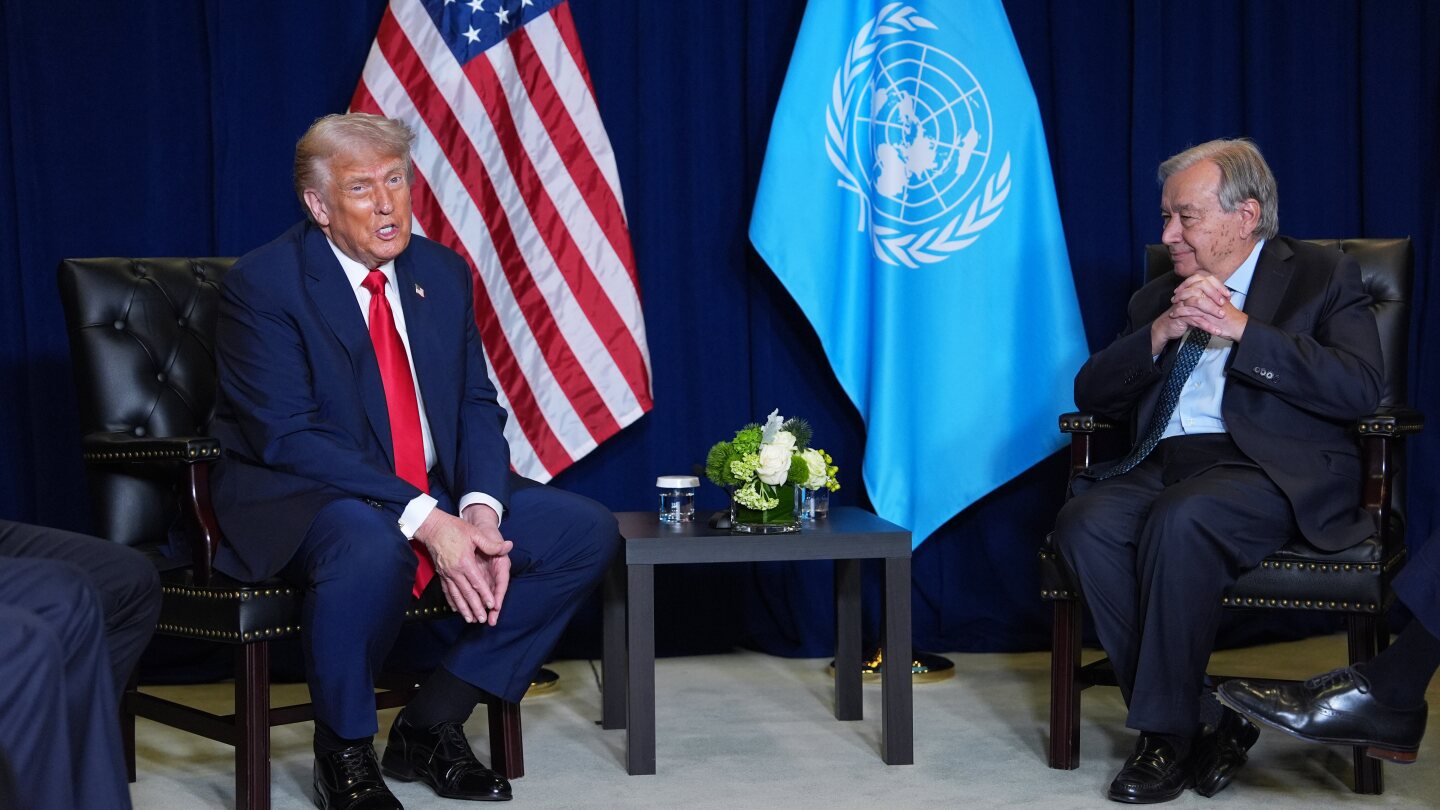
United Nations to cut 25% of its global peacekeeping force in response to US funding strains
The United Nations is set to significantly reduce its peacekeeping operations, with thousands of military and police personnel expected to withdraw from global conflict zones in the coming months. This decision follows substantial funding cuts by the United States, the UN’s largest donor, as part of President Donald Trump’s ‘America First’ policy. A senior UN official, speaking anonymously, revealed that approximately 13,000 to 14,000 peacekeepers out of more than 50,000 deployed across nine missions will be repatriated. The UN’s support office in Somalia will also face reductions. The peacekeeping budget is projected to shrink by 15% this year. Countries affected by these changes include Congo, the Central African Republic, South Sudan, Lebanon, Cyprus, and Kosovo. UN Secretary-General Antonio Guterres has emphasized that UN peacekeeping, which represents just 0.5% of global military spending, remains a cost-effective tool for fostering international peace and security. The decision to downsize follows a meeting between Guterres and major donor countries, including the new U.S. Ambassador to the UN, Mike Waltz. The Trump administration has criticized the UN’s budget as excessive and redundant, vowing to withhold further contributions until a thorough assessment of each UN agency’s effectiveness is completed. This review has already led to the U.S. withdrawing from UNESCO, the World Health Organization, and the UN Human Rights Council. Over 60 UN offices and agencies are now facing 20% job cuts as part of Guterres’ reform efforts in response to the U.S. funding reductions. The U.S. has committed $680 million to nine peacekeeping missions, a sharp decline from the $1 billion contribution made last year. China, another major contributor, has pledged to fulfill its financial obligations by year-end.
-
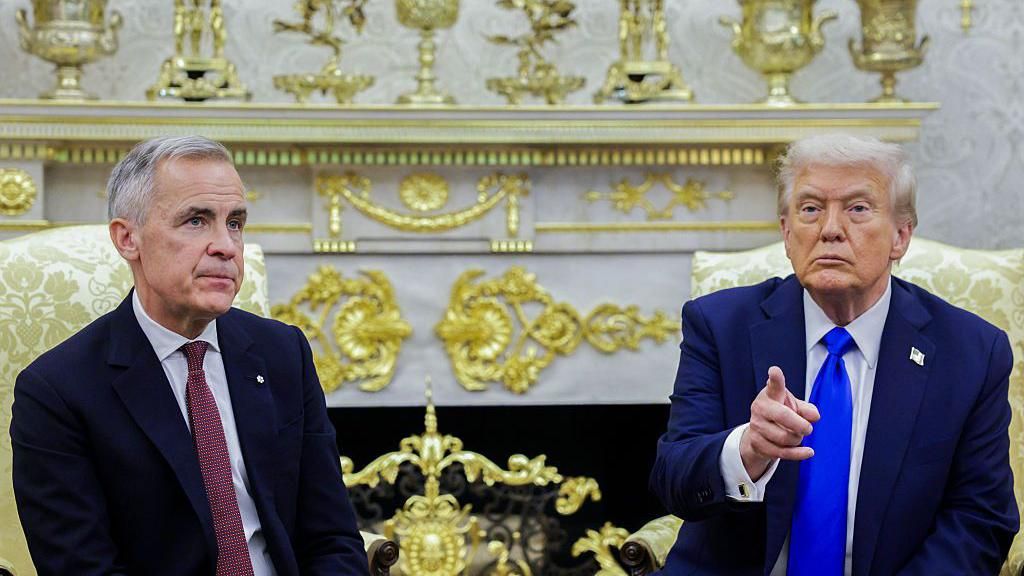
Carney and Trump discussed Keystone XL pipeline revival, source says
In a high-stakes meeting on Tuesday, Canadian Prime Minister Mark Carney and US President Donald Trump convened in Washington to address pressing trade and security issues. Among the key topics discussed was the potential revival of the Keystone XL pipeline, a contentious project that would transport oil from Alberta, Canada, to Nebraska, USA. Sources close to the discussions revealed that Carney brought up the pipeline during broader talks on US tariffs imposed on Canadian steel and aluminium, to which Trump reportedly responded positively. The Keystone XL pipeline, initially approved in 2010, has faced significant opposition, including vetoes by both the Obama and Biden administrations due to environmental concerns. Trump, however, has consistently expressed support for the project, reiterating his stance as recently as February. Despite this, TC Energy, the company behind the pipeline, has stated it has ‘moved on’ from the project after losing billions, including a C$1.5 billion investment from the Alberta government. The discussions between Carney and Trump were described as preliminary, with both leaders directing their teams to continue negotiations in the coming days. In a statement, Carney emphasized the focus on ‘key priorities in trade and defence,’ highlighting opportunities for progress in steel, aluminium, and energy trade. Alberta Premier Danielle Smith welcomed the talks, advocating for Alberta oil as a cornerstone in renegotiating the USMCA trade agreement. However, the project faces opposition from environmentalists, indigenous groups, and political leaders like British Columbia Premier David Eby and Bloc Québécois Leader Yves-François Blanchet, who criticize its environmental impact.