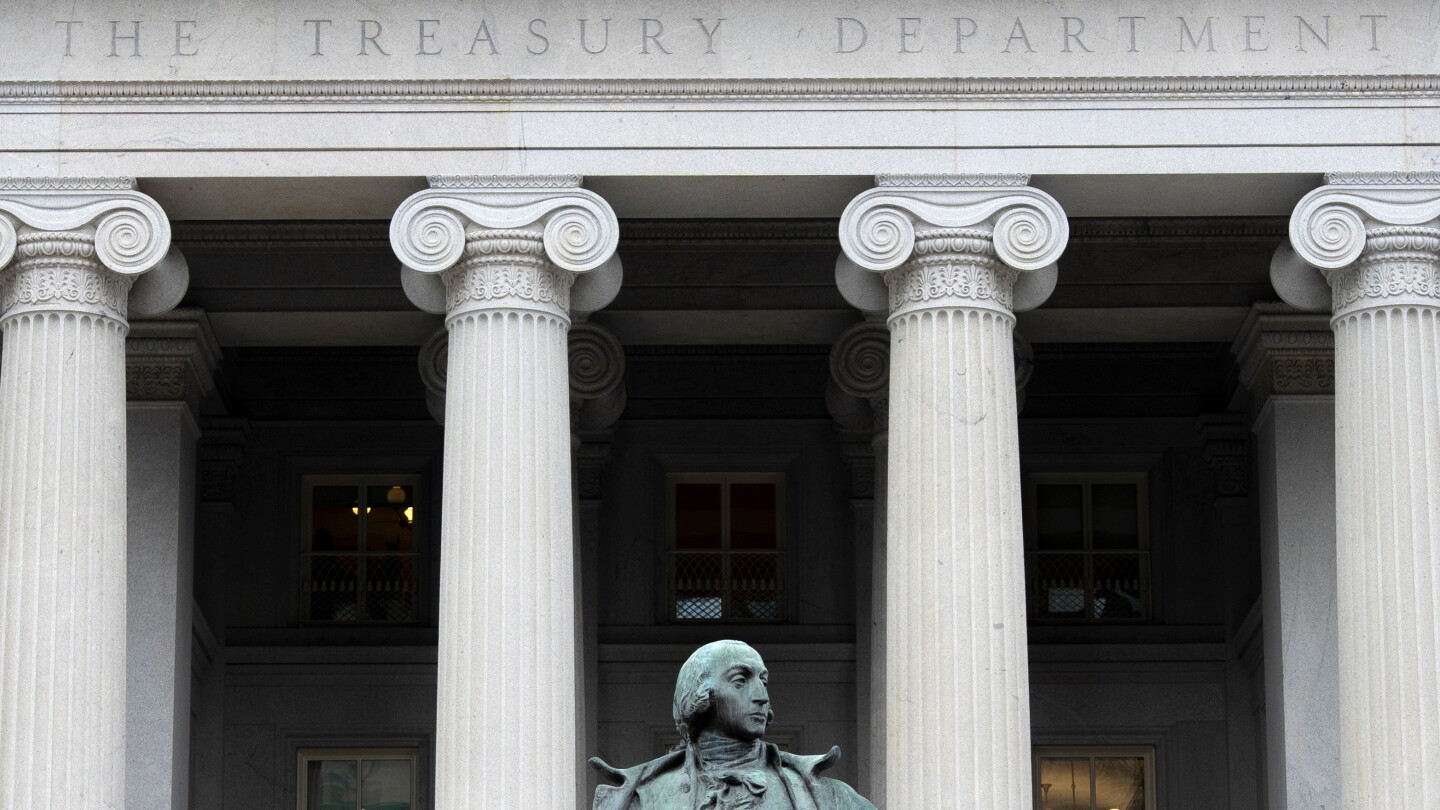
In a significant diplomatic development, the United States has authorized Trinidad and Tobago to negotiate a gas deal with Venezuela without facing U.S. sanctions. The U.S. Treasury Department issued an Office of Foreign Assets Control (OFAC) license on Wednesday, enabling the Caribbean nation to pursue the development of a gas field in Venezuelan waters. This decision follows a formal request made by Trinidad and Tobago in May, as confirmed by Attorney General John Jeremie. The license, valid for six months, sets specific parameters for negotiations, ensuring compliance with U.S. policies toward Venezuela. Jeremie emphasized that the targets outlined by the U.S. are reasonable and achievable, though he declined to disclose further details. The gas project is deemed crucial for Trinidad and Tobago, which is striving to enhance its gas production and address budgetary challenges. The license, however, only covers initial negotiations, with further steps contingent on successful completion of this phase. The approval was secured after U.S. Secretary of State Marco Rubio met with Trinidad and Tobago’s Prime Minister on September 30, reaffirming U.S. support while ensuring the deal does not significantly benefit the Maduro regime. This marks a reversal from April 2024, when a previous license for the same project was revoked, posing a setback to the country’s energy security. The new license differs in terms from its predecessor, though details remain undisclosed. When questioned about potential engagement with Venezuela, Jeremie remained noncommittal, stating, ‘I am not prepared to go into that at this time.’
分类: politics
-
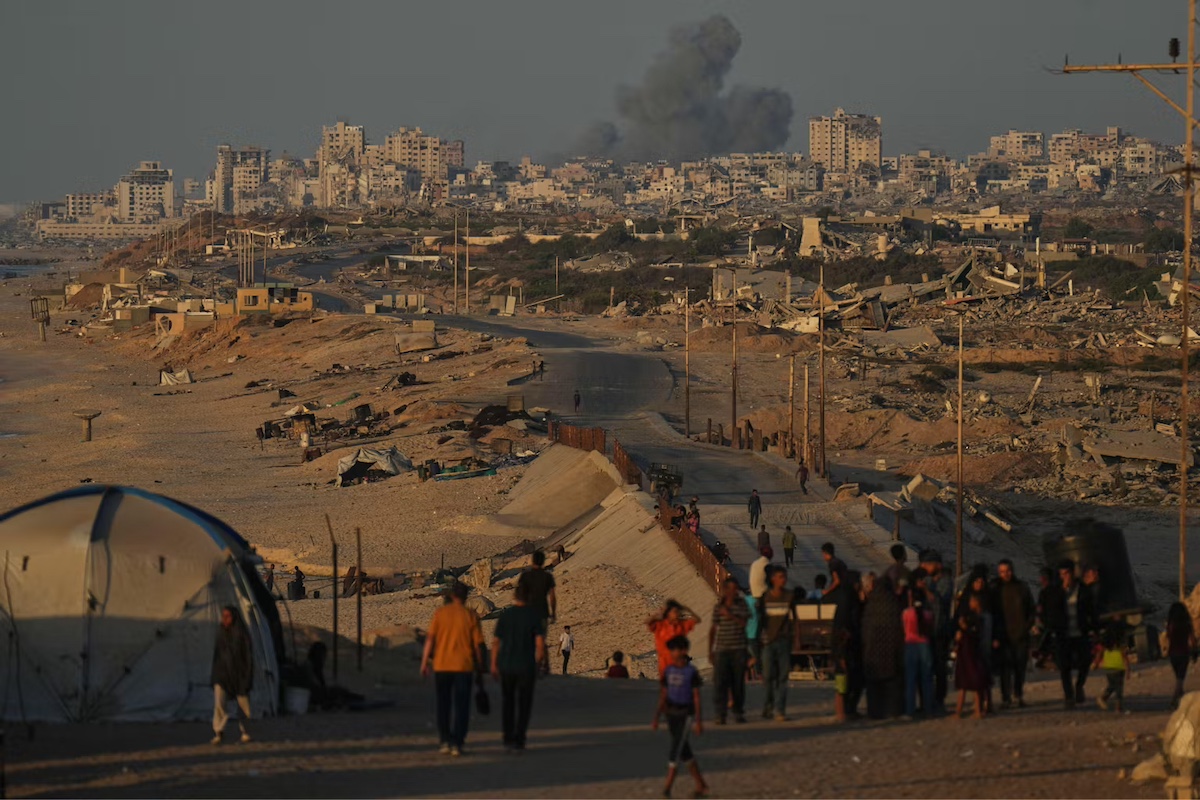
Israel-Hamas ceasefire and the sticking points ahead: expert Q&A
After two years of intense conflict resulting in the deaths of 68,000 Palestinians and over 1,200 Israelis, predominantly civilians, Hamas and the Netanyahu government are poised to sign a Phase 1 ceasefire agreement. This initial step is part of a 20-point plan championed by former U.S. President Donald Trump and backed by key Arab powers in the region. Under this agreement, Israel will halt its military operations in Gaza, while Hamas has committed to releasing the remaining 20 Israeli hostages still held in the territory. The deal marks a significant shift from previous ceasefires, as Hamas is releasing all hostages and recoverable bodies in exchange for an unspecified number of Palestinian detainees from Israeli prisons. This move effectively relinquishes Hamas’s primary leverage against Israeli military actions and the Netanyahu government’s control over aid to Gaza. However, critical elements of a lasting peace—such as the extent of Israel’s military withdrawal, the resumption of aid, and the establishment of governance in Gaza—remain unresolved. The agreement faces potential obstacles, including Israel’s demand for Hamas’s complete disarmament and the expulsion of certain Hamas officials, which Hamas is likely to reject. The composition of an international oversight board for Gaza is also unclear, with Trump declaring himself its chair and no provision for Palestinian representation. Arab states, particularly Qatar and Egypt, played a crucial role in brokering this deal, despite Israel’s recent airstrike in Qatar. The immediate focus is on the survival of Gaza’s civilians, with the pause in Israeli attacks offering a brief respite. However, the long-term recovery of Gaza, devastated by two years of conflict, will require more than just economic development; it will necessitate a sustainable solution for security and welfare. While the Phase 1 agreement is a step forward, the path to lasting peace remains fraught with challenges.
-
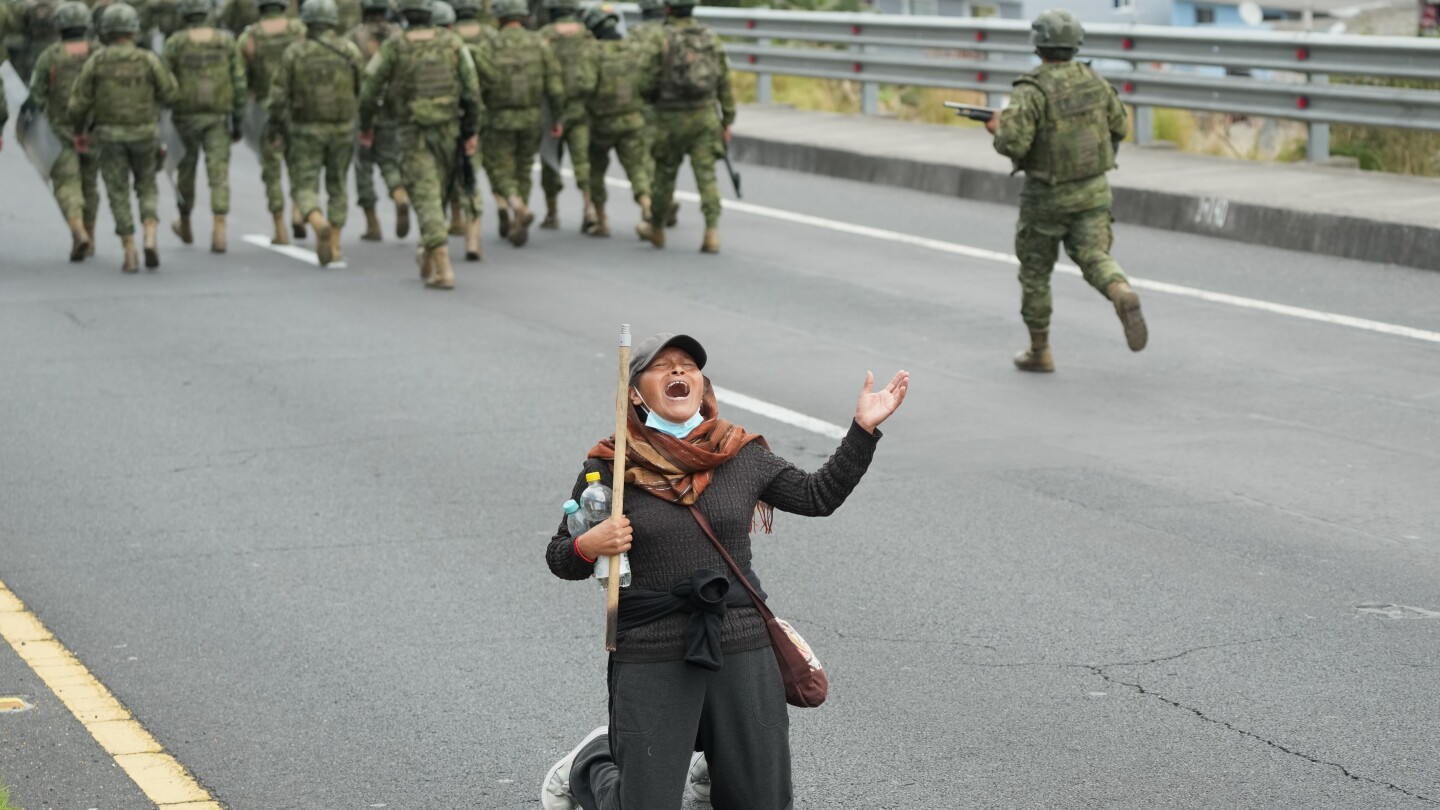
Ecuador’s Noboa faces escalating protests over rise in diesel costs
Ecuador is facing a deepening political crisis as widespread protests over the government’s decision to eliminate diesel subsidies enter their third week. The unrest, led by the Confederation of Indigenous Nationalities of Ecuador (CONAIE), has resulted in one fatality, numerous injuries, and over 100 arrests. President Daniel Noboa, who assumed office in May, is grappling with one of the most challenging moments of his presidency as tensions escalate. The government has deployed 5,000 troops to Quito to prevent vandalism and property destruction, following violent clashes between protesters and security forces. The protests, initially concentrated in rural areas, particularly Imbabura province, are now threatening to spread to urban centers, raising fears of further violence. The CONAIE, a powerful Indigenous organization, has rejected government offers of economic handouts, insisting on the restoration of the diesel subsidy and broader policy changes. Critics accuse Noboa of authoritarian tendencies and a lack of willingness to engage in dialogue, while the Indigenous movement is seen as uncompromising in its demands. The situation has drawn international attention, with concerns over the excessive use of force by security forces. Experts warn that without mediation from institutions like the Catholic Church or civil society, the crisis could worsen.
-
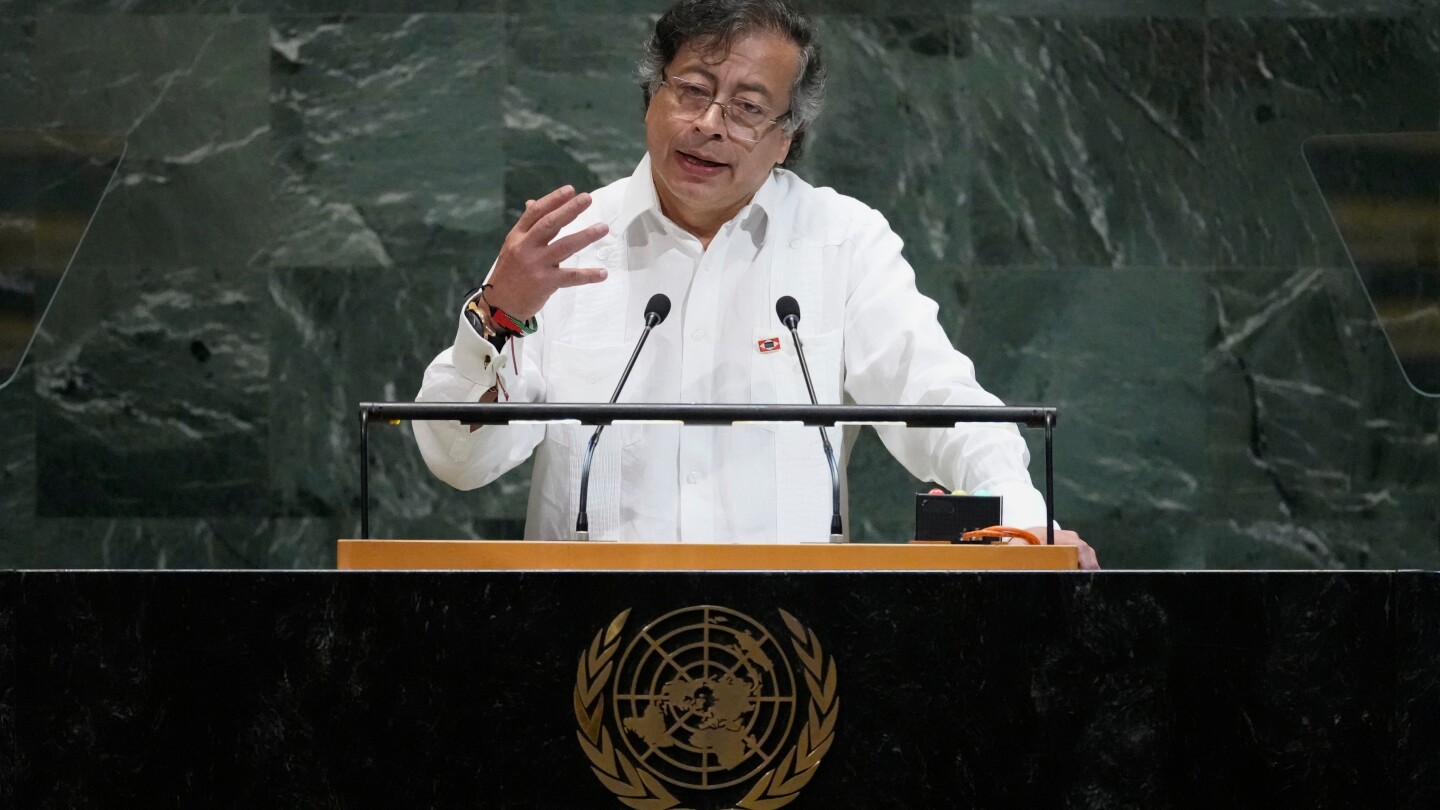
Colombian President Petro suggests Qatar could mediate US military actions off Venezuela
Colombian President Gustavo Petro has suggested that Qatar could act as a mediator to persuade the United States to halt its military operations in international waters near Venezuela. During a visit to Brussels, Petro emphasized Qatar’s successful track record in mediating tense situations and expressed confidence in its ability to convince the US to cease missile strikes in the Caribbean. These strikes, conducted by the US military, have targeted small boats allegedly involved in drug trafficking, with the Trump administration reporting the destruction of four such vessels. Petro’s proposal follows his earlier claim, made without evidence, that Colombians may have been aboard one of the boats destroyed by US forces. The US has disputed this assertion and urged Petro to retract his statement, but the Colombian leader has refused, citing national data on drug seizures and the nationalities of those apprehended. Meanwhile, US officials have reaffirmed their commitment to Colombia as a strategic partner, despite policy differences. Venezuelan President Nicolás Maduro has consistently denied his country’s involvement in major drug trafficking and has sought international support, including from the Pope, to maintain peace. Petro has criticized the US military actions as disproportionate and called for negotiations to dismantle drug trafficking organizations, citing Colombia’s recent talks with the Clan del Golfo in Qatar as a model for future mediation efforts.
-
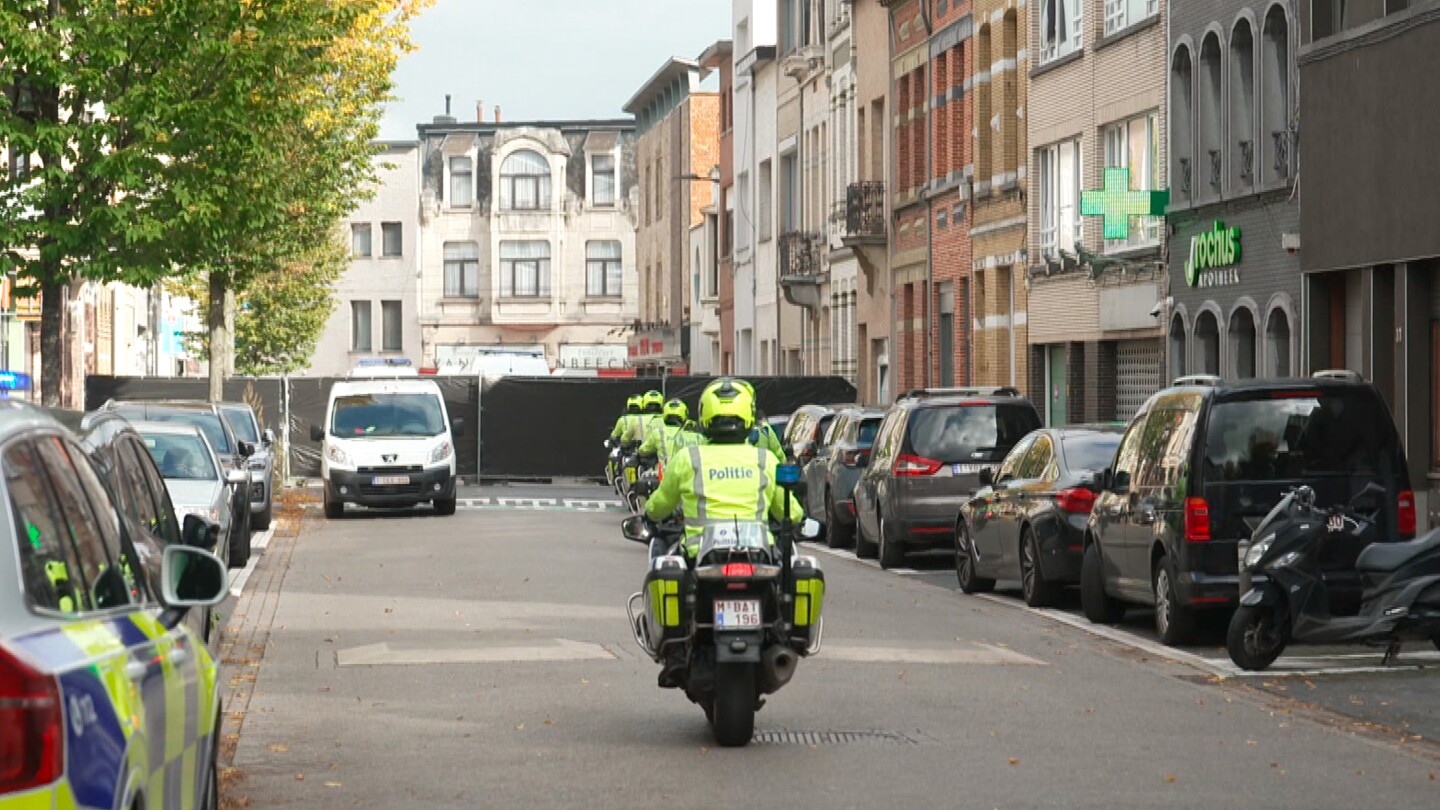
Belgian police detain 3 over a suspected plot to attack politicians with a drone
Belgian authorities have thwarted a suspected terrorist plot involving a drone carrying explosives, targeting prominent politicians including Prime Minister Bart De Wever. On Thursday, three individuals were detained following coordinated raids in Antwerp, led by an anti-terrorism judge and supported by explosives detection units. Federal prosecutors revealed that an improvised device, steel balls, and a 3D printer—believed to be used for constructing attack components—were discovered during the searches. Investigators indicated that the suspects intended to build a drone to deliver a payload, potentially inspired by jihadist ideologies. While the politicians targeted were not explicitly named, Belgian Foreign Minister Maxime Prevot confirmed the plot’s focus on Prime Minister De Wever, describing the incident as ‘deeply shocking.’ The suspects, described as young adults born in 2001, 2002, and 2007, were questioned, with two set to appear before a judge and the third released. This incident underscores Belgium’s ongoing struggle with terrorism, particularly the misuse of drones, as highlighted by recent suspicious drone activity near a military base. The Belgian justice system, already strained by a surge in terrorism investigations and drug-related crime, has called for increased government support to bolster security measures. The 2016 Brussels bombings, which claimed 32 lives, remain a stark reminder of the nation’s vulnerability to terrorist threats.
-
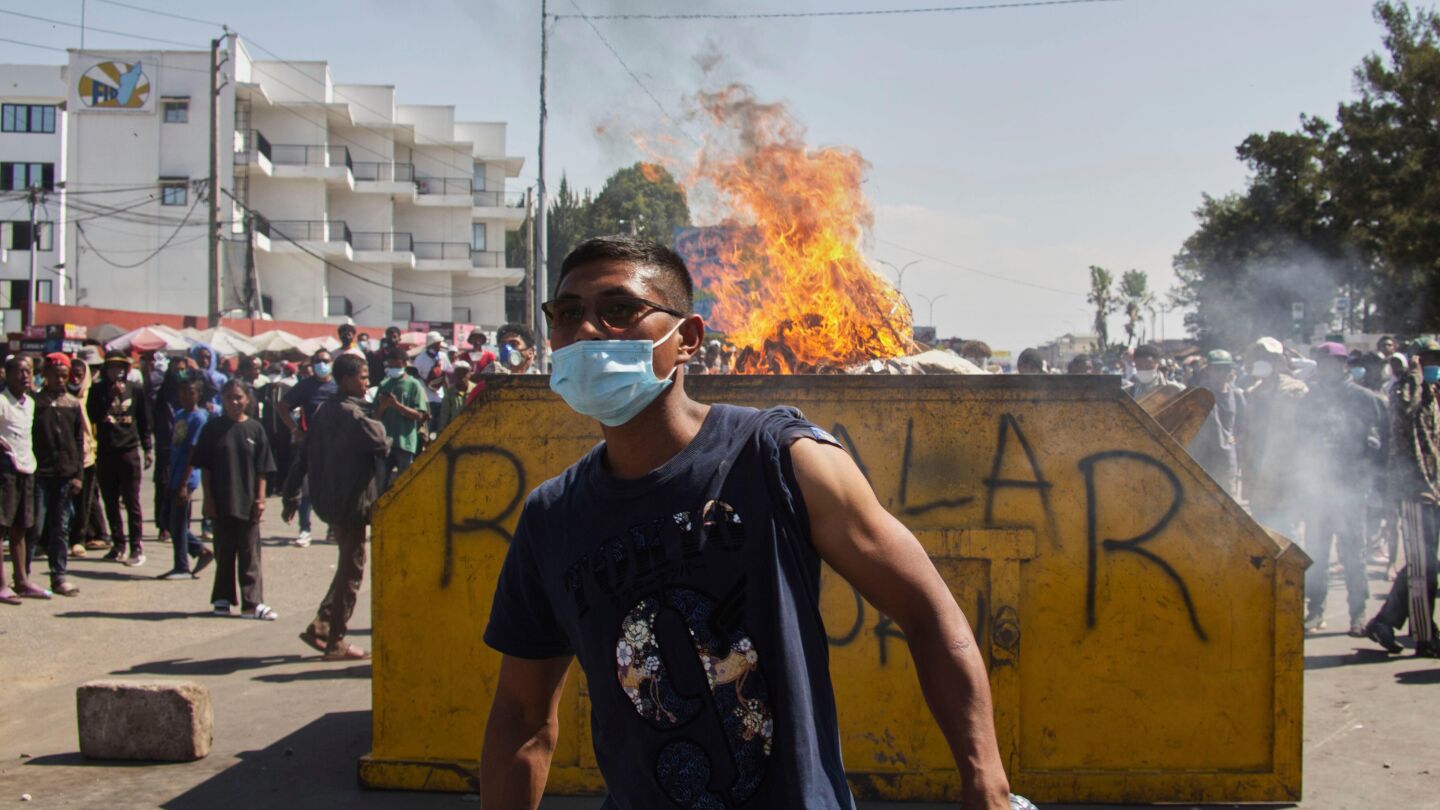
Madagascar’s Gen Z protesters clash with police as they call for president to step down
Antananarivo, Madagascar witnessed intense clashes on Thursday as approximately 1,000 demonstrators, predominantly masked, confronted police forces in the capital. The unrest, now in its third week, marks the most significant upheaval the Indian Ocean island nation has seen in years. Authorities deployed armored vehicles and utilized tear gas and stun grenades to disperse the crowd, though the extent of injuries remains unclear. The protests, spearheaded by the group ‘Gen Z Madagascar,’ have reportedly resulted in 22 fatalities and numerous injuries, according to the United Nations—a claim contested by the government. Initially triggered by utility disruptions, the demonstrations have broadened to address grievances over alleged corruption and nepotism. In response, President Andry Rajoelina dismissed his entire Cabinet, a move that failed to quell the unrest. Protesters have now escalated their demands, calling for Rajoelina’s resignation and rejecting his invitation for dialogue. The clashes, concentrated in the Anosy and Mahamasina districts, saw demonstrators block streets with rocks and burning tires. Authorities have imposed vehicle bans in key areas, including Democracy Square in Ambohijatovo, as police maintain vigilance. Madagascar, a nation of 31 million grappling with severe poverty and a history of political instability since its 1960 independence from France, has seen multiple leaders ousted through uprisings. Rajoelina, elected in 2018 and reelected in 2023 amid opposition boycotts, now faces a protest movement inspired by recent youth-led uprisings in Nepal and Sri Lanka. The movement, symbolized by a pirate skull and crossbones emblem, has mobilized online, though reports of looting during demonstrations have emerged.
-
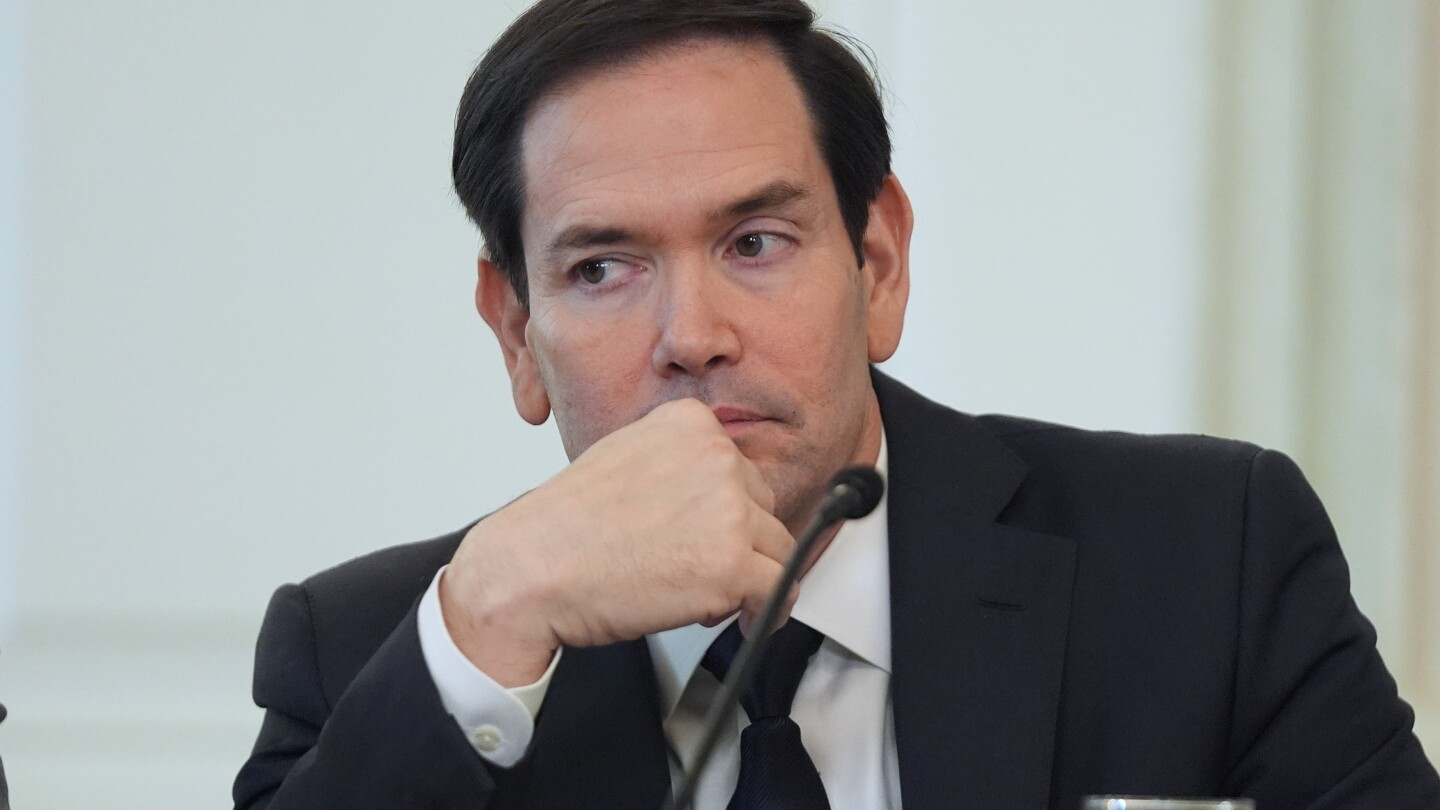
Rubio invites Brazilian foreign minister for talks as Brazil seeks to ease tariffs
In a significant diplomatic development, U.S. Secretary of State Marco Rubio extended an invitation to Brazilian Foreign Minister Mauro Vieira for an in-person meeting in Washington. This move comes as Brazil seeks to reduce the 40% tariff imposed by the U.S. on its imports, a topic that dominated recent discussions between the two nations. The invitation followed a Monday phone call between Brazilian President Luiz Inácio Lula da Silva and U.S. President Donald Trump, during which Lula urged Trump to reconsider the tariff. The Brazilian Foreign Ministry confirmed that both sides agreed to continue discussions on economic and trade issues in Washington soon. This dialogue marks a potential thaw in the strained relations between the U.S. and Brazil, exacerbated by the tariffs and U.S. sanctions on Brazilian officials linked to the prosecution of former President Jair Bolsonaro. Bolsonaro, who was sentenced to 27 years in prison for attempting a coup after losing the 2022 election, remains a contentious figure in bilateral relations. Lula and Trump, who first met briefly during the U.N. General Assembly in September, have since maintained a cordial rapport. During their recent call, Lula invited Trump to the upcoming climate summit in Belém, while Trump emphasized their focus on trade and economic cooperation. Despite U.S. criticism of Bolsonaro’s prosecution, Brazilian officials remain optimistic about fostering harmony between the two nations. Lula praised Trump’s approach, stating, ‘We are two 80-year-olds leading the greatest democracies in the West. We must show the world cordiality and harmony, not discord and conflict.’
-
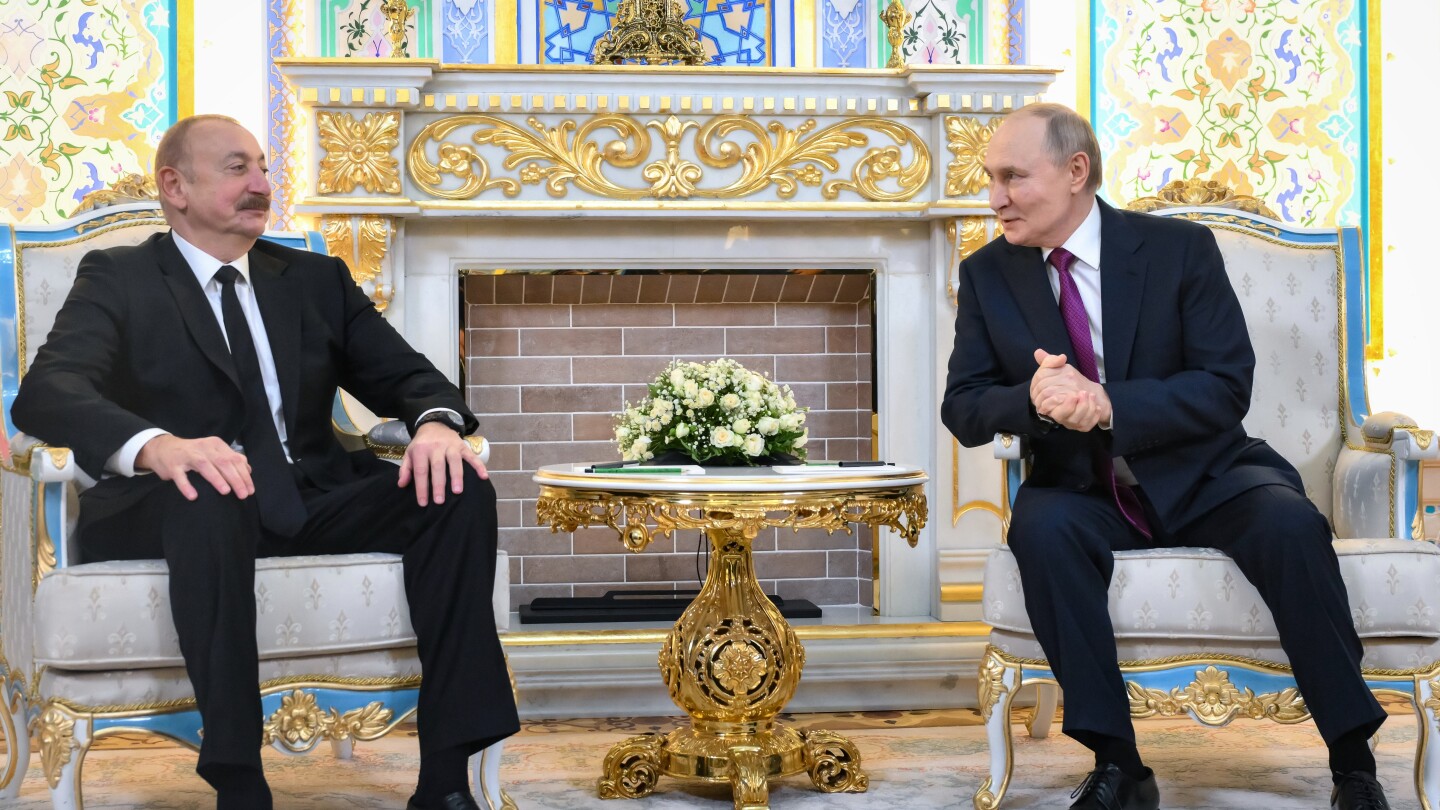
Putin says Russian air defenses were to blame for Azerbaijani jet’s crash last year, killing 38
In a significant development, Russian President Vladimir Putin publicly acknowledged on Thursday that Russia’s air defense systems were responsible for the downing of an Azerbaijani jetliner in December 2024, which resulted in the tragic deaths of 38 individuals. This marks Putin’s first explicit admission of culpability, aimed at de-escalating tensions between Russia and Azerbaijan. The incident occurred when Russian air defenses, targeting a Ukrainian drone, mistakenly fired missiles that exploded near the Azerbaijan Airlines plane as it approached Grozny, the capital of Russia’s Chechen Republic. Ukrainian drones have frequently penetrated Russian airspace, prompting heightened defensive measures. Speaking during a meeting with Azerbaijani President Ilham Aliyev in Dushanbe, Tajikistan, where both leaders were attending a summit of former Soviet nations, Putin vowed to hold those responsible accountable and provide compensation to the victims’ families. Azerbaijani officials had previously attributed the crash to accidental Russian fire, which forced the Embraer 190 jet to attempt an emergency landing in western Kazakhstan, where it ultimately crashed. Putin had initially expressed regret for the “tragic incident” but refrained from accepting full responsibility, drawing criticism from Aliyev for Moscow’s perceived attempts to downplay the event. The crash has strained the historically cordial relations between Russia and Azerbaijan, further complicated by recent incidents involving ethnic Azerbaijanis in Russia and the arrests of Russians in Azerbaijan. Putin attributed the missile strike to a “technical malfunction,” revealing that the missiles detonated just 10 meters from the passenger jet. He emphasized Russia’s commitment to providing compensation and conducting a legal review of the officials involved. Aliyev expressed gratitude for Putin’s personal oversight of the investigation. The incident has underscored the delicate nature of Russia-Azerbaijan relations, particularly as Azerbaijan’s ally Turkey has become a crucial economic partner for Russia amid Western sanctions. Azerbaijan serves as a vital transport corridor for Russian trade with Iran and the Middle East, while also importing Russian energy resources and exporting its own hydrocarbons to the West. Russia, in turn, is a major market for Azerbaijani agricultural exports and hosts a significant Azerbaijani diaspora. Both leaders signaled their intent to restore and strengthen bilateral ties, with Putin expressing hope for renewed cooperation and Aliyev highlighting a “broad and positive” agenda. During his state visit to Tajikistan, Putin also sought to reinforce Russia’s strategic partnership with Central Asian nations, emphasizing military, economic, and humanitarian collaboration.
-
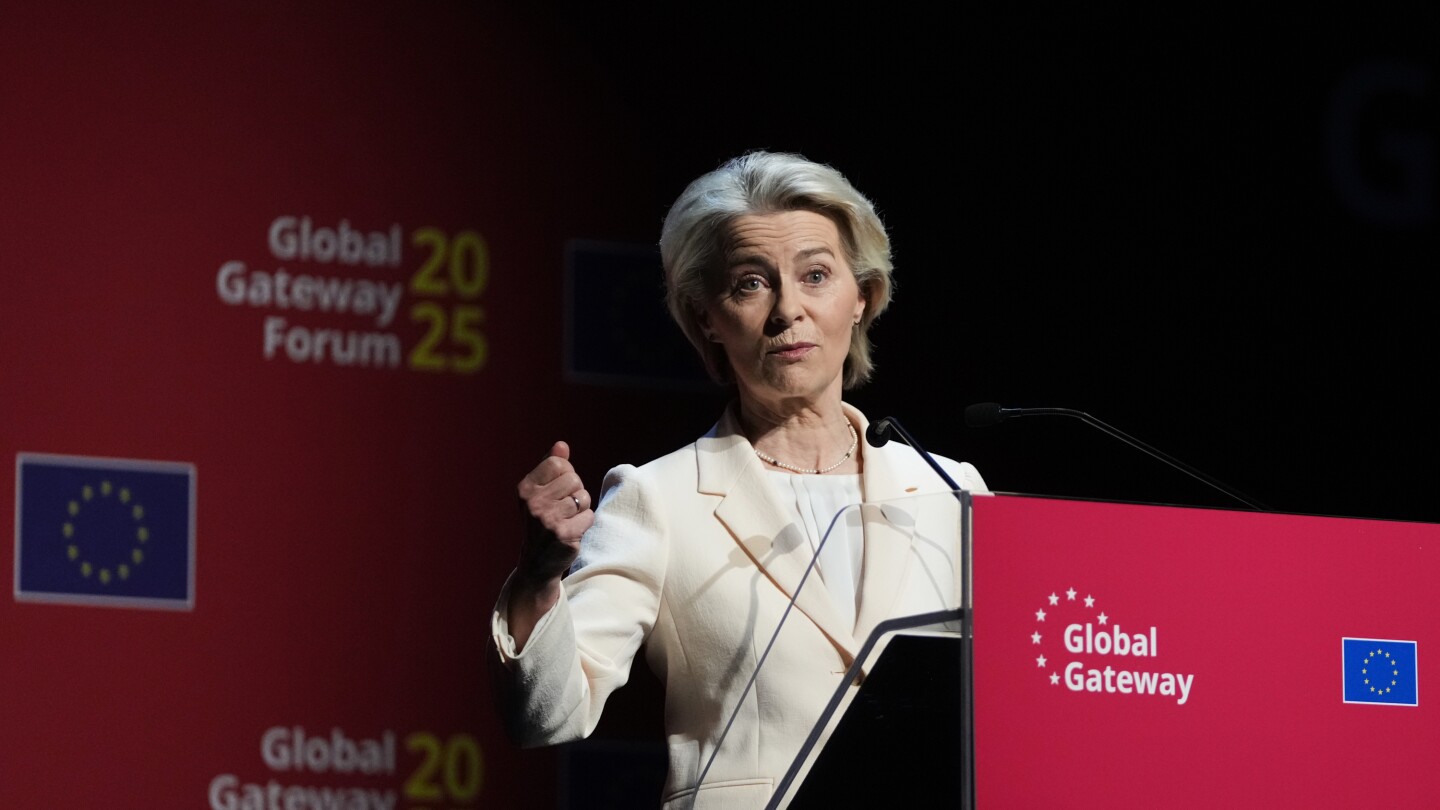
EU chief von der Leyen easily survives two more no confidence votes
BRUSSELS (AP) — European Commission President Ursula von der Leyen has once again weathered political storms, emerging unscathed from two no-confidence votes in the European Parliament on Thursday. The motions, initiated by far-right and far-left factions, were decisively rejected by a majority of lawmakers, solidifying von der Leyen’s position at the helm of the EU’s executive branch.
-
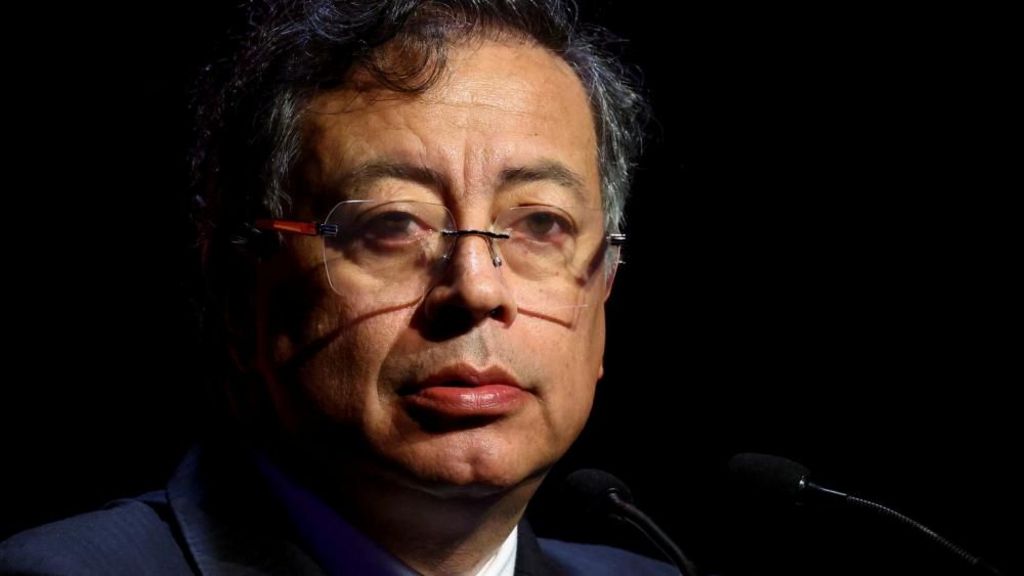
Colombia’s president says boat struck by US was carrying Colombians
Colombian President Gustavo Petro has accused the United States of bombing a vessel carrying Colombian citizens in the Caribbean, a claim the White House has dismissed as ‘baseless.’ The US has conducted at least four strikes in the region in recent weeks, resulting in 21 fatalities. The US government asserts that these operations, carried out in international waters, targeted ‘narco-traffickers.’ However, it has not provided evidence or detailed information about the individuals or cargo aboard the vessels, sparking widespread condemnation across Latin America and concerns over potential violations of international law. On Wednesday, the US Senate rejected a measure that would have required President Donald Trump to seek congressional approval before launching such strikes. The proposal, introduced by Democratic Senators Adam Schiff and Tim Kaine, was defeated in a 48-51 vote, largely along partisan lines. Petro responded to Schiff’s social media post about the measure, warning of a ‘new war scenario in the Caribbean.’ He claimed that the latest vessel bombed was Colombian and urged affected families to come forward. Petro criticized the US actions, stating, ‘There is no war against smuggling; there is a war for oil, and it must be stopped by the world. The aggression is against all of Latin America and the Caribbean.’ The White House, in a statement, denied Petro’s allegations and emphasized its commitment to cooperation with Colombia on regional security. The US has framed its strikes, which began on September 2, as part of an effort to combat drug trafficking, particularly targeting vessels off Venezuela’s coast. A leaked memo to Congress revealed that the US now considers itself in a ‘non-international armed conflict,’ a designation that could justify the use of wartime powers, including targeting ‘enemy fighters’ without immediate threats. Trump has previously labeled several cartels in Mexico, Ecuador, and Venezuela as terrorist organizations, expanding US authority to act against them.