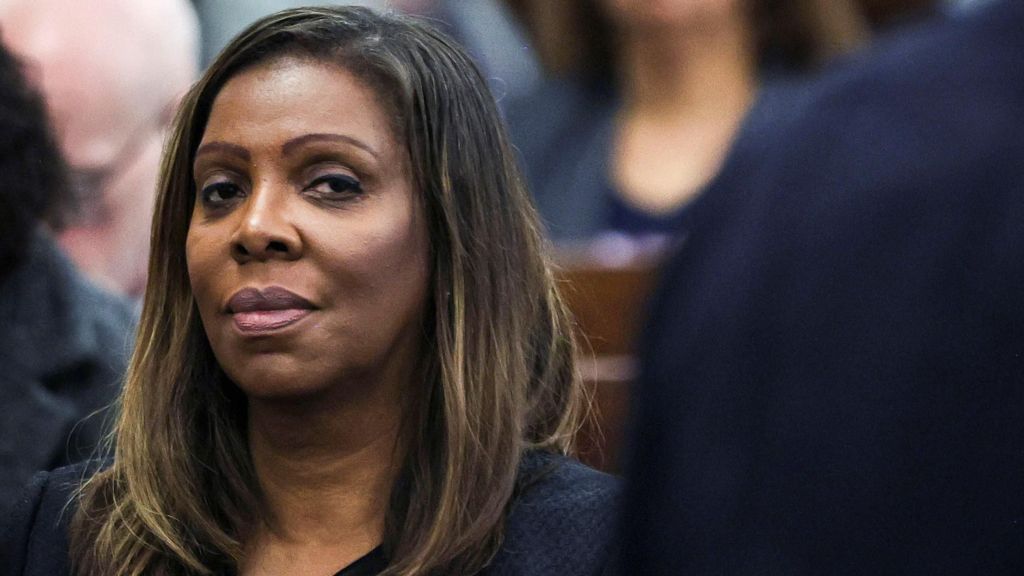
New York Attorney General Letitia James has been indicted on federal bank fraud charges related to a property she purchased in Norfolk, Virginia. The U.S. Department of Justice (DoJ) alleges that James misrepresented the property as her secondary residence to secure a favorable mortgage, while in reality, she rented it out to a family. Prosecutors claim this misrepresentation saved her $18,933, including a lower interest rate. James denies the charges, calling them a “desperate weaponization of our justice system” and accusing former President Donald Trump of orchestrating the case as political retribution. Trump has publicly pushed for legal action against James and other political opponents, including former FBI Director James Comey and Democratic Senator Adam Schiff. James’s attorney, Abbe Lowell, stated she would vigorously defend against the charges, expressing concern that the case is driven by Trump’s desire for revenge. The indictment follows a contentious history between James and Trump, including her successful civil fraud case against him in 2023, which resulted in a $500 million penalty later overturned on appeal. The legal battle underscores the ongoing political tensions between the two figures, with James vowing to continue her fight against what she calls baseless accusations.
分类: politics
-

Israel approves peace plan, while international community welcomes ‘first phase’ of Gaza truce
In a significant development, the Israeli government has approved a comprehensive peace plan aimed at ending the prolonged conflict in Gaza. The decision, reached after prolonged deliberations late into Thursday night, includes a ceasefire agreement and the release of hostages held by Hamas. Israeli Prime Minister Benjamin Netanyahu hailed the approval as “a great day for Israel.” The initial phase of the plan entails the immediate release of 20 living hostages and the remains of 28 others believed to be deceased. In return, Israel has agreed to release approximately 2,000 Palestinian prisoners and withdraw its troops from half of Gaza. The agreement was brokered through indirect negotiations in Egypt, based on a 20-point framework proposed by US President Donald Trump. Following the prisoner-hostage exchange, the second phase will focus on restoring humanitarian aid to Gaza and establishing a transitional committee to oversee public services. The deal has garnered widespread support from Western and Arab nations, who are set to discuss the deployment of an international peacekeeping force and reconstruction assistance for Gaza. The international community has welcomed the truce, expressing optimism for lasting peace and urging both Israel and Hamas to honor their commitments. Hamas has also confirmed the agreement but emphasized the need for Israel to fully implement the ceasefire, calling on Trump and guarantor states to ensure compliance.
-
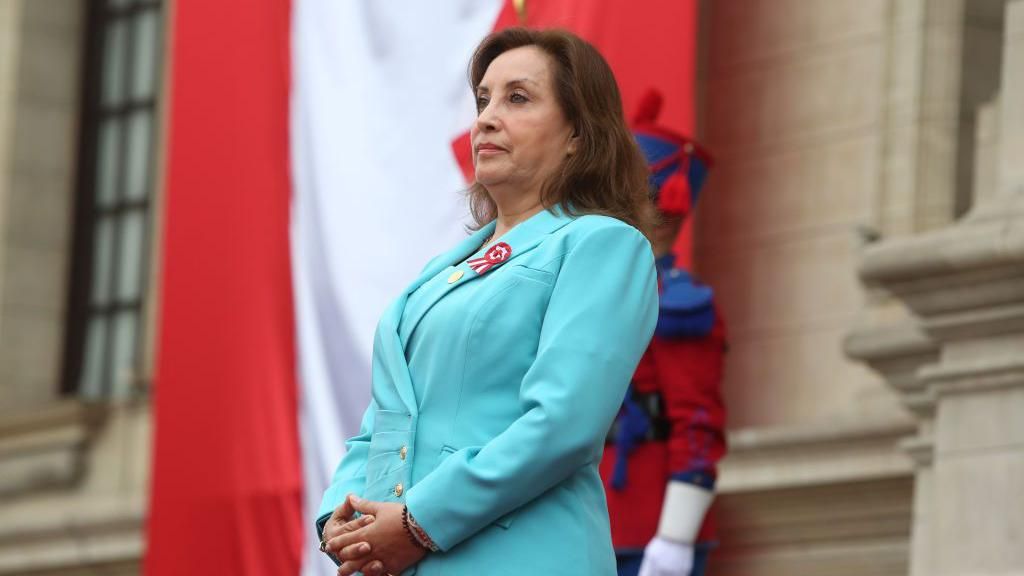
Peru’s president removed from office amid soaring crime
In a decisive move, Peru’s Congress has voted overwhelmingly to remove President Dina Boluarte from office, citing ‘permanent moral incapacity’ as the primary reason. The late-night session, which culminated in a 122-8 vote, marked the end of Boluarte’s tumultuous presidency, characterized by widespread protests, corruption allegations, and a surge in gang violence. Following the vote, Congress leader Jose Jeri was swiftly sworn in as interim president, as Peru currently lacks a vice-president. Boluarte, whose approval rating had plummeted to a mere 2-4%, addressed the nation post-removal, emphasizing her commitment to unity and the welfare of Peru’s 34 million citizens. Her presidency, which began in December 2022 after the impeachment of her predecessor Pedro Castillo, was marred by numerous investigations, including the infamous ‘Rolexgate’ scandal and allegations of abandoning her post during a medical absence. The decision to double her salary earlier this year further fueled public outrage. The recent impeachment bid, supported by factions once loyal to Boluarte, underscores the deep political divisions in Peru. As the country braces for elections next April, the ousting of Boluarte signals a pivotal moment in Peru’s ongoing struggle for political stability.
-
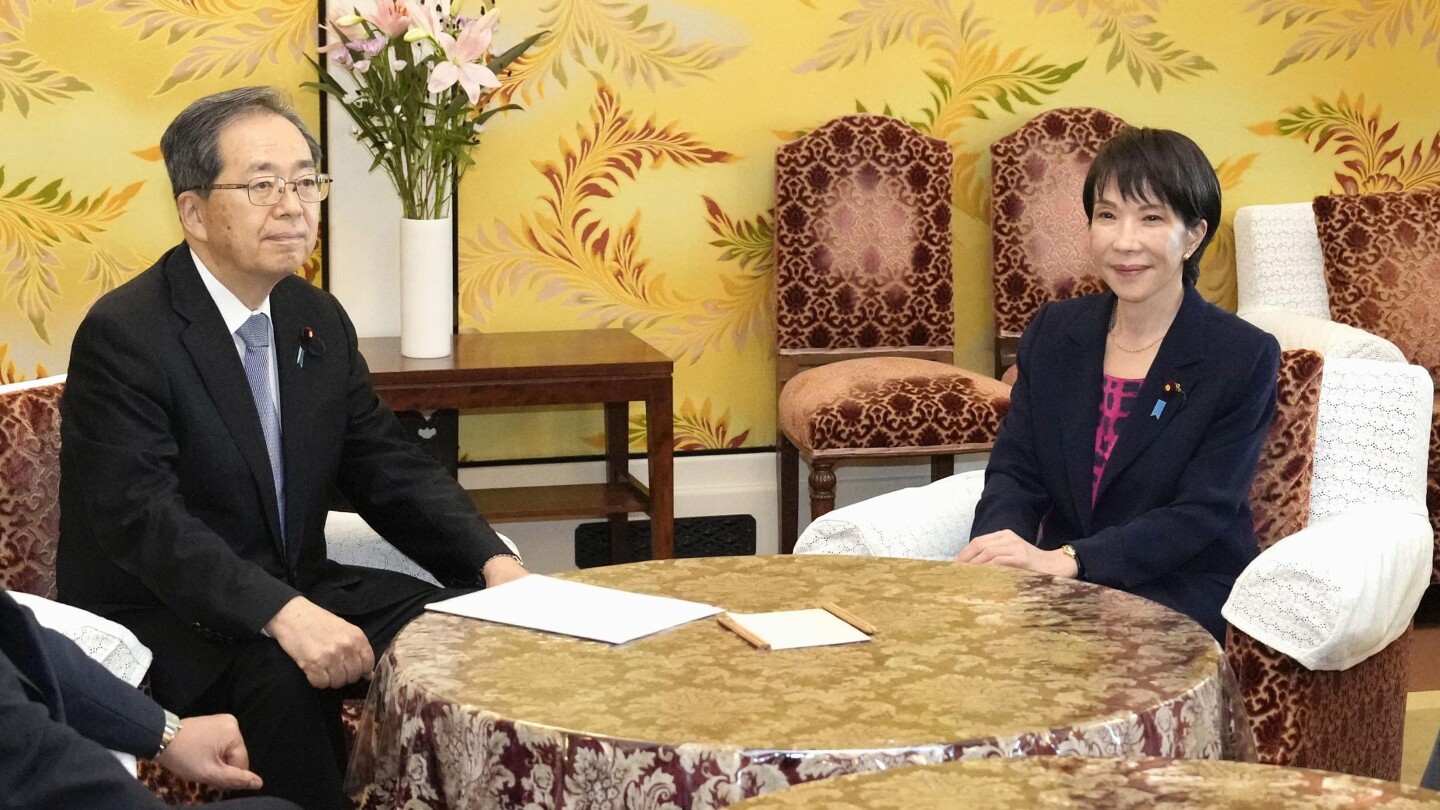
Citing unease over graft, Japan’s Komeito leaves the longstanding ruling coalition headed by the LDP
In a dramatic political shakeup, Japan’s Komeito party has announced its withdrawal from the ruling coalition led by the Liberal Democratic Party (LDP), citing deep concerns over corruption and policy disagreements. The decision, revealed by Komeito leader Tetsuo Saito on Friday, deals a significant blow to Sanae Takaichi, the ultra-conservative LDP leader poised to become Japan’s first female prime minister. This move forces the LDP to seek new coalition partners to maintain its grip on power. Takaichi expressed disappointment, stating that Saito’s decision was made unilaterally despite ongoing discussions to address Komeito’s concerns. The ruling coalition has already lost its parliamentary majorities, further complicating Takaichi’s path to leadership. Saito highlighted multiple issues, including Takaichi’s controversial stance on Japan’s wartime history, her visits to the Yasukuni Shrine, and her hardline policies toward foreigners. However, the primary catalyst for the split was the LDP’s inadequate response to corruption scandals involving political slush funds. Saito emphasized Komeito’s commitment to combating money politics, a core principle since its founding in 1964. The LDP, plagued by scandals tied to late Prime Minister Shinzo Abe’s faction, faces an uncertain future as Komeito lawmakers vow not to support Takaichi’s bid for prime minister or rally Soka Gakkai members, a key voter base for the LDP. The lower house is set to vote on a new prime minister later this month, with Saito declaring his intention to vote for himself.
-
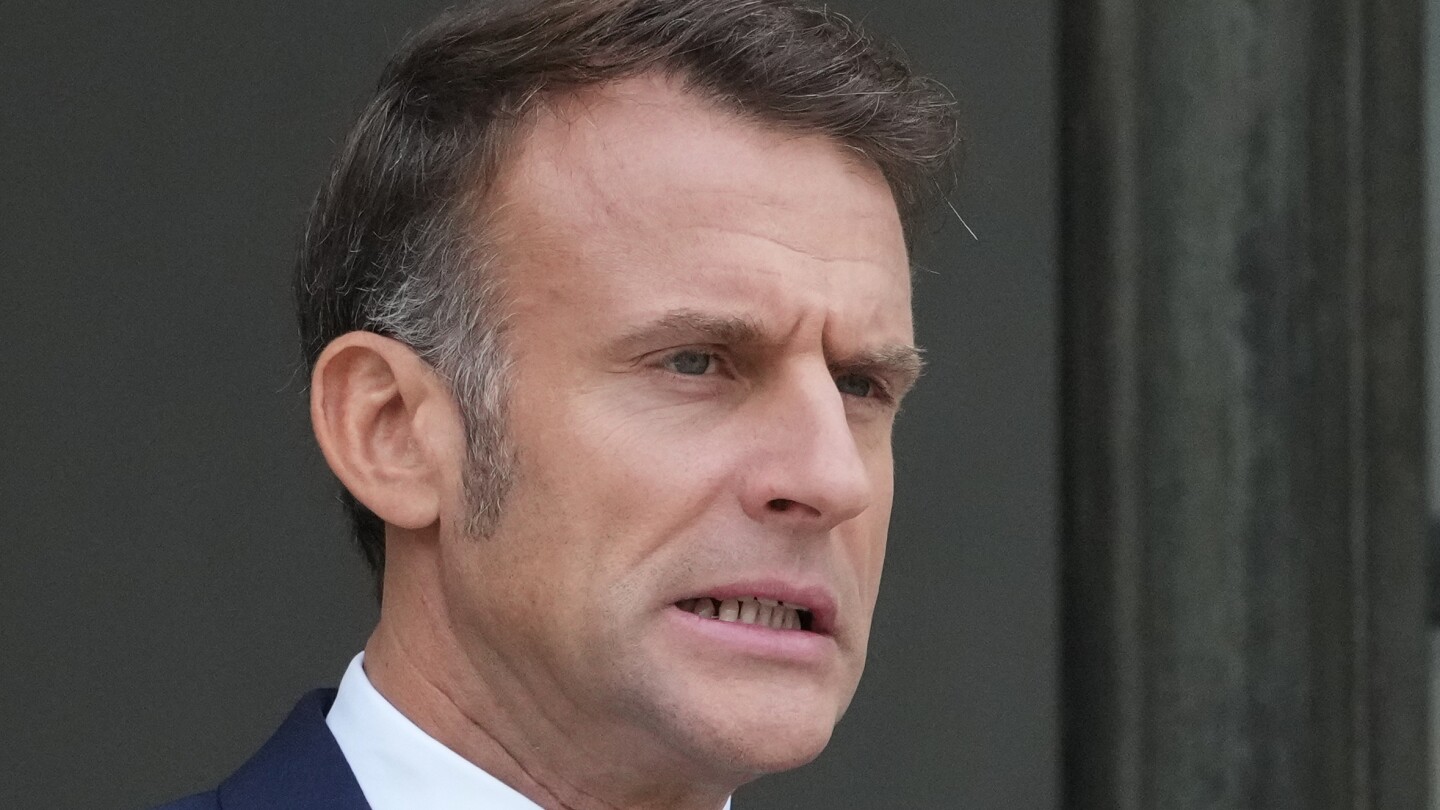
France’s Macron asks newly resigned Prime Minister Lecornu to try again to form a government
French President Emmanuel Macron has reappointed Sebastien Lecornu as prime minister, just days after his resignation, in a desperate attempt to resolve the country’s political gridlock and address its mounting economic challenges. Lecornu’s reappointment follows intense negotiations and comes amid growing concerns over France’s economic stability and ballooning public debt, which has alarmed both domestic and European Union stakeholders. Macron’s decision is widely viewed as a last-ditch effort to salvage his second term, which has been marred by political infighting and a lack of parliamentary majority. Lecornu, who resigned earlier this week after his newly formed Cabinet faced opposition from key coalition partners, has been tasked with forming a government and delivering a budget by year-end. In a statement, Lecornu emphasized his commitment to addressing France’s economic woes and restoring political stability. However, his reappointment has drawn skepticism from opposition leaders, who argue that Macron’s centrist approach lacks the necessary support to govern effectively. The political crisis stems from Macron’s decision to dissolve the National Assembly in June 2024, which resulted in a hung parliament and paralyzed legislative progress. With France’s public debt reaching 114% of GDP and poverty rates hitting a record high, the stakes for Lecornu’s success are immense. Investors and EU officials are closely monitoring the situation, as France’s instability threatens to undermine its economic recovery and EU fiscal rules.
-
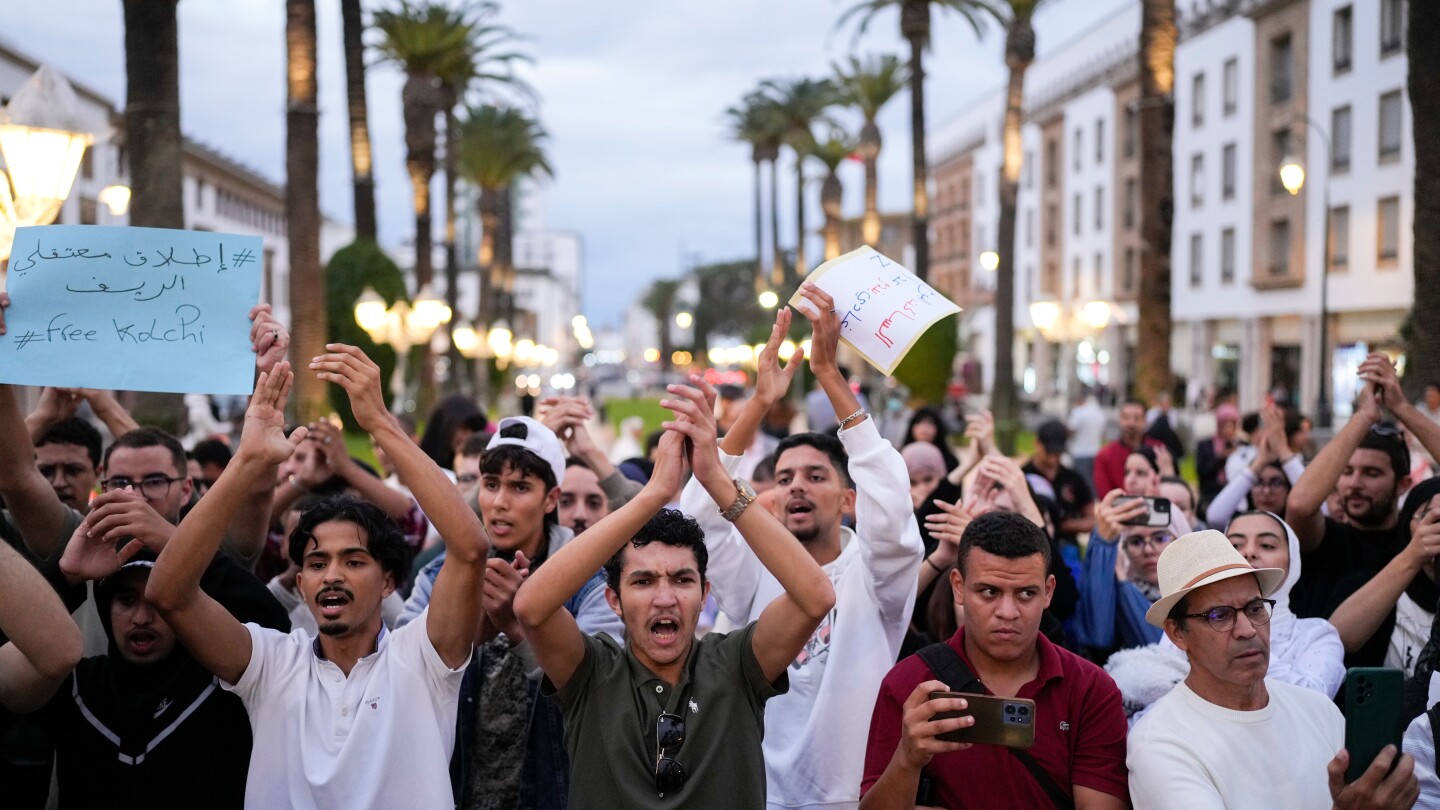
Morocco’s king addresses social injustices in speech as Gen Z protesters demand reforms
In a compelling address to Morocco’s parliament, King Mohammed VI called on elected officials to prioritize social justice and address the grievances fueling nationwide youth-led protests. The monarch, who entered the chamber unaided, emphasized that tackling social inequalities is not a temporary task but a strategic imperative for the nation’s development. His speech, delivered in traditional white djellaba robes, echoed some concerns raised by the Gen Z 212 movement, which has organized protests demanding better public services, increased health and education spending, and an end to corruption. However, the King avoided direct mention of the movement or its specific demands, such as the resignation of Prime Minister Aziz Akhannouch and investigations into corruption. He also sidestepped criticism of the government’s focus on 2030 FIFA World Cup infrastructure over pressing social needs. The King asserted that both large-scale national projects and social programs share the common goal of improving citizens’ lives. His address came after Gen Z 212 sent him a letter urging action against corrupt officials and faster reforms. While some protesters found the speech underwhelming, others resonated with his acknowledgment of regional disparities and rural poverty. The protests, which began nearly two weeks ago, have seen violent clashes in cities like Oujda and Agadir, resulting in injuries and fatalities. Unemployment among youth aged 15 to 24 remains high, and public hospitals and schools are severely underfunded and overcrowded. Gen Z 212 has called for urgent hiring of healthcare workers, increased public spending, and an end to the privatization of education, which activists argue deepens inequality. The King’s message was clear: elected officials must act decisively and without delay to address these systemic issues.
-
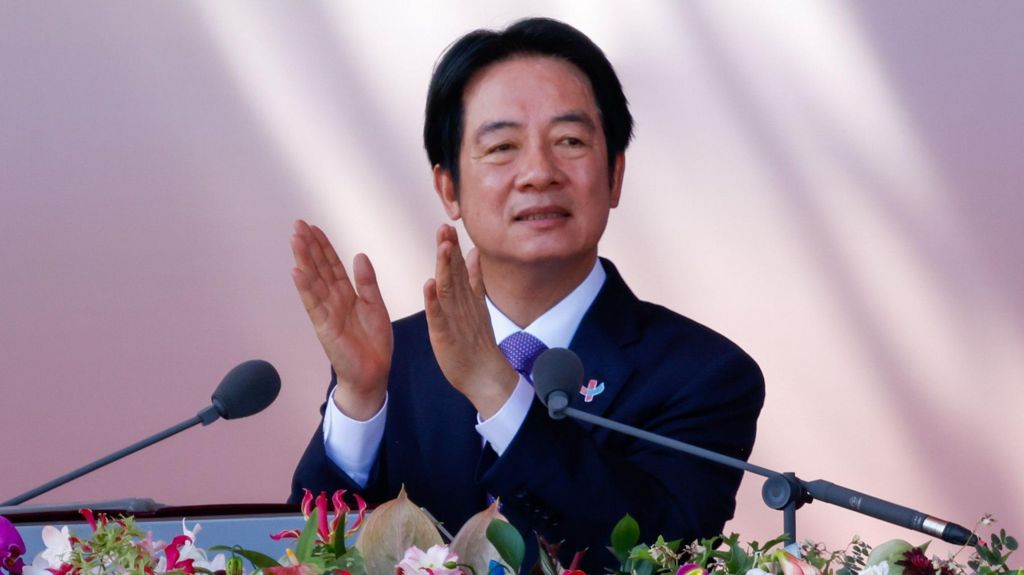
Taiwan to build air defence dome against ‘hostile threats’
Taiwanese President William Lai has announced plans to develop a cutting-edge air defense system, dubbed the ‘T-Dome,’ to counter potential threats from China. The announcement came during his National Day address, where Lai emphasized the urgent need to bolster Taiwan’s defenses in response to escalating Chinese military activities near the island. While Lai did not explicitly name China, the context was clear, given Beijing’s longstanding claim over Taiwan and its refusal to rule out the use of force to achieve reunification. The T-Dome, inspired by Israel’s Iron Dome, aims to provide multi-layered defense, advanced detection, and effective interception capabilities to safeguard Taiwanese citizens. Lai revealed that Taiwan’s defense spending will rise to over 3% of its GDP next year, with a target of 5% by 2030. However, this ambitious plan faces significant hurdles, including opposition from lawmakers who have blocked several defense-related spending bills this year. Analysts caution that implementing the T-Dome will require substantial financial resources and time, potentially extending beyond Lai’s current term. The announcement also appears to signal Taiwan’s commitment to self-defense to the United States, which is legally obligated to support Taiwan in the event of an attack. Lai urged China to act responsibly by renouncing the use of force in the Taiwan Strait, drawing parallels to the lessons of World War II. Despite Beijing’s labeling of Lai as a ‘separatist,’ his administration has taken a firmer stance against China, including significant investments in military preparedness and large-scale defense exercises.
-
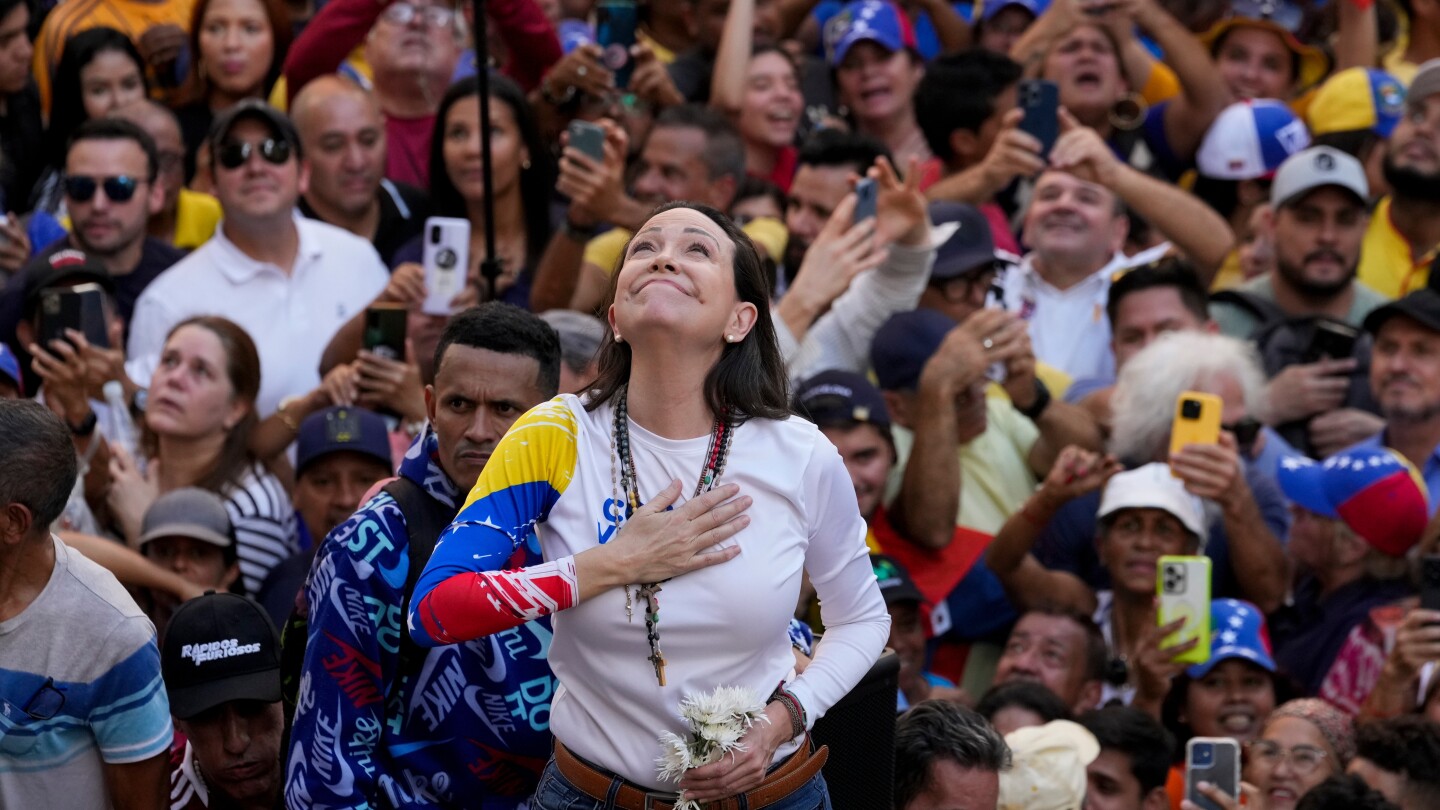
Venezuelan opposition leader María Corina Machado wins the Nobel Peace Prize
In a historic recognition of her unwavering commitment to democracy, Venezuelan opposition leader María Corina Machado was awarded the Nobel Peace Prize on Friday. The Norwegian Nobel Committee lauded Machado as a unifying figure in Venezuela’s deeply divided political landscape, praising her resilience in the face of authoritarianism and her dedication to peaceful resistance.
-
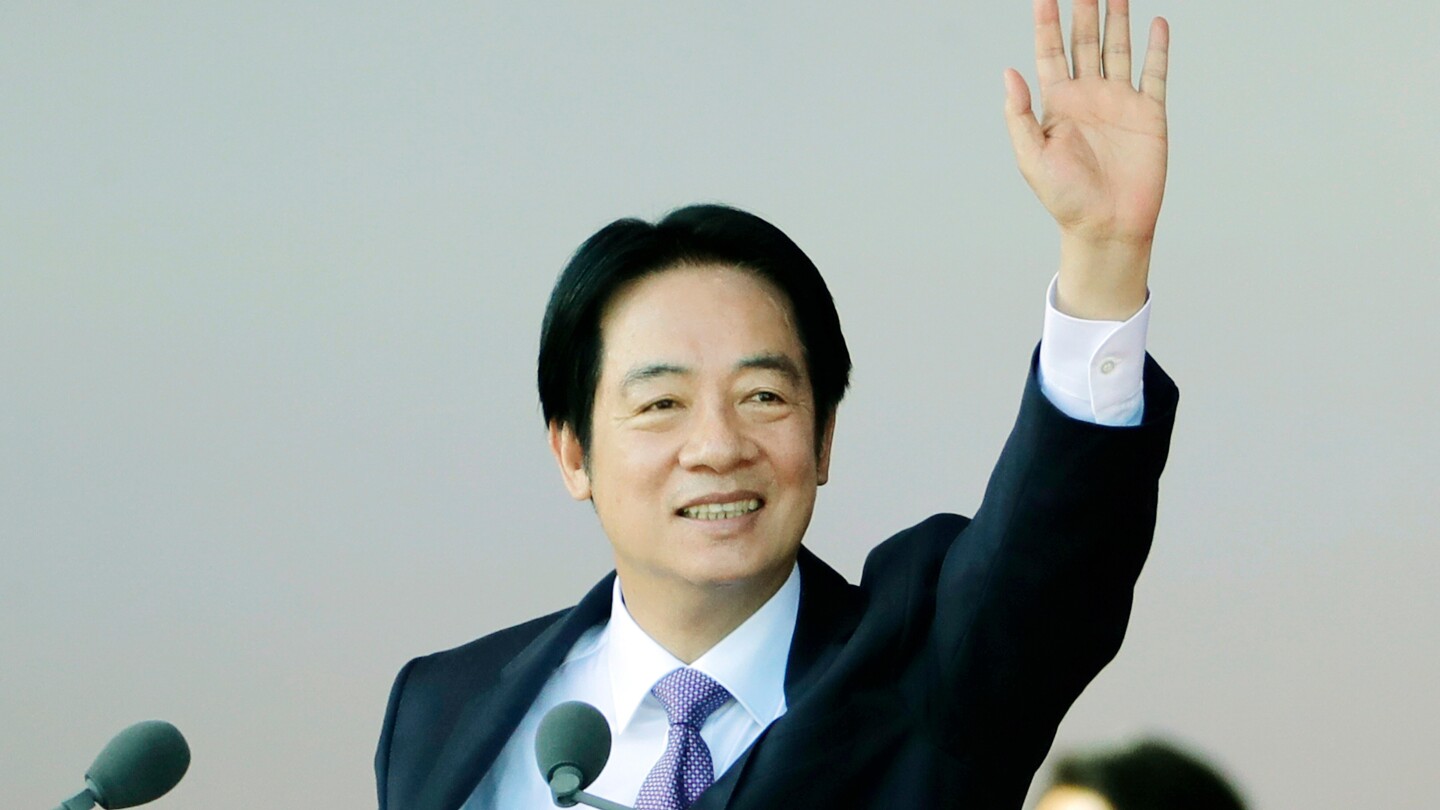
Taiwan’s president pledges to build air defense system in face of China threat
In response to escalating military threats from China, Taiwan is fast-tracking the development of a comprehensive air defense system, referred to as the “Taiwan Shield” or “T-Dome.” President Lai Ching-te announced this initiative during a public address on Taiwan National Day, emphasizing the need to bolster the island’s defense capabilities. Lai pledged to increase defense spending to over 3% of GDP by 2025, with a target of 5% by 2030, citing the necessity to counter external threats and foster the growth of Taiwan’s defense industries.
-
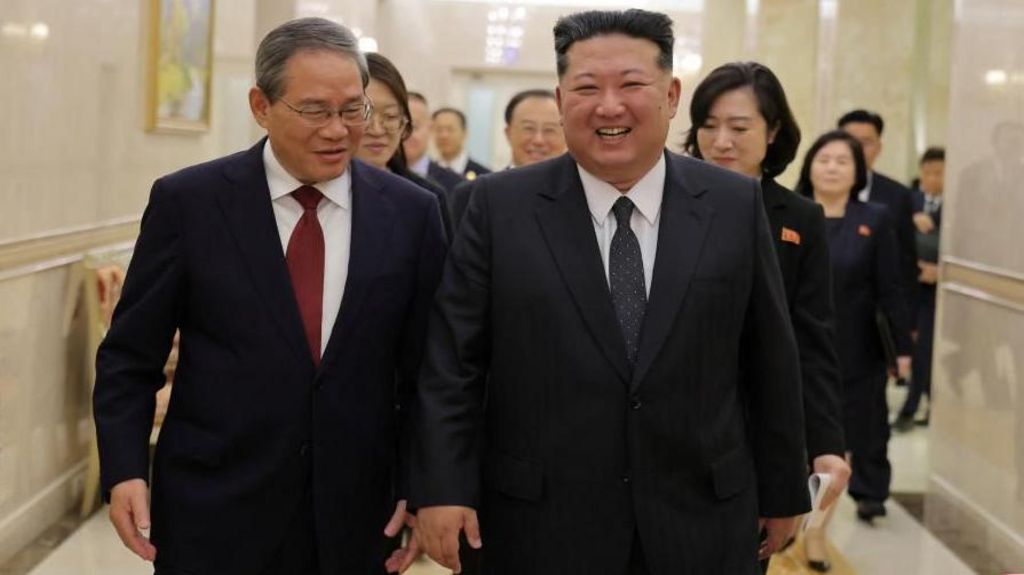
Kim lauds North Korea’s legacy at ruling party anniversary
North Korea marked the 80th anniversary of its ruling Workers’ Party with grand celebrations, welcoming high-ranking officials from allied nations, including Chinese Premier Li Qiang and Russia’s former President Dmitry Medvedev. The event, held in Pyongyang, showcased the country’s growing international prestige, according to North Korean leader Kim Jong Un. Kim emphasized that despite facing significant political and military pressure from adversaries, North Korea’s standing as a loyal member of the socialist bloc continues to strengthen. State media captured images of Kim warmly greeting foreign dignitaries and a spectacular fireworks display that illuminated the night sky. The festivities also included leaders from other socialist states, such as Vietnam’s Communist Party chief To Lam and Laos’s President Thongloun Sisoulith. Analysts suggest that the presence of such prominent figures underscores Pyongyang’s efforts to bolster diplomatic ties amid ongoing international sanctions. Premier Li’s attendance, in particular, signals a revival of North Korea-China relations, marking Beijing’s highest-level visit to Pyongyang since President Xi Jinping’s state visit in 2019. The celebrations also highlighted North Korea’s deepening alliance with Russia, as evidenced by the participation of Russian artists in the anniversary concert and the recent military pact between the two nations. The event culminated in a night-time military parade, where North Korea showcased its latest missile and weaponry advancements.