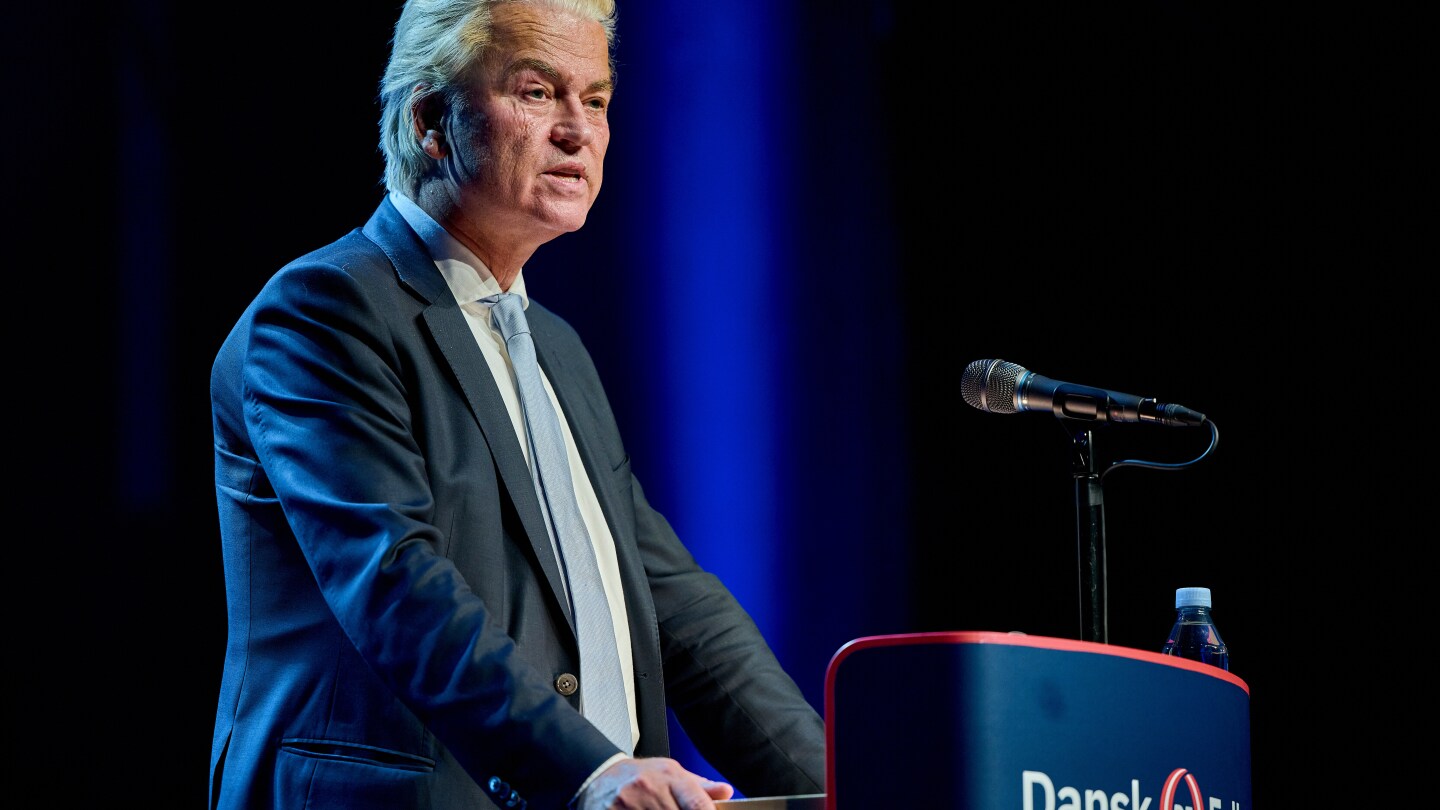
Dutch far-right politician Geert Wilders announced on Friday that he is temporarily halting his campaign for the upcoming national elections following reports of a suspected terror plot targeting politicians in Belgium. The plot allegedly involved the use of a drone equipped with explosives. Three men were arrested in Antwerp on Thursday after police raids uncovered a homemade bomb, steel balls, and a 3D printer believed to be used for constructing drone parts. Prosecutors described the investigation as focused on “attempted terrorist murder and participation in the activities of a terrorist group.” While specific targets were not officially named, Belgian government ministers indicated that Prime Minister Bart De Wever and Antwerp Mayor Els van Doesburg were among those on the hit list. Wilders, a vocal critic of Islam, confirmed via social media that he was also a potential target. He stated that Dutch counterterrorism authorities did not perceive an immediate threat but expressed personal unease, prompting his decision to suspend campaign activities. Dutch Justice Minister Foort van Oosten assured that measures were being taken to ensure Wilders’ safety and ability to resume campaigning. Wilders’ Party for Freedom is currently leading in polls ahead of the October 29 election, which was triggered by his withdrawal from the ruling coalition over migration policy disputes. Belgian prosecutors linked the plot to a “jihadi-inspired terrorist attack,” though details remain scarce. One suspect has been released, while the other two await formal charges.
分类: politics
-
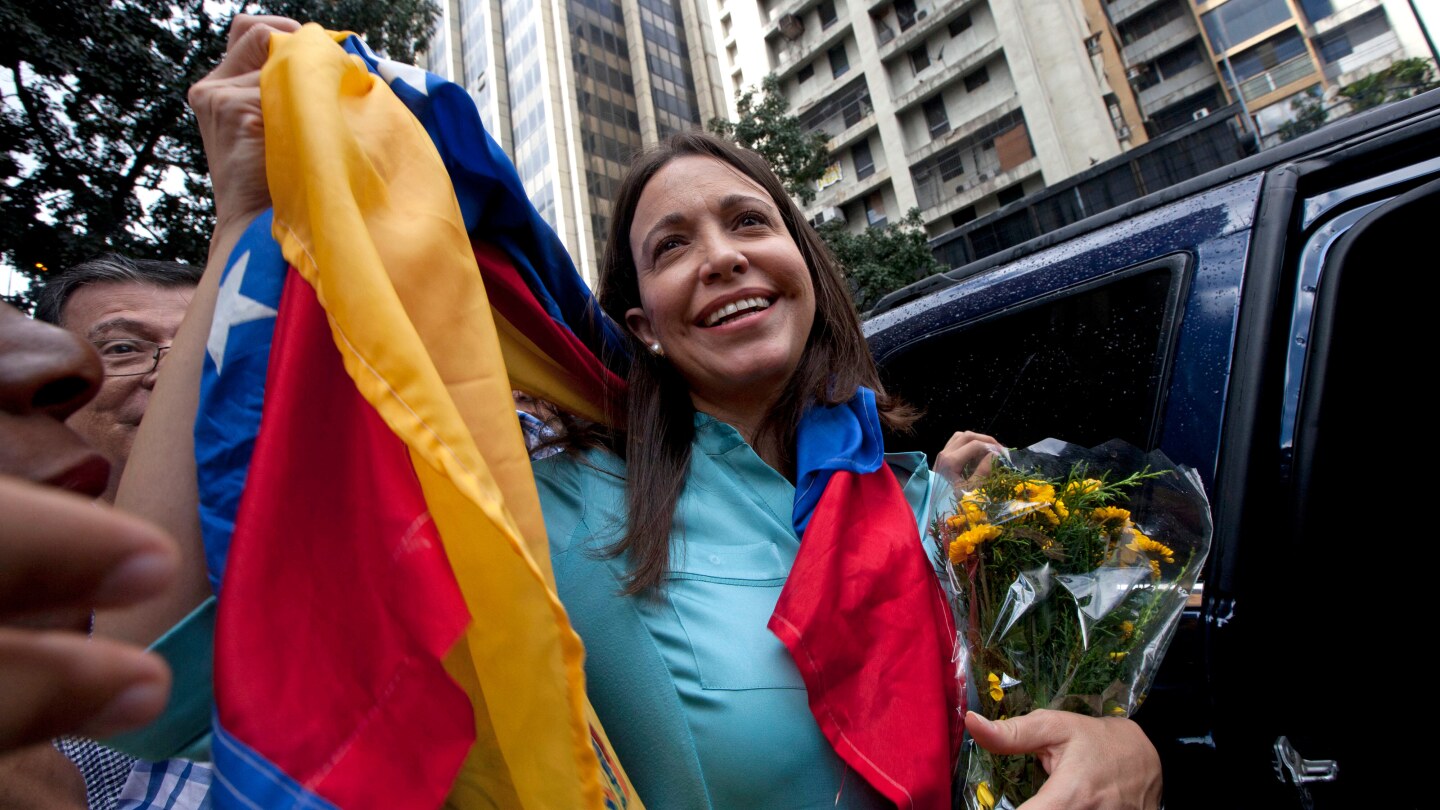
María Corina Machado, a symbol of the political resistance in Venezuela and now Nobel winner
María Corina Machado, a prominent Venezuelan opposition leader, has been awarded the Nobel Peace Prize for her relentless efforts to foster a peaceful and just transition of power in Venezuela. The Norwegian Nobel Committee recognized her as a unifying figure in the fractured opposition, which has long resisted the 26-year rule of the ruling party led by President Nicolás Maduro. Machado, a seasoned politician and industrial engineer, has been a vocal critic of Maduro’s regime, mobilizing millions of Venezuelans to reject his leadership in the 2024 elections. However, the award comes at a contentious time, as some opposition supporters question her alignment with U.S. President Donald Trump’s policies, which have led to controversial actions such as the detention of Venezuelan migrants in Central America and U.S. military strikes in the Caribbean. Machado’s political journey began in 2004 when she co-founded Súmate, an NGO that sought to recall then-President Hugo Chávez. Despite facing legal challenges and accusations of conspiracy, she rose to prominence, becoming a symbol of resistance. Her presidential aspirations in 2012 and 2023 were thwarted by the ruling party, which barred her from running. Nevertheless, she played a pivotal role in supporting opposition candidate Edmundo González, who, according to opposition records, defeated Maduro by a significant margin in the 2024 elections. However, the National Electoral Council declared Maduro the winner, sparking nationwide protests and brutal government crackdowns. Machado remains steadfast in her mission, asserting that Venezuela is on the brink of achieving freedom and peace despite the ongoing violence and repression.
-
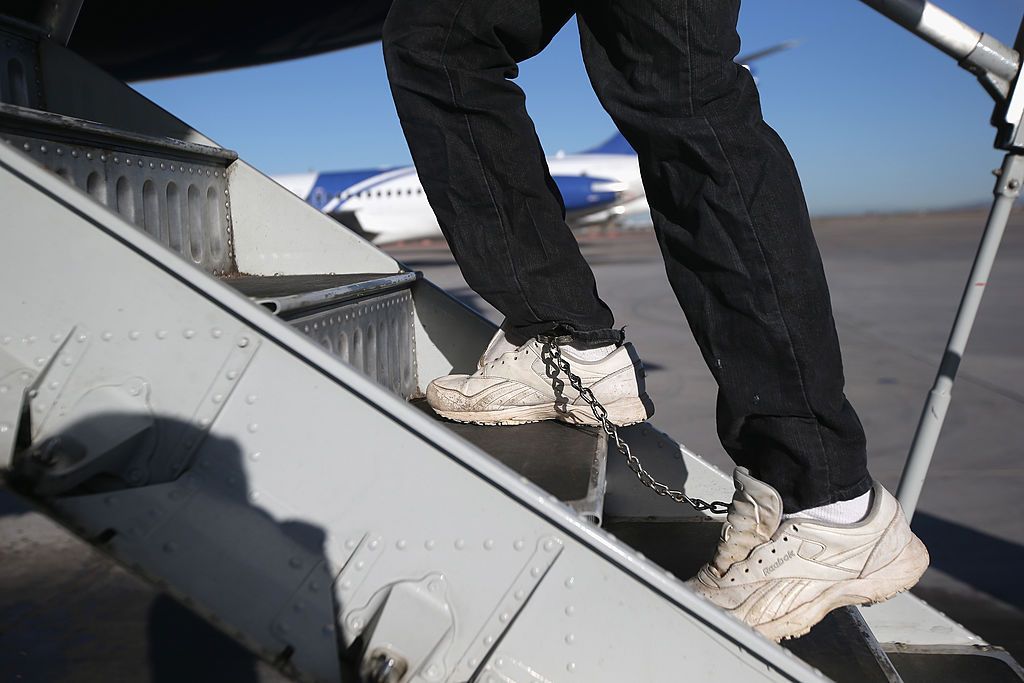
Burkina Faso refuses to take deportees as US stops issuing visas
Burkina Faso’s military government has firmly declined a US proposal to accept deportees from third countries, prompting Washington to suspend visa issuance in the West African nation. Foreign Minister Karamoko Jean-Marie Traoré, in a televised interview on state broadcaster RTB, questioned whether the US Embassy’s decision was a form of “blackmail” and emphasized Burkina Faso’s commitment to dignity, stating it is “a destination, not a place of expulsion.” The US Embassy in Ouagadougou announced a temporary halt to issuing immigrant, tourist, student, and business visas, requiring Burkinabé residents to apply at the US Embassy in neighboring Togo instead. This development follows the Trump administration’s broader strategy to deport migrants, particularly targeting African nations. While countries like Eswatini, Ghana, Rwanda, and South Sudan have accepted US deportees, Burkina Faso and Nigeria have resisted. Capt Ibrahim Traoré, Burkina Faso’s leader, has positioned himself as a pan-African advocate against Western imperialism, further straining relations with Western nations since the military coup three years ago. The US State Department and Department of Homeland Security have yet to comment on the matter.
-
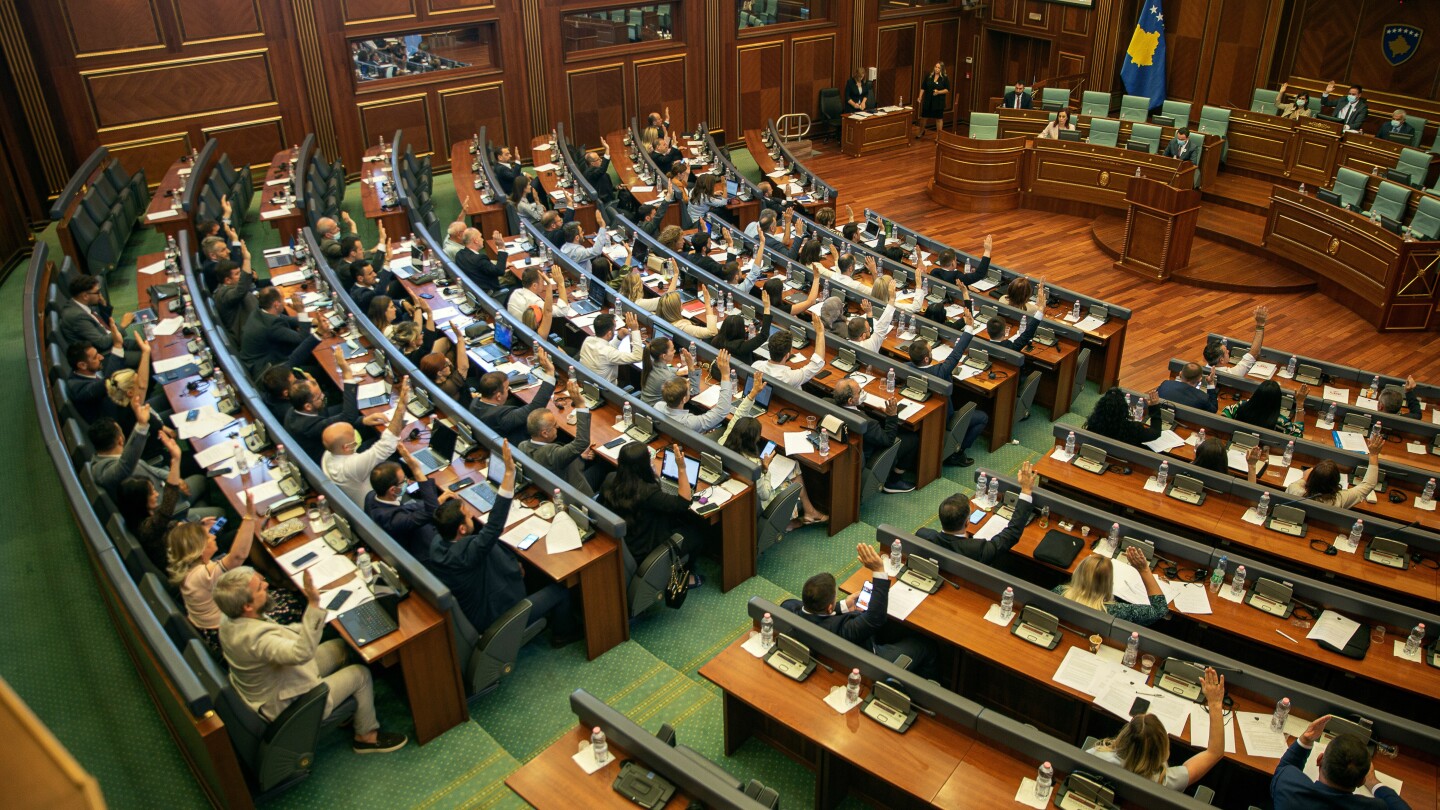
Kosovo lawmakers break 8-month deadlock with election of an ethnic Serb to the leadership team
In a significant development, Kosovo’s Parliament resolved an eight-month political impasse on Friday by electing its full leadership, including a representative from the ethnic Serb minority. This crucial step paves the way for the formation of a new government. While the Parliament had already chosen its top officials in August, including a speaker from the left-wing Self-Determination Movement (Vetevendosje!), it had previously failed to elect a Serb minority representative, a constitutional requirement. Nenad Rasic, from the small ethnic Serb party For Freedom, Justice and Survival, was elected as deputy speaker with 71 votes in favor. However, all nine lawmakers from the main Serb party, Srpska Lista, voted against, and 24 members from two smaller right-wing ethnic Albanian parties abstained. Srpska Lista, which holds nine of the ten seats reserved for the Serb minority, is closely aligned with Serbian President Aleksandar Vucic and his government in Belgrade. Many Kosovo Albanians view this relationship as a potential catalyst for ethnic tensions. The breakthrough came after a Constitutional Court ruling on Wednesday, which urged lawmakers to resolve the stalemate within 12 days. The prolonged deadlock began after inconclusive elections on February 9, where Vetevendosje!, led by acting Prime Minister Albin Kurti, won 48 out of 120 seats, falling short of the 61 needed to govern alone. Kurti, as the leader of the largest party, now has 15 days to form a Cabinet, which must then gain parliamentary approval. If he fails twice, Kosovo could face early elections. A new government is urgently needed to address economic challenges and restart EU-facilitated talks on normalizing relations with Serbia. Kosovo also faces municipal elections on October 12. The 1998-1999 Kosovo War, which claimed around 11,400 lives, mostly ethnic Albanians, ended with a 78-day NATO air campaign that forced Serbian forces out. Kosovo declared independence from Serbia in 2008, but its statehood remains unrecognized by Serbia, Russia, and China, keeping it a focal point of regional tensions.
-
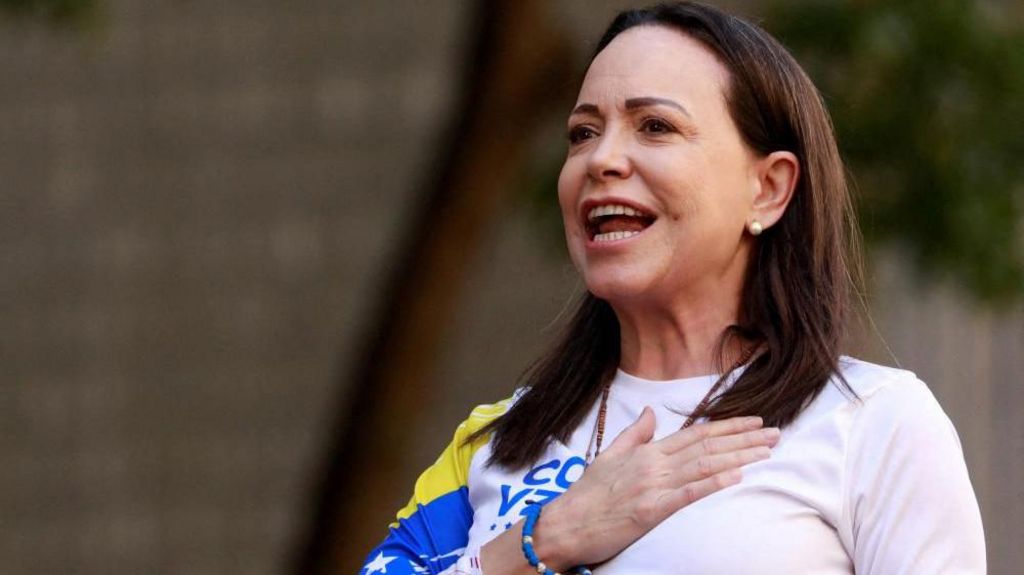
Venezuelan opposition leader María Corina Machado wins Nobel Peace Prize
Venezuelan opposition leader and pro-democracy activist María Coria Machado has been honored with the 2025 Nobel Peace Prize, recognized for her unwavering commitment to democratic rights and her courageous stand against authoritarian rule in Venezuela. The Nobel Committee lauded Machado as “one of the most extraordinary examples of civilian courage in Latin America in recent times,” highlighting her relentless efforts to foster a peaceful transition from dictatorship to democracy. Machado, 58, has faced severe threats to her life and has been forced into hiding for much of the past year, yet she remains a unifying figure in Venezuela’s deeply divided political opposition. Her work has been instrumental in addressing the humanitarian and economic crises plaguing the nation under President Nicolás Maduro’s 12-year rule, widely regarded as illegitimate by the international community. Despite being barred from running in the 2024 presidential election, Machado successfully rallied support for Edmundo González, the opposition candidate who reportedly won by a landslide, though the government-controlled National Electoral Council declared Maduro the victor. In a video message, Machado expressed humility, stating that the award was “the achievement of a whole society.” González praised the recognition as “well-deserved” for Machado and the Venezuelan people’s long struggle for freedom. Nobel Committee chairman Jørgen Watne Frydnes criticized Venezuela’s leadership and warned of global democratic decline, emphasizing the abuse of power, suppression of free media, and the rise of authoritarianism. Frydnes expressed hope that Machado could attend the December award ceremony in Oslo, despite security concerns. The 2025 Nobel Peace Prize saw 338 nominees, with U.S. President Donald Trump among those who missed out, despite his public campaign for the award. Frydnes affirmed that the committee’s decision was based solely on the criteria set by Alfred Nobel, with Machado embodying “hope for the future.”
-
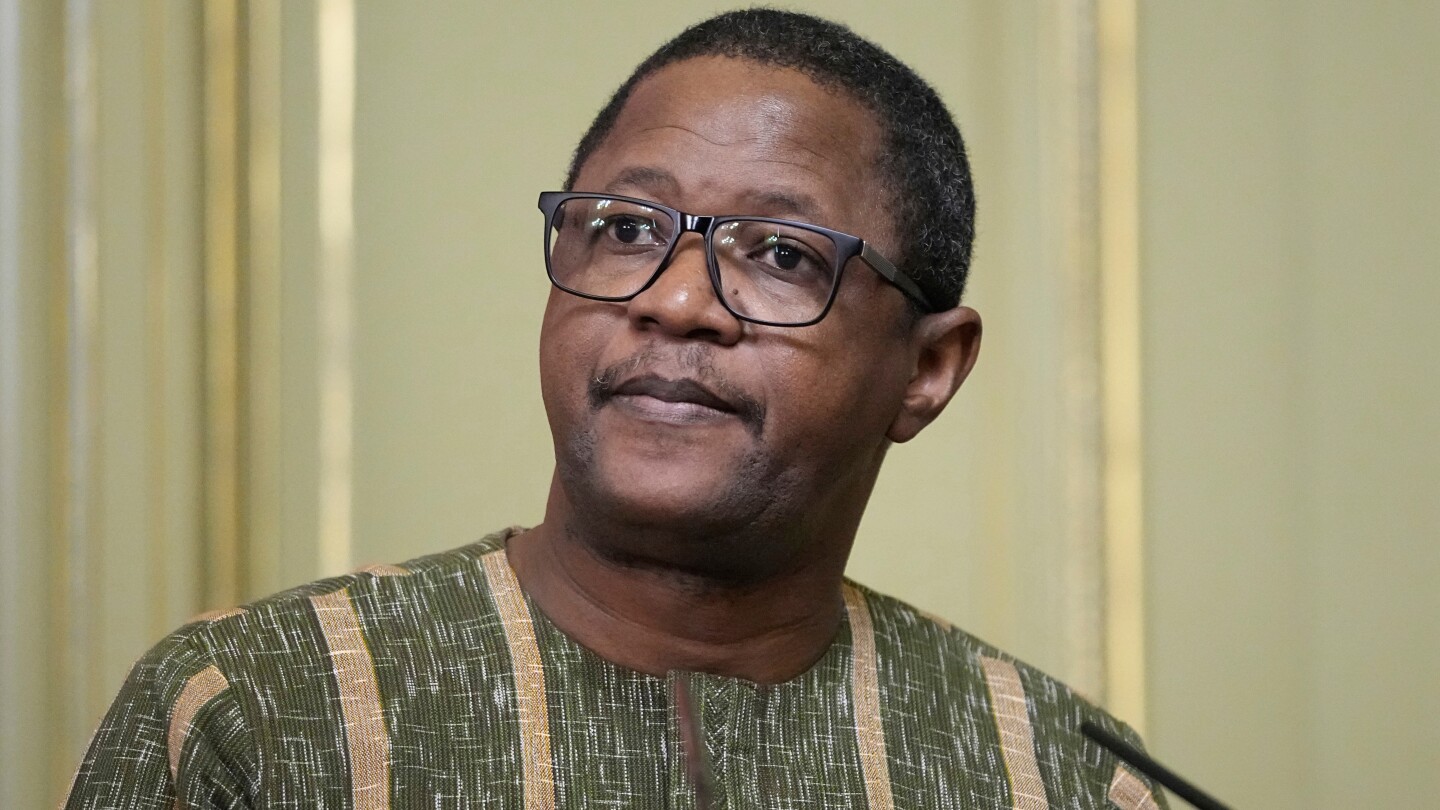
Burkina Faso rejects proposal to accept deportees from the US
Burkina Faso has firmly declined a proposal from the Trump administration to accept deportees from the United States, labeling the request as ‘indecent’ and inconsistent with the nation’s values. Foreign Minister Karamoko Jean-Marie Traoré announced the decision on national television, emphasizing that the proposal contradicted the vision of dignity upheld by the country’s military leader, Capt. Ibrahim Traoré. The rejection came shortly after the U.S. Embassy in Ouagadougou suspended most visa services for Burkinabe residents, redirecting applications to its embassy in Togo. While the embassy did not provide a reason for the suspension, Traoré suggested it might be a ‘pressure tactic’ linked to the deportation proposal. He reiterated that Burkina Faso is ‘a land of dignity, not deportation.’ The U.S. Embassy and Department of Homeland Security have yet to comment on the matter. This development follows the Trump administration’s broader efforts to establish third-country deportation agreements with several African nations, including Eswatini, South Sudan, Rwanda, and Ghana. Human Rights Watch has reported that financial incentives were offered to some countries to accept deportees, raising concerns about the ethical implications of such deals. Deportees in some of these nations have faced harsh conditions, with lawsuits filed against governments for alleged mistreatment.
-
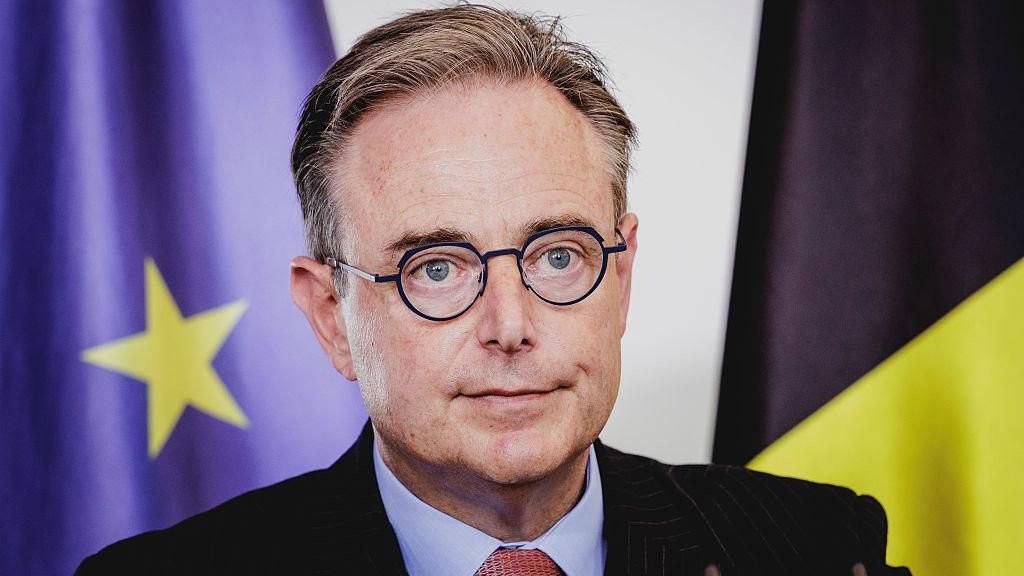
Suspected plot to attack Belgian PM foiled
Belgian authorities have thwarted a potentially devastating terrorist plot targeting Prime Minister Bart de Wever and other high-profile politicians. Three individuals, aged between 16 and 22, were arrested in Antwerp on suspicion of planning a jihadist-inspired attack. During searches near the prime minister’s private residence in Deurne, investigators uncovered an improvised explosive device (IED), a bag of steel balls, and a 3D printer, with evidence suggesting the suspects intended to use a drone to deliver an explosive payload. Deputy Prime Minister Maxime Prevot confirmed de Wever was among the intended targets, calling the plot ‘extremely shocking’ and a stark reminder of the persistent terrorist threat. One suspect has been released, while the other two remain in custody and are expected to face court proceedings. Federal prosecutor Ann Fransen revealed that Belgium has seen a significant rise in terrorism investigations this year, with 80 cases already opened, surpassing the total for 2024. This incident follows a 2023 plot against de Wever, which resulted in five convictions earlier this year.
-
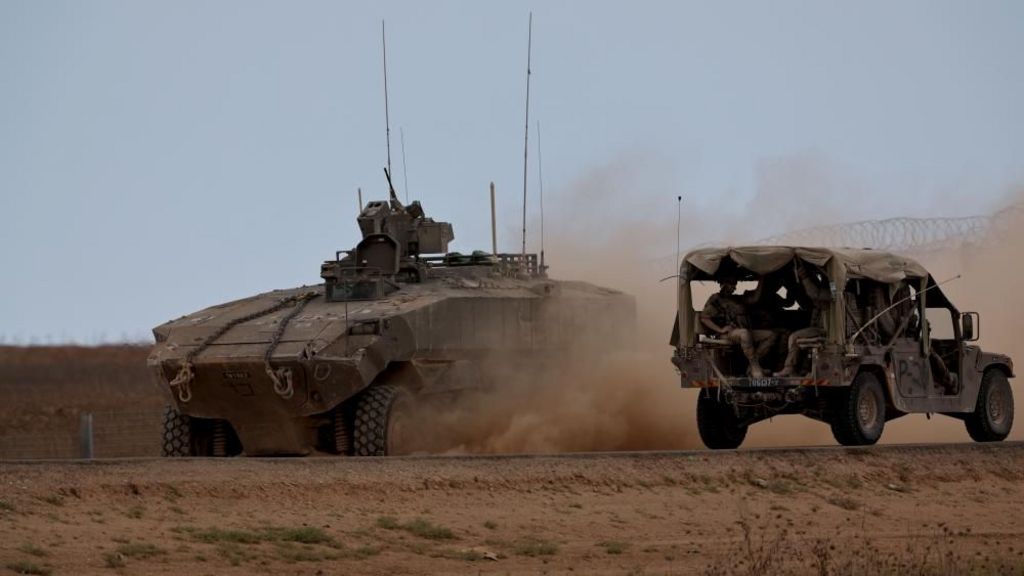
US to send 200 troops to Israel to monitor Gaza ceasefire
The United States is set to relocate up to 200 troops currently stationed in the Middle East to Israel to assist in monitoring the ceasefire in Gaza, according to US officials. This move is part of a broader initiative to establish a multinational taskforce in Israel, referred to as a civil-military coordination center. The taskforce is expected to include forces from Egypt, Qatar, Turkey, and the UAE. A senior official emphasized that no US troops will enter Gaza, clarifying that their role is to create a Joint Control Center to integrate the multinational force. The Israeli government has approved the initial phase of a Gaza deal with Hamas, which has resulted in a ceasefire and the release of hostages and prisoners. The taskforce, led by US Central Command (Centcom), will oversee the ceasefire agreement’s progress and coordinate humanitarian assistance. The multinational force will communicate ground situations and potential truce violations to both Israel and Hamas through Egypt and Qatar. The force is being established under the leadership of Admiral Brad Cooper, head of Centcom, who participated in indirect talks in Egypt earlier this week. These talks culminated in US President Donald Trump’s announcement that Israel and Hamas had agreed to the first phase of a peace plan he unveiled last week. Trump’s 20-point Gaza plan includes the US collaborating with Arab and international partners to form a temporary International Stabilisation Force for immediate deployment in Gaza, contingent upon the completion of a hostage and prisoner exchange. The conflict began with Hamas’s attacks on Israel on October 7, 2023, which resulted in approximately 1,200 deaths and 251 hostages. Israel’s subsequent military offensive has reportedly killed over 67,000 Palestinians in Gaza, including more than 20,100 children, according to the Hamas-run health ministry, with these figures deemed reliable by the UN and other international bodies.
-
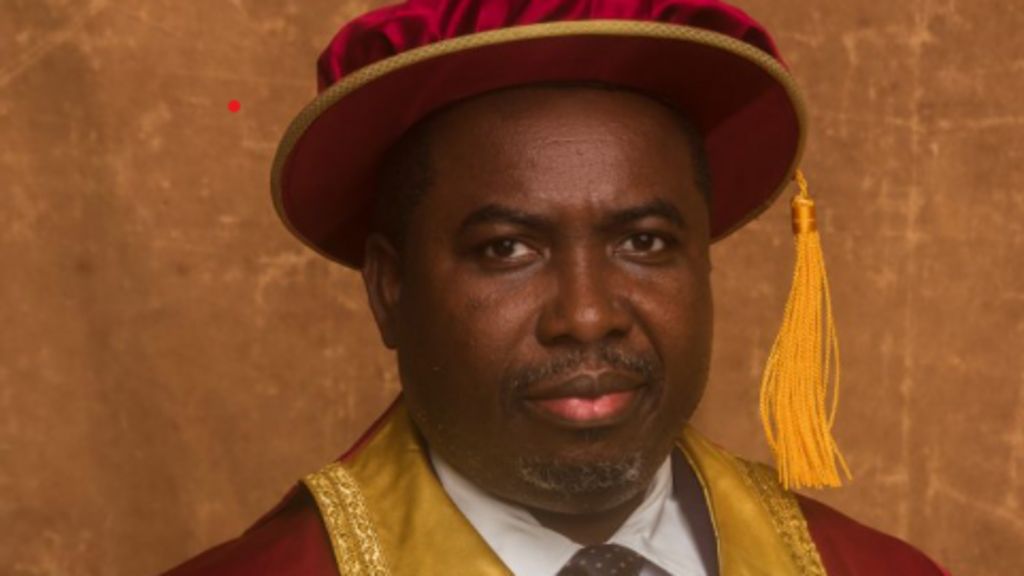
Nigeria names ‘apolitical’ law professor as new electoral chief
In a significant move to address growing concerns over Nigeria’s electoral system, President Bola Tinubu has nominated Joash Ojo Amupitan, a distinguished law professor, as the country’s new electoral chief. The nomination, announced on Thursday by presidential spokesman Bayo Onanuga, awaits confirmation by the senate. If approved, the 58-year-old scholar from Kogi state would become the first native of the north-central region to lead the Independent National Electoral Commission (INEC). Amupitan, currently serving as the deputy vice-chancellor at the University of Jos, brings over three decades of academic and legal expertise to the role. His nomination follows the departure of Professor Mahmood Yakubu and comes at a critical juncture for INEC, which faces mounting demands for greater transparency, technological advancements, and faster election result announcements. Amupitan, recognized as a Senior Advocate of Nigeria (SAN) in 2014, has focused his academic work on public law, corporate governance, and electoral law reform. His appointment is seen as a potential turning point for Nigeria’s electoral process, with hopes that his expertise will restore voter confidence, strengthen the integrity of the voter register, and ensure technology enhances electoral outcomes. Opposition parties, including the African Democratic Congress (ADC), have urged Amupitan to prioritize public trust over political loyalty, while the ruling All Progressives Congress (APC) has endorsed him as the ‘perfect choice’ for the role. If confirmed, Amupitan’s first major task will be overseeing the Anambra governorship election scheduled for next month.
-
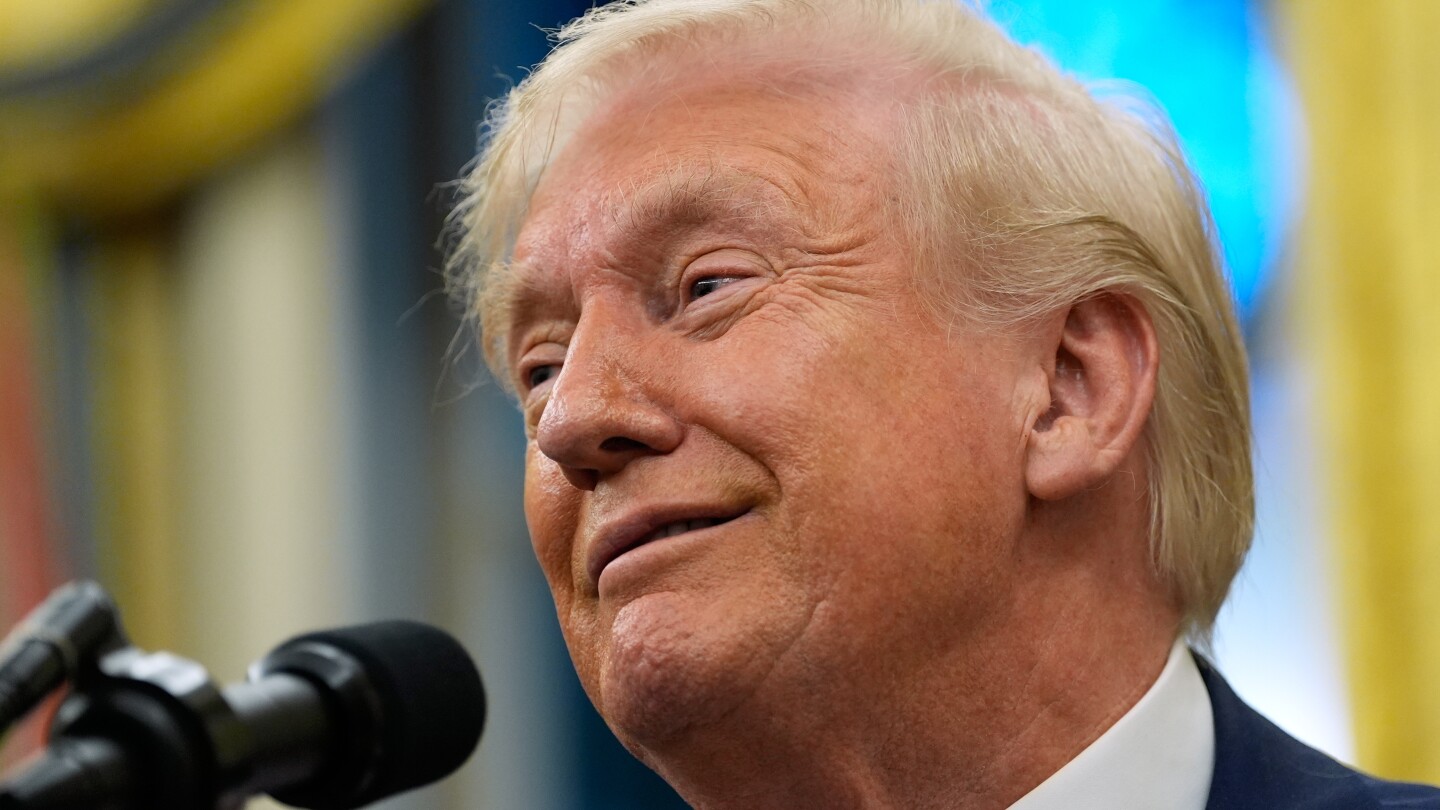
Trump’s quest for the Nobel Peace Prize falls short again despite high-profile nominations
In a turn of events that left President Donald Trump empty-handed, the Nobel Peace Prize for 2024 was awarded to Venezuelan opposition leader María Corina Machado. Despite fervent lobbying from Trump’s Republican allies, world leaders, and even the president himself, the Norwegian Nobel Committee chose to recognize Machado for her relentless efforts to promote democratic rights in Venezuela and her struggle for a peaceful transition from dictatorship to democracy. Machado, in a gracious gesture, dedicated her win to Trump, acknowledging his support for her cause. Her campaign manager confirmed that Trump congratulated her in a phone call shortly after the announcement. At the White House, Trump expressed a mix of disappointment and pride, recounting how Machado had honored him during her acceptance speech. He also suggested that the award might have been intended for 2024 achievements, hinting at his ongoing political ambitions. The White House, however, initially struck a sour note, with Communications Director Steven Cheung accusing the Nobel Committee of prioritizing politics over peace, particularly in light of the recent Gaza ceasefire deal brokered by the Trump administration. Trump’s long-standing desire for the Nobel Peace Prize has been a recurring theme throughout his presidency, with his supporters citing his role in brokering the Abraham Accords and other diplomatic efforts. Yet, the committee’s decision underscores the complex and often contentious nature of global peace initiatives. The Nobel Peace Prize, established in 1901 to honor those who advance fraternity among nations and promote peace, has been awarded to three sitting U.S. presidents in the past. Trump’s detractors argue that his nominations are often politically motivated, aimed at currying favor rather than recognizing genuine contributions to peace. Meanwhile, global reactions to the decision have been mixed, with some leaders, including Israeli Prime Minister Benjamin Netanyahu and Belarusian President Alexander Lukashenko, voicing their support for Trump. Russian President Vladimir Putin, while refraining from direct judgment, praised the Gaza ceasefire deal and criticized past Nobel Committee decisions. As Trump continues to push for peaceful resolutions to conflicts abroad, his domestic policies remain deeply divisive, reflecting the broader political polarization in the United States.