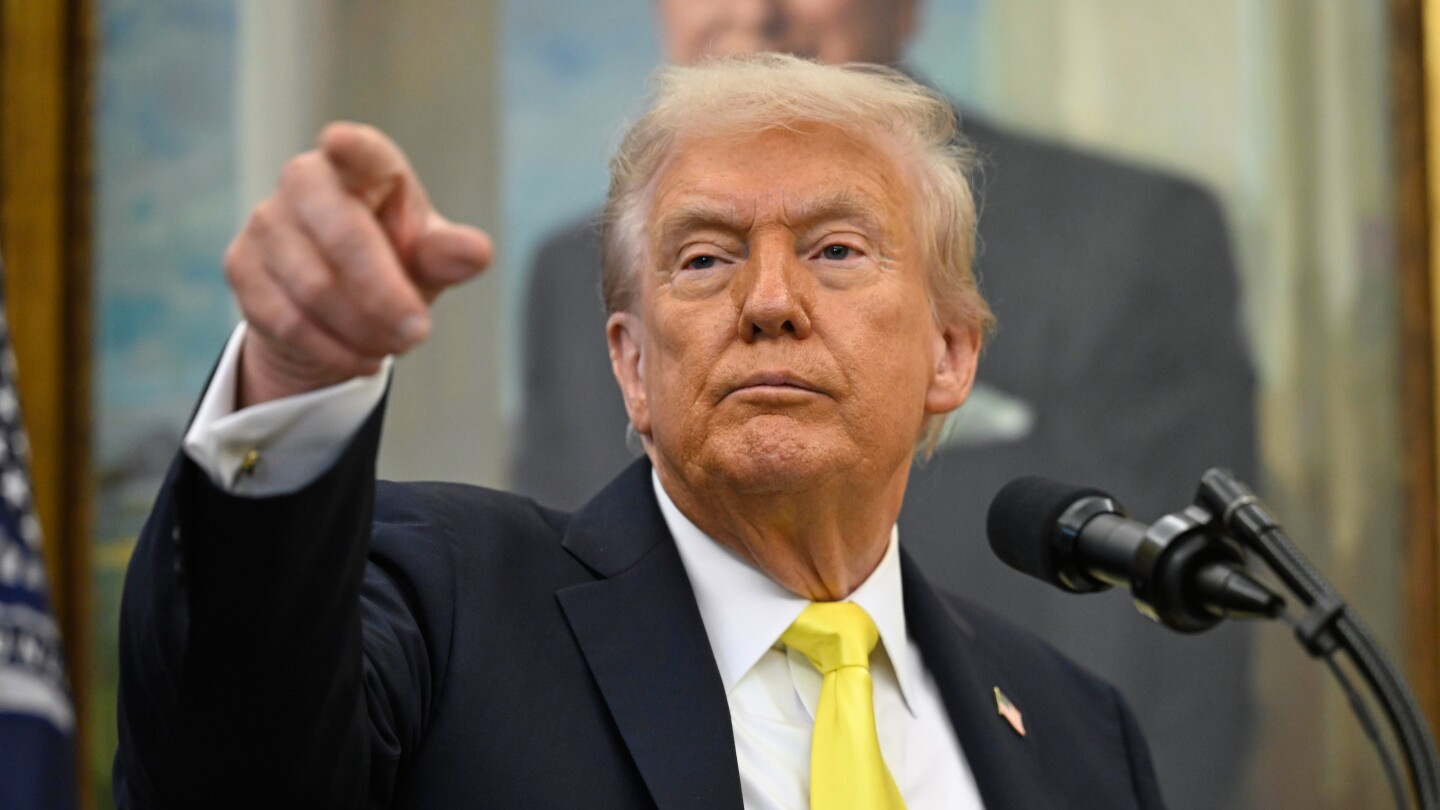
In a significant development, former U.S. President Donald Trump announced on Wednesday that Indian Prime Minister Narendra Modi had personally guaranteed India would cease purchasing Russian oil. This claim, yet to be verified by the Indian government, aligns with Trump’s broader strategy to exert pressure on Moscow to negotiate an end to the ongoing conflict in Ukraine. ‘There will be no oil. He’s not buying oil,’ Trump stated, adding that the transition would not be immediate but would occur ‘within a short period of time.’ The Indian embassy in Washington has not yet commented on the matter. Trump has been vocal about his frustrations over the prolonged war in Ukraine, which began with Russia’s invasion nearly four years ago. He has increasingly criticized Russian President Vladimir Putin, labeling him as the main impediment to peace. Trump is scheduled to meet with Ukrainian President Volodymyr Zelenskyy on Friday. India, the second-largest buyer of Russian oil after China, faced U.S. tariffs in August as part of Trump’s efforts to curb its economic ties with Russia.
分类: politics
-
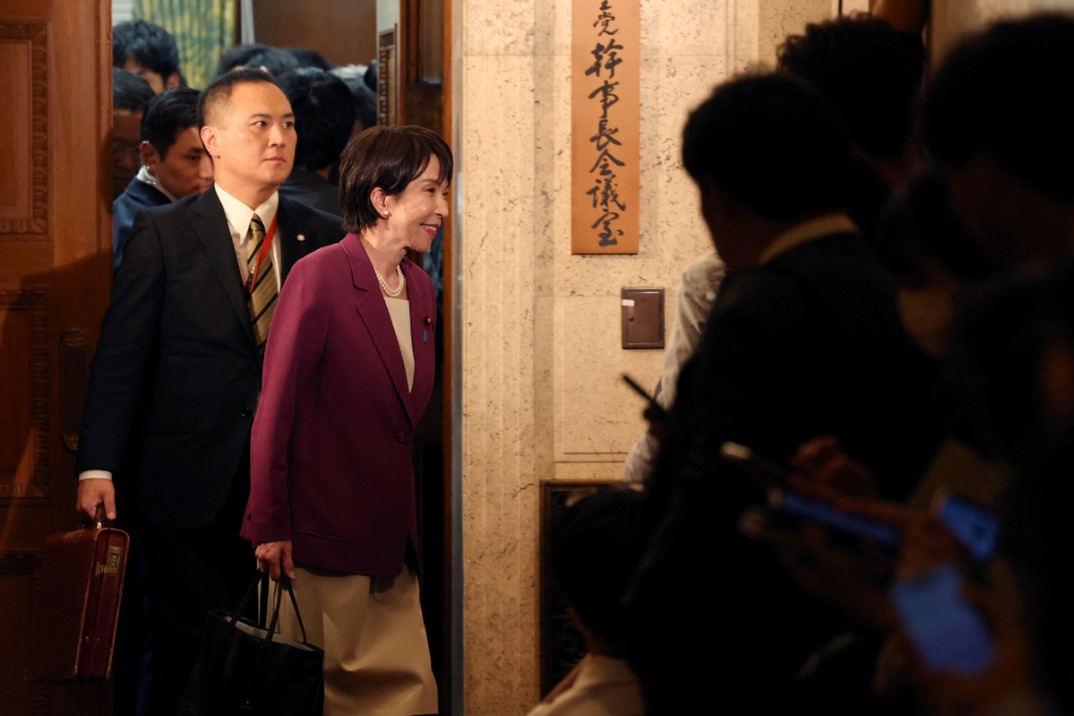
Japan postpones extraordinary Diet session to elect new PM
The Japanese government has announced the postponement of an extraordinary parliamentary session initially slated for this week to elect a new prime minister. The session is now rescheduled for October 21, though the precise timing of the vote remains undecided. This delay comes amidst a backdrop of political maneuvering and uncertainty within Japan’s ruling and opposition parties. Sanae Takaichi, the newly elected leader of the ruling Liberal Democratic Party (LDP), expressed determination to secure the premiership despite skepticism from some quarters. Takaichi’s path to the top job has been complicated by the withdrawal of the LDP’s junior coalition partner, Komeito, which cited dissatisfaction with the party’s handling of a political funding scandal. Komeito has declared it will not support Takaichi in the upcoming Diet vote. Meanwhile, opposition parties are actively strategizing to unite behind Democratic Party for the People (DPFP) leader Yuichiro Tamaki as their preferred candidate for prime minister. The LDP, which holds 196 seats in the House of Representatives and 100 in the House of Councillors, is navigating a fragmented political landscape. The election process will involve both chambers of parliament, with the lower house’s decision taking precedence in case of a tie. If no candidate secures a majority in the first round, a runoff will be held between the top two contenders.
-
Judge orders Trump administration to pause shutdown layoffs
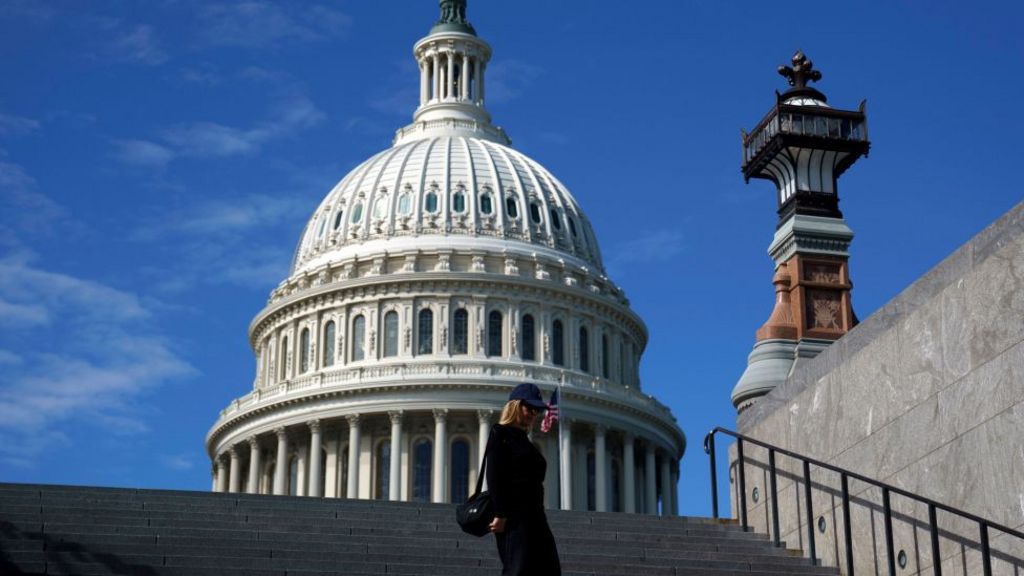
In a significant legal development, a federal judge has temporarily halted the Trump administration’s plans to lay off thousands of federal workers during the ongoing government shutdown. The decision, issued by US District Judge Susan Illston, came in response to a request from two major unions—the American Federation of Government Employees and AFL-CIO—seeking to prevent mass firings across more than 30 federal agencies. Judge Illston ruled that the administration’s actions appeared to be politically motivated and unlawfully exploited the funding lapse that began on October 1 to downsize the federal workforce. She cited public statements by President Donald Trump and White House Budget Chief Russell Vought, including Trump’s remarks about targeting ‘Democrat agencies,’ as evidence of these motivations. The Trump administration is expected to appeal the restraining order. Meanwhile, several key departments, including Treasury, Health and Human Services (HHS), and Homeland Security, had already begun issuing layoff notices. The Treasury Department alone planned to cut approximately 1,446 positions, while HHS initially notified 1,100 to 1,200 employees before scaling back to about half that number. Other agencies, such as Education, Housing and Urban Development, Commerce, and Energy, also announced significant workforce reductions. The unions argued that the shutdown does not justify mass firings, as most federal workers are already furloughed without pay. With the shutdown now in its third week, the Senate has repeatedly failed to pass a resolution to reopen the government, as Democrats push for measures to address rising healthcare costs for lower-income Americans.
-
China asks US to resolve economic, trade issues through talks
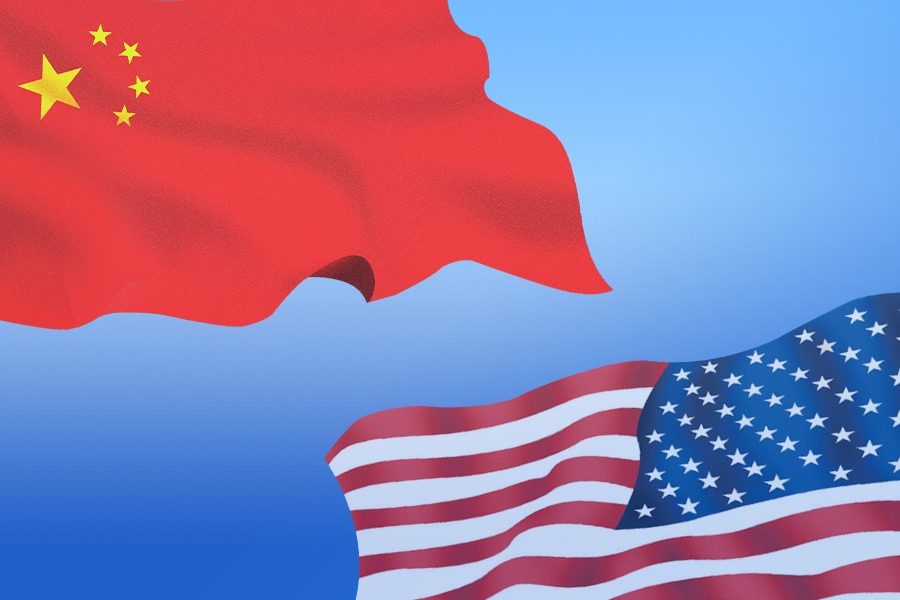
China has called on the United States to address economic and trade issues through constructive dialogue and mutual respect, urging Washington to rectify its recent unilateral actions. The appeal was made by Foreign Ministry spokesman Lin Jian during a press briefing on Wednesday, following accusations by US President Donald Trump that China had intentionally halted soybean imports from the US. Trump also threatened to impose restrictions on Chinese cooking oil exports. Lin emphasized that China’s approach to resolving trade disputes has always been consistent, advocating for discussions based on equality, respect, and mutual benefit. He warned that trade wars and tariff escalations are detrimental to both nations, stating, ‘There are no winners in a trade war or a tariff war, and such moves serve no one’s interests.’ Lin also addressed recent comments by US Trade Representative Jamieson Greer, who suggested that additional 100% tariffs on Chinese exports could be implemented as early as November 1. Greer accused Chinese officials of making ‘contradictory statements’ regarding rare earth export controls. In response, Lin clarified that China’s export control measures are lawful and aimed at promoting global peace and stability, aligning with international norms. He criticized the US for its inconsistent approach, noting that while Washington claims to seek dialogue, it simultaneously threatens tariffs and introduces restrictive measures. ‘This is not the right way to engage with China,’ Lin concluded.
-
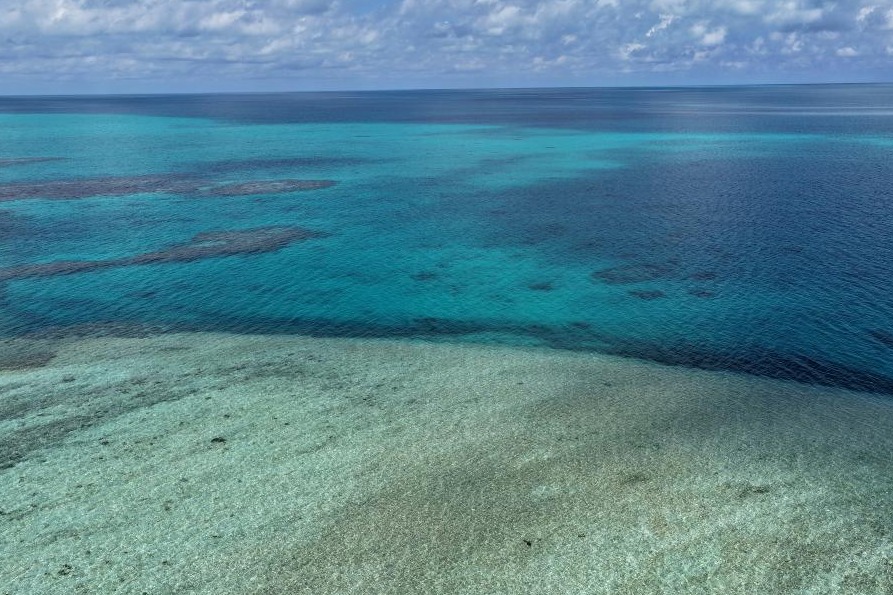
Beijing calls Washington biggest source of risk in South China Sea
China has accused the United States of being the primary source of instability in the South China Sea, following Washington’s condemnation of Beijing’s alleged use of water cannons against Philippine vessels. The statement was made by Foreign Ministry spokesman Lin Jian during a regular press briefing on Wednesday. Lin emphasized that any threats or provocations in the region would fail, asserting China’s commitment to safeguarding its territorial sovereignty and maritime rights. The US Department of State had earlier criticized China’s actions as ‘coercive and unlawful,’ claiming they undermine regional peace and violate commitments to peaceful dispute resolution. The US also reaffirmed that the US-Philippines Mutual Defense Treaty applies to any attacks on Philippine forces in the South China Sea. Lin countered by stating that the Philippines was the initial provocateur, violating China’s sovereignty and creating risks at sea. He criticized the US for ignoring these facts and attempting to threaten China by invoking the Mutual Defense Treaty. Lin concluded that the US actions reveal its intention to provoke confrontation and create chaos in the region, making it the biggest source of risk to regional stability.
-
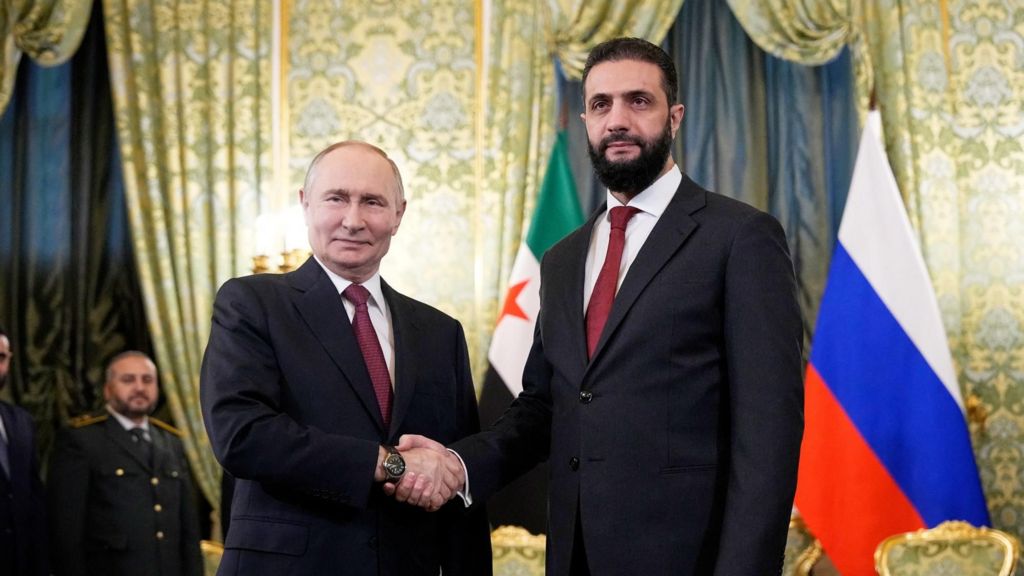
Syria’s Sharaa meets Putin in Moscow for first time since fall of Assad
In a significant diplomatic development, Syria’s interim President, Ahmed al-Sharaa, met with Russian President Vladimir Putin in Moscow for their first talks since Sharaa’s forces ousted Russia’s long-time ally, Bashar al-Assad, ten months ago. The meeting marked a pragmatic shift in relations between the two nations, which had previously been on opposing sides of Syria’s protracted civil war.
During the discussions, Putin emphasized the ‘special relationship’ between Russia and Syria, expressing readiness to collaborate on ‘interesting and useful undertakings.’ Sharaa, in turn, signaled his willingness to maintain Russia’s access to key military installations in Syria, including the Tartous naval port and Hmeimim airbase, while seeking to redefine bilateral ties to ensure Syria’s sovereignty and territorial integrity.
Sharaa also indicated his intent to request the extradition of Assad, who fled to Moscow and was granted asylum after being forced from power. However, Russian officials have previously stated that Assad and his family faced ‘the risk of physical elimination,’ making extradition unlikely.
The talks underscored a mutual desire for cooperation, with Russia pledging to provide humanitarian aid, including food and medical supplies, and assist in rebuilding Syria’s damaged infrastructure. Sharaa, meanwhile, seeks Russian support to consolidate his authority, secure Syria’s borders, and revive its struggling economy through energy and investment partnerships.
Despite the cordial atmosphere, underlying tensions persist, particularly regarding Assad’s fate. The meeting highlights the complex dynamics of post-conflict diplomacy, as both leaders prioritize pragmatism over past hostilities.
-
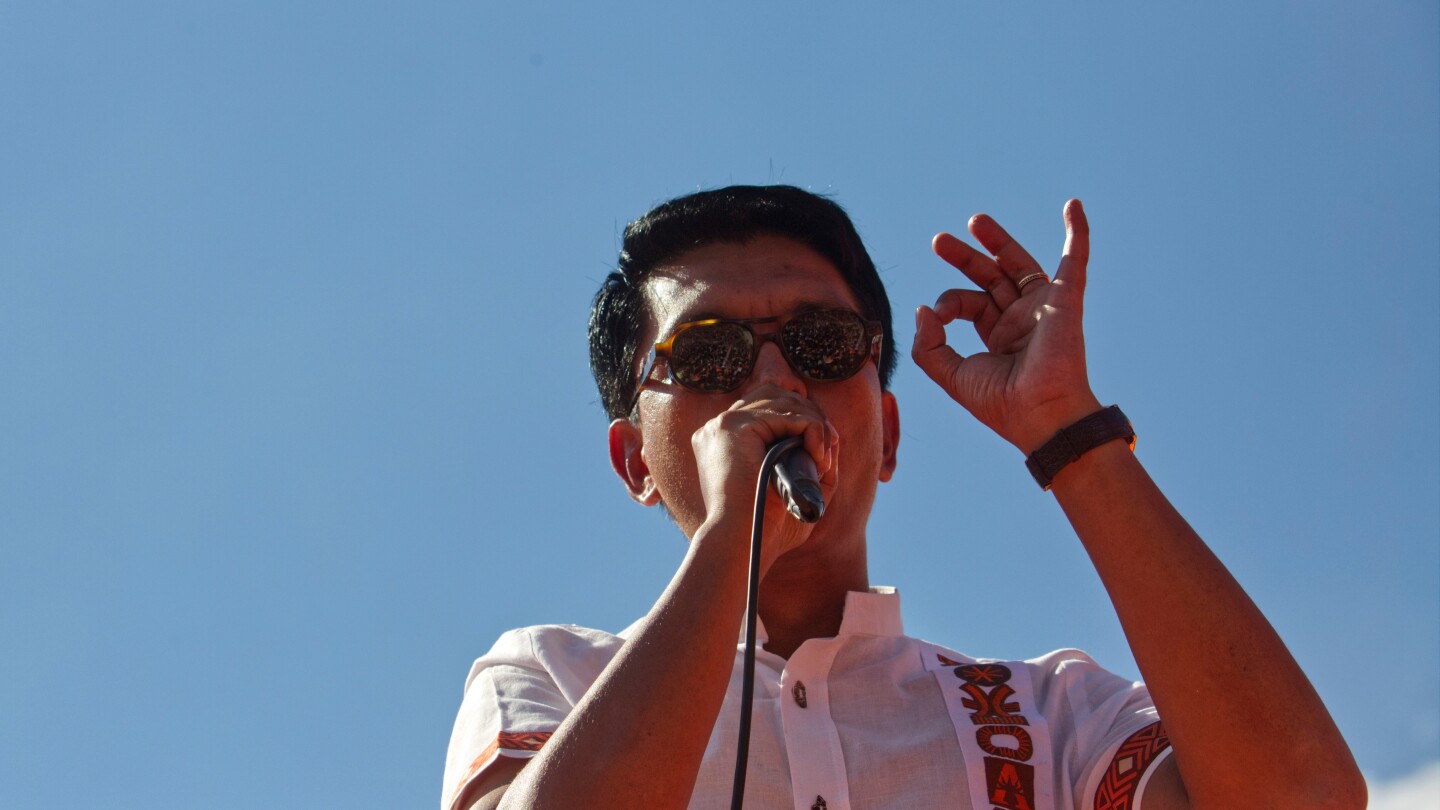
Madagascar’s president rose to power off youth discontent and was taken down by it
Andry Rajoelina, once a youthful and charismatic mayor, rose to prominence in Madagascar 16 years ago by leading popular protests against the government. These demonstrations culminated in a military-backed coup, propelling him to the role of transitional president at just 34 years old. After stepping down in 2014, Rajoelina returned to power in 2019 through democratic elections. However, on Tuesday, the same military unit that once supported his ascent declared it was ousting him following weeks of youth-led protests against his administration. This marks a dramatic turn in Rajoelina’s political journey, underscoring the pivotal role of both the military and the youth in his rise and fall. Rajoelina’s early career began as a radio DJ and entrepreneur, where he leveraged his media influence to form the Determined Malagasy Youth party. His anti-establishment message resonated with Madagascar’s disenfranchised youth, leading to his election as mayor of Antananarivo in 2007. By 2009, he led protests against then-president Marc Ravalomanana, accusing the government of corruption and authoritarianism. Backed by the military, these protests forced Ravalomanana into exile, and Rajoelina assumed the presidency. His tenure, however, was marked by international isolation and sanctions. After a brief hiatus, Rajoelina returned to power in 2019 but faced mounting criticism for failing to improve living standards. His controversial promotion of an unproven COVID-19 remedy further eroded public trust. Recent protests, fueled by issues like water and power shortages, corruption, and nepotism, saw widespread participation from civil society groups, unions, and government workers. The military’s support for the protesters ultimately sealed Rajoelina’s fate, highlighting the cyclical nature of political power in Madagascar.
-
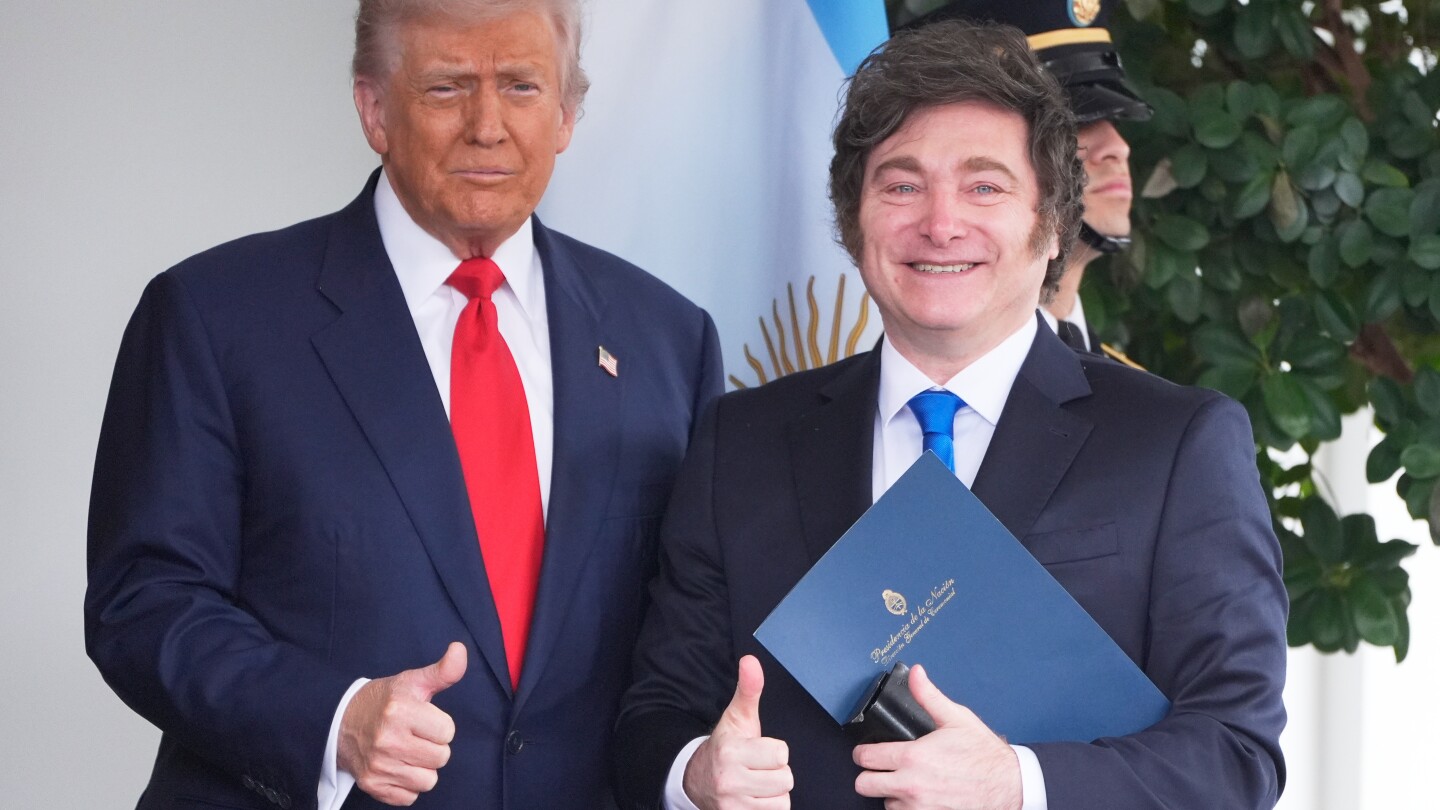
US is working on doubling aid to Argentina to $40 billion by tapping private funding sources
The Trump administration is advancing plans to provide Argentina with an additional $20 billion in financial support, supplementing the $20 billion credit swap line pledged earlier this month. This new package, designed to stabilize Argentina’s faltering currency, would involve a combination of private sector banks and sovereign funds. Treasury Secretary Scott Bessent described the initiative as a ‘private-sector solution,’ emphasizing the interest from multiple banks and sovereign funds. The move aims to bolster Argentina’s debt market and economic recovery. However, President Donald Trump has linked the aid to the political fortunes of Argentine President Javier Milei, warning that U.S. support could be withdrawn if Milei’s party loses the upcoming midterm elections on October 26. ‘If he loses, we are not going to be generous with Argentina,’ Trump stated during a White House meeting with Milei. The Argentine peso experienced a slight depreciation following Trump’s remarks, while shares of major Argentine companies saw a modest recovery after initial declines. Opposition leaders in Argentina criticized Trump’s comments, labeling them as political interference and extortion. Former President Cristina Fernández urged Argentines to consider the implications of U.S. involvement, while other opposition figures accused Trump of prioritizing Milei’s political survival over Argentina’s welfare.
-
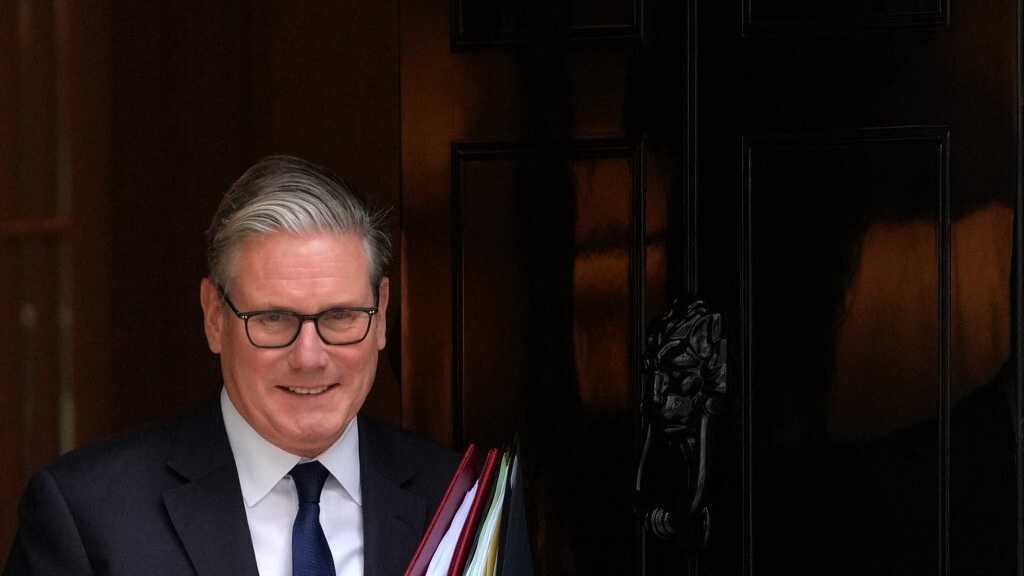
‘No shame’: UK invites private firms to compete for Gaza reconstruction contracts
The United Kingdom is positioning itself as a central figure in the post-war reconstruction of Gaza, with Middle East Minister Hamish Falconer spearheading a high-profile conference in London this week. The event aims to mobilize private finance for Gaza’s rebuilding efforts, drawing both support and sharp criticism from various quarters. The conference, held at the Foreign Office’s Wilton Park center, brought together representatives from businesses, civil society, and governments to coordinate reconstruction plans. However, the UK’s involvement has sparked outrage among opposition MPs, who accuse the government of enabling Israel’s actions in Gaza while now seeking to profit from its reconstruction. Critics, including former Labour leader Jeremy Corbyn, have condemned the initiative as morally reprehensible, arguing that it prioritizes corporate interests over Palestinian self-determination. Falconer, meanwhile, emphasized the UK’s commitment to a Palestinian-led recovery, highlighting Gaza’s economic potential and the need for a two-state solution. The conference also revealed tensions between the UK’s approach and the Trump-backed plan, which proposes a technocratic transitional authority for Gaza, potentially involving former British Prime Minister Tony Blair. Many MPs and analysts have called for Palestinian agency to be at the forefront of reconstruction efforts, urging the UK to prioritize justice and accountability over financial gain.
-
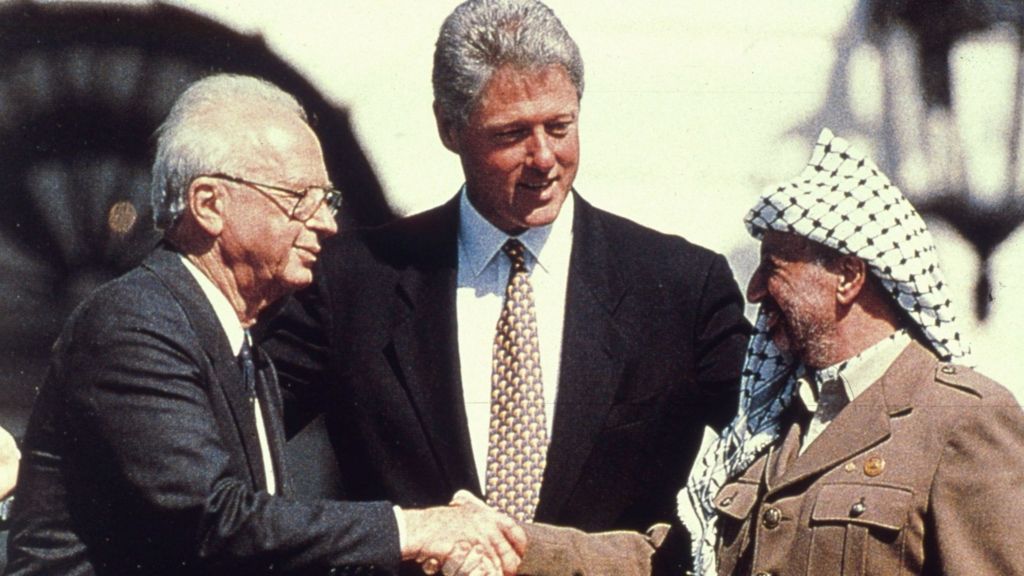
The US presidents who claimed Middle East breakthroughs before Trump
The quest for Middle East peace has been a recurring theme in U.S. presidential history, with several leaders attempting to broker breakthroughs before Donald Trump’s era. Bill Clinton’s ambitious peace plan, which aimed to resolve the Israeli-Palestinian conflict, was tragically derailed by the assassination of Israeli Prime Minister Yitzhak Rabin in 1995. This pivotal moment not only halted progress but also underscored the fragility of peace negotiations in the region. Other U.S. presidents, including Jimmy Carter and George H.W. Bush, also sought to mediate peace agreements, each facing unique challenges and setbacks. Carter’s Camp David Accords in 1978 marked a significant achievement, establishing a framework for peace between Israel and Egypt. However, subsequent efforts often faltered due to deep-seated animosities and shifting political landscapes. These historical attempts highlight the complexities of Middle East diplomacy and the enduring challenges faced by U.S. leaders in their pursuit of lasting peace.