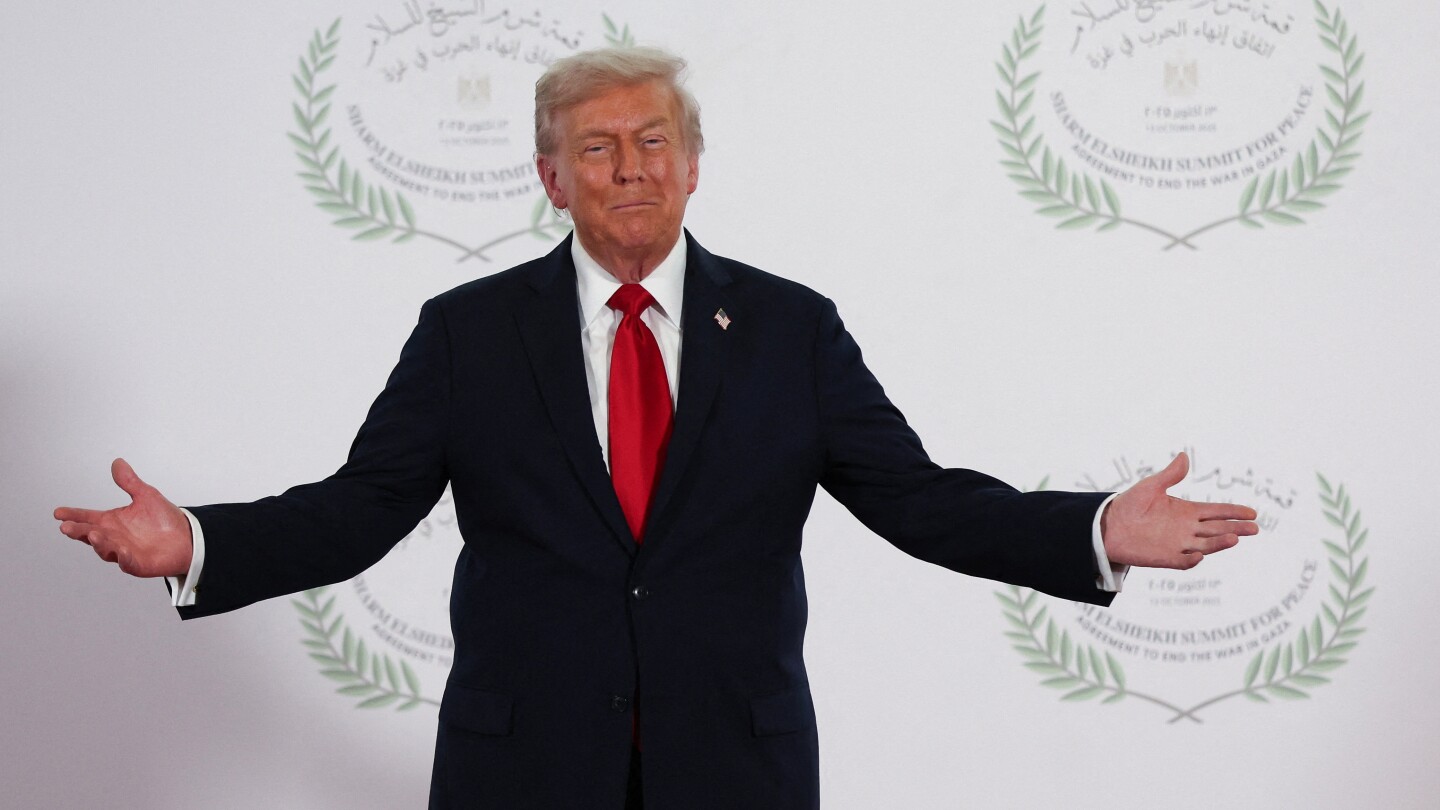
Following the fragile ceasefire between Israel and Hamas, former President Donald Trump has redirected his attention to resolving the ongoing conflict between Russia and Ukraine. Trump, who has consistently criticized President Joe Biden’s handling of international crises, is now exploring the possibility of supplying Ukraine with long-range Tomahawk cruise missiles. This move aims to pressure Russian President Vladimir Putin to engage in peace negotiations. Despite previous unsuccessful attempts to broker talks between Putin and Ukrainian President Volodymyr Zelenskyy, Trump expressed renewed confidence in his ability to mediate, citing recent progress in the Middle East as a catalyst. Speaking at a dinner event, Trump emphasized the urgency of addressing the Ukraine conflict, which is nearing its fourth year. He also hinted at escalating pressure on Russia if diplomatic efforts fail. Trump is scheduled to meet with Zelenskyy on Friday, marking their fourth face-to-face meeting this year. The potential provision of Tomahawk missiles, capable of striking deep into Russian territory, has been a long-standing request from Ukraine. However, analysts caution that deploying such advanced weaponry could take years and may strain U.S.-Russia relations further. In the interim, experts suggest that supplying Ukraine with shorter-range missiles like the Extended Range Attack Munition (ERAM) and the Army Tactical Missile System (ATACMS) could be more immediately effective. Meanwhile, Trump has also signaled a willingness to impose stricter sanctions on Russia, particularly targeting its oil exports, though he has yet to formally endorse pending legislation in the Senate.
分类: politics
-
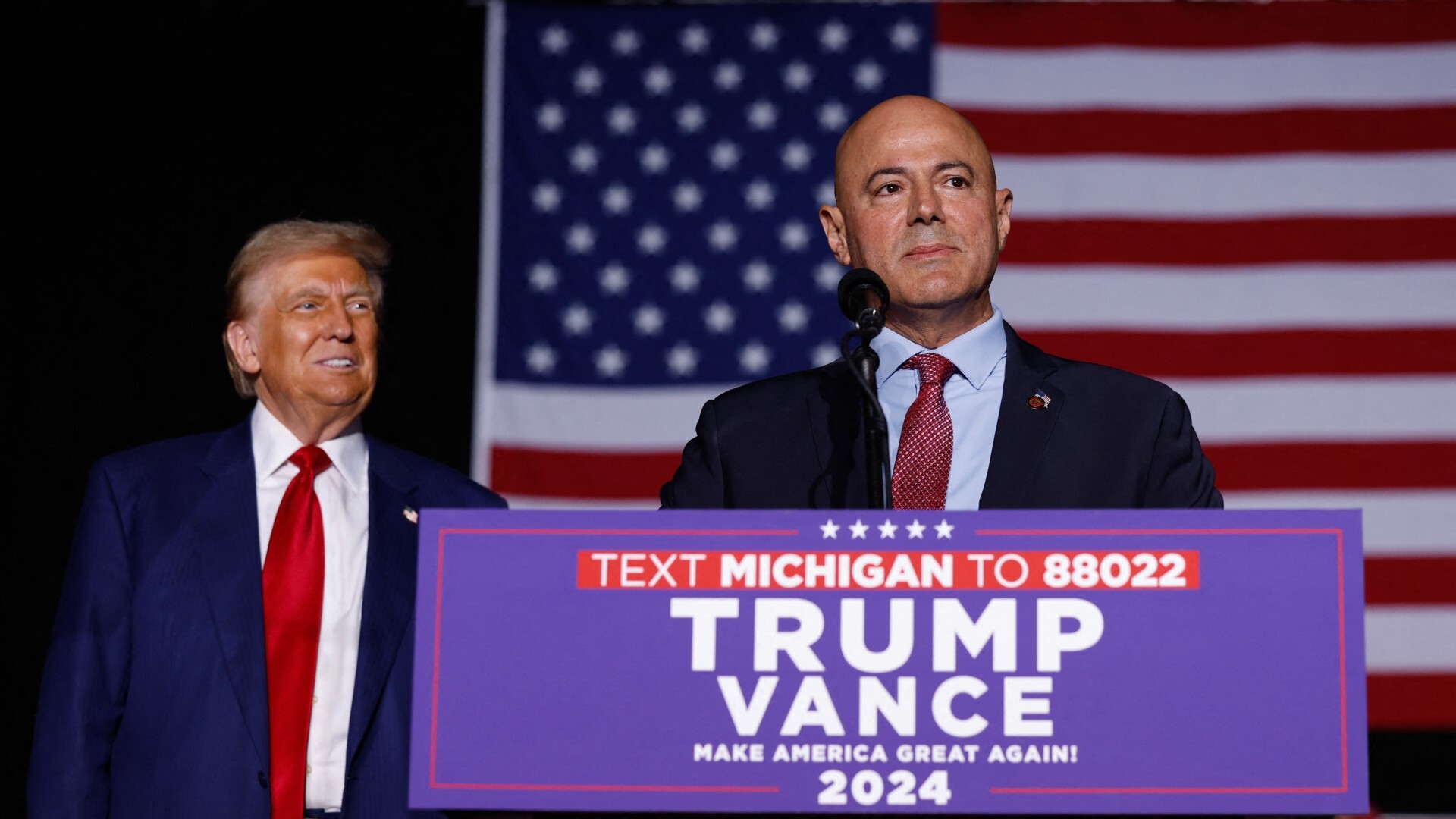
US Senate confirms Lebanese-American ambassadors for Tunisia, Lebanon
The US Senate has confirmed two of President Donald Trump’s three Arab American nominees for ambassadorships in the Middle East. Michel Issa, a businessman and Trump’s golfing companion, has been appointed as the ambassador to Lebanon, while Bill Bazzi, former mayor of Dearborn Heights, Michigan, will serve as the ambassador to Tunisia. Both men were born in Lebanon, highlighting their deep ties to the region. A third nominee, Amer Ghalib, mayor of Hamtramck, Michigan, remains unconfirmed due to opposition from pro-Israel groups.
-
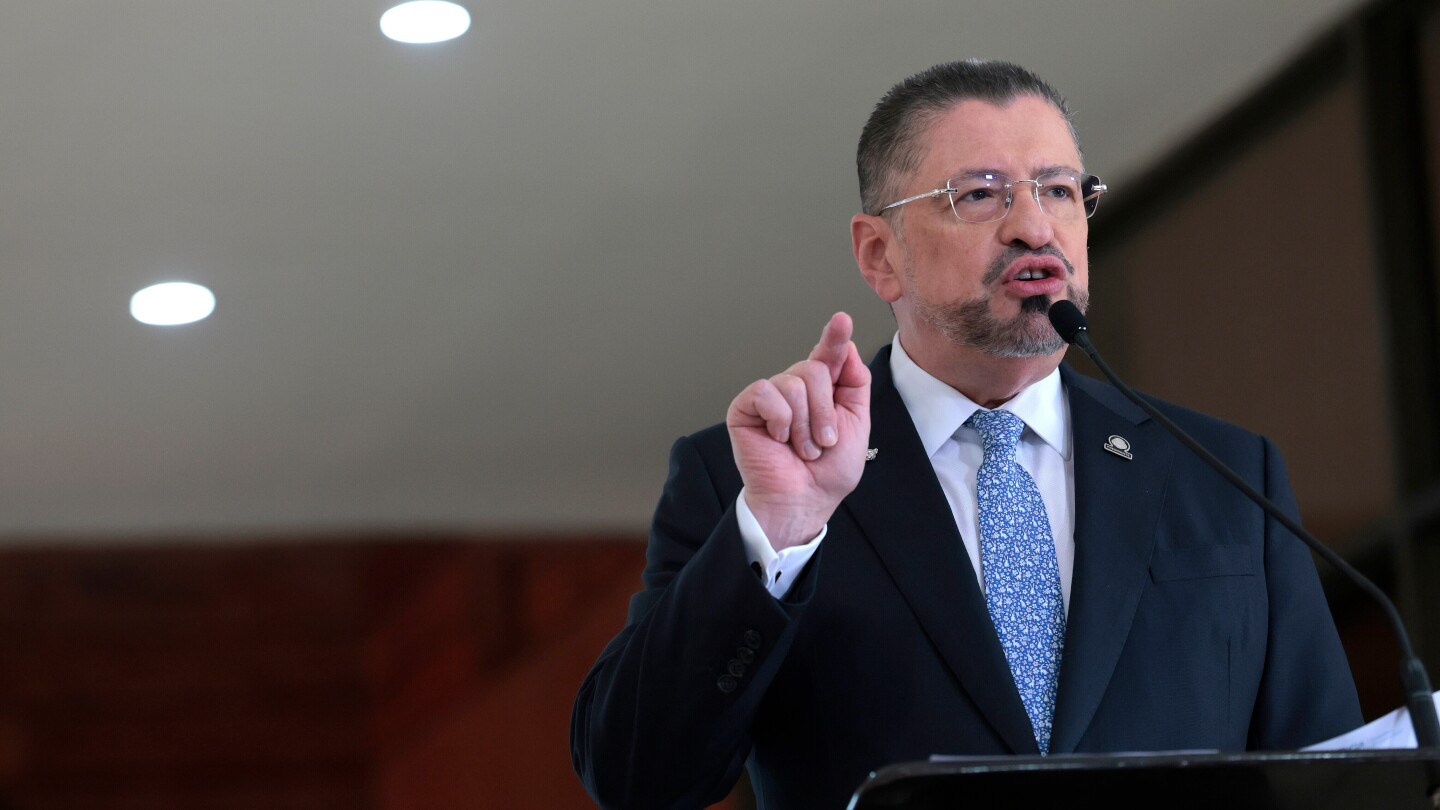
Costa Rica’s president limits abortion to life-threatening cases
In a significant policy shift, Costa Rica’s President Rodrigo Chaves has further restricted access to abortion, limiting it strictly to situations where the mother’s life is in imminent danger. The decision, announced on Wednesday, eliminates the previous allowance for abortions when a pregnancy posed a threat to the mother’s health. This change was implemented through the Health Ministry without requiring legislative approval, fulfilling a promise Chaves made to religious conservatives at the Evangelical Alliance earlier this month. During a press conference, Chaves emphasized that abortion is now permissible only when there is a direct choice between the mother’s life and the life of the fetus. This move aligns Costa Rica with other Central American nations like Honduras, El Salvador, and Nicaragua, which maintain stringent abortion bans, while Guatemala permits abortion only when the mother’s life is at risk. The Evangelical Alliance praised the decision, with its president, Pastor Ronald Vargas, calling it a step toward recognizing the universal value of human life. However, critics argue that the policy change is politically motivated, aimed at appealing to conservative voters ahead of next year’s presidential elections. Laura Valenciano, a human rights advocate with the NGO Citizen Association ACCEDER, criticized the move, stating that it disproportionately burdens women and undermines their rights. Costa Rica has historically banned most abortions, with limited exceptions that were only vaguely defined until a 2019 regulation clarified that abortions could be performed if the mother’s health was at risk. Valenciano noted that she is unaware of any abortions carried out under this exception during Chaves’ presidency and called for transparency regarding the data. Chaves, who faced allegations of sexual harassment during his tenure at the World Bank, has consistently denied the accusations. His presidency has been marked by controversy, and this latest decision has reignited debates over women’s rights and political motivations in Costa Rica.
-
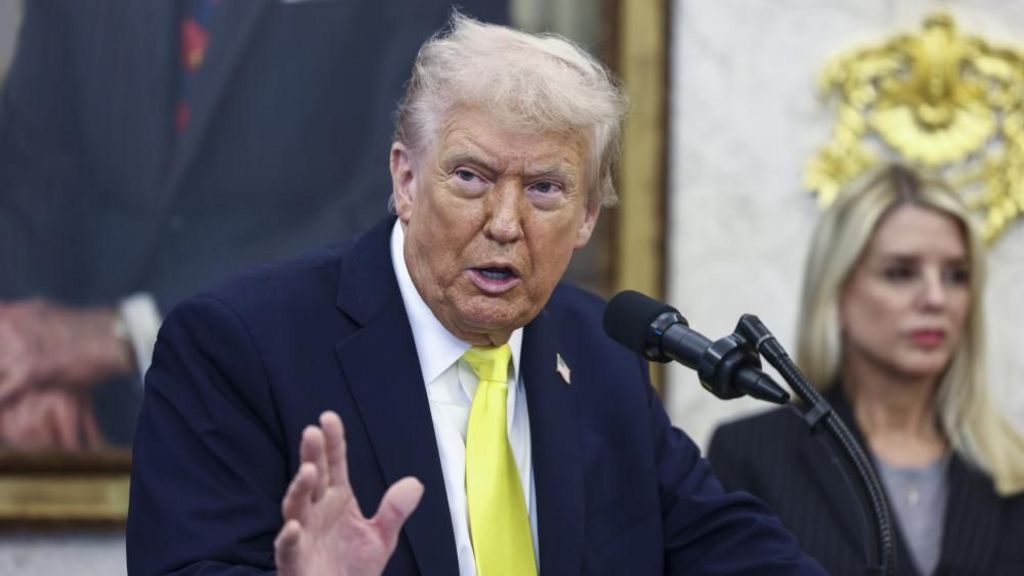
Trump says he authorised CIA in Venezuela as Maduro says ‘no to regime change’
In a significant development, U.S. President Donald Trump has publicly acknowledged authorizing the CIA to conduct covert operations in Venezuela, a move that has sparked widespread condemnation from Venezuelan leaders. This revelation comes amidst heightened tensions following a series of U.S. military strikes targeting suspected drug-trafficking vessels in the Caribbean, which have resulted in multiple casualties.
-
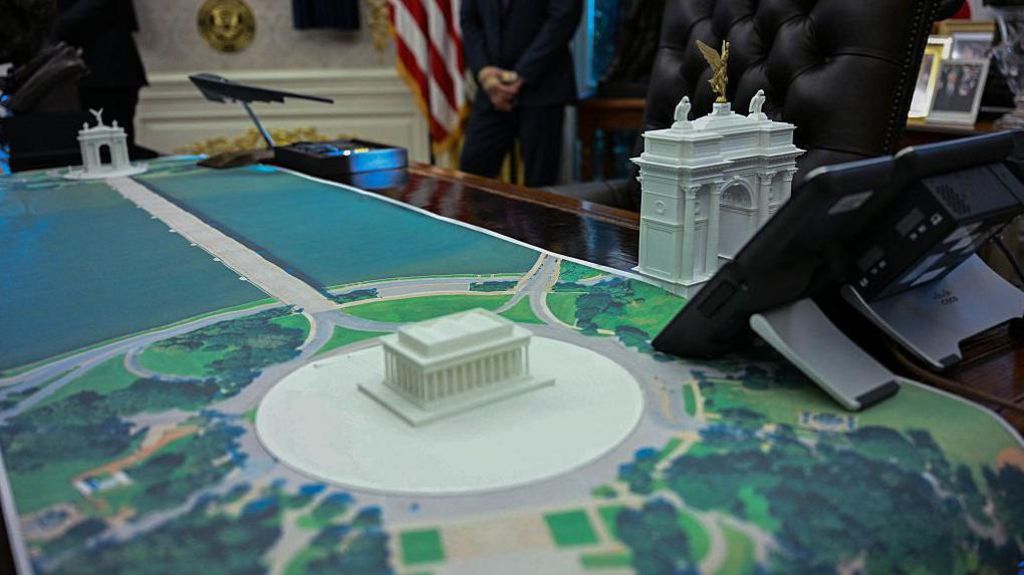
What we know about White House plans for an ‘Arc de Trump’
In a bold move to leave his mark on the nation’s capital, former US President Donald Trump has unveiled plans for a triumphal arch in Washington DC. Dubbed the ‘Arc de Trump,’ the monument is envisioned to stand opposite the Lincoln Memorial, commemorating the United States’ 250th anniversary next year. The project, reportedly funded by Trump’s supporters, aims to emulate the grandeur of the Arc de Triomphe in Paris, welcoming visitors as they cross the Memorial Bridge from Arlington National Cemetery. Trump showcased renderings of the arch during a recent Oval Office meeting, teasing three versions—small, medium, and large—with a preference for the largest design. The arch is part of a broader vision to transform the capital, which includes a $250 million ballroom, a gilded White House makeover, and the clearing of homeless encampments. While the exact cost and timeline remain unclear, Trump assured that the ballroom project is fully financed, with surplus funds allocated to the arch. Critics have labeled his White House renovations as a ‘Gilded Rococo Nightmare,’ but Trump continues to showcase his changes to world leaders and lawmakers, reflecting the aesthetic of his Mar-a-Lago estate. The proposal has sparked debate, with some questioning its necessity and others seeing it as a symbol of Trump’s enduring influence on American politics.
-
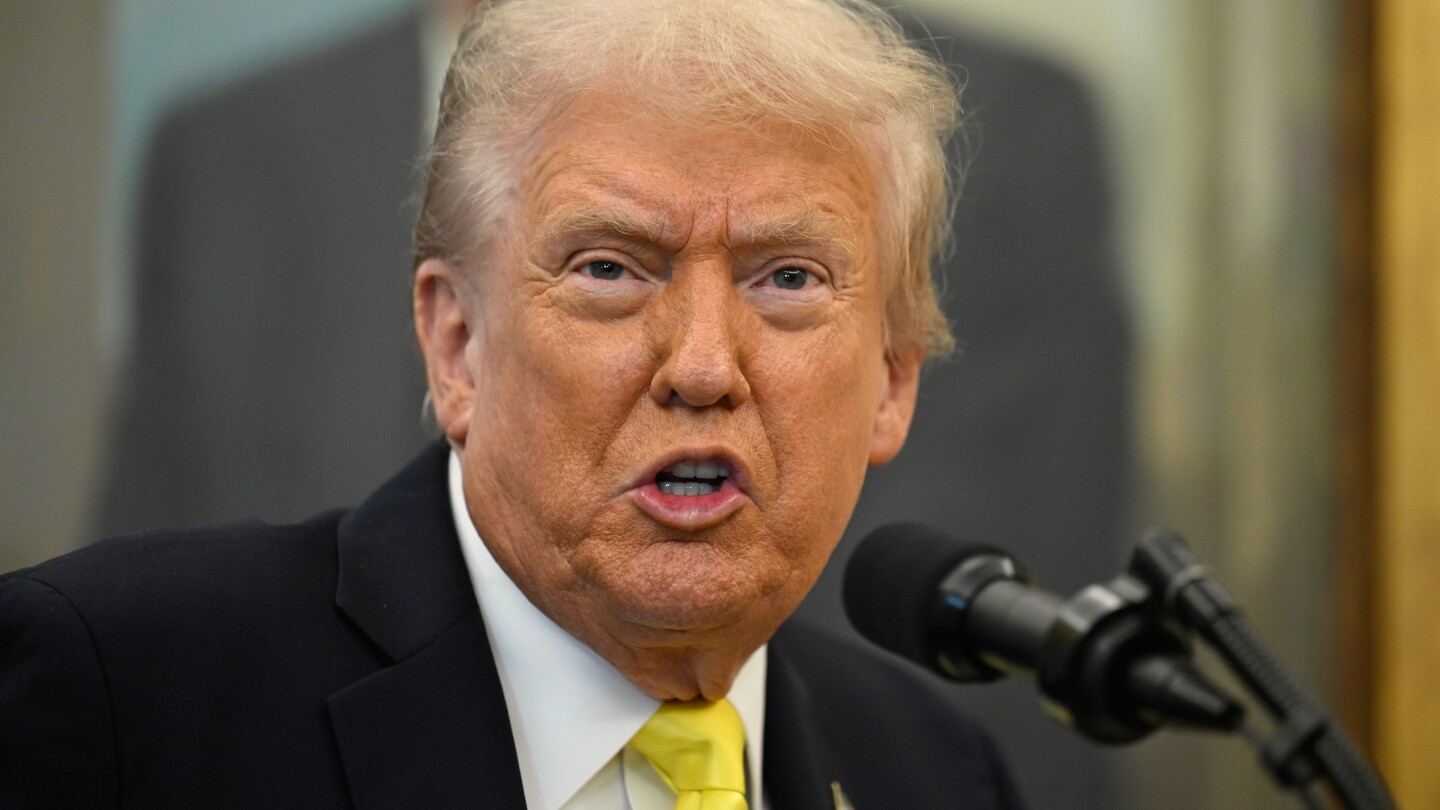
Trump confirms the CIA is conducting covert operations inside Venezuela
In a significant development, President Donald Trump confirmed on Wednesday that he has authorized the Central Intelligence Agency (CIA) to conduct covert operations within Venezuela. The announcement came during an Oval Office event, where Trump also hinted at the possibility of land operations in the region. This revelation follows a series of U.S. military strikes targeting alleged drug-smuggling boats in the Caribbean, which have resulted in the destruction of at least five vessels and the deaths of 27 individuals since early September. Four of these boats reportedly originated from Venezuela.
-
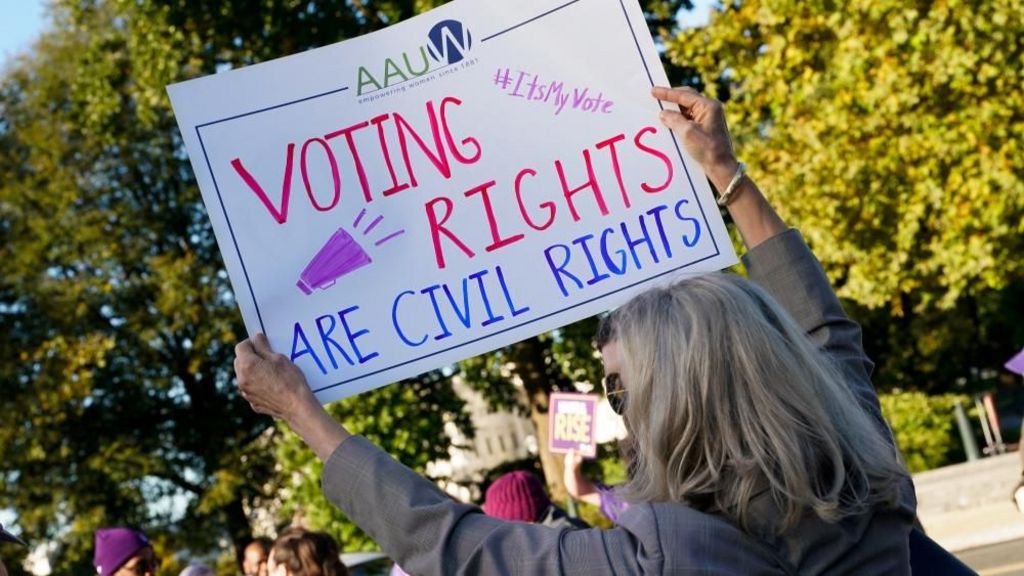
Supreme Court weighs ‘earthquake’ ruling that could reshape political map
The U.S. Supreme Court heard oral arguments on Wednesday in a landmark case that could significantly alter the electoral landscape of the American South. The case challenges a key provision of the 1965 Voting Rights Act, which was enacted to safeguard the voting rights of Black Americans against state-level discrimination. The session, initially slated for an hour, extended well beyond as the justices rigorously questioned the attorneys involved. The outcome could lead to a substantial reinterpretation of the law, potentially redrawing congressional districts across the South and shifting more than a dozen seats from Democratic to Republican control. This could provide President Donald Trump’s Republican Party with a decisive advantage in the upcoming midterm elections, given the current narrow partisan divide in the U.S. House of Representatives. The case originated from a lawsuit by Black voters in Louisiana, who sought to compel the state to create a second majority-Black congressional district to better reflect the state’s demographic composition. Section 2 of the Voting Rights Act prohibits states from denying or limiting voting rights based on race, color, or language. Over the years, the Supreme Court has interpreted this provision to require states to create ‘opportunity districts’ that allow minority populations to elect legislators in proportion to their share of the state’s population. Louisiana’s population is approximately 31% Black, yet only one of its six congressional districts has a Black majority. The conservative majority on the court has indicated a willingness to reconsider whether Section 2 violates the U.S. Constitution by mandating that states consider race when drawing congressional districts. Louisiana’s Republican officials, initially defending their state’s legislative map as compliant with the Voting Rights Act, have now asked the court to eliminate the law’s Black-district requirements entirely. The Trump administration has joined the case to make a similar request. Janai Nelson, representing the original group of Black Louisiana voters, warned that abandoning Voting Rights Act protections would be ‘pretty catastrophic,’ emphasizing the law’s role in diversifying leadership and ensuring minority voters have an equal opportunity to participate in the electoral process. Louisiana’s Solicitor General, J Benjamin Aguiñaga, countered that explicitly considering race when drawing legislative lines constitutes unacceptable discrimination, arguing that the Constitution does not tolerate government-mandated racial balancing. The Supreme Court is not expected to issue its decision for several months, but the oral arguments suggest a majority may favor discarding or significantly paring back the current Voting Rights Act requirements. Justice Brett Kavanaugh, a potential swing vote, expressed concerns about the duration of the law’s minority-district requirements. Chief Justice John Roberts, who authored a 2013 ruling striking down a separate provision of the Voting Rights Act, is also seen as a decisive vote in this case. The court’s decision could mark a significant shift in American political dynamics, potentially leading to a rush to redraw congressional lines and cement a House of Representatives majority.
-
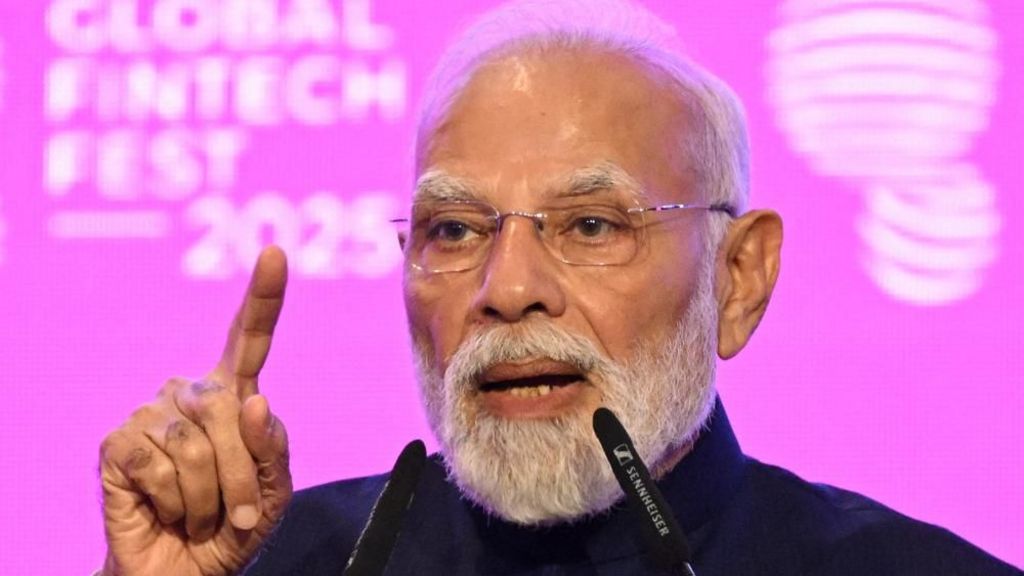
Trump says Modi has agreed to stop buying Russian oil
In a significant diplomatic development, former US President Donald Trump has asserted that Indian Prime Minister Narendra Modi has pledged to halt India’s purchases of Russian oil. This announcement comes as the US intensifies efforts to economically isolate Russia and curtail its funding for the ongoing conflict in Ukraine. Trump revealed that Modi assured him India would cease its oil imports from Russia “within a short period of time,” describing the move as “a big stop.” However, the Indian embassy in Washington DC has refrained from commenting on the matter. The US has been leveraging India’s reliance on Russian oil in its broader trade strategy, but New Delhi has consistently resisted, leading to diplomatic tensions. Russia’s oil and gas exports, primarily to China, India, and Turkey, are crucial to its economy. Trump also expressed his intention to persuade China to follow suit, emphasizing a global effort to disrupt Moscow’s energy revenue streams. He acknowledged that India’s transition away from Russian oil would be gradual but assured that the process would conclude swiftly. The Trump administration has imposed steep tariffs on Indian goods, including a 25% penalty for transactions with Russia, as part of its strategy to pressure New Delhi. Despite these measures, Modi has maintained India’s neutrality in the Russia-Ukraine conflict, citing the nation’s economic reliance on discounted Russian crude. The ongoing dispute has strained US-India relations, though Trump recently praised Modi as a “great man,” and both leaders have noted progress in trade negotiations.
-
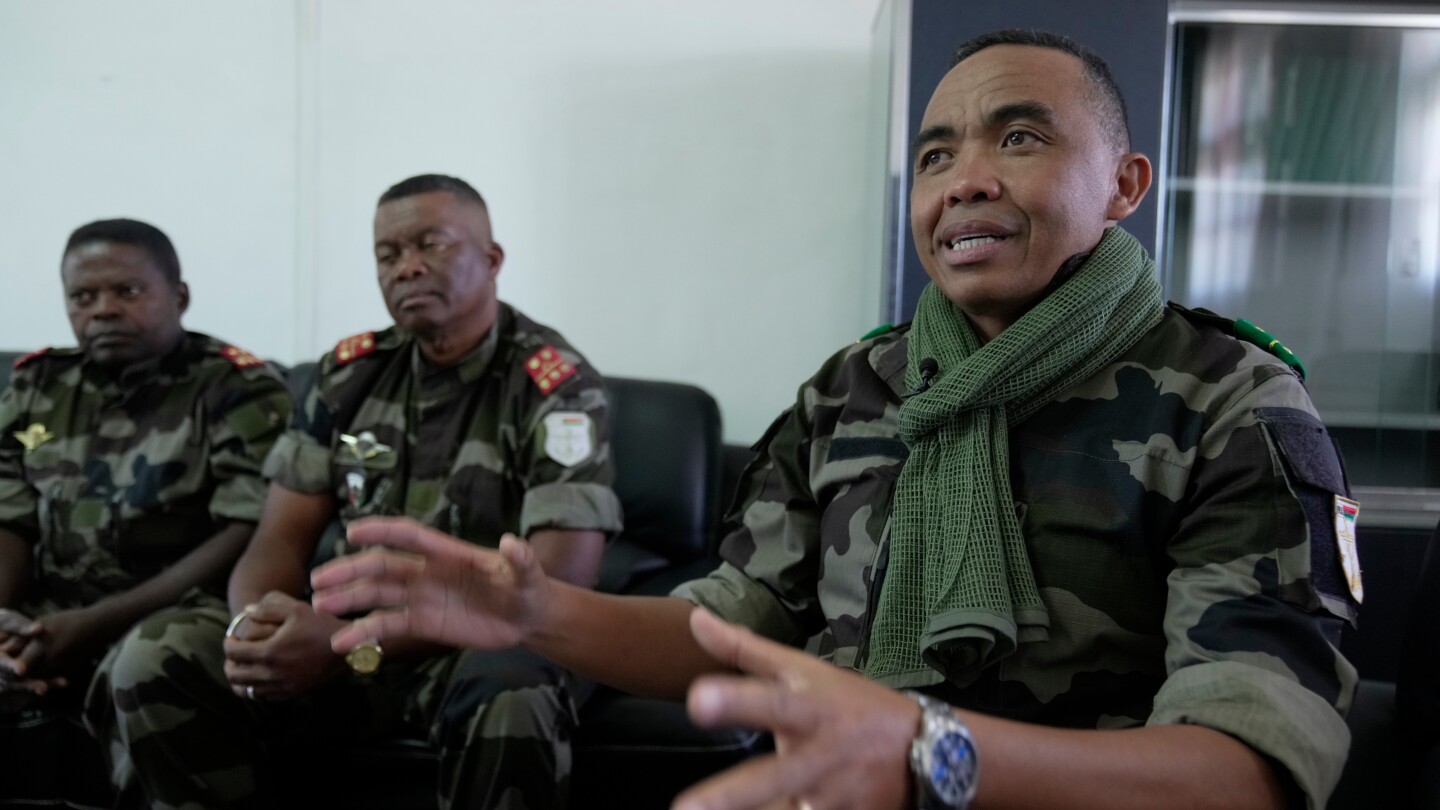
‘You’ve been calling a lot!’: How 2 AP reporters landed an interview with Madagascar’s coup leader
In a dramatic turn of events, Madagascar witnessed a military coup led by Col. Michael Randrianirina, who toppled President Andry Rajoelina following weeks of widespread protests. The unrest, driven by issues such as water and power shortages, soaring living costs, and pervasive poverty, culminated in the ousting of the president. Randrianirina, head of the elite CAPSAT military unit, confirmed his intention to assume the presidency in an exclusive interview with The Associated Press (AP). The interview, conducted shortly after the coup, revealed his plans to be sworn in as the nation’s new leader within days. The AP’s coverage of the coup began with a chance encounter between Randrianirina and AP photographer Brian Inganga during an anti-government protest in the capital, Antananarivo. Inganga’s persistence in securing the interview provided a rare glimpse into the inner workings of the coup. The interview took place at the CAPSAT barracks, where Randrianirina, surrounded by his officers, outlined his vision for Madagascar’s future. Despite the tense atmosphere, the colonel maintained a calm demeanor, assuring the journalists of his intentions to stabilize the country. This coup marks a significant shift in Madagascar’s political landscape, raising questions about the nation’s future stability and governance.
-
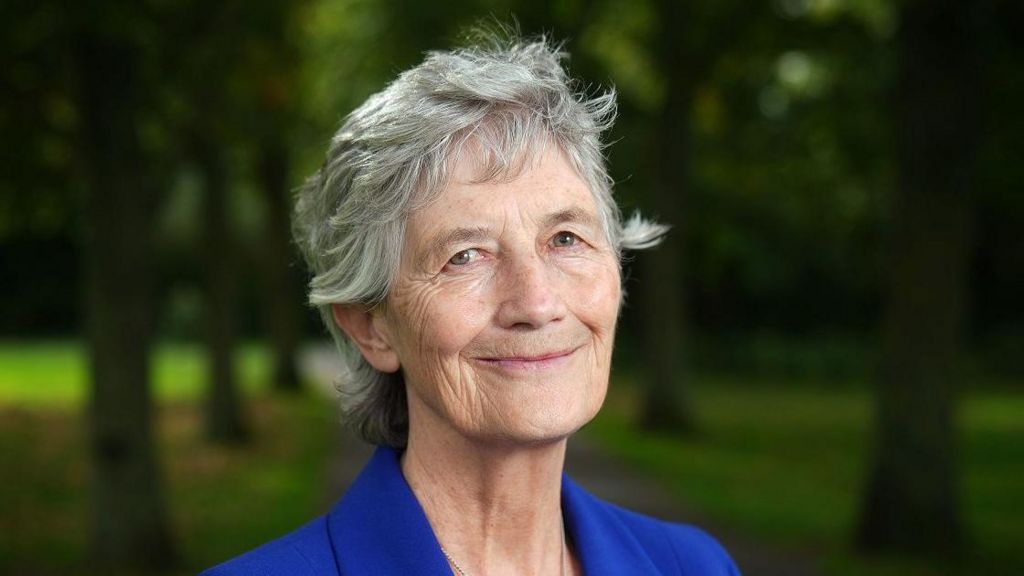
Irish presidential candidate concerned by EU ‘militarisation’
Independent Irish presidential candidate Catherine Connolly has voiced her concerns over the European Union’s increasing militarization, describing it as a persistent worry. Speaking on RTE’s Katie Hannon Interview Live, Connolly emphasized her unease as a woman and mother, criticizing the trend of nations allocating more resources to arms while reducing welfare spending. She also clarified that her campaign’s focus on an Irish border poll was not a concession to secure Sinn Féin’s political support. Connolly highlighted her longstanding advocacy for allowing Northern Ireland residents to vote in Irish presidential elections, noting growing public support for this initiative. Addressing controversy over her hiring of a former Éirígí member with a criminal record, Connolly defended her decision, citing the individual’s strong recommendations and her belief in rehabilitation. She also justified her 2018 trip to Syria, funded by the Parliamentary Activities Allowance, as a fact-finding mission, denying any association with pro-Assad militias. Connolly reiterated her commitment to serving only one term if elected, pledging to dedicate her energy fully to the presidency. She also expressed support for greater transparency in the office of the presidency, subjecting all expenses to Public Accounts Committee scrutiny. When asked about her husband’s potential public role, Connolly left the decision to him.