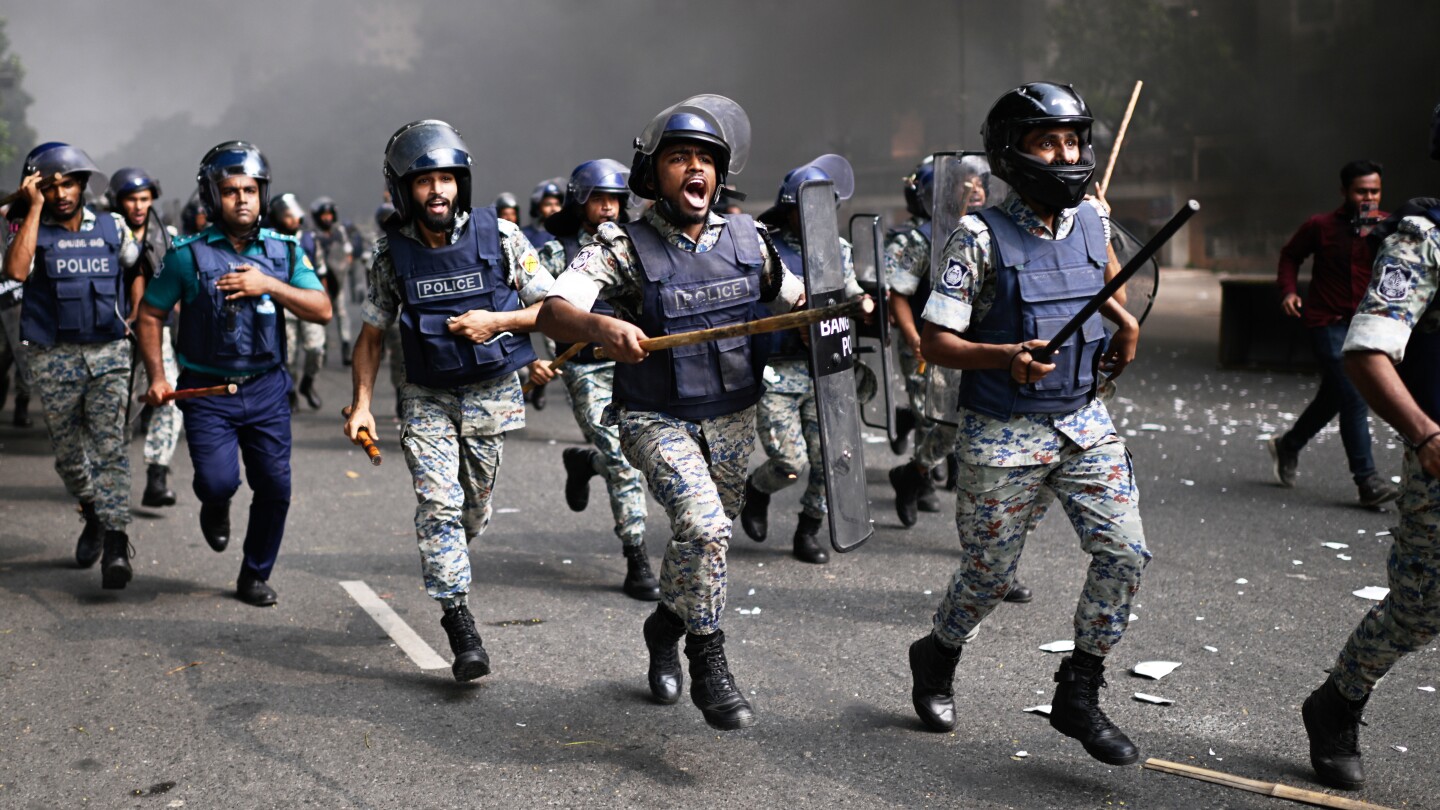
In a significant development in Bangladesh’s political landscape, major political parties endorsed a roadmap for political reforms proposed by the interim government on Friday. However, the signing ceremony was marred by violent clashes between police and protesters demanding greater recognition for activists who played a pivotal role in ousting former Prime Minister Sheikh Hasina in August 2024. The protests, centered outside the national Parliament building in Dhaka, saw police deploying tear gas, stun grenades, and batons to disperse demonstrators, resulting in injuries and property damage. The protesters, identifying themselves as part of the 2024 movement that ended Hasina’s 15-year autocratic rule, sought additional welfare guarantees and program provisions for movement participants. The interim government, led by Nobel Peace Prize laureate Muhammad Yunus, facilitated the signing of the ‘July National Charter,’ a nonbinding document aimed at introducing constitutional and legal reforms. The charter proposes measures to enhance checks and balances, impose term limits on legislators, and combat corruption and conflicts of interest. Notably, the Awami League, Hasina’s former party, was excluded from the process, raising questions about the inclusivity of the upcoming February elections. While the Bangladesh Nationalist Party and several other parties signed the charter, some left-wing and student-led groups abstained. Yunus hailed the signings as a step toward a ‘civilized society,’ but concerns persist over the exclusion of key political factions and the broader implications for Bangladesh’s democratic transition.
分类: politics
-
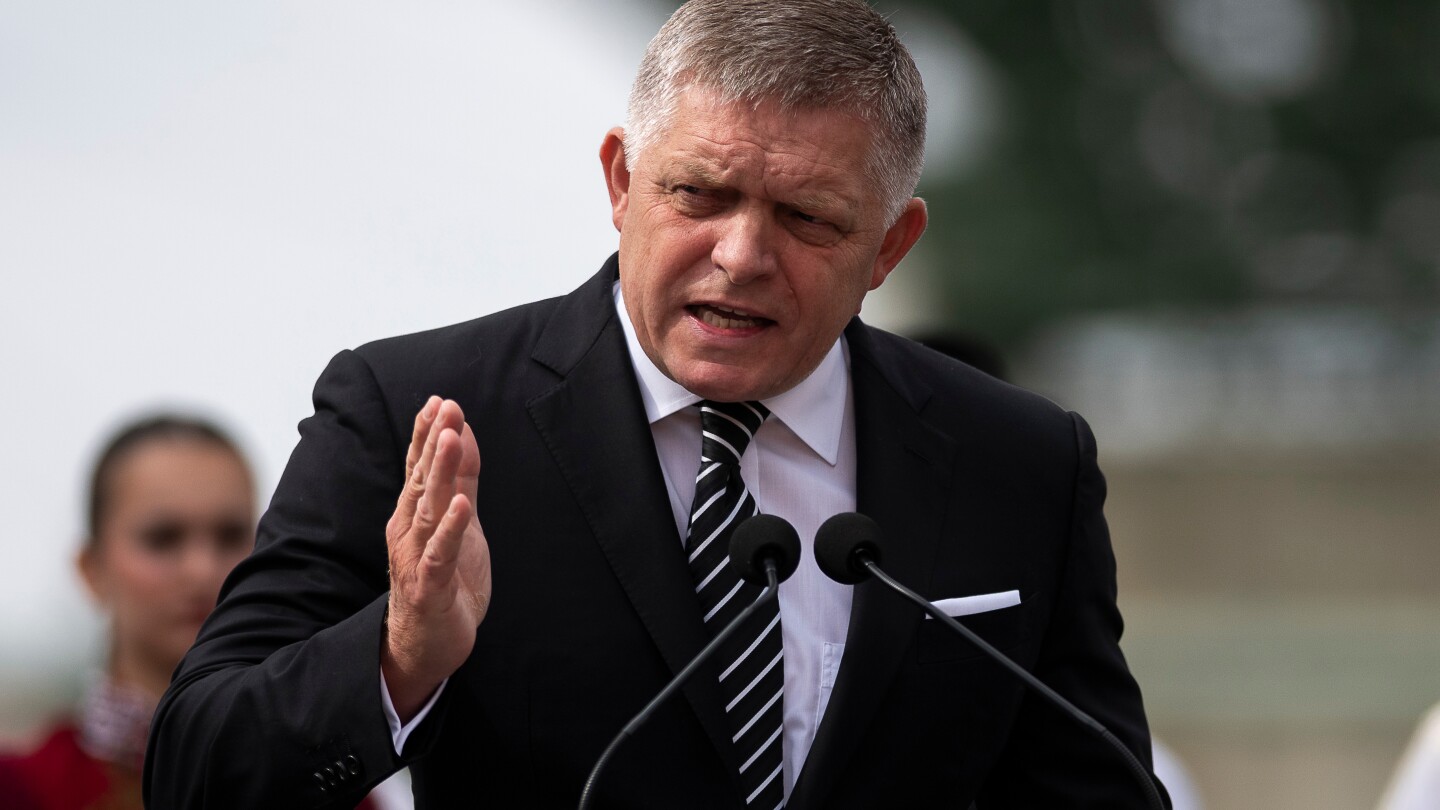
Europe’s main center-left political family expels Slovak leader’s party for breaching its values
In a decisive move, the Party of European Socialists (PES) has expelled Slovak Prime Minister Robert Fico’s Smer party from its ranks. The unanimous decision, made during a congress in Amsterdam, underscores the growing rift between Fico’s pro-Russian policies and the core values of the European center-left political family. PES Secretary-General Giacomo Filibeck emphasized that Smer’s recent political positions “severely and deeply contradict the values and principles our family stands for.” This expulsion sends a clear message: alignment with PES requires adherence to shared democratic principles. Fico, a controversial figure both domestically and internationally, has long been criticized for his pro-Russian stance. In May, he defied EU calls for a boycott by attending Moscow’s 80th anniversary celebrations of Nazi Germany’s defeat in World War II. His return to power in 2003 was marked by a pro-Russia and anti-American platform, and his government has consistently challenged EU policies on Ukraine, even delaying the latest package of sanctions against Russia.
-
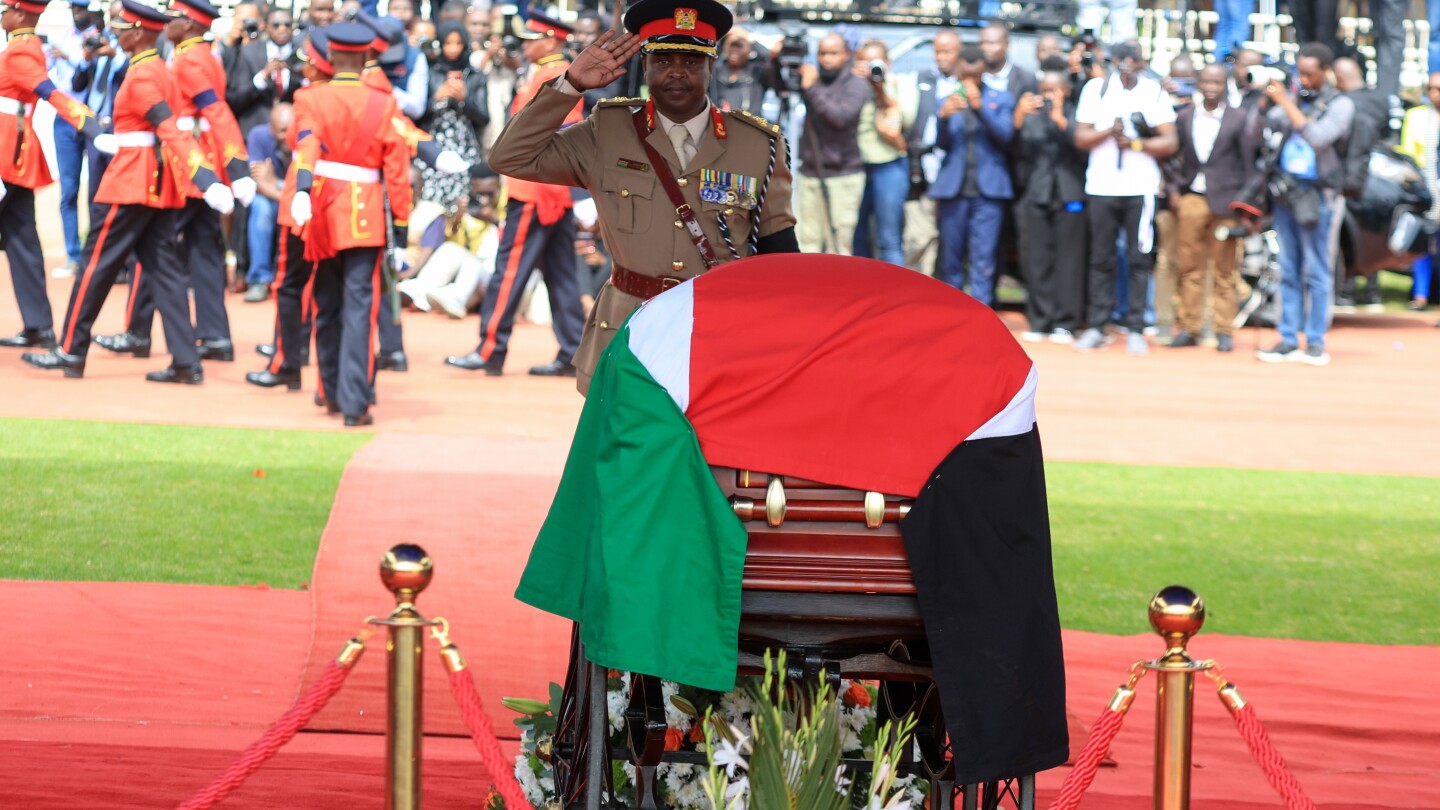
Kenyans bid farewell to statesman and democracy activist Raila Odinga at state funeral
NAIROBI, Kenya — Thousands of mourners, including African heads of state and dignitaries, gathered in Nairobi on Friday to honor the life and legacy of Raila Odinga, Kenya’s former Prime Minister and a towering figure in the nation’s democratic journey. Odinga, who passed away at the age of 80 in India earlier this week, was celebrated for his unwavering commitment to political reform and national unity. His casket, draped in the Kenyan flag, was the centerpiece of an emotional Anglican Church service held at a packed soccer stadium, where attendees chanted his name and displayed portraits of the revered leader. The ceremony was marked by traditional symbols of peace, such as twigs, and underscored by heavy security following a tragic incident during Thursday’s public viewing, which claimed three lives. Odinga’s body had earlier lain in state at Parliament, a rare honor typically reserved for presidents, reflecting his profound impact on Kenya’s political landscape. Despite never securing the presidency in his five attempts over three decades, Odinga’s activism was instrumental in transforming Kenya into a vibrant multiparty democracy. President William Ruto, who once campaigned for Odinga in 2007 and later became his political rival, praised the late leader for his selflessness and pivotal role in shaping Kenya’s laws. The two leaders had recently reconciled after months of anti-government protests, leading to opposition members being appointed to cabinet positions. Anglican Bishop David Kodia, who presided over the service, urged leaders to emulate Odinga’s integrity and reject corruption. Political analyst Herman Manyora highlighted Odinga’s legacy, stating, “You can’t point at a man more willing to sacrifice everything just for the sake of his people.” Odinga’s family, including his wife Ida and children Winnie, Rosemary, and Raila Junior, were among the mourners. Winnie, who was with him in India, shared that her father passed away “strong, with dignity and pride,” while Junior vowed to uphold the family’s legacy. The ceremony concluded with President Ruto leading the crowd in singing Odinga’s favorite song, “Jamaica Farewell,” a fitting tribute to a man who dedicated his life to Kenya’s progress.
-
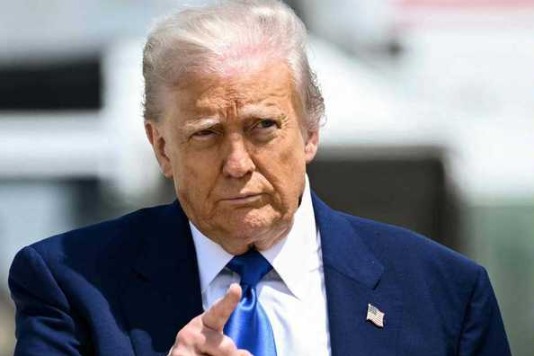
President approves CIA action in Venezuela
In a significant escalation of tensions between the United States and Venezuela, President Donald Trump announced on Wednesday that he has authorized the Central Intelligence Agency (CIA) to conduct covert operations in Venezuela. The decision, which has drawn sharp criticism from Venezuelan President Nicolas Maduro, marks a new chapter in the fraught relationship between the two nations. Speaking at the White House, Trump accused Venezuela of releasing prisoners and mental patients to cross into the United States illegally, as well as facilitating large-scale drug smuggling operations. However, he provided no concrete evidence to support these claims. When questioned about whether the CIA had been authorized to target Maduro, Trump evaded a direct response, stating only that ‘Venezuela is feeling the heat.’ He also hinted at potential land-based military strikes, emphasizing that the U.S. already has ‘the sea very well under control.’ Maduro swiftly condemned the move, labeling it a ‘CIA-orchestrated coup d’etat.’ According to The New York Times, the new authorization permits the CIA to carry out lethal missions in Venezuela and the Caribbean, while coordinating with broader U.S. military operations in the region. The Trump administration has reportedly made it clear, albeit privately, that the ultimate objective is to remove Maduro from power. Currently, approximately 10,000 U.S. troops, eight warships, and one submarine are deployed in the Caribbean, primarily based in Puerto Rico. Since September, the U.S. has conducted five strikes targeting alleged drug-trafficking boats near Venezuela, resulting in 27 fatalities. Earlier this month, the White House informed Congress that the U.S. is engaged in a ‘non-international armed conflict’ with drug cartels designated as terrorist groups, though it did not specify which organizations. A 2020 report from the U.S. Drug Enforcement Administration indicated that while some cocaine passes through Venezuela, the country is not a primary source of U.S.-bound drugs. Maduro has repeatedly denounced Washington’s actions, accusing the U.S. of seeking to seize Venezuela’s oil resources. Historically, the CIA has been involved in numerous coups and covert operations across Latin America. Venezuela’s government has condemned Trump’s remarks as a violation of international law and plans to raise the issue with the United Nations Security Council and Secretary-General, demanding accountability from the U.S. government.
-
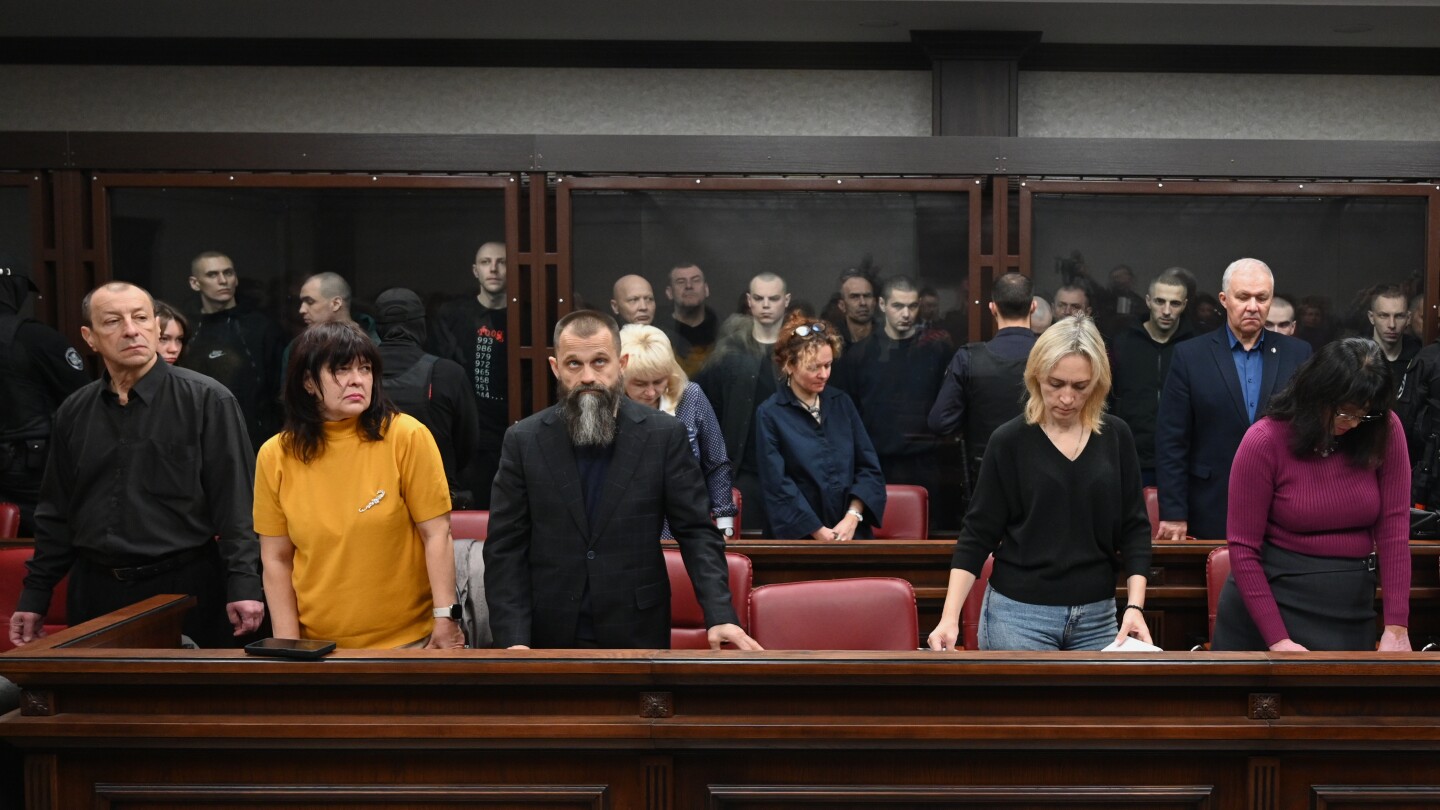
Russia convicts 15 captured Ukrainian soldiers on terrorism charges
A military court in Rostov-on-Don, southern Russia, has convicted 15 Ukrainian soldiers from the Aidar battalion on terrorism charges, sentencing them to prison terms ranging from 15 to 21 years. The trial, which concluded on Friday, has been condemned by Kyiv as a sham and a blatant violation of international law. This marks the second mass trial of Ukrainian prisoners of war since March, when 23 members of the elite Azov brigade were similarly convicted. Both the Azov and Aidar battalions have been designated as terrorist organizations by Russia, which accuses them of war crimes. These volunteer units were formed following Russia’s 2014 annexation of Crimea and played a significant role in combating Russia-backed separatists in eastern Ukraine. Ukraine’s human rights envoy, Dmytro Lubinets, denounced the trial as “shameful,” asserting that Russia is criminalizing those who defended their homeland. Memorial, a prominent Russian human rights group, has labeled the defendants as political prisoners, arguing that the trial contravenes international conventions protecting prisoners of war. The group emphasized that the Geneva Convention prohibits prosecuting POWs solely for their participation in armed conflict. The trial, held behind closed doors for the most part, initially involved 18 members of the Aidar battalion. Two nurses were returned to Ukraine in a prisoner swap, while proceedings against a driver are set to be held separately. The verdict has sparked international concern, with critics accusing Russia of using the judicial system to legitimize its actions against Ukrainian defenders.
-
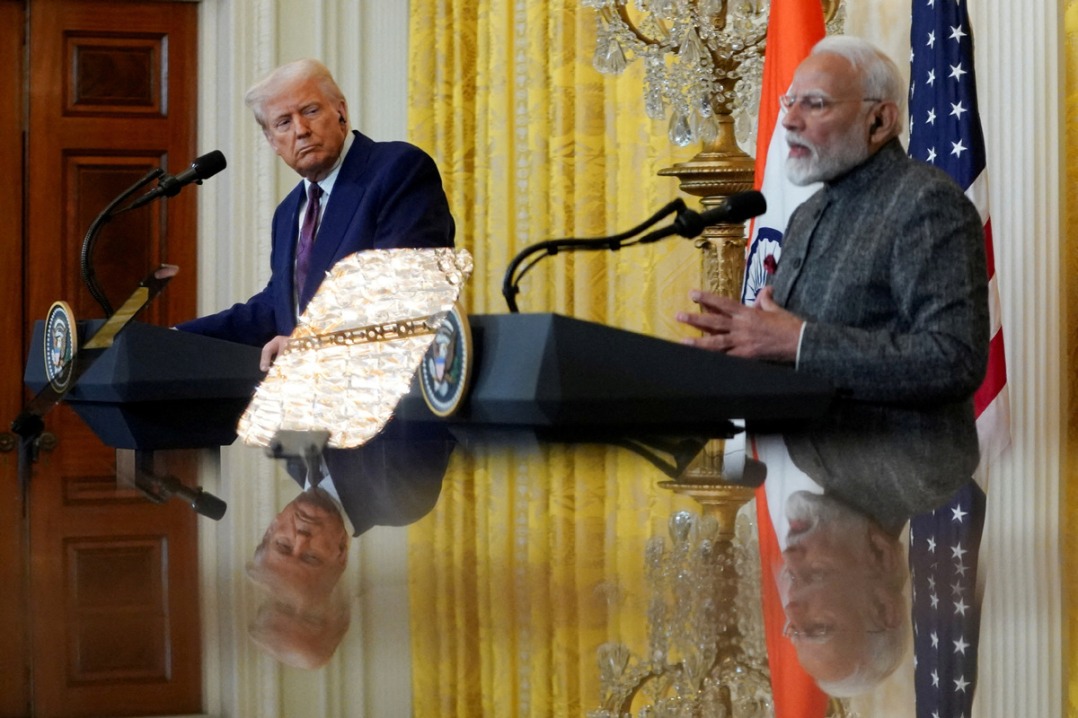
Trump says Modi pledges to stop buying Russian oil
In a significant diplomatic development, US President Donald Trump revealed that Indian Prime Minister Narendra Modi has pledged to cease purchasing oil from Russia. This announcement comes as the US intensifies its efforts to curb Moscow’s energy revenues and pressure Russia into negotiating a peace deal in Ukraine. Trump, who has recently imposed tariffs on Indian exports to discourage its Russian oil imports, shared the news during a White House event, stating, ‘I was not happy that India was buying oil, and he (Modi) assured me today that they will not be buying oil from Russia.’ The Indian embassy in Washington has yet to confirm Modi’s commitment, while India’s foreign ministry emphasized its focus on safeguarding consumer interests in a volatile energy market. India, which sources one-third of its oil imports from Russia, has expressed willingness to increase purchases of US oil and gas if prices are competitive. Meanwhile, Kremlin spokesman Dmitry Peskov defended Russia’s ability to supply affordable, high-quality oil, warning that restricting trade would violate free market principles.
-
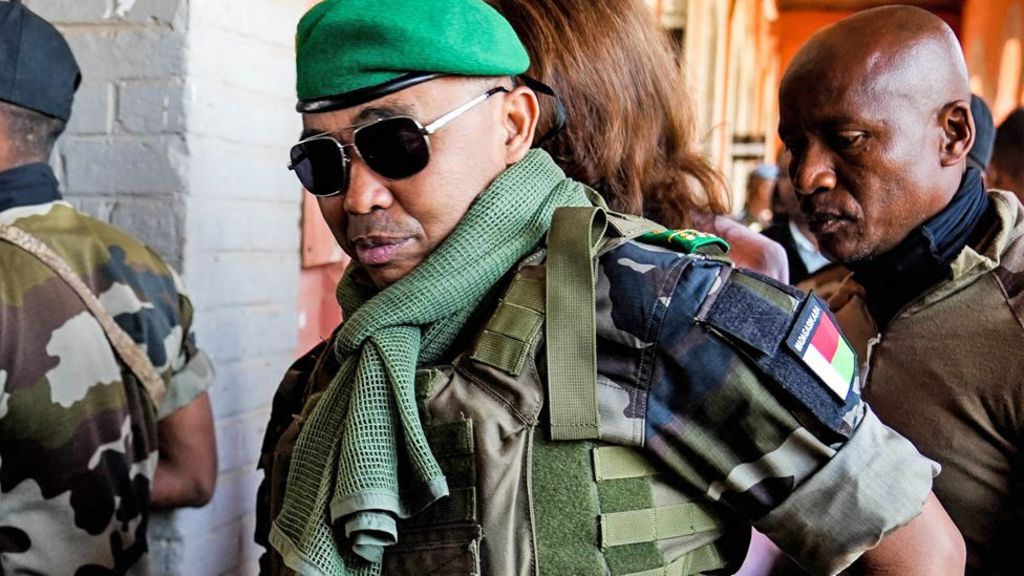
Madagascar military leader sworn in as president after youth-led protests
Colonel Michael Randrianirina has officially assumed the role of Madagascar’s new president following a military takeover in the Indian Ocean nation. The swearing-in ceremony, held at the Constitutional Court in Antananarivo, marked the beginning of a transitional period fraught with political and legal challenges. Randrianirina succeeds Andry Rajoelina, who fled the country after being impeached amid widespread youth-led protests demanding greater government accountability. In his inaugural address, Randrianirina pledged to establish a new government and organize elections within two years. He emphasized the need for electoral commission reforms and a thorough review of the voters’ roll as prerequisites for credible elections. While the nation faces uncertainty, there is cautious optimism about Randrianirina’s leadership. The ceremony drew a significant crowd, including protest leaders who played a pivotal role in the recent upheaval. This transition marks a critical juncture for Madagascar as it navigates the path toward stability and democratic governance.
-
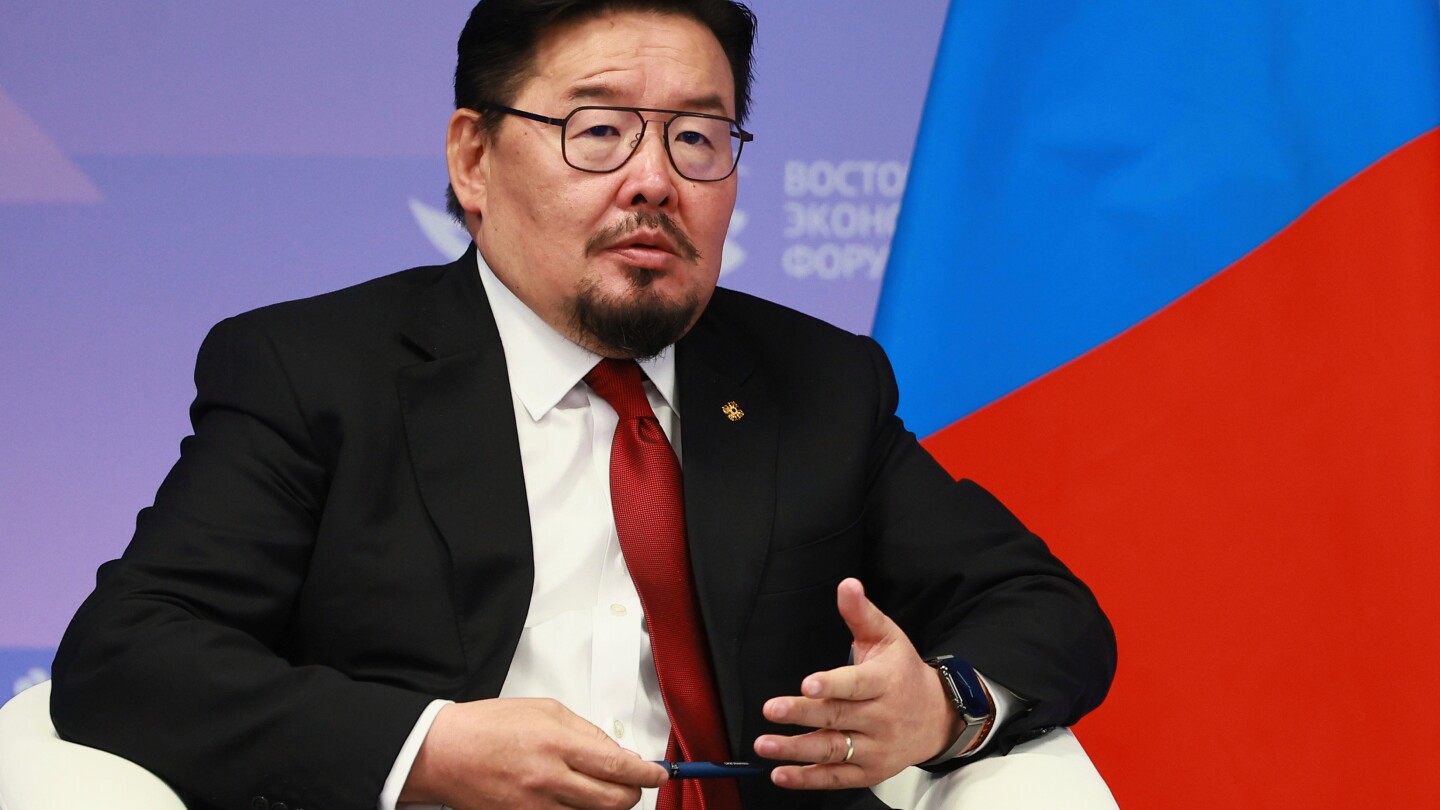
Mongolia’s leader ousted after 4 months in ruling party feud
In a dramatic turn of events, Mongolia’s parliament has voted to remove Prime Minister Zandanshatar Gombojav from office, marking a significant escalation in the internal power struggle within the ruling Mongolian People’s Party. The decision, made on Friday, followed the passage of a contentious resolution that effectively dismissed the prime minister. This political upheaval comes at a critical juncture, as the country grapples with unresolved budget issues for the upcoming year, including demands for salary increases from teachers and medical professionals. The conflict within the party intensified after Zandanshatar lost a leadership election to Amarbayasgalan Dashzegve, the speaker of parliament and his chief rival. Zandanshatar’s supporters have accused Amarbayasgalan of corruption in the coal mining industry, prompting a government investigation. Despite a parliamentary committee initially voting against his dismissal, the full parliament ultimately supported the resolution, with lawmakers who abstained being counted as ‘no’ votes. The prime minister’s fate was sealed when a clear majority of ‘no’ votes emerged. The political instability has raised concerns about the future of Mongolia’s governance and its ability to address pressing economic and social challenges.
-
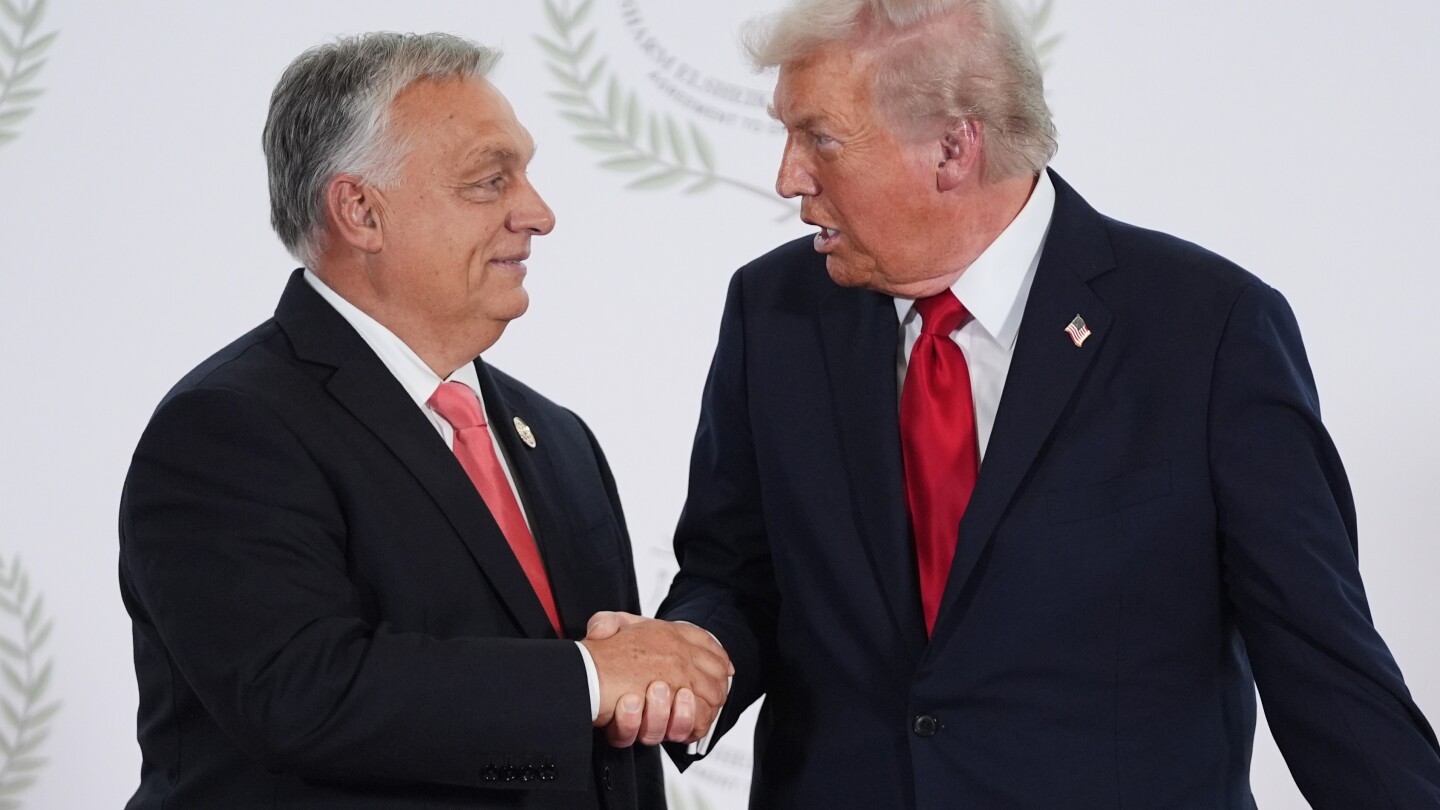
Orbán celebrates Hungary as ‘the only place in Europe’ where a Trump-Putin meeting can be held
Hungary’s Prime Minister Viktor Orbán has lauded Budapest’s selection as the host city for upcoming talks between U.S. President Donald Trump and Russian President Vladimir Putin, aimed at addressing the ongoing conflict in Ukraine. The meeting, announced by Trump on Thursday, follows his recent discussions with Ukrainian President Volodymyr Zelenskyy at the White House. While a specific date remains unconfirmed, Trump indicated the talks would occur in Budapest within approximately two weeks. Orbán, a staunch ally of both Trump and Putin, emphasized Hungary’s unique position as a pro-peace nation in Europe, attributing Budapest’s selection to his government’s consistent opposition to Western military and financial aid to Ukraine. Since Russia’s full-scale invasion in February 2022, Hungary has refused to supply weapons to Ukraine or allow their transit across its borders, while also obstructing EU sanctions against Moscow and delaying funding packages to Kyiv. Orbán’s critics argue that Hungary’s stance undermines European unity and favors Russian aggression. The Budapest meeting holds symbolic significance, as the city was the site of the 1994 Budapest Memorandum, where Ukraine relinquished its nuclear weapons in exchange for security assurances—a pact later violated by Russia. Orbán framed the upcoming talks as a diplomatic milestone for Hungary, despite their focus on Ukraine. However, Hungary’s role as host raises questions about its commitment to international law, given its status as a signatory to the International Criminal Court, which has issued an arrest warrant for Putin over alleged war crimes. Orbán previously signaled Hungary’s intent to withdraw from the ICC following a similar controversy involving Israeli Prime Minister Benjamin Netanyahu.
-
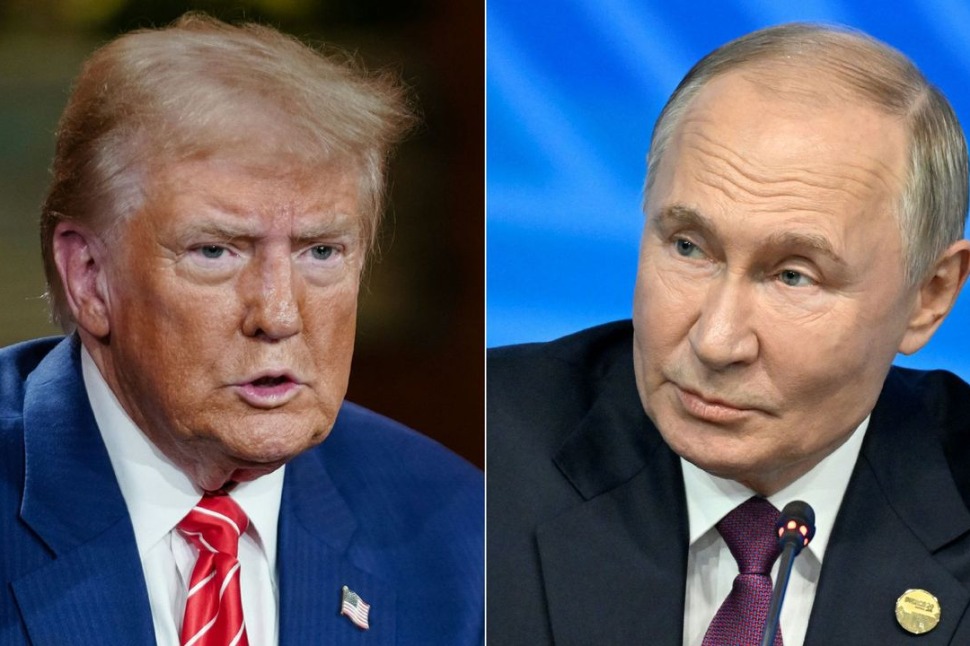
Trump says to meet Putin in Hungary
In a significant diplomatic move, former U.S. President Donald Trump announced plans to meet Russian President Vladimir Putin in Budapest, Hungary, to discuss potential resolutions to the ongoing Russia-Ukraine conflict. The announcement followed a ‘productive’ phone conversation between the two leaders, as Trump shared on his Truth Social platform. During the call, the leaders reportedly discussed not only the conflict but also future trade relations between the U.S. and Russia once the war concludes. Trump expressed optimism about the progress made during the conversation, stating, ‘I believe great progress was made with today’s telephone conversation.’
As a precursor to the meeting, high-level advisors from both nations are set to convene next week, with U.S. Secretary of State Marco Rubio leading the American delegation. The location for this preparatory meeting remains undetermined. Trump emphasized the goal of the Budapest summit, saying, ‘President Putin and I will then meet in an agreed upon location, Budapest, Hungary, to see if we can bring this ‘inglorious’ War, between Russia and Ukraine, to an end.’
The phone call occurred just ahead of Ukrainian President Volodymyr Zelensky’s scheduled visit to the White House, adding urgency to the diplomatic efforts. This meeting marks another attempt at dialogue between Trump and Putin, following their inconclusive talks in Alaska in August. In late September, Trump had expressed confidence in Ukraine’s ability to reclaim its territory with support from the European Union and NATO, stating that Ukraine ‘is in a position to fight and WIN all of Ukraine back in its original form.’
The upcoming Budapest meeting underscores the complex geopolitical dynamics at play, as global leaders seek to navigate the protracted conflict and its far-reaching implications.