
The Tata Group, a prominent Indian conglomerate, has come under intense scrutiny for its extensive ties with the Israeli government and military, as highlighted in a detailed 59-page report titled *Architects of Occupation: The Tata Group, Indian Capital, and the India-Israel Alliance*. Published by the South Asian political organization Salam, the report accuses Tata of being deeply embedded in systems of occupation, surveillance, and dispossession in Palestine. The report’s release coincides with growing pressure on the New York Road Runners (NYRR) to sever ties with Tata Consultancy Services (TCS), the title sponsor of the TCS New York City Marathon, over its alleged complicity in Israel’s actions in Gaza. Since 2024, activists in New York City have spearheaded the #TataByeBye campaign, accusing Tata of enabling Israel’s apartheid regime. The report alleges that Tata provides critical hardware, machinery, and digital infrastructure supporting Israel’s military operations. Tata’s involvement in Project Nimbus, a cloud-computing initiative with Amazon and Microsoft, has further fueled criticism, with activists claiming these partnerships contribute to surveillance and repression. The report also underscores Tata’s role in global defense networks, including joint ventures with American defense giants and collaborations with Israel Aerospace Industries. Tata Motors, through its subsidiary Jaguar Land Rover, supplies chassis for armored vehicles used by Israeli troops in the West Bank. Despite the controversy, Tata has not publicly responded to the allegations. The TCS New York City Marathon, scheduled for November 2, remains a focal point for activists aiming to disrupt Tata’s global image of corporate benevolence.
分类: politics
-

Europe’s leaders back Trump call for frontline freeze but Russia says no
European leaders, alongside Ukrainian President Volodymyr Zelensky, have intensified calls for a ceasefire in Ukraine based on the current front lines, urging Russia to engage in meaningful peace negotiations. However, Moscow has firmly rejected the proposal, emphasizing its pursuit of a ‘long-term, sustainable peace’ rather than a temporary halt to hostilities. Russian Foreign Minister Sergei Lavrov dismissed the idea of freezing the conflict at the existing contact line, labeling it as insufficient for resolving the underlying issues.
-

Greek government seeks to ban protests at Tomb of Unknown Soldier monument, sparking backlash
The Greek government has sparked controversy with a proposed amendment to ban protests at the Tomb of the Unknown Soldier, a revered monument located outside the Parliament in Athens. The conservative administration, led by Prime Minister Kyriakos Mitsotakis, submitted the amendment on Tuesday, arguing that the site must be protected as a national symbol. However, opposition parties have vehemently criticized the move, labeling it as unconstitutional and an infringement on the right to free expression and assembly. The left-wing Syriza party even organized a protest in response on the same evening.
-

Pardoned Capitol rioter arrested for allegedly threatening to kill top Democrat
A man previously pardoned by former President Donald Trump for his involvement in the January 6, 2021, Capitol riot has been arrested and charged with making terroristic threats against House Minority Leader Hakeem Jeffries. Christopher Moynihan, 34, was apprehended in Clinton, New York, following allegations that he planned to target Jeffries during a scheduled speech at the Economic Club of New York. According to court documents obtained by CBS News, Moynihan sent text messages stating, ‘I cannot allow this terrorist to live,’ and ‘Even if I am hated, [Jeffries] must be eliminated, I will kill him for the future.’ Moynihan, who was sentenced to 21 months in prison in 2023 for his role in the Capitol breach, was among the first rioters to break through police barricades. Prosecutors revealed that he entered the Senate Chamber, rummaged through a notebook on a senator’s desk, and took photos with his phone, remarking, ‘There’s gotta be something in here we can use against these [expletive].’ Trump pardoned Moynihan and over 1,000 other riot defendants during his presidency, labeling them ‘hostages’ whose lives were ‘destroyed.’ Jeffries, who represents a Brooklyn-based district, is a leading candidate for Speaker of the House should Democrats regain control. Moynihan is currently detained in Poughkeepsie and is set to appear in court on Thursday.
-
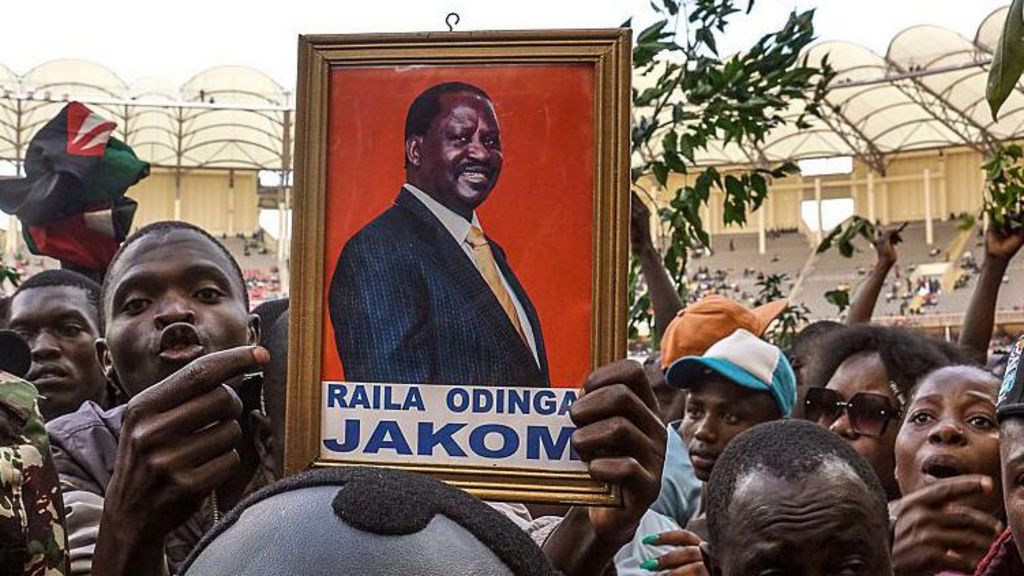
Kenya at crossroads as nation reels from Odinga’s death
The passing of Raila Odinga, Kenya’s former Prime Minister and a towering figure in the nation’s political landscape, has left an indelible mark on the country. Odinga, who died at the age of 80 while receiving medical treatment in India, was laid to rest in a ceremony that blended state honors, spiritual rituals, and political reflection. His death has sparked profound grief across Kenya, with many drawing parallels to the legacy of Nelson Mandela, South Africa’s first black president. Odinga’s influence extended far beyond his political achievements; he was a symbol of hope and resilience for millions. Kenyan historian Chebii Kiprono described him as ‘one of the last genuine revolutionaries of modern Africa,’ a leader who carried the aspirations of his people. The burial ceremony in Nyamira village was a poignant tribute to Odinga’s life, marked by traditional Luo dirges and military honors. Despite his frequent clashes with the state, including years of imprisonment without trial, the government paid homage to him with full military rites. Political analyst Wafula Buke noted the irony of Odinga being buried by his former adversaries, stating, ‘Those who threw tear gas and bullets at Raila now watch, clean.’ Odinga’s absence leaves a significant void in Kenya’s political arena. As the leader of the Orange Democratic Movement (ODM), he was a staunch advocate for multi-party democracy and a key figure in maintaining political competition and national discourse. His death comes at a critical juncture for Kenya, with analysts warning of potential political instability and a leadership vacuum. President William Ruto, who eulogized Odinga as ‘a titan of conscience,’ faces growing public discontent and an uncertain political future. Odinga’s widow, Idah, reflected on his legacy, stating that she never imagined marrying a ‘political engineer.’ As Kenya grapples with the loss of its most prominent opposition leader, the nation stands at a crossroads, with the potential for both turmoil and transformation. Odinga’s enduring legacy will continue to shape Kenya’s democratic journey, inspiring future generations to uphold the values he championed.
-

Sacred code: US, China and the rise of algorithmical theology
The recent agreement between the United States and China regarding the ownership of TikTok marks a significant milestone in the ongoing struggle over technological sovereignty. Under the terms of the deal, China retains a 20% stake in the platform and maintains control over its algorithm, a critical component of TikTok’s success. While American shareholders will oversee the algorithm’s usage, they will not own it outright. This arrangement underscores the ideological and strategic importance of algorithms in the digital age, as China views them as sacred and untouchable assets that traditional intellectual property rights (IPR) cannot adequately protect.
For China, the deal represents a partial victory. By retaining a minority stake, China ensures its continued presence in the U.S. market, a foothold that would have otherwise been lost entirely. The compromise highlights the broader ‘techno-theological’ disputes between the two nations, reminiscent of past conflicts such as the 2009 Google-China standoff. In that instance, China demanded access to Google’s source code, a condition the tech giant refused, leading to its exit from the Chinese market. Similar demands were made to other U.S. platforms like Facebook and Twitter, which also failed to gain entry.
TikTok’s case is unique due to its pivotal role in American politics, particularly its influence on the electoral process. With over 170 million followers on TikTok, President Donald Trump’s campaign would have been significantly impacted by a shutdown. This political leverage likely influenced the U.S. decision to accept the compromise, despite concerns over the platform’s potential risks.
The TikTok deal draws parallels to the Vatican’s agreement with China on the appointment of bishops, where the Pope retains control over the core doctrine while China manages its implementation domestically. Both agreements reflect a pragmatic approach to maintaining limited access in a highly controlled environment.
This deal also raises questions about the future of IPR and technological sovereignty. As algorithms become the cornerstone of modern innovation, their protection and control will remain a contentious issue. China’s insistence on retaining control over TikTok’s algorithm signals its broader strategy of state-directed technological development, challenging the Western model of IPR-based innovation.
The TikTok compromise is a testament to the evolving dynamics of U.S.-China relations, where ideological and technological disputes are increasingly resolved through pragmatic, albeit uneasy, agreements.
-
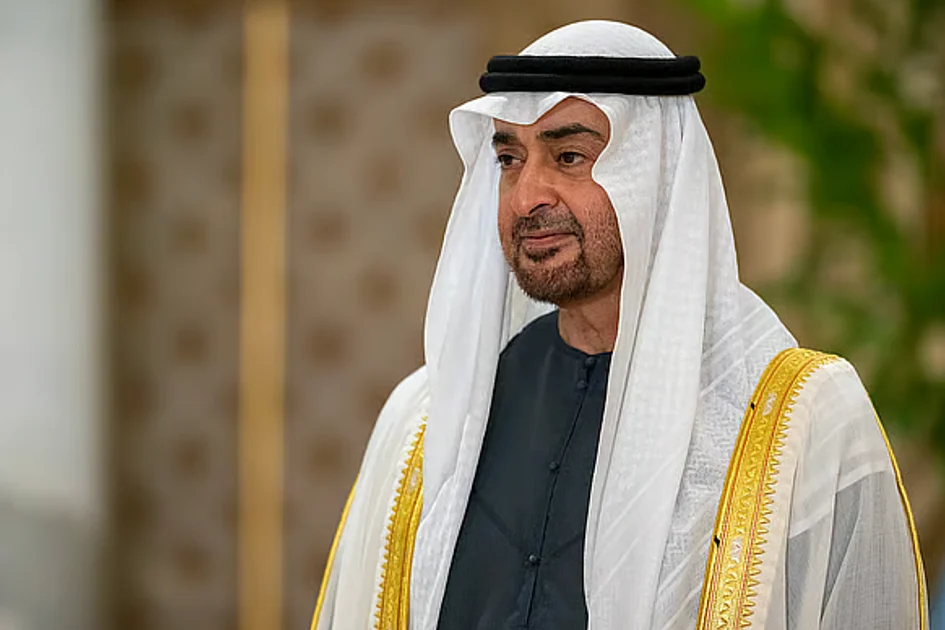
UAE President congratulates Takaichi, first female PM of Japan
In a historic moment for Japan, Sanae Takaichi has been elected as the nation’s first female Prime Minister. UAE President Sheikh Mohamed bin Zayed Al Nahyan extended his heartfelt congratulations to Takaichi, expressing his wishes for her success in steering Japan towards greater progress and development. The President also emphasized his eagerness to strengthen the already robust UAE-Japan relationship, highlighting the importance of their Comprehensive Strategic Partnership in fostering mutual growth and prosperity for both nations. Takaichi, the leader of Japan’s ruling Liberal Democratic Party, secured 237 votes in the lower house, surpassing the majority required in the 465-seat chamber. Her inauguration marks a significant milestone in Japan’s political landscape, reflecting a progressive shift in leadership. The UAE’s gesture underscores the importance of international diplomacy and the shared commitment to advancing bilateral ties.
-
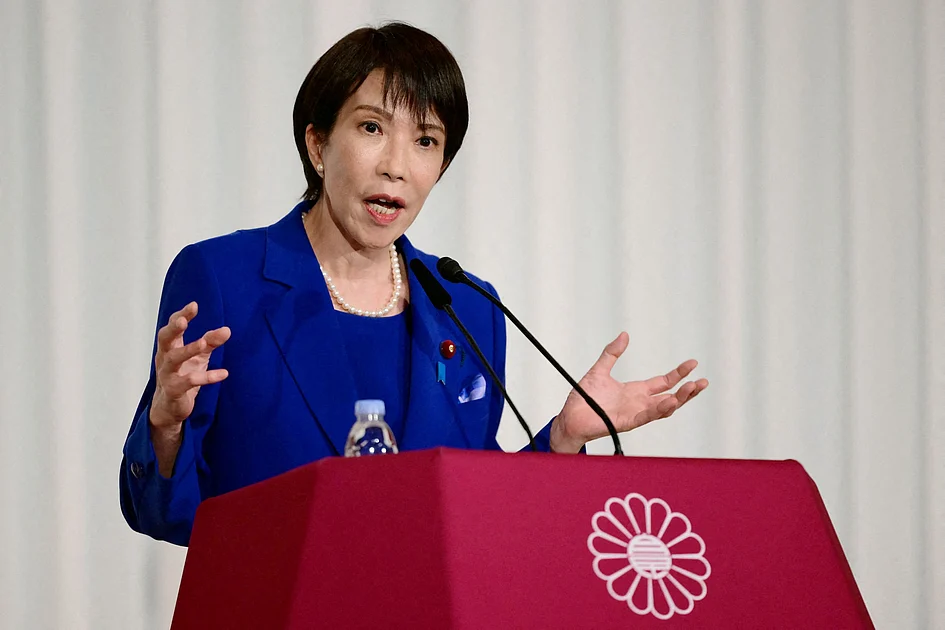
Japan’s Sanae Takaichi elected as first female prime minister
In a historic moment for Japan, Sanae Takaichi, leader of the ruling Liberal Democratic Party (LDP), has been elected as the nation’s first female prime minister. The landmark decision came after Takaichi secured 237 votes in the lower house election on Tuesday, surpassing the majority required in the 465-seat chamber. Her victory paves the way for her official inauguration later in the day, marking a significant milestone in Japan’s political landscape. Takaichi is expected to gain approval from the upper house, albeit less influential, and will be sworn in as Japan’s 104th prime minister. She succeeds Shigeru Ishiba, who resigned last month following electoral setbacks. Takaichi’s ascension is seen as a transformative step for gender equality in a country where women have historically been underrepresented in leadership roles. Her election also signals a potential shift in Japan’s political dynamics, as she takes the helm during a period of economic and social challenges.
-
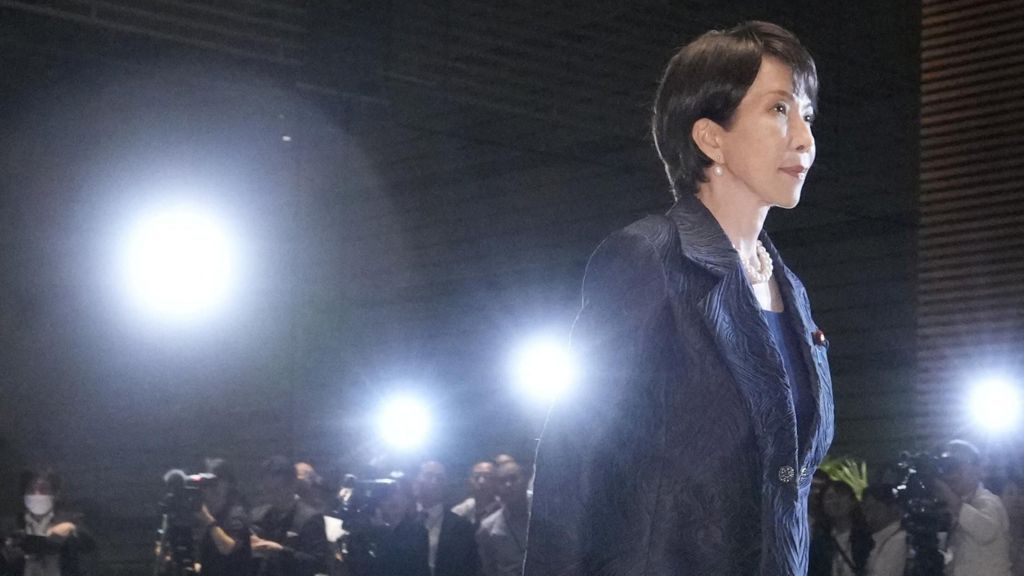
Japan’s first female leader: A historic moment with caveats
Sanae Takaichi’s ascension to the role of Japan’s first female prime minister marks a historic milestone in a nation long dominated by male leadership. For many young girls, her rise symbolizes a potential shift in societal norms, yet critics argue that her conservative policies may reinforce rather than challenge the patriarchal system. Takaichi, often compared to Britain’s Margaret Thatcher, has consistently opposed progressive measures such as same-sex marriage, separate surnames for married couples, and female succession in the imperial family. Her leadership is seen by some as a strategic move by the ruling Liberal Democratic Party (LDP) to appeal to its conservative base. Despite her historic achievement, Takaichi’s policies align closely with traditional gender roles, raising questions about her commitment to advancing women’s rights. Japan’s gender gap remains stark, ranking 118th globally in gender equality, with women holding only 15.7% of parliamentary seats. While some view her rise as a pivotal moment for women’s empowerment, others caution against celebrating her leadership without scrutinizing her policies. As Takaichi navigates economic challenges and prepares to host President Trump, gender equality appears unlikely to top her agenda.
-
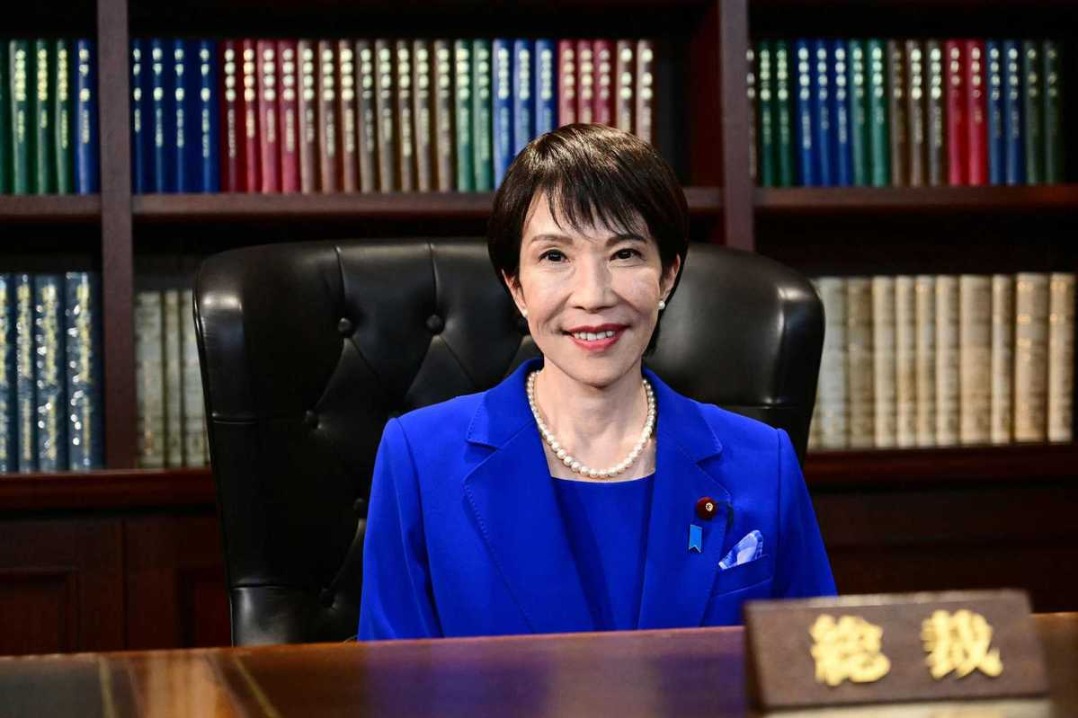
Takaichi elected Japan’s first female PM
In a landmark moment for Japan, Sanae Takaichi was elected as the nation’s first female prime minister on Tuesday, October 21, 2025. Takaichi, the president of the ruling Liberal Democratic Party (LDP), secured 237 votes in the Lower House, defeating Yoshihiko Noda, leader of the Constitutional Democratic Party of Japan, who received 149 votes. This decisive victory in the first round of the election eliminated the need for a runoff, marking a significant shift in Japan’s political landscape. Takaichi’s election as the 104th prime minister of Japan is a historic milestone, breaking the long-standing gender barrier in the country’s highest office. Her leadership comes at a critical time, as Japan faces economic challenges and seeks to strengthen its global influence. Takaichi’s rise to power is expected to inspire greater gender equality in Japanese politics and society.