分类: politics

  • Trump set to lead largest-ever US delegation to World Economic Forum in Davos next week

    Trump set to lead largest-ever US delegation to World Economic Forum in Davos next week

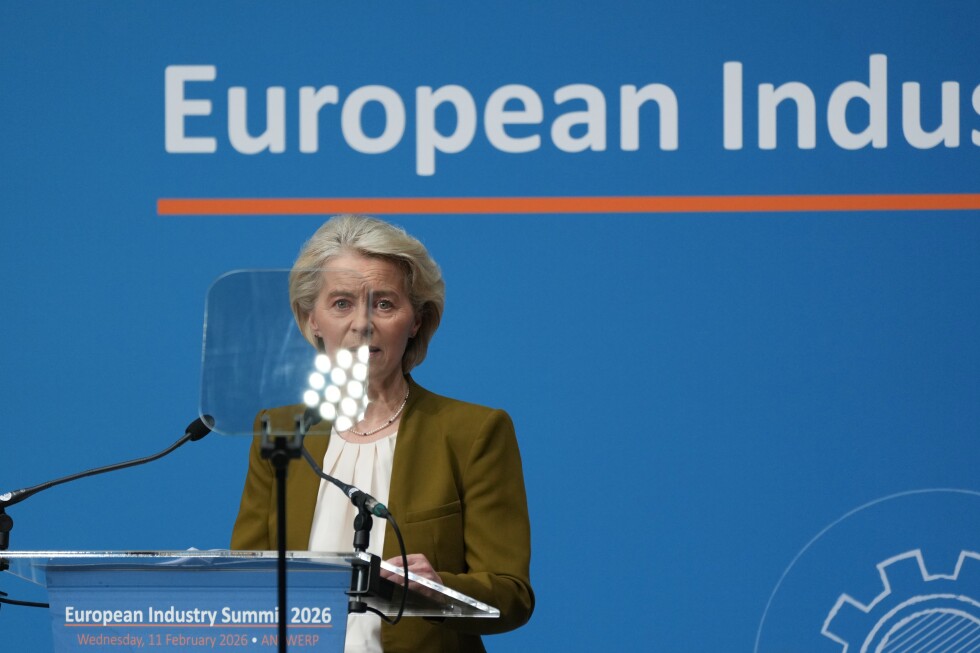
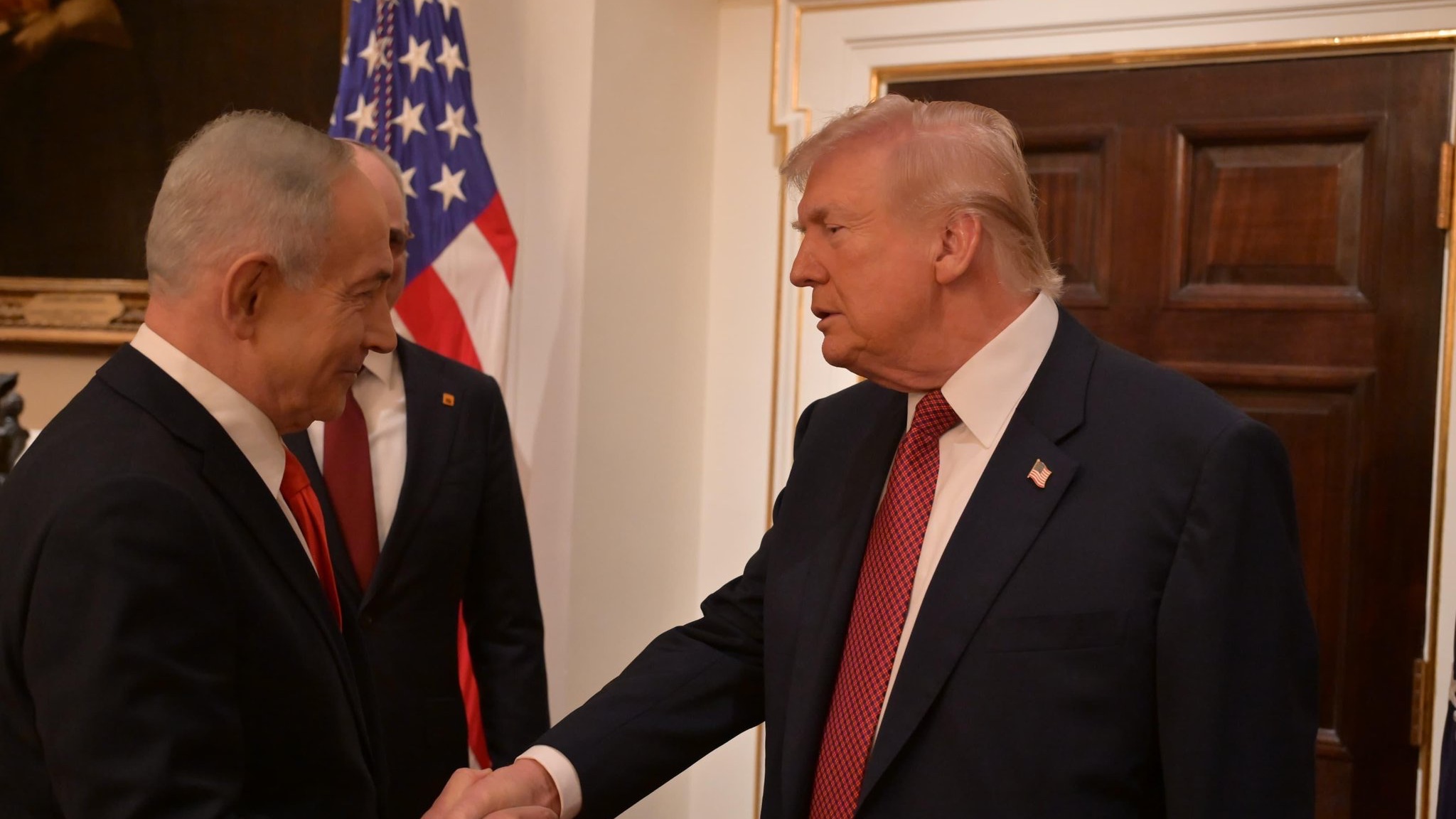
    GENEVA — President Donald Trump is poised to make a significant return to the World Economic Forum’s annual gathering in Davos, Switzerland, heading an unprecedented U.S. governmental contingent amid ongoing international policy concerns. The Geneva-based organizing committee confirmed Tuesday that Trump’s delegation will include five Cabinet secretaries and numerous senior officials, marking the largest official U.S. presence in the event’s history.

    The forum, scheduled from January 20-23, anticipates record-breaking participation with 3,000 attendees from 130 nations, including 850 chief executives and chairs of leading global corporations. Notably, six out of seven G-7 leaders are expected alongside Ukrainian President Volodymyr Zelenskky, Syrian President Ahmad al-Sharaa, and approximately 64 heads of state or government—potentially the highest governmental representation ever assembled at the Alpine summit.

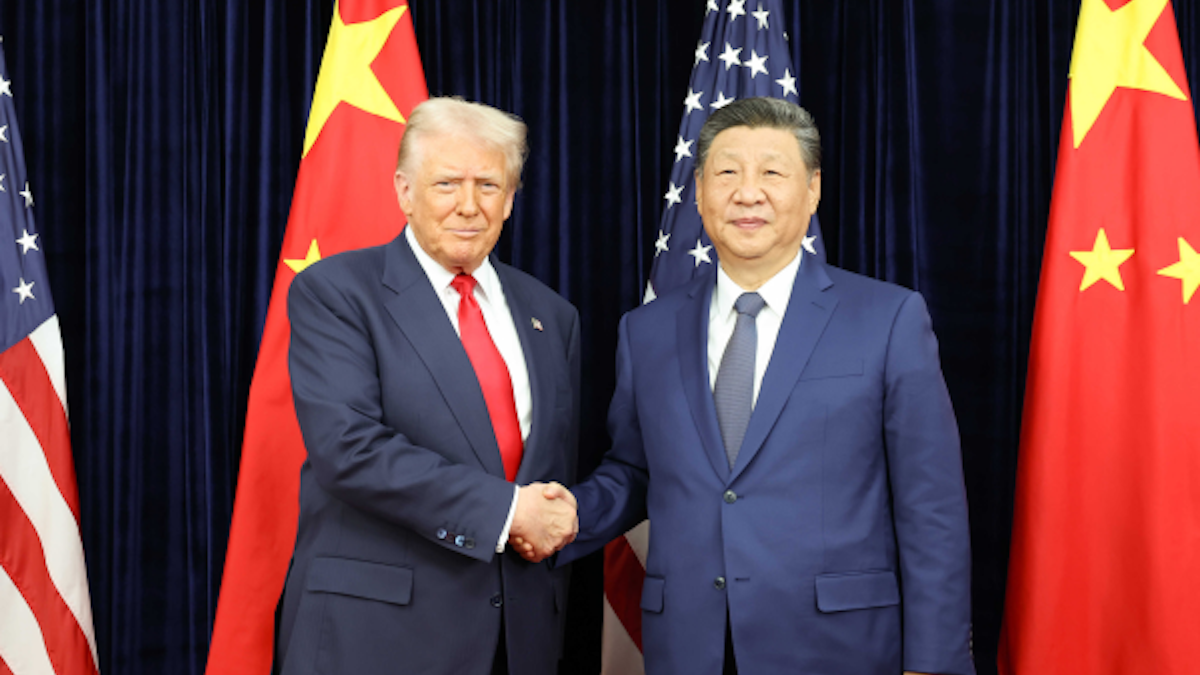
    Forum President Borge Brende emphasized the distinctive composition of this year’s attendance, noting China’s delegation will be led by Vice Premier He Lifeng, Beijing’s principal trade negotiator. The event returns to its traditional format after Trump’s virtual participation last year shortly following his second inauguration.

    Founded in 1971, the Davos forum has consistently served as a nexus for international dialogue, policy debate, and economic negotiation. While critics argue the event primarily benefits global elites at potential societal expense, organizers maintain its fundamental mission remains ‘improving the state of the world’ through inclusive engagement with advocacy groups, academic institutions, and cultural representatives.

  • Trump announces 25 percent tariff on countries doing business with Iran

    Trump announces 25 percent tariff on countries doing business with Iran

    Amid escalating anti-government protests in Iran, former US President Donald Trump has declared an immediate 25% tariff on all nations conducting business with the Islamic Republic. The announcement, made via Truth Social on Monday, positions the tariff as a punitive measure against any country engaging commercially with Iran, with the cost to be levied on all their business dealings with the United States.

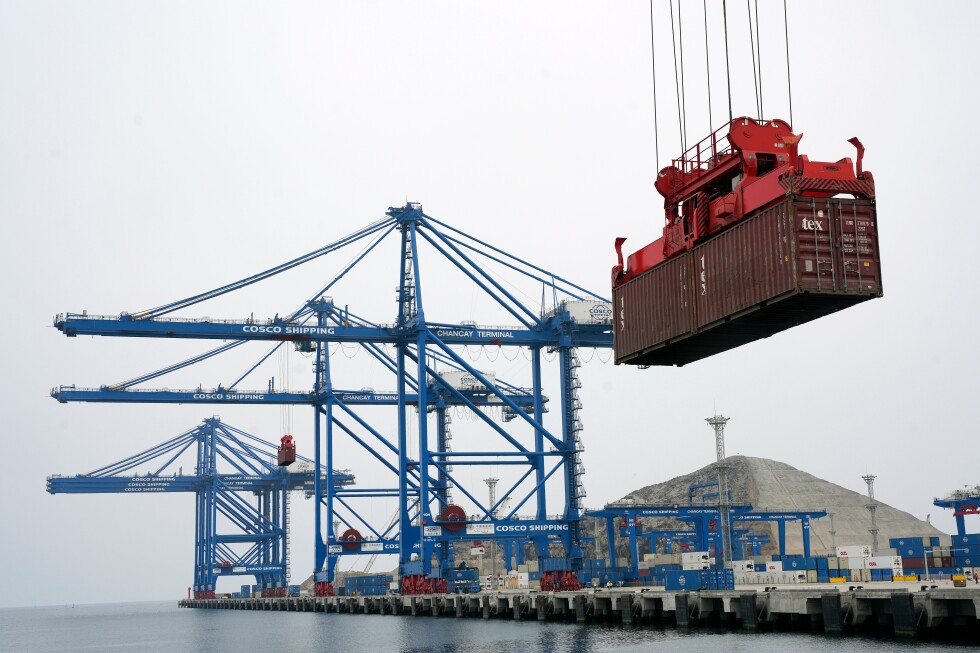
    This policy directly impacts key Iranian trading partners, including China, Russia, India, and Turkey, and is expected to result in increased costs for American importers. China, which accounts for approximately 30% of Iran’s total foreign trade, issued a firm rebuttal. Chinese Embassy spokesperson Liu Pengyu stated on X that ‘tariff wars and trade wars have no winners,’ condemning the move as illicit unilateral sanctioning and vowing to safeguard China’s legitimate rights and interests.

    The geopolitical tension unfolds against a backdrop of severe domestic unrest in Iran. A virtual US embassy security alert has urgently advised American citizens to depart Iran immediately, offering specific guidance for land departure to Armenia or Turkey if commercial options are unavailable. The United States maintains no physical diplomatic presence in Iran, with Switzerland acting as its protecting power.

    Iranian officials report significant casualties from the ongoing protests, with an estimated 2,000 fatalities—a figure substantially higher than the 640 previously tallied by human rights groups. Over 10,700 individuals have been arrested, and the nation has been subjected to an internet blackout exceeding 100 hours. The protests, ignited on December 28 by economic grievances including a historic devaluation of the rial and 42% inflation, have intensified into a broader anti-government movement.

    Iranian leadership has accused the US and Israel of backing ‘armed rioters’ and sowing chaos. Foreign Minister Hossein Amirabdollahian stated Tehran is prepared for either ‘war or dialogue,’ while President Masoud Pezeshkian alleged a foreign plot to create disorder. Iran has also issued warnings of potential strikes on Israeli and US military bases should its territory be attacked.

    In response, Israel has elevated its security alert level. Trump, commenting on the situation, indicated his administration is monitoring events closely and considering ‘very strong options,’ promising a retaliatory response of unprecedented scale if Iran acts against US interests.

  • Denmark, Greenland set for high-stake talks at White House

    Denmark, Greenland set for high-stake talks at White House

    A high-stakes diplomatic meeting is set to unfold at the White House on Wednesday as Danish and Greenlandic officials confront U.S. Vice President JD Vance over escalating tensions regarding Arctic sovereignty. The extraordinary gathering comes after months of strained relations triggered by Vance’s uninvited visit to Greenland in March and President Donald Trump’s persistent suggestions about acquiring the strategically vital territory.

    The confrontation stems from Vance’s accusations that Denmark has neglected its autonomous Arctic territory, labeling America’s NATO ally as ‘bad’ regarding Arctic security commitments. These remarks provoked fury in Copenhagen, which has consistently supported U.S. military operations internationally. Swedish Prime Minister Ulf Kristersson notably reminded that ‘the United States should thank Denmark, which over the years has been a very loyal ally.’

    Wednesday’s meeting, requested jointly by Danish Foreign Minister Lars Lokke Rasmussen and Greenlandic counterpart Vivian Motzfeldt, aims to address what they term ‘misunderstandings’ concerning Greenland’s defense arrangements, Chinese and Russian presence in the Arctic, and the complex relationship between Greenland and Denmark. The Kingdom of Denmark comprises Denmark proper, Greenland, and the Faroe Islands.

    According to Greenland specialist Mikaela Engell, American perceptions have dangerously misinterpreted ongoing discussions about Greenland’s autonomy. ‘To the uninformed American listener,’ Engell noted, ‘the talks might have been construed as if Greenland’s secession from Denmark was imminent,’ potentially justifying interventionist sentiments.

    The security dimension dominates the agenda. Washington alleges insufficient protection against Chinese and Russian threats, while Denmark highlights its substantial investment of nearly 90 billion kroner ($14 billion) to strengthen military presence in the Arctic. The discussions will extend to NATO, with Danish Defence Minister Troels Lund Poulsen and Greenland’s Motzfeldt scheduled to meet Secretary General Mark Rutte on January 19 specifically addressing Arctic security.

    Lund Poulsen emphasized forward momentum: ‘We are now moving forward with the whole issue of a more permanent, larger presence in Greenland from the Danish defence forces but also with the participation of other countries.’ NATO confirms work on ‘next steps’ for Arctic security, with diplomats indicating preliminary discussions about a potential new regional mission, though no concrete proposals currently exist.

  • A US youth reflects on the ‘cave-dwelling conversation’

    A US youth reflects on the ‘cave-dwelling conversation’

    As the Fifth Plenary Session of the 20th CPC Central Commission for Discipline Inspection convenes from January 12-14, 2026, an American youth offers a contemporary perspective on China’s enduring governance philosophy through the lens of the historic “cave-dwelling conversation” in Yan’an. This reflection addresses a perennial question in political systems worldwide: how does a long-governing party effectively maintain oversight of its own supervisors?

    The analytical examination reveals China’s distinctive approach centers on a dual mechanism combining robust public oversight with institutional self-reform. This governance model establishes clear operational boundaries for power while maintaining it within structured institutional constraints. The system demonstrates a consistent willingness to identify and rectify errors through transparent processes.

    This governance framework emerges from historical precedents but continues to evolve through contemporary anti-corruption initiatives and disciplinary reforms. The ongoing plenary session represents the latest development in this continuous refinement process, addressing both conduct standards and systemic supervision mechanisms.

    The American perspective highlights how China’s solution to the supervision dilemma differs from Western models, emphasizing internal reform processes alongside public accountability channels. This approach maintains that effective governance requires both institutional constraints and the political determination to implement them consistently, even when addressing internal challenges.

  • Minnesota, Illinois sue Trump administration to block ICE officers surges

    Minnesota, Illinois sue Trump administration to block ICE officers surges

    In a significant legal escalation against federal immigration policies, the states of Minnesota and Illinois have filed separate federal lawsuits against the Trump administration seeking to halt the deployment of additional immigration enforcement officers to their jurisdictions. The legal action comes in response to last week’s fatal shooting of 37-year-old mother Renee Good by an Immigration and Customs Enforcement (ICE) officer in Minnesota, which has sparked widespread protests and condemnation.

    Minnesota Attorney General Keith Ellison has spearheaded the litigation, naming Homeland Security Secretary Kristi Noem and multiple immigration officials as defendants. The lawsuit petitions a federal court to declare the officer surge both unconstitutional and unlawful, alleging systematic racial profiling and political targeting of the Democratic-leaning state. Ellison characterized the deployment as ‘a federal invasion of the Twin Cities and Minnesota’ that has inflicted ‘serious harm’ on the state.

    The Minnesota suit specifically seeks judicial mandates requiring federal officers to wear visible identification, activate body cameras, and refrain from obscuring their faces with masks. It further aims to prohibit the threat of physical force or brandishing of weapons against individuals not subject to immigration arrest.

    Illinois filed parallel litigation seeking to block U.S. Customs and Border Protection from conducting civil immigration enforcement within state boundaries. Governor JB Pritzker denounced what he termed DHS’s ‘dangerous use of force,’ with the Illinois complaint requesting restrictions on tactics including tear gas deployment, trespassing on private property, and concealing license plates to mask official operations.

    The legal actions follow dramatic confrontations between ICE agents and civilians in Minnesota, where Reuters journalists witnessed agents deploying tear gas, pepper balls, and chemical spray against crowds throwing snowballs during an immigration checkpoint incident. The tension reflects broader conflicts between the Trump administration and Minnesota dating back months, with the president having previously criticized the state’s Democratic leadership and Somali-American community in inflammatory terms.

    Both states are seeking immediate temporary restraining orders against the federal enforcement surge, with Minnesota scheduled for an emergency hearing as early as Tuesday.

  • BBC seeks dismissal of Trump’s multi-billion dollar defamation lawsuit

    BBC seeks dismissal of Trump’s multi-billion dollar defamation lawsuit

    The British Broadcasting Corporation (BBC) has formally moved to dismiss a multi-billion dollar lawsuit filed by former U.S. President Donald Trump, challenging the legal foundation of his defamation claims regarding the editing of his January 6th, 2021, speech in a Panorama documentary.

    In court documents submitted to a Florida court, the BBC’s legal team outlined a multi-pronged defense strategy. The broadcaster contends that the Florida court lacks ‘personal jurisdiction’ over the BBC, a UK-based entity, and asserts that the chosen venue is ‘improper.’ Furthermore, the corporation argues that President Trump has ‘failed to state a claim’ upon which relief can be granted, fundamentally challenging the lawsuit’s validity.

    The legal dispute centers on a specific edit in the documentary ‘Trump Takes on the World,’ which condensed two separate statements from Trump’s lengthy speech into a single sequence. The edited clip showed Trump saying, ‘We’re going to walk down to the Capitol… and I’ll be there with you. And we fight. We fight like hell.’ The BBC previously acknowledged that this edit created a ‘mistaken impression’ that the President had issued a direct call for violent action, leading to an internal review and subsequent high-level resignations, including then-Director General Tim Davie.

    Despite this prior apology, the BBC’s motion vigorously defends its editorial position. It states that the Panorama program was not broadcast in the United States and disputes that it aired on the streaming service Britbox, as alleged by Trump. Crucially, the defense argues that the former president has not demonstrated any actual damage, noting his subsequent electoral victory in Florida. The filing also emphasizes that the clip constituted a mere 15 seconds within an hour-long program that provided extensive and balanced coverage, and it asserts that Trump cannot plausibly allege the content was published with ‘actual malice’—a key requirement for defamation claims by public figures in the U.S.

    The broadcaster has additionally requested a stay on all discovery processes until the court rules on this motion to dismiss. A tentative trial date has been set for 2027, should the case proceed beyond this initial stage. A BBC spokesperson reaffirmed the corporation’s commitment to defending the case but declined further comment on the ongoing proceedings.

  • Danish foreign minister says Vance will host meeting on Greenland in Washington

    Danish foreign minister says Vance will host meeting on Greenland in Washington

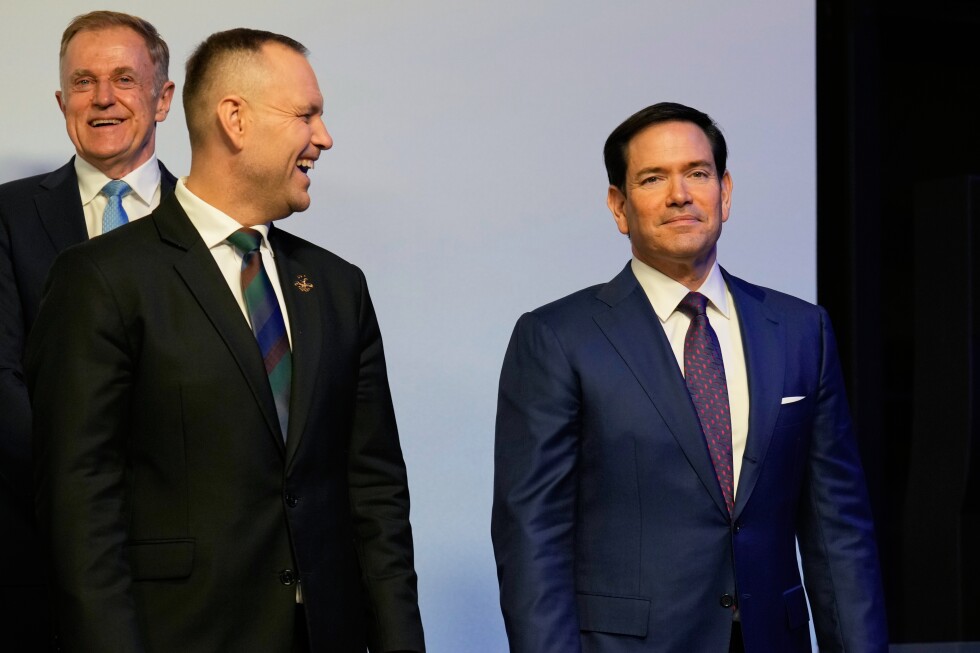
    WASHINGTON — Vice President JD Vance is scheduled to convene a high-level meeting with Danish Foreign Minister Lars Løkke Rasmussen and Greenland’s representative Vivian Motzfeldt this week, signaling escalating diplomatic engagement over Arctic territorial discussions. The gathering, confirmed to occur at the White House with Secretary of State Marco Rubio in attendance, comes amid heightened tensions regarding the Trump administration’s expressed interest in acquiring Greenland.

    The vast Arctic territory, while semiautonomous, remains under Danish sovereignty and represents a strategically crucial NATO asset. The meeting arrangement emerged following Vice President Vance’s personal intervention to participate directly in the negotiations, according to Minister Rasmussen’s statements to journalists after addressing Denmark’s parliamentary foreign policy committee.

    This diplomatic development occurs against the backdrop of increasingly assertive rhetoric from President Trump, who recently reiterated aboard Air Force One that the United States must secure Greenland—whether through negotiated agreement or alternative measures—to prevent Russian or Chinese expansion into the region. The administration has reportedly contemplated multiple options, including military contingency plans, though officials emphasize preference for diplomatic resolution.

    Concurrently, a bipartisan congressional delegation is en route to Copenhagen for weekend meetings aimed at demonstrating continued solidarity between the United States and Denmark. Danish Prime Minister Mette Frederiksen has also arranged emergency consultations with Greenlandic Premier Jens-Frederik Nielsen and leadership from the Faroe Islands, Denmark’s other semiautonomous territory, underscoring the gravity of these geopolitical developments.

  • Prosecutors seek death penalty for ex-South Korean president Yoon

    Prosecutors seek death penalty for ex-South Korean president Yoon

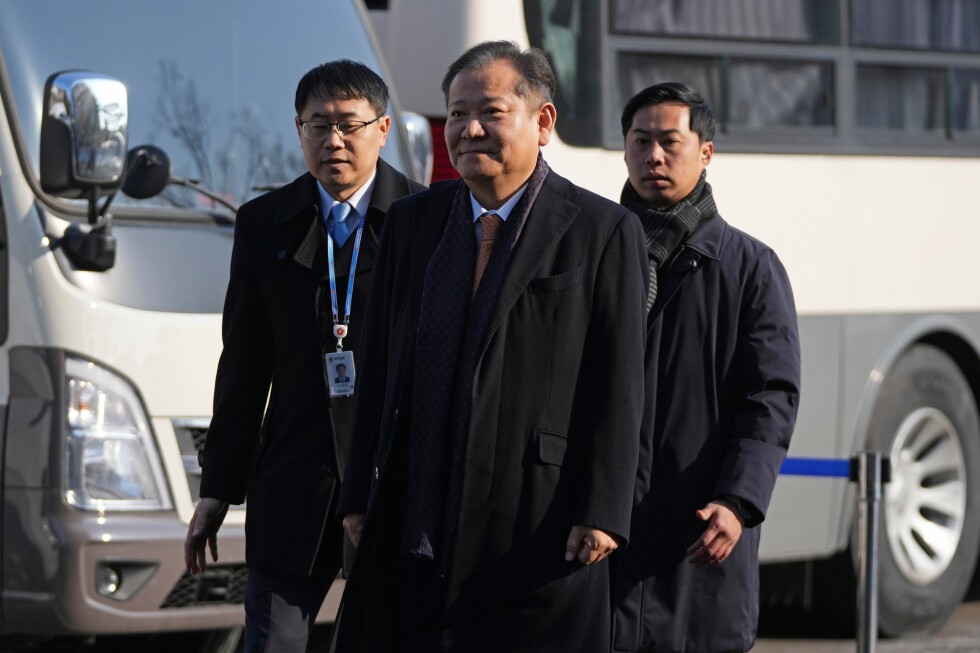
    In a landmark legal proceeding that has captivated South Korea, prosecutors have formally requested the death penalty for former President Yoon Suk Yeol, who stands accused of masterminding an attempted insurrection through his abrupt imposition of martial law in December 2024. The Seoul court heard closing arguments in a trial that has merged cases against three senior figures from Yoon’s administration, including former defense minister Kim Yong-hyun and former police chief Cho Ji-ho.

    The prosecution’s case centers on Yoon’s December 2024 declaration of military rule, which plunged the nation into political chaos despite lasting only hours. While no fatalities resulted from the attempted power grab, prosecutors argued that Yoon’s intentions were fundamentally violent, presenting as evidence a memo from one of the martial law planners that discussed ‘disposing’ of hundreds of journalists, labor activists, and lawmakers. A military commander testified that Yoon had directly ordered the arrest of opposition lawmakers.

    Yoon’s defense maintains that the martial law declaration was merely symbolic, intended to draw public attention to alleged wrongdoings by the opposition Democratic Party. The former president has denied all charges, characterizing himself as a patriot attempting to protect South Korea from North Korean threats amid domestic political tensions.

    The case represents an extraordinary fall from power for Yoon, who became South Korea’s first sitting president to be arrested and charged. His impeachment following the failed power grab triggered snap elections that brought current President Lee Jae Myung to power in June.

    South Korea’s legal system mandates that prosecutors must seek either death or life imprisonment for insurrection convictions. The nation has not carried out an execution in nearly three decades, with the last death sentence for a former leader being imposed on military dictator Chun Doo-hwan in 1996 for his 1979 coup—a sentence later commuted to life imprisonment.

    A verdict in Yoon’s case is anticipated in February, with the court’s decision likely to have profound implications for South Korea’s political landscape and democratic institutions.

  • Uganda’s military deployed in national capital ahead of upcoming presidential election

    Uganda’s military deployed in national capital ahead of upcoming presidential election

    KAMPALA, Uganda — Uganda stands at a critical juncture as the nation prepares for a high-stakes presidential election on Thursday, pitting long-serving President Yoweri Museveni against a coalition of opposition candidates led by charismatic challenger Bobi Wine. The electoral process has been overshadowed by unprecedented military deployments across the capital, raising concerns about democratic integrity and the potential for authoritarian consolidation.

    President Museveni, Africa’s third-longest ruling leader at 81 years old, seeks to extend his nearly four-decade reign with a seventh term. His primary opponent is 43-year-old musician-turned-politician Bobi Wine (born Kyagulanyi Ssentamu), who represents a burgeoning youth movement demanding political transformation. Six additional candidates complete the presidential field in this East African nation of 45 million people, with electoral authorities reporting 21.6 million registered voters.

    The security situation has intensified markedly since Saturday, when Ugandan authorities initiated widespread troop deployments throughout Kampala. Armored vehicles have positioned themselves strategically across the urban landscape while soldiers conduct visible street patrols. Military spokesman Colonel Chris Magezi characterized these measures as necessary precautions against potential election violence, dismissing concerns about anti-democratic implications.

    This election represents a rematch of the 2021 contest where Wine surprisingly captured 35% of the vote against Museveni’s 58%—the president’s narrowest victory margin since first competing in elections three decades ago. Wine has maintained his popularity among urban youth and in eastern regions, campaigning under heavy security protection including flak jackets and helmets following numerous attacks by security forces documented by Amnesty International.

    Museveni retains strong support in northern Uganda and his western home region, where supporters credit him with establishing relative stability in a nation hosting hundreds of thousands of refugees. However, his campaign slogan of ‘protecting the gains’ has drawn criticism for allegedly justifying corruption and suggesting power is non-negotiable.

    Complicating the political landscape is the prominence of Museveni’s son, four-star General Muhoozi Kainerugaba, who has openly discussed succeeding his father and recently generated diplomatic incidents through controversial tweets. Many analysts suggest the military’s loyalty to the first family rather than democratic institutions makes electoral transition particularly challenging.

    The International Crisis Group recently concluded that Museveni will likely retain power, though voter concerns about unemployment and democratic fatigue remain pressing issues. For many young Ugandans like 37-year-old motorcycle operator Farouk Mugaya, who has never known another leader, the election represents a fundamental choice between continuity and change in a nation struggling with economic opportunities despite relative peace.

  • Czech Prime Minister Babiš faces confidence vote as government shifts Ukraine policy

    Czech Prime Minister Babiš faces confidence vote as government shifts Ukraine policy

    PRAGUE — The Czech Republic’s newly formed administration under populist Prime Minister Andrej Babiš confronted a crucial parliamentary confidence vote on Tuesday, testing support for its controversial agenda that marks a dramatic departure from previous pro-Western policies. The government coalition, commanding 108 seats in the 200-member lower house, seeks to redefine the nation’s international alignment by distancing itself from European Union initiatives and terminating financial assistance to Ukraine.

    Babiš’s ANO (YES) movement, which secured a decisive victory in October’s parliamentary elections, has established an unconventional alliance with two fringe parties: the anti-immigration Freedom and Direct Democracy party and the right-wing Motorists for Themselves group. This 16-member cabinet, united by their admiration for former U.S. President Donald Trump, represents a significant political transformation in Central Europe.

    In his parliamentary address, Babiš emphasized his government’s priorities: ‘I’d like to make it clear that the Czech Republic and Czech citizens will be first for our government.’ This domestic-focused agenda aligns with similar political movements in Hungary and Slovakia, where Prime Ministers Viktor Orbán and Robert Fico have implemented comparable foreign policy shifts.

    The new coalition’s platform includes rejecting the EU Green Deal, proposing coal industry revitalization, and examining the status of Ukrainian refugees. While maintaining administrative oversight of a previous initiative that secured 1.8 million artillery shells for Ukraine, the government has categorically refused additional financial contributions to Ukrainian defense efforts. The Freedom and Direct Democracy party has further advocated for Czech withdrawal from EU and NATO membership, signaling a potential fundamental reorientation of the country’s international partnerships.