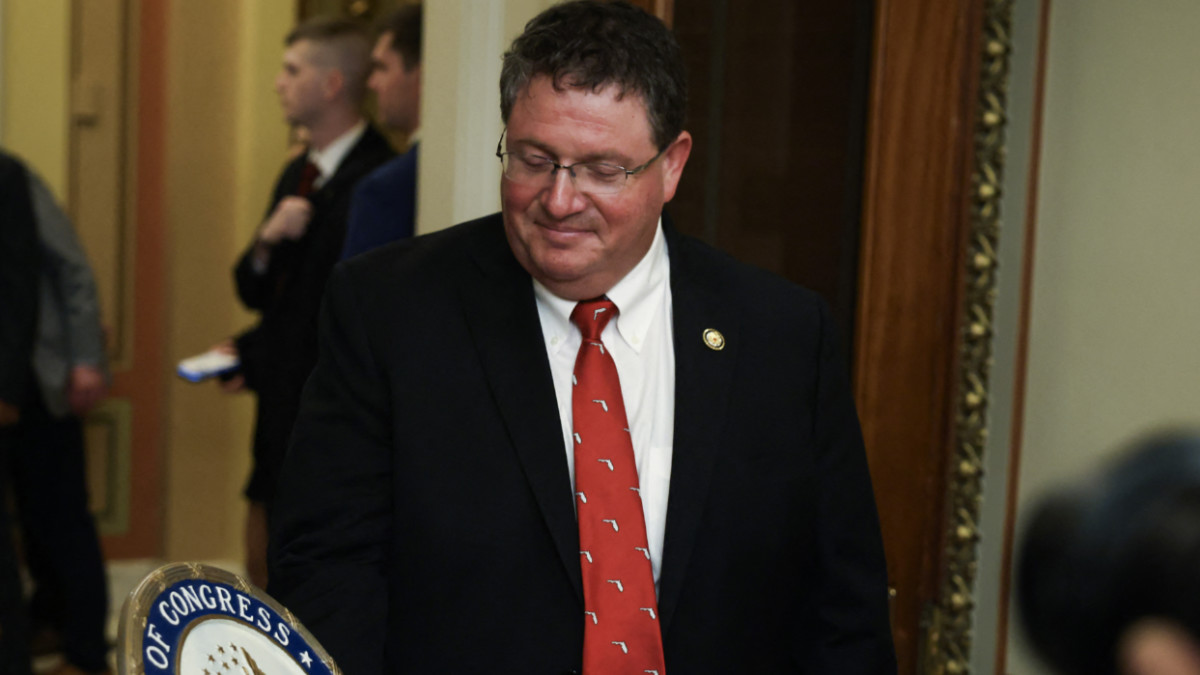
Qatar’s ambassador to the United States, Meshal al-Thani, issued a rare and direct rebuke to Republican Congressman Randy Fine for his Islamophobic and anti-Qatar comments during an interview with far-right social media personality Laura Loomer. Fine, a Jewish-American lawmaker and staunch supporter of Israel’s war on Gaza, has a history of inflammatory rhetoric, including calls for Israel to ‘nuke’ Gaza and for Palestinians to ‘starve away.’ He has also been a vocal critic of protests against Israel on US college campuses, falsely accusing Qatar of funding these demonstrations and labeling them as ‘antisemitic.’ In a letter shared on X, Ambassador al-Thani condemned Fine’s remarks, emphasizing Qatar’s commitment to combating antisemitism and all forms of religious or ethnic intolerance. He also refuted Fine’s allegations, citing a 2024 US House of Representatives report that found no evidence of Qatari involvement in campus unrest. Al-Thani further highlighted Qatar’s role as a key US ally, hosting the largest US military base in the Middle East and contributing to joint defense missions. He noted that Qatar’s F-15 purchases and support generate thousands of US jobs. The ambassador also addressed Fine’s fear-mongering about Qatari fighter pilots training in the US, stating that such arrangements are standard among allies and fully funded by Qatar. Al-Thani concluded by reminding Fine of the significant Muslim population in the US, including 127,000 in his home state of Florida.
分类: politics
-
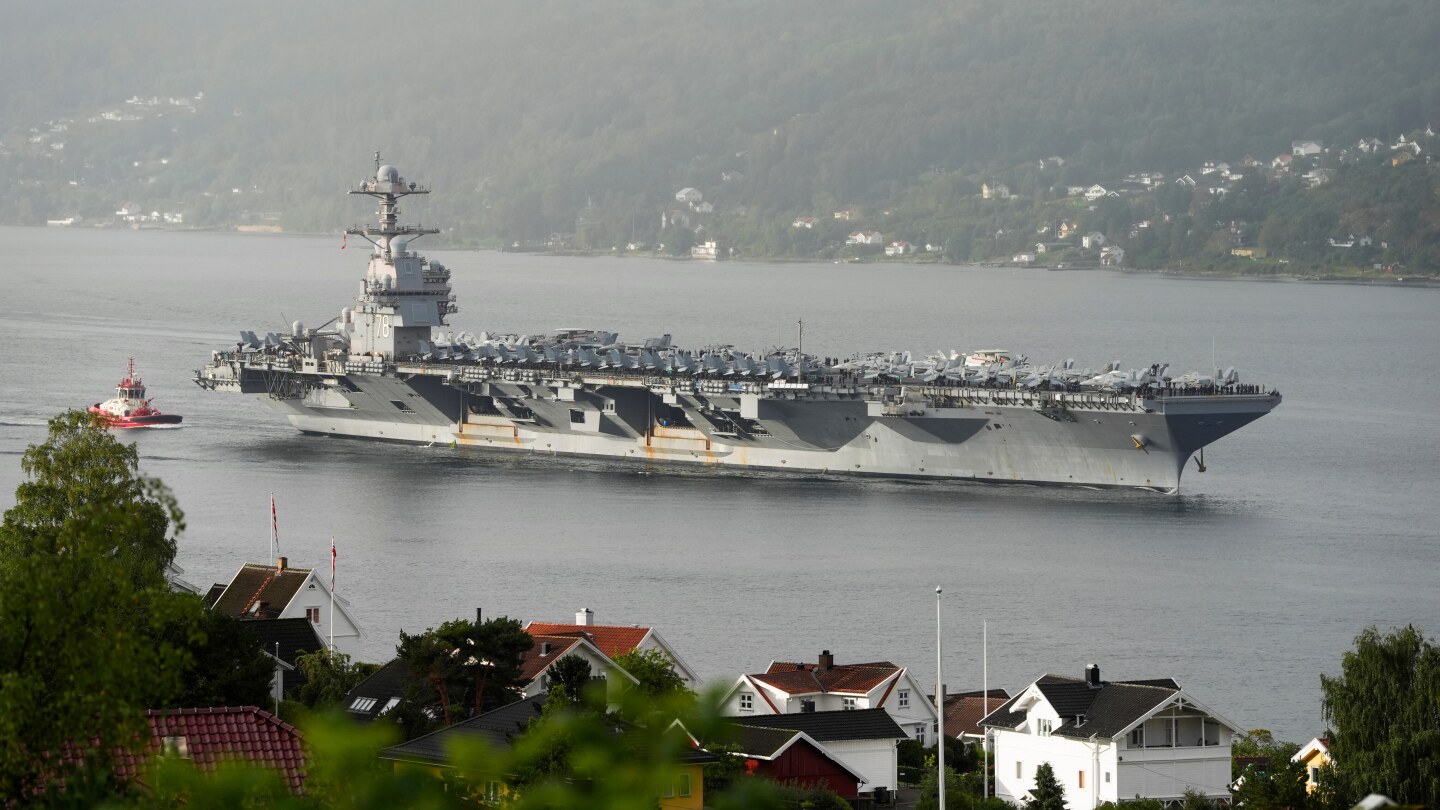
Trump’s decision to send aircraft carrier to South America will leave Mideast and Europe with none
In a significant strategic move, President Donald Trump has redirected the USS Gerald R. Ford, the nation’s most advanced aircraft carrier, from the Mediterranean Sea to South America as part of an intensified campaign against drug cartels. This decision comes at a critical juncture, as a fragile ceasefire between Israel and Hamas in Gaza faces renewed threats. The redeployment leaves the U.S. with only one active carrier deployed globally, marking a stark shift from recent military engagements, including joint strikes with Israel on Iran and intense combat operations against Yemen’s Houthi rebels in the Red Sea. Aircraft carriers, long symbols of U.S. military power, have been a cornerstone of American foreign policy, with five deployments to the Middle East since the October 7, 2023, Hamas-led attack on Israel. The Ford’s new mission underscores the Trump administration’s heightened focus on the Western Hemisphere, escalating firepower in a region already saturated with warships, aircraft, and troops. Trump, speaking from the USS George Washington in Japan, emphasized the U.S. commitment to halting drug trafficking, both at sea and on land. However, experts like Mark Cancian of the Center for Strategic and International Studies question the sustainability of this deployment, given the limited availability of U.S. carriers. Meanwhile, the U.S. military’s growing presence near Venezuela, coupled with 13 fatal strikes on alleged drug boats, has raised concerns about potential regime change efforts against President Nicolás Maduro, who faces U.S. narcoterrorism charges. Secretary of State Marco Rubio defended the operations as counterdrug efforts, while Maduro accused the U.S. of fabricating a war narrative. Analysts warn of potential instability in Venezuela, with some fearing a Libya-style meltdown if Maduro is ousted. The Ford strike group, accompanied by five destroyers, adds to an unprecedented U.S. military buildup in the region, including submarines, fighter jets, and bombers. Trump’s declaration of drug cartels as unlawful combatants has drawn bipartisan scrutiny, with some lawmakers questioning the lack of congressional approval for these operations. Despite concerns, allies like Sen. Lindsey Graham support the president’s actions, suggesting land strikes in Venezuela are a real possibility.
-
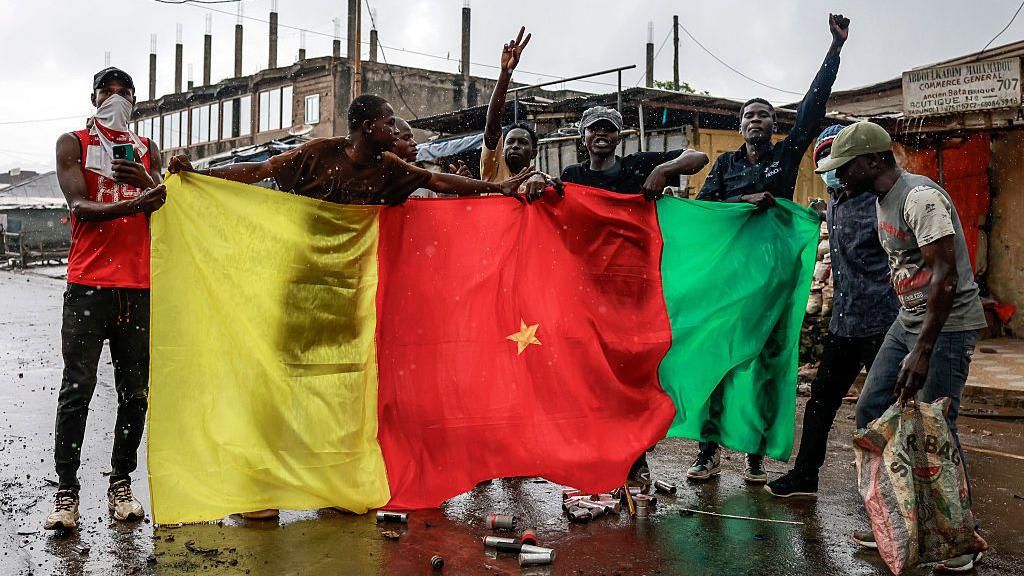
Cameroon opposition leader to face legal action over election unrest, government says
Cameroon is grappling with escalating tensions following the controversial re-election of 92-year-old President Paul Biya for an unprecedented eighth term. The election, held on October 12, has been marred by violent clashes between security forces and opposition supporters, resulting in at least four fatalities. Opposition leader Issa Tchiroma Bakary, who claims victory in the election, faces legal action for allegedly inciting “violent post-election demonstrations.” Cameroon’s Interior Minister Paul Atanga Nji accused Bakary of organizing “illegal” protests and declared that his accomplices in an “insurrectionary plan” would also be prosecuted. The government has announced an investigation into the violent incidents surrounding the election. Despite Nji’s assurance that the situation is under control, protests persist in cities like Douala and Garoua, where demonstrators have erected roadblocks and set fire to tires. The international community, including the UN, African Union, and EU, has expressed concern over the violent crackdowns and called for restraint. Analysts warn that the ongoing unrest could plunge Cameroon into a deep political crisis.
-
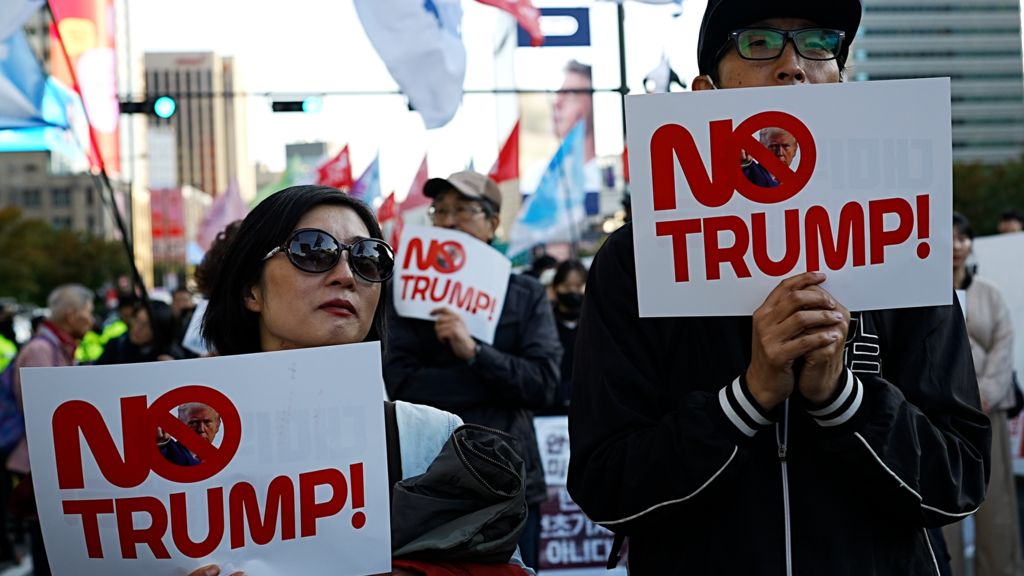
‘No Trump! No China!’: Caught in the middle, South Korea hosts rival superpowers
As US President Donald Trump prepares to visit Seoul, hundreds of protesters gathered in South Korea’s capital, voicing their discontent with both American and Chinese influences. Near the US embassy, demonstrators chanted ‘No Trump!’ while police buses blocked their path, ensuring their voices echoed across Gwanghwamun Square. Simultaneously, another group rallied near Gyeongbokgung Palace, shouting ‘No China!’ and ‘CCP out!’ These protests, though relatively small by South Korean standards, underscore the delicate diplomatic balancing act President Lee Jae-myung faces as he hosts both Trump and Chinese President Xi Jinping this week. South Korea, a long-standing US ally, relies on Washington for security but also depends heavily on China, its largest trading partner. This dual dependency places Seoul in a precarious position, particularly as tensions between the US and China escalate. Lee, a seasoned politician, must navigate these complexities while addressing domestic concerns, including recent immigration raids in the US that have strained bilateral ties. The protests also reflect growing anti-Chinese sentiment in South Korea, fueled by historical grievances and recent policy decisions. Despite these challenges, Lee remains committed to fostering stronger economic and diplomatic relations with both superpowers, aiming to secure South Korea’s prosperity and stability in an increasingly polarized global landscape.
-
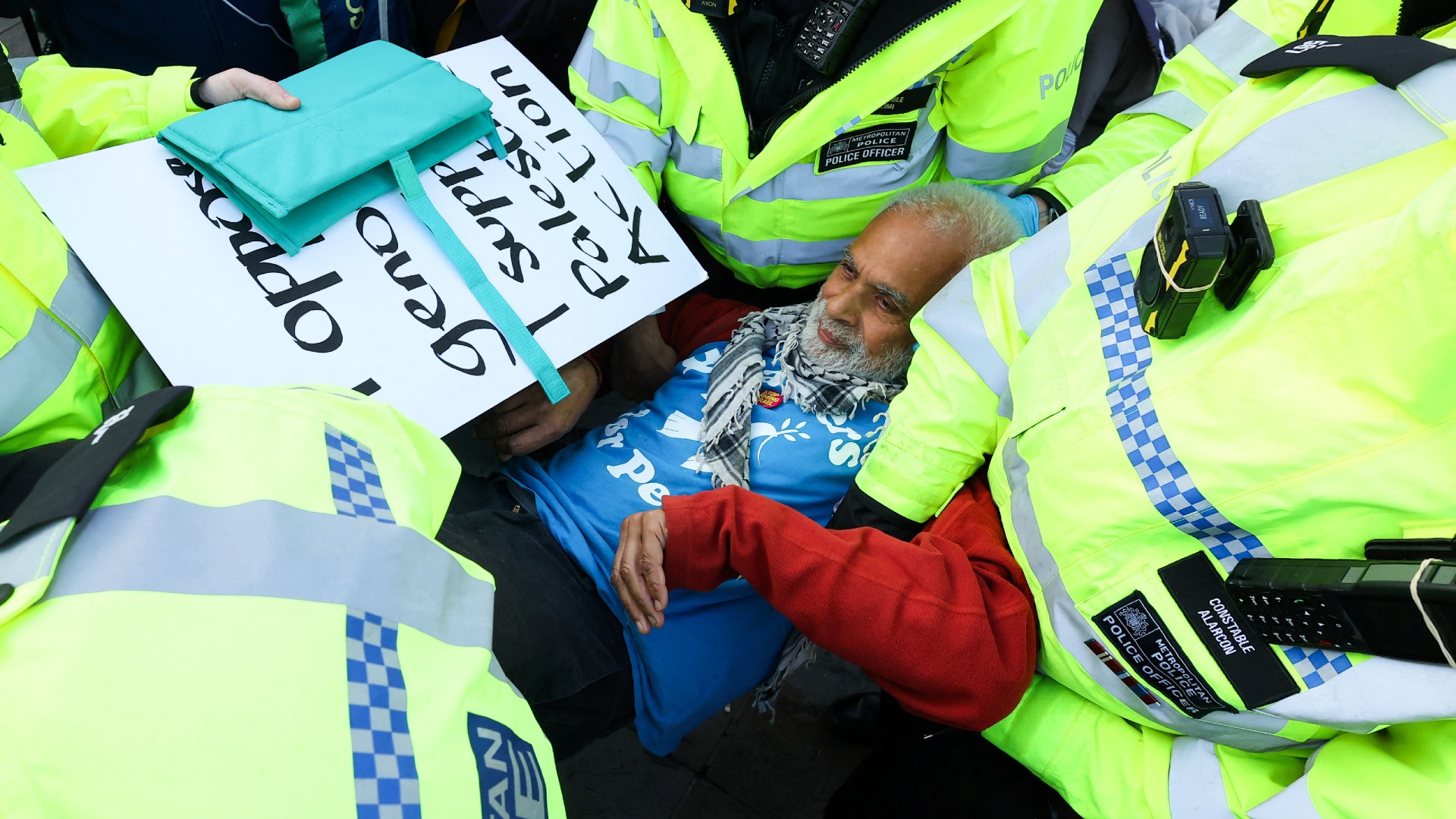
Thousands to defy UK ban on Palestine Action in ‘historic’ mass civil disobedience
Campaigners opposing the UK government’s ban on the direct action group Palestine Action have announced a series of unprecedented protests, dubbed the “most widespread mass civil disobedience in modern British history.” The demonstrations, set to take place in 18 towns and cities across the UK, coincide with an upcoming judicial review of the group’s proscription as a terrorist organization. Clive Dolphin, a spokesperson for Defend Our Juries, the campaign group coordinating the protests, stated that the actions aim to “exert pressure” on the judicial review process. The ban, enacted in July by then Home Secretary Yvette Cooper, equates Palestine Action with groups like ISIS and al-Qaeda under British law, making support or membership a criminal offense punishable by up to 14 years in prison. Since the ban, thousands have risked arrest under the Terrorism Act for displaying signs supporting Palestine Action, with over 2,000 arrests and 170 charges filed so far. Defend Our Juries anticipates varied responses from police forces, noting that some regions chose not to make arrests during previous protests. Dolphin criticized Metropolitan Police Commissioner Mark Rowley’s aggressive approach, describing it as “masochistic” and highlighting the strain on the magistrates’ court system, which has been overwhelmed by terrorism-related cases. Meanwhile, Prisoners for Palestine (PFP) announced a rolling hunger strike starting November 2, citing “systematic abuse” by prison authorities. The strike follows unanswered demands for bail and an end to interference with prisoners’ communications. Former prisoner and PFP campaigner Francesca Nadin revealed that Palestine Action-linked prisoners face severe censorship, with hundreds of personal letters reportedly missing. The protests and hunger strike mark a historic moment of resistance against the government’s crackdown on Palestine Action, with campaigners urging the government to address their grievances.
-

Israeli lawmakers demand release of convicted killers of Palestinians
A group of 55 Israeli ministers and members of parliament, including prominent figures such as Finance Minister Bezalel Smotrich and National Security Minister Itamar Ben Gvir, have formally requested President Isaac Herzog to pardon Jewish Israeli prisoners convicted of murdering Palestinians. The lawmakers specifically urged the release of 25 such individuals, as reported by Israeli news outlet Ynet. This appeal comes amidst a backdrop of recent prisoner exchanges between Israel and Hamas, which saw the release of thousands of Palestinian detainees. The letter, signed by members of the ruling Likud party and other ministers, emphasized that their support for the pardons does not condone the actions of the convicted individuals. It highlighted the perceived injustice of Jewish prisoners remaining incarcerated while Palestinian prisoners, including those involved in violent crimes, are set free. The signatories called on President Herzog to act swiftly to rectify this imbalance. Under Israeli law, the president holds the authority to grant pardons, and there have been increasing calls for such actions since the Gaza ceasefire began on October 11. Among the prisoners under consideration for sentence commutation is Ami Popper, who has been serving time since 1990 for the murder of seven Palestinian workers. Other high-profile cases include Yosef Haim Ben-David, convicted of the 2014 murder of Palestinian teenager Mohammed Abu Khdeir, and Amiram Ben-Uliel, sentenced for the 2015 arson attack that killed three members of the Dawabsheh family. The debate over these pardons has sparked significant public discourse in Israel, with some arguing that there is no moral justification for keeping these individuals imprisoned, while others emphasize the gravity of their crimes.
-
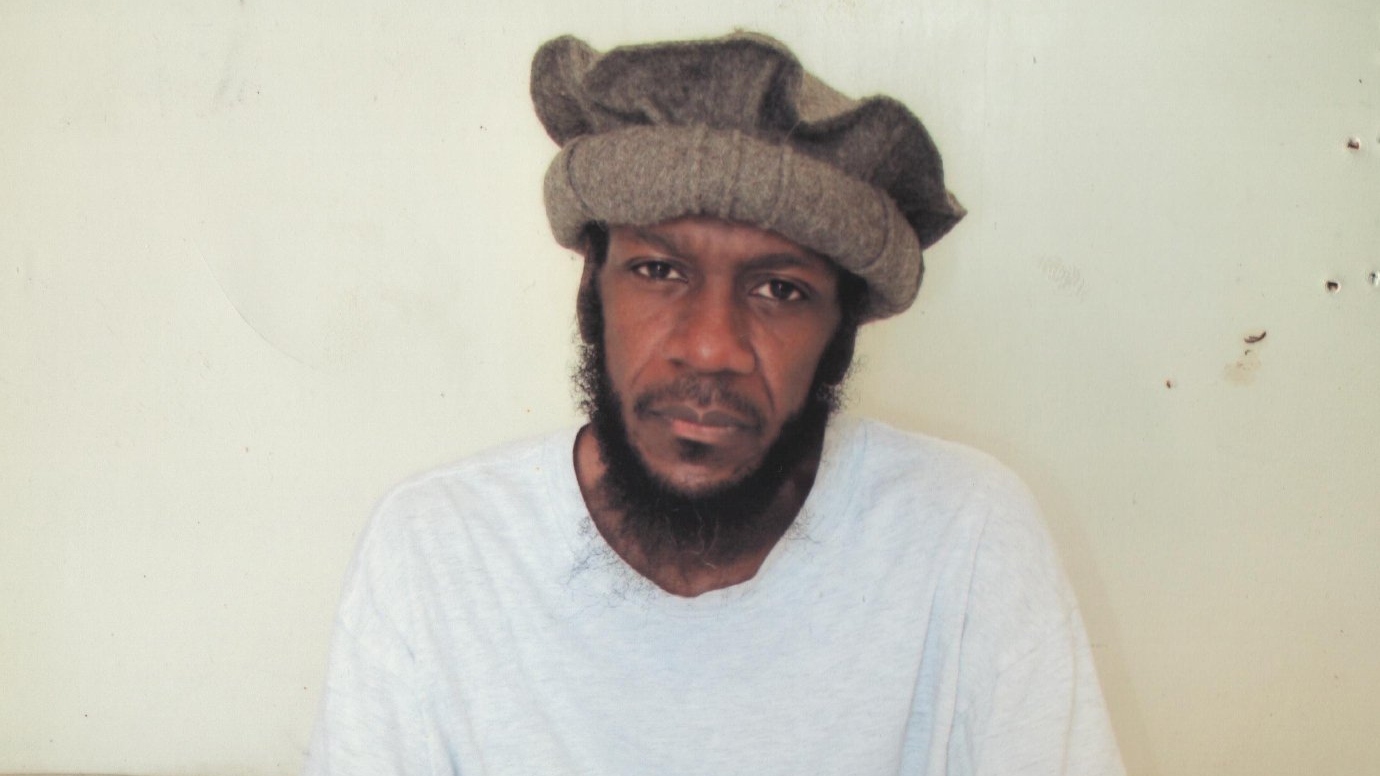
UK judges clarify limits on intelligence agencies’ complicity in foreign torture
In a landmark ruling, senior British judges have delineated the legal boundaries of the UK’s intelligence agencies’ cooperation with foreign partners accused of torture. The Investigatory Powers Tribunal (IPT), led by Lord Justice Singh and Lord Boyd of Duncansby, examined the involvement of MI5, MI6, GCHQ, and the Ministry of Defence in the alleged torture of two men detained by the CIA between 2002 and 2006. The tribunal concluded that while the agencies acted within their legal powers, they must not actively encourage or facilitate torture. The case was brought by Mustafa al-Hawsawi and Abd al-Rahim al-Nashiri, two Saudi nationals detained at Guantanamo Bay, who accused British agencies of complicity in their mistreatment at CIA ‘black sites’ across several countries. The IPT acknowledged the men’s ‘brutal interrogation’ but found no evidence of British agencies exceeding their authority. The ruling clarified that while receiving information obtained through torture is not unlawful, actively participating in such practices is prohibited. The judgment reinforces the UK’s commitment to the prohibition of torture, describing it as a ‘constitutional principle’ of common law. Human rights advocates argue that the ruling exposes a narrow legal distinction that risks moral complicity. However, the government and intelligence agencies view the decision as judicial confirmation of the legality of information sharing with allies, provided British officials do not actively participate in abuse. Both Hawsawi and Nashiri remain imprisoned at Guantanamo Bay, where they face trial before US military commissions. Their treatment has been condemned by international bodies, including the European Court of Human Rights, which found multiple states complicit in their abuse through hosting CIA detention sites.
-
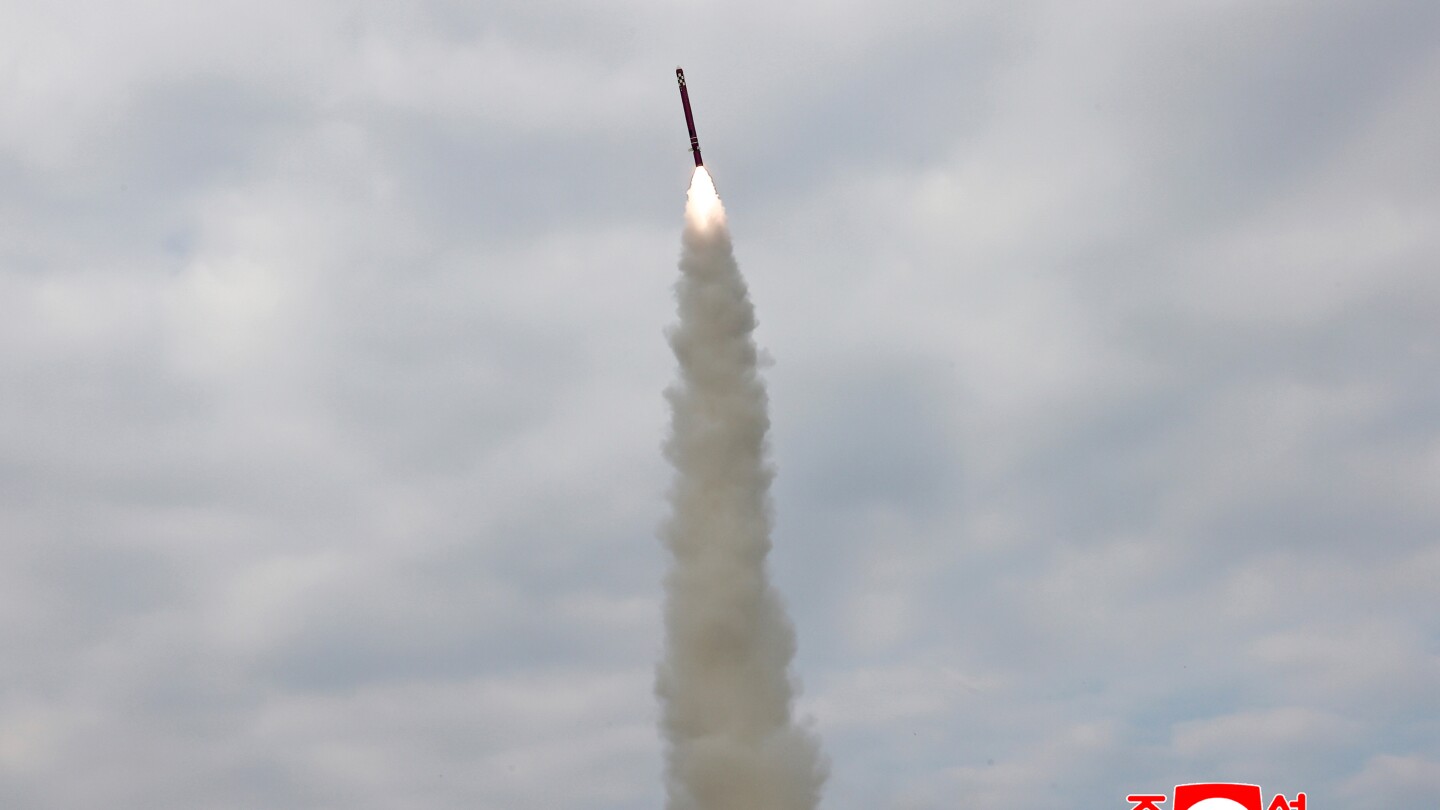
North Korea says it test-fired cruise missiles ahead of Trump’s visit to South Korea
North Korea announced on Wednesday that it had successfully launched sea-to-surface cruise missiles into its western waters, showcasing its advancing military capabilities. The tests, conducted on Tuesday, were reported by the Korean Central News Agency (KCNA) as a significant achievement, with the missiles accurately hitting their targets after flying for over two hours. The agency emphasized that these weapons would enhance the operational range of North Korea’s nuclear-armed forces. The timing of the announcement coincided with U.S. President Donald Trump’s visit to South Korea for the Asia-Pacific Economic Cooperation (APEC) summit in Gyeongju, where he was scheduled to meet with South Korean President Lee Jae Myung. Senior military official Pak Jong Chon oversaw the tests and inspected training exercises aboard North Korea’s newly developed destroyers, Choe Hyon and Kang Kon, which leader Kim Jong Un has identified as critical assets in strengthening the navy. This latest display of military prowess follows North Korea’s recent short-range ballistic missile tests, which included a hypersonic system aimed at bolstering its nuclear deterrent. While Trump has expressed interest in meeting with Kim during his visit, South Korean officials have downplayed the likelihood of such an encounter. North Korea has remained steadfast in its refusal to engage in talks with Washington and Seoul since the collapse of Kim’s nuclear diplomacy with Trump in 2019. Kim has since shifted his foreign policy focus toward Russia, supporting President Vladimir Putin’s efforts in Ukraine and positioning North Korea as part of a united front against the U.S.-led West. Last month, Kim reiterated his stance that he would not return to negotiations unless the United States abandons its demand for North Korea’s denuclearization.
-
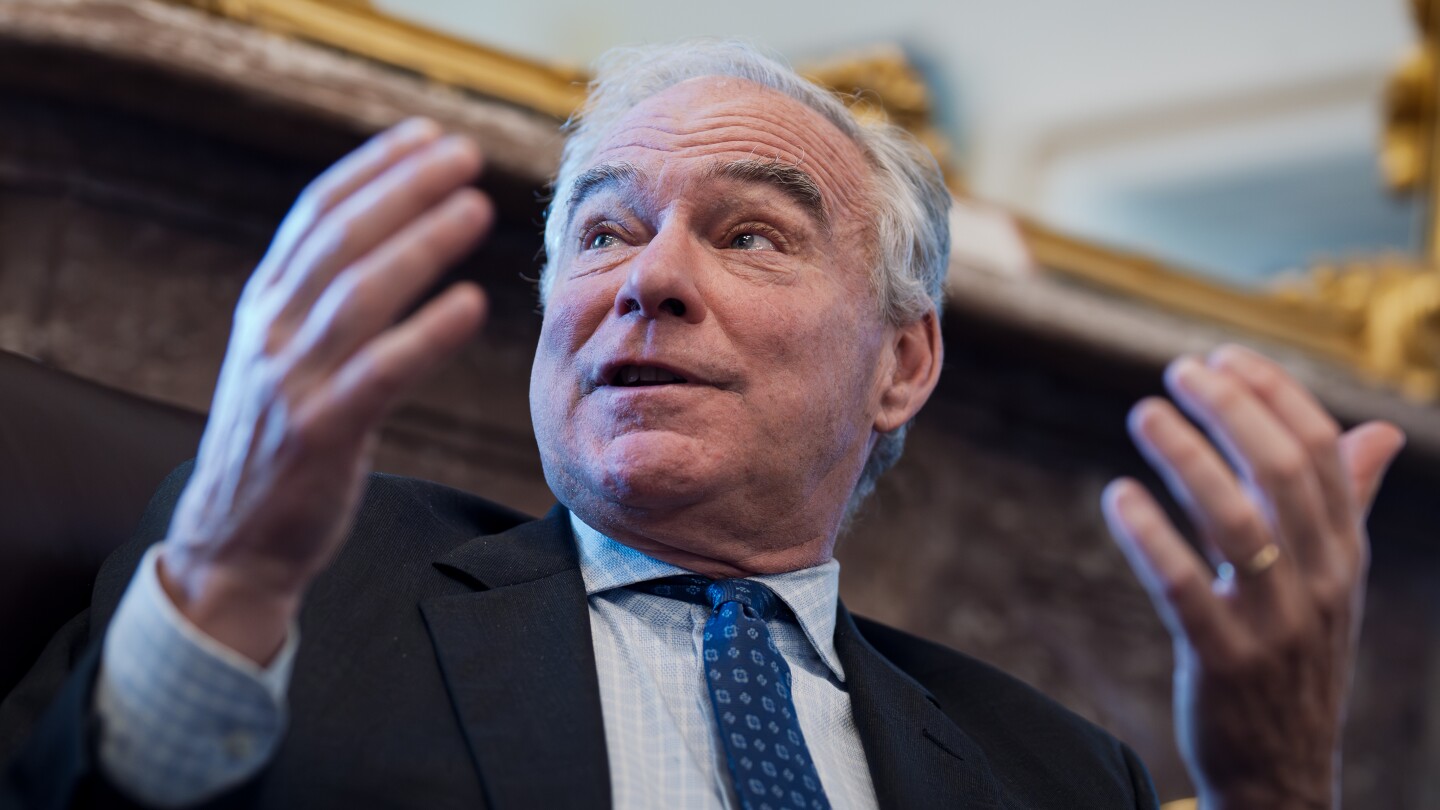
Democrats force a Senate vote to block Trump’s tariffs on Brazil
The U.S. Senate convened on Tuesday evening to vote on legislation aimed at nullifying President Donald Trump’s tariffs on Brazil, targeting key imports such as oil, coffee, and orange juice. The resolution, introduced by Democratic Senator Tim Kaine of Virginia, seeks to terminate the national emergencies declared by Trump to justify these tariffs. Kaine also plans to introduce similar resolutions addressing tariffs on Canada and other nations later this week. Despite the effort, the legislation faces significant hurdles. The Republican-controlled House has implemented rules that could block the resolution from reaching a vote, and Trump is expected to veto it if it passes Congress. Nevertheless, Kaine emphasized that the vote serves as a symbolic pushback against Trump’s trade policies, forcing a Senate discussion on the economic repercussions of tariffs. ‘This is about how much we will let a president get away with,’ Kaine stated, questioning whether his colleagues would challenge Trump’s authority. Trump imposed 50% tariffs on Brazil, citing the country’s policies and the criminal prosecution of former President Jair Bolsonaro. Last year, the U.S. recorded a $6.8 billion trade surplus with Brazil, according to the Census Bureau. Senate Democratic leader Chuck Schumer criticized the tariffs, stating that everyday Americans are paying the price for Trump’s ‘reckless’ trade policies. Republicans, too, have expressed growing discomfort with Trump’s aggressive trade stance, particularly amid economic uncertainty. The Congressional Budget Office recently warned that Trump’s tariff policies could exacerbate joblessness, inflation, and slow economic growth. In April, four Republicans joined Democrats to block tariffs on Canada, though the bill never advanced in the House. Kaine invoked a decades-old law to force the vote, allowing Congress to challenge a president’s emergency powers. Vice President JD Vance urged Republicans to support Trump’s trade negotiations, arguing that tariffs provide leverage for American workers and farmers. Meanwhile, the Supreme Court is set to review a case challenging Trump’s tariff authority, with lower courts already deeming many of his tariffs illegal. Some Republicans, like Senator Kevin Cramer, are awaiting the court’s decision before taking a stance. Others, including Senator Mitch McConnell and Senator Rand Paul, have openly criticized Trump’s use of emergency powers to justify tariffs, calling it an abuse of authority. Kaine also plans to introduce a resolution limiting Trump’s ability to conduct military strikes in Venezuela, aiming to pressure Republicans on contentious issues.
-
Man deported to Laos despite court ordering blocking his removal, attorneys say
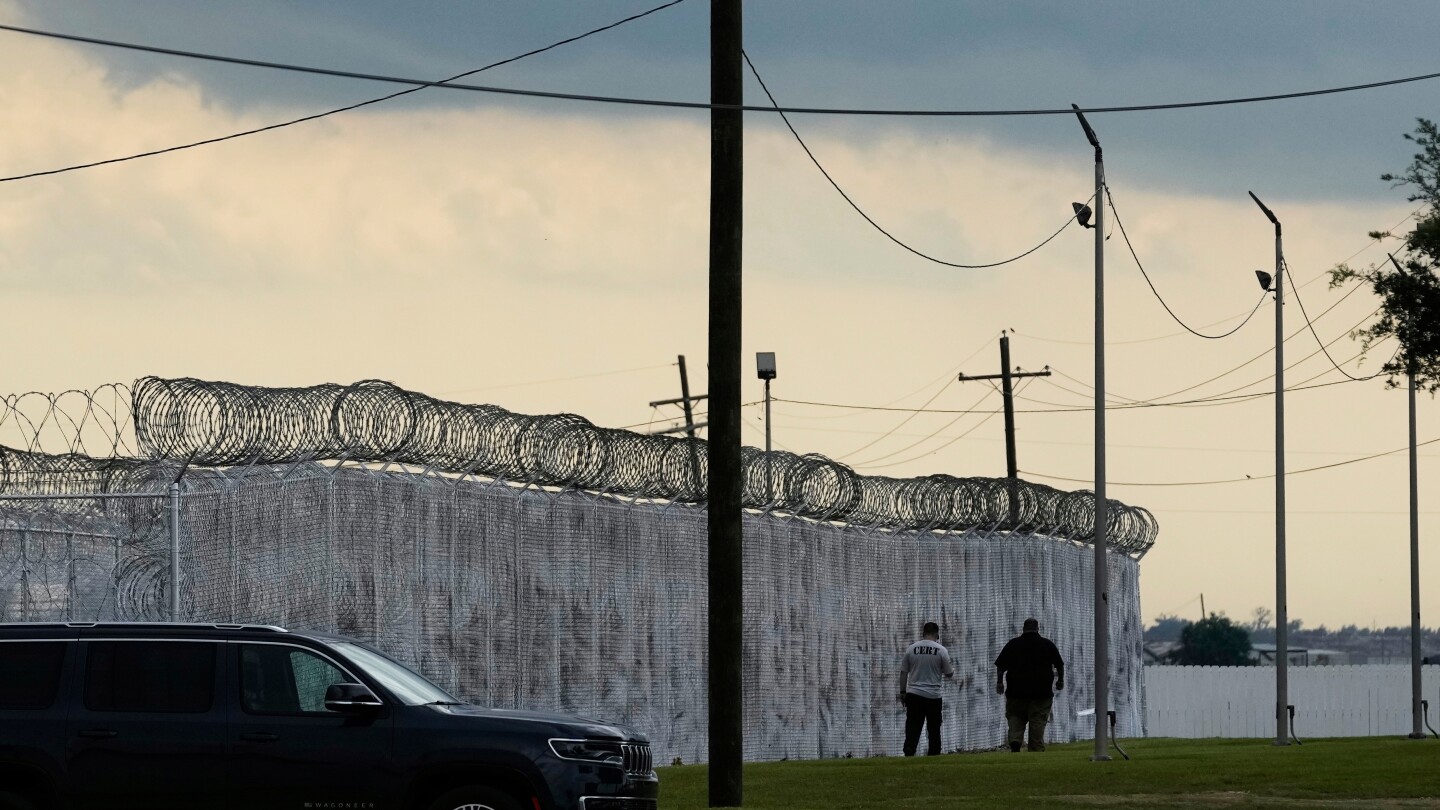
In a controversial move, U.S. Immigration and Customs Enforcement (ICE) deported Chanthila “Shawn” Souvannarath, a 44-year-old Alabama resident, to Laos despite a federal court order halting his removal. Souvannarath, who claims U.S. citizenship, was born in a Thai refugee camp but has lived in the U.S. since infancy, holding lawful permanent resident status. U.S. District Judge Shelly Dick had issued a temporary restraining order last week, citing Souvannarath’s “substantial claim of U.S. citizenship” and the irreparable harm deportation would cause. However, ICE proceeded with the deportation, leaving his family devastated. Souvannarath’s wife, Beatrice, confirmed his arrival in Laos via a WhatsApp message. The ACLU of Louisiana, representing Souvannarath, condemned the action as a blatant violation of the court order, accusing the administration of prioritizing mass deportation over legal and constitutional obligations. This incident underscores ongoing tensions between the Trump administration and the judiciary over immigration enforcement, including previous cases of U.S. citizens being wrongfully deported.