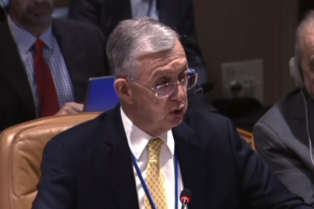
During a significant gathering at the United Nations Headquarters in New York, representatives from various nations reiterated their unwavering support for the one-China principle and General Assembly Resolution 2758. This resolution, adopted by an overwhelming majority during the 26th session of the UN General Assembly, officially restored all rights to the People’s Republic of China and recognized its government as the sole legitimate representative of China within the UN. The reaffirmation of this principle underscores the international community’s continued recognition of China’s sovereignty and its pivotal role in global governance. The event highlighted the enduring diplomatic consensus on this matter, reflecting the importance of maintaining stability and unity in international relations. This collective stance also serves as a reminder of the historical significance of Resolution 2758, which has shaped China’s position on the global stage for decades.
分类: politics
-
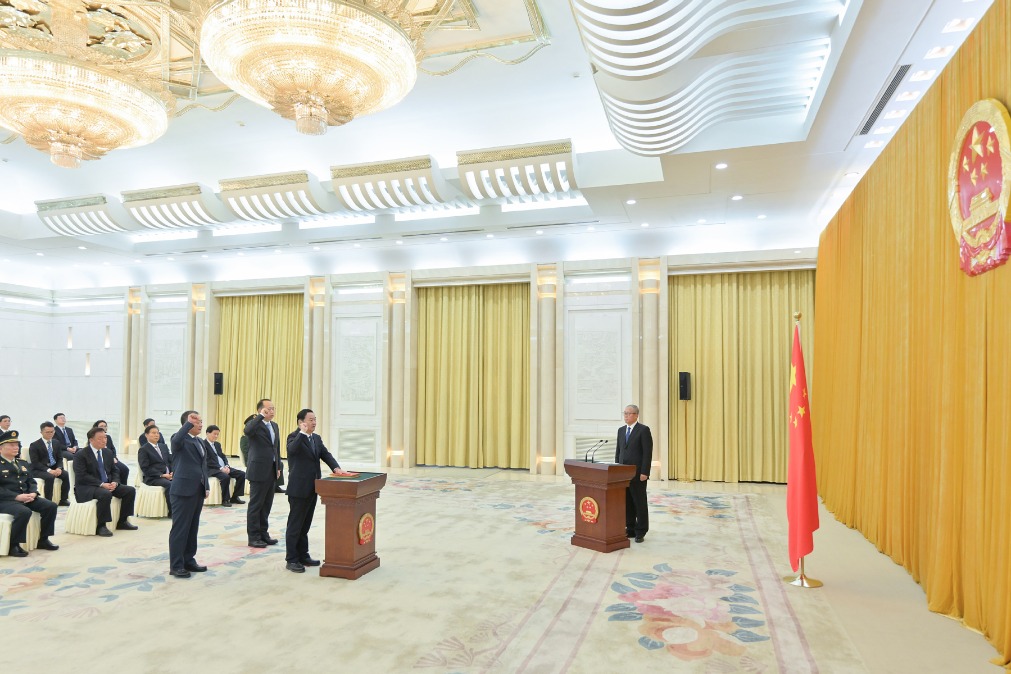
Oath-taking ceremony held by 14th NPC Standing Committee in Beijing
On October 28, 2025, the 14th Standing Committee of the National People’s Congress (NPC) held a solemn oath-taking ceremony at the Great Hall of the People in Beijing. The event, chaired by Li Hongzhong, Vice-Chairman of the NPC Standing Committee, underscored the commitment of its members to uphold the Constitution of the People’s Republic of China. The ceremony, a pivotal moment in China’s political calendar, reaffirmed the dedication of the NPC Standing Committee to the rule of law and the nation’s governance framework. The gathering highlighted the importance of constitutional allegiance in guiding the legislative body’s responsibilities and decisions. This event aligns with China’s ongoing efforts to strengthen institutional governance and ensure the effective implementation of its legal and political systems.
-
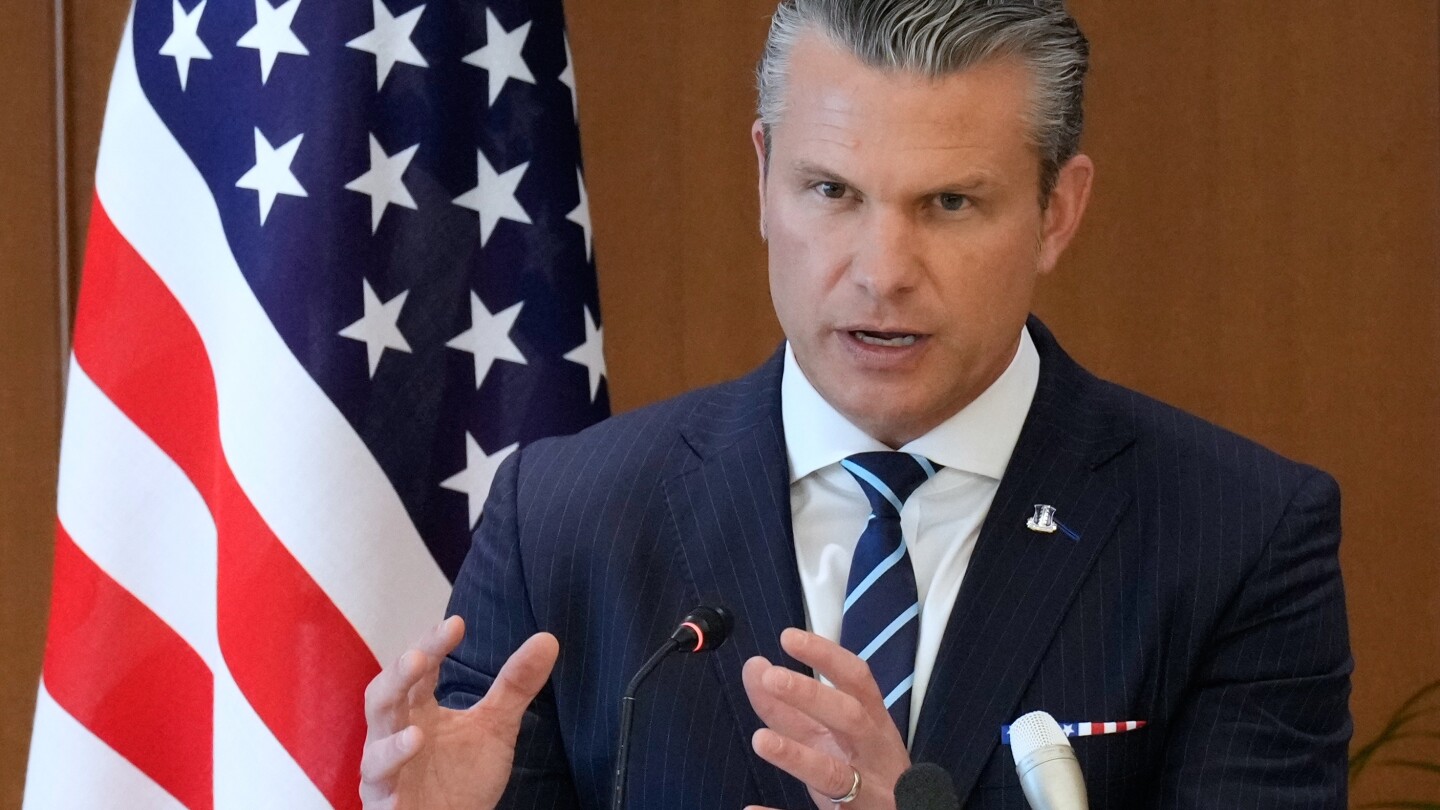
Hegseth welcomes Japan’s arms spending increase, says US-Japan alliance key to deter China
In a significant development for regional security, U.S. Defense Secretary Pete Hegseth has lauded Japan’s commitment to expediting its military expansion and increasing defense spending. During his visit to Tokyo on Wednesday, Hegseth emphasized the urgency of addressing China’s escalating military assertiveness, describing it as a tangible and pressing threat. He underscored the critical role of the U.S.-Japan alliance in deterring Chinese aggression and ensuring regional stability. Hegseth expressed his approval of Japanese Prime Minister Sanae Takaichi’s pledge to raise defense spending to 2% of the nation’s gross domestic product by March, two years ahead of the original schedule. This move aligns with Japan’s broader strategy to revise its national security framework and enhance its military capabilities. Hegseth clarified that the U.S. had not pressured Japan into this decision, framing it as a proactive step by Tokyo. The agreement also includes expedited deliveries of U.S.-made Advanced Medium Range Air-to-Air Missiles (AMRAAM), further strengthening Japan’s defensive posture. Japan’s shift from its post-World War II pacifist stance, marked by the 2022 security strategy, reflects its growing focus on self-reliance and offensive capabilities. The Takaichi administration is also exploring ways to ease restrictions on arms exports, signaling a historic transformation in Japan’s defense policy.
-

China passes its newly revised Maritime Law
In a significant legislative move, China’s National People’s Congress Standing Committee has approved a comprehensive revision of the country’s Maritime Law. The updated legislation, which will come into force on May 1, 2026, comprises 16 chapters and 310 articles, reflecting the latest developments in global shipping and trade practices. The revised law aims to balance the interests of various stakeholders while aligning with international maritime conventions. Key updates include adjustments to the rights and obligations of maritime participants, the legal recognition of electronic transport records, and enhanced provisions for marine environmental protection. Notably, a new chapter addressing liability for ship oil pollution damage has been introduced, underscoring China’s commitment to marine ecological conservation. The law also emphasizes international cooperation in maritime affairs, supporting the high-quality development of China’s shipping industry. Additionally, it includes provisions to address foreign-related legal applications, further solidifying China’s position as a maritime and shipping power.
-
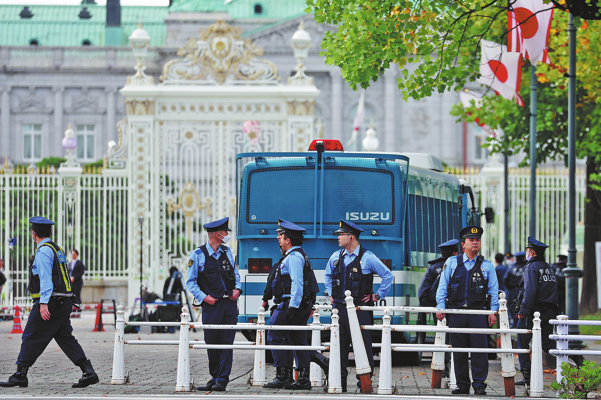
Japan, US leaders sign economic agreement
In a significant diplomatic move, Japan’s newly elected Prime Minister Sanae Takaichi and US President Donald Trump solidified their nations’ alliance through a series of economic and defense agreements during their meeting in Tokyo on Tuesday. The leaders signed a document reaffirming the implementation of a trade deal initially reached in July, which includes Japan’s pledge to invest $550 billion in critical US industries such as semiconductors, rare earths, and shipbuilding. Additionally, Japan committed to increasing its purchases of US agricultural products.
-
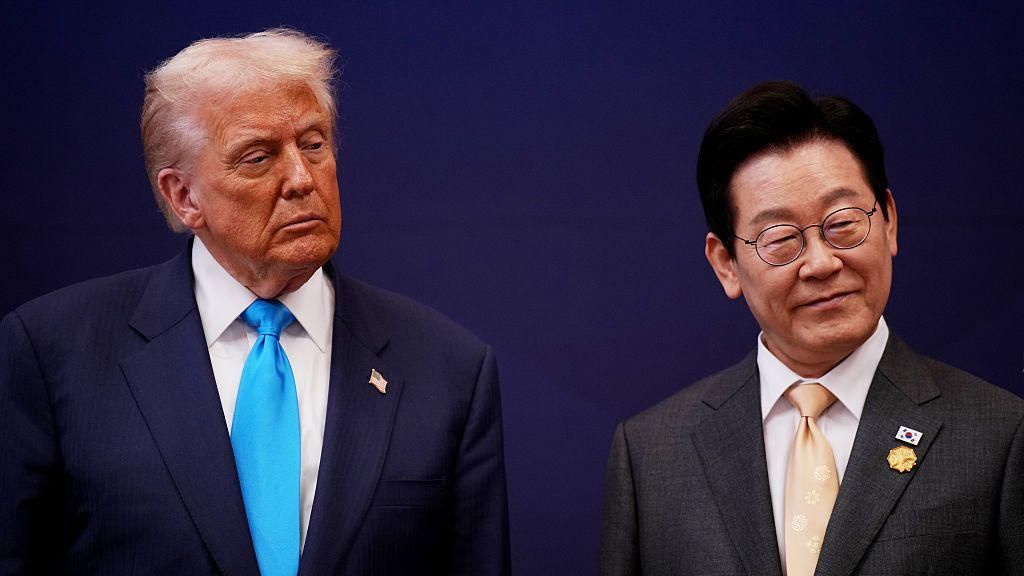
Trump meets South Korean leader as trade deal remains elusive
US President Donald Trump and South Korean President Lee Jae Myung held a significant meeting during the final leg of Trump’s whirlwind tour across Asia. The discussions, which lasted nearly two hours, focused on resolving the ongoing trade deal impasse between the two nations. Despite previous agreements in July, where South Korea committed to investing $350 billion in the US to mitigate tariffs, negotiations have stalled over the structure of these investments. Historically strong allies, the US and South Korea have recently faced tensions following the detention of hundreds of South Koreans in a US immigration raid last month. Trump, who is on a week-long trip in Asia, is also scheduled to meet Chinese President Xi Jinping on the sidelines of the Asia-Pacific Economic Cooperation (Apec) summit in Gyeongju. This will be their first face-to-face meeting since Trump assumed office in 2025 and imposed global tariffs. During his address to CEOs in Gyeongju, Trump expressed optimism about reaching a beneficial trade deal with China and praised Apec countries for their efforts in reforming the global trading system. Trump was honored with South Korea’s highest decoration, the Grand Order of Mugunghwa, in recognition of his contributions to peace on the Korean Peninsula. Despite the high-profile meeting, no concrete agreements were announced, leaving South Korea’s electronics, chip, and auto industries in uncertainty. Earlier this year, Trump had imposed a 25% tariff on South Korea, which was later negotiated down to 15% after Seoul pledged significant investments in the US. However, the White House has since increased its demands, pushing for cash investments. The visit was marked by protests and rallies, reflecting the complex geopolitical dynamics in the region.
-
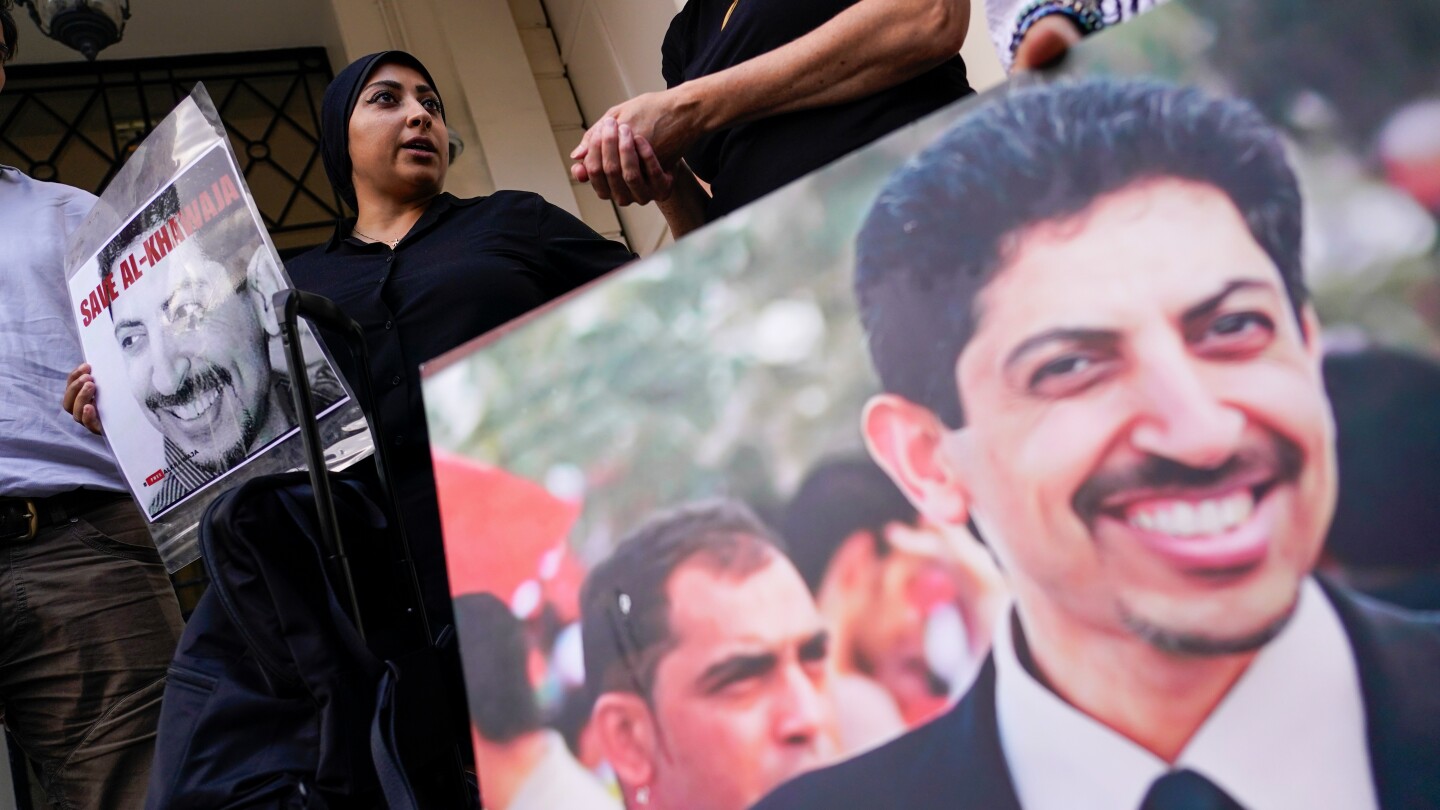
Imprisoned Bahrain activist Abdulhadi al-Khawaja starts hunger strike over his detention
Abdulhadi al-Khawaja, a prominent Bahraini activist imprisoned since the 2011 Arab Spring protests, has initiated an open-ended hunger strike to draw attention to his internationally condemned detention. Al-Khawaja, who also holds Danish citizenship, began the strike on Wednesday while held at the Jaw Rehabilitation and Reform Center in Bahrain. This marks his second hunger strike; his first, in 2012, lasted 110 days. Medical professionals, including Dr. Damian McCormack, have warned that al-Khawaja’s health is precarious, citing his 10-kilogram (22-pound) underweight status and a pre-existing heart condition. McCormack emphasized that any duration of hunger strike poses a high risk of death for the 64-year-old activist. Bahraini authorities have not directly addressed the hunger strike but maintain that prisoners receive fair trials, full rights, and prompt medical care. Al-Khawaja’s detention has been widely criticized by human rights groups and UN experts, who describe it as arbitrary following a life sentence imposed by a military tribunal on terrorism charges. His hunger strike aims to pressure Denmark and the European Union to negotiate his release. The timing coincides with Bahrain’s annual Manama Dialogue, a security summit attracting global leaders. Al-Khawaja, a founder of the Bahrain Center for Human Rights, has long advocated for democratic reforms in the Shiite-majority nation governed by a Sunni ruling family. His activism has made him a symbol of the ongoing struggle for human rights in Bahrain, where unrest persists despite the violent suppression of the 2011 protests.
-
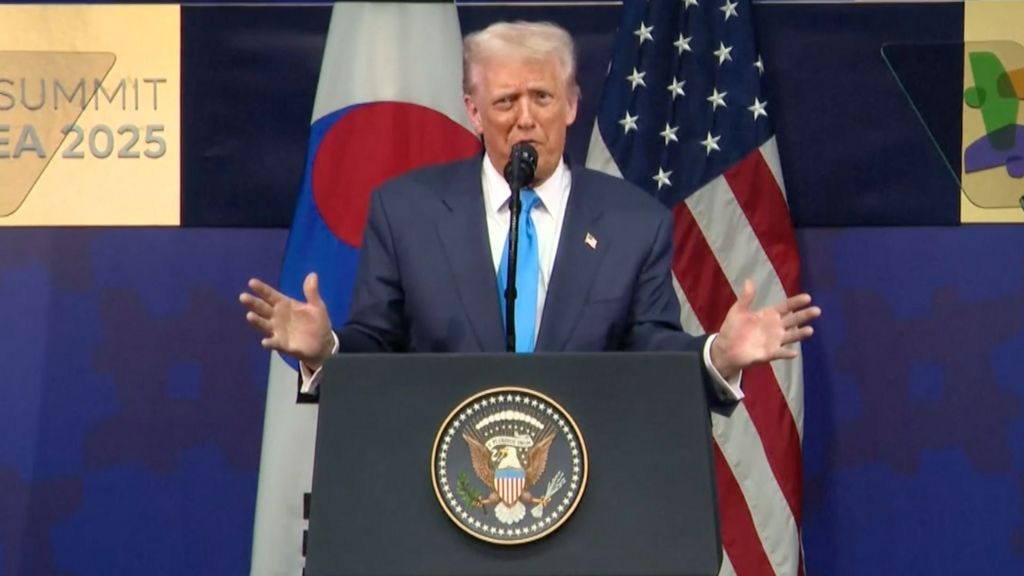
Trump imitates India’s PM Narendra Modi in South Korea
During a recent address in South Korea, former U.S. President Donald Trump impersonated Indian Prime Minister Narendra Modi while recounting his diplomatic engagements during the May 2019 India-Pakistan conflict. Trump’s mimicry, which included imitating Modi’s tone and mannerisms, highlighted the tense geopolitical dynamics between the two South Asian nations. The former president shared anecdotes about his conversations with Modi, emphasizing his role in de-escalating the crisis. This incident underscores the personal rapport Trump often sought to establish with world leaders, even as it drew mixed reactions from audiences. The speech also served as a reminder of the delicate balance of power in the region and the U.S.’s historical involvement in mediating such disputes.
-
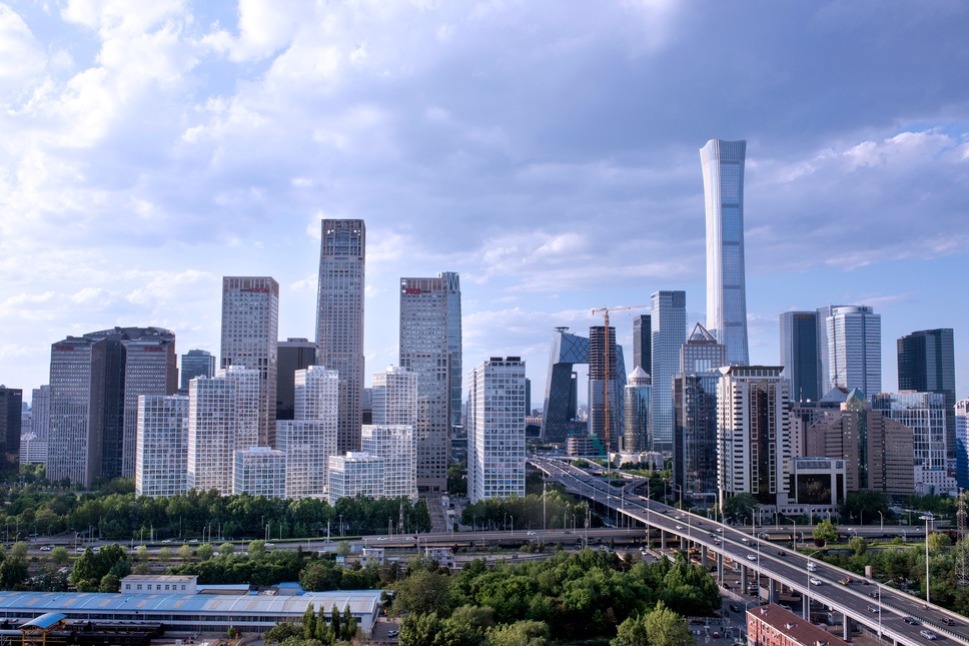
Xi highlights key role of 15th Five-Year Plan
Chinese President Xi Jinping has underscored the pivotal role of the 15th Five-Year Plan (2026-2030) in steering China toward sustained and robust development, laying a solid foundation for achieving socialist modernization by 2035. Speaking at the fourth plenary session of the 20th CPC Central Committee, Xi emphasized that the plan is a strategic blueprint for China’s economic and social progress over the next five years. The recommendations, adopted at the plenum, were made public on Tuesday, outlining a comprehensive framework for high-quality development, technological innovation, and green transformation. Xi highlighted the importance of systems thinking, deepening reforms, and expanding openness to the world. The drafting process, led by Xi, involved extensive research, public consultation, and intra-Party collaboration, reflecting a commitment to democratic decision-making. Experts and international observers have lauded the plan as a critical step toward China’s second centenary goal of becoming a modern socialist powerhouse by 2049.
-
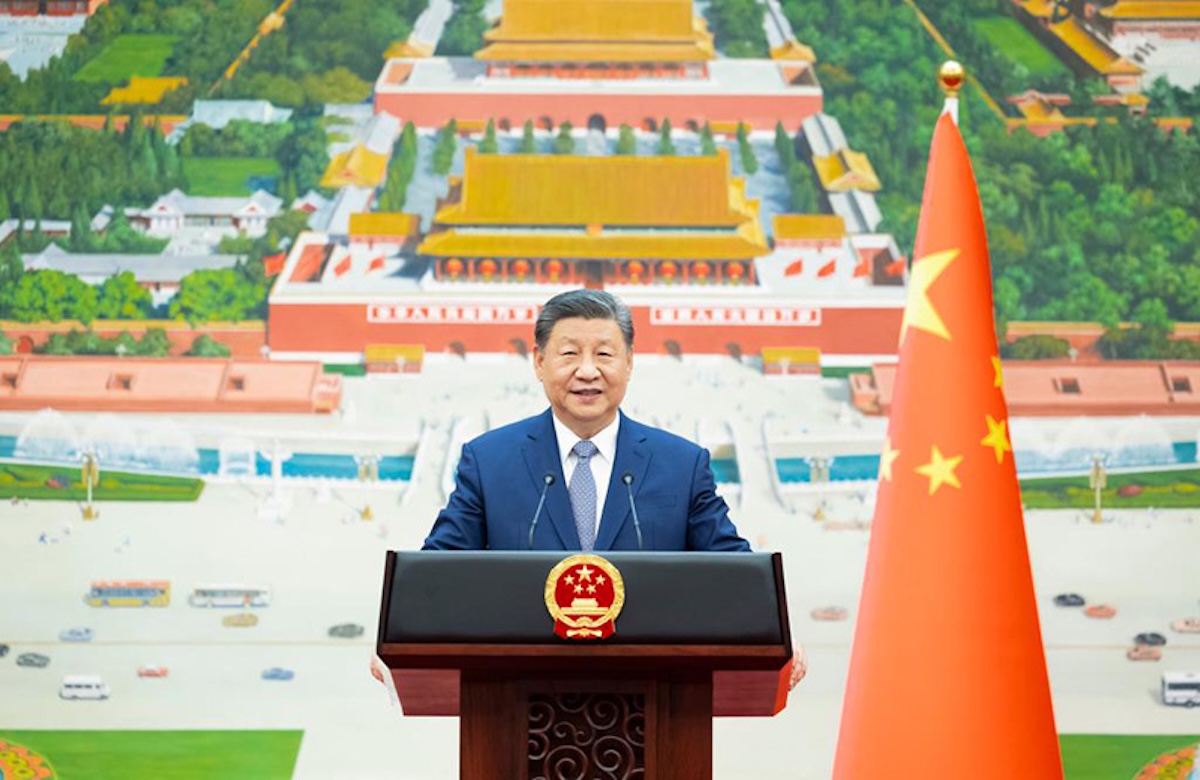
China’s hard-won strategic lead over the US: Can Xi make it last?
The upcoming US-China summit in Korea marks a pivotal moment in international diplomacy, as it will be the first time the People’s Republic of China (PRC) holds a strategic advantage over the United States. This shift is largely attributed to President Xi Jinping’s consolidation of power domestically and China’s dominance in the global rare earth elements market, which accounts for 70% of the world’s supply and 90% of its processing. These resources are critical for electronics manufacturing, giving China significant leverage in global industrial production. This strategic edge has brought Taiwan’s reunification closer than ever, further strengthening Beijing’s position on the global stage. Historically, the US has faced similar challenges, such as the oil crisis in the 1970s and Japan’s technological rise in the 1980s, but it remains uncertain whether China will follow the same trajectory. Domestically, Xi has overseen the largest purge in the history of the People’s Liberation Army (PLA), consolidating his authority and addressing systemic corruption. His leadership has reshaped China’s decision-making processes, drawing inspiration from both imperial history and Soviet-era governance. However, challenges remain, including bureaucratic inertia and the need to balance internal and external pressures. As China navigates these complexities, the outcome of the US-China summit will be a critical indicator of Beijing’s ability to maintain its strategic advantage in the years to come.