
In a stunning turn of events, Rob Jetten, the 38-year-old leader of the centrist liberal party D66, has emerged as the frontrunner in the Dutch general election, according to the latest exit poll. The Ipsos I&O survey indicates that Jetten’s party has secured 27 seats, narrowly surpassing anti-Islam populist Geert Wilders, who had dominated the polls throughout the campaign. This marks a dramatic shift from the 2023 election, where D66 languished in sixth place. The final outcome remains uncertain, but the exit poll suggests a significant swing in voter sentiment. Wilders, who led the previous government, saw his support wane after his coalition collapsed in June over disputes on asylum and migration policies. Jetten’s polished campaign, bolstered by his strong performances in televised debates and a strategic appearance on a popular game show, resonated with voters seeking unity and progress. The conservative liberals, led by Dilan Yesilgöz, are also poised for a strong showing, potentially securing a role in a future coalition government. Meanwhile, the GreenLeft-Labour party, once a close contender, is projected to finish fourth, signaling a disappointing night for former European Commissioner Frans Timmermans. The election, fought largely on issues of migration, housing shortages, and asylum center overcrowding, has highlighted the electorate’s desire for change. Jetten’s party has pledged to address the housing crisis by building 10 new cities, a policy that has garnered significant attention. As supporters celebrated in Leiden, the atmosphere was electric, with many expressing hope for a brighter future under Jetten’s leadership.
分类: politics
-

The Times of London duped by con artist into publishing an attack on Mamdani
The Times of London, a prestigious British newspaper owned by Rupert Murdoch, has retracted an article falsely attributed to former New York mayor Bill de Blasio, following revelations that the publication was deceived by an impersonator. The article, published on Tuesday, purported to feature de Blasio criticizing Zohran Mamdani, the 33-year-old Democratic nominee and frontrunner in the New York mayoral election. The fabricated quotes included de Blasio allegedly questioning the feasibility of Mamdani’s policy proposals. The story gained traction when a spokesperson for Mamdani’s rival, Andrew Cuomo, shared it on social media. However, de Blasio swiftly denounced the article on X, stating it was ‘entirely false and fabricated.’ He emphasized that he had never spoken to the reporter or made such statements, calling the incident an ‘absolute violation of journalistic ethics.’ The Times issued an apology to de Blasio and removed the article, acknowledging that their reporter had been misled by an individual falsely claiming to be the former mayor. De Blasio reaffirmed his support for Mamdani, praising his vision as ‘necessary and achievable.’ Mamdani’s platform, which includes abolishing bus fares, freezing rent on rent-stabilized apartments, and providing universal childcare, has resonated with New Yorkers, giving him a significant lead over Cuomo in polls. Despite his popularity, Mamdani has faced criticism from US political figures and media outlets, including the Murdoch-owned New York Post, due to his stance on Israel. Mamdani has previously lauded de Blasio as the best mayor of his lifetime.
-
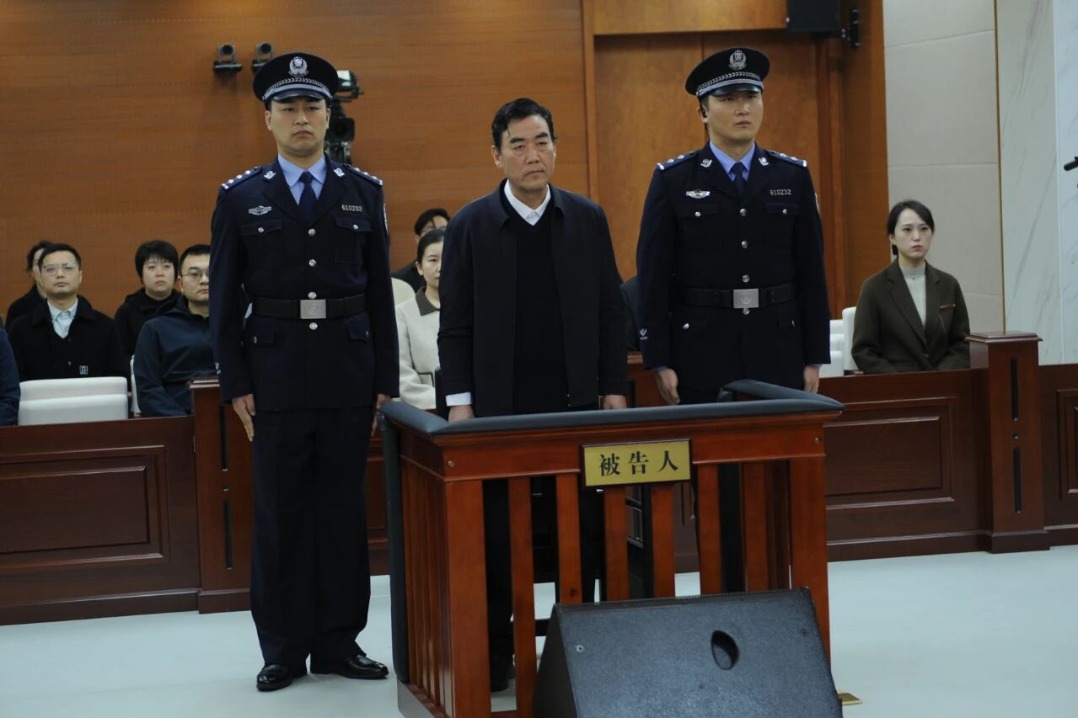
Former Qinghai senior official receives life for bribery
Yang Fasen, a former high-ranking official in Qinghai province, has been sentenced to life imprisonment for accepting bribes exceeding 147 million yuan ($20.7 million). The verdict was announced by the Hanzhong Intermediate People’s Court in Shaanxi province on Wednesday. In addition to the life sentence, Yang has been permanently stripped of his political rights, and all his personal assets have been confiscated. The court has also mandated that his illicit gains and related interests be transferred to the state treasury.
Between March 2005 and July 2024, Yang exploited his positions in the Xinjiang Uygur Autonomous Region and Qinghai to grant favors to individuals and businesses in exchange for bribes. The court emphasized that the scale of his corruption warranted severe punishment, describing the amount involved as ‘extremely large.’ However, the court noted that Yang’s voluntary surrender to anti-corruption authorities, his disclosure of previously unknown bribes, and the full restitution of his illicit gains were factors that led to some leniency in sentencing.
Yang, a 54-year-old native of Gansu province, began his career in 1990 and rose through the ranks, eventually becoming a member of the Standing Committee of the Communist Party of China Qinghai Provincial Committee in 2023. His downfall began in October 2024 when an investigation was launched, culminating in his expulsion from the Party and removal from public office in March. He was formally charged with bribery in June, and his case was publicly heard in September.
-

Putin says Russia’s nuclear-armed underwater drone was tested successfully
MOSCOW — Russian President Vladimir Putin announced on Wednesday that Russia has successfully tested a new nuclear-powered underwater drone, named Poseidon, which is capable of carrying nuclear warheads. Putin emphasized that the drone is unmatched in speed and depth, making it virtually impossible to intercept. This development comes just days after Russia tested a nuclear-powered cruise missile, signaling Moscow’s continued focus on advancing its strategic weapons capabilities. Putin described the Poseidon test as a “huge success,” revealing that the drone’s nuclear reactor is significantly smaller than those used in submarines but boasts a more powerful warhead than the Sarmat intercontinental ballistic missile. The Poseidon drone, first introduced in Putin’s 2018 state-of-the-nation address, is designed to explode near coastlines, potentially unleashing a radioactive tsunami. Putin’s announcement appears to be a strategic message to the United States, particularly amid escalating tensions over Ukraine. The Russian president has repeatedly highlighted Moscow’s nuclear readiness since the invasion of Ukraine in February 2022, asserting that Russia will use “all means” to protect its security interests. The test of the Burevestnik cruise missile, which covered 14,000 kilometers in a 15-hour flight, further underscores Russia’s advancements in nuclear technology. These developments come as U.S. President Donald Trump has postponed a planned summit with Putin and imposed new sanctions on Russia, intensifying the geopolitical standoff.
-
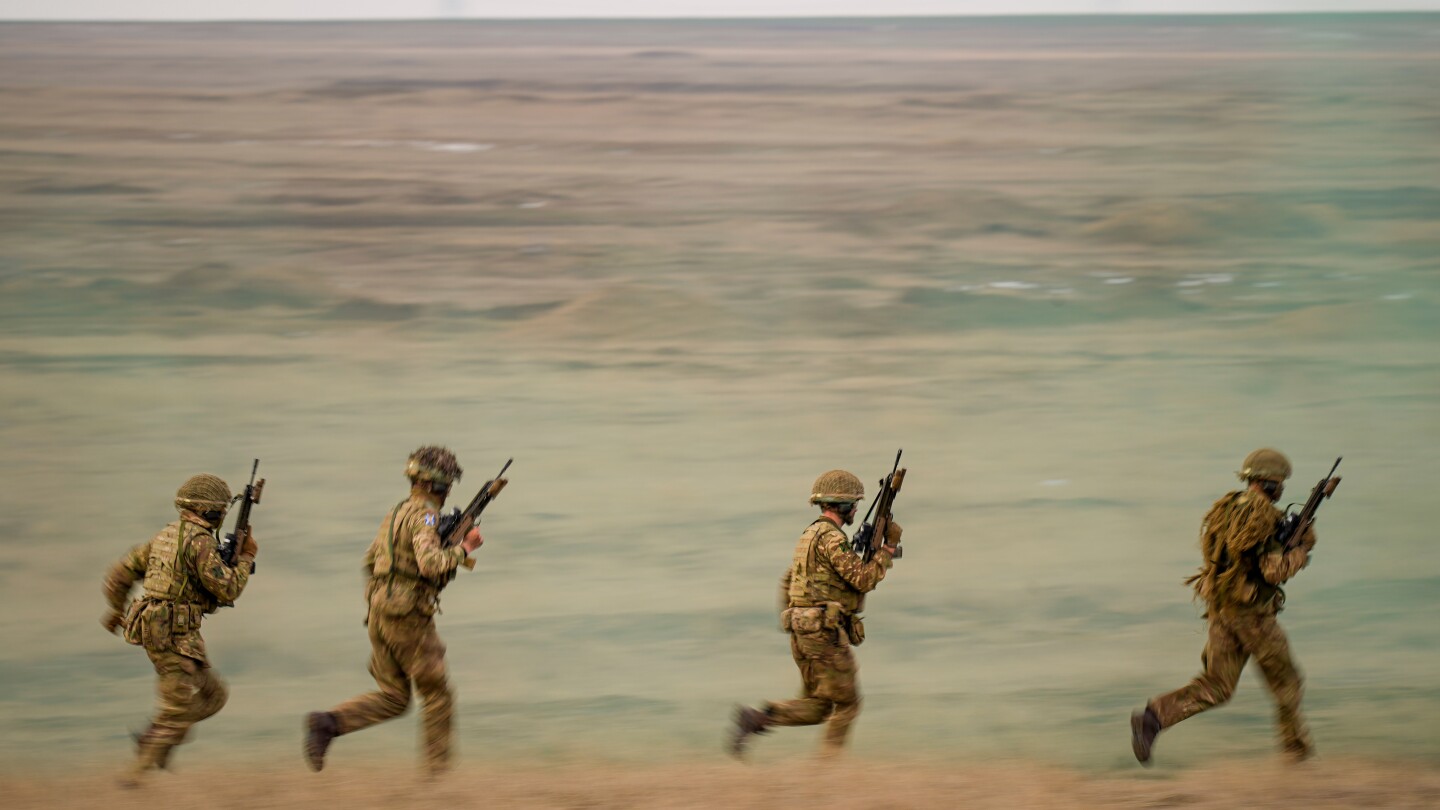
Romania says the US is drawing down troops along NATO’s eastern flank
The United States has announced plans to scale back its military presence along Europe’s eastern border with Ukraine, signaling a strategic pivot toward other global security priorities. Romania’s defense ministry confirmed the decision on Wednesday, noting that the rotation of a U.S. brigade with elements stationed across several NATO countries, including Romania, will cease. While approximately 1,000 U.S. troops will remain in Romania, this marks a reduction from the 1,700 personnel deployed there as of April. A brigade typically comprises 1,500 to 3,000 troops. The move reflects Washington’s increasing focus on the Indo-Pacific region, according to Romanian Defense Minister Ionut Mosteanu, who emphasized that allied troop numbers in Europe will still exceed pre-2022 levels, when Russia launched its full-scale invasion of Ukraine. NATO has been strengthening its defensive posture on its eastern flank, deploying additional multinational battle groups to Romania, Hungary, Bulgaria, and Slovakia. A NATO official, speaking anonymously, downplayed concerns, stating that U.S. force adjustments are routine and that the American military presence in Europe remains significantly larger than in previous years. The official added that NATO and U.S. authorities are closely coordinating to maintain robust deterrence and defense capabilities.
-
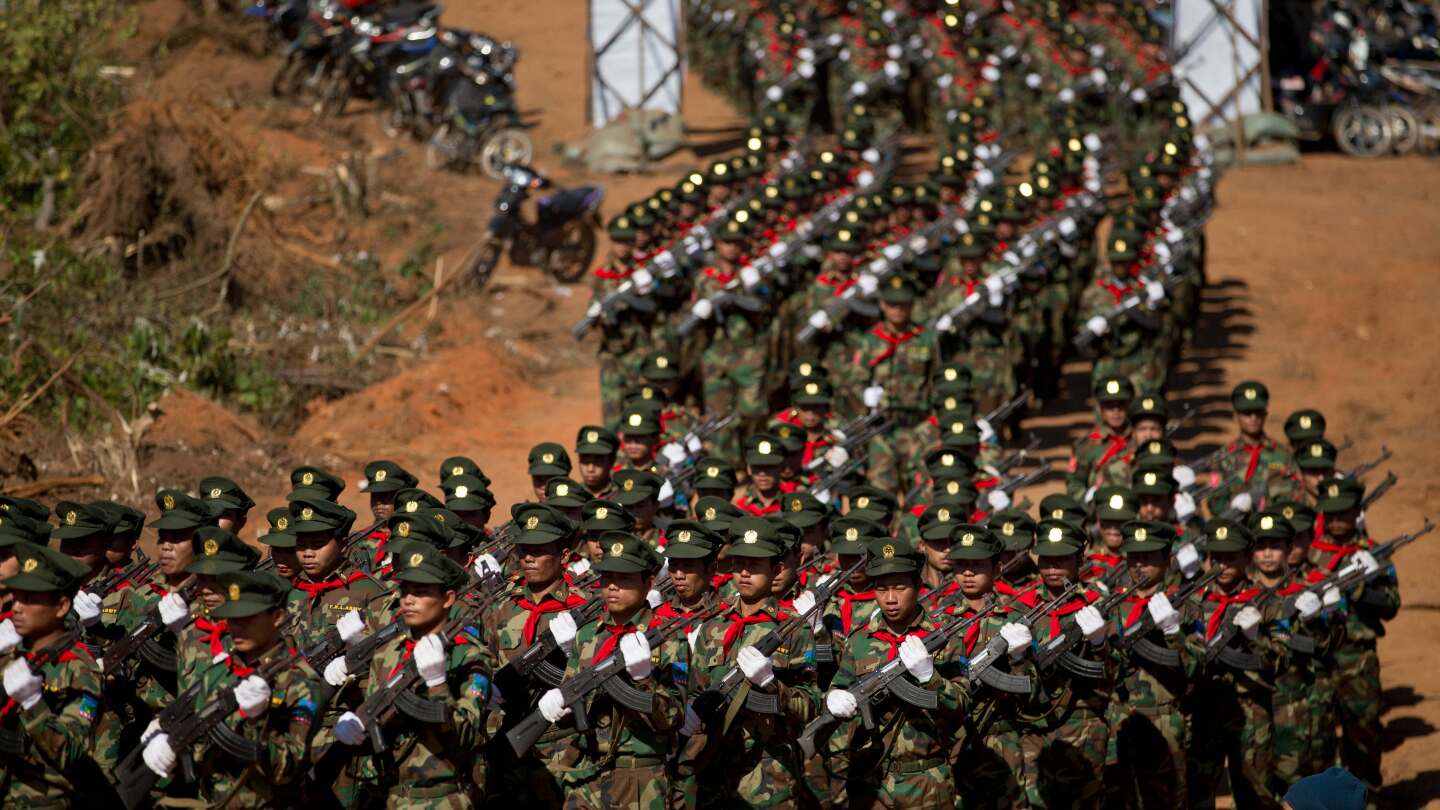
Myanmar rebels sign ceasefire with military after China-mediated talks
In a significant development aimed at reducing hostilities, the Ta’ang National Liberation Army (TNLA), a prominent ethnic rebel group in Myanmar, announced a ceasefire agreement with the country’s military government. The truce, mediated by China, was finalized during talks held in Kunming, a Chinese city near the Myanmar border, on Monday and Tuesday. This marks a pivotal moment in the ongoing conflict in Myanmar’s northeastern region, which has been plagued by intense fighting for months.
-

Police fire teargas as protests erupt during Tanzania election
Tanzania’s general election has been overshadowed by controversy, as opposition supporters took to the streets of Dar es Salaam to protest against what they claim is an undemocratic process. Police responded by firing tear gas to disperse the crowds, resulting in several injuries. The election, widely expected to secure a second term for President Samia Suluhu and her ruling party, Chama Cha Mapinduzi (CCM), has been boycotted by the main opposition party, whose leader is currently jailed on treason charges. Reports indicate low voter turnout in Dar es Salaam, with many citizens expressing concerns over safety. Despite assurances from police that there is no threat to public safety, the atmosphere remains tense. Over 37 million registered voters are eligible to cast ballots in the presidential and parliamentary elections, but the absence of significant opposition has led critics to label the process as a ‘coronation rather than a contest.’ Rights groups, including Amnesty International, have condemned the government for alleged repression, citing enforced disappearances, torture, and extrajudicial killings of opposition figures. The government has denied these claims, insisting the election is free and fair. President Samia, Tanzania’s first female president, initially gained praise for easing political repression but has since faced criticism for narrowing the political space and targeting critics. The electoral body is expected to announce results within three days.
-
US will reduce its troops on Nato’s eastern flank, Romania says
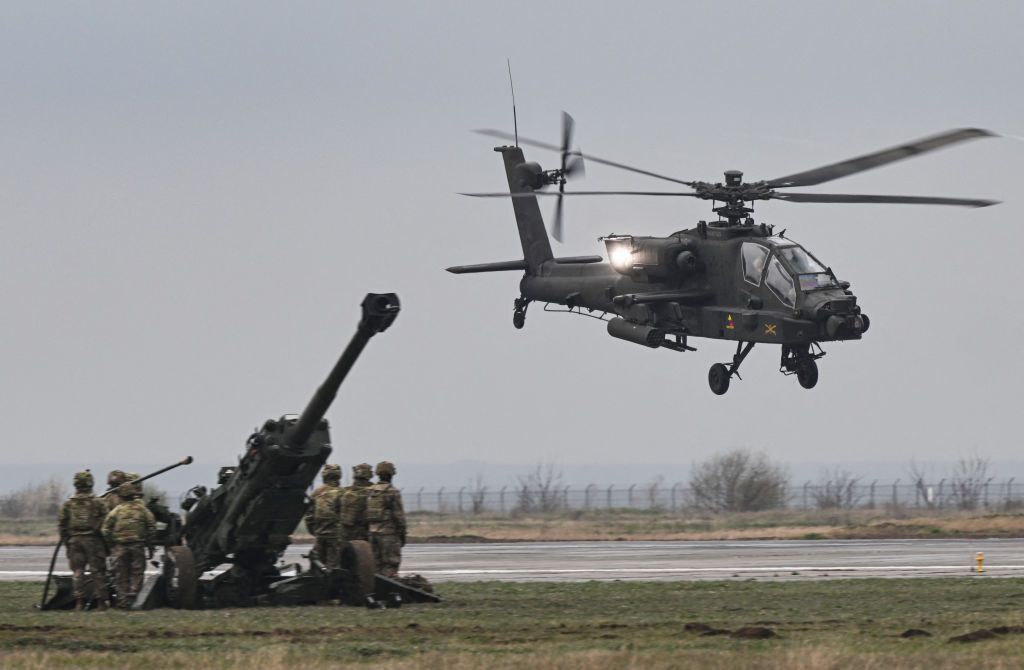
The Romanian Ministry of Defence has announced that the United States plans to reduce its military presence on NATO’s eastern flank, with approximately 900 to 1,000 American troops remaining in Romania, down from the previous 1,700. This decision, described as ‘expected,’ aligns with the Trump administration’s strategic pivot towards the Indo-Pacific region. Defence Minister Ionut Mosteanu revealed that US Defence Secretary Pete Hegseth recently emphasized the need for European nations to bolster their own defence capabilities. A US brigade stationed at the Mihai Kogalniceanu airbase, which is set to become NATO’s largest in Europe, will be rotated out and not replaced. This brigade has elements across Bulgaria, Romania, Slovakia, and Hungary, though it remains unclear whether US troops will also be withdrawn from these countries. Polish Defence Minister Wladyslaw Kosiniak-Kamysz stated that Warsaw has ‘no information’ about potential troop reductions on its soil. The Pentagon has yet to comment on the matter. Meanwhile, the US military presence at Romania’s Deveselu and Campia Turzii bases will remain unchanged. President Donald Trump has consistently advocated for European NATO members to assume greater responsibility for their defence, reflecting his administration’s broader strategic realignment. However, the troop reduction has raised concerns among Eastern European nations, many of which perceive a persistent threat from Russia. A NATO official reassured that Washington’s commitment to the alliance remains ‘clear,’ noting that such adjustments are ‘not unusual.’ The official highlighted that the US military presence in Europe is still significantly larger than in previous years, with over 100,000 personnel deployed as of late last year. This announcement follows NATO’s recent establishment of the Eastern Sentry mission, aimed at enhancing vigilance along the eastern flank. The decision was prompted by several incidents, including Russian drones entering Polish and Romanian airspace, and Russian warplanes violating Estonian airspace.
-
US government allowed and even helped US firms sell tech used for surveillance in China, AP finds
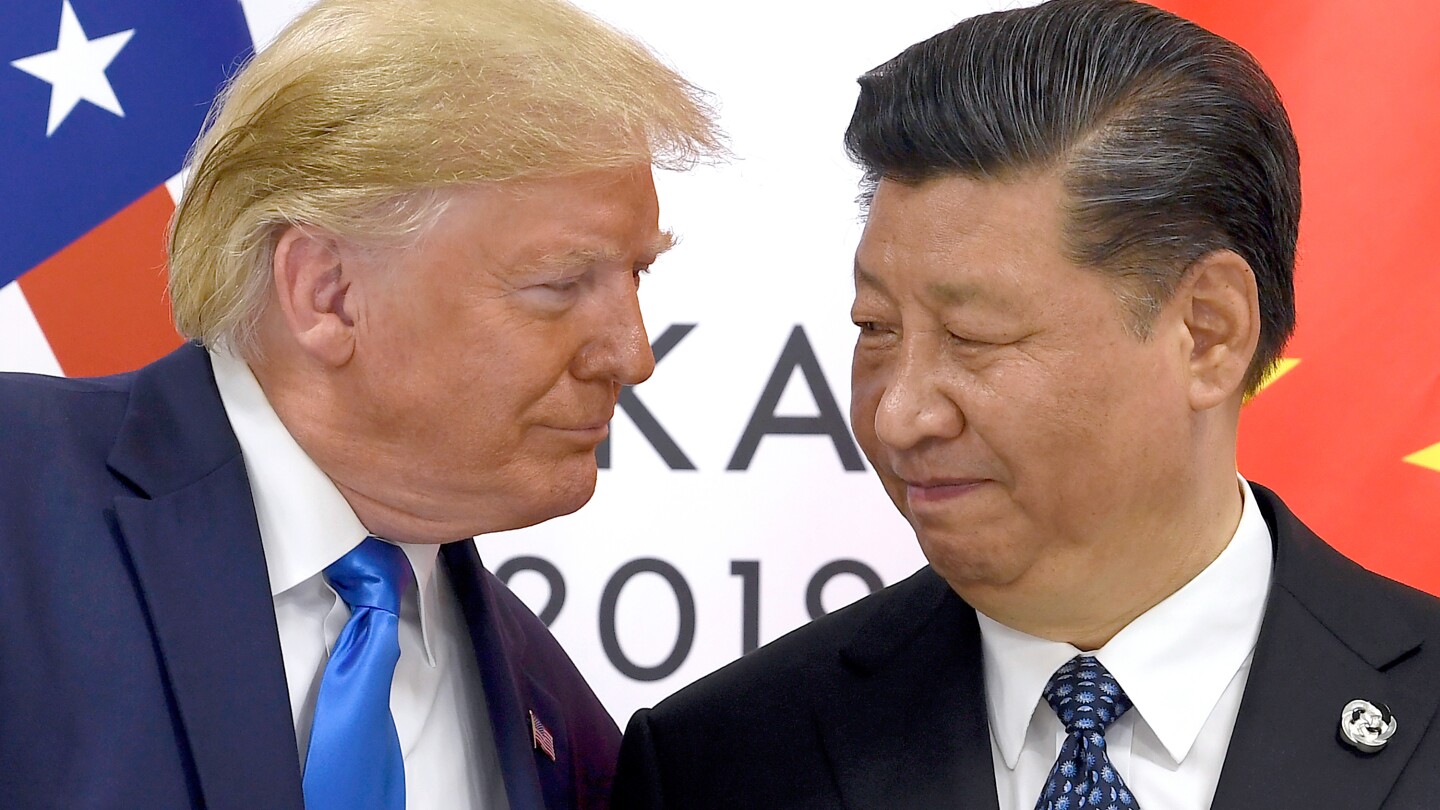
Since September last year, U.S. lawmakers have made four unsuccessful attempts to close a significant loophole allowing China to bypass export bans on advanced AI chips by renting them through U.S. cloud services. Despite bipartisan efforts, these proposals have been thwarted by extensive lobbying from tech companies and their trade associations, with over 100 lobbyists actively opposing the measures. The issue has become a focal point as U.S. President Donald Trump and Chinese President Xi Jinping prepare for a high-stakes meeting, with billions of dollars and technological dominance hanging in the balance. An Associated Press investigation reveals that, despite warnings about national security and human rights abuses, successive U.S. administrations have facilitated the sale of American technology to Chinese police, government agencies, and surveillance firms. For instance, in 2024, China purchased $20.7 billion worth of chipmaking equipment from U.S. companies, circumventing export controls. The tech industry’s immense lobbying power, coupled with political reluctance, has repeatedly undermined efforts to regulate these exports. Critics argue that this inaction has enabled China to strengthen its surveillance state, with American companies playing a pivotal role in its development. The AP’s findings highlight a complex interplay between economic interests, national security, and human rights concerns, raising questions about the U.S. government’s commitment to addressing these issues.
-
Pakistan’s Defense Minister warns Afghanistan of stern response to any new militant attacks
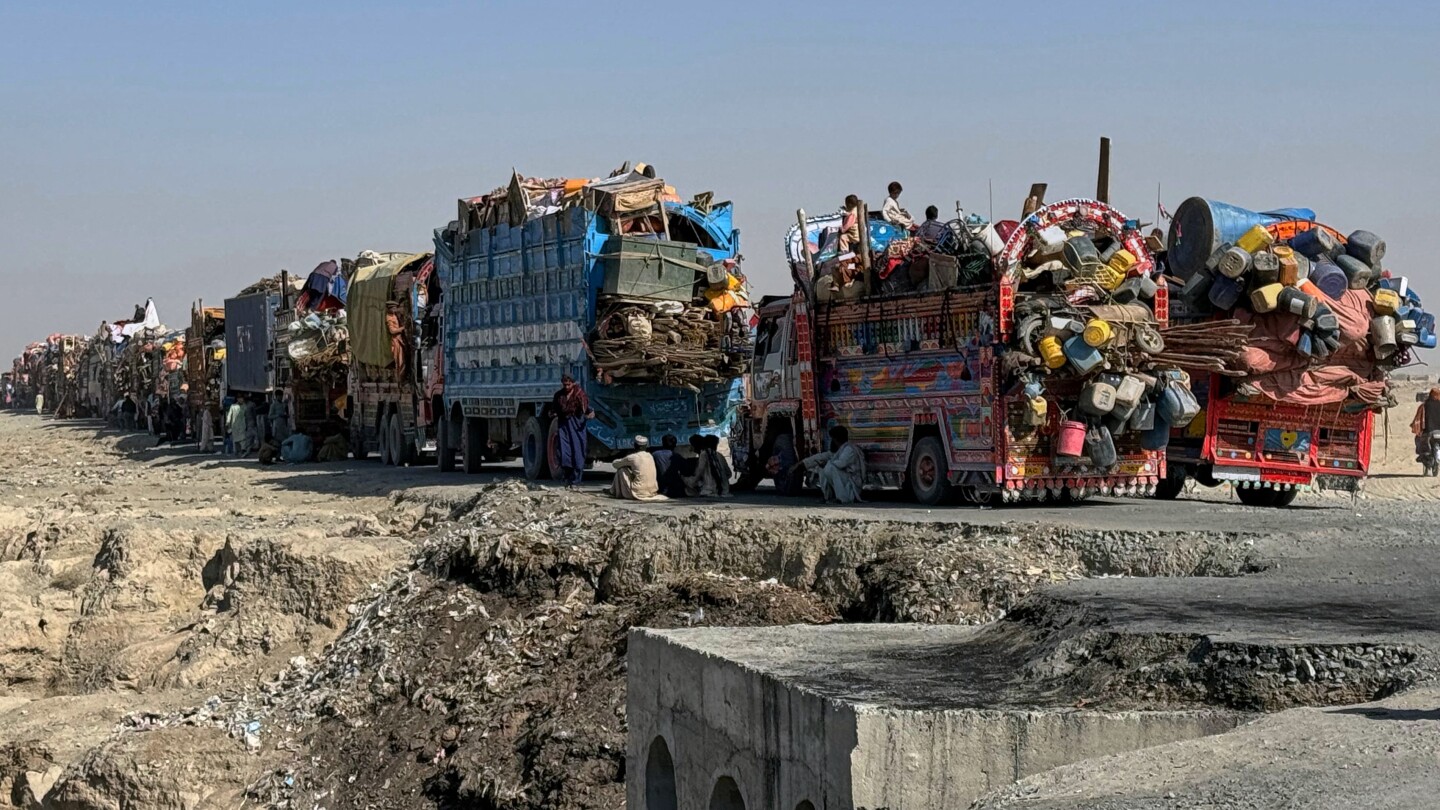
Pakistan’s Defense Minister Khawaja Mohammad Asif issued a stark warning to Afghanistan’s Taliban government on Wednesday, vowing a severe response to any future “terrorist or suicide attack” on Pakistani soil. This comes hours after peace talks in Istanbul concluded without a resolution. The negotiations, mediated by Qatar and other nations, followed a brief ceasefire agreement on October 19 in Doha. However, the discussions failed to bridge the growing tensions between the two neighboring countries. Earlier this month, Pakistan’s military conducted strikes on alleged Pakistani Taliban hideouts in Afghanistan, claiming to have killed dozens of insurgents. Afghanistan countered by stating that civilians were killed and retaliated with attacks on Pakistani military posts, allegedly resulting in the deaths of 58 Pakistani soldiers. Pakistan acknowledged losing 23 soldiers in the border clashes. In a post on X, Asif accused the Taliban government of enabling militant activities and warned of dire consequences if attacks persisted. Afghanistan’s state broadcaster RTA reported that the talks collapsed due to what it termed “irrational demands” from Pakistan, including assurances that no attacks would originate from Afghan territory. The Taliban delegation maintained that the Pakistani Taliban, or Tehrik-e-Taliban Pakistan, is an internal issue for Islamabad. Pakistan has long accused Afghanistan’s Taliban government of harboring militants, a claim Kabul denies. The recent surge in militant attacks in Pakistan, primarily claimed by the Pakistani Taliban, has heightened tensions. Despite the failed talks, the ceasefire remains intact, though major border crossings are closed, leaving hundreds of trucks and refugees stranded. At the Chaman border crossing in Balochistan, Afghan refugees and traders expressed frustration and fear over the uncertain future. “We are returning to Afghanistan, but it’s a scary situation,” said Ajab Khan, an Afghan refugee. “We don’t know how we will survive there.”