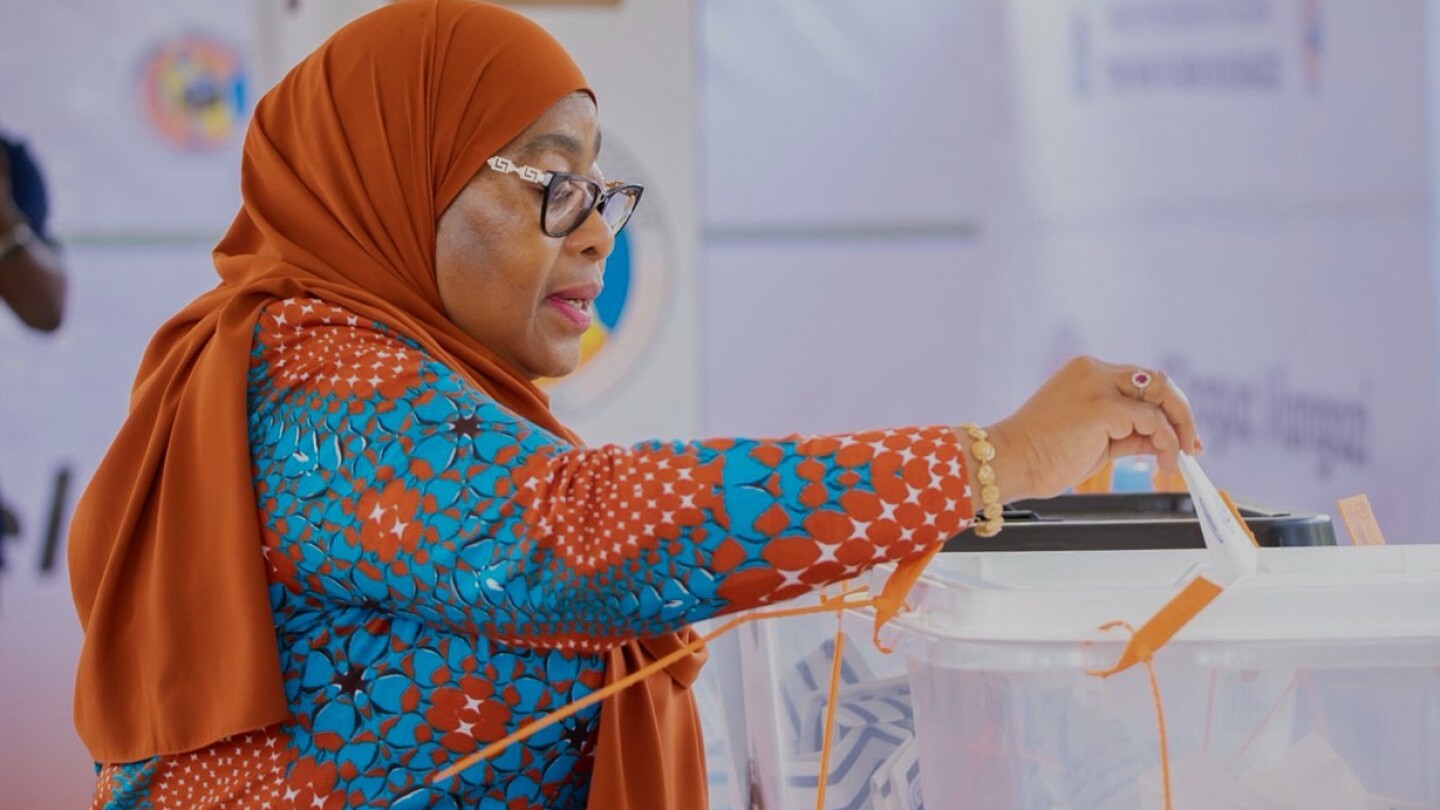
Tanzanian President Samia Suluhu Hassan has secured a landslide victory in the country’s disputed election, garnering over 97% of the vote, as per official results announced early Saturday. This unprecedented win, rare in the region, has sparked concerns among critics and opposition groups, who argue that the election was less of a contest and more of a coronation. Hassan’s two main rivals were either barred or prevented from running, leaving her to face 16 candidates from smaller parties. The October 29 election was marred by violence, with demonstrators taking to the streets of major cities to protest the vote and halt the counting process. The military was deployed to assist police in quelling riots, and internet connectivity in the East African nation was intermittently disrupted. Tundu Lissu, leader of the opposition group Chadema, has been jailed for months on treason charges after calling for electoral reforms he deemed essential for free and fair elections. Another opposition figure, Luhaga Mpina of the ACT-Wazalendo group, was also barred from running. The ruling Chama Cha Mapinduzi party’s decades-long grip on power was at stake, as charismatic opposition figures emerged, hoping to lead the country toward political change. Rights groups, including Amnesty International, have cited a pattern of enforced disappearances, arbitrary arrests, and extrajudicial killings in Tanzania ahead of the polls. In June, a United Nations panel of human rights experts reported over 200 cases of enforced disappearance since 2019, expressing alarm at the repression ahead of the elections. The International Crisis Group noted that Tanzania’s president oversaw an unprecedented crackdown on political opponents, curbing freedom of expression through bans on platforms like X and restrictions on the Tanzanian digital platform JamiiForums, as well as silencing critical voices through intimidation or arrest. The political maneuvering by Tanzanian authorities is unprecedented, even in a country where single-party rule has been the norm since the advent of multi-party politics in 1992. Critics argue that previous leaders tolerated opposition while maintaining a firm grip on power, whereas Hassan is accused of leading with an authoritarian style that defies youth-led democracy movements elsewhere in the region.
分类: politics
-
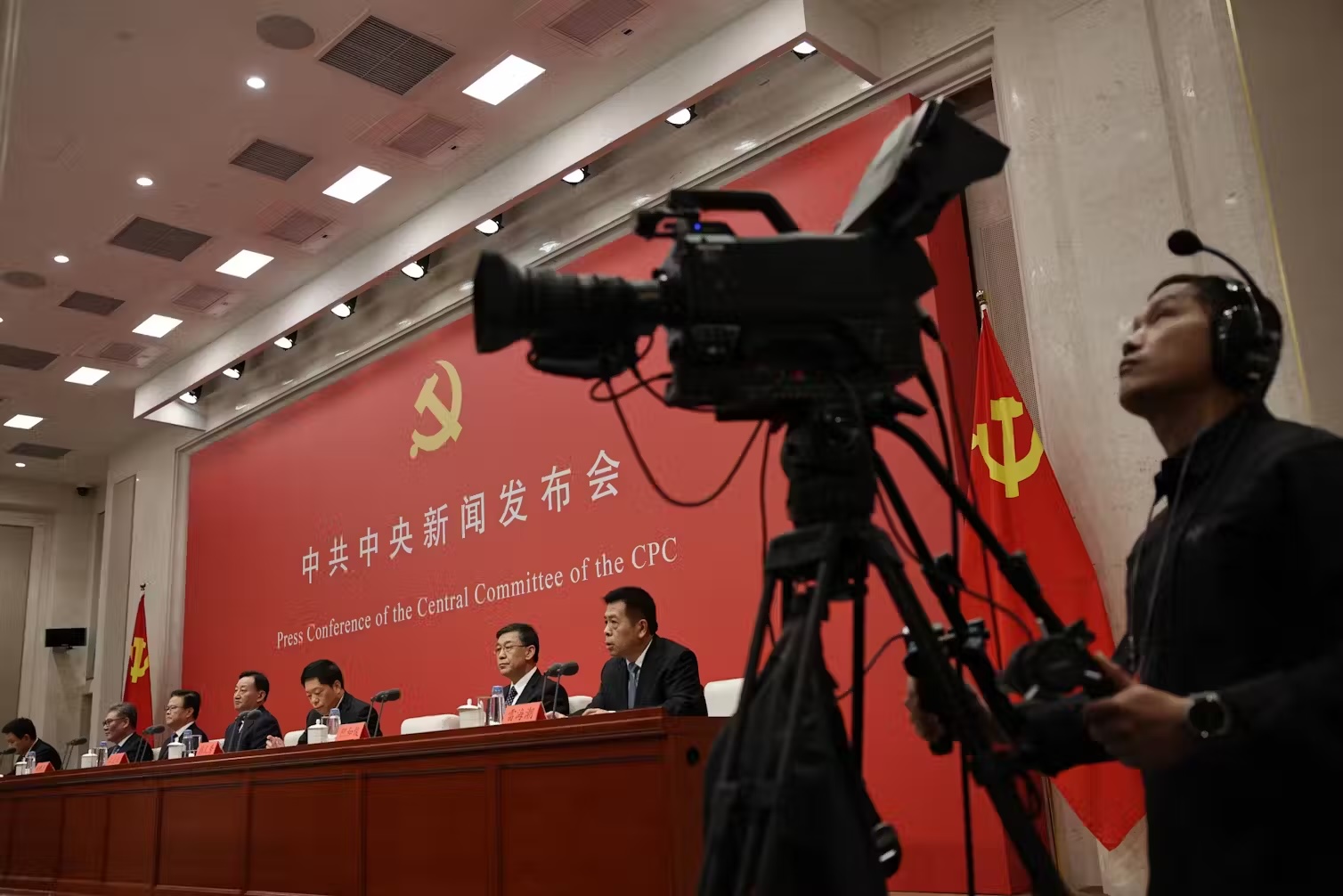
Trump-Xi talks didn’t change Beijing’s priority: flagging economy
In a significant diplomatic engagement, Chinese President Xi Jinping and U.S. President Donald Trump convened for their first face-to-face meeting in six years during talks in South Korea. President Trump emerged from the discussions expressing exceptional optimism, rating the encounter a “12 on a scale of 1 to 10” and announcing forthcoming reductions in U.S. tariffs on Chinese imports. In reciprocal arrangement, China committed to enhanced American access to rare earth minerals—critical components in high-technology manufacturing.
The Chinese response, conveyed through a foreign ministry statement, struck a more measured tone, noting that both leaders had “exchanged views on important economic and trade issues” while expressing Xi’s willingness to “continue working with Trump to build a solid foundation for China and the US.” This diplomatic caution reflects Beijing’s ongoing concerns about the Trump administration’s unpredictability and its potential impact on China’s economy.
The summit occurred against the backdrop of China’s fundamental economic recalibration, following the Chinese Communist Party’s Fourth Plenum which established self-reliance as the nation’s primary development priority. This strategic shift responds to multiple challenges: a pronounced economic slowdown, a devastating 2021 property market collapse that wiped out wealth for millions of citizens, and persistent trade tensions with the United States that have disrupted China’s export-dependent growth model.
Historically, China’s economic miracle relied on two pillars: massive infrastructure and real estate investment, and manufactured goods exports. Both engines have now stalled. Investment has plateaued while the trade war with America—China’s largest export market—has created sustained uncertainty, exacerbated by Trump’s imposition of 145% tariffs on most Chinese goods upon returning to office in January 2025.
In response, Chinese officials are attempting to pivot toward domestic consumption-driven growth through improved job opportunities, healthcare, and social benefits. However, this transition faces substantial obstacles including weak social safety nets that encourage precautionary savings, and heavily indebted local governments with limited capacity to fund public services.
Concurrently, China pursues technological leadership in AI and advanced computing by 2035—another domain where self-reliance has become imperative due to sweeping U.S. technology restrictions. Despite the recent diplomatic engagement, American limitations on semiconductor exports remain largely intact, with Trump explicitly excluding China from accessing Nvidia’s most advanced Blackwell chips.
The rare earth minerals concession represents a strategic victory for Beijing, which had imposed export restrictions in October apparently to strengthen its negotiating position. For Xi Jinping, whose political legitimacy rests heavily on economic performance and nationalist sentiment, such tangible successes are crucial amid growing economic challenges that threaten even his considerable authority.
-
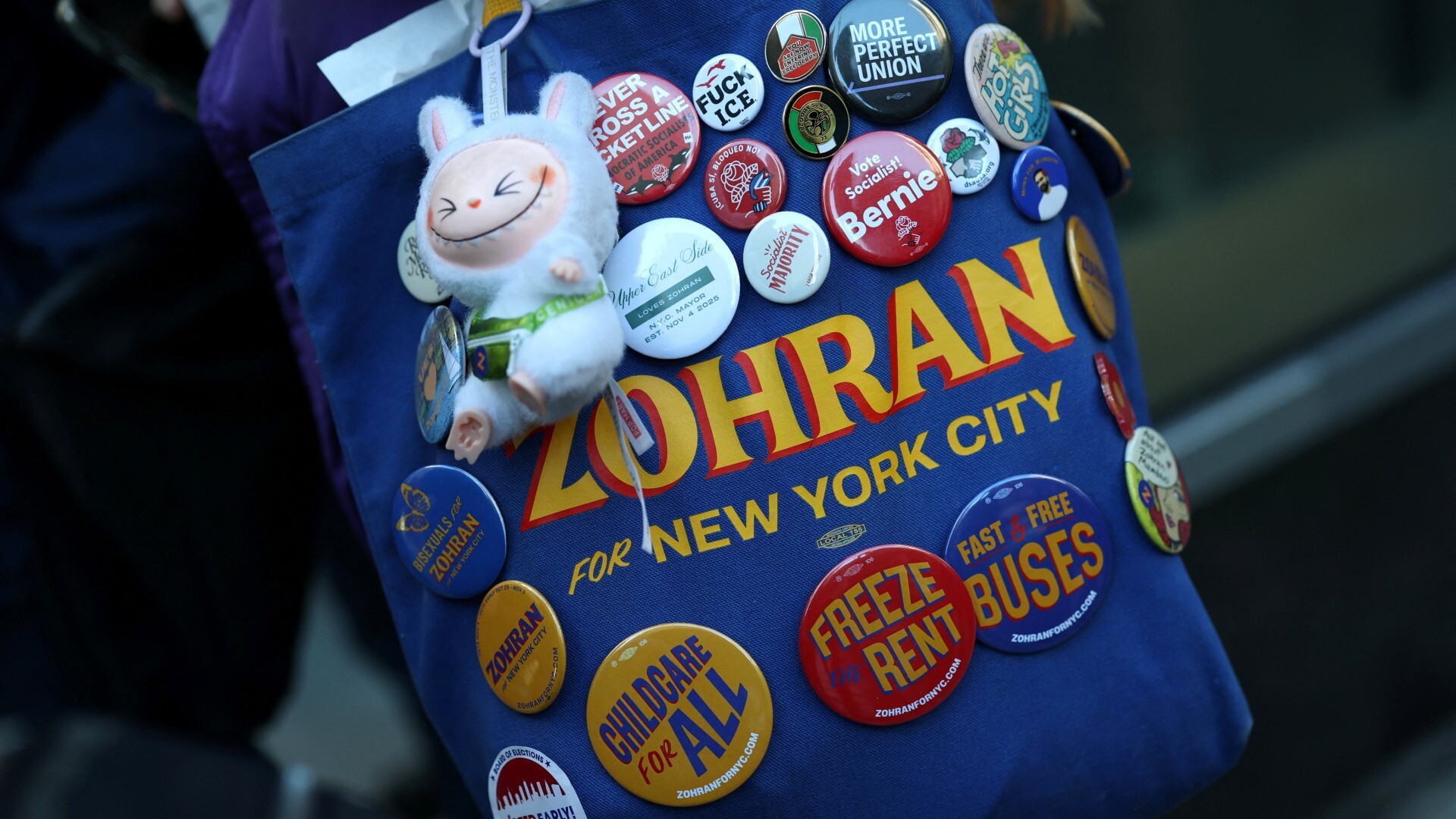
Why so many Jews are campaigning for Zohran Mamdani in New York City
New York City, home to the largest Jewish population outside of Israel, has become a focal point in the ongoing mayoral election. With nearly a million Jewish residents, the community’s diverse political and cultural perspectives are shaping the race. Zohran Mamdani, a candidate in the Democratic primary, has garnered significant support from younger Jewish voters, with 67% of Jews under 44 voting for him. Overall, Mamdani secured 43% of the Jewish vote, according to recent polls. A subgroup of his supporters, known as ‘Jews for Zohran,’ has emerged, comprising individuals and organizations like Jews for Racial and Economic Justice and Jewish Voice for Peace. These groups have mobilized to engage both Jewish communities and New Yorkers at large. Despite being labeled as antisemitic by some critics, Mamdani has attracted Jewish voters who believe in his vision for affordable housing, healthcare, and social equity. Jacob Bloomfield, a canvasser for Mamdani, emphasized the candidate’s commitment to addressing systemic inequalities, stating that ‘everyone in our society should have access to a basic standard of living.’ Actor and comedian Matt Ketai, another supporter, praised Mamdani’s energy and principles, while criticizing Islamophobic narratives perpetuated by opponents like Andrew Cuomo. Journalist Caleb Espiiritu-Bloomfield highlighted the generational divide within the Jewish community over Israel, noting that younger Jews are less tied to traditional views. While Mamdani’s stance on Israel remains a point of contention, many Jewish voters see him as a unifying figure who understands the challenges faced by minorities in a Christian-majority society. As the election approaches, Mamdani’s campaign continues to resonate with Jewish voters who prioritize social justice and inclusivity.
-
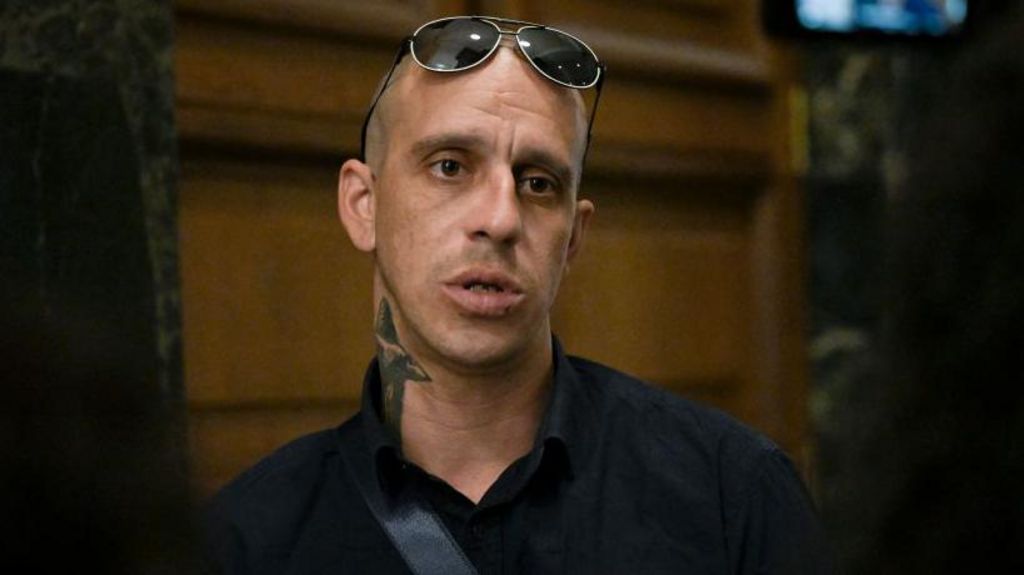
Hand of Moscow? The men jailed for vandalism in French hybrid warfare case
In a case that underscores the evolving nature of modern hybrid warfare, three Bulgarian men were sentenced to two to four years in prison for their involvement in a Kremlin-linked campaign to destabilize France. The trial, held in a Paris courtroom, revealed a stark contrast between the sophistication of hybrid warfare and the mundane reality of its execution. Georgi Filipov, Nikolay Ivanov, and Kiril Milushev admitted to vandalizing the Wall of the Righteous, a Holocaust memorial, with red handprints in May 2024. Despite their admissions, they denied working for a foreign power or harboring antisemitic motives. The trio’s actions were part of a broader series of symbolic attacks in France, including pigs’ heads left outside mosques and coffins placed near the Eiffel Tower. These incidents were amplified by Russian social media trolls, aiming to sow discord and question the stability of French society. France, with its political divisions and historical ties to Moscow, has become a prime target for such operations. The defendants, described as low-level operatives, were allegedly recruited through discreet channels, highlighting a shift from high-cost espionage to cost-effective, deniable proxies. Filipov, who claimed ignorance of the operation’s significance, was paid €1,000 for his role. Milushev cited personal struggles, while Ivanov, considered the mastermind, received the harshest sentence. The case raises questions about the Kremlin’s role in exploiting societal fractures to undermine Western democracies.
-
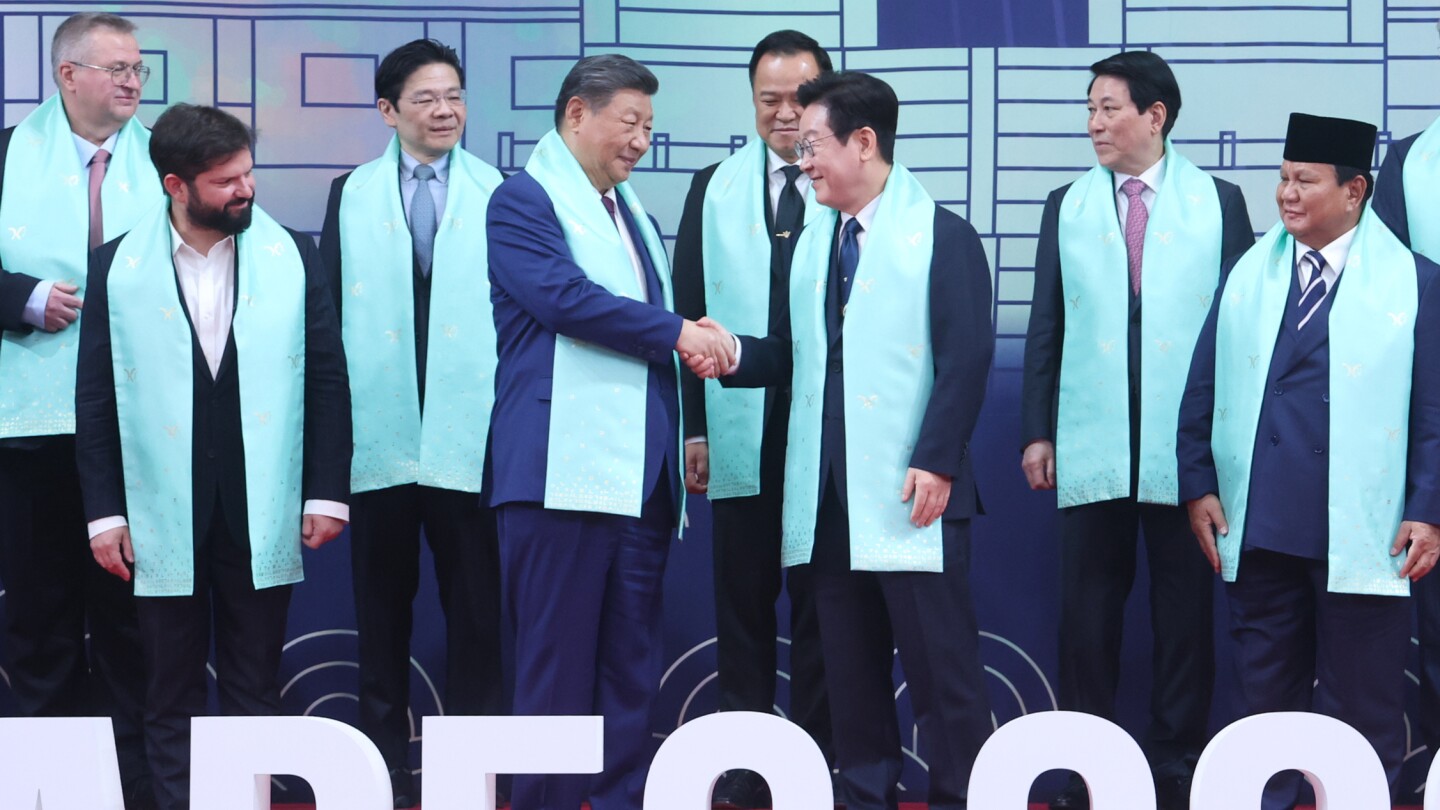
South Korea calls for greater Chinese efforts to bring North Korea back to talks
In a significant diplomatic engagement, South Korean President Lee Jae Myung and Chinese President Xi Jinping convened in Gyeongju, South Korea, to discuss pressing regional issues and bolster bilateral relations. The meeting, held on the sidelines of the Asia-Pacific Economic Cooperation (APEC) summit, focused on North Korea’s denuclearization and expanded economic cooperation between the two nations. President Lee urged Xi to play a more active role in persuading North Korea to return to negotiations, emphasizing the importance of peace on the Korean Peninsula for regional prosperity. Xi, in response, pledged continued efforts to promote stability and resolve issues concerning the Korean Peninsula. The discussions also highlighted China’s strategic position as North Korea’s traditional ally, though questions remain about Beijing’s influence over Pyongyang. Meanwhile, North Korea’s Vice Foreign Minister Pak Myong Ho criticized South Korea’s denuclearization efforts as unrealistic. Beyond North Korea, the two leaders signed agreements to combat online scams, expand a bilateral free trade deal, and renew a currency swap agreement. The APEC summit concluded with a joint statement reaffirming the importance of trade and investment for regional growth, despite ongoing U.S.-China trade tensions. The leaders also addressed emerging challenges such as artificial intelligence, demographic shifts, and urbanization, underscoring the need for multilateral cooperation in a rapidly changing global landscape.
-
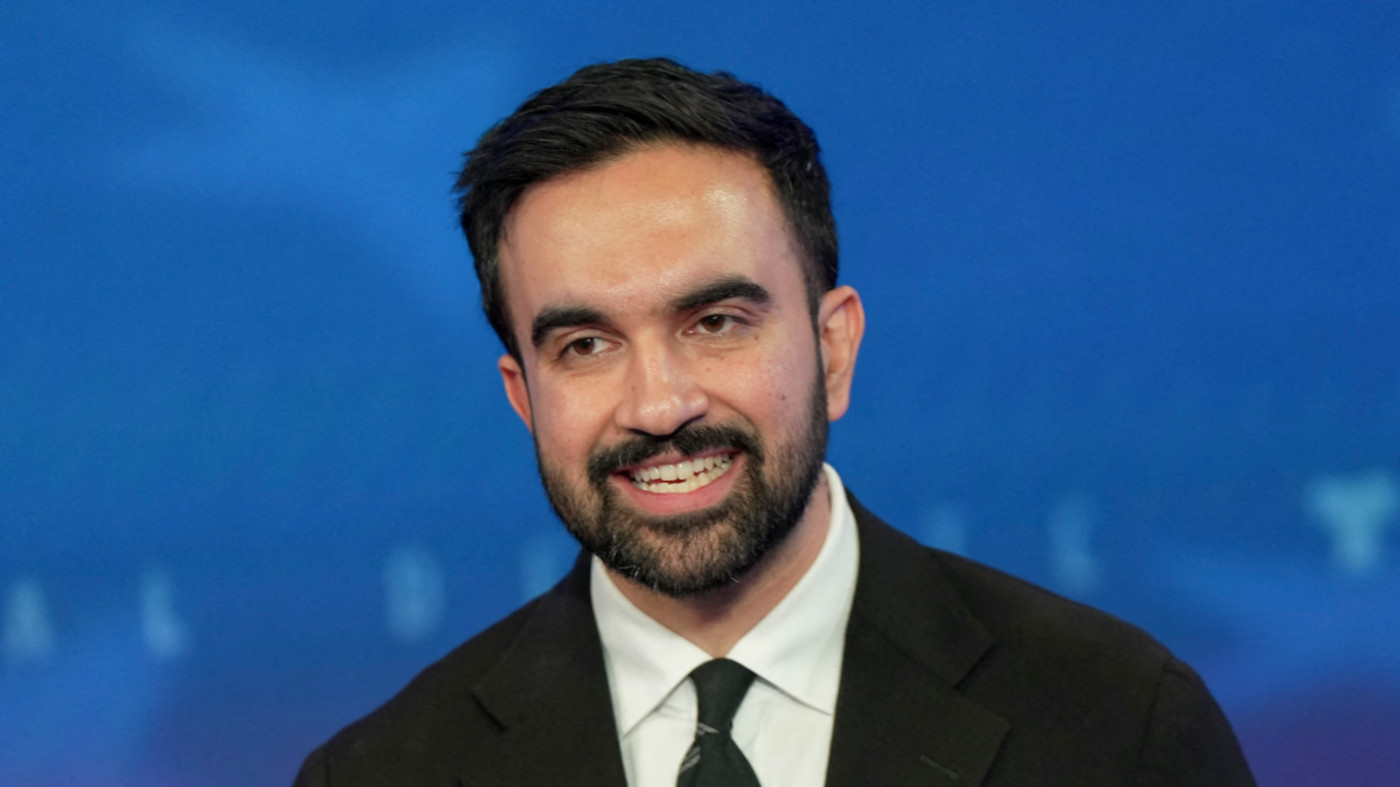
Who is Zohran Mamdani and will he get to run New York?
The 2024 New York City mayoral elections have captured unprecedented attention, largely due to the meteoric rise of Democratic nominee Zohran Kwame Mamdani. Initially an underdog with less than one percent support in February, Mamdani defied expectations by securing a landslide victory in the Democratic primary with 56 percent of the vote. His grassroots campaign mobilized tens of thousands of volunteers, who knocked on over one million doors across the city, effectively challenging the political establishment. His triumph marked a significant shift in New York politics, unseating incumbent Mayor Eric Adams and outmaneuvering former Governor Andrew Cuomo, a political heavyweight in the state. Mamdani’s charisma, innovative campaign strategies, and focus on affordability have resonated deeply with voters, not only in New York but across the U.S. and globally. If elected, Mamdani would become the city’s first Democratic Socialist, South Asian, or Muslim mayor since the office was established in 1665. Born in Kampala, Uganda, to internationally renowned parents—academic Mahmood Mamdani and filmmaker Mira Nair—Mamdani’s upbringing and multicultural identity have profoundly influenced his political vision. His campaign prioritizes affordable housing, universal childcare, and economic equity, though his socialist leanings and vocal criticism of Israel have drawn both fervent support and fierce opposition. As the election approaches, Mamdani’s ability to unite diverse communities and address New York’s pressing challenges will determine his fate in this historic race.
-
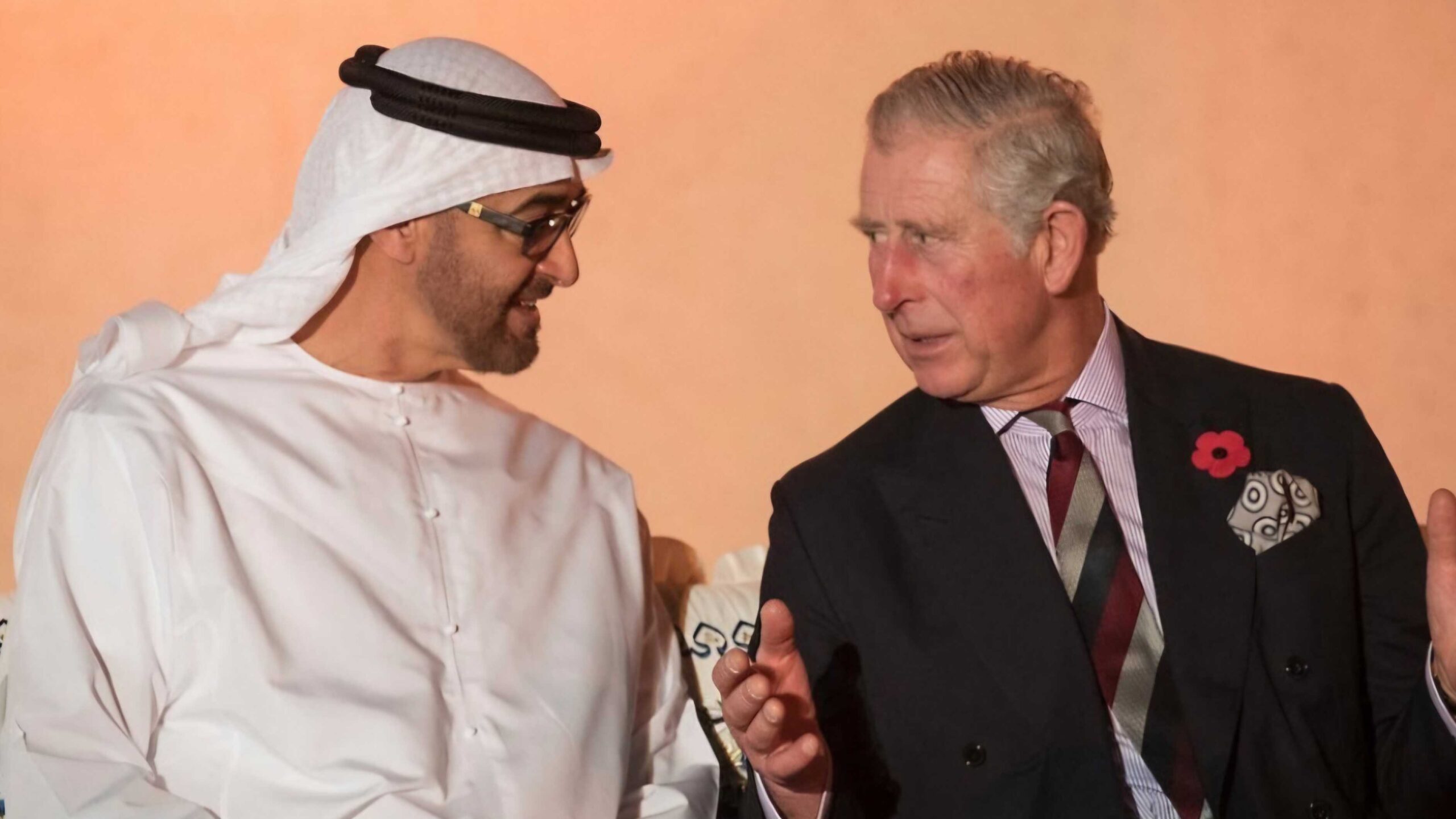
British MPs across parties demand UAE arms embargo over Sudan
Members of Parliament (MPs) from multiple UK political parties have called on the government to urgently review and suspend arms sales to the United Arab Emirates (UAE), following evidence that British-made military equipment has been used by the Rapid Support Forces (RSF) in Sudan. The RSF, a paramilitary group accused of committing atrocities, recently seized the city of el-Fasher in North Darfur, where they massacred civilians and reportedly executed 460 people in a hospital. Reports indicate that British arms have been found in RSF hands in combat zones, raising concerns about the UAE’s role in supplying weapons to the group. MPs from the Liberal Democrats, Green Party, Labour, Independent Alliance, and Scottish National Party have united in demanding an immediate halt to arms exports to the UAE. Monica Harding, Liberal Democrat MP, emphasized that the UK must ensure its equipment does not facilitate violence. Ellie Chowns of the Green Party urged the government to act swiftly to stop the bloodshed. Labour MP Abtisam Mohamed expressed outrage over British weapons fueling mass killings, calling for an urgent review of arms exports. The UN Security Council has received evidence linking the UAE to the supply of British arms to the RSF, despite the UAE’s denial of support. The Labour government faces mounting pressure to take a stronger stance, with MPs warning that continued arms sales undermine the UK’s international credibility and risk complicity in the violence. The conflict in Sudan, which began in April 2023, has displaced 13 million people and claimed tens of thousands of lives, with both the RSF and Sudanese Armed Forces accused of war crimes.
-
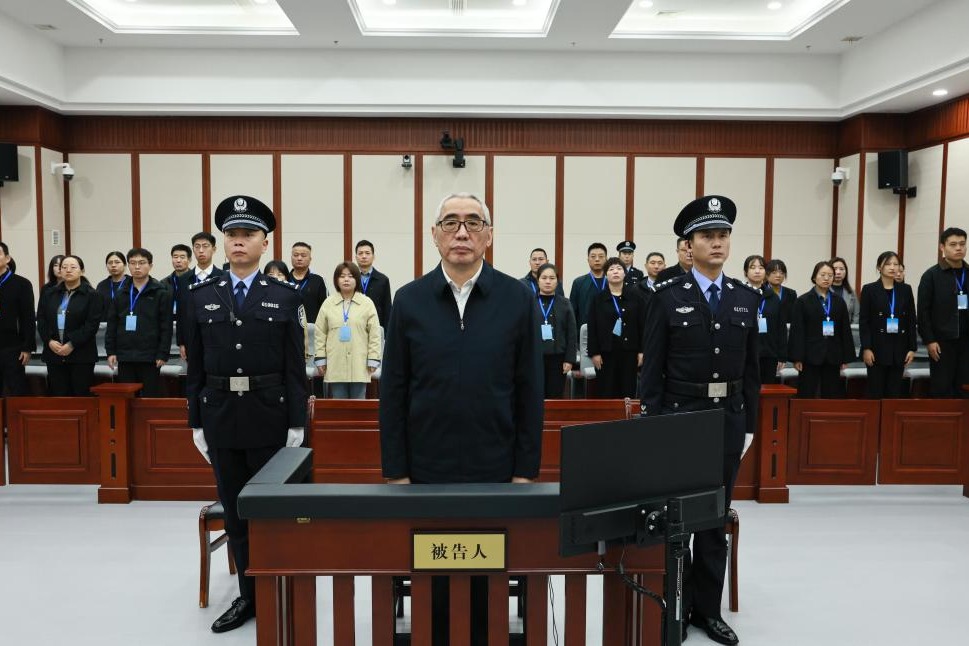
Former Gansu vice-governor sentenced to 14 years in major bribery case
Yang Zixing, the former vice-governor of Gansu province, has been sentenced to 14 years in prison and fined 5 million yuan ($700,000) for bribery and abuse of power. The verdict was announced by the Intermediate People’s Court of Weinan in Shaanxi province, following a statement released on the official website of the Supreme People’s Procuratorate. The court found that Yang, during his tenure in various senior positions including mayor and Party secretary of Dingxi, accepted bribes totaling over 50.4 million yuan ($6.9 million) between 2006 and 2024. Even after retirement, Yang continued to exploit his influence to secure contracts and investments for others, amassing an additional 8.57 million yuan. The court imposed a 13-year sentence and a 4-million-yuan fine for bribery, and a seven-year sentence with a one-million-yuan fine for leveraging his influence. The combined sentence totals 14 years, with all illicit gains confiscated and turned over to the state. Mitigating factors, such as Yang’s confession, return of illegal proceeds, and voluntary disclosure of unknown offenses, were considered by the court. The trial, which began on August 7, 2025, was attended by over 30 representatives from the National People’s Congress, the Chinese People’s Political Consultative Conference, the media, and the public.
-

PLA operations counter infringements and provocations
The People’s Liberation Army (PLA) Southern Theater Command announced on Friday, October 31, 2025, that it has conducted extensive combat-readiness patrols in the territorial waters and airspace surrounding Huangyan Island and adjacent areas in the South China Sea. According to an official statement, these operations, which began in October, involved the deployment of naval and air forces to enhance surveillance and control over the region. The PLA emphasized that these measures were taken to effectively counter infringements and provocations, ensuring the protection of national sovereignty and security. The statement further highlighted that these actions contribute to maintaining peace and stability in the South China Sea. The intensified patrols underscore China’s commitment to safeguarding its territorial integrity amidst ongoing regional tensions.
-
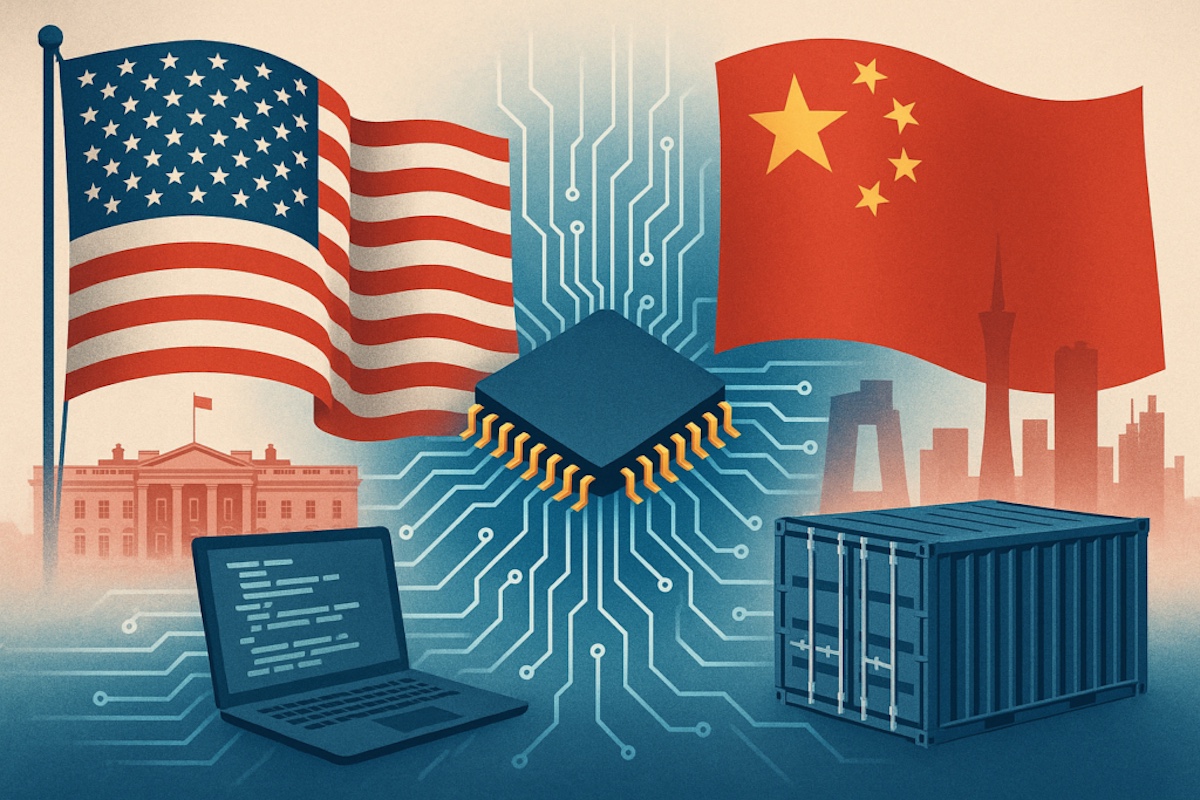
From concessions to conditions: Asia’s power is now programmable
In 1925, power in Asia was visibly exerted through gunboats on rivers, foreign police patrolling Chinese streets, and tram boycotts that could be photographed. Fast forward to 2025, and power has become programmable—manifested through licenses that renew automatically, standards embedded in software, and compliance tracked via dashboards. This transformation marks the most significant shift over the past century. The battleground, once drawn on maps, is now fought through systems—supply chains, export lists, and audit trails. The Trump-Xi Busan meeting exemplified this change. It wasn’t about physical barricades but about levers that could be adjusted: export controls, time-bound licenses, refinery disclosures, precursor chemicals, and chip supplies. The meeting wasn’t a morality play of capitulation or defiance but a calculated reciprocity—each side offering reversible cooperation in exchange for time and predictability. Key chokepoints illustrate this logic. China refines the majority of rare earths essential for magnets, motors, and missiles, allowing it to control throughput as a form of escrow. South Korea, now a manufacturing democracy, hosts negotiations and holds practical leverage, a stark contrast to its role in 1925. The Netherlands’ licensing grip on advanced lithography tools creates predictable pulses of capability. Regional customs and port enforcement on fentanyl precursors can be targeted quietly to elicit movement elsewhere without grand declarations. This new paradigm requires calendars, counters, and credible follow-through rather than slogans. License renewals, minerals throughput, targeted port seizures, and customs dwell times serve as behavioral meters. If these indicators move in the right direction, the truce holds. If they stall, officials can reverse the levers without disrupting supply chains. Two practical implications emerge: first, treat interdependence as a tool, not a trap, by structuring market access, licensing, and standards as reversible and measurable sequences. Second, publish a minimal dashboard to anchor expectations. A one-page, monthly scoreboard on license renewals, minerals throughput, targeted seizures, and median dwell times would be more effective than numerous press conferences. The continuity with 1925 lies in the fact that mobilization still shapes outcomes—but today, it’s the mobilization of firms, insurers, and investors. Local nodes, such as a packaging line in Icheon or a refinery in Shandong, can alter the cost of escalation, much like a strike in Guangzhou once forced London and Tokyo to recalculate. Busan’s significance lies not in its language but in its quiet recoding of power in Asia as a sequence of programmable conditions. China can escrow minerals instead of weaponizing them outright. The United States can license chips in short cycles instead of banning them indefinitely. South Korea can pace advanced packaging and materials flows to maintain honesty. Regional authorities can apply surgical enforcement to signal seriousness without inviting spectacle. A century ago, power was made legible through street and port shutdowns by students and stevedores. Today, engineers, auditors, and logistics managers wield power by moving—or pausing—ones and zeros, parts, and permits. The stakes remain unchanged: who sets the terms of Asia’s future. Busan’s quiet dials—not its adjectives—will determine whether Asia becomes a supplicant, a spectator, or, finally, a system architect.