分类: politics

  • US Senator Mark Kelly tells BBC he will ‘seriously consider’ White House run

    US Senator Mark Kelly tells BBC he will ‘seriously consider’ White House run

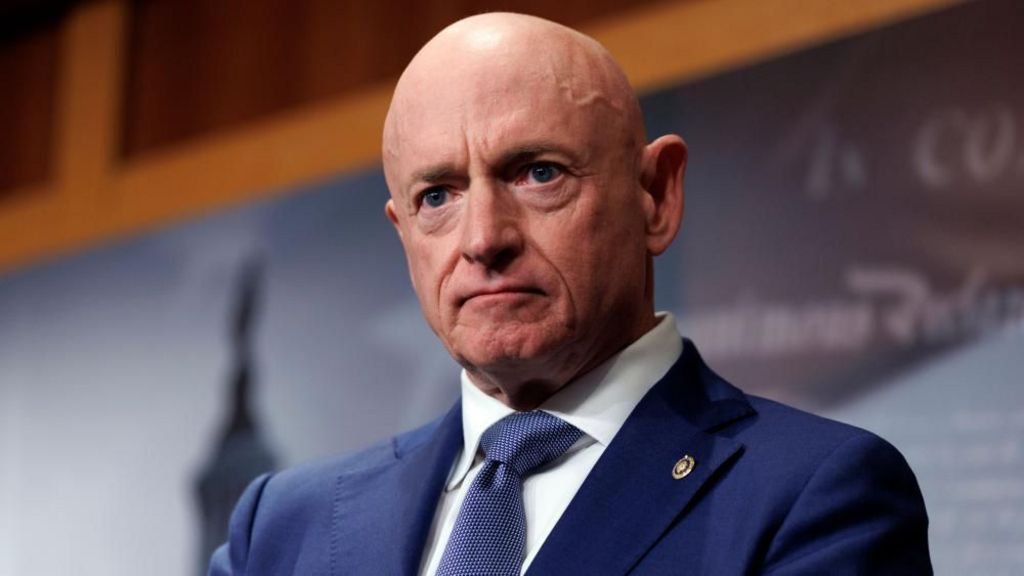
    Arizona Democratic Senator Mark Kelly has revealed he is seriously contemplating a presidential campaign in 2028 while simultaneously engaged in a legal confrontation with the Trump administration. The conflict stems from a November video in which Kelly and five other lawmakers with military or intelligence backgrounds urged military personnel to refuse illegal orders.

    The retired Navy captain and former astronaut confirmed receiving frequent death threats following President Trump’s accusation of ‘seditious behavior.’ Kelly told BBC Newsnight that he and his wife, former Congresswoman Gabrielle Giffords, now require 24-hour security protection due to these threats.

    Kelly emphasized his unique qualifications for higher office, noting: ‘I’m one of the very few engineers in the Senate—the only person with a graduate degree in engineering. I’ve got combat experience, which is kind of rare, and spent 25 years in the military.’ Despite these credentials, he acknowledged that a presidential run represents ‘a serious decision’ he hasn’t yet finalized.

    The controversial video emerged during heightened scrutiny of American military strikes against alleged narco-trafficking vessels off South America. The Pentagon attempted to demote Kelly’s military rank in response, while a grand jury declined to pursue seditious conspiracy charges.

    Kelly anticipates continued legal pressure from the Trump administration, vowing: ‘This is not going to end by me going away. I’m going to continue to fight this thing even if it goes all the way to the Supreme Court.’

    Critics have condemned the government’s actions against the six lawmakers as an attack on free speech and another example of targeting perceived political enemies. The situation carries particular sensitivity for Kelly’s family, as his wife survived an assassination attempt in 2011 when she was shot while serving in Congress.

    Regarding Trump’s rhetoric, Kelly stated: ‘Donald Trump is so reckless about what he says. There are folks out there that react to what he said, and people listen to him.’

    Potential Democratic contenders for 2028 include Kamala Harris, who lost to Trump in 2024, and California Governor Gavin Newsom. Despite constitutional limitations, Trump hasn’t ruled out seeking a third term while also endorsing Vice President JD Vance and Secretary of State Marco Rubio as ‘unstoppable’ potential successors.
  • Gaza reconstruction: Who has signed up to Trump’s Board of Peace?

    Gaza reconstruction: Who has signed up to Trump’s Board of Peace?

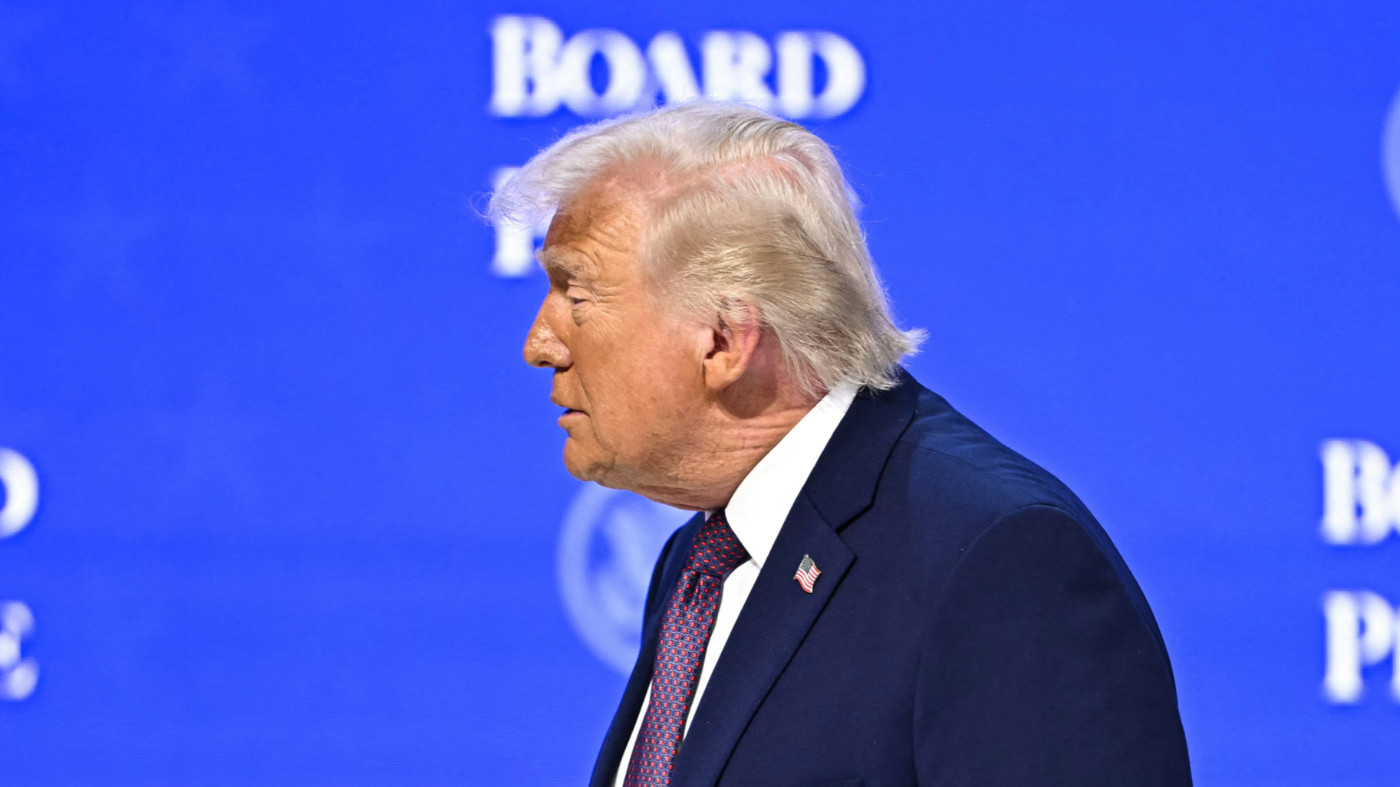
    Washington witnessed the inaugural gathering of President Donald Trump’s controversial Board of Peace on Thursday, marking a significant development in post-conflict governance plans for Gaza. The summit convened against the backdrop of ambitious reconstruction proposals featuring high-rise apartments and data centers, while Israeli military operations persist despite an October ceasefire agreement. The death toll in the enclave has surpassed 72,000 Palestinians since October 2023.

    The board, which Trump has hailed as “the most prestigious assembly ever convened,” requires a $1 billion entrance fee for permanent membership. Of the approximately 60 nations invited, nearly half have declined participation, including many traditional U.S. allies. Currently, 26 countries have joined the initiative that emerged from Trump’s 20-point peace plan announced last September.

    Structural Framework and Leadership:
    The board operates under a hierarchical structure with Trump serving as permanent chairman possessing unrestricted authority to appoint and remove members. An executive board of seven influential figures governs operations:
    – Jared Kushner, Trump’s son-in-law
    – Marco Rubio, U.S. Secretary of State
    – Steve Witkoff, U.S. Special Envoy to the Middle East
    – Tony Blair, former UK Prime Minister
    – Ajay Banga, World Bank President
    – Marc Rowan, U.S. private equity billionaire
    – Robert Gabriel, U.S. Deputy National Security Advisor

    These executives will oversee the National Committee for the Administration of Gaza (NCAG), a 15-member Palestinian body led by former deputy minister Ali Shaath that handles logistical operations without political authority. Nikolay Mladenov, former Bulgarian foreign minister, serves as High Representative for Gaza.

    Regional Participation and Geopolitical Calculations:
    Ten Middle Eastern and North African nations have joined, including UAE, Morocco, and Bahrain—all signatories of the 2020 Abraham Accords. Egypt’s participation reflects concerns about potential Palestinian displacement and dependence on U.S. military aid. Saudi Arabia, Turkey, Jordan, and Qatar joined through a joint statement committing to Palestinian self-determination, though Riyadh’s involvement is motivated by desired F-35 jet acquisitions and regional rivalries with the UAE.

    Notable Absences and Controversies:
    The board faces significant opposition from multiple fronts. Israel’s February 12 membership sparked domestic criticism, with Finance Minister Bezalel Smotrich advocating for military governance instead. The absence of Palestinian political representation—neither Hamas nor the Palestinian Authority were invited—has drawn condemnation. Iran, Lebanon, Syria, and several Arab states are excluded entirely.

    European participation remains limited to Hungary and Bulgaria as full members, with Italy and Cyprus attending as observers. France declined involvement, citing protection of UN authority, while Germany referenced constitutional incompatibility. Canada had its invitation rescinded after Prime Minister Mark Carney criticized Trump during his Davos address.

    International Skepticism and Legal Challenges:
    The board’s charter omits specific mention of Gaza, raising concerns about potential mission expansion that could marginalize existing international institutions. When questioned about replacing the UN, Trump responded, “It might,” criticizing the organization for failing to meet its potential.

    Human rights organizations have condemned the initiative, with Al-Haq describing it as “a dark day for the international community” that extends Israeli occupation. Hamas officials have dismissed the board as “the farce of the era,” while Islamic Jihad criticized appointments as serving Israeli interests.

    The board operates under UN Security Council Resolution 2803, permitting international stabilization forces in Gaza, though EU diplomat Kaja Kallas claims the current composition exceeds the original mandate. As reconstruction plans advance amid ongoing violence, the board faces profound challenges in establishing legitimacy and effective governance mechanisms.

  • How the tide turned against the leader of South Africa’s second-biggest party

    How the tide turned against the leader of South Africa’s second-biggest party

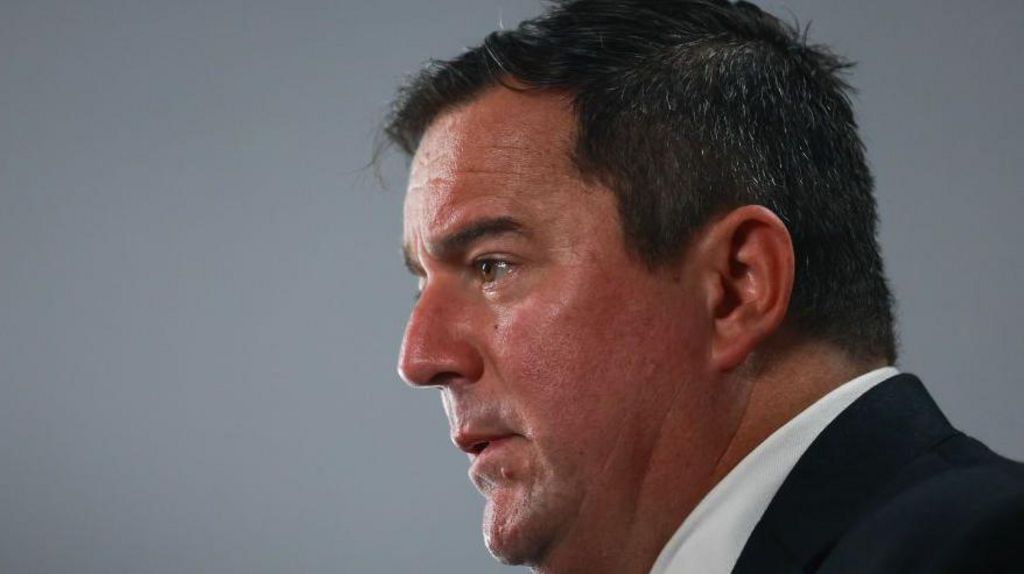
    South Africa’s political landscape faces renewed turbulence as Democratic Alliance (DA) leader John Steenhuisen announces his resignation following multiple scandals that have shaken the party’s carefully cultivated image of integrity. The development triggers a potentially divisive leadership contest that threatens to expose racial faultlines within the opposition party.

    The DA, historically perceived as representing racial minorities, joined the governing coalition for the first time following the 2024 elections that failed to produce an outright winner. Steenhuisen, serving as Agriculture Minister in President Cyril Ramaphosa’s cabinet, found himself embroiled in controversies that ultimately forced his political retreat.

    The minister faced intense criticism from farming communities over his handling of a devastating foot-and-mouth disease outbreak that crippled South Africa’s livestock industry. Theo de Jager of the Southern African Agri Initiative accused Steenhuisen’s administration of systematically silencing critics through exclusion and isolation tactics.

    More damaging emerged a financial scandal revealing Steenhuisen faced a default court judgment for unpaid personal credit card debt exceeding 150,000 rand despite earning an annual salary of 2.69 million rand. The Daily Maverick’s revelation prompted public scrutiny of how a leader unable to manage personal finances could oversee national agricultural policy.

    The controversy deepened when Steenhuisen orchestrated the dismissal of Environment Minister Dion George, the DA’s federal finance chair. While official reasons cited under-performance, conservation groups decried the move as a ‘political execution’ linked to George’s anti-wildlife trafficking stance. The EMS Foundation accused Steenhuisen of aligning with wildlife breeding interests upon assuming his ministerial portfolio.

    George’s subsequent resignation revealed further complications: he had confiscated Steenhuisen’s party-issued credit card last year due to unreconciled spending on UberEats, car rentals, and hotel accommodations. Although a DA inquiry cleared Steenhuisen of wrongdoing, the cumulative scandals proved politically insurmountable.

    Political analysts offer contrasting assessments of Steenhuisen’s legacy. Sandile Swana cited the leader’s 2010 extramarital affair, public fallout with George, and financial management issues as evidence of poor leadership. Conversely, Khanyi Magubane suggested Steenhuisen’s cooperative relationship with the ANC in coalition government represented the ‘core issue’ leading to his departure, disappointing DA hardliners expecting continued opposition.

    The leadership contest now pits Cape Town mayor Geordin Hill-Lewis against Gauteng leader Solly Msimanga, with analysts suggesting racial dynamics may influence the outcome. Magubane noted the DA’s conservative base might resist a black leader, reflecting persistent racial divisions within the party despite efforts to broaden its appeal following Mmusi Maimane’s leadership from 2015-2019.

    The developments underscore the challenges facing South Africa’s political evolution three decades after apartheid’s end, as historical divisions continue shaping contemporary governance dynamics.

  • Bangladesh’s Yunus announces resignation, end of interim govt

    Bangladesh’s Yunus announces resignation, end of interim govt

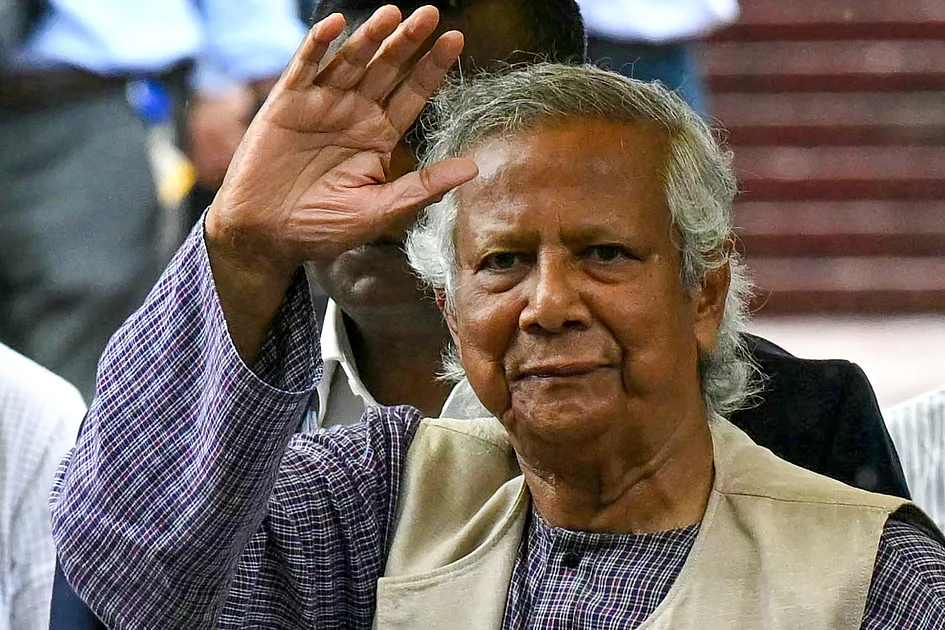
    In a historic transition of power, Bangladesh’s interim leader Muhammad Yunus formally resigned from his position as chief adviser on Monday, marking the conclusion of the caretaker government’s mandate. The 85-year-old Nobel Peace Prize laureate delivered a farewell address to the nation, celebrating what he characterized as a restoration of democratic principles following years of authoritarian rule.

    Yunus returned from self-imposed exile in August 2024 amidst a dramatic political upheaval that saw the ousting of Sheikh Hasina’s government through a student-led uprising. He described the events as a ‘great liberation’ that freed the nation from what he termed ‘the grip of a demon.’

    The political transition culminated in last week’s general elections, which resulted in a decisive victory for the Bangladesh Nationalist Party (BNP) and its leader Tarique Rahman. Yunus praised the electoral process as setting ‘a benchmark for future elections’ and commended voters, political parties, and electoral institutions for their participation in the democratic exercise.

    Concurrent with the elections, Bangladeshi citizens endorsed sweeping constitutional reforms through a national referendum. The proposed ‘July Charter’—named after the month when the anti-Hasina uprising began—includes provisions for prime ministerial term limits, establishment of an upper parliamentary chamber, enhanced presidential powers, and strengthened judicial independence. While the referendum results are considered binding on winning parties, the reforms still require formal ratification by the newly elected parliament.

    The BNP alliance secured 212 parliamentary seats, compared to 77 seats for the Jamaat-e-Islami-led coalition. Jamaat-e-Islami leader Shafiqur Rahman conceded defeat, pledging his party would serve as a ‘vigilant, principled, and peaceful opposition.’

    Despite pre-election tensions that resulted in five fatalities and over 600 injuries according to police records, voting day proceeded without major incidents. Newly elected lawmakers are scheduled to be sworn in on Tuesday, with Tarique Rahman expected to assume the role of prime minister, leading the South Asian nation of 170 million people into a new political era.

  • Trump directs federal authorities to manage sewage spill ‘disaster’

    Trump directs federal authorities to manage sewage spill ‘disaster’

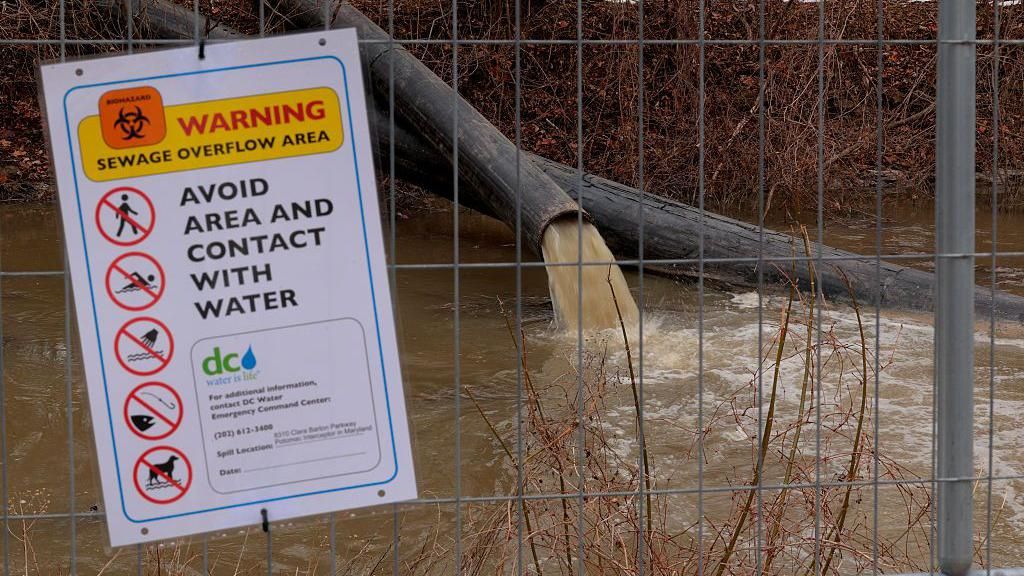
    President Donald Trump has mandated federal agencies to address a severe sewage contamination crisis in the Potomac River, following the collapse of a major sewer line in late January. The incident has resulted in millions of gallons of wastewater flowing into the river that traverses the nation’s capital, creating what public health experts describe as one of the most significant sewage spills in U.S. history.

    In a Monday social media statement, Trump directed authorities to provide immediate management and coordination, criticizing local leadership for transforming the Potomac into what he termed a ‘Disaster Zone.’ The President designated the Federal Emergency Management Agency (FEMA) to lead the response effort, despite acknowledging that the agency’s funding remains frozen due to a congressional standoff over Department of Homeland Security appropriations.

    The rupture occurred on January 19th in the Potomac Interceptor sewer line, managed by DC Water and Sewer Authority, triggering continuous uncontrolled wastewater discharge into the river. While officials assure that drinking water remains unaffected, testing has revealed dangerous concentrations of E. coli and MRSA bacteria, prompting health advisories against river contact.

    Trump specifically blamed Maryland Governor Wes Moore, a frequent political adversary, for ‘gross mismanagement’ of the ecological disaster. Moore’s office countered that responsibility lies with federal authorities since the infrastructure is managed by Washington DC officials. The governor’s spokesperson accused the Trump administration of failing to act for four weeks, thereby endangering public health.

    Repair efforts face significant challenges, with DC Water officials estimating several weeks for temporary containment and months for permanent infrastructure restoration. The political dimension intensifies as Democratic lawmakers demand immigration enforcement policy changes before approving DHS funding, creating a stalemate unlikely to resolve before month’s end.

  • Is the UN headed for financial collapse without US support?

    Is the UN headed for financial collapse without US support?

    The United Nations faces an unprecedented financial crisis as chronic non-payment of dues by its largest contributor threatens to paralyze the international organization. At the recent Munich Security Conference, U.S. Secretary of State Marco Rubio delivered scathing criticism of the UN’s effectiveness, declaring the institution had “no answers” in resolving global conflicts while praising American leadership for achieving fragile truces.

    This rhetorical confrontation mirrors tangible financial pressures. The United States currently owes approximately $4 billion in unpaid dues, with Washington having ceased regular payments since the Trump administration took office thirteen months ago. Although the Biden administration resumed some contributions, significant arrears accumulated during both administrations.

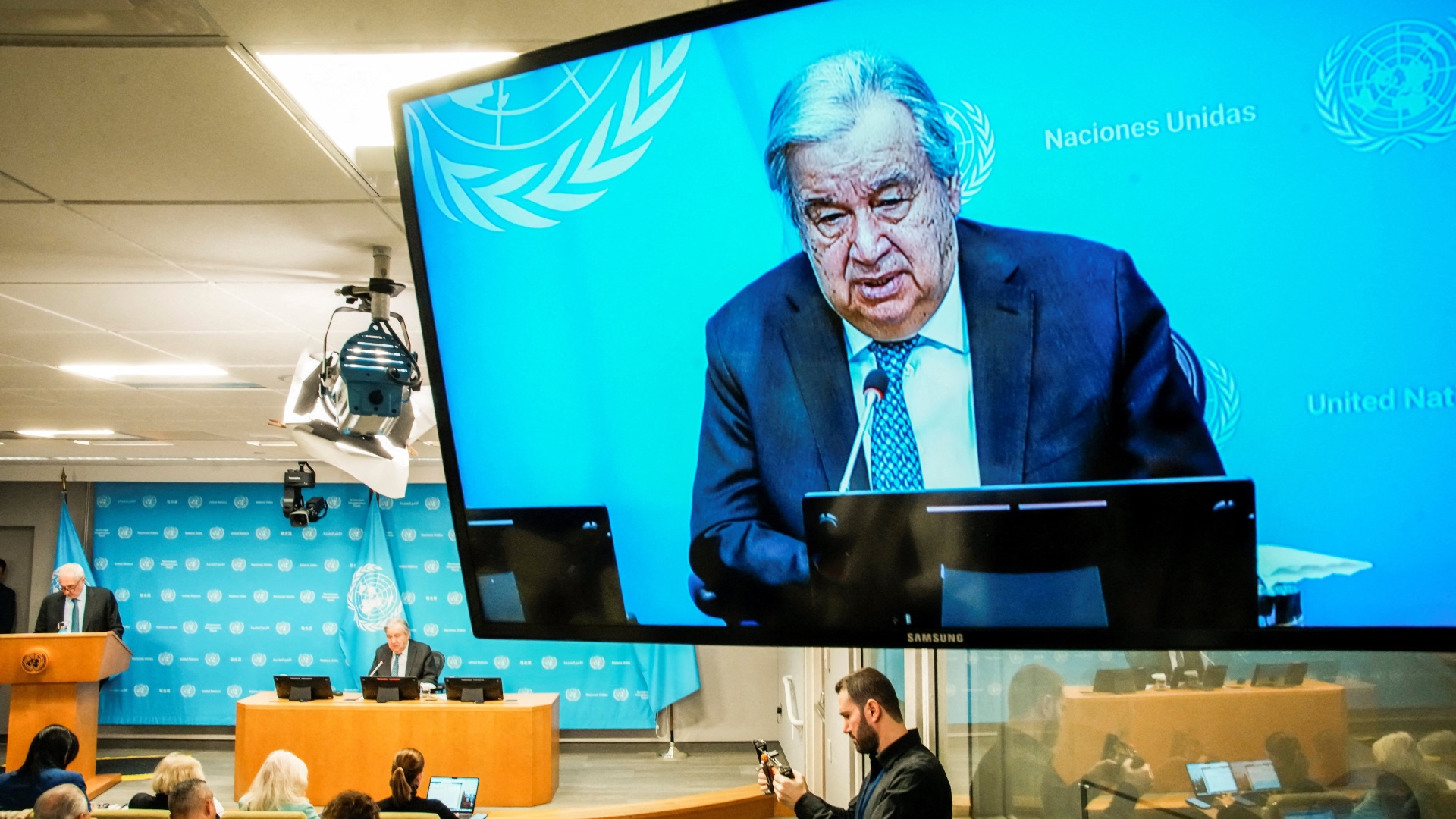
    UN Secretary-General Antonio Guterres has issued dire warnings to all 196 member states, indicating the organization could face financial collapse as early as July without urgent payment. This would potentially force cancellation of September’s General Assembly meetings and even shutdown of its New York headquarters.

    The funding crisis stems from a structural arrangement where the U.S. contributes 22% of the UN’s operating budget and 25% of peacekeeping operations—a percentage tied to its Security Council veto power and economic size. For 2026, the UN requires $3.5 billion for agencies and $5.7 billion for peacekeeping operations worldwide.

    Complicating matters, the Trump administration has withdrawn from 66 multilateral organizations, approximately half being UN initiatives addressing climate change, counterterrorism, and children in armed conflict. Previous withdrawals included UNESCO, the UN Human Rights Council, and funding for Palestinian refugee agency UNRWA, citing anti-Israel bias.

    Analysts describe the situation as dire. Daniel Forti of the International Crisis Group noted that “the root cause of this financial crisis lies at the feet of Washington,” while emphasizing that U.S. financial obligations reflect institutional privilege rather than penalty.

    Simultaneously, the Trump administration appears to be developing alternative mechanisms. The newly established “Board of Peace,” initially focused on Gaza, is being positioned as a complementary conflict resolution body that would operate alongside rather than replace UN structures.

    However, former State Department official Allison Lombardo cautioned that the Board of Peace lacks proven capability to provide funding or political leverage comparable to the UN’s international mandate. The funding crisis has reignited calls from Global South nations to reform the UN’s funding structure and Security Council representation to better reflect contemporary global realities.

  • Hillary Clinton accuses Trump administration of Epstein files ‘cover-up’ in BBC interview

    Hillary Clinton accuses Trump administration of Epstein files ‘cover-up’ in BBC interview

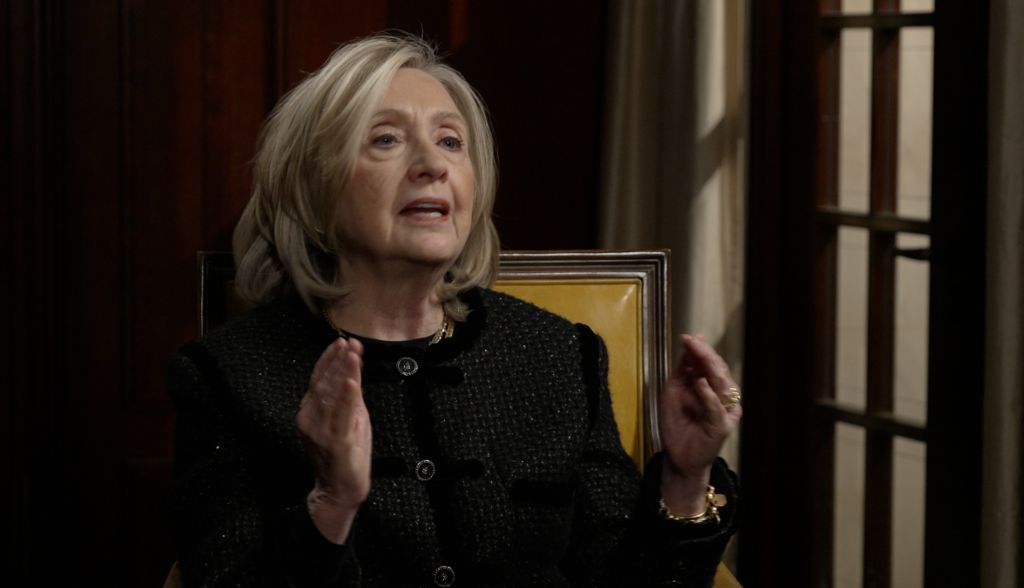
    Former Secretary of State Hillary Clinton has publicly accused the Trump administration of orchestrating a deliberate “cover-up” regarding the handling of documents connected to the late financier and convicted sex offender Jeffrey Epstein. During an interview at the World Forum in Berlin, Clinton demanded full transparency, stating authorities were “slow-walking” the release of critical files.

    The Justice Department recently disclosed millions of Epstein-related documents following the Epstein Files Transparency Act, legislation passed by Congress mandating transparency in investigations concerning Epstein. While the DoJ claims compliance with all legal requirements, lawmakers including Republican Representative Thomas Massie argue the disclosure remains insufficient and have called for additional internal memoranda outlining past charging decisions.

    Simultaneously, mounting political pressure surrounds testimonies from high-profile figures connected to Epstein. Prince Andrew faces renewed calls from U.S. officials and the family of his accuser, the late Virginia Giuffre, to appear before the Oversight Committee. Both Bill and Hillary Clinton are scheduled to testify before Congress later this month, marking the first instance of a former president appearing before a congressional panel since Gerald Ford in 1983.

    Hillary Clinton emphasized that “everyone should testify who is asked to testify,” while advocating for public hearings rather than closed-door depositions. She characterized the scrutiny directed at her and her husband as a political diversion tactic, stating they were being used as a “shiny object” to shift attention from former President Trump.

    The White House countered Clinton’s allegations, asserting that the Trump administration had “done more for the victims than Democrats ever have” by releasing documents and cooperating with congressional subpoenas. President Trump, frequently mentioned in the Epstein files, has consistently denied any wrongdoing and maintains he severed ties with Epstein decades ago.

    Epstein died in federal custody in August 2019 while awaiting trial on sex trafficking charges. Prince Andrew settled a civil lawsuit with Giuffre in 2022 without admitting liability, while the Clintons deny any knowledge of Epstein’s criminal activities during their acquaintance with him.

  • China is hitting Japan where it hurts. Will PM Takaichi give in?

    China is hitting Japan where it hurts. Will PM Takaichi give in?

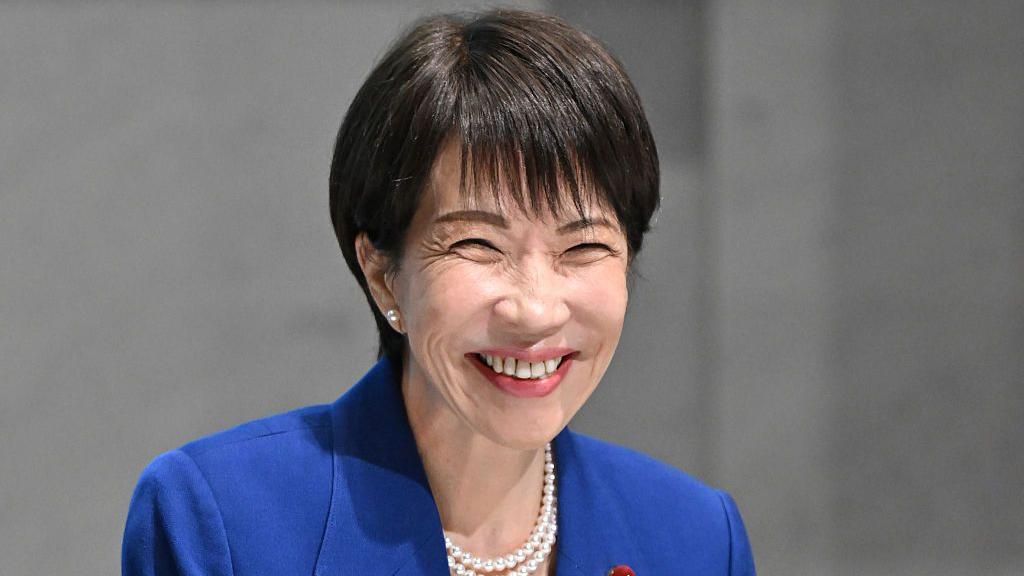
    The recent return of giant pandas Xiao Xiao and Lei Lei from Tokyo’s Ueno Zoo to China marks more than just the end of an era in Sino-Japanese cultural exchange—it symbolizes the rapid deterioration of bilateral relations to their lowest point in decades. This diplomatic crisis emerged following Japanese Prime Minister Sanae Takaichi’s November comments suggesting Japan would activate its self-defense forces in response to any attack on Taiwan, crossing what China considers an “absolute red line” regarding its territorial sovereignty.

    Beijing’s response has been multifaceted and sustained, employing what analysts describe as “greyzone warfare” tactics across diplomatic, military, economic, and cultural fronts. Beyond recalling its pandas—a powerful symbol of friendship—China has deployed warships near Japanese territories, restricted exports of critical rare earth minerals, canceled flight routes, discouraged tourism to Japan, and halted cultural exchanges including music events and film releases.

    The situation differs from previous bilateral spats due to both China’s expanded capabilities and Prime Minister Takaichi’s strengthened domestic position following her historic electoral victory. Analysts from the Center for Strategic and International Studies note that while China’s responses have been relatively measured compared to past conflicts, there remains “ample room for further escalation.” Takaichi, emboldened by her strong mandate, has refused to retract her Taiwan comments while pledging to accelerate defense spending increases to 2% of GDP.

    Complicating the geopolitical landscape is the role of the United States, which has offered strong support for Takaichi’s government but remains unpredictable in its China policy. Some experts express concern that potential warming US-China relations, including scheduled meetings between President Trump and Xi Jinping, might lead to a “grand bargain” that could leave Japan strategically isolated. As both nations dig in their positions, analysts predict sustained tensions that will fundamentally reset the relationship at a more confrontational level than before the crisis.

  • Israeli approval of West Bank land registration draws outrage

    Israeli approval of West Bank land registration draws outrage

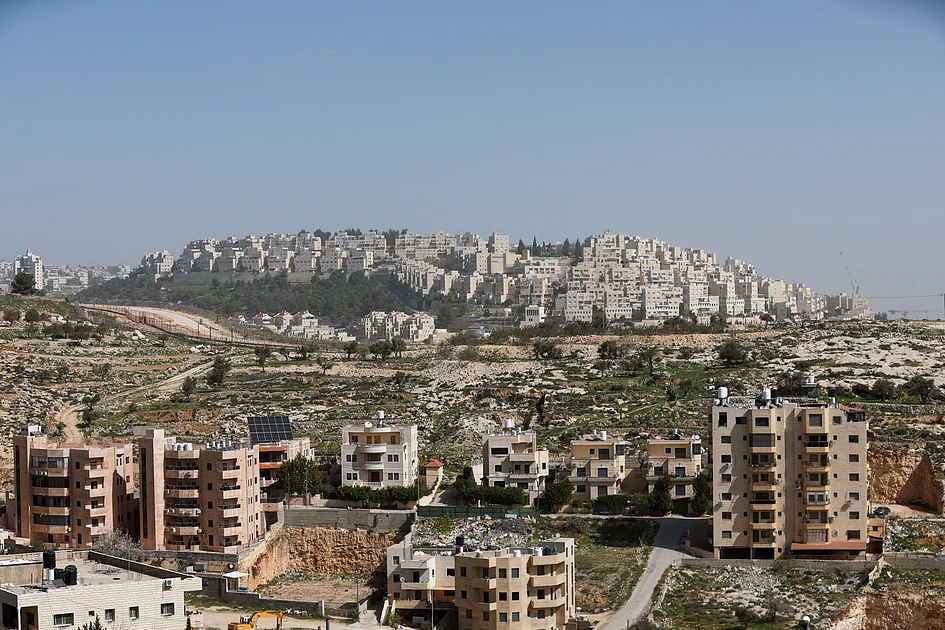
    Israel’s recent authorization of a contentious land registration procedure in the West Bank has ignited widespread international criticism and raised concerns about accelerated annexation of Palestinian territories. The government-approved measure, ratified late Sunday, designates disputed lands as “state property”—a move that Israeli authorities claim will establish transparency in resolving legal ownership conflicts.

    The decision has drawn sharp rebukes from multiple Arab nations. Egypt characterized the action as a “dangerous escalation” intended to solidify Israeli dominance over occupied territories. Qatar similarly denounced the declaration, asserting it would systematically deprive Palestinians of their legitimate land rights. Jordan joined the chorus of condemnation, labeling the measure a violation of international law.

    Israeli peace organization Peace Now condemned the policy as a “mega land grab” that advances the annexation agenda of Israel’s political right. Jonathan Mizrachi, the group’s co-director, explained that the registration process would exclusively affect Area C—comprising approximately 60% of the West Bank under Israeli administrative control. Mizrachi warned that numerous Palestinians would discover their traditionally held lands suddenly reclassified as state property under the new framework.

    This development occurs alongside other recently approved measures strengthening Israeli authority in West Bank regions nominally administered by the Palestinian Authority under the Oslo Accords. These include provisions enabling direct land purchases by Jewish Israelis and expanded Israeli administration of religious sites.

    The United Nations human rights chief Volker Turk expressed alarm over rapidly changing demographics in the occupied territories, noting that these policies systematically dispossess Palestinians of their lands. Despite international opposition, the U.S. administration has refrained from direct criticism of these recent Israeli initiatives. Currently, over 500,000 Israeli settlers reside in West Bank settlements considered illegal under international law.

  • Iran FM in Geneva for US talks, as Guards begin military drills in Hormuz Strait

    Iran FM in Geneva for US talks, as Guards begin military drills in Hormuz Strait

    Diplomatic efforts to address Iran’s nuclear program have entered a critical phase as Iranian Foreign Minister Abbas Araghchi arrived in Geneva for a second round of negotiations with United States officials. The talks, mediated by Oman and scheduled for Tuesday, occur against a backdrop of heightened military activity and escalating rhetoric from both nations.

    Simultaneously with the diplomatic movements, Iran’s Revolutionary Guards commenced military exercises in the strategically vital Strait of Hormuz. Iranian state television reported these drills are designed to prepare for “potential security and military threats” in the waterway, though the duration of the exercises remains unspecified. The Strait serves as a crucial maritime passage for approximately 20% of globally traded oil, and Iranian officials have repeatedly threatened to block transit through this channel.

    The renewed negotiations follow the collapse of previous talks in June after Israel launched an unprecedented bombing campaign against Iranian targets. U.S. Secretary of State Marco Rubio expressed cautious optimism, stating, “we’re hopeful there’s a deal” and noting that President Trump “always prefers peaceful outcomes and negotiated outcomes.”

    Significant obstacles remain, particularly regarding Iran’s stockpile of more than 400kg of 60%-enriched uranium, last inspected by nuclear watchdog officials in June. Iranian Deputy Foreign Minister Majid Takht-Ravanchi told the BBC that Tehran would consider compromises on its uranium stockpile if Washington lifts economically crippling sanctions.

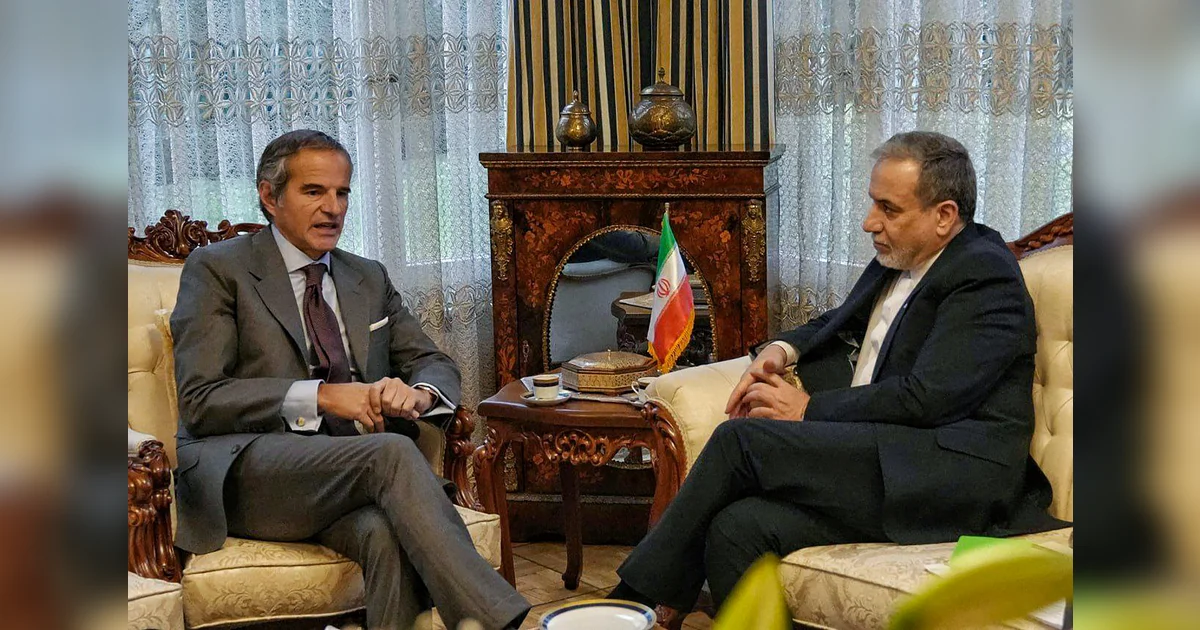
    The U.S. delegation includes Middle East envoy Steve Witkoff and President Trump’s son-in-law Jared Kushner. Araghchi confirmed he was meeting with International Atomic Energy Agency head Rafael Grossi for “deep technical discussion” ahead of the main negotiations.

    Tensions have been further exacerbated by Trump’s repeated threats of military action against Tehran, initially concerning Iran’s crackdown on anti-government protests and more recently targeting the country’s nuclear program. On Friday, Trump dispatched a second aircraft carrier to the Middle East while stating that a change of government in Iran would be the “best thing that could happen.”

    Israeli Prime Minister Benjamin Netanyahu insisted any agreement must involve “the removal of all enriched uranium from Iran” as well as the elimination of Tehran’s enrichment capability. Meanwhile, Iranian officials emphasized their desire for an economically beneficial agreement, with Deputy Foreign Minister Hamid Ghanbari noting the importance of “strong and rapid economic return potential” for both nations in sectors including aviation, mining, and oil and gas.