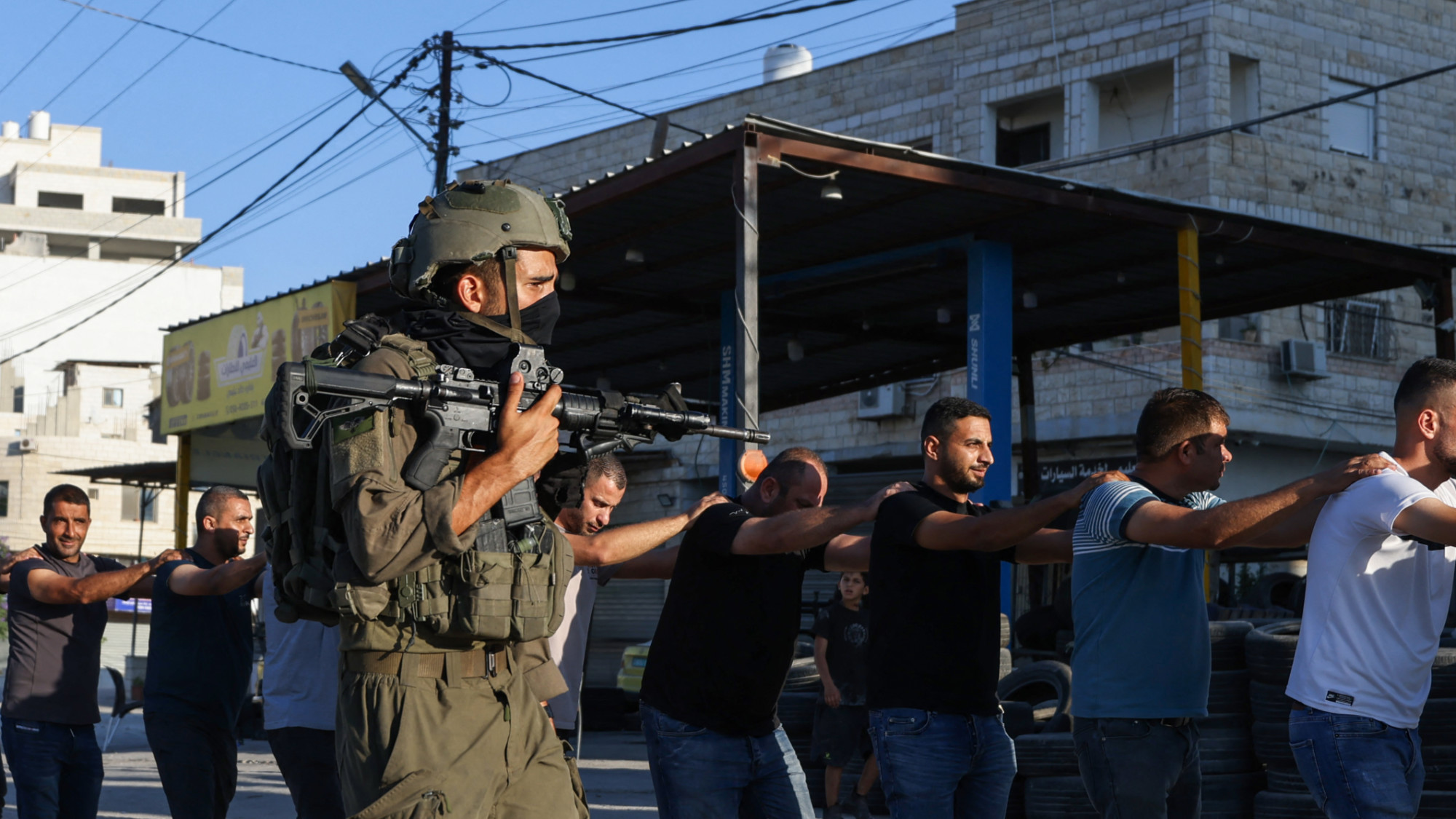
An Israeli parliamentary panel has approved a contentious bill that introduces the death penalty for Palestinian prisoners convicted of killing Israelis on “nationalistic grounds.” The legislation, spearheaded by National Security Minister Itamar Ben Gvir’s far-right Jewish Power party, marks a significant escalation in Israel’s judicial approach to the Israeli-Palestinian conflict. The bill, which excludes Israelis who kill Palestinians under similar circumstances, is set for its first reading in the Knesset, Israel’s parliament, as early as Wednesday. This development follows months of advocacy by far-right factions, particularly since the onset of the Gaza conflict in October 2023. Prime Minister Benjamin Netanyahu, who had previously hesitated due to concerns over the safety of Israeli captives, has now endorsed the bill after the release of all surviving hostages by Hamas last month. Gal Hirsch, the Prisoners and Missing Persons Coordinator, stated that earlier objections to the bill were no longer relevant, framing it as a crucial tool in combating terrorism and securing hostage releases. However, the proposal has drawn sharp criticism from Hamas and Palestinian rights groups, who describe it as a “war crime” and a manifestation of Israel’s “fascist face.” The Palestinian Center for Prisoners’ Advocacy warned that the bill could exacerbate regional instability, potentially leading to unpredictable consequences. Meanwhile, human rights organizations have raised alarms over Israel’s treatment of Palestinian detainees, citing widespread torture and inhumane conditions in Israeli prisons. Since October 2023, Israel has detained thousands of Palestinians, many without charge or trial, and has restricted access to legal representation and international oversight, further intensifying concerns over human rights violations.
分类: politics
-
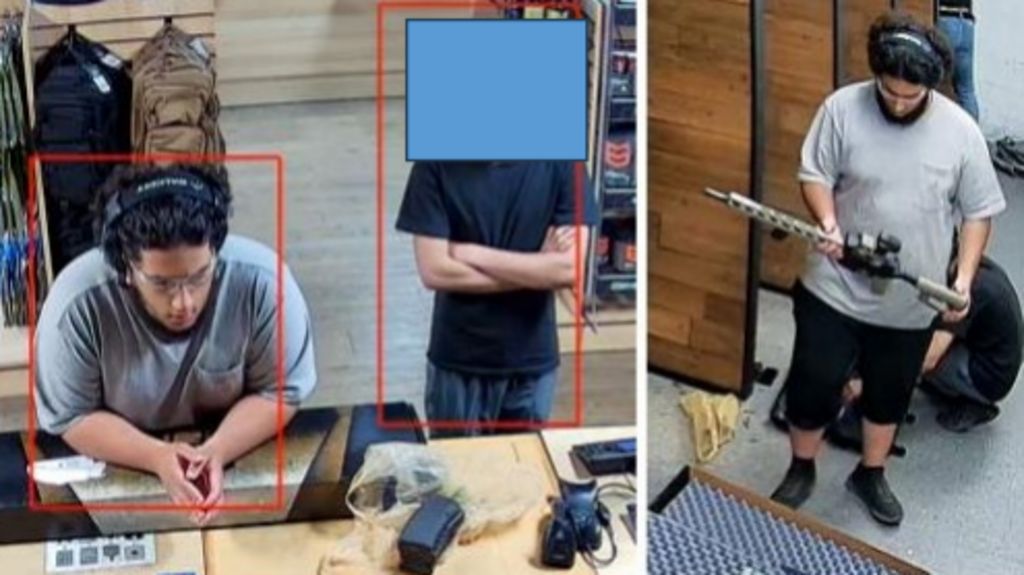
Two Michigan men charged with Halloween terror plot
Federal authorities have charged two men, Mohmed Ali and Majed Mahmoud, with orchestrating a terrorist plot to execute a mass shooting during Halloween weekend in Michigan, USA. The suspects, who allegedly expressed support for the Islamic State group online, are accused of scouting potential attack locations in a Detroit suburb and acquiring semi-automatic firearms, over 1,600 rounds of ammunition, and tactical gear. A third, unnamed juvenile defendant is also implicated in the case. According to prosecutors, the group trained at a gun range and planned to target bars and restaurants in Ferndale, a suburb known for its LGBTQ+ community. The Department of Justice filed a 73-page charging document detailing the suspects’ activities, including their reconnaissance of the area in September. The defendants face charges related to firearm possession and intent to commit a federal terrorism crime. US Attorney General Pam Bondi described the plot as a ‘major ISIS-linked terror threat.’ The suspects are scheduled to appear in court in Detroit on Monday.
-
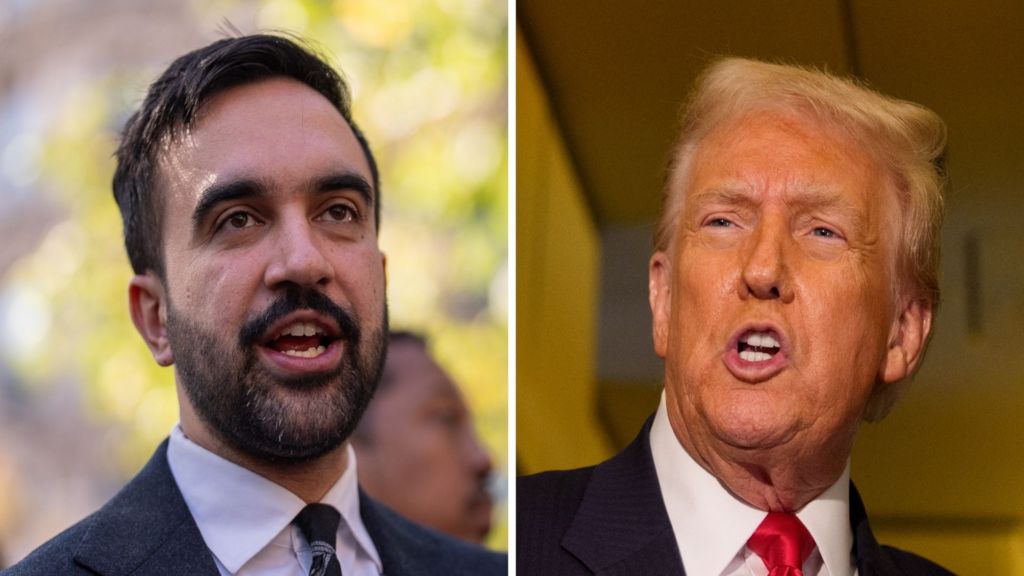
Trump says it would be ‘hard for me’ to fund New York City if Mamdani becomes mayor
In a recent television interview, former U.S. President Donald Trump expressed his reluctance to allocate federal funds to New York City should Zohran Mamdani, a left-wing candidate, win the mayoral race. Trump labeled Mamdani as a ‘Communist’ and suggested that sending money to the city under his leadership would be wasteful. ‘It’s gonna be hard for me as the president to give a lot of money to New York, because if you have a Communist running New York, all you’re doing is wasting the money you’re sending there,’ Trump stated. This remark aligns with the Trump administration’s history of attempting to reduce federal grants to Democratic-run areas.
-
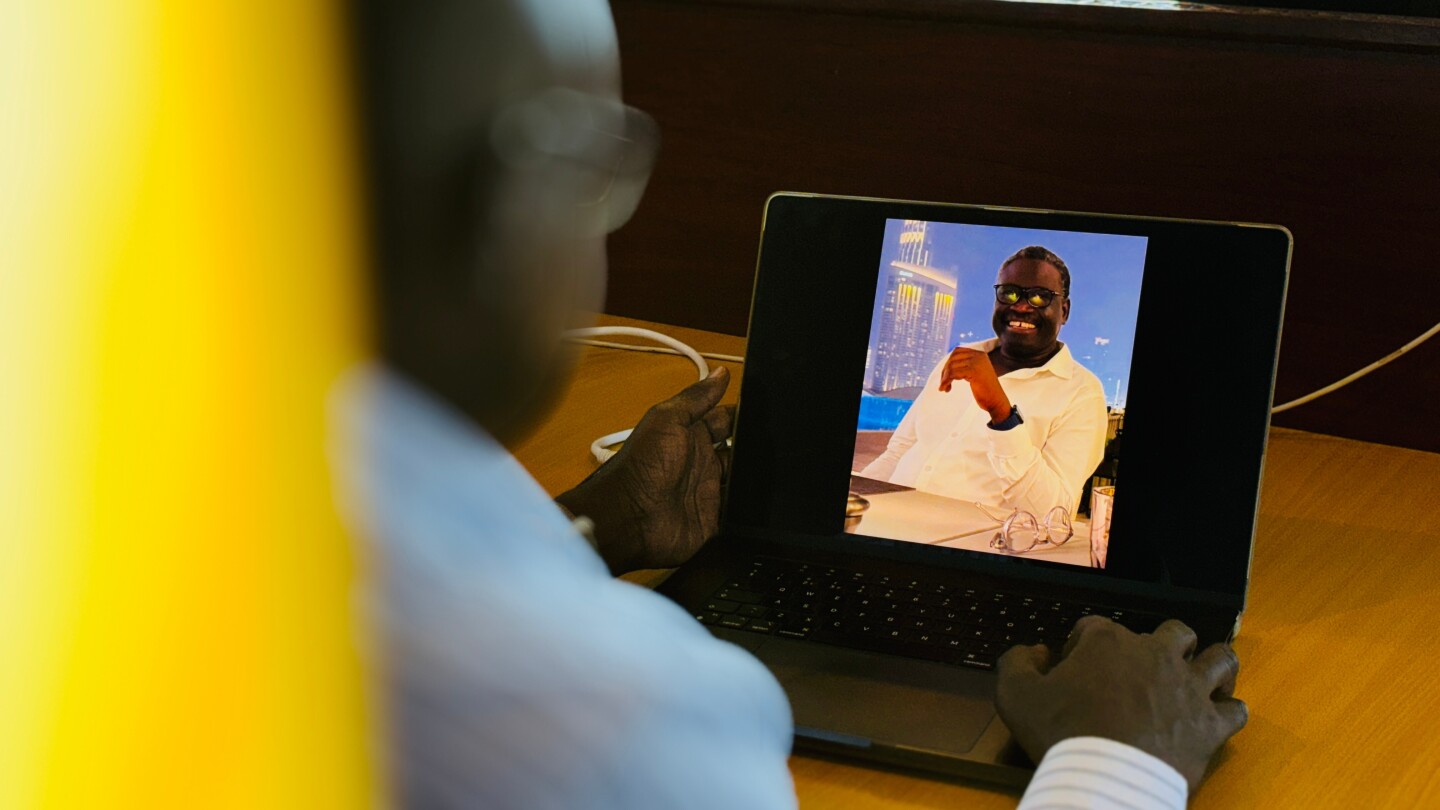
Concern grows for South Sudanese political pundit detained in Dubai
The family of Samuel Peter Oyay, a prominent South Sudanese political commentator known for his critical views on the government, has expressed deep concern over his safety following his arrest in the United Arab Emirates (UAE) over a month ago. Oyay was taken from his Dubai residence shortly after publishing an article in Radio Tamazuj, a Netherlands-based media outlet, which criticized the trial of opposition leader Riek Machar. Machar, suspended as South Sudan’s vice president, faces treason charges linked to an alleged attack on a military garrison in March, which reportedly resulted in the deaths of 250 soldiers. Oyay’s article accused President Salva Kiir of weakening government institutions to consolidate power and described Machar as a “captive figure in the theater of governance.” Since his arrest on September 30, Oyay’s wife, Vivian Johnson, has had minimal contact with him, with their last brief conversation on October 25 failing to reveal his whereabouts. The family, who fled South Sudan’s civil war in 2013 and settled in the UAE in 2014, believes Oyay’s arrest is politically motivated. Authorities confiscated electronic devices during the arrest but have provided no further information. The UAE has been accused of facilitating transnational repression, with critics highlighting its intolerance for press freedom. Oyay’s detention underscores the risks faced by exiled critics of South Sudan’s government, who have historically faced violent repression. The case has drawn attention from international bodies, including the Committee to Protect Journalists, which has condemned the lack of transparency surrounding Oyay’s arrest.
-

In Uganda, where Zohran Mamdani was born, NYC mayoral hopeful is recalled with pride
In a remarkable political ascent, Zohran Mamdani, a 34-year-old Ugandan-born democratic socialist, is poised to potentially become New York City’s first Muslim mayor and the first of Indian descent. His journey began humbly in Kampala, Uganda, where he interned at the Daily Monitor newspaper as a teenager under the mentorship of journalist Angelo Izama. Mamdani, described as intensely curious and ambitious, aspired to be a “top reporter” and developed a passion for current affairs, a trait encouraged by his father, Mahmood Mamdani, a renowned Columbia University professor. His mother, filmmaker Mira Nair, is an Academy Award-nominated director. Despite leaving Uganda as a child, Mamdani maintained strong ties to his homeland, regularly returning and celebrating his Ugandan heritage, including his recent marriage in Kampala. Naturalized as a U.S. citizen in 2018, Mamdani’s political career began as a community organizer in Queens, New York, where he advocated for vulnerable homeowners facing eviction. His unexpected victory over former New York Gov. Andrew Cuomo in the Democratic mayoral primary sent shockwaves through the political world. Mamdani’s campaign focuses on progressive policies, including free city buses, childcare, rent freezes, and government-run grocery stores, funded by taxes on the wealthy. His candidacy has drawn both support and controversy, with endorsements from prominent figures like House Minority Leader Hakeem Jeffries and New York Gov. Kathy Hochul, while facing baseless allegations from former President Donald Trump. Mamdani’s rise is seen as a beacon of hope and inspiration, particularly for young Africans disillusioned by entrenched political systems. However, analysts like Nicholas Sengoba note that such success would be harder to achieve in Uganda, where political opportunities are often limited. Mamdani’s story underscores the transformative potential of perseverance and ambition in a land of opportunity.
-
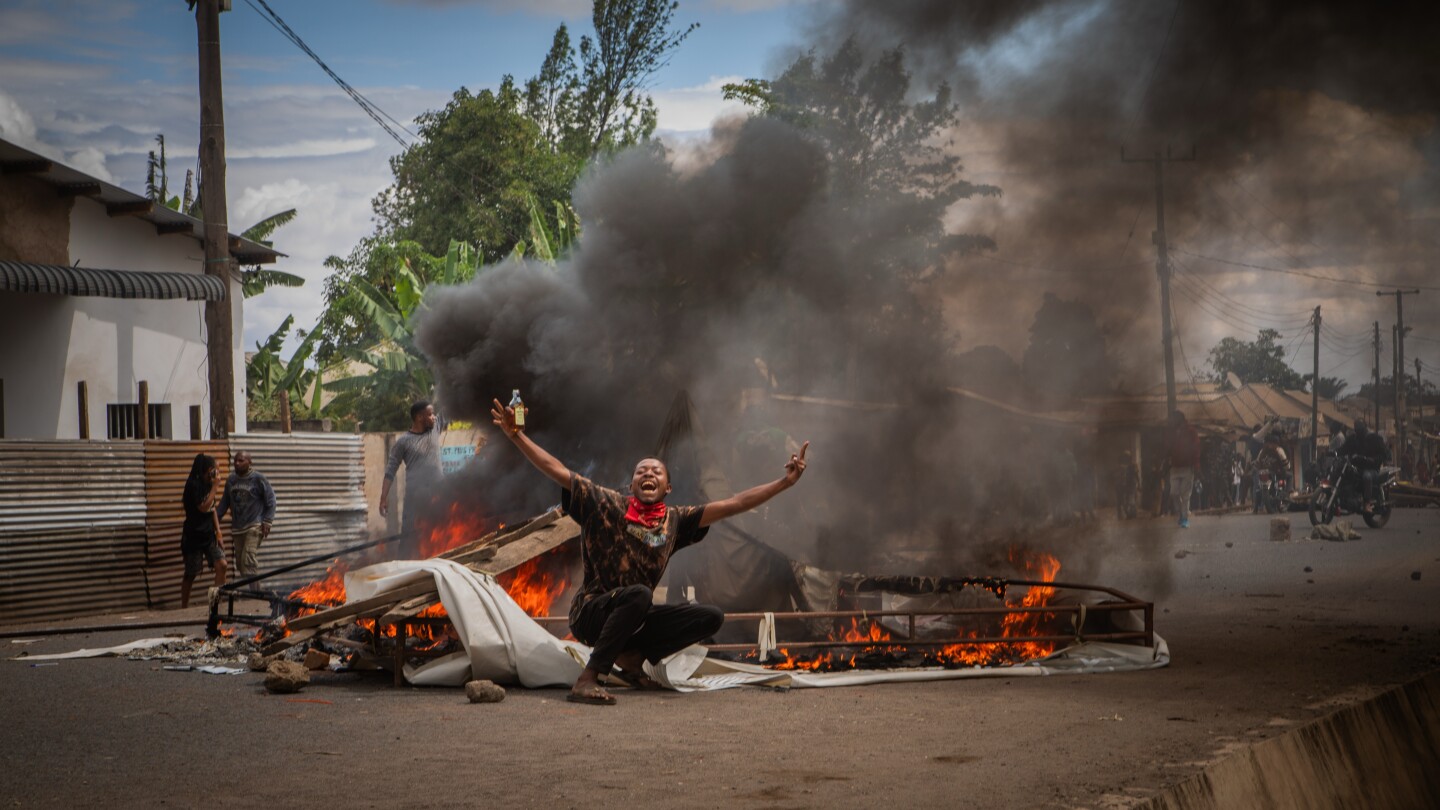
Africa’s latest elections end with crackdowns on opposition and disputed results
Recent elections across Africa have once again highlighted a troubling pattern: sidelined opposition candidates, disputed results, and widespread protests, particularly among the continent’s youthful population. Incumbents in Cameroon, Ivory Coast, and Tanzania have secured reelection, raising concerns about the erosion of democratic norms and the rise of authoritarianism.
In Cameroon, 92-year-old Paul Biya, the world’s oldest leader, has been reelected for an eighth term, extending his 43-year rule. Critics argue that his advanced age has diminished his capacity to govern, while protests against his victory have turned deadly. Similarly, Ivory Coast’s 83-year-old President Alassane Ouattara has secured a fourth term amid low voter turnout and the exclusion of his main challenger, Tidjane Thiam, due to dual nationality issues. Thiam has denounced the election as a sham, sparking further unrest.
In Tanzania, President Samia Suluhu Hassan, the country’s first female leader, initially inspired hope for change but has since been criticized for maintaining repressive policies akin to her predecessor. Her reelection was marred by violence, internet shutdowns, and the exclusion of opposition candidates.
Analysts warn that these disputed elections could further destabilize Africa’s fragile democracies, emboldening military takeovers and deepening public frustration. The continent, home to some of the world’s youngest populations and oldest leaders, faces a paradox of abundant natural resources yet unmet promises of basic amenities. Jeffrey Smith of Vanguard Africa notes that these elections reflect a broader trend of competitive authoritarianism, where incumbents exploit state resources and flawed legal processes to maintain power.
As protests continue and tensions rise, the future of democracy in Africa remains uncertain, with calls for genuine political competition and accountability growing louder.
-
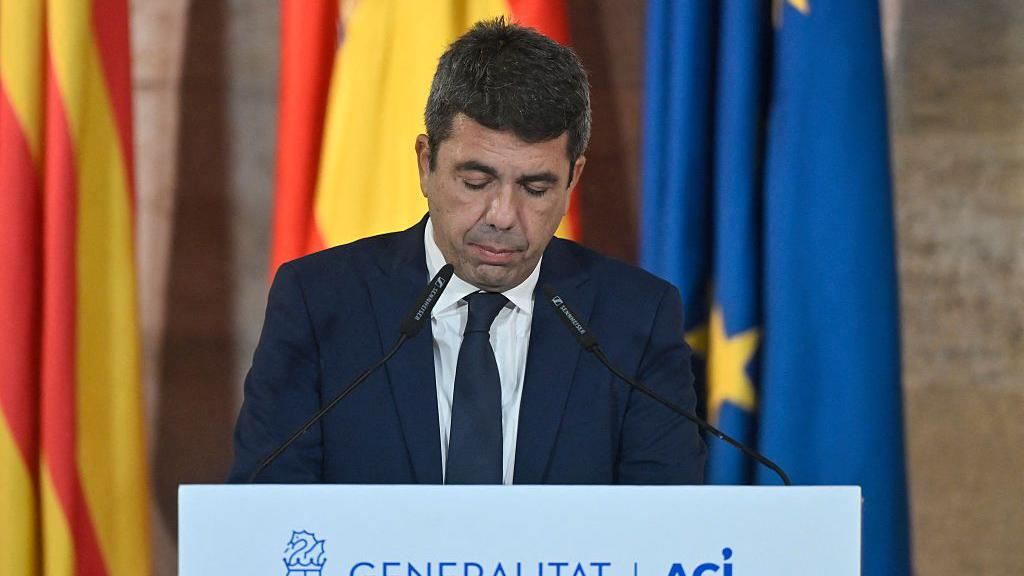
Valencia leader resigns over handling of deadly floods
Carlos Mazón, the president of Spain’s Valencia region, has stepped down following intense public and political pressure over his handling of the catastrophic flash floods that struck the area on October 29, 2024. The disaster, which claimed 229 lives in Valencia and eight more in neighboring regions, marked Spain’s deadliest natural calamity in decades. Mazón faced widespread criticism for his perceived negligence during the crisis, including his decision to spend nearly four hours dining with journalist Maribel Vilaplana while floodwaters devastated communities. Additionally, his administration failed to issue emergency alerts to residents until after 8:00 PM, by which time dozens had already perished. In his resignation speech, Mazón admitted to grave errors, stating, ‘I can’t go on anymore… I know that I made mistakes, I acknowledge it and I will live with them for the rest of my life.’ He emphasized that his actions were not driven by political calculation or ill intent. Public outrage had been mounting for months, with polls showing overwhelming support for his resignation and large-scale protests demanding accountability. Mazón’s attendance at a memorial service for flood victims on the tragedy’s first anniversary further inflamed tensions, as grieving relatives confronted him during the event. His resignation coincided with Vilaplana’s testimony in a judicial investigation into potential negligence. Mazón, who will retain his seat in the regional parliament, accused Spain’s left-wing central government of withholding aid to inflict political damage. His departure poses challenges for the conservative People’s Party (PP), which must navigate its alliance with the far-right Vox party to appoint his successor.
-
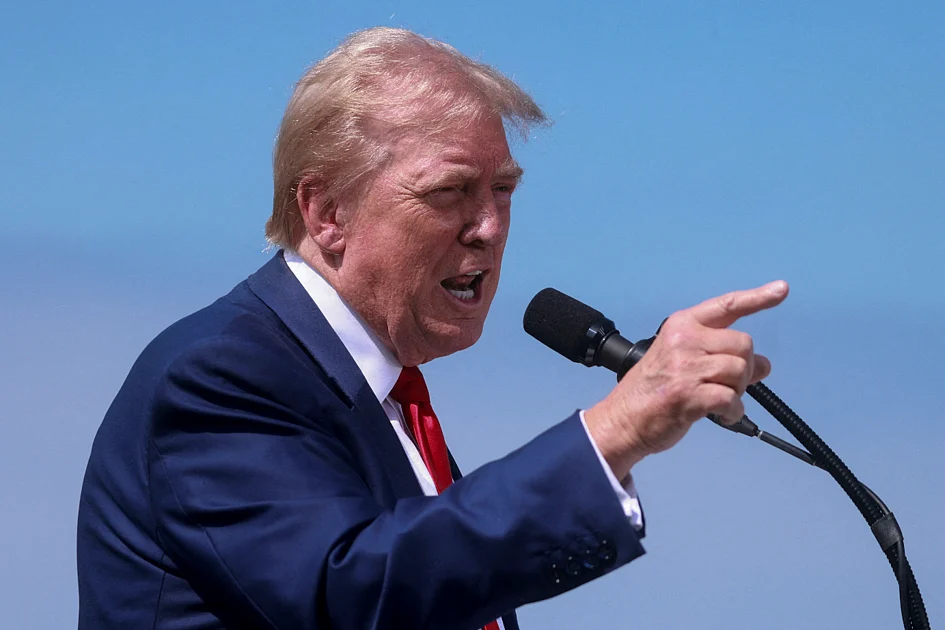
Trump’s global tariffs to face challenge before Supreme Court
The US Supreme Court is poised to deliberate on the legality of former President Donald Trump’s expansive use of emergency economic powers to impose global tariffs. This landmark case, set for arguments on Wednesday, challenges the foundation of Trump’s ‘America First’ trade policy, which aimed to protect and bolster US industries through reciprocal tariffs on countries deemed to engage in unfair trade practices. These tariffs, targeting major trading partners like Mexico, Canada, and China, have faced significant legal scrutiny since their implementation. In May, a lower court ruled that Trump exceeded his authority, a decision upheld by the US Court of Appeals for the Federal Circuit in August. The Supreme Court’s conservative majority now faces a pivotal decision: to either block the tariffs entirely or affirm Trump’s actions, potentially paving the way for further levies. The outcome could impact billions in customs revenue and influence future trade negotiations. While the ruling won’t affect sector-specific tariffs on steel, aluminum, and automobiles, it could set a precedent for executive authority in trade policy. Small businesses, already burdened by the tariffs, warn of existential threats, with owners like Victor Schwartz of VOS Selections and Mike Gracie, a wallpaper importer, highlighting the financial strain. Experts suggest the court might impose limitations or allow tariffs under specific conditions, but the broader implications for executive power and market stability remain a concern.
-

Spain’s top prosecutor stands trial over allegations of leaking confidential information
In a landmark event for Spain’s judicial history, Attorney General Álvaro García Ortiz stood trial on Monday over allegations of leaking confidential information. This unprecedented case has sent shockwaves through Prime Minister Pedro Sánchez’s left-wing government, marking the first time a top prosecutor has faced criminal charges in modern Spain. García Ortiz is accused of disclosing an email from a lawyer representing Alberto González Amador, the partner of Madrid’s influential regional leader Isabel Díaz Ayuso, who is under investigation for alleged tax fraud. García Ortiz has vehemently denied the accusations and has received public backing from Sánchez on multiple occasions. The trial, which is expected to conclude next week, underscores the deepening rift between Spain’s national left-wing government and Madrid’s conservative regional administration. The case is part of a broader wave of legal challenges involving individuals close to Sánchez, including corruption probes targeting two former high-ranking officials from his Socialist Party, as well as investigations into the business dealings of Sánchez’s wife, Begoña Gómez. While Sánchez himself has not been directly implicated, these cases have posed significant threats to his government’s stability. The prime minister has criticized some judges, alleging political motivations behind the probes into his wife’s activities.
-
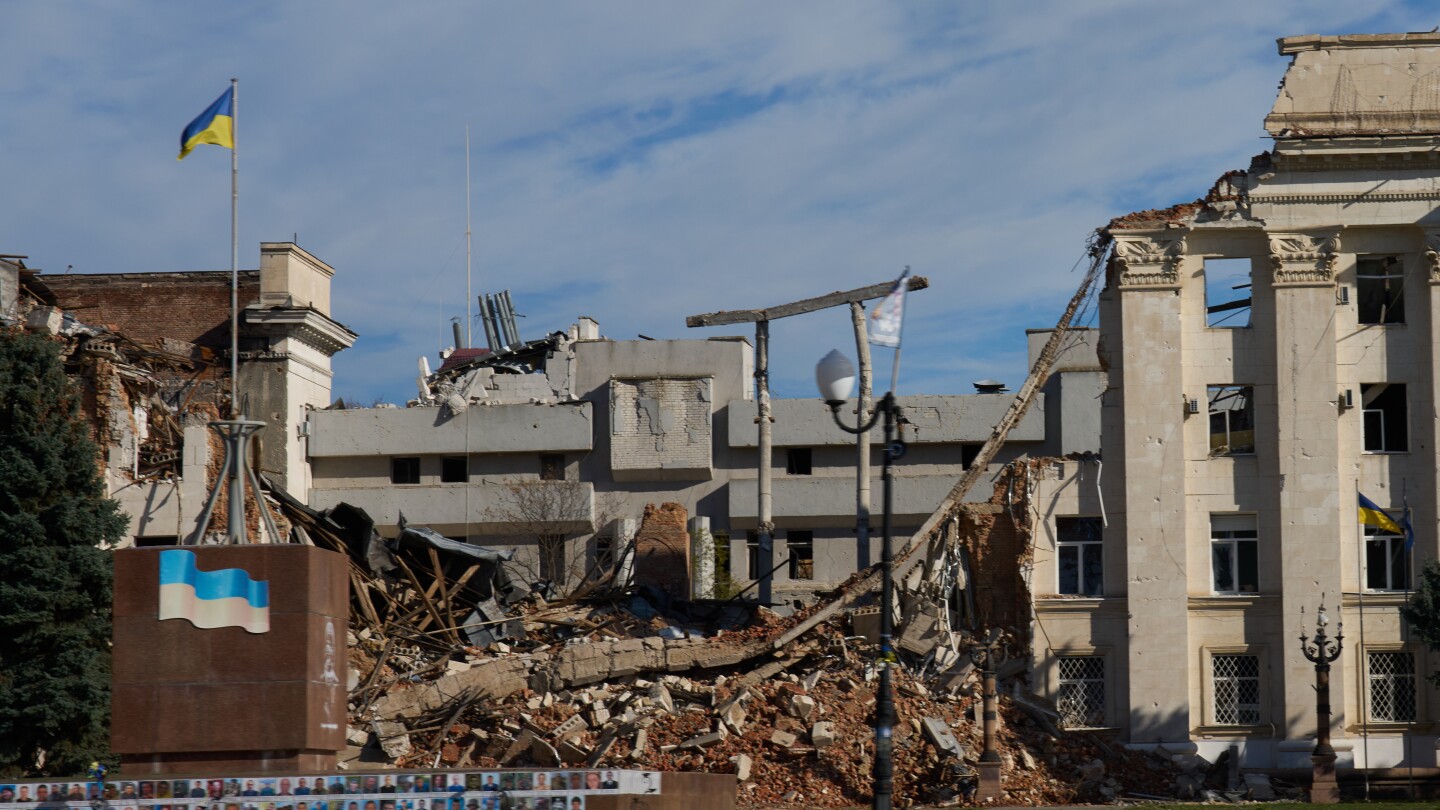
A Latvian arrested for allegedly collecting information for Russia’s intelligence
RIGA, Latvia — A Latvian national has been apprehended on charges of espionage, accused of gathering sensitive information about the Baltic nation’s defense sector for Russia’s GRU military intelligence service. The suspect, whose identity remains undisclosed, was detained last month following coordinated raids on two associated locations. According to Latvia’s State Security Service, the individual allegedly collected and transmitted classified details about NATO forces stationed in the country, as well as intelligence on private aviation infrastructure and methods for acquiring prepaid mobile phone cards. This arrest underscores growing concerns over Russia’s alleged campaign of sabotage and hybrid warfare targeting Ukraine’s European allies. Recent months have seen a surge in arson attacks, cyber intrusions, and espionage activities across the continent. The Baltic states and broader Europe remain on heightened alert, particularly after a spike in unauthorized incursions by Russian fighter jets and drones into NATO airspace in September. These incidents have prompted questions about the alliance’s readiness to counter potential Russian aggression.