分类: politics

  • Bolivia’s former interim president Jeanine Áñez freed from prison after Supreme Court ruling

    Bolivia’s former interim president Jeanine Áñez freed from prison after Supreme Court ruling

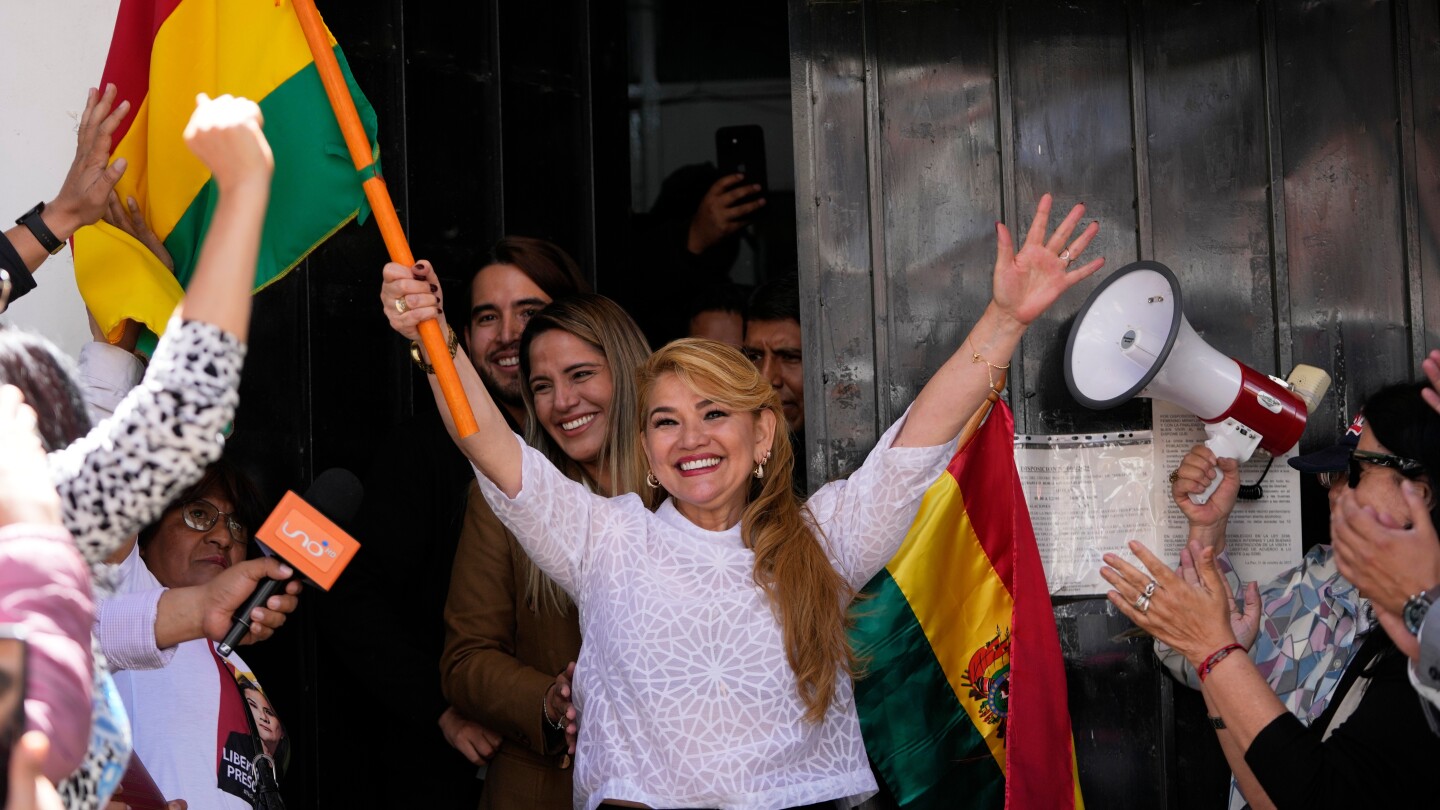
    LA PAZ, Bolivia — In a landmark decision, Bolivia’s Supreme Court of Justice annulled the 10-year prison sentence of former interim president Jeanine Áñez, leading to her release from Miraflores women’s prison on Thursday. Áñez, who had been incarcerated for over four years, expressed profound relief as she emerged, waving a Bolivian flag and greeted by jubilant supporters chanting, “Yes, we could.”

    Áñez’s imprisonment stemmed from her controversial assumption of the presidency in 2019, following the resignation of then-president Evo Morales amid widespread protests and allegations of electoral fraud. The 2019 crisis, which resulted in 37 deaths, was marked by accusations that Morales had secured an unconstitutional fourth term, as denounced by the Organization of American States.

    The Supreme Court’s ruling emphasized that Áñez’s actions were driven by a “state of constitutional necessity” aimed at preserving Bolivia’s institutional stability. This decision effectively closed the debate over whether her ascension constituted a coup, as claimed by Morales’ supporters.

    The timing of the ruling is significant, coming just three days before the inauguration of President-elect Rodrigo Paz, whose historic victory on October 19 ended nearly two decades of political dominance by Morales’ leftist Movement Toward Socialism (MAS) party. Paz extended an invitation to Áñez to attend his inauguration, with her daughter indicating she might accept.

    Áñez, who has faced multiple accusations but no pending cases in ordinary courts, has seen two other convictions annulled in August related to the deaths of 20 protesters during the 2019 crisis. Following the latest presidential elections, the court also reviewed the pretrial detention of Áñez and two other opposition leaders, releasing them from prison and placing them under house arrest.

    “The monster had to go for it to be acknowledged that there was not a coup in this country, but rather an electoral fraud,” Áñez declared, reaffirming her commitment to serving Bolivia during its time of need.
  • ‘AI president’: Trump deepfakes glorify himself, trash rivals

    ‘AI president’: Trump deepfakes glorify himself, trash rivals

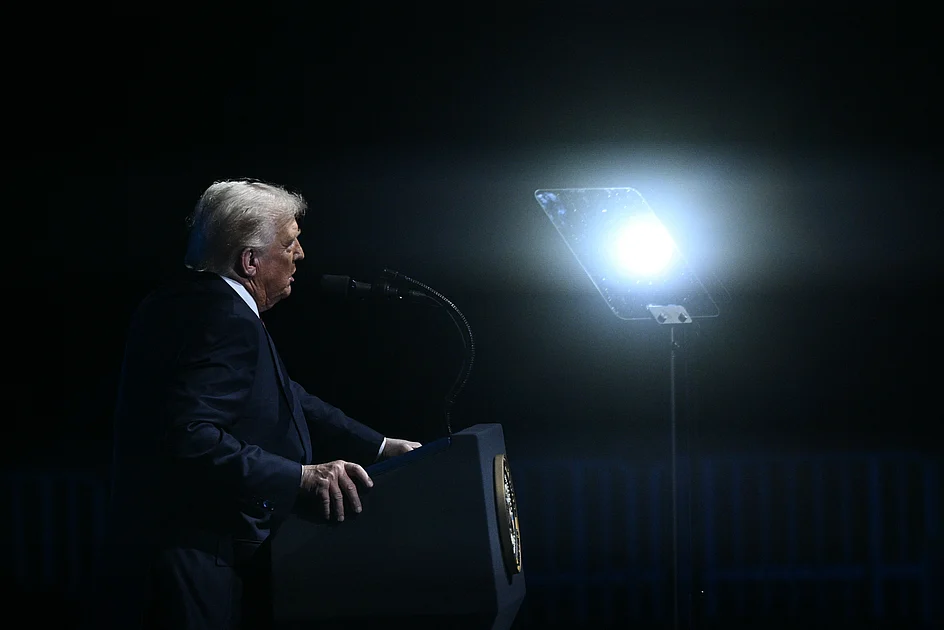
    In an unprecedented move, former U.S. President Donald Trump has embraced artificial intelligence (AI) as a central tool in his political communication strategy. Since beginning his second term, Trump has flooded his Truth Social platform with hyper-realistic AI-generated content, portraying himself in grandiose roles while discrediting his political adversaries. These fabricated visuals, ranging from Trump as a crowned king to Superman, have captivated and deceived social media users, blurring the lines between reality and fiction. The White House has remained silent on whether Trump or his aides are behind these creations, but the impact is undeniable. Critics argue that this marks a dangerous escalation in the weaponization of AI for political gain. Trump’s posts have included absurd scenarios, such as a video of him piloting a fighter jet labeled ‘King Trump’ dumping waste on protesters, and another promoting the debunked ‘MedBed’ conspiracy theory. His use of AI has also targeted rivals, including former President Barack Obama and House Minority Leader Hakeem Jeffries, with racially charged imagery. Experts like Nora Benavidez of Free Press warn that such tactics distort reality and undermine public discourse. Meanwhile, California Governor Gavin Newsom has adopted a similar strategy, using AI-generated content to mock Republicans after recent Democratic victories. This trend raises critical questions about the ethical use of AI in politics and its potential to erode shared truths in society.

  • DPRK condemns US for imposing unilateral sanctions

    DPRK condemns US for imposing unilateral sanctions

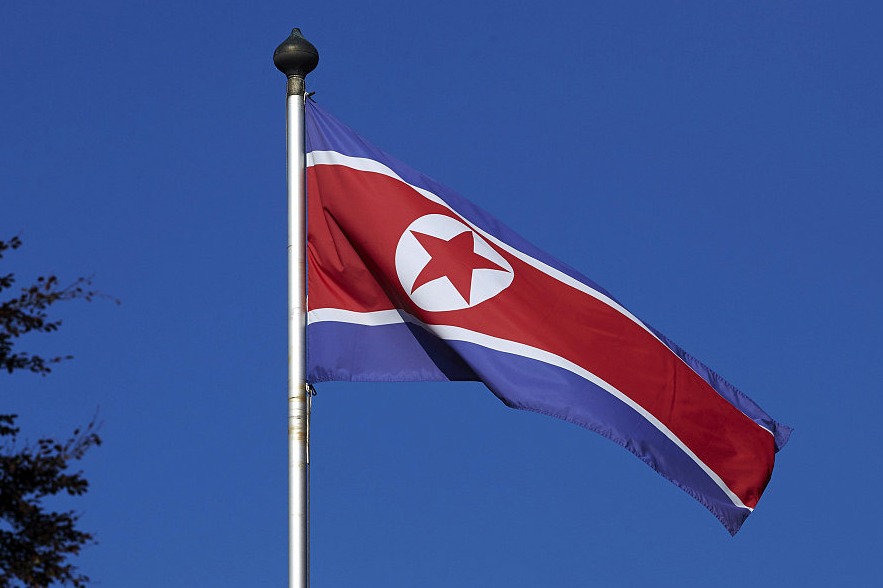
    The Democratic People’s Republic of Korea (DPRK) has strongly criticized the United States for imposing unilateral sanctions, labeling the move as a continuation of Washington’s hostile stance. In a statement released by the official Korean Central News Agency (KCNA), Kim Un-chol, Vice-Minister for US Affairs at the DPRK Foreign Ministry, denounced the latest sanctions as the fifth such measure enacted by the current US administration. Kim emphasized that these sanctions would not influence North Korea’s strategic perspective or policies. He further asserted that the US efforts to alter the bilateral strategic landscape through sanctions are futile. Kim warned that the DPRK would respond with appropriate countermeasures, maintaining its resolve to withstand prolonged hostility from the US. The statement underscores the deepening tensions between the two nations, with North Korea framing the sanctions as an aggressive act rather than a diplomatic tool.

  • Watch: Three times the Pelosi-Trump feud was caught on camera

    Watch: Three times the Pelosi-Trump feud was caught on camera

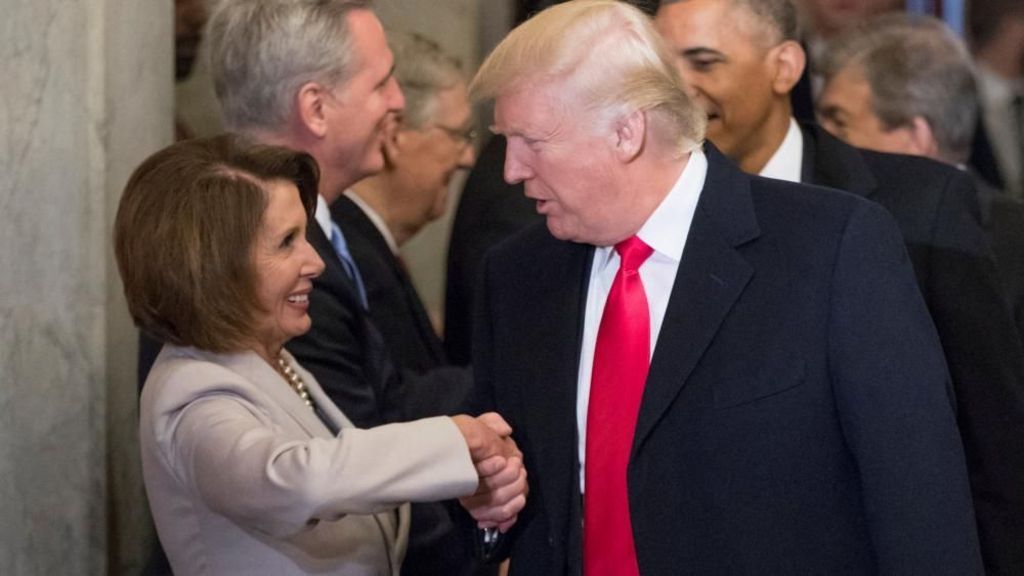
    The political rivalry between US Congresswoman Nancy Pelosi and former President Donald Trump has been a defining feature of recent American politics. Throughout Trump’s presidency, Pelosi emerged as one of his most vocal critics, with their confrontations frequently playing out in the public eye. These tense exchanges were often captured by the media, providing a vivid record of their contentious relationship. From heated debates in the Oval Office to sharp exchanges during press briefings, their clashes highlighted the deep ideological divides within the US government. This article revisits three key moments when their feud was documented on camera, offering a glimpse into the high-stakes drama that characterized their interactions. These incidents not only underscored their personal animosity but also reflected broader political tensions in a deeply polarized nation.

  • Nancy Pelosi announces retirement after decades in US Congress

    Nancy Pelosi announces retirement after decades in US Congress

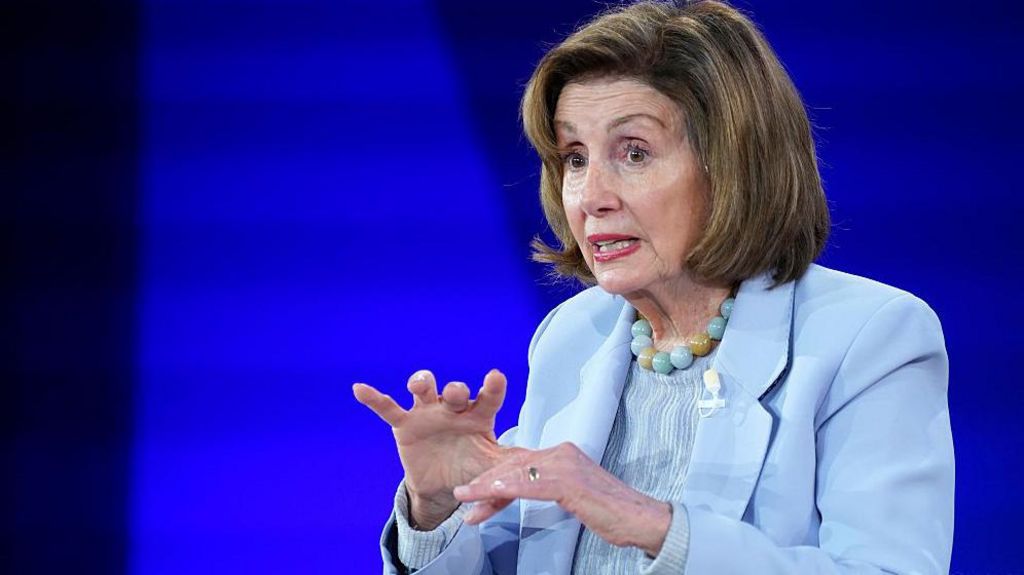
    In a significant announcement, US Congresswoman Nancy Pelosi has revealed her decision to retire at the conclusion of her current term in January 2027. Pelosi, 85, shared this news through a heartfelt video message, marking the end of an illustrious political journey spanning nearly four decades in the House of Representatives. Pelosi’s career has been nothing short of historic; she broke barriers as the first female Speaker of the House and led her party in the lower chamber of Congress from 2003 to 2023. Known for her strategic acumen, the San Francisco Democrat played a pivotal role in shaping key political decisions, including influencing then-President Joe Biden to step aside during concerns about his mental acuity, which ultimately led to Kamala Harris’s candidacy. As this story continues to develop, further updates will be provided. Stay tuned for the latest information via the BBC News App or follow @BBCBreaking on X for real-time alerts.

  • Trump wants South Africa out of the G20 as it gears up for world summit

    Trump wants South Africa out of the G20 as it gears up for world summit

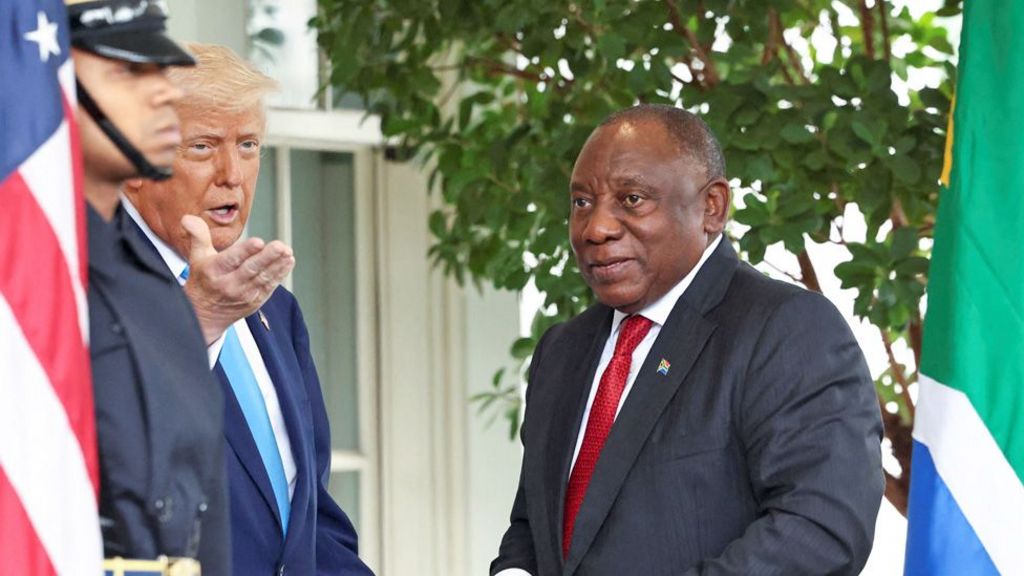
    The diplomatic relationship between the United States and South Africa has deteriorated significantly this year, marked by sharp exchanges over South Africa’s role in the G20 and contentious refugee policies. US President Donald Trump has openly criticized South Africa’s inclusion in the G20, stating that the country ‘shouldn’t even be in the Gs anymore.’ Trump, who has repeatedly accused South Africa of discriminating against its white minority, opted not to attend the upcoming G20 summit in Johannesburg, sending Vice-President JD Vance instead. South Africa, however, remains confident in its ability to host a successful summit, with Presidential spokesperson Vincent Magwenya emphasizing the country’s readiness to welcome global leaders. The G20, established in 1999 to address global economic stability, holds significant weight in international diplomacy, with member states representing over 85% of the world’s wealth. Despite Trump’s criticisms, there is no formal procedure for expelling a country from the G20, as noted by Dr. Andrew Gawthorpe of the Foreign Policy Centre. South Africa has adopted themes of solidarity, equality, and sustainability for this year’s summit, reflecting its commitment to addressing global inequalities and the legacy of colonialism. Tensions were further exacerbated earlier this year when Trump offered refugee status to Afrikaners following South Africa’s land reform legislation, which allows the government to seize land without compensation in rare cases. South African President Cyril Ramaphosa attempted to ease tensions with a visit to the White House in May, but the meeting was overshadowed by Trump’s unsubstantiated claims of white farmer persecution. Efforts to mend relations have largely failed, with South Africa facing a 30% tariff on exports to the US, the highest rate in sub-Saharan Africa. The ongoing friction highlights the complex dynamics of US-South African relations, with both countries grappling with historical legacies and contemporary political challenges.

  • US boat strikes are crimes against humanity, says former ICC prosecutor

    US boat strikes are crimes against humanity, says former ICC prosecutor

    A former chief prosecutor at the International Criminal Court (ICC), Luis Moreno Ocampo, has asserted that US airstrikes on alleged drug smuggling boats in the Caribbean Sea and Eastern Pacific should be classified as crimes against humanity under international law. These strikes, which have resulted in the deaths of at least 66 people over the past two months, have sparked significant legal and ethical debates. The Trump administration defends the actions, claiming they are part of a formal armed conflict with South American drug traffickers. However, Moreno Ocampo argues that the campaign constitutes a systematic attack on civilians during peacetime, thereby meeting the criteria for crimes against humanity. He emphasized that the individuals targeted are civilians, not soldiers, and called for investigations and prosecutions rather than lethal force. The White House countered by stating that President Trump acted within the laws of armed conflict to protect the US from cartels and dismissed the ICC as a ‘biased, unserious entity.’ The administration also highlighted that the US is not a signatory to the Rome Statute, which established the ICC. The legal justification for the strikes has been questioned by experts, with former State Department legal adviser Brian Finucane describing the US position as ‘completely unconvincing.’ Meanwhile, the political response has been divided, with Republicans largely supporting the administration’s actions, while Democrats have raised concerns about the legality and lack of evidence. The situation has also strained US-Venezuela relations, with Venezuelan President Nicolás Maduro condemning the strikes as ‘heinous crimes.’

  • World’s oldest president sworn in for eighth term in Cameroon

    World’s oldest president sworn in for eighth term in Cameroon

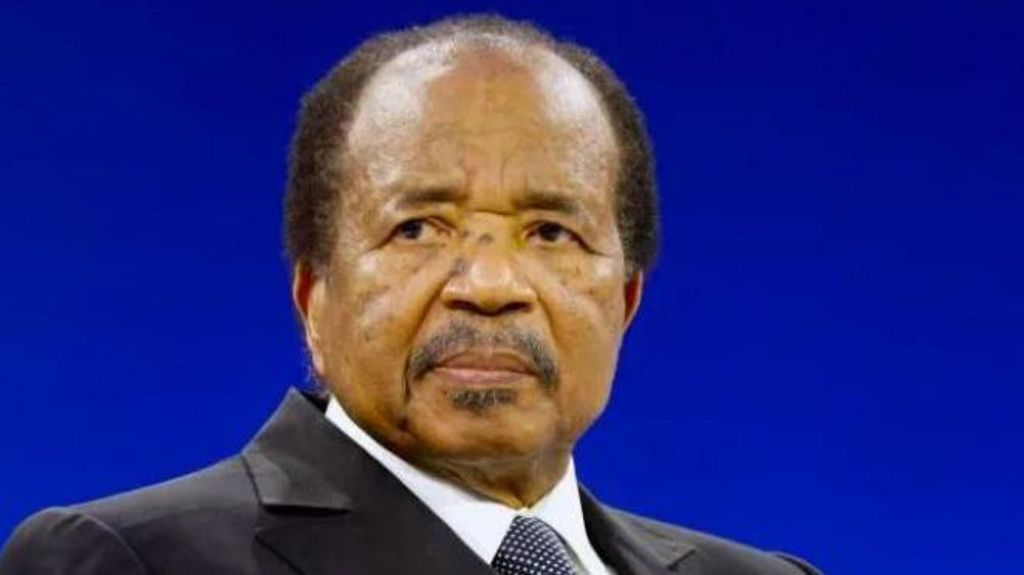
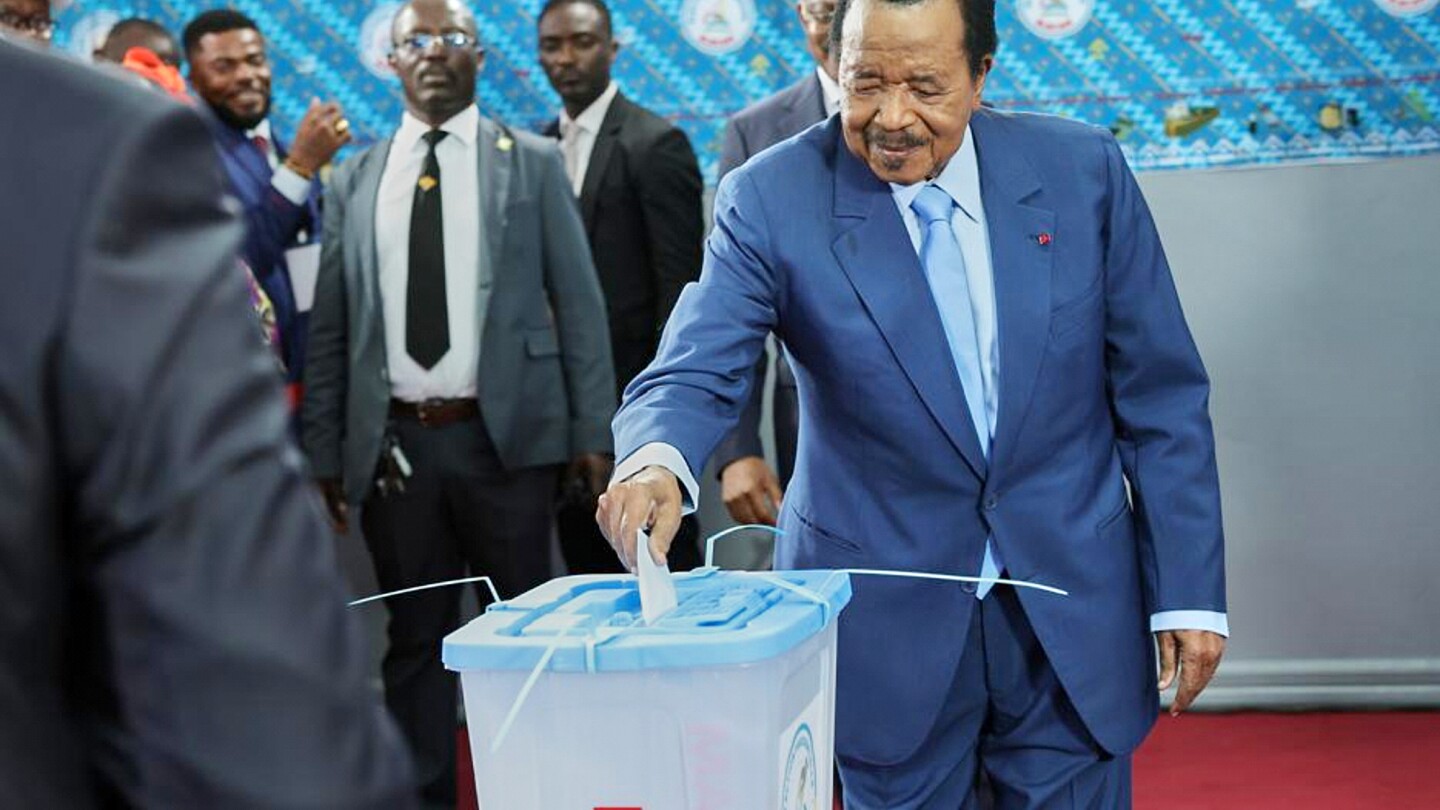
    Cameroon’s long-serving President, Paul Biya, aged 92, has been inaugurated for an unprecedented eighth term following a contentious election last month. The swearing-in ceremony took place at the parliament in Yaoundé, marking the continuation of a 43-year reign that began in 1982. Biya, who is currently the world’s oldest head of state, secured 54% of the vote, as per official results, while his closest rival, Issa Tchiroma Bakary, garnered 35%. Bakary has vehemently contested the outcome, alleging electoral fraud, a claim dismissed by the authorities. The announcement of Biya’s victory sparked widespread protests across the nation, reflecting deep-seated divisions and dissatisfaction among the populace. Biya’s campaign was notably subdued, with the nonagenarian addressing only one rally prior to the election. His extended tenure has drawn both domestic and international scrutiny, raising questions about the future of governance in Cameroon.

  • Cameroon’s 92-year-old president Paul Biya sworn in again as opposition cries foul

    Cameroon’s 92-year-old president Paul Biya sworn in again as opposition cries foul

    Cameroon’s President Paul Biya, the world’s oldest head of state, was inaugurated on Thursday for a seventh term following a contentious election marred by allegations of fraud. The 92-year-old leader, who has been in power since 1982, took the oath of office in a heavily militarized Yaounde, the nation’s capital, which residents described as partially deserted. Biya’s victory, declared by Cameroon’s top court on October 27 with 53.66% of the vote, has been labeled a “constitutional coup” by his main rival, Issa Tchiroma Bakary, who secured 35.19% of the vote. In his address to Parliament, Biya pledged to uphold the trust of the Cameroonian people and work towards a “united, stable, and prosperous” nation. However, the ceremony unfolded against a backdrop of deep political divisions, ongoing security challenges in Anglophone regions, and widespread disillusionment among the populace. Protests erupted across the country after the October 19 election, culminating in a three-day lockdown this week. The government confirmed at least five deaths during the unrest, though opposition groups claim the toll is significantly higher. Tchiroma accused Biya of orchestrating “electoral theft,” asserting that the will of the people had been trampled. Biya’s prolonged rule, enabled by a 2008 constitutional amendment abolishing term limits, has left many young Cameroonians disillusioned. With over 70% of the population under 35, his tenure has been marked by economic stagnation and armed insurgencies in the north and west. If he completes this term, Biya will step down at nearly 100 years old, leaving behind a legacy of mixed results and a nation grappling with uncertainty.

  • Pope Leo meets Palestinian President Abbas, discuss urgent need for Gaza aid, two-state solution

    Pope Leo meets Palestinian President Abbas, discuss urgent need for Gaza aid, two-state solution

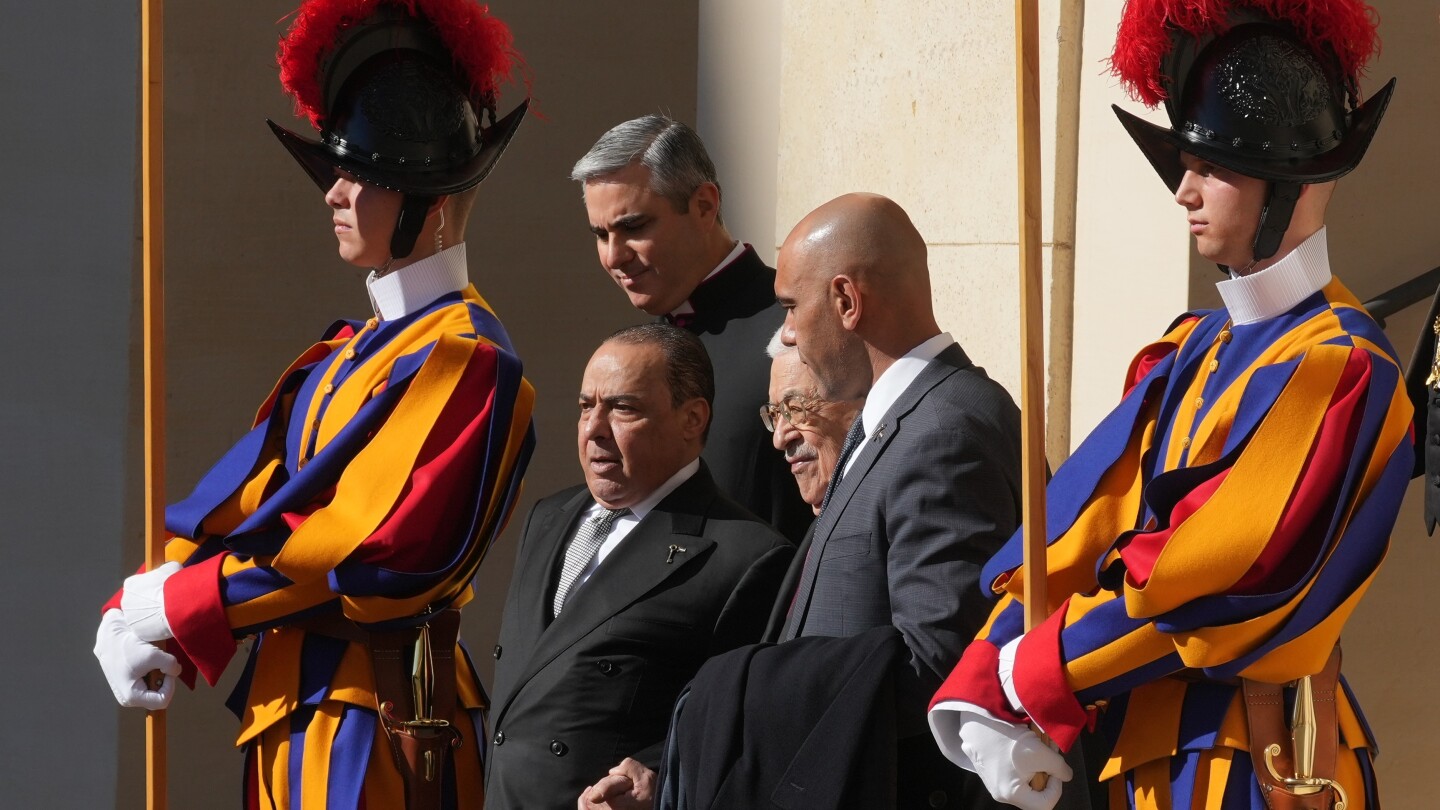
    In a historic meeting at the Vatican, Pope Leo XIV and Palestinian President Mahmoud Abbas convened for the first time on Thursday to address the ongoing crisis in Gaza and the broader Israeli-Palestinian conflict. The hour-long discussion, described as “cordial” by the Vatican, centered on the urgent need to provide humanitarian aid to civilians in Gaza and to advance a two-state solution as a pathway to lasting peace. This meeting marked a significant diplomatic engagement, coming nearly a month after a U.S.-brokered ceasefire took effect in the region. The two leaders had previously communicated over the phone in July, discussing the escalation of violence in Gaza and the West Bank. The Vatican emphasized the shared recognition of the necessity to alleviate the suffering of civilians and to pursue a political resolution to the conflict. Abbas’s visit to the Vatican also commemorated the 10th anniversary of the Comprehensive Agreement between the Holy See and the State of Palestine, underscoring the longstanding diplomatic ties between the two entities. During his stay in Rome, Abbas paid homage at the Basilica of St. Mary Major, honoring the late Pope Francis, with whom he had maintained regular contact, particularly in the aftermath of the October 7, 2023, Hamas attacks and Israel’s subsequent military response in Gaza.