分类: politics

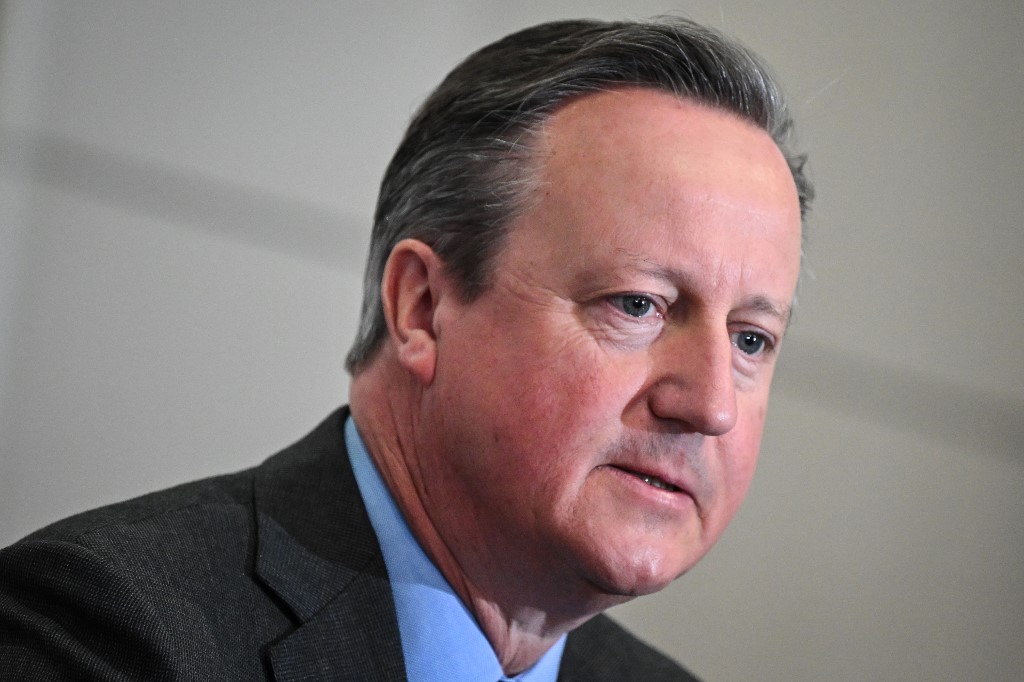
  • Exclusive: David Cameron threatened to withdraw UK from ICC over Israel war crimes probe

    Exclusive: David Cameron threatened to withdraw UK from ICC over Israel war crimes probe

    The British government secretly threatened to withdraw funding and membership from the International Criminal Court should it proceed with arrest warrants against Israeli leaders, according to exclusive revelations from Middle East Eye.

    Former Prime Minister and then-Foreign Secretary David Cameron delivered this ultimatum during a heated April 2024 telephone exchange with ICC Chief Prosecutor Karim Khan. The confrontation occurred while Khan was on official duties in Venezuela, with Cameron warning that targeting Israeli leadership would be equivalent to “dropping a hydrogen bomb” on diplomatic relations.

    Cameron explicitly stated that issuing warrants against Israeli Prime Minister Benjamin Netanyahu and Defense Minister Yoav Gallant would force the UK to “defund the court and withdraw from the Rome Statute” – the foundational treaty establishing the ICC. He argued that while prosecuting Russia for aggression against Ukraine was justified, targeting Israel during its self-defense operations following October 7 attacks was unacceptable.

    The foreign secretary aggressively interrupted Khan throughout the conversation, claiming the warrants would create “profound implications” within British politics and his Conservative Party. He accused the prosecutor of singling out Israel while ignoring other nations like Iran.

    Khan remained resolute despite the pressure, emphasizing that his office had engaged with Israel for three years without meaningful cooperation. He warned that UK withdrawal would signal the death of the rules-based international system, stating: “If this were to occur then we would have to accept that the rules-based system would be dead.”

    The prosecutor later expressed surprise at the blunt nature of the threats, noting that similar pressure applied to a national prosecutor would potentially constitute a criminal offense. He described his disappointment that senior officials would “debase themselves and their nation” through such tactics.

    The confrontation preceded Khan’s formal announcement of warrant applications on May 20, 2024, which also targeted Hamas leaders Yahya Sinwar, Ismail Haniyeh and Mohammed Deif. The Sunak government subsequently filed a formal objection challenging ICC jurisdiction over Israeli nationals, though the newly elected Labour government under Keir Starmer withdrew this objection in July.

    The ongoing tension reflects broader international divisions regarding the ICC’s Palestine investigation, with the United States imposing sanctions on Khan and four ICC judges while freezing the prosecutor’s assets. The court continues to maintain its independence despite these pressures, recently ordering that any future warrants related to Palestine investigations remain confidential.
  • Wang: People-to-people ties can deepen China-Japan relations

    Wang: People-to-people ties can deepen China-Japan relations

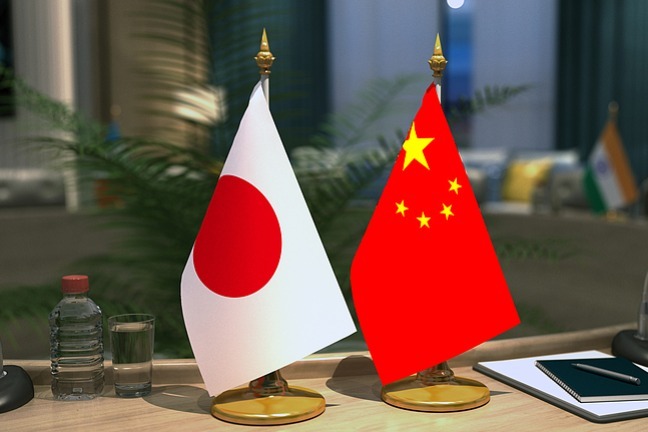
    Foreign Minister Wang Yi highlighted the importance of fostering people-to-people connections to enhance China-Japan relations during a meeting with Yohei Kono, president of the Japanese Association for the Promotion of International Trade (JAPIT), in Beijing on Wednesday. Wang emphasized that such engagements have historically played a crucial role in advancing bilateral ties and remain vital in the current geopolitical climate. He praised Kono for his unwavering commitment to promoting friendship between the two nations, even during challenging times. Wang also underscored the significance of remembering historical lessons, particularly as this year marks the 80th anniversary of the victory in the Chinese People’s War of Resistance Against Japanese Aggression and the World Anti-Fascist War. He echoed Japanese Prime Minister Shigeru Ishiba’s recent remarks on the importance of learning from history to avoid repeating past mistakes. Kono reaffirmed JAPIT’s dedication to fostering friendly cooperation and stressed that while history cannot be altered, the future can be shaped through collective efforts. The discussions also touched on strengthening trilateral cooperation and cultural exchanges among China, Japan, and South Korea, with both sides agreeing on the need to integrate industrial and supply chains to counter de-globalization challenges. They emphasized the importance of mutual understanding and friendship among the people of the three nations to promote regional peace, stability, and prosperity.

  • China hopes Japan will reflect on its historical crimes, adhere to path of peaceful development: FM spokesperson

    China hopes Japan will reflect on its historical crimes, adhere to path of peaceful development: FM spokesperson

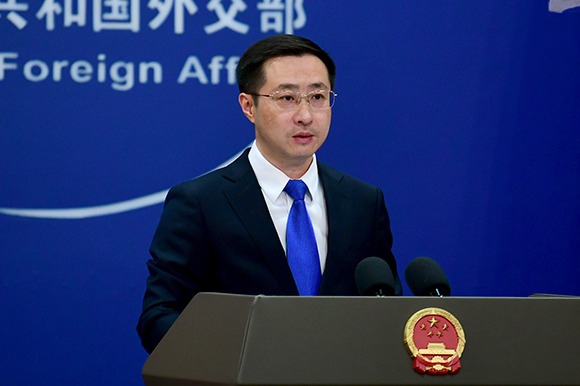
    In a recent statement, China has called on Japan to deeply reflect on its historical crimes, learn from the past, and steadfastly adhere to the path of peaceful development. This appeal was made by Chinese Foreign Ministry spokesperson Lin Jian during a routine press briefing on Wednesday. Lin’s remarks were in response to a recent statement by Japanese Prime Minister Shigeru Ishiba, who emphasized the importance of historical reflection and the avoidance of past war mistakes. Lin noted that China places significant importance on Ishiba’s position, recalling that during a meeting between Chinese and Japanese leaders in Lima, Peru, in November 2024, Ishiba had expressed Japan’s commitment to facing history squarely and looking toward a peaceful future. Lin stressed that adopting a correct historical stance, showing remorse, and apologizing for past aggressions are crucial for Japan’s reintegration into the international community. These actions not only affect the political foundation of China-Japan relations but also Japan’s relationships with its neighbors and its global image. Lin urged Japan to completely sever ties with any attempts to whitewash or obscure its history of aggression, take a responsible stance toward history, and commit to peaceful development through concrete actions to regain the trust of its Asian neighbors and the international community.

  • Li: Expand trade ties with Japan

    Li: Expand trade ties with Japan

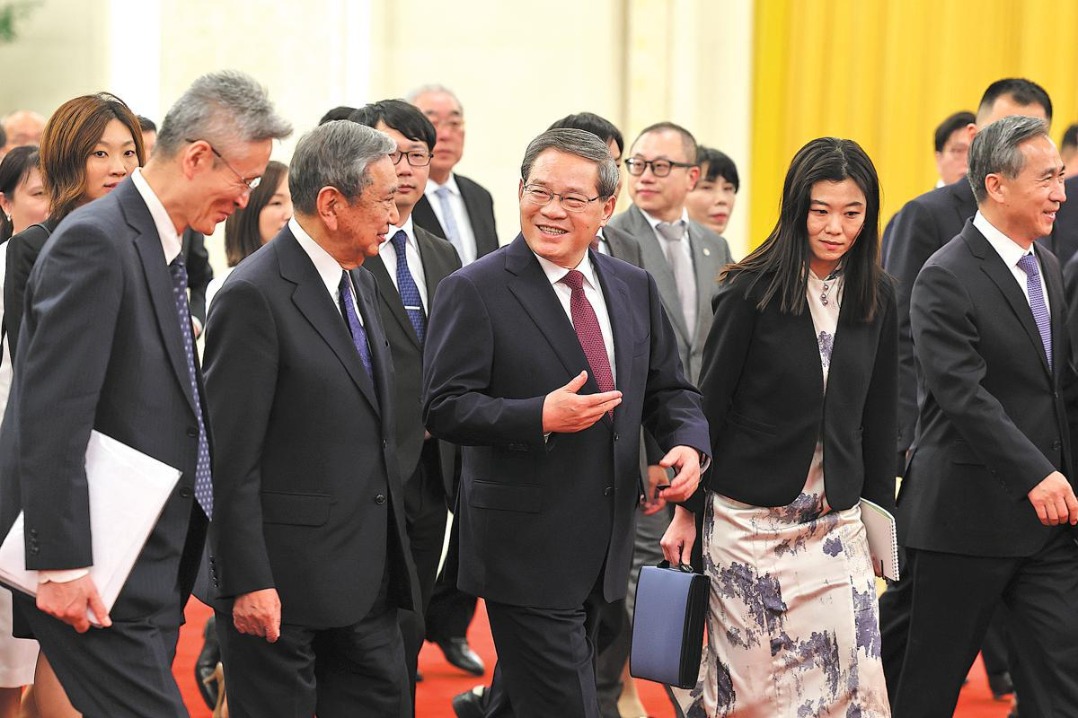
    Premier Li Qiang emphasized the importance of expanding trade and investment between China and Japan during a meeting with a Japanese business delegation in Beijing. The meeting, held at the Great Hall of the People, was led by Yohei Kono, president of the Japanese Association for the Promotion of International Trade. Premier Li highlighted the strategic and mutually beneficial relationship between the two nations, recalling the recent agreement between President Xi Jinping and Japanese Prime Minister Shigeru Ishiba to advance bilateral ties. He stressed the need for proactive actions to strengthen political mutual trust and people-to-people connections, urging both countries to manage differences constructively and promote stable bilateral relations. Premier Li also pointed out the challenges posed by the evolving international landscape and called for leveraging the industrial complementarity and technological expertise of both nations to explore new areas of cooperation, such as the digital economy, green economy, and biopharmaceuticals. He reaffirmed China’s commitment to high-standard opening-up and welcomed Japanese enterprises to expand their presence in China. The meeting followed the sixth China-Japan High-Level Economic Dialogue in Tokyo, where both sides reached a 20-point consensus to deepen economic cooperation. Kono acknowledged China as Japan’s most important economic partner and emphasized the need for enhanced communication to safeguard multilateralism and the free trade system. Since the normalization of diplomatic relations in 1972, bilateral trade has grown over 300-fold, with accumulated investment nearing $140 billion.

  • Forget Musk. Russ Vought is the real power behind Trump

    Forget Musk. Russ Vought is the real power behind Trump

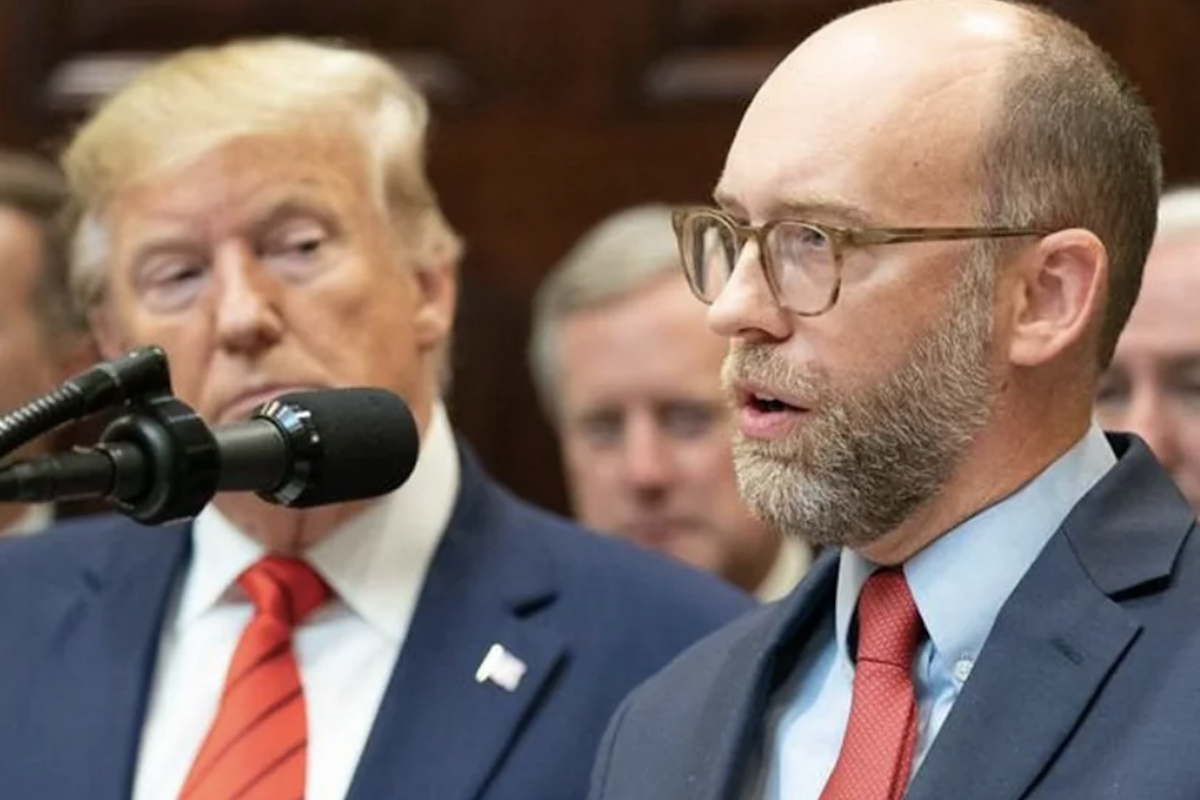
    While Elon Musk has been a prominent figure in the Trump administration, Russell Vought, the Director of the Office of Management and Budget (OMB), has emerged as a more influential yet less visible force. Vought is rumored to soon take over the Department of Government Efficiency (DOGE) from Musk, further solidifying his role in shaping the administration’s policies. Unlike Musk, Vought operates largely out of the media spotlight, driven by a deep commitment to radically transforming the U.S. presidency and embedding Christian values into government and public life. Vought has vowed to ‘crush the Deep State,’ a mission he began during Trump’s first term, where he served as OMB deputy director and briefly as director. He played a key role in Executive Order 13957, which aimed to reclassify thousands of federal policy jobs, allowing the White House to swiftly alter employment in these roles. Although this order was revoked by the Biden administration, Trump issued a similar order (14171) in January, potentially affecting 50,000 federal positions. Vought argues that such measures are essential for the White House to retain control over federal agencies, preventing ideological opponents from undermining its initiatives. During the Biden presidency, Vought was the key architect of the Heritage Foundation’s Project 2025, a 900-page blueprint widely seen as the foundation for Trump’s potential second term. Many of its recommendations, including high trade tariffs and DOGE’s cost-cutting initiatives, have already been implemented. Vought’s influence extends to his close relationship with Musk, with whom he has coordinated efforts to streamline government spending. Despite facing opposition from Democrats, who view him as a radical threat to constitutional norms, Vought remains steadfast in his belief in the unitary executive theory, which asserts the president’s authority over all executive branch operations. His continued push for reform could lead to significant legal battles, potentially reshaping the balance of power in the federal government.

  • A Trump administration playbook for the Pacific

    A Trump administration playbook for the Pacific

    As Secretary of State, Marco Rubio has outlined a robust framework for US foreign policy, emphasizing initiatives that strengthen America, secure its future, and enhance its prosperity. In the Pacific Islands, the US faces a strategic challenge: aligning the Trump administration’s priorities with the region’s unique circumstances and aspirations. By examining four key areas of statecraft—diplomatic, intelligence, military, and economic—a strategic playbook emerges that addresses both US interests and regional needs. The Trump administration’s foreign policy, often seen as unpredictable, reveals clear patterns: China is viewed as the primary global threat, hard power is prioritized over soft power, cost-cutting is emphasized, and allies are expected to share more of the burden. Diplomatically, the administration has focused on recalibrating trade relationships to address deficits and create favorable environments for American businesses. This shift has elevated the role of economic and financial agencies like the Department of Commerce. However, the US has struggled to establish a strong diplomatic presence in the Pacific, a region where personal relationships are crucial. Sending Commerce Department officials to key Pacific nations could enhance trade and reinforce US influence. Additionally, expediting the nomination and confirmation of US ambassadors to the Pacific Islands is essential. For instance, the US Embassy in Honiara reopened in January 2023, but the ambassador position remains vacant, leaving a gap that China has readily filled. The Quadrilateral Security Dialogue (Quad) remains a cornerstone of the US Indo-Pacific Strategy, fostering partnerships with Australia, India, and Japan to expand Pacific engagement and meet burden-sharing goals. In 2023, the Quad announced initiatives addressing climate change, maritime security, and economic development. Intelligence-sharing is also critical, particularly with the Freely Associated States (FAS)—Marshall Islands, Palau, and Micronesia—to counter China’s influence. Enhanced US support for local law enforcement and disaster preparedness can strengthen regional resilience. Maritime security is another priority, with illegal fishing and transnational crimes posing significant threats. The US has shiprider agreements with 12 Pacific Island countries, but limited capacity hinders their effectiveness. Cost-effective solutions, such as reallocating assets or prepositioning cutters, could improve outcomes. Militarily, the US maintains extensive defense rights in the FAS through the Compacts of Free Association. Recent security arrangements with Papua New Guinea and Fiji counter China’s presence while supporting regional development and disaster relief. Australia and New Zealand are also increasing their roles in the Pacific, necessitating close coordination to avoid overlap. Economically, the US faces challenges due to the freeze on foreign aid and the dismantling of USAID, which has damaged its credibility and allowed China to expand its influence. Restarting disaster relief and unexploded ordnance programs in the FAS and Papua New Guinea is a positive step, but a more mutually beneficial economic engagement strategy is needed. By prioritizing areas like economic development, environmental resilience, and small-scale infrastructure, the US can deepen relationships with Pacific Island Countries (PICs) while advancing its strategic interests. Leveraging diplomatic channels, enhancing intelligence sharing, and fostering economic partnerships will be crucial in countering Chinese expansion and ensuring a prosperous future for both the US and the Pacific Islands.

  • Bolton: Trump shouldn’t test Pyongyang before Seoul settles down

    Bolton: Trump shouldn’t test Pyongyang before Seoul settles down

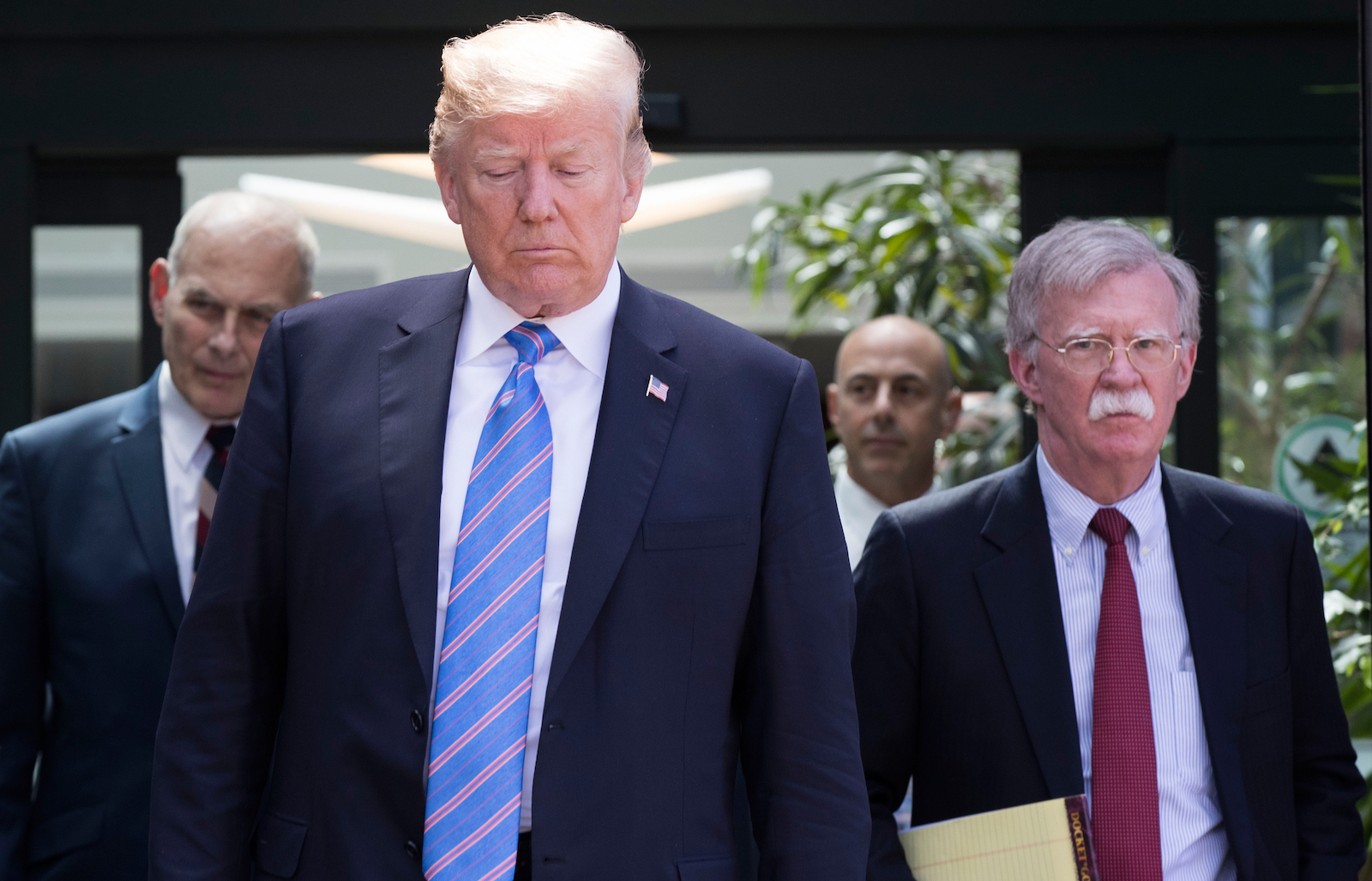
    President Donald Trump’s first 100 days back in the White House, marked on April 29, have been a whirlwind of bold initiatives and polarizing policies. Historically, this period serves as a litmus test for a leader’s priorities and governing style, offering a window into their political momentum. Trump has seized this opportunity with characteristic vigor, pushing forward on border enforcement, sweeping subsidy cuts, protectionist trade measures, and a radical overhaul of U.S. foreign policy. While his administration has secured early victories in some areas, global flashpoints like the war in Ukraine and the conflict in Gaza remain unresolved. If progress stalls, Trump may pivot to other arenas, such as re-engaging with North Korea, which has been largely dormant on Washington’s radar. In an interview with Asia Times, former U.S. National Security Advisor John Bolton critiqued Trump’s approach, highlighting failures in achieving a Ukraine ceasefire and the potential economic fallout from Trump’s tariffs. Bolton also expressed skepticism about the prospects of meaningful progress in Ukraine ceasefire talks, citing irreconcilable differences between the parties. He warned of Putin’s long-term ambitions to recreate the Russian Empire, emphasizing the need for robust security guarantees for Ukraine. On North Korea, Bolton cautioned against premature engagement, stressing the importance of aligning with South Korea’s political landscape. He also dismissed the notion of Trump accepting a nuclear North Korea, reaffirming the U.S. commitment to denuclearization. As Trump’s administration navigates these complex geopolitical challenges, the world watches closely to see how his policies will shape the future of international relations.

  • China rips Japan over aircraft’s intrusion

    China rips Japan over aircraft’s intrusion

    China has issued a stern protest to Japan following the unauthorized entry of a Japanese civilian aircraft into the airspace over the Diaoyu Islands. The incident, which occurred on Saturday, has prompted Beijing to demand an immediate halt to such provocative actions, warning that they could jeopardize the stability of bilateral relations. Liu Jinsong, Director-General of the Asian Affairs Department at China’s Foreign Ministry, conveyed the protest to Yokochi Akira, the Chief Minister of the Japanese Embassy in Beijing, emphasizing the gravity of the situation. The Chinese Coast Guard swiftly responded by deploying ship-based helicopters to warn and expel the intruding aircraft during a routine patrol in the area. Japan’s Ministry of Defense, however, accused Chinese helicopters of violating its territorial airspace—a claim vehemently denied by Zhang Xiaogang, a spokesman for China’s Ministry of National Defense. Zhang reiterated that the Diaoyu Islands and their affiliated islets are an inherent part of Chinese territory, and any unauthorized entry constitutes a serious breach of China’s sovereignty. He defended the Coast Guard’s actions as ‘completely legitimate and legal,’ urging Japan to restrain its citizens and avoid further provocations. Both Liu Jinsong and China Coast Guard spokesman Liu Dejun emphasized that China will continue to take all necessary measures to safeguard its territorial integrity and maritime rights. The incident underscores the ongoing tensions between the two nations over the disputed islands, with China calling for Japan to act responsibly to maintain regional stability.

  • US security policy in Asia shows some continuity in sea of change

    US security policy in Asia shows some continuity in sea of change

    The first 100 days of Donald Trump’s second administration have been marked by significant upheaval, yet one policy remains steadfast: the construction of a regional defense architecture aimed at deterring Chinese aggression. However, this strategy faces challenges due to collateral damage from the administration’s foreign policy shifts, particularly its embrace of tariffs and skepticism toward traditional alliances.

    During Trump’s first term (2017-2021), US policy toward China hardened as Washington concluded that deep economic engagement had failed to liberalize or pacify Beijing. Instead, China under Xi Jinping grew more authoritarian domestically and assertive internationally. The pandemic further highlighted America’s reliance on Chinese supply chains, prompting Trump to label China as an adversary rather than a partner. Tariffs were imposed on Chinese imports, and efforts began to reroute global supply chains away from China. Simultaneously, Trump criticized US alliances, arguing that allies benefited disproportionately from American protection.

    Trump’s foreign policy diverged sharply from post-war norms, rejecting American exceptionalism and liberal values while expressing admiration for authoritarian leaders like Xi Jinping, Vladimir Putin, and Kim Jong Un. He prioritized tariffs over free trade and questioned the value of US global commitments, particularly in Europe and Asia.

    President Joe Biden (2021-2025) extended some of Trump’s tariffs on China and restricted Chinese access to advanced technology. However, Biden reversed Trump’s alliance skepticism, reaffirming the strategic value of US partnerships. In contrast, Trump’s second administration has doubled down on tariffs and disdain for alliances, implementing these policies with unprecedented intensity.

    The global impact of Trump’s tariffs is significant, with most countries now facing a 10% tariff on US imports, up from an average of 2.5% in 2024. The threat of higher ‘reciprocal tariffs’ looms, potentially taking effect as early as May. Additionally, the US has effectively abandoned NATO, antagonizing Western Europe and Canada while accommodating Russia despite its aggression in Ukraine.

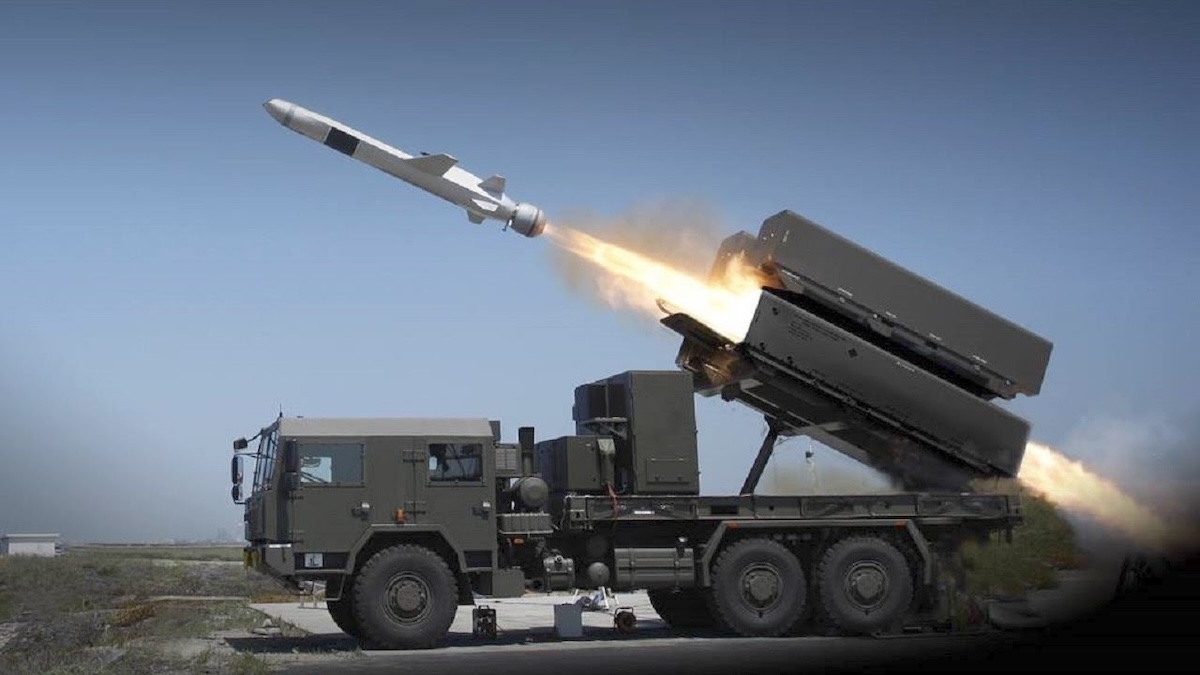
    In the Asia-Pacific region, the Pentagon’s agenda to counter China has continued largely uninterrupted. US Secretary of Defense Pete Hegseth’s March trip to Japan and the Philippines underscored efforts to strengthen military cooperation. In Japan, the US plans to enhance joint training and weapon development, while upgrading its military headquarters to a command post. In the Philippines, Hegseth reaffirmed the US-Philippine defense treaty’s coverage of the South China Sea, where Chinese harassment of Philippine vessels has escalated. The US also announced plans to co-produce military systems and deploy advanced sea drones and anti-ship missiles in the Philippines.

    The AUKUS agreement, which aims to provide Australia with nuclear-powered submarines, remains on track despite uncertainty over Trump’s support. While Australia has committed $3 billion to the initiative, Trump’s apparent unfamiliarity with the agreement raises doubts about its future.

    Meanwhile, Trump’s tariffs have strained relations with key allies like Japan and South Korea, both of which face additional tariffs and pressure to increase defense spending. Despite their contributions to US military bases, Trump has criticized these countries as ‘free-riders,’ further complicating alliances.

    In Australia, Trump’s policies have eroded confidence in US reliability. Tariffs on Australian exports, despite a US trade surplus with the country, have fueled disillusionment. While Australian leaders have resisted Chinese overtures to align against the US, the damage to the US-Australia relationship is evident.

    In summary, Trump’s second administration has intensified its focus on tariffs and alliance skepticism, creating friction with traditional partners while pursuing a counter-China strategy. The challenge lies in reconciling ‘America First’ policies with the need for a cohesive Asian security architecture. Until this balance is achieved, these conflicting priorities will continue to undermine US foreign policy objectives.

  • High-level exchanges seen as positive

    High-level exchanges seen as positive

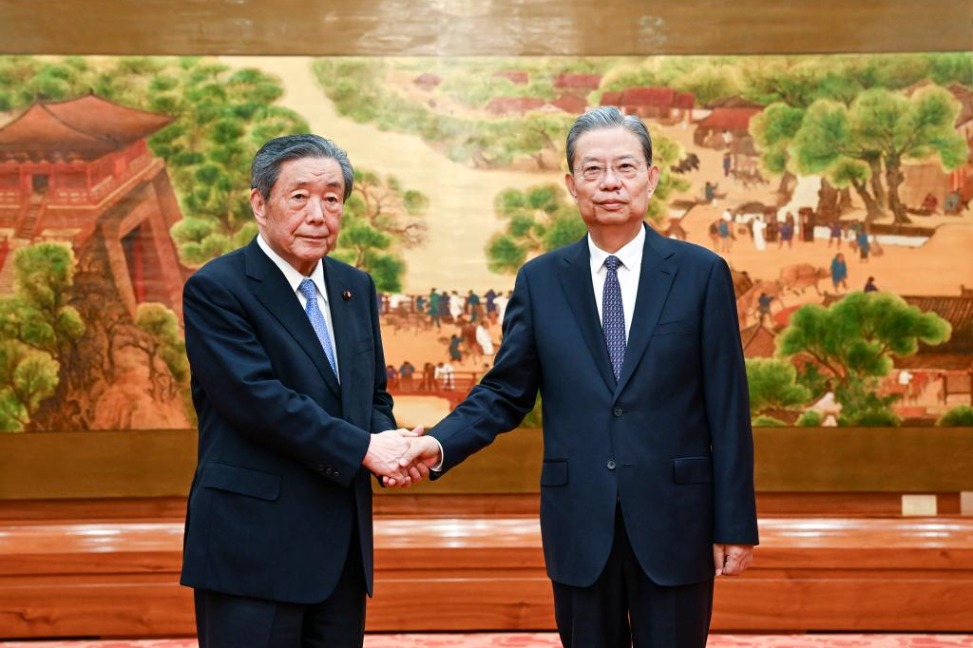
    Recent high-level visits by Japanese political figures to China have been interpreted as a strategic move to bolster economic cooperation and mitigate risks posed by Washington’s unilateral and protectionist policies, according to analysts. These visits, led by prominent figures such as Hiroshi Moriyama, chairman of the Japan-China Friendship Parliamentarians’ Union and secretary-general of Japan’s Liberal Democratic Party, underscore a shared commitment to enhancing bilateral relations. Moriyama, accompanied by a bipartisan delegation, met with Zhao Leji, chairman of China’s National People’s Congress Standing Committee, on April 29, 2025. During the meeting, Zhao emphasized the importance of win-win cooperation and long-term bilateral development. Moriyama echoed this sentiment, expressing a willingness to strengthen trade and cultural exchanges while addressing differences constructively. The visits follow a trip by Komeito party leader Tetsuo Saito and his delegation earlier in April, further highlighting Japan’s bipartisan consensus on fostering ties with China. Analysts, including Da Zhigang of the Heilongjiang Provincial Academy of Social Sciences, noted that these interactions aim to counterbalance the disruptive effects of US tariff policies and promote regional stability. Xiang Haoyu of the China Institute of International Studies added that while these visits signal a positive shift, underlying issues such as political mistrust and fragile public sentiment remain challenges. Both sides have pledged to uphold multilateralism and strengthen regional collaboration, particularly in Southeast Asia, to address global economic uncertainties.