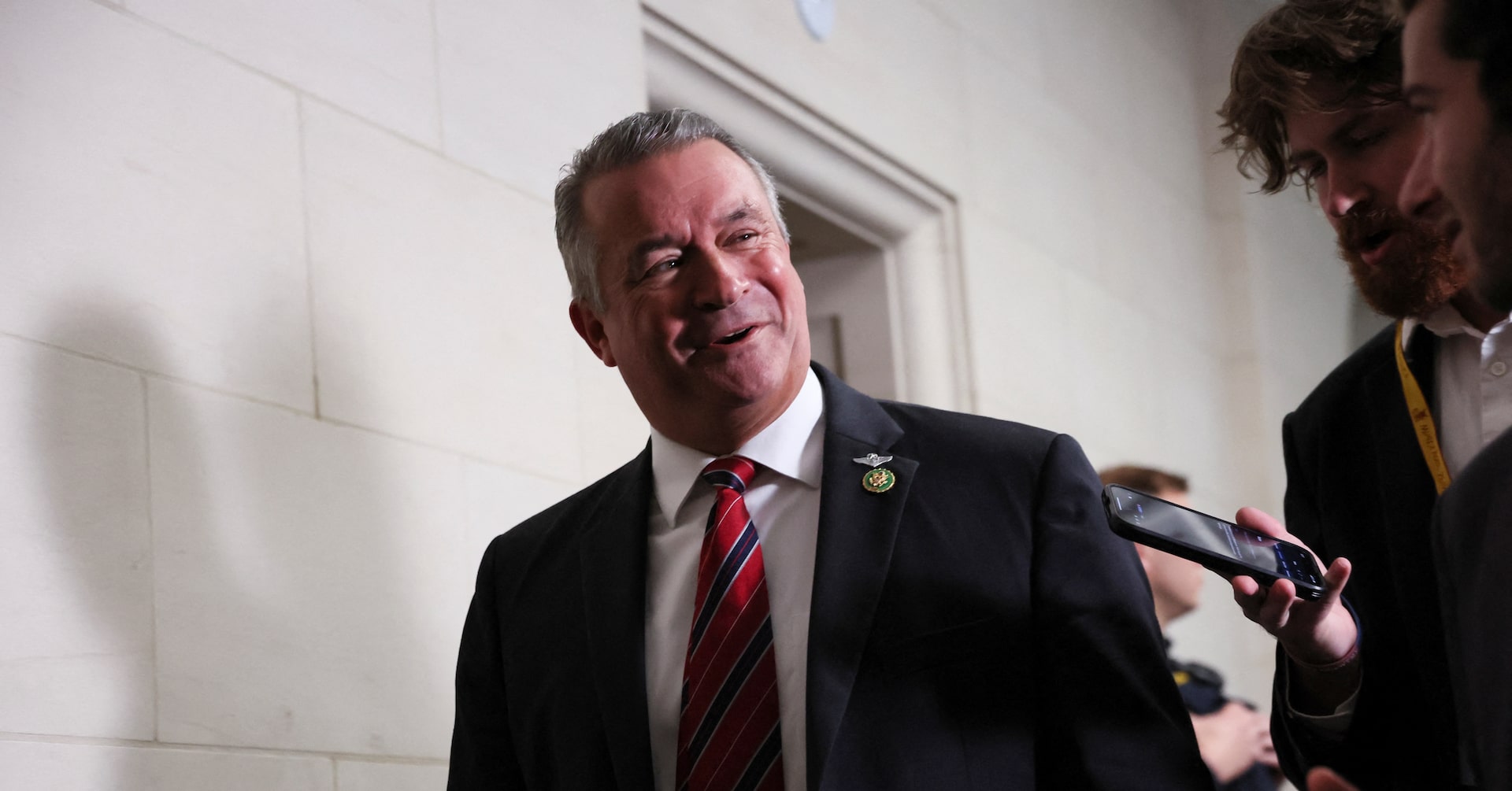
In a significant bipartisan move, U.S. Representatives Don Bacon (R-NE) and Ro Khanna (D-CA) are set to introduce legislation aimed at exempting coffee products from tariffs starting January 19, 2025. The proposed bill, as reported by the Washington Post, would cover roasted and decaffeinated coffee, coffee husks, skins, and other coffee-based beverages or substitutes. The initiative seeks to alleviate the financial burden on American consumers by preventing additional costs on a daily essential. ‘Why are we tariffing American citizens on something that we don’t even grow? It doesn’t make sense,’ Bacon remarked in an interview with the newspaper. The move comes in response to the persistent high prices of coffee in the U.S., a situation exacerbated by the 50% tariff on Brazilian green coffee imports imposed during the Trump administration. Since the tariff’s implementation, arabica coffee prices have surged by approximately 50% on the Intercontinental Exchange in New York, and Brazil, which previously supplied a third of the U.S. coffee market, has significantly reduced its shipments. The proposed legislation highlights the ongoing efforts to address the economic impact of trade policies on everyday goods.
分类: politics
-
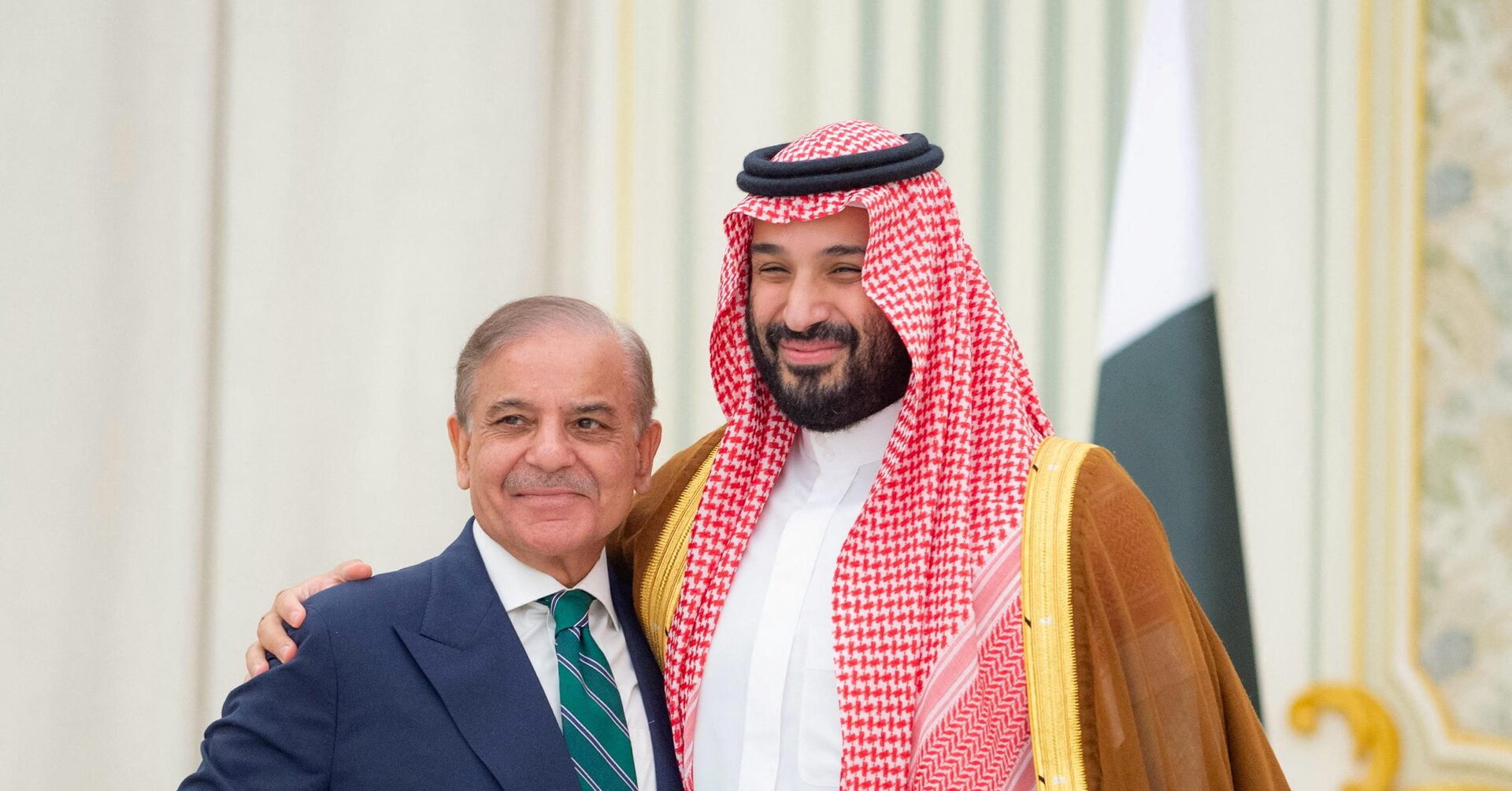
Saudi pact puts Pakistan’s nuclear umbrella into Middle East security picture
In a significant geopolitical move, Saudi Arabia and Pakistan have solidified their alliance through a landmark defense agreement, signed on September 17, 2025, in Riyadh. The pact, termed the ‘Strategic Mutual Defense Agreement,’ underscores a deepening partnership between the two nations, particularly in the face of escalating regional tensions. While the specifics of the agreement remain undisclosed, analysts suggest it effectively combines Saudi Arabia’s financial resources with Pakistan’s formidable military capabilities, including its nuclear arsenal. Pakistan, the sole nuclear-armed Muslim-majority nation, has historically maintained its nuclear doctrine focused on deterring India, its long-standing adversary. However, the agreement has sparked speculation about Riyadh’s potential access to a nuclear shield, a development that could significantly alter the security dynamics of the Middle East. Saudi Arabia, increasingly wary of Israel’s military actions and Iran’s nuclear ambitions, appears to be seeking alternative security assurances beyond its traditional reliance on the United States. The pact also reflects a broader trend of Gulf states diversifying their defense partnerships amid waning confidence in U.S. commitments to the region. Pakistan’s Prime Minister Shehbaz Sharif expressed gratitude to Saudi Crown Prince Mohammed bin Salman for fostering stronger economic and strategic ties. Meanwhile, the agreement has drawn attention from neighboring countries, including India and Iran, who are likely to assess its implications for regional stability. As the Middle East navigates a complex security landscape, the Saudi-Pakistan defense pact marks a pivotal moment in the region’s evolving geopolitical alliances.
-
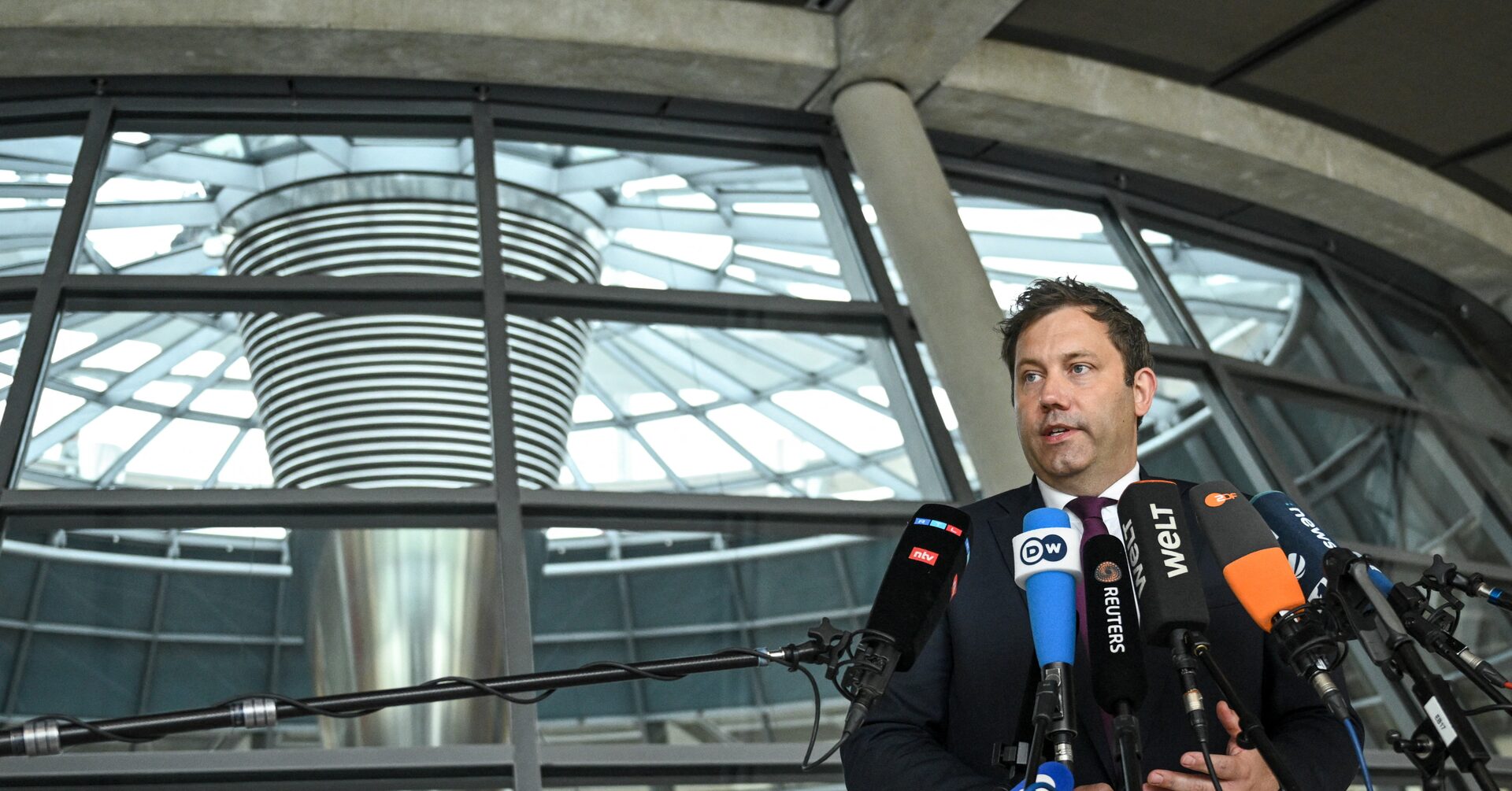
Germany open to ideas on frozen Russian assets, finance minister says
In a significant development, German Finance Minister and Vice Chancellor Lars Klingbeil has expressed Berlin’s willingness to explore productive ideas regarding the use of Russian assets frozen in the European Union. Speaking in Copenhagen on Friday, Klingbeil emphasized the need for careful examination of the issue, which remains legally complex and sensitive. ‘Germany will take on a role in which we want to make things possible and not one in which we block things,’ he stated, signaling a cooperative approach ahead of discussions with EU counterparts. The EU has been cautious about seizing the assets outright, a move considered a red line by some member states. Instead, the bloc is exploring ways to utilize these assets more intensively to support Ukraine, particularly amid uncertainties surrounding U.S. commitment under President Donald Trump. Since Russia’s invasion of Ukraine in February 2022, the EU has only accessed the interest generated from the frozen assets. Germany has historically raised legal concerns over proposals to seize the assets entirely. However, Klingbeil affirmed his coalition government’s commitment to intensifying their use to meet Ukraine’s financial needs. ‘There is a financial need there. We want to fulfill our responsibility for Ukraine,’ he told reporters. This stance underscores Germany’s evolving position on a contentious issue that continues to shape Europe’s response to the ongoing conflict.
-
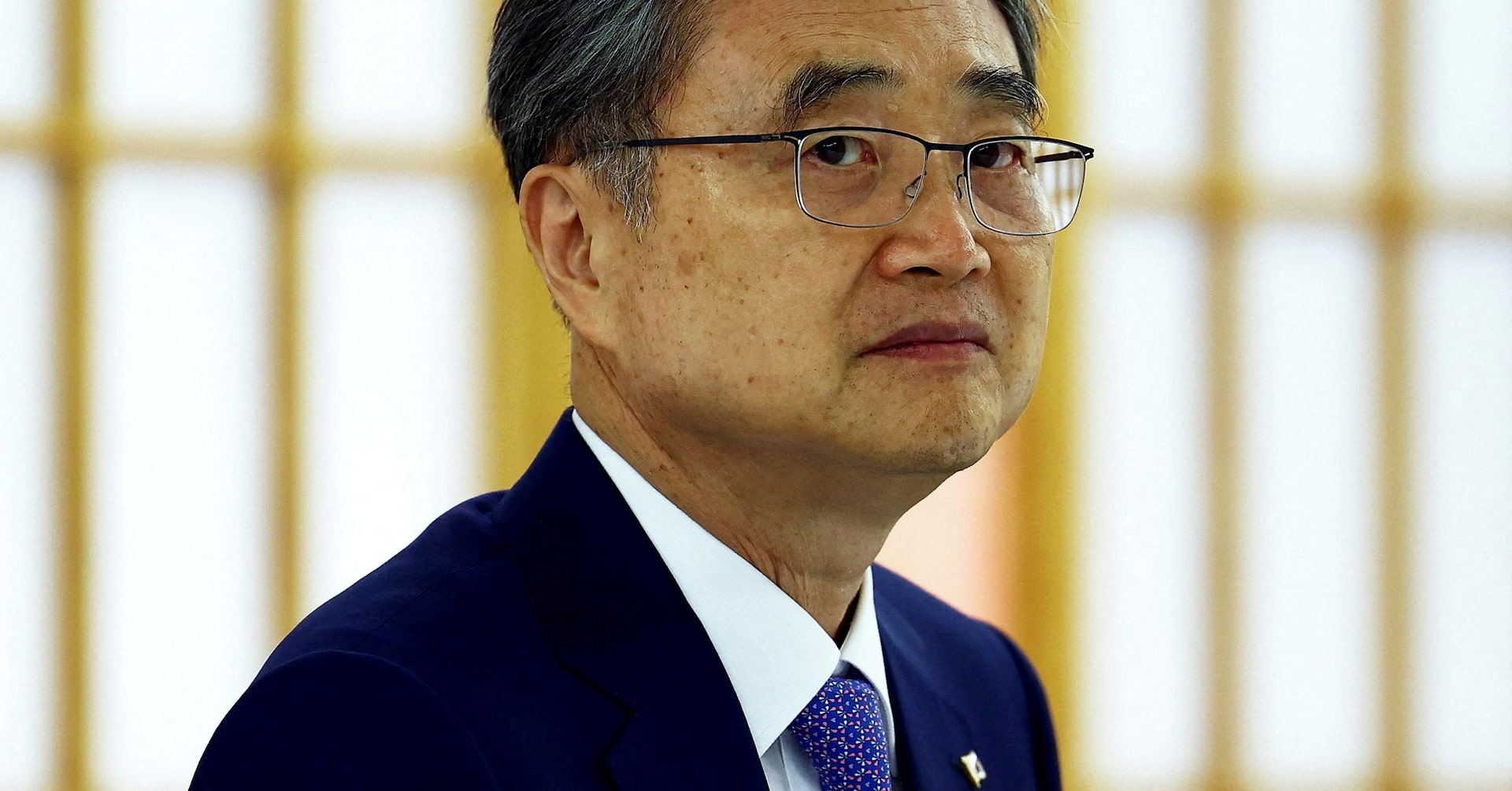
South Korea aims to resolve US visa issues before executing $350 bln investment
South Korean Foreign Minister Cho Hyun announced on Friday that the government is prioritizing the resolution of visa-related challenges faced by Korean workers in the United States before moving forward with a $350 billion investment package tied to a bilateral trade agreement. This decision follows a recent U.S. immigration raid at a Hyundai Motor battery plant in Georgia, which led to the arrest of hundreds of South Korean workers. While most workers have since returned to South Korea, the incident has sparked calls from businesses for a new visa category to facilitate the entry of skilled Korean workers to assist in setting up factories and training U.S. employees. Minister Cho emphasized that visa policy adjustments are not a ‘precondition’ for the U.S. investments in strategic industries. Separately, Cho expressed optimism that Chinese President Xi Jinping will attend the Asia-Pacific Economic Cooperation (APEC) leaders’ summit, hosted by South Korea in late October. During his recent visit to Beijing, Cho conveyed South Korea’s interest in discussing cultural cooperation with China at the APEC meetings. This comes amid China’s decade-long restrictions on Korean entertainment content, such as K-pop, in response to the deployment of the U.S.-led Terminal High Altitude Area Defense (THAAD) system in South Korea. Beijing has argued that THAAD’s radar capabilities could compromise its airspace security, further straining bilateral relations.
-
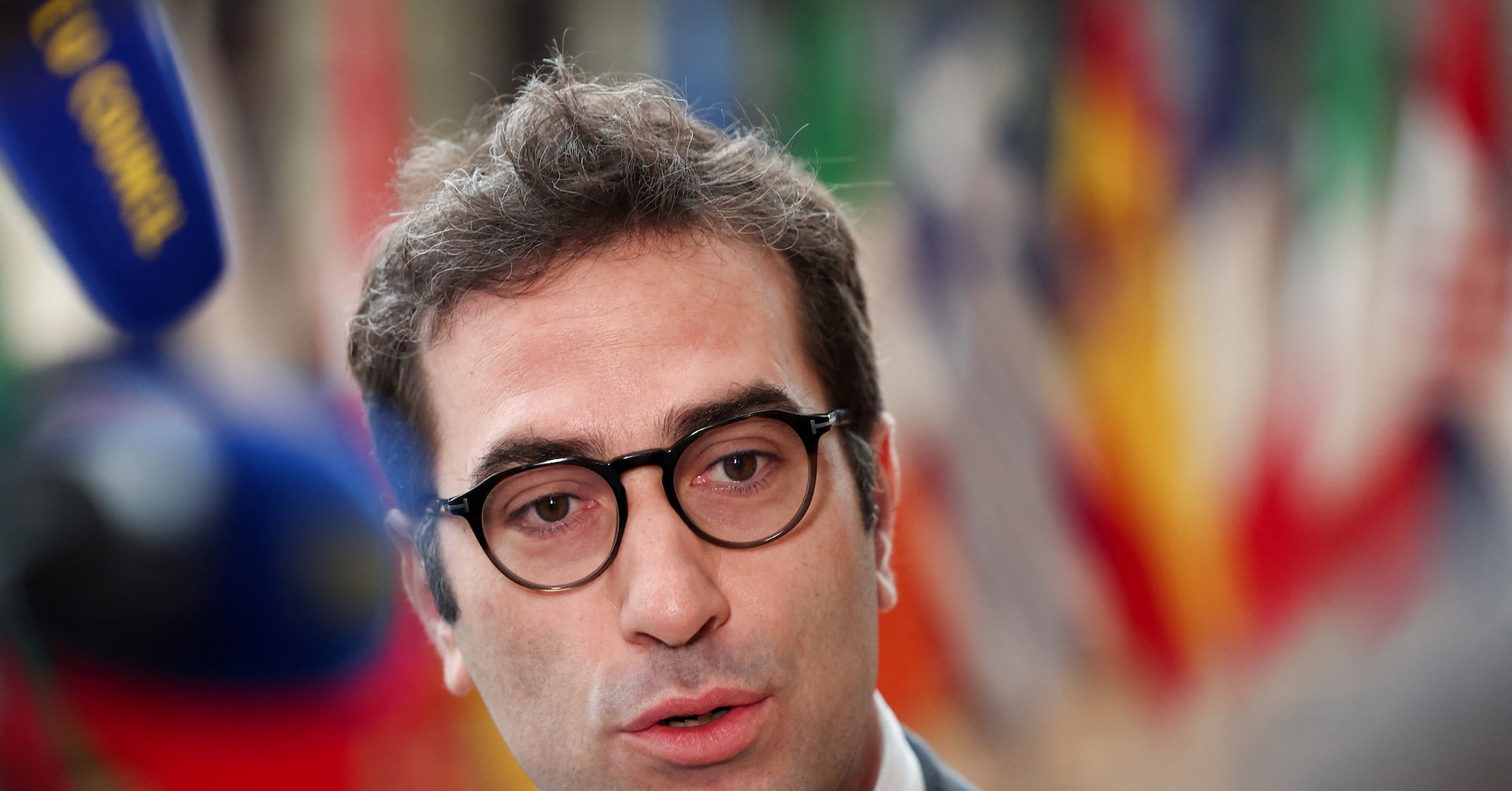
Spain backs EU efforts to use frozen Russian assets, cuts gas imports from Russia
In a significant development, Spanish Economy Minister Carlos Cuerpo has publicly endorsed the European Commission’s initiative to monetize frozen Russian assets within the EU to support Ukraine’s financial needs. Speaking in an interview with Bloomberg TV on Friday, Cuerpo emphasized Spain’s commitment to maximizing financial assistance for Ukraine. ‘We’ve been advocating for increasing as much as possible the financing for Ukraine,’ he stated, adding that Spain supports exploring ‘creative ways’ to utilize these immobilized assets. This move aligns with broader EU efforts to bolster Ukraine’s economy amidst ongoing geopolitical tensions. Additionally, Cuerpo highlighted Spain’s ongoing efforts to reduce its reliance on Russian liquefied natural gas (LNG) by diversifying energy imports, particularly from the United States. This strategic shift underscores Spain’s alignment with EU energy policies aimed at reducing dependency on Russian resources. The announcement comes as the EU continues to explore innovative financial mechanisms to support Ukraine while addressing energy security concerns within the bloc.
-
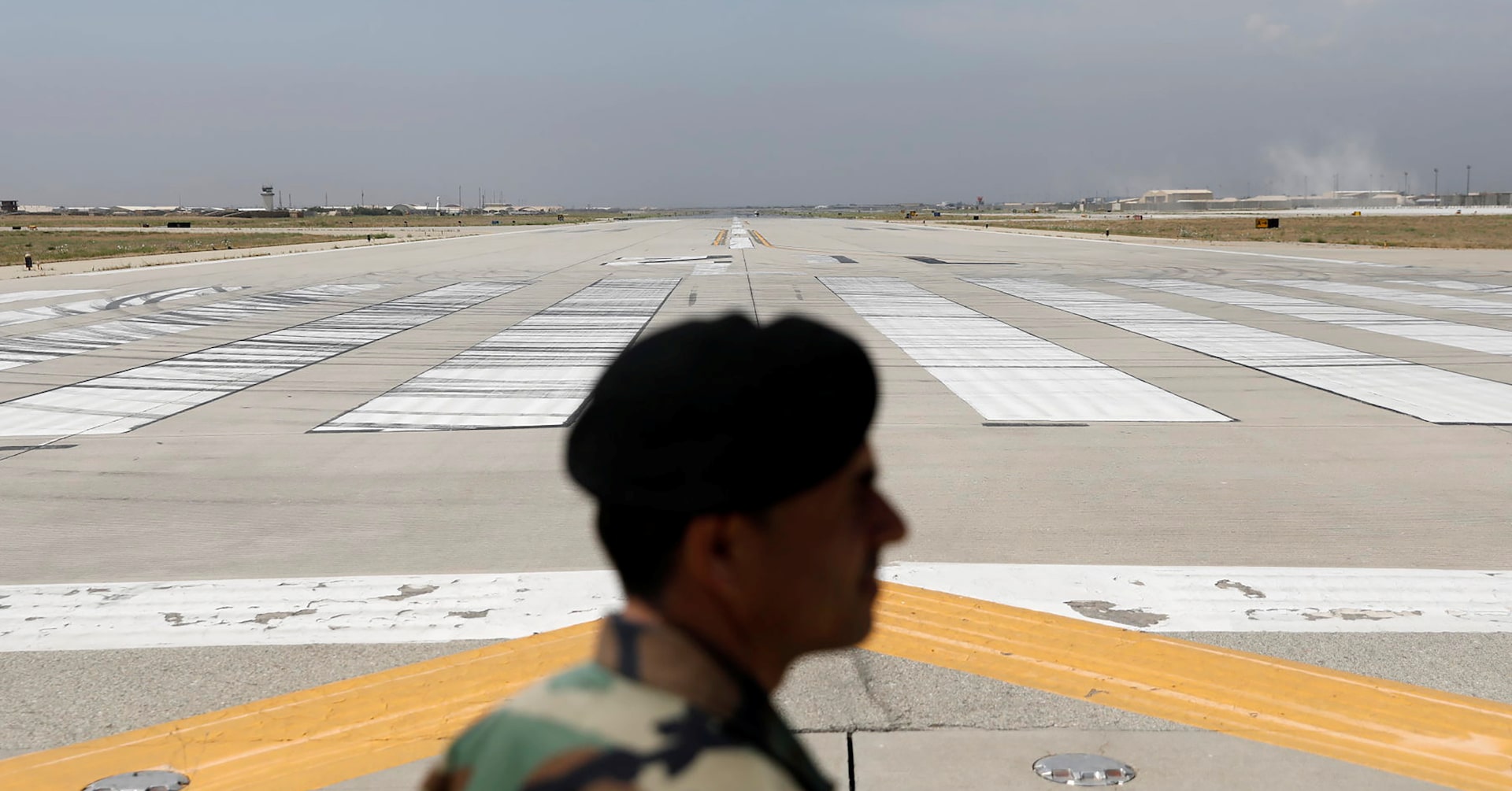
Trump says US seeks control of Afghanistan’s Bagram air base given up in withdrawal
In a significant geopolitical development, the United States has expressed its intention to regain control of the Bagram air base in Afghanistan. President Donald Trump announced this ambition during a joint press conference with British Prime Minister Keir Starmer in London on Thursday. Trump emphasized the strategic importance of the base, particularly its proximity to China, stating, “We want that base back.”
Bagram air base, originally constructed by the Soviet Union, served as the primary hub for U.S. military operations in Afghanistan following the September 11, 2001, attacks. It remained operational until the U.S. withdrawal in 2021, which led to the Taliban’s resurgence and control over the country. The base has since been vacated, leaving behind a symbol of America’s two-decade-long military presence in the region.
However, the Afghan government has dismissed the possibility of a U.S. return. Zakir Jalal, an official from Afghanistan’s foreign ministry, stated on social media platform X that Afghanistan and the U.S. should engage without any American military presence. He advocated for bilateral relations grounded in mutual respect and shared interests.
Meanwhile, U.S. officials have been engaging with Afghan authorities to address the issue of American citizens detained in Afghanistan. Adam Boehler, the Trump administration’s special hostage envoy, and Zalmay Khalilzad, a former U.S. special envoy for Afghanistan, met with the Taliban’s foreign minister, Amir Khan Muttaqi, to discuss these matters. Notably, the U.S. does not officially recognize the Taliban government, which assumed power after the 2021 withdrawal.
The push to reclaim Bagram underscores the complex and evolving dynamics between the U.S. and Afghanistan, as both nations navigate their post-withdrawal relationship. While the U.S. views the base as a strategic asset, Afghanistan remains firm in its stance against foreign military presence on its soil.
-
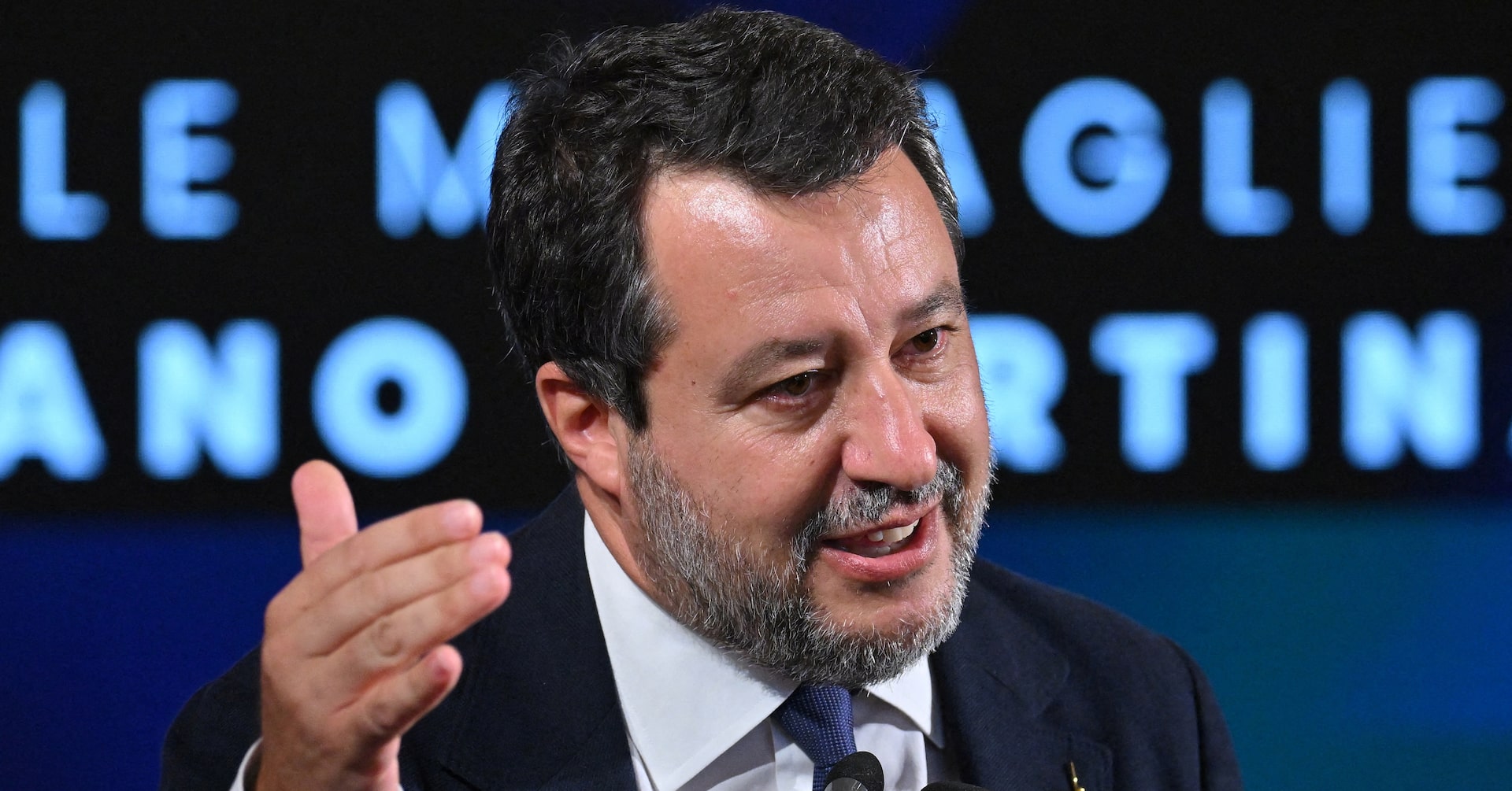
Italian deputy PM talks up autos ties with China amid EU trade tensions
Italy’s Deputy Prime Minister Matteo Salvini emphasized the potential for enhanced collaboration between Italy and China in the automotive and transportation sectors during an interview with China’s state news agency Xinhua. The remarks were made amidst ongoing trade tensions between Beijing and the European Union (EU), particularly over allegations of unfair subsidies to Chinese carmakers. Salvini, who also serves as Italy’s transport minister, highlighted the ‘broad prospects for cooperation’ in areas such as smart roads, high-speed rail, and autonomous driving technologies. He praised China’s advancements in high-speed rail, noting that while Italy aims to achieve speeds of 300 km per hour, China is already exploring speeds of up to 500 km per hour. Additionally, he lauded China’s progress in artificial intelligence and innovation. Despite Italy’s support for the European Commission’s 2024 decision to impose tariffs on Chinese electric vehicles, the country has sought to maintain positive relations with Beijing. Prime Minister Giorgia Meloni’s government has continued to welcome Chinese investment, even after Italy’s withdrawal from China’s Belt and Road Initiative. Salvini expressed optimism about the potential for infrastructure development between the two nations. However, the broader EU-China relationship remains strained, with the EU imposing tariffs on Chinese electric vehicles and China retaliating with anti-dumping duties on European pork and brandy, as well as investigations into the dairy sector.
-
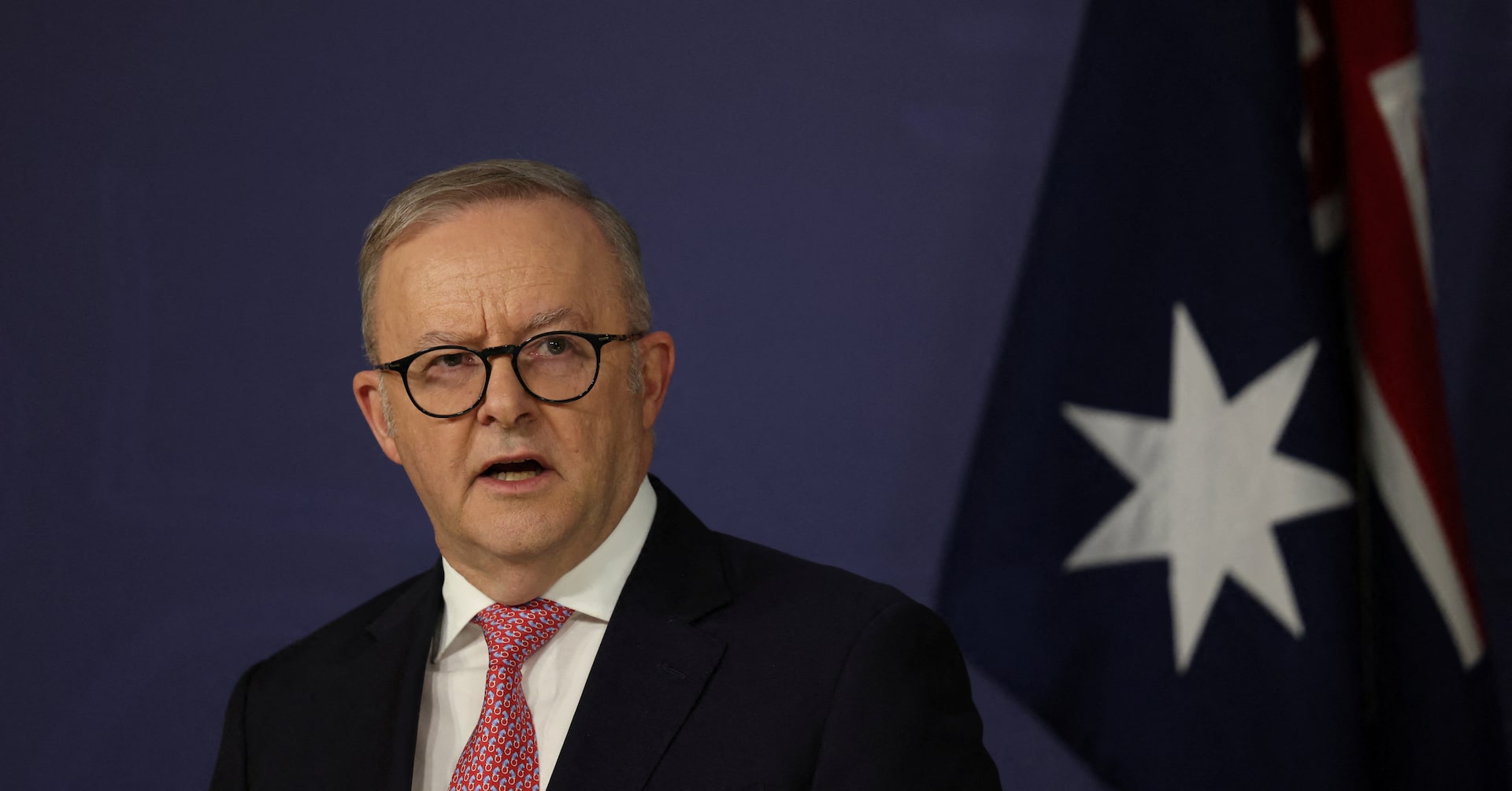
Australian prime minister heads to New York, may meet Trump for first time
Australian Prime Minister Anthony Albanese is set to embark on a pivotal visit to the United States this week, with expectations of a crucial meeting with President Donald Trump. The discussions are anticipated to focus on the AUKUS defense partnership and the growing influence of China in the Indo-Pacific region. Albanese will first attend the United Nations General Assembly in New York, where he is scheduled to participate in a reception hosted by Trump. Although a formal bilateral meeting has not been confirmed, Trump hinted at a forthcoming engagement with Albanese, stating that the Australian leader would visit him ‘very soon.’
The AUKUS pact, a trilateral security agreement between Australia, the United Kingdom, and the United States, is designed to counter China’s rapid naval expansion. However, the partnership is currently under review by the Pentagon, raising questions about potential new conditions. Former Australian ambassador to Washington, Arthur Sinodinos, emphasized the importance of securing Trump’s in-principle support for the nuclear-powered submarine deal to bolster investor confidence. King Charles III has also endorsed AUKUS, describing it as a ‘vital collaboration’ during Trump’s recent UK visit.
At the UN General Assembly, Albanese plans to advocate for Palestinian statehood and address Australia’s controversial law banning social media for children under 16. Both positions diverge from U.S. policies, with Trump criticizing foreign regulations he deems unfavorable to American tech companies. Despite these differences, both nations share a common goal of reducing China’s dominance in the supply of critical minerals. Over 20 Australian critical minerals companies recently met with Trump administration officials to explore collaborative opportunities.
Trade discussions will also be on the agenda, with Australia urging the U.S. to uphold a free trade agreement that benefits Washington. Australia has already secured a favorable 10% baseline tariff, the best deal offered to any country. Additionally, under U.S. pressure to increase defense spending, Australia announced an extra A$12 billion ($8 billion) to upgrade a shipyard in Western Australia for AUKUS submarine maintenance.
Australia’s strategic ties in the Pacific Islands remain a key interest for the U.S., although recent setbacks in Vanuatu and Papua New Guinea have hindered efforts to limit China’s influence. China has opposed exclusive treaties that restrict sovereign nations from cooperating with third parties, further complicating regional dynamics. Sinodinos warned that other players are capitalizing on perceived disengagement by the U.S., Australia, and New Zealand in the region.
-
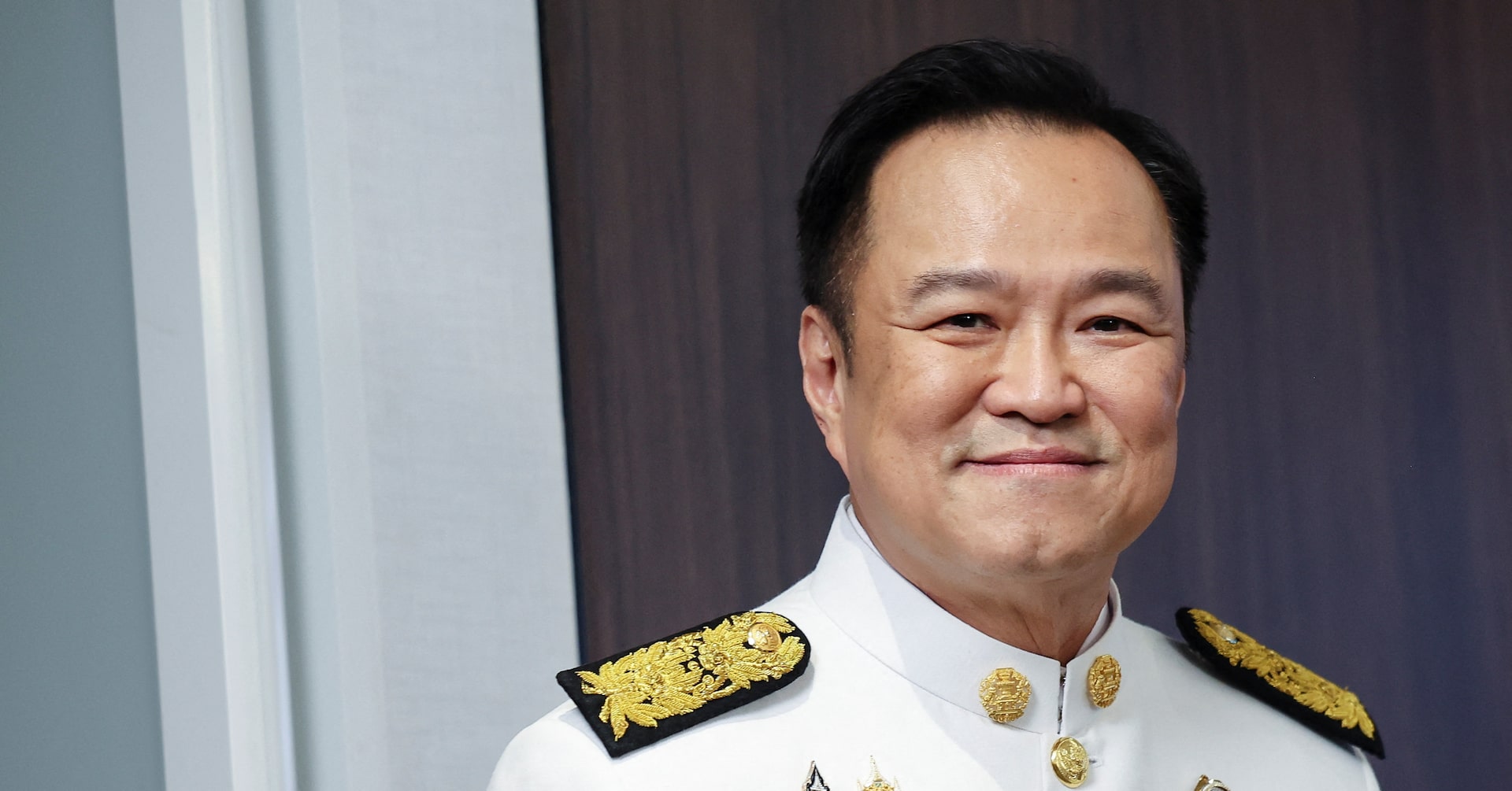
Thai king approves PM Anutin’s cabinet line-up, Royal Gazette shows
In a significant political development, Thailand’s King Maha Vajiralongkorn has officially endorsed Prime Minister Anutin Charnvirakul’s new cabinet, as announced in the Royal Gazette on September 19, 2025. This royal endorsement marks a crucial step in the formalization of the new government, allowing the cabinet to proceed with the ceremonial oath-taking before the king. Following this, the ministers will present their policy statement to parliament, the final procedural requirement before they can fully assume their roles. Prime Minister Anutin, leader of the Bhumjaithai party, was seen in high spirits during a press conference at the party headquarters in Bangkok, shortly after the royal endorsement ceremony. This development underscores the stability and continuity of Thailand’s political framework, as the nation transitions into a new phase of governance under Anutin’s leadership.
-
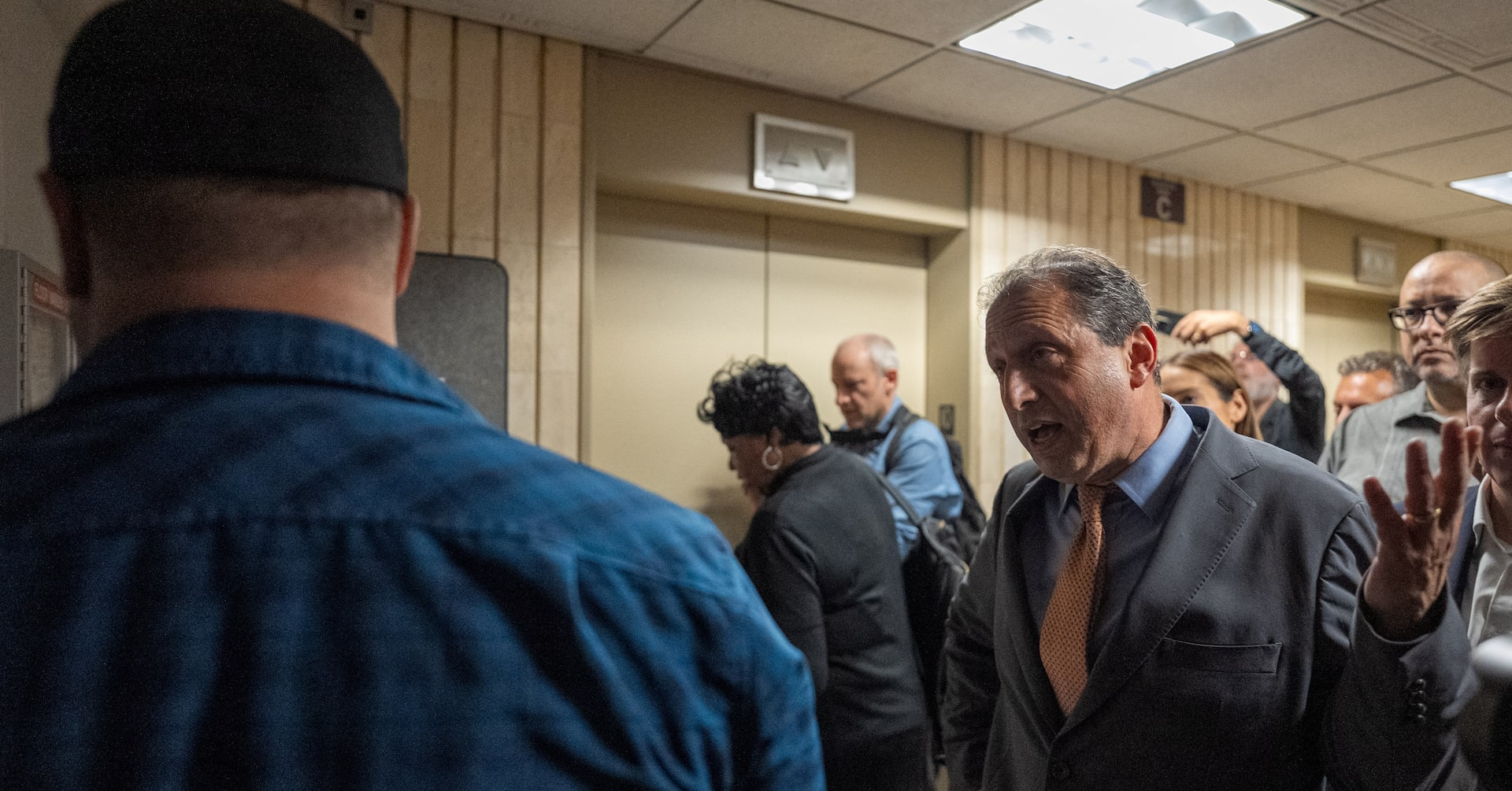
New York Democratic politicians arrested at ICE jail in Manhattan
On September 18, 2025, New York City Comptroller Brad Lander and a group of state and local officials were arrested during a protest at 26 Federal Plaza in Manhattan, where U.S. Immigration and Customs Enforcement (ICE) operates detention facilities. The officials sought to inspect the conditions of the 10th-floor holding cells, which a federal judge had recently condemned as inhumane. The protest was organized to ensure compliance with a court order mandating improvements to the facility. Despite their efforts, the group was denied entry and subsequently detained by NYPD and federal agents. The incident marked the latest clash between federal authorities and Democratic politicians critical of the Trump administration’s immigration policies. Earlier in the year, Lander had been arrested in the same building while assisting an individual targeted by ICE. The protest also included a separate demonstration led by New York City Public Advocate Jumaane Williams, where dozens of activists blocked the building’s garage entrance, chanting in support of immigrants. Organizers reported that over 75 people were detained across both gatherings. A federal court order issued the previous day had detailed appalling conditions in the detention facility, including overcrowding, unsanitary environments, and a lack of basic hygiene supplies. ICE’s parent agency, the Department of Homeland Security, stated that the detainees included individuals facing deportation for criminal convictions. The building was later placed under lockdown due to a bomb threat. No charges were reported to have been filed against those arrested.