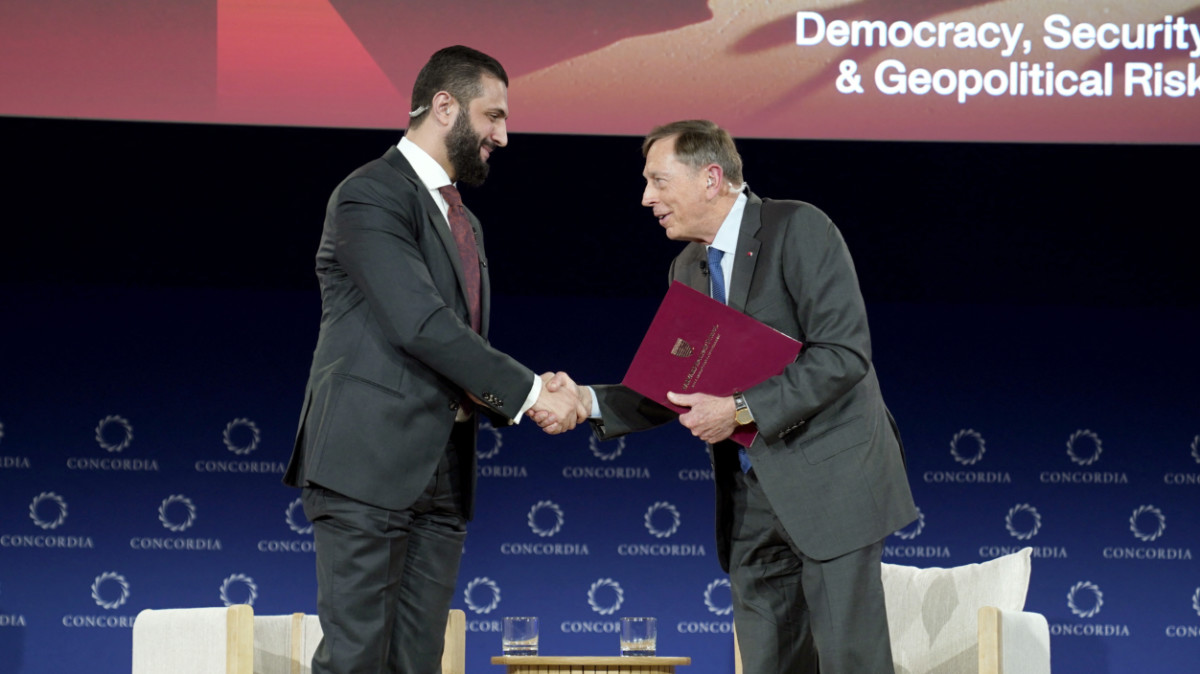
Syrian President Ahmed al-Sharaa has revealed that Syria and Israel are engaged in advanced security discussions, though any potential agreement will not mirror the normalization seen in the Abraham Accords. Speaking at an event alongside former CIA director David Petraeus during the United Nations General Assembly in New York, Sharaa emphasized the complexities of Syria’s relationship with Israel, citing historical grievances and regional anger over the Gaza conflict. Sharaa’s visit marks the first time a Syrian leader has attended the UN General Assembly since 1967, underscoring the significance of his presence. Despite the ongoing talks, Sharaa dismissed the possibility of Syria joining the Abraham Accords, highlighting Syria’s unique position as a neighboring country subjected to over 1,000 Israeli military actions. He also expressed skepticism about Israel’s intentions, referencing its past violations of peace agreements with Egypt and Jordan. The discussions, mediated by US envoy Tom Barrack, aim to address Israel’s security concerns while preserving Syria’s sovereignty. However, Sharaa’s government faces internal challenges, including tensions with Druze militias and efforts to integrate the Kurdish-led Syrian Democratic Forces (SDF) into the national military. Sharaa’s broader objectives include lobbying for the complete lifting of US sanctions on Syria, a move initiated by former President Donald Trump but still partially in place due to congressional mandates. As Sharaa prepares to address the UN Assembly, his administration’s ability to protect minority groups and navigate regional alliances remains under scrutiny.
分类: politics
-
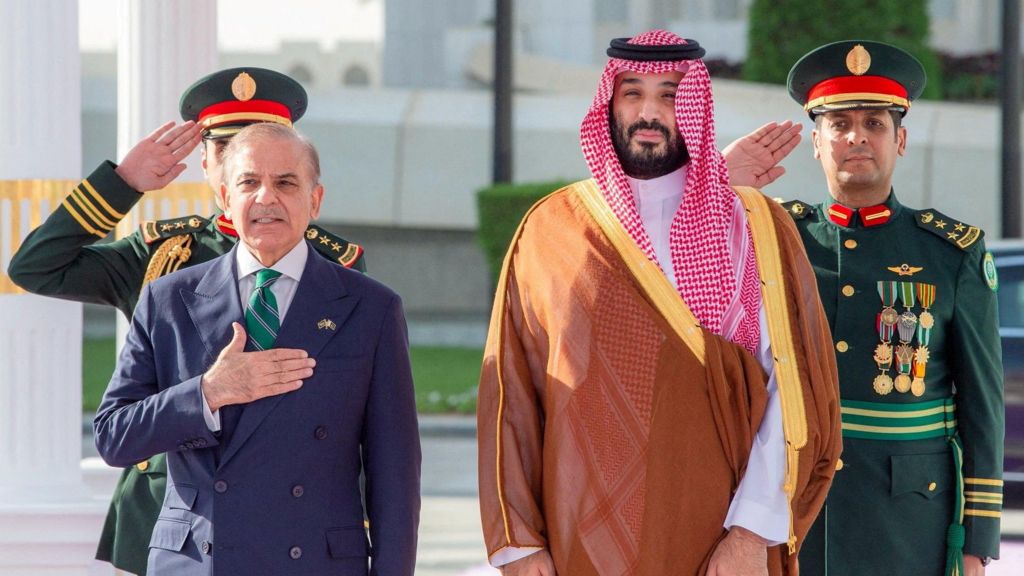
Why the Pakistan-Saudi Arabia defence pact is unsettling India
In a significant geopolitical development, Saudi Crown Prince Mohammed bin Salman and Pakistani Prime Minister Shehbaz Sharif inked a landmark strategic mutual defense agreement last week in Riyadh. The pact, described as an “institutionalization of long-standing and deep cooperation” by a senior Saudi official, has stirred considerable debate, particularly in India, which views the agreement as a potential threat to its national security. The agreement stipulates that “any aggression against either country shall be considered an aggression against both,” a clause that has unsettled Indian analysts. Brahma Chellaney, an Indian strategist, argued that the pact reflects Saudi Arabia’s ambitions rather than Pakistan’s strength, binding a “chronically dependent” partner to gain manpower and nuclear “insurance.” Former Indian foreign secretary Kanwal Sibal labeled the agreement a “grave misstep,” warning of its implications for India’s security. While India’s government has adopted a cautious stance, stating it will study the pact’s implications, the move has reignited tensions between India and Pakistan, who have a history of conflicts, particularly over Kashmir. Some analysts, however, downplay the immediate risks, noting Saudi Arabia’s extensive economic ties with India, its second-largest trading partner. Michael Kugelman, a foreign policy analyst, suggested that the pact does not directly hinder India but embeds Pakistan in the Middle East’s security architecture, leaving India facing a coalition of Pakistan, China, Turkey, and now Saudi Arabia. Husain Haqqani, a former Pakistani ambassador, warned that the pact could position Saudi Arabia as a Cold War-style patron for Pakistan, bolstering its military capabilities against India. The agreement also signals Saudi Arabia’s broader strategic shift, diversifying its security partnerships amid declining faith in the US security umbrella. Ahmed Aboudouh of Chatham House noted that the pact is more about signaling intent than battlefield commitments, reflecting Saudi Arabia’s perception of threats from both Iran and Israel. For India, the pact’s broader geopolitical implications could complicate its ‘Look West’ strategy, potentially hardening into an “Islamic Nato” that challenges its trade and investment interests in the Gulf. While the immediate security threat to India remains unclear, the pact has undoubtedly reshaped regional alignments, leaving Delhi to recalibrate its diplomatic and strategic approach.
-
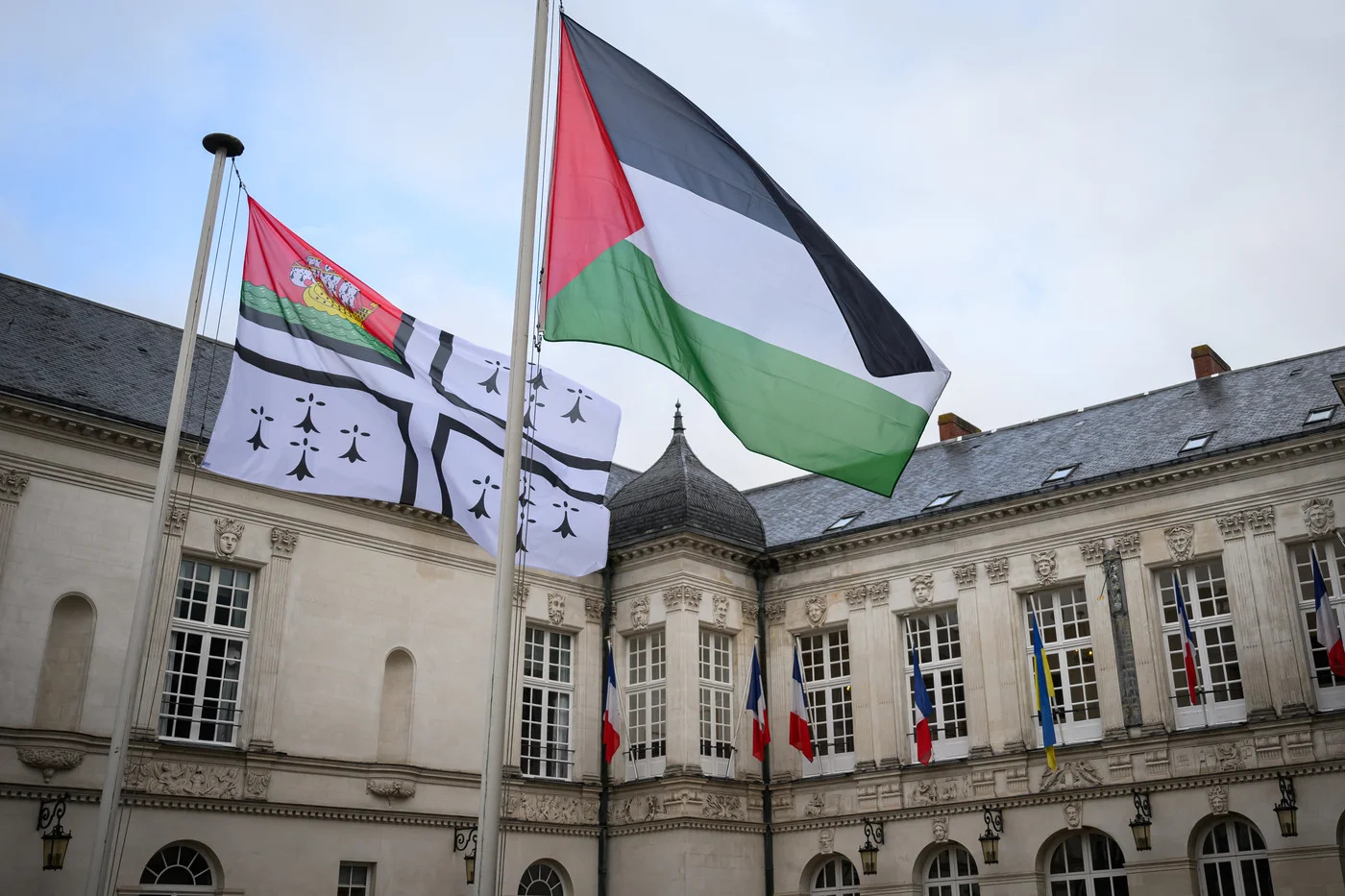
Global reactions pour in as UK, Australia and Canada recognise Palestinian state
Over a century after the Balfour Declaration endorsed the establishment of a Jewish national home in Palestine, the United Kingdom, alongside Canada, Australia, and Portugal, officially recognized a Palestinian state on Sunday. France is anticipated to follow suit shortly. This historic decision has ignited fierce backlash from the Israeli government, with Prime Minister Benjamin Netanyahu vowing to prevent the establishment of a Palestinian state and promising a response upon his return from the United States. Israeli government spokesperson David Mencer labeled the move as a “betrayal” by the UK Labour Party, stating that the Jewish community would not forgive them. The announcement has sparked a polarized response on social media, with some dismissing it as “performative recognition” that fails to address the ongoing genocide in Gaza and the annexation of the West Bank. Palestinian writer Yara Hawari criticized the gesture as a symbolic shield for Israel’s war crimes, while others highlighted the continued arms exports to Israel by the UK, Canada, and Australia. Palestinian journalist Abubaker Abed emphasized that recognition would be meaningless without concrete actions to end the genocide, secure the right of return, and release Palestinian hostages. Despite some hailing the move as a victory for the Palestinian cause, many in the occupied West Bank expressed skepticism, noting that daily settler attacks and Israeli raids persist. Decolonial scholar Sabreena Ghaffar-Siddiqui viewed the recognition as a symbolic acknowledgment of Israel’s inevitable decline, while former PLO politician Hanan Ashrawi urged that the gesture not be underestimated, calling for punitive measures against Israel to stop the genocide.
-

Trump’s immigration war pivots to Asian talent
The Trump administration has recently intensified its stance on immigration, targeting both illegal and legal pathways, including the H-1B visa program, which is crucial for the U.S. tech industry and academia. On September 19, President Trump issued an executive order imposing a $100,000 annual fee on employers hiring H-1B workers, a move that could effectively dismantle the program. This decision sparked immediate backlash, with critics arguing it would severely disrupt the tech sector and universities that rely on skilled foreign workers. The administration quickly backtracked, clarifying the fee would be a one-time charge and exempting existing visa holders. However, the order remains a significant blow to skilled immigration. Additionally, a recent ICE raid on a Hyundai battery factory in Georgia, resulting in the arrest of 475 South Korean workers, has further strained U.S.-South Korea relations and threatened foreign investment. These actions highlight the administration’s broader anti-immigration agenda, which experts warn could harm America’s economic competitiveness and global standing.
-
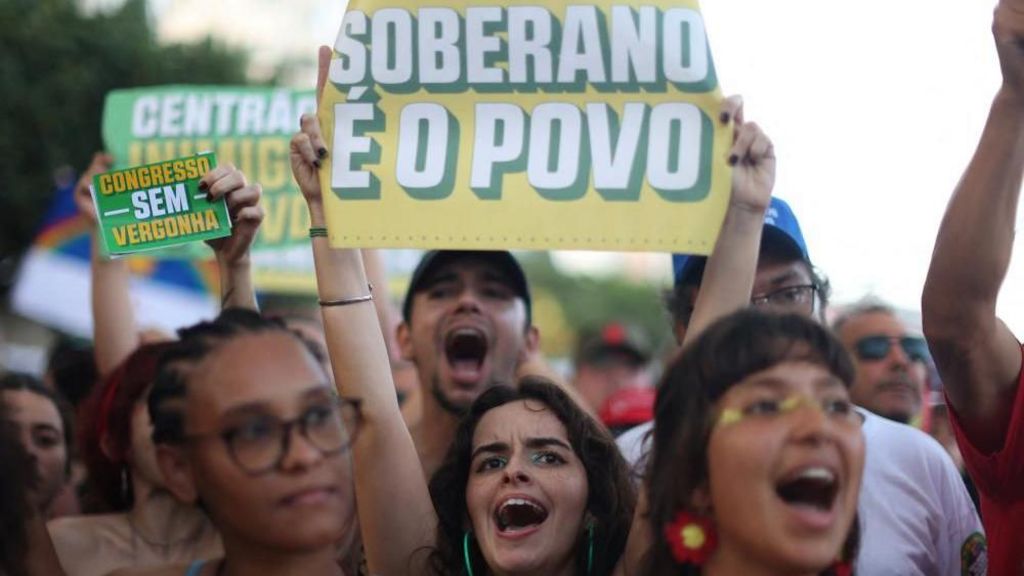
Thousands protest in Brazil against bill that could grant Bolsonaro amnesty
Tens of thousands of Brazilians took to the streets in major cities on Sunday, voicing their opposition to a controversial bill that could grant amnesty to former President Jair Bolsonaro and his co-defendants. Bolsonaro, who was recently convicted of orchestrating a coup attempt and sentenced to 27 years in prison, remains under house arrest pending appeals. However, his allies in the Chamber of Deputies have expedited legislation that could spare him and his associates from incarceration. Protesters, brandishing placards with messages like ‘shameless Congress’ and ‘the people are sovereign,’ also condemned a constitutional amendment that would complicate criminal proceedings against lawmakers. The amendment, dubbed the ‘Banditry Bill’ by critics, requires secret congressional approval before any legislator can be charged or arrested. Supporters argue it protects lawmakers from ‘judicial overreach,’ while opponents view it as a shield for impunity. The demonstrations, backed by trade unions, social groups, and left-wing parties, drew significant crowds, with over 40,000 attendees in Rio de Janeiro alone. Renowned musicians Chico Buarque, Gilberto Gil, and Caetano Veloso performed at the Rio event, energizing the protesters. President Luiz Inácio Lula da Silva expressed solidarity with the demonstrators on social media, vowing to veto the amnesty bill if it passes the Senate. The protests highlight the deep polarization in Brazil, with Bolsonaro’s supporters staging counter-demonstrations two weeks prior. The Supreme Court’s ruling on Bolsonaro’s coup attempt, which culminated in the January 2023 storming of government buildings, remains a contentious issue. While 50% of respondents in a recent poll believe Bolsonaro should serve prison time, 43% oppose his incarceration, reflecting the nation’s divided stance on justice and democracy.
-
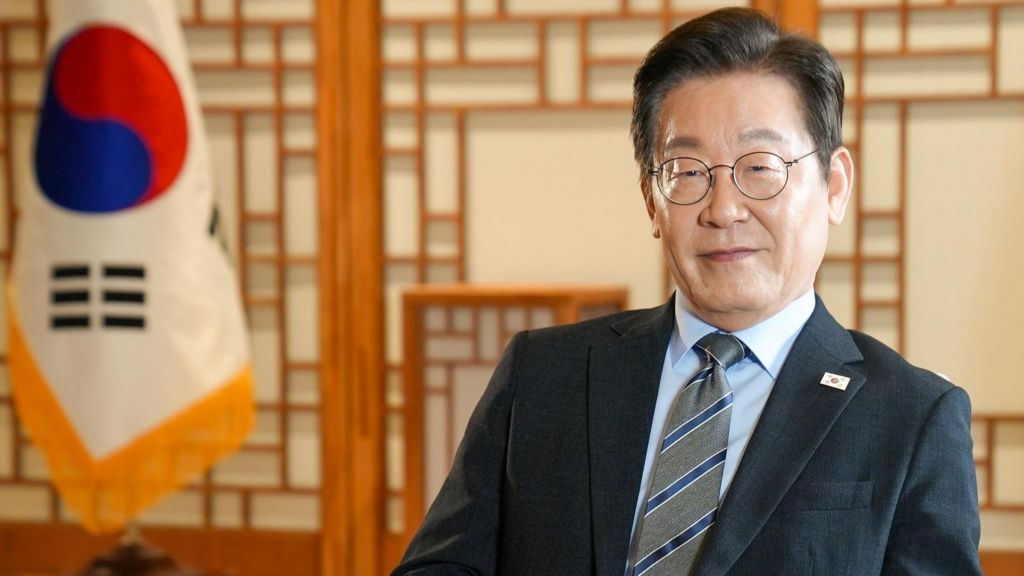
South Korea would accept a Trump-Kim deal to freeze nuclear programme, president tells BBC
In a recent interview with the BBC, South Korean President Lee Jae Myung expressed his willingness to support an interim agreement between former U.S. President Donald Trump and North Korean leader Kim Jong Un, which would involve freezing North Korea’s nuclear weapons production rather than pursuing full denuclearization. President Lee described this approach as a “feasible, realistic alternative” to the long-term goal of denuclearization, emphasizing the need for pragmatic solutions in the face of North Korea’s ongoing nuclear advancements. North Korea, which declared itself a nuclear power in 2022, has consistently vowed to retain its nuclear arsenal, making immediate denuclearization an unlikely prospect. Lee argued that halting North Korea’s nuclear and missile development would offer significant benefits while maintaining the ultimate goal of denuclearization. President Lee, who assumed office in June, has prioritized reducing tensions with North Korea, a stark contrast to his predecessor Yoon Suk Yeol, whose aggressive policies led to heightened regional instability. Lee has also called for the resumption of nuclear talks between the U.S. and North Korea, which stalled in 2019 after the U.S. demanded the dismantling of North Korea’s nuclear facilities. He expressed optimism about the potential for renewed dialogue, citing a degree of mutual trust between Trump and Kim. However, Lee acknowledged the challenges posed by the growing alliance between North Korea, China, and Russia, which he described as a “very difficult situation” for South Korea. Despite these complexities, Lee emphasized the importance of maintaining balanced relationships with both the U.S. and China, while cautiously navigating South Korea’s position in a rapidly shifting global order. Domestically, Lee faces a polarized nation still recovering from the political turmoil of his predecessor’s failed martial law attempt. He has taken steps to rebuild trust with North Korea, including halting radio broadcasts into the North, a move criticized by human rights groups. While North Korea has dismissed Lee’s overtures as “delusional,” the South Korean president remains committed to pursuing a pragmatic path toward peace on the Korean Peninsula.
-
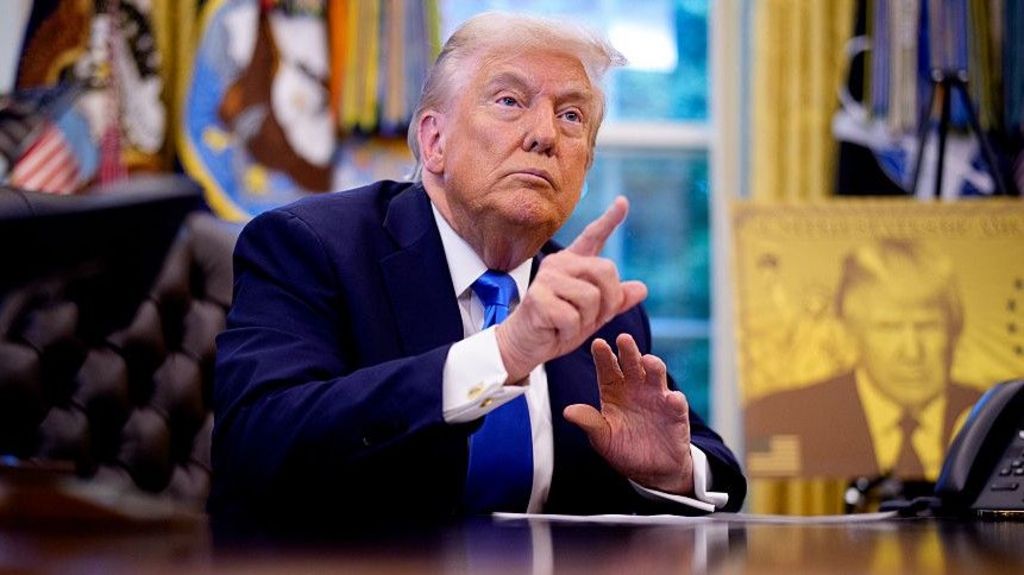
Trump’s $100,000 H-1B visa shock: Why US may lose more than India
The recent announcement by US President Donald Trump to increase the cost of H-1B visas by up to 50 times has sent shockwaves through the tech industry and beyond. The proposed fee hike, raising the cost to $100,000, initially caused widespread panic among Indian workers and Silicon Valley firms. However, the White House later clarified that the fee would only apply to new applicants and be a one-time charge. Despite this adjustment, the long-term implications of the policy remain uncertain, raising concerns about its impact on both the US and Indian economies. The H-1B visa program, which has been a cornerstone of the American tech industry for decades, has allowed millions of skilled workers, predominantly from India, to contribute to the US economy. Indians account for over 70% of H-1B recipients, with significant representation in tech, medicine, and academia. The fee hike, experts argue, could lead to medium and long-term labor shortages in the US, particularly in critical sectors like healthcare and technology. Indian outsourcing giants like TCS and Infosys have already begun adapting by building local workforces and shifting operations offshore. However, the broader impact on the US could be severe, with hospitals facing doctor shortages, universities struggling to attract STEM students, and startups losing access to global talent. Immigration policy analysts warn that the move could force US companies to radically change their hiring policies, potentially offshoring more work and dealing a blow to US innovation and competitiveness. The decision has also left Indian students, who make up a quarter of international students in the US, in a state of uncertainty. Many have already invested significant sums in their education, and the new policy could deter future students from choosing the US as their destination. Legal challenges to the policy are expected, and its full impact remains to be seen. As the dust settles, the H-1B shake-up appears less like a tax on foreign workers and more like a stress test for the US economy and its ability to attract and retain global talent.
-
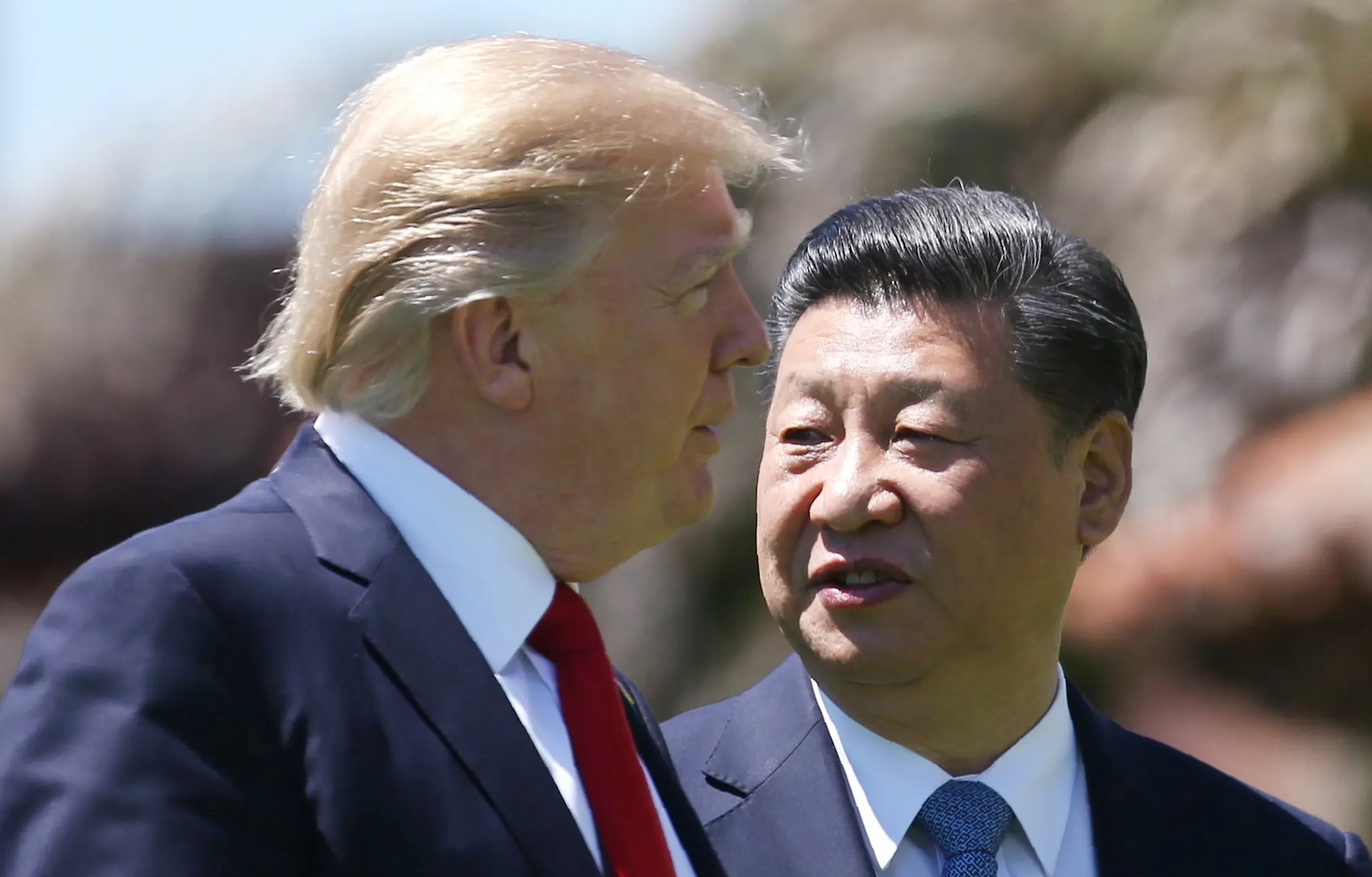
When the US cedes Asia to China
In the wake of a reportedly positive phone call between US President Donald Trump and Chinese President Xi Jinping, speculation is rife about the future of US-China relations, particularly regarding a potential partial US withdrawal from Asia. This move, if realized, could significantly alter the geopolitical landscape, granting China greater political and strategic influence in the region. However, such a shift is fraught with risks and uncertainties, as Asian countries are wary of being left to navigate China’s growing dominance without US support. Francesco Sisci, a prominent analyst, warns that a US retreat from Asia could exacerbate regional tensions, potentially leading to a nuclear arms race among neighboring countries like South Korea and Japan. The situation is further complicated by shifting alliances and defense agreements, such as the recent pact between Pakistan and Saudi Arabia, which could push India closer to Iran. Meanwhile, countries like the Philippines are caught in a delicate balancing act between aligning with China or the US. Sisci emphasizes that any bilateral agreement between the US and China must be part of a broader multilateral framework to avoid destabilizing the region. The interview underscores the fragile and unpredictable nature of Asia’s geopolitical dynamics, where the US presence has historically acted as a stabilizing force. Without it, the region could descend into heightened conflict and militarization, with far-reaching global consequences.
-
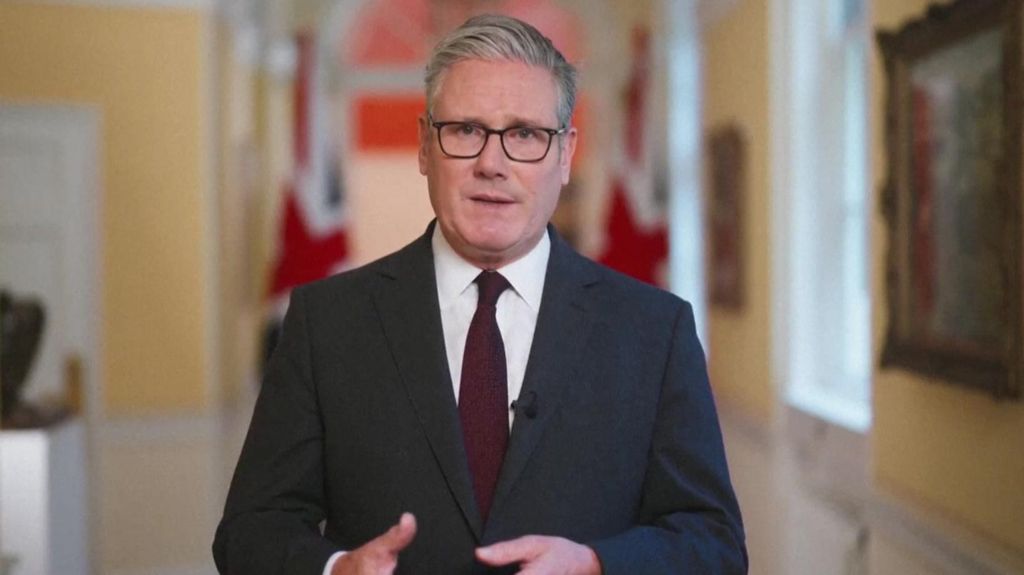
UK formally recognises Palestinian state
In a landmark move, UK Prime Minister Sir Keir Starmer has announced the formal recognition of a Palestinian state, marking a significant shift in British foreign policy. The decision, unveiled in a video statement on X, aligns the UK with countries like Australia, Canada, and Portugal, which have also recognized Palestinian statehood. France is expected to follow suit. Starmer emphasized that the recognition aims to preserve the possibility of peace and a two-state solution amidst escalating violence in the Middle East. However, the move has drawn sharp criticism from Israeli Prime Minister Benjamin Netanyahu, who declared that a Palestinian state ‘will not happen,’ and from families of hostages held in Gaza, who argue it rewards terrorism. The US and Israeli governments view the recognition as a diplomatic victory for Hamas following its October 2023 attack on southern Israel, which resulted in 1,200 deaths and 251 hostages. Starmer countered these claims, asserting that the decision does not legitimize Hamas but instead seeks to isolate the group from future governance. Palestinian Authority President Mahmoud Abbas welcomed the move, calling it a step toward peaceful coexistence with Israel. The UK Foreign Office clarified that recognition is based on provisional borders along the 1967 lines, with final boundaries to be negotiated. The two-state solution envisions a Palestinian state in the West Bank and Gaza Strip, with East Jerusalem as its capital. Despite recognition by 75% of UN member states, Palestine lacks internationally agreed borders, a capital, or an army, rendering its statehood largely symbolic. The announcement comes amid worsening conditions in Gaza, where Israeli military operations have displaced hundreds of thousands and caused widespread devastation. A recent UN commission accused Israel of genocide in Gaza, a claim Israel vehemently denies. UK Deputy Prime Minister David Lammy acknowledged that recognition alone would not resolve the crisis but stressed the importance of advocating for a two-state solution. Meanwhile, Israeli far-right leaders have called for annexing the West Bank and dismantling the Palestinian Authority. The decision has sparked mixed reactions domestically, with Conservative leader Kemi Badenoch labeling it ‘absolutely disastrous,’ while Liberal Democrat leader Sir Ed Davey praised it as ‘long overdue.’
-
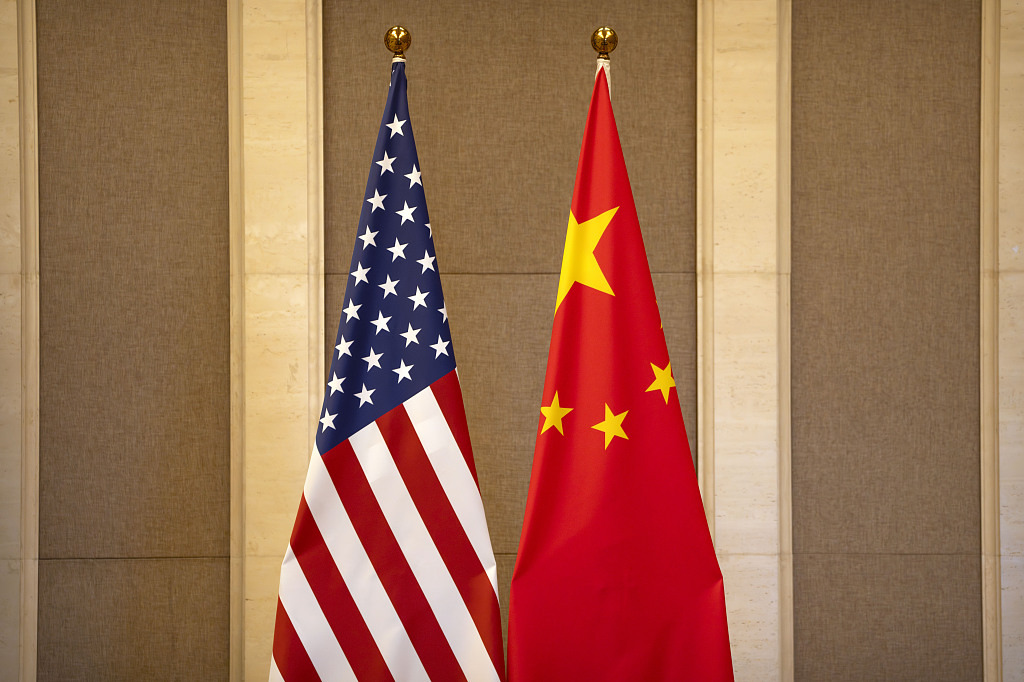
Li calls on US lawmakers to enhance exchanges, ties
In a significant diplomatic engagement, Chinese Premier Li Qiang met with a delegation of US congressmen at the Great Hall of the People in Beijing on September 21, 2025. The delegation, led by Adam Smith, the Democratic leader of the House Armed Services Committee, marked the first visit by US House representatives to Beijing since 2019. Premier Li emphasized that fostering stable, sound, and sustainable relations between China and the United States aligns with the shared interests of both nations and the broader international community. He highlighted the importance of mutual respect, peaceful coexistence, and win-win cooperation as foundational principles for bilateral relations. Li expressed optimism that both countries could address their respective concerns through dialogue grounded in equality, respect, and reciprocity. He urged the US Congress to play a constructive role in advancing friendship and shared development, reinforcing the notion that China and the US should be partners in development, empowering each other for mutual success.