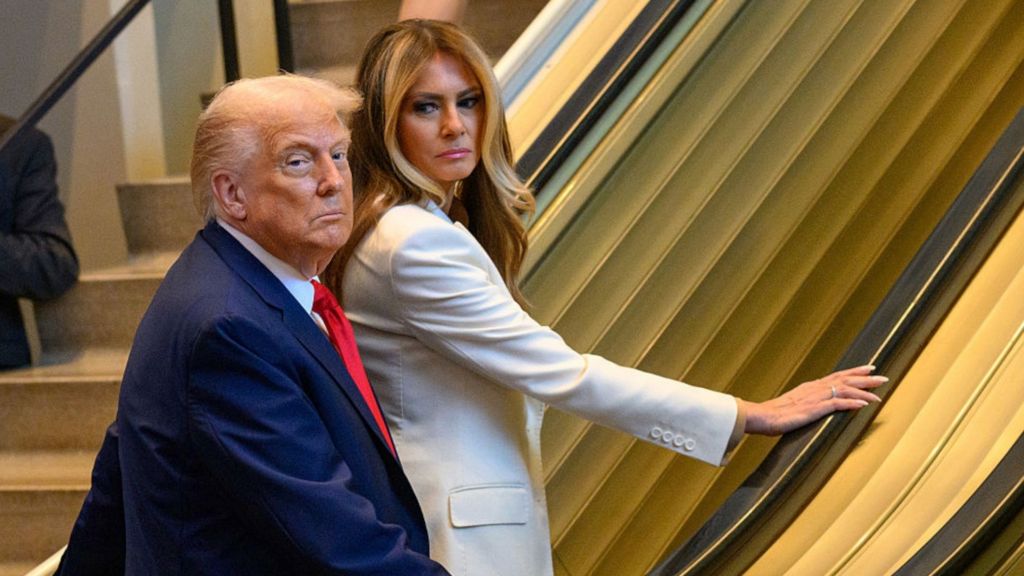
During his visit to the United Nations General Assembly on Wednesday, former U.S. President Donald Trump encountered a series of unexpected incidents that he labeled as “triple sabotage.” In a social media post, Trump detailed three specific issues: an escalator abruptly stopping as he and First Lady Melania Trump stepped on it, a malfunctioning teleprompter during his speech, and audio problems in the auditorium. Trump called for an immediate investigation into these events, which he described as “sinister” and not coincidental. He also demanded the arrest of those responsible for the escalator incident, referencing a Times article that mentioned UN workers joking about turning off the escalators. Trump’s videographer was suggested to have inadvertently triggered the escalator’s safety mechanism, while the teleprompter was reportedly operated by the White House delegation. U.S. Ambassador to the UN Mike Waltz supported Trump’s call for an investigation, stating that such incidents were “unacceptable” and a threat to the nation’s security and dignity. White House press secretary Karoline Leavitt also expressed concerns, suggesting that the escalator might have been deliberately stopped. A UN official clarified that the sound system was designed for translated speeches through earpieces, addressing Trump’s complaint about the audio issues. Despite the technical difficulties, Trump’s speech proceeded, though he criticized the teleprompter operator, stating they were “in big trouble.”
分类: politics
-
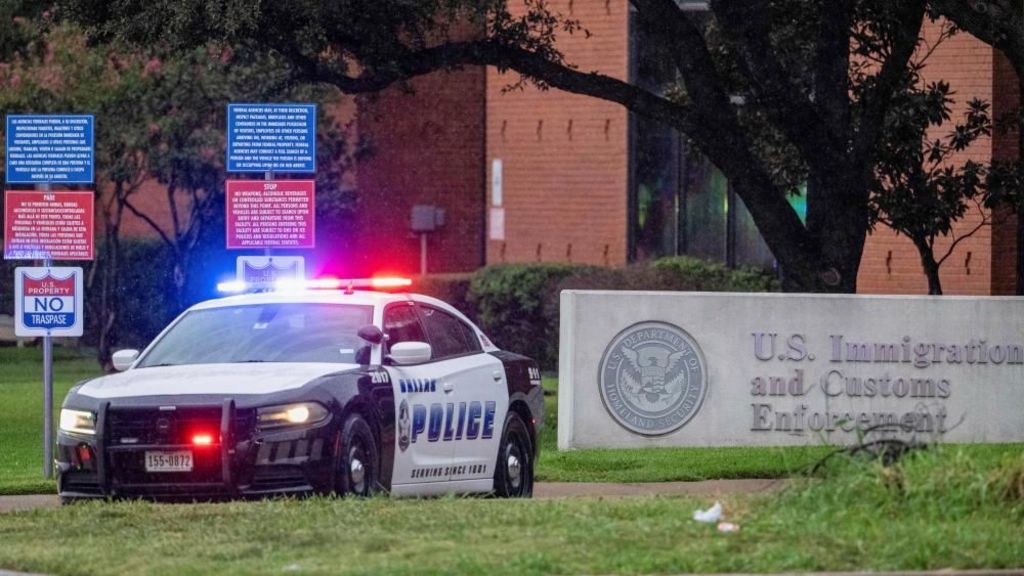
‘Anti-ICE’ message on ammunition at Dallas shooting that killed immigration detainee
A deadly shooting at an Immigration and Customs Enforcement (ICE) facility in Dallas, Texas, has left one detainee dead and two others critically injured, according to officials. The incident occurred when a rooftop sniper opened fire indiscriminately at the facility and a nearby unmarked van before taking his own life. No law enforcement officers were harmed in the attack. FBI Director Kash Patel revealed that unused ammunition recovered from the scene bore the phrase ‘ANTI-ICE,’ suggesting an ideological motive behind the assault. This marks the latest in a series of attacks on ICE facilities amid heightened political tensions over immigration enforcement. The shooter, identified as 29-year-old Joshua Jahn, had a history of cannabis-related charges and was registered as an independent voter. Authorities confirmed he died from a self-inflicted gunshot wound. The FBI is investigating the incident as an act of targeted violence, with special agent Joe Rothrock noting that the attack reflects a broader trend of politically motivated violence against ICE. The Department of Homeland Security (DHS) stated that the building targeted was an ICE field office used for short-term processing, not a detention facility. Acting ICE director Todd Lyons emphasized the potential for greater casualties, given the time and location of the shooting. The attack has sparked widespread condemnation from both Democratic and Republican leaders, with Texas Senator Ted Cruz urging an end to divisive rhetoric. President Donald Trump, meanwhile, accused ‘Radical Left Democrats’ of demonizing law enforcement and reiterated his commitment to combating domestic terrorism. The incident underscores the escalating political polarization surrounding immigration policy in the United States.
-
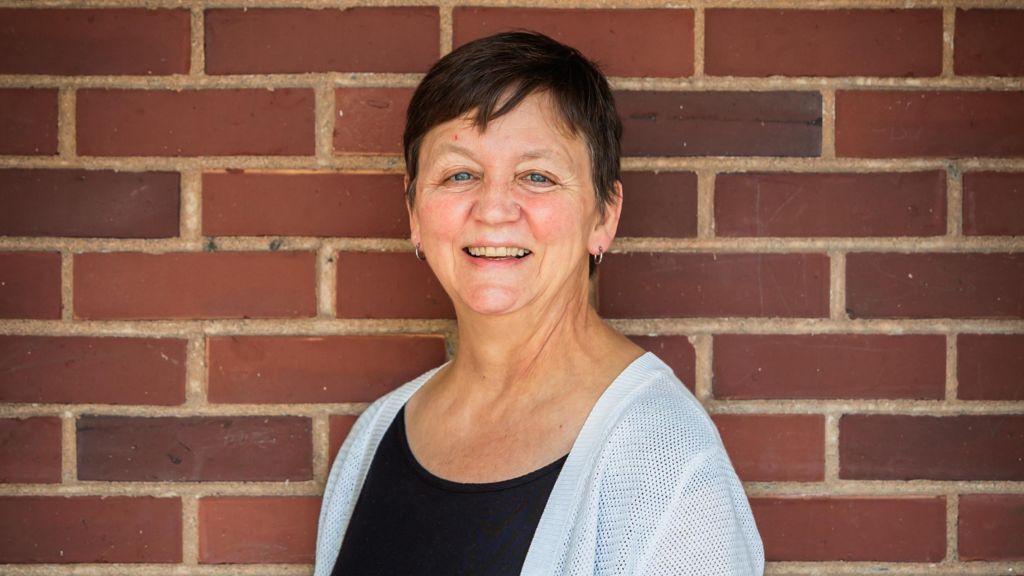
‘There’s no way we can afford $100,000’: Small firms scramble over H-1B visa fees
The recent executive order signed by former US President Donald Trump, introducing a $100,000 fee for H-1B visa applications, has sent ripples across various sectors reliant on skilled foreign workers. The H-1B programme, a cornerstone for industries ranging from technology to healthcare, now faces significant challenges, particularly for startups and smaller firms unable to absorb the hefty cost.
-
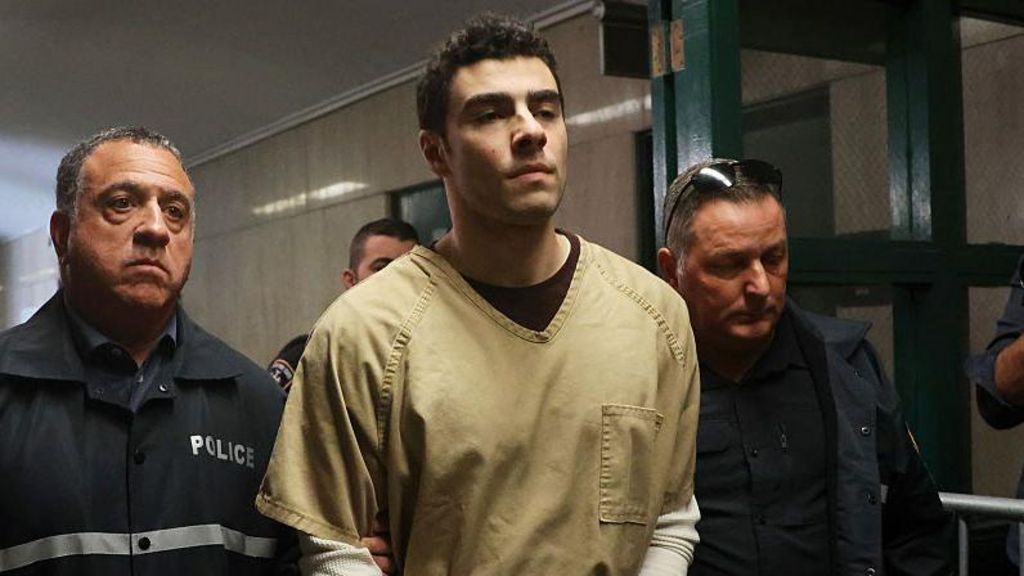
Luigi Mangione’s lawyers claim Trump violated right to fair trial
The legal team representing Luigi Mangione, the individual accused of murdering UnitedHealthcare CEO Brian Thompson, has asserted that former President Donald Trump compromised Mangione’s right to a fair trial. In a recent court filing, Mangione’s attorneys highlighted comments made by Trump during a Fox News interview, as well as social media posts by Department of Justice (DoJ) employees, which they argue implied Mangione’s guilt. US District Judge Margaret Garnett responded by instructing DoJ officials to refrain from sharing remarks that could influence the trial’s fairness, cautioning that further violations could lead to sanctions. Mangione, 27, has pleaded not guilty to the charges of murdering Thompson. During the Fox News interview, Trump described Mangione as a ‘pure assassin,’ stating, ‘He shot someone in the back as clear as you’re looking at me or I’m looking at you.’ Mangione’s lawyers also contested a White House statement that linked him to ‘left-wing extremist groups,’ citing an interview with Stephen Miller, the White House’s deputy chief of staff for policy, who referred to Mangione as a ‘self-described so-called anti-fascist.’ They argued that these statements are part of a broader political narrative that has no place in a criminal case. Thompson was fatally shot in December 2024 while entering a Manhattan hotel where his company was hosting an investors’ meeting. Five days later, Mangione was arrested at a McDonald’s in Pennsylvania and charged with murder. He faces federal charges of stalking, firearms offenses, and murder through the use of a firearm, with prosecutors seeking the death penalty. Mangione’s lawyers have requested the removal of the death penalty, claiming that Trump’s statements violate his Fifth and Eighth Amendment rights. His next hearing is scheduled for December 5. The BBC has reached out to the White House and DoJ for comment.
-
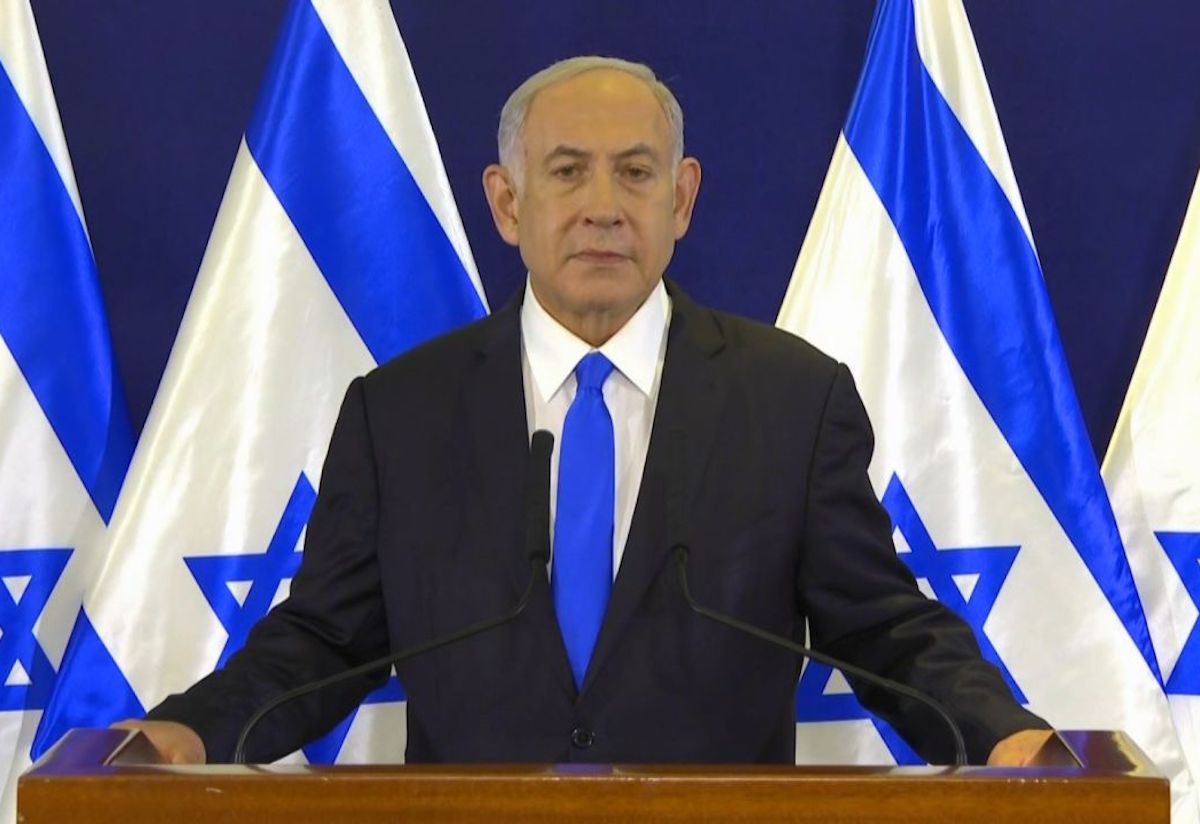
Is Netanyahu on a mission to realize a Greater Israel?
The long-standing Israeli-Palestinian conflict has often been framed around the concept of a two-state solution, but Israeli Prime Minister Benjamin Netanyahu seems determined to pursue a different path—his vision of a ‘Greater Israel.’ Despite widespread international condemnation of Israel’s actions in Gaza and its increasing isolation, Netanyahu appears to be making significant strides toward this goal. The two-state solution, once a cornerstone of diplomatic efforts, now seems increasingly irrelevant as Israel works to render the idea obsolete. The prospects of establishing an independent Palestinian state encompassing the West Bank, East Jerusalem, and Gaza Strip have never been more uncertain. Netanyahu’s strategy is bolstered by unwavering support from the United States, particularly under the Trump administration. Recent events, such as Israel’s attack on Hamas leaders in Qatar, have further highlighted the region’s inability to counter Israel’s actions. An emergency Arab-Muslim summit convened by Qatar resulted in a tepid response, with leaders issuing condemnations but failing to propose concrete measures to curb Israel’s aggression. Middle Eastern leaders recognize that only the United States holds the power to influence Israel, yet Washington shows no signs of altering its staunch support. Netanyahu’s rhetoric and actions suggest a commitment to expanding Israeli sovereignty over contested territories, including Gaza and the West Bank. This vision, rooted in the ideology of Netanyahu’s Likud Party, has drawn sharp criticism from Arab and Muslim leaders, though the U.S. has not publicly endorsed it. Despite international backlash, Netanyahu remains undeterred, prioritizing his vision over the safety of Israeli hostages held by Hamas and the desires of many Israelis for a ceasefire. As the international community grapples with how to respond, the path forward remains unclear. Sanctions and severing ties with Israel are among the few potential measures that could alter its course, but such actions are unlikely given the current geopolitical landscape. Netanyahu’s pursuit of a ‘Greater Israel’ risks further destabilizing the region and tarnishing Israel’s global reputation, leaving a legacy of conflict and international disrepute.
-
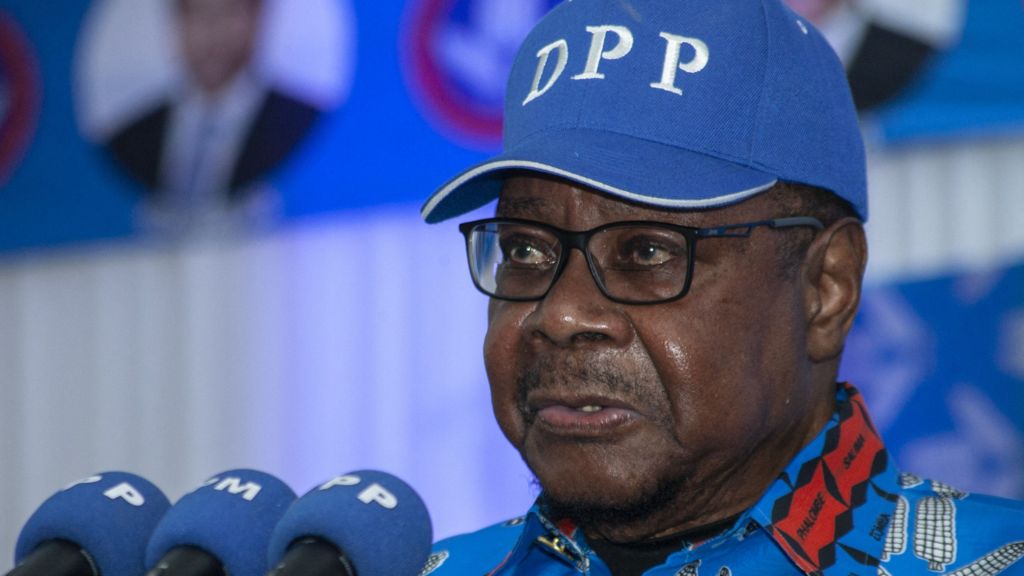
Malawi’s ex-president wins election in comeback at age 85
In a remarkable political turnaround, Malawi’s former President Peter Mutharika, aged 85, has been declared the winner of the recent presidential election, marking a significant comeback in his political career. Official results reveal that Mutharika secured 57% of the vote, decisively defeating incumbent President Lazarus Chakwera, who garnered 33%. Chakwera, a former pastor, conceded defeat and congratulated Mutharika on his ‘historic win’ ahead of the final announcement. Mutharika, a former law professor, previously served as president from 2014 to 2020, when he lost to Chakwera by a wide margin. His return to power comes at a critical juncture for Malawi, as the nation grapples with severe economic challenges, including skyrocketing inflation, fuel shortages, and a lack of foreign currency. The official inflation rate stands at nearly 30%, with basic necessities like frozen chicken costing $20 in a country where most citizens survive on less than $2 a day. The election commission emphasized that the eight-day delay in announcing the results was necessary to address complaints and ensure accuracy. This election marks the fourth electoral contest between Mutharika and Chakwera, with Mutharika’s 2019 victory annulled due to widespread irregularities. Chakwera won the subsequent rerun in 2020 but faced mounting criticism during his tenure for issues such as corruption, economic mismanagement, and frequent power outages. Mutharika’s campaign, centered on the promise of ‘proven leadership,’ resonated with voters disillusioned by Chakwera’s administration. However, questions linger about Mutharika’s health and ability to lead at 85, given his limited public appearances during the campaign. The swearing-in ceremony is expected to take place within the next 30 days, as Malawi looks to Mutharika to address its pressing economic woes and restore stability.
-
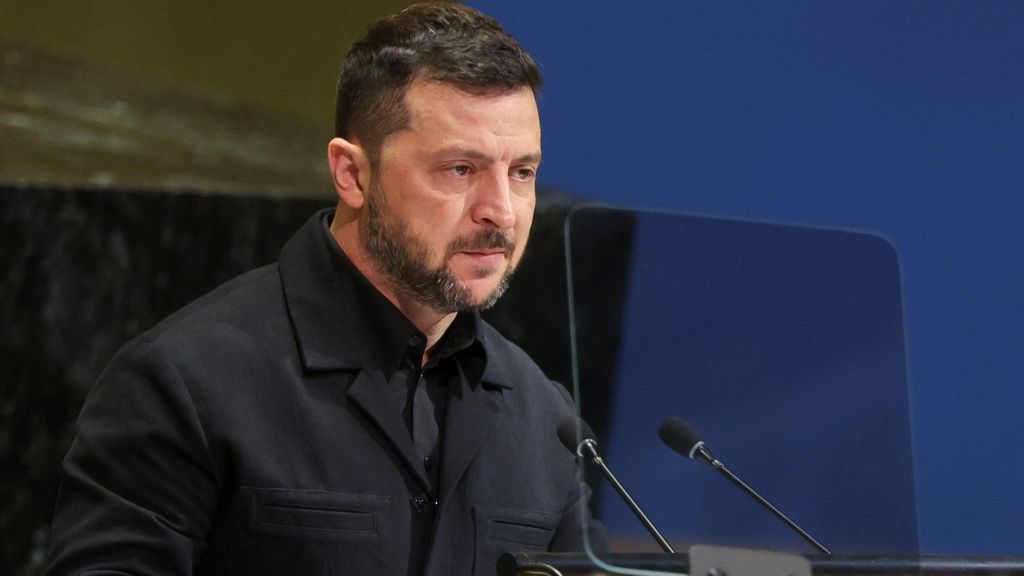
Russia will expand aggression beyond Ukraine if not stopped, Zelensky warns
Ukrainian President Volodymyr Zelensky issued a stark warning at the United Nations General Assembly in New York, asserting that Russian aggression will continue to expand unless the international community takes decisive action. Zelensky emphasized that without a united front and increased support from allies, more nations will fall victim to Russia’s ambitions. He highlighted the growing threat of a global arms race, particularly with advancements in military technology, and called for international regulations on artificial intelligence (AI) in weaponry. ‘Weapons decide who survives,’ he declared, urging global cooperation to prevent further escalation. Zelensky’s remarks followed a shift in U.S. President Donald Trump’s stance on the Russia-Ukraine conflict, with Trump now suggesting that Ukraine could reclaim all its lost territories. However, Zelensky criticized international institutions for their inability to provide adequate security guarantees, noting that membership in long-standing alliances like NATO does not ensure safety. He also warned of the risks posed by autonomous drones and unmanned aircraft, describing them as more dangerous than traditional warfare. Additionally, Zelensky expressed concern over Russian influence in Moldova, urging the West to prevent the country from falling under Moscow’s control. He lamented missed opportunities to protect Georgia and Belarus from Russian dominance. The Ukrainian leader’s speech coincided with accusations from Moldovan President Maia Sandu, who claimed that the Kremlin is funding efforts to incite violence and spread fear in Moldova ahead of its upcoming elections. Meanwhile, NATO members Estonia, Poland, and Romania reported violations of their airspace by Russian drones and jets, prompting calls for consultations within the alliance. Zelensky praised Trump for his support and revealed that the U.S. is considering security guarantees for Ukraine post-war, potentially including increased military aid. Trump’s recent comments marked a departure from his previous suggestion of ‘land swaps’ as a condition for peace, instead describing Russia as a ‘paper tiger’ that has been ‘fighting aimlessly.’ Kremlin spokesman Dmitry Peskov dismissed Trump’s characterization, asserting that Russia remains a formidable force. The ongoing conflict continues to dominate international discussions, with U.S. Secretary of State Marco Rubio meeting Russian Foreign Minister Sergei Lavrov to reiterate calls for an end to hostilities and a durable resolution to the war.
-
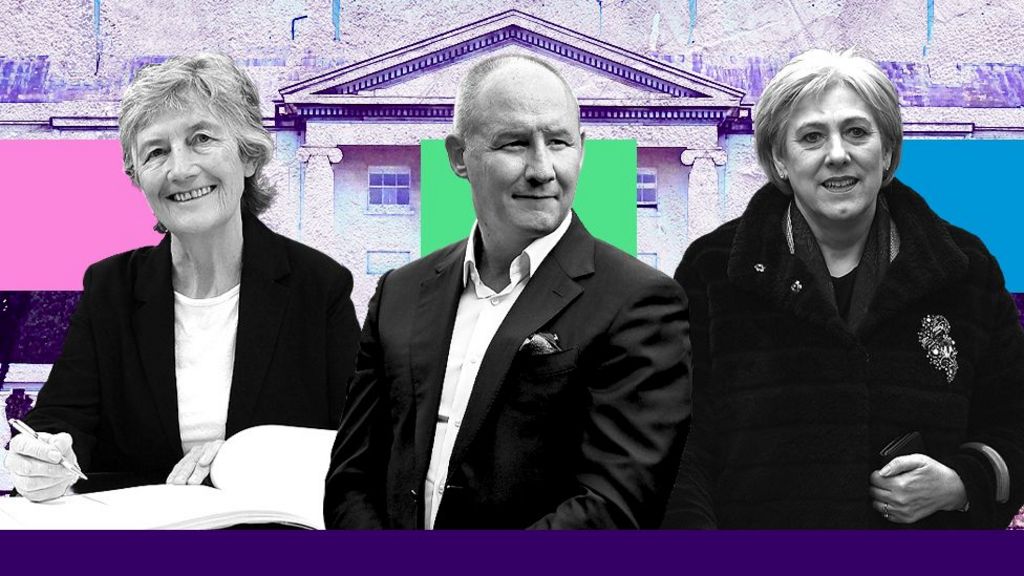
Irish presidential election: Who are the runners and riders?
Ireland is gearing up for a significant political transition as President Michael D Higgins prepares to step down in November, marking the end of his impactful decade-long tenure. Widely regarded as one of the nation’s most popular leaders, Higgins has redefined the role of the Irish presidency by actively addressing pressing issues such as housing shortages and foreign policy. His departure has set the stage for a competitive election scheduled for October 24, with three prominent candidates emerging as frontrunners. Catherine Connolly, an independent candidate supported by major left-wing parties, brings a wealth of experience as a barrister, clinical psychologist, and former deputy speaker of the Dáil. Jim Gavin, representing Fianna Fáil, is celebrated for his achievements as a Gaelic football manager and his military background. Heather Humphreys, the Fine Gael candidate, is a seasoned cabinet minister with a diverse portfolio of experience. The election process, governed by the Single Transferable Vote system, will see voters rank candidates in order of preference, with results expected by October 25. The winner will assume the presidency for a seven-year term, shaping Ireland’s future on both domestic and international stages.
-
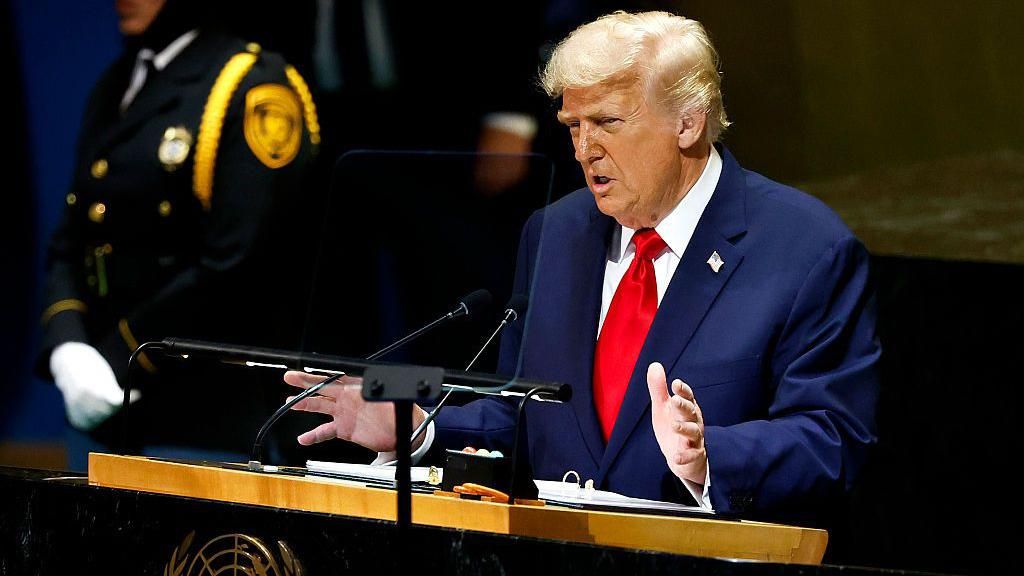
Rosenberg: Russia brushes off Trump’s claim of ‘paper tiger’ in aimless war
Former U.S. President Donald Trump’s recent comments on Ukraine and Russia have sparked significant diplomatic ripples, particularly in Moscow. Trump’s characterization of Russia as a ‘paper tiger’ engaged in ‘aimless fighting’ in Ukraine has drawn sharp reactions, though the Kremlin’s response has been notably restrained. Trump further suggested that Ukraine could reclaim all territories seized by Russia, a statement that has raised eyebrows in Moscow. Additionally, his endorsement of NATO countries shooting down Russian aircraft entering their airspace added fuel to the fire. Kremlin spokesman Dmitry Peskov downplayed these remarks, emphasizing Russia’s resilience and dismissing the notion of a ‘paper bear.’ Peskov also highlighted President Vladimir Putin’s appreciation for Trump’s efforts toward peace, despite the critical tone. Analysts suggest that Moscow’s muted response stems from a belief that Trump’s stance on Ukraine is not fixed and could be influenced through diplomatic channels. Meanwhile, Russia’s economic challenges, exacerbated by sanctions and war expenditures, continue to mount, though they appear to have little impact on the Kremlin’s strategic decisions in Ukraine. As tensions persist, Trump’s comments underscore the complex and evolving dynamics of U.S.-Russia relations.
-
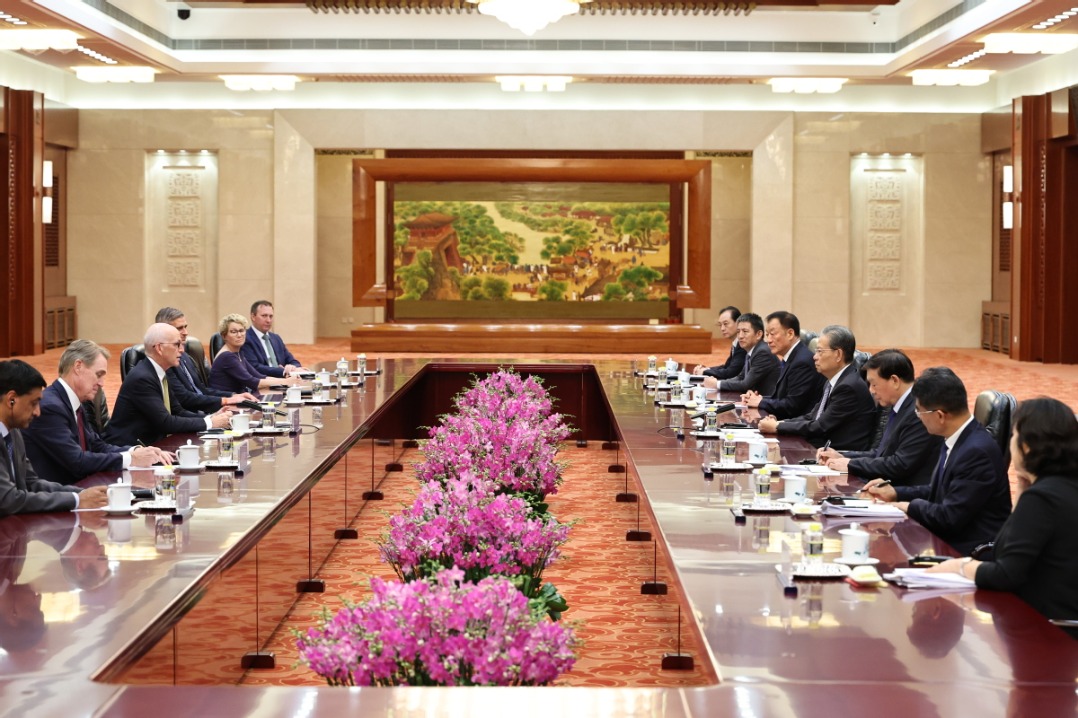
China’s top legislator meets US congressional delegation
In a significant diplomatic engagement, China’s top legislator, Zhao Leji, Chairman of the National People’s Congress (NPC) Standing Committee, met with a US congressional delegation led by Representative Adam Smith in Beijing on Tuesday. The meeting underscored the importance of maintaining stable and sustainable China-US relations, a shared expectation of both nations and the global community. Zhao highlighted the fundamental principles of mutual respect, peaceful coexistence, and win-win cooperation as essential for the development of bilateral ties. He urged both sides to adhere to rationality, objectivity, and fairness, emphasizing the need for enhanced communication, mutual trust, and the resolution of differences to foster greater stability in bilateral cooperation and the global economy. Zhao also addressed the Taiwan question, describing it as the most sensitive and crucial issue in China-US relations. He called on the United States to uphold the one-China principle and handle the matter with caution. Furthermore, Zhao expressed the NPC’s willingness to strengthen exchanges with the US Congress, inviting more US congressional members to visit China to play a constructive role in advancing bilateral relations.