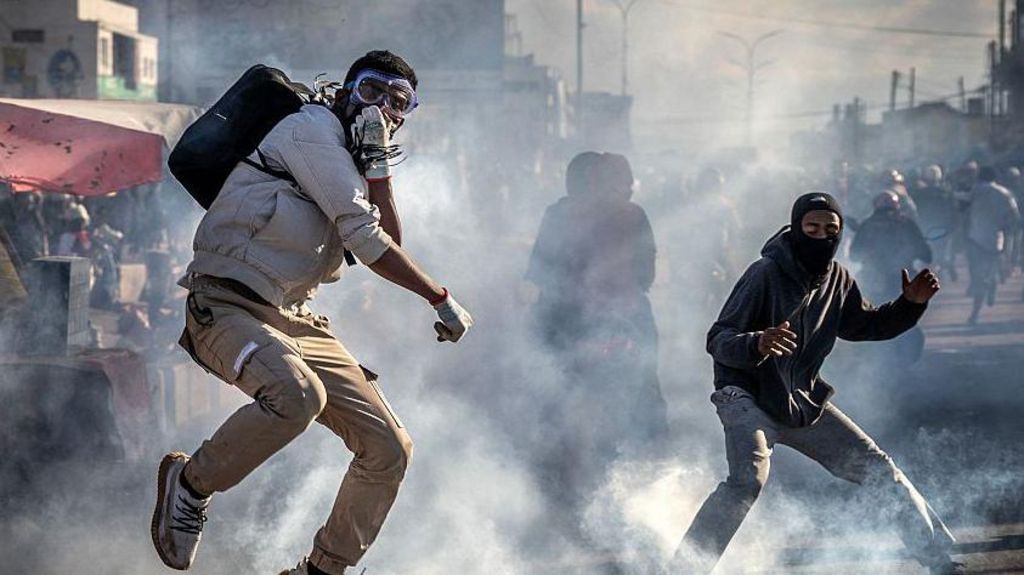
Madagascar’s President Andry Rajoelina has appointed General Ruphin Fortunat Zafisambo as the new prime minister in a bid to quell ongoing youth-led protests against his administration. The decision, announced on Monday, comes amid heightened tensions and fears of a potential coup. Rajoelina described the appointment as necessary to restore order and public trust, emphasizing the need for a leader capable of saving the nation. However, the protest movement, known as Gen Z Mada, swiftly rejected the move, demanding Rajoelina’s resignation within 48 hours and vowing to continue their struggle. The protests, which began on September 25, were initially sparked by widespread anger over frequent water and power outages but have since evolved into a broader outcry against corruption and high unemployment. Last week, Rajoelina dismissed Prime Minister Christian Ntsay and his cabinet in an attempt to appease demonstrators, but the unrest has persisted. General Zafisambo, previously the director of the military cabinet in the prime minister’s office, now assumes a role that underscores the increasing militarization of the government. The UN has reported at least 22 deaths and over 100 injuries during the protests, though the government disputes these figures, labeling them as misinformation. Clashes between security forces and protesters continued on Monday in several cities, including the capital, Antananarivo, as the unrest entered its third week. Madagascar, one of the world’s poorest nations, has a history of political instability, with Rajoelina himself coming to power after mass protests in 2009. The current demonstrations represent the most significant challenge to his leadership since his re-election in 2023. With 75% of the population living below the poverty line and only a third having access to electricity, the protests highlight deep-seated economic and social grievances.
分类: politics
-
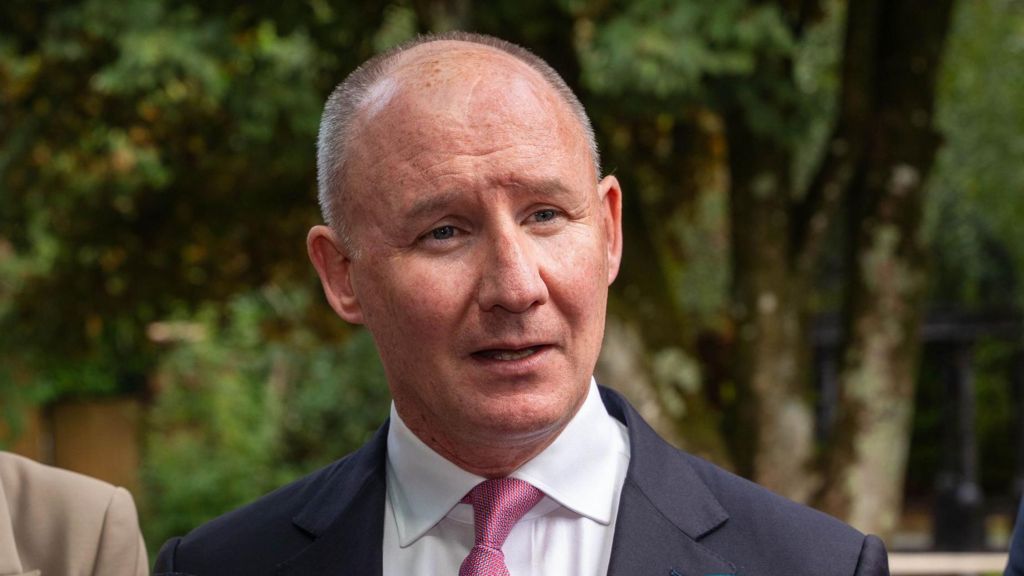
Gavin’s name to remain on presidential ballot paper
In a surprising turn of events, Jim Gavin, the Fianna Fáil candidate for the Irish presidential election, announced his withdrawal from the race just weeks before the scheduled polling day on October 24. Despite his decision, Gavin’s name will remain on the ballot due to electoral regulations that prevent changes after the nomination deadline. The former Dublin Gaelic football manager cited a personal mistake that contradicted his character and standards, though he did not specify the nature of the issue. Reports from the Irish Independent suggest the withdrawal followed allegations of a €3,300 debt owed to a former tenant. Taoiseach Micheál Martin expressed regret over the situation, describing it as ‘very unfortunate.’ The Department of Housing and Local Government confirmed that Gavin’s name must remain on the ballot, as the withdrawal occurred after the nomination process closed. If Gavin were to win, he could either accept the presidency or decline, triggering a new election. Fianna Fáil stated that it was unaware of the tenant dispute before selecting Gavin as their candidate, emphasizing that initial queries were addressed without revealing the specifics of the issue.
-
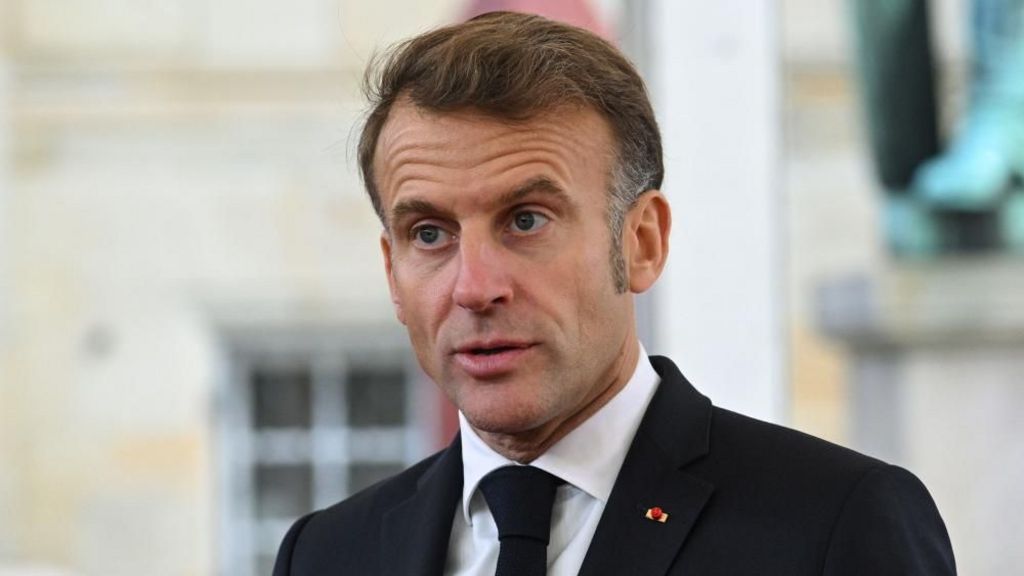
Macron should call early presidential vote, his first PM says
French President Emmanuel Macron is under increasing pressure to address the nation’s escalating political turmoil, with calls for him to appoint a new prime minister and potentially call early presidential elections. The crisis deepened after Sébastien Lecornu, France’s third prime minister in a year, resigned on Monday following the collapse of his efforts to form a stable government. Macron has tasked Lecornu with devising a last-ditch plan for stability by Wednesday, but support for the president appears to be eroding even among his allies. Édouard Philippe, Macron’s first prime minister and current leader of the centrist Horizons party, emphasized that while he opposes Macron’s immediate resignation, the president must fulfill his mandate and find a solution to the crisis. Meanwhile, Gabriel Attal, head of Macron’s Renaissance party and former prime minister, publicly criticized Macron’s leadership, stating that it was time to share power with other political factions. The political instability has been exacerbated by Macron’s loss of a parliamentary majority after snap elections last year, leaving him struggling to pass a budget to address France’s soaring public debt, which is projected to reach 5.4% of GDP this year. Philippe warned that the ongoing crisis is undermining the state’s authority and continuity, urging Macron to act decisively. Despite calls from political opponents for his resignation, Philippe argued that an abrupt departure would worsen the situation. Instead, he suggested that Macron appoint a prime minister capable of passing a budget and ensuring the state’s functionality before leaving office in an orderly manner. Macron’s approval ratings have plummeted, with a recent poll indicating that 53% of French citizens believe he should step down. The crisis took a symbolic turn on Tuesday when a van burst into flames near the prime minister’s residence, further highlighting the nation’s political unrest.
-
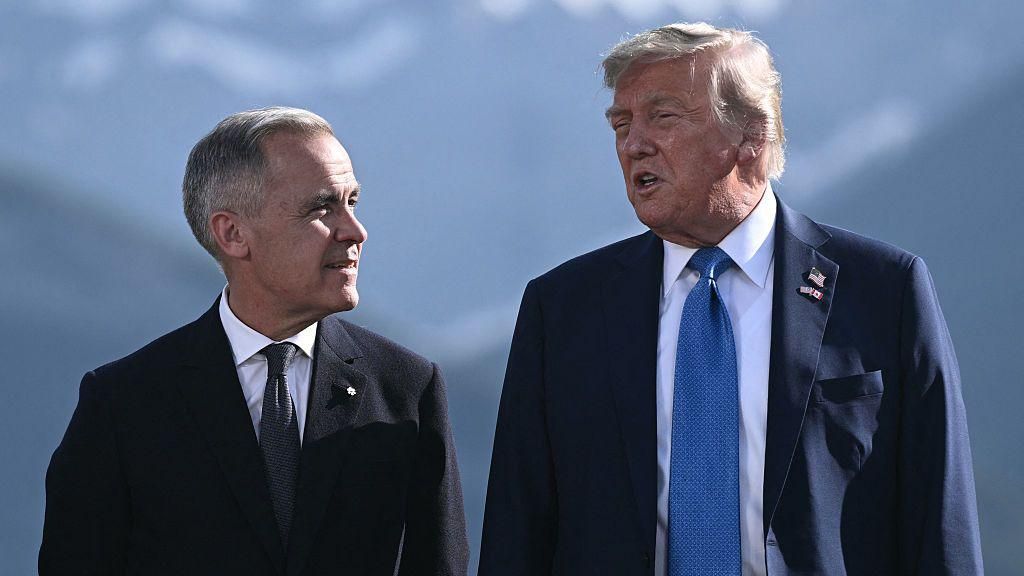
Carney to meet Trump in search of ‘best deal for Canada’
Canadian Prime Minister Mark Carney is set to meet with U.S. President Donald Trump in Washington on Tuesday, marking his second visit to the U.S. capital this year. The primary focus of the meeting is to revive stalled trade negotiations between the two nations, which have dragged on past an August deadline. Despite the prolonged discussions, few details have emerged about the sticking points preventing a deal. Canada remains the only G7 country without a trade agreement with the Trump administration this year, though Ottawa is not in a rush due to exemptions under the US-Canada-Mexico Free Trade Agreement (USMCA).
Trump has recently reignited controversial rhetoric, suggesting Canada should become the 51st U.S. state, while Carney faces domestic pressure to secure a deal that would lower tariffs, particularly for sectors like steel and lumber. Canadian Trade Minister Dominic LeBlanc has indicated progress toward an agreement, with media reports suggesting potential relief from U.S. steel tariffs. However, insiders express frustration over the lack of clarity from the White House regarding the terms of a potential trade and security deal.
Carney’s visit is framed as a ‘working visit’ aimed at finding common ground on economic and security issues, though no major breakthroughs are anticipated. Experts note that face-to-face discussions with Trump, who values personal relationships, could help ease the trade stalemate. Meanwhile, Carney has faced criticism for softening his initially aggressive stance toward the Trump administration, making concessions such as dropping retaliatory tariffs and withdrawing long-standing legal disputes.
The meeting coincides with the upcoming review of the USMCA, with U.S. Trade Representative Jameison Greer signaling that the review may be conducted separately with Canada and Mexico. U.S. Ambassador to Canada Pete Hoekstra has expressed frustration with Canadians’ discontent toward the U.S., highlighting the challenges in fostering a passionate bilateral relationship. Public sentiment in Canada has soured, with tourism data showing a decline in Canadian visits to the U.S. and polls indicating a loss of trust in the U.S.-Canada relationship.
As Carney navigates these complexities, he has spent the summer strengthening ties with allies like the UK and Mexico to diversify Canada’s trade options. Domestically, he has focused on long-term economic projects to bolster Canada’s output. However, there is broad consensus across Canada’s political spectrum that a deal with the U.S. is essential to protect the economy, given that 75% of Canadian exports are destined for the U.S. market. The outcome of Tuesday’s meeting could have significant implications for Canada’s economic future.
-
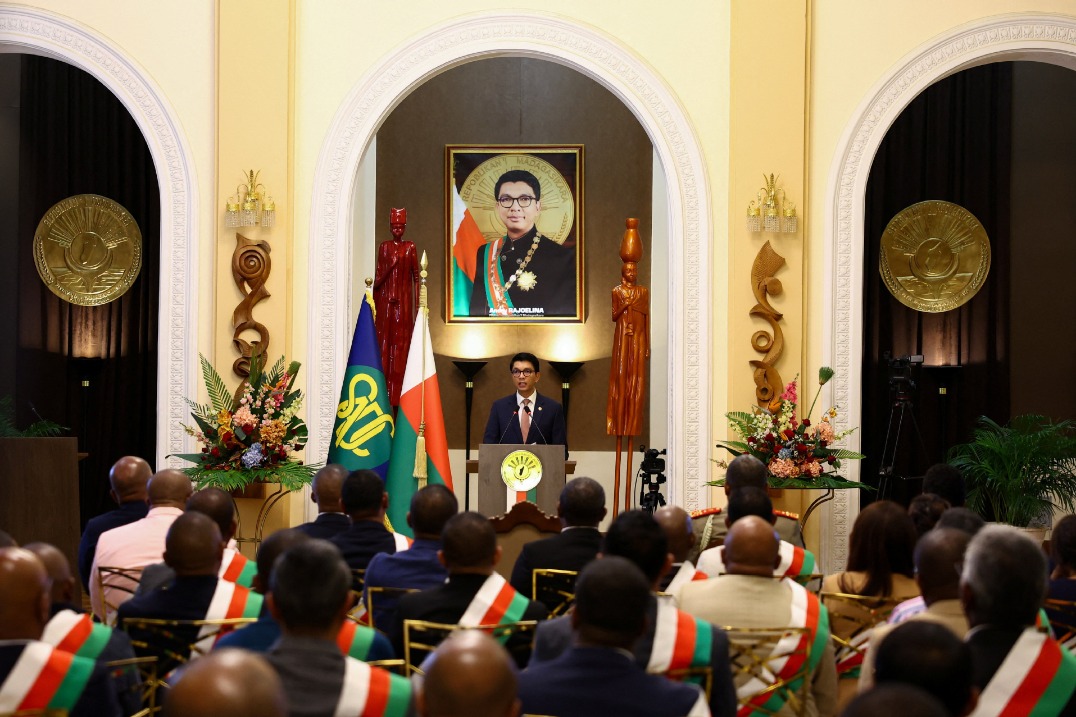
Madagascar’s president appoints new prime minister
Madagascar’s President Andry Rajoelina has appointed military general Ruphin Fortunat Zafisambo as the nation’s new prime minister, following the dissolution of the government amid widespread protests over power and water shortages. The announcement was made on October 6, 2025, at the Lavoloha Presidential Palace in Antananarivo. Rajoelina emphasized that Zafisambo’s primary mission is to restore public trust, improve living conditions, and address the country’s critical priorities. Zafisambo, who previously served as director of the military office at the Prime Minister’s Office since 2021, steps into his new role during a period of heightened instability. The government’s dissolution on September 29 came after days of violent protests in major cities, including Antananarivo, where demonstrators expressed frustration over frequent power outages and water shortages. Rajoelina acknowledged the public’s anger, stating that the new government’s absolute priority is to swiftly restore electricity and water supplies. The appointment signals a strategic move to stabilize the nation and address the urgent needs of its citizens.
-
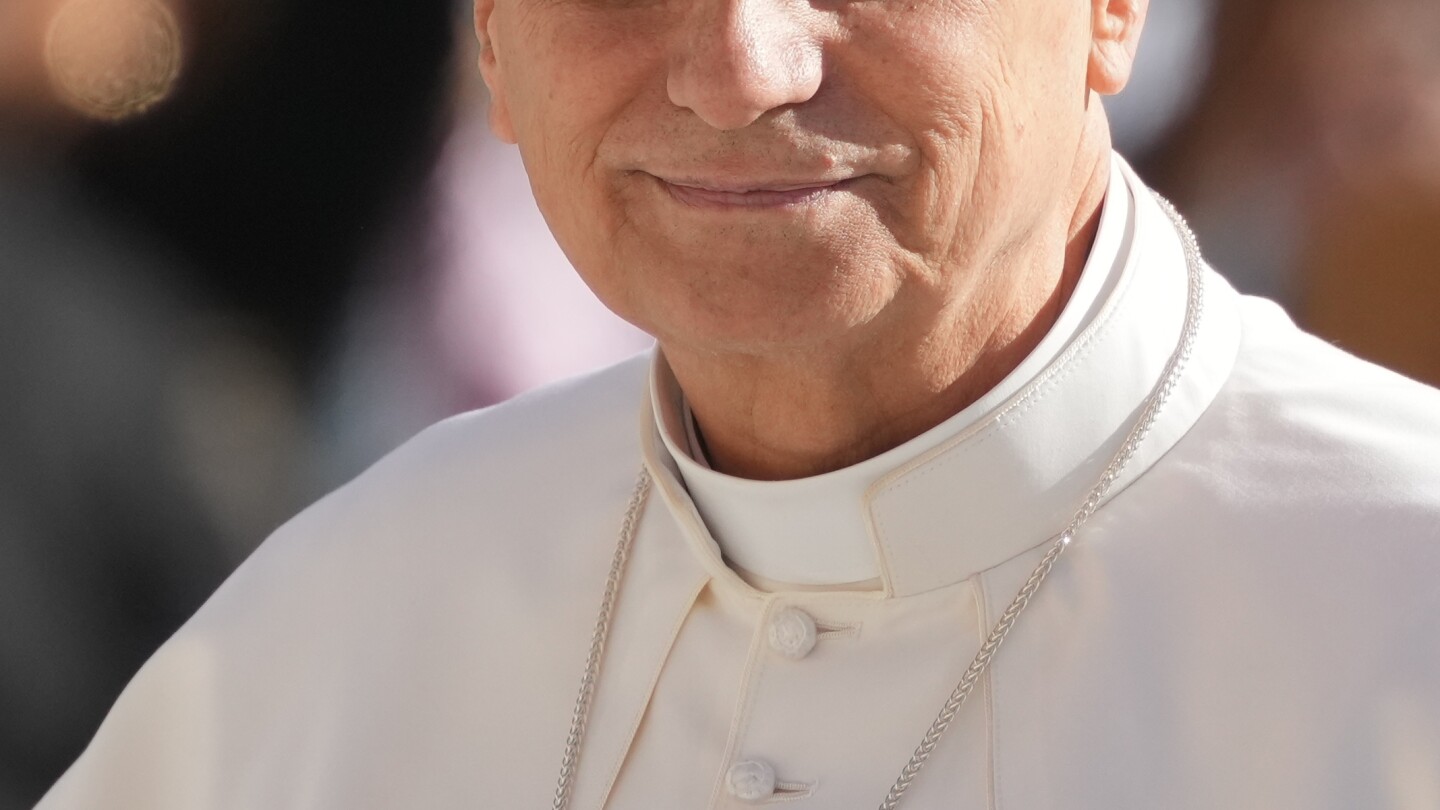
President Maduro asks Pope Leo XIV to help maintain peace in Venezuela
In a bid to address escalating tensions in Venezuela, President Nicolás Maduro has reached out to Pope Leo XIV for assistance in maintaining peace and stability within the South American nation. Maduro made this announcement during his weekly televised address, revealing that he had sent a letter to the pontiff expressing his hopes for Vatican mediation. However, details of the correspondence remain undisclosed, and the government’s press office has yet to release the document. This appeal comes amid heightened military actions by the United States in the Caribbean, where four deadly strikes have been conducted since last month, targeting alleged drug-trafficking operations. The most recent strike, occurring on Friday, resulted in four fatalities. President Donald Trump has characterized these operations as part of an ‘armed conflict’ with cartels, asserting that drug traffickers are unlawful combatants requiring military intervention. This stance has sparked debates over the extent of presidential war powers and the need for congressional approval. Maduro has consistently accused the U.S. of orchestrating these actions to destabilize his government and force his removal from power.
-
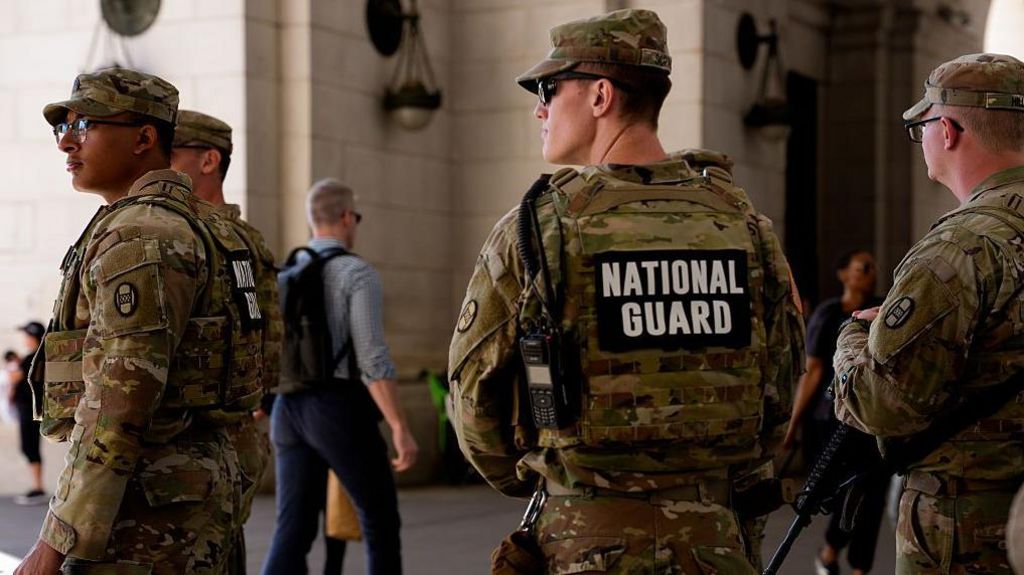
Why is Trump trying to deploy the National Guard to US cities?
Since assuming office, President Donald Trump has repeatedly stirred controversy with his unconventional deployment of the National Guard, traditionally a state-based force reserved for natural disasters or large-scale protests. Trump has sought to repurpose these troops to address political unrest in major U.S. cities, particularly in response to protests against his immigration policies. He argues that the National Guard is essential to quell violence, support deportation initiatives, and combat crime in Democratic-controlled cities. However, critics, including former military officials, Democratic governors, and federal judges, have raised concerns about the politicization of the military and potential overreach of presidential authority. The latest flashpoint occurred in early October when Trump attempted to deploy National Guard troops to Portland, Oregon, where protests erupted outside a U.S. Immigration and Customs Enforcement (ICE) building. A federal judge temporarily blocked the move, and the legal battle continues. The National Guard, which operates under state governors during emergencies, can be federalized by the president under specific circumstances. Trump has invoked U.S. Code § 12406, which allows the president to call National Guard troops into federal service in cases of invasion or rebellion, to support ICE missions. However, his actions have faced legal challenges, including a ruling that his deployment of troops in Los Angeles violated the Posse Comitatus Act, which restricts the use of military force for domestic matters. Trump’s recent attempt to send 300 National Guard troops to Chicago following immigration protests has also drawn criticism, with Illinois Governor JB Pritzker accusing him of manufacturing a crisis. In Portland, federal law enforcement clashed with demonstrators opposing Trump’s mass deportation initiative, leading to arrests and the use of tear gas. Despite Trump’s claims of lawlessness, Oregon Governor Tina Kotek dismissed the notion of an insurrection or national security threat. The Trump administration is expected to appeal the recent court rulings blocking his deployment of the National Guard in Oregon.
-
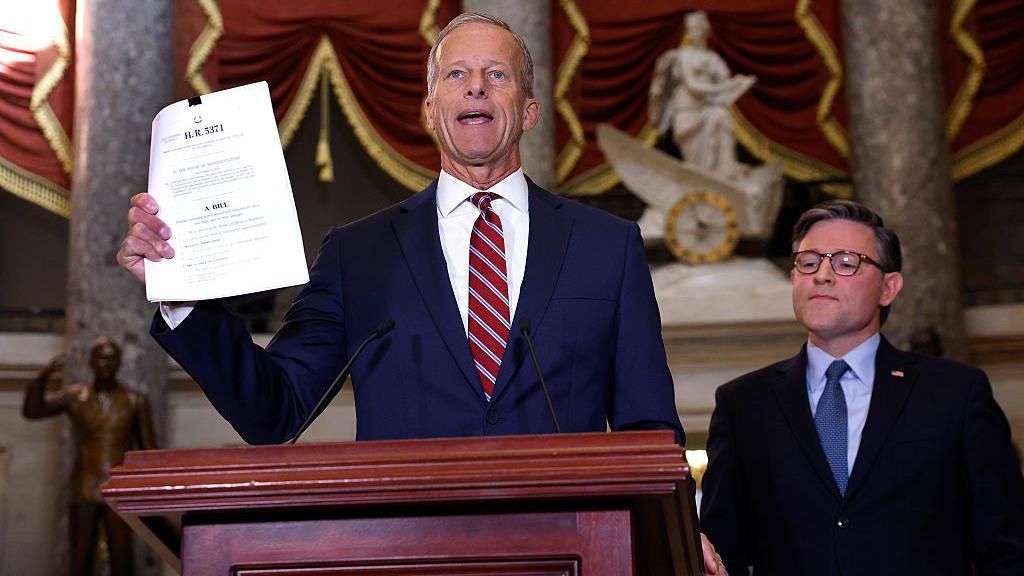
Senate to vote again on funding the US government
The United States Senate convened on Monday to vote on competing proposals aimed at reopening the federal government, yet neither resolution garnered sufficient support to pass. This deadlock ensures that the government shutdown, now in its sixth day, will persist for the foreseeable future. President Donald Trump issued a stark warning earlier in the day, cautioning that further legislative failures could lead to widespread layoffs among federal employees. Thousands have already been furloughed or forced to work without pay since funding for their agencies expired last week. The impasse between Democrats and Republicans shows no signs of resolution, with both parties entrenched in mutual blame. Democrats insist that any funding bill must address healthcare provisions, particularly safeguarding subsidies for lower-income Americans and reversing cuts to Medicaid. Republicans, however, advocate for a ‘clean’ funding bill, free of additional policy riders. The White House has repeatedly warned of ‘imminent’ permanent layoffs, a sentiment echoed by Press Secretary Karoline Leavitt, who stated that the Office of Management and Budget is preparing for such outcomes. Leavitt urged Democrats to relent, emphasizing, ‘There’s nothing to negotiate. Just reopen the government.’ Meanwhile, in separate interviews on NBC’s ‘Meet the Press,’ House Democratic Leader Hakeem Jeffries and Republican Speaker Mike Johnson each accused the opposing party of perpetuating the stalemate. Jeffries criticized Republicans for ‘lying’ about Democratic intentions, while Johnson claimed Democrats were ‘not serious’ in negotiations. The ongoing shutdown underscores the deep partisan divide in Washington, with no immediate solution in sight.
-
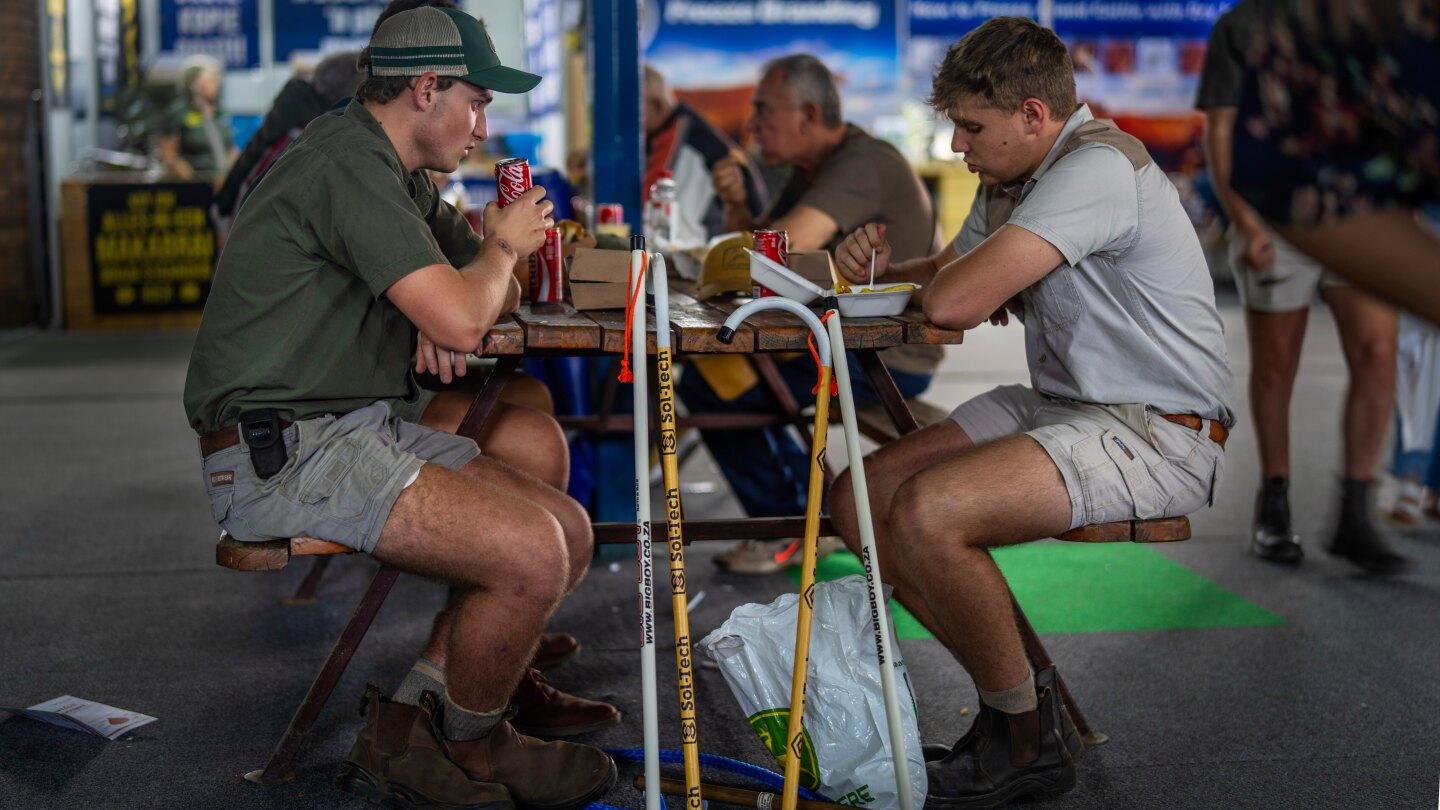
What to know about the white South Africans Trump may prioritize in new refugee quota for the US
In a controversial move, U.S. President Donald Trump is reportedly considering a significant reduction in the number of refugees admitted to the United States for the current fiscal year, with a focus on prioritizing white South Africans, particularly the Afrikaner minority. Sources indicate that the refugee intake could be slashed to as few as 7,500, a stark contrast to the 125,000 target set during the Biden administration. This shift is part of a broader strategy to address what the U.S. government describes as discrimination and violence against Afrikaners in South Africa, claims that the South African government vehemently denies, labeling them as “completely false” and based on misinformation.
The Afrikaners, descendants of Dutch and French colonial settlers, have been a focal point of U.S. policy discussions since Trump issued an executive order in February accusing the South African government of rights violations against this minority group. The order directed U.S. agencies to prioritize humanitarian relief and relocation efforts for Afrikaners under the United States Refugee Admissions Program. Earlier this year, the Trump administration launched a fast-track relocation program, which has already seen around 70 white South Africans resettled in the U.S. in May and June.
South African officials have dismissed the claims of persecution, emphasizing that violent crime affects all citizens and that land expropriation laws are aimed at redistributing unused land to poor Black South Africans. Despite these denials, conservative commentators and figures like Elon Musk have amplified the narrative of Afrikaner persecution, further complicating diplomatic relations between the two nations. The U.S. Embassy in South Africa has noted a “sizable volume of submissions” for refugee status, though exact numbers remain undisclosed.
-
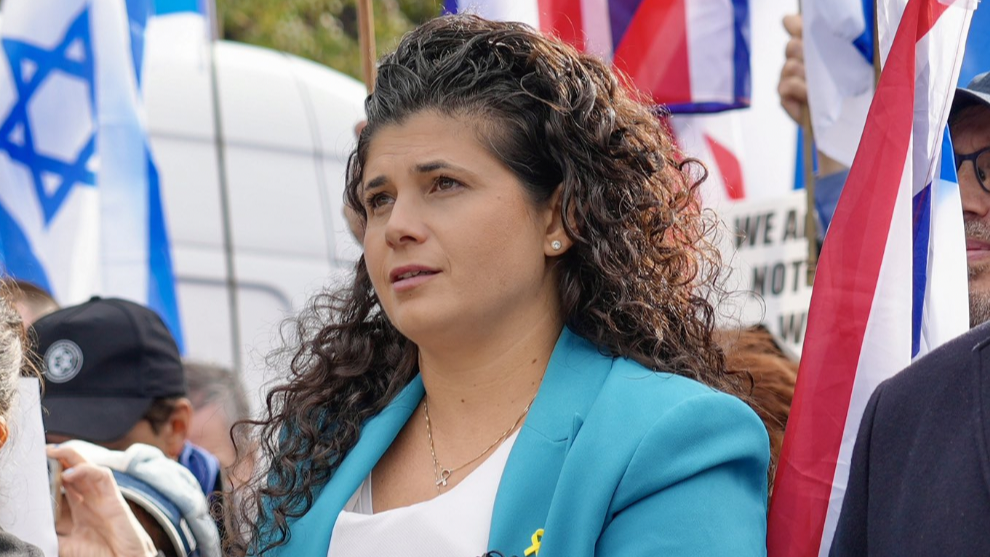
Controversial Israeli minister visits UK as colleague invites Tommy Robinson to Israel
In a striking display of defiance and concern, Israel’s Deputy Minister of Foreign Affairs, Sharren Haskel, addressed a crowd in Manchester on Sunday while wearing a bulletproof vest. Her appearance came just days after her colleague, Diaspora Minister Amichai Chikli, invited far-right activist Tommy Robinson to Israel, sparking widespread controversy. Haskel’s visit followed a deadly attack on a Manchester synagogue on October 2, which left two dead and four wounded. Greater Manchester Police later admitted to shooting one of the victims, further intensifying tensions. Speaking to hundreds of mourners, Haskel declared, ‘Here as a Jew, I am not safe in your streets,’ emphasizing the threats faced by Jewish communities globally. She framed her bulletproof vest as a symbol of strength and unity, stating, ‘Wherever Jews are threatened, we stand united.’ Haskel’s presence in the UK has been contentious. Earlier this year, she faced condemnation from British parliamentarians for secretly filming them during a visit to Israel and posting disparaging remarks on social media. Despite this, she was permitted entry into the UK last week. Her visit coincided with Chikli’s announcement to host Tommy Robinson, a convicted criminal and far-right figure, in Israel. Robinson, whose real name is Stephen Yaxley-Lennon, has a history of stoking anti-Islamic sentiment and has been accused of antisemitism. Haskel defended Chikli’s decision, claiming that ‘people are entitled to speak their minds,’ while also calling for stronger measures against antisemitism in the UK. Chikli’s invitation to Robinson has drawn criticism from major British Jewish organizations, including the Board of Deputies of British Jews and the Jewish Leadership Council, who argue that Robinson’s presence undermines efforts to combat extremism. Chikli, however, has dismissed these concerns, labeling the Board as ‘openly aligned with left-wing, woke, pro-Palestinian parties.’ Meanwhile, Haskel met with UK Conservative Party leader Kemi Badenoch to discuss the alarming rise in antisemitism across Europe. She also addressed the Conservative Friends of Israel reception at the party’s annual conference, reinforcing her commitment to protecting Jewish communities worldwide.