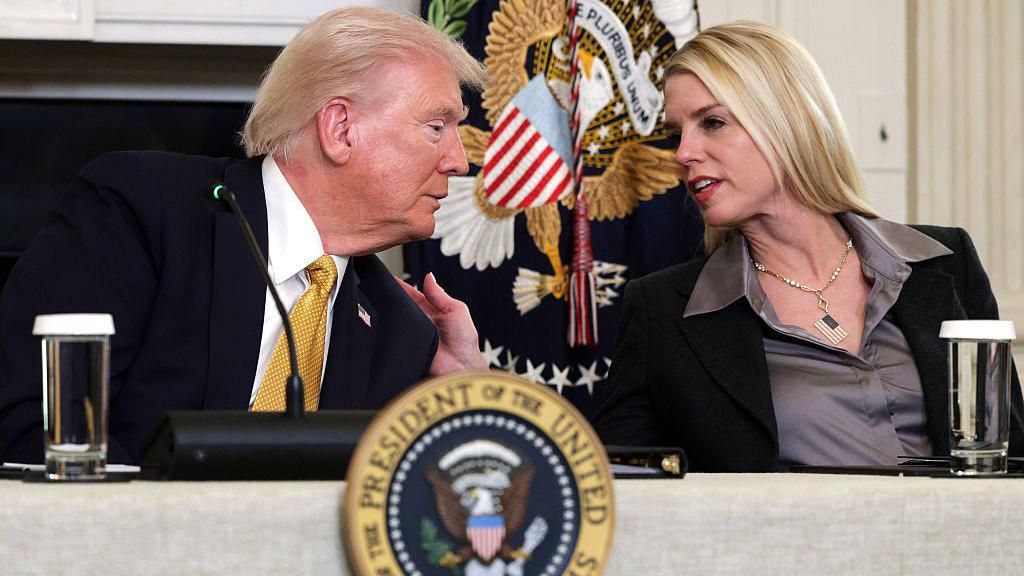
In a significant development, former US President Donald Trump has announced plans to initiate an investigation into the alleged connections between convicted financier Jeffrey Epstein and prominent Democrats, including former President Bill Clinton, as well as major financial institutions. Trump, via social media, stated that he would direct Attorney General Pam Bondi and the FBI to scrutinize Epstein’s ‘involvement and relationship’ with Clinton and others to uncover the extent of their associations. This move follows the recent release of over 20,000 pages of documents from Epstein’s estate by US lawmakers, some of which mention Trump. Clinton has vehemently denied any awareness of Epstein’s criminal activities. Trump also called for the Department of Justice (DoJ) to investigate JP Morgan and Chase, former Treasury Secretary Larry Summers, and LinkedIn founder Reid Hoffman, a notable Democratic donor. Trump emphasized, ‘Epstein was a Democrat, and he is the Democrat’s problem, not the Republican’s problem!’ A spokesperson for JPMorgan Chase expressed regret over any past association with Epstein but clarified that the bank did not facilitate his crimes. This investigation request precedes a crucial House of Representatives vote next week on whether the DoJ should release all files related to the Epstein probe. The vote was triggered by Democrat Adelita Grijalva’s swearing-in and her immediate signing of a discharge petition, which garnered the necessary 218 signatures to proceed.
分类: politics
-
US to consider obesity, special-needs children as factors in refusing long-term visas
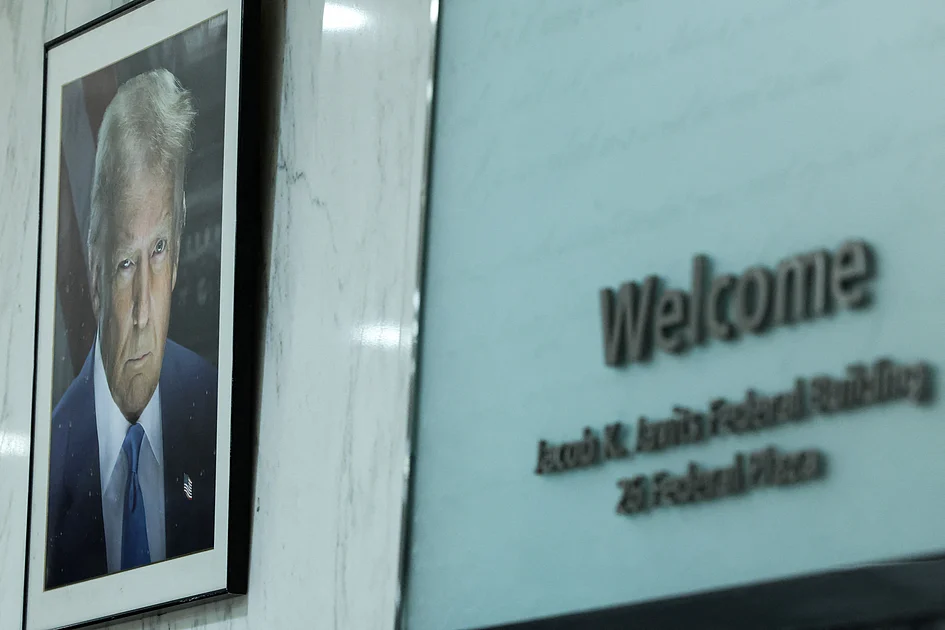
The United States is set to consider obesity and the presence of children with special needs as grounds for rejecting long-term immigrant visas. This move, part of President Donald Trump’s broader immigration crackdown, aims to prevent individuals who might become a ‘public charge’ from entering the country. In a recent directive, Secretary of State Marco Rubio instructed US embassies to evaluate visa applicants based on factors such as obesity, which could necessitate costly long-term medical care. Additionally, embassies are to assess whether dependents have disabilities or chronic conditions that might limit the applicant’s ability to work. The policy, first reported by KFF Health News and confirmed by a source to AFP, underscores the Trump administration’s commitment to reducing the financial burden on American taxpayers. The United States, already grappling with high obesity rates, particularly in states that supported Trump, will apply these criteria to immigration applicants but not to short-term visitors. This initiative aligns with Trump’s campaign promise to tighten immigration controls, including the deportation of undocumented migrants, even those without criminal records beyond immigration violations. Rubio has also targeted visa cancellations for individuals perceived as opposing US foreign policy, particularly regarding Israel.
-
Tanzania president promises probe into election protest deaths
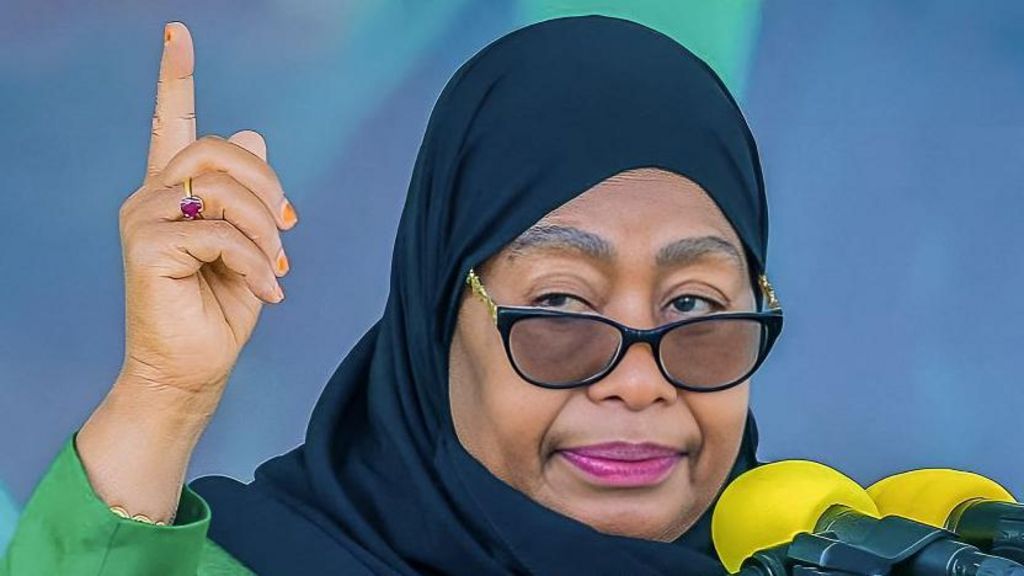
Tanzanian President Samia Suluhu Hassan has initiated an official investigation into the widespread unrest that erupted during the recent election week, following allegations that her government violently suppressed historic protests. The announcement comes after she was re-elected with an overwhelming 98% of the vote, a result the opposition has labeled a ‘mockery of democracy.’ In a parliamentary address, President Samia urged prosecutors to exercise leniency towards those arrested during the violence, invoking a biblical reference: ‘Father, forgive them, for they know not what they do.’ Her call for mercy aligns with the UN High Commissioner for Human Rights, Volker Türk’s, plea for a transparent investigation into reports of killings and human rights violations during and after the 29 October elections. The opposition claims hundreds may have died in the post-election chaos, though official figures remain undisclosed. The violence has shocked a nation long regarded as a bastion of stability and order. President Samia emphasized the need for political parties to engage in constructive dialogue and reaffirmed her commitment to a new constitution-making process. Analysts attribute the unrest to a tense political climate fueled by stalled reforms, youth discontent, internal power struggles within the ruling party, and the systematic exclusion of opposition leaders from the election. While President Samia’s initial leadership was praised for fostering openness, recent months have seen a surge in abductions, arrests, and killings of opposition members, casting doubt on her reform agenda.
-
Fears over migration and crime push Chile’s presidential race to the right
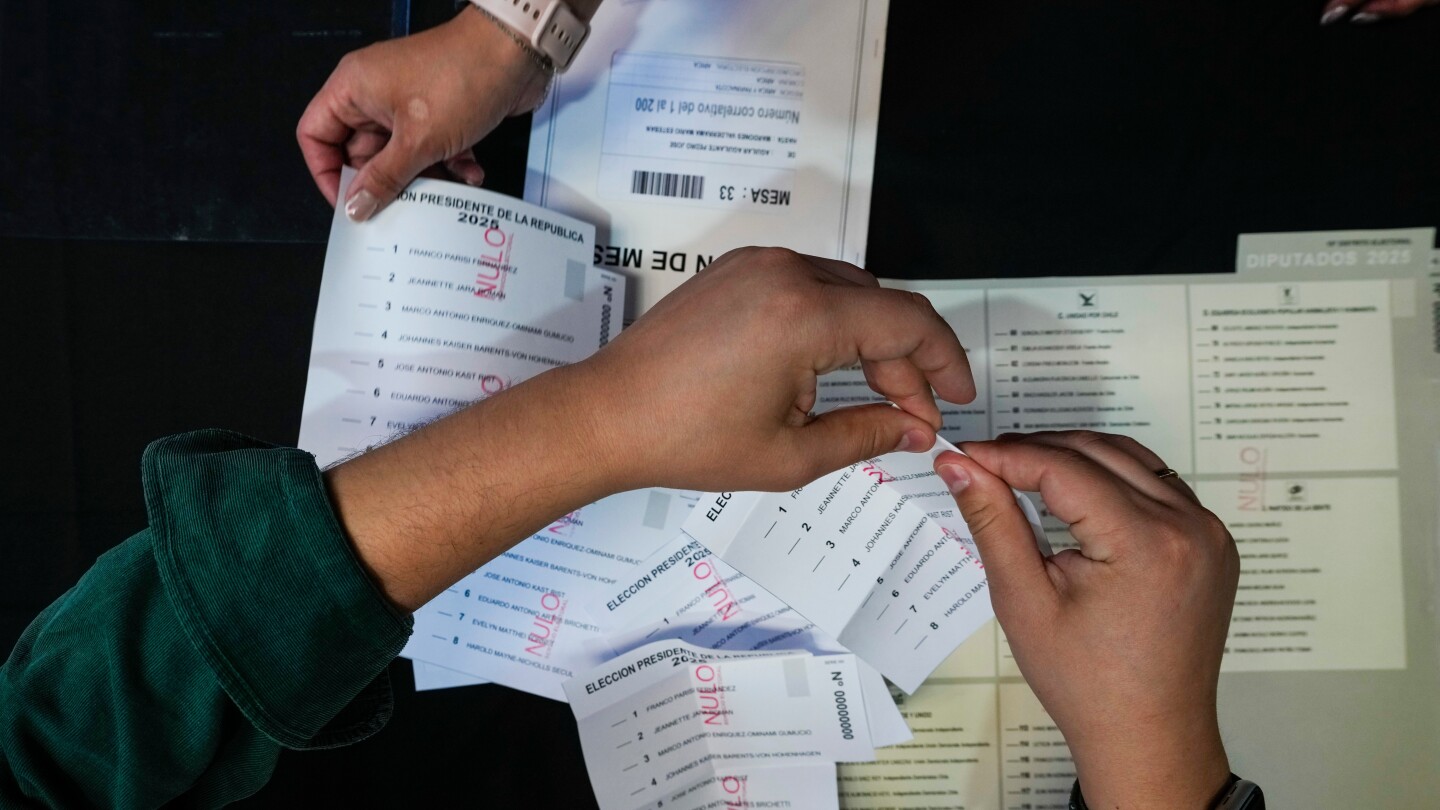
In Santiago, Chile, the final campaign rally for radical libertarian candidate Johannes Kaiser mirrored the fervor of a Donald Trump event, complete with MAGA-style caps, AC/DC anthems, and red, white, and blue flags. Kaiser, who is gaining traction ahead of Sunday’s presidential election, tapped into rising fears of uncontrolled migration, a sentiment that has pushed even the governing coalition’s Communist candidate, Jeannette Jara, to adopt tougher stances on immigration. Kaiser’s supporters, like Claudia Belmonte, praised his promises to “Make Chile Great Again,” close borders to Venezuelan migrants, and withdraw from the United Nations. The surge in anti-immigrant rhetoric reflects broader concerns over transnational gangs like Tren de Aragua, which have brought violent crimes such as kidnappings and contract killings to Chile, a nation once considered one of Latin America’s safest. This shift marks a stark contrast to the 2019 social upheaval that propelled leftist Gabriel Boric to the presidency. Now, experts say nativist fears could benefit ultraconservative candidate José Antonio Kast, who is polling strongly but unlikely to secure a first-round victory. The campaign has seen candidates across the political spectrum, including Jara, adopt hardline immigration policies inspired by figures like Trump and El Salvador’s Nayib Bukele. Kast, a devout Catholic and father of nine, has focused on his tough-on-migration platform, distancing himself from his conservative cultural values. Meanwhile, Kaiser’s extreme proposals, such as building a border wall and mass deportations, have positioned him as a more radical alternative. The election underscores a broader redirection of public anger from economic inequality to immigration, reshaping Chile’s political landscape.
-
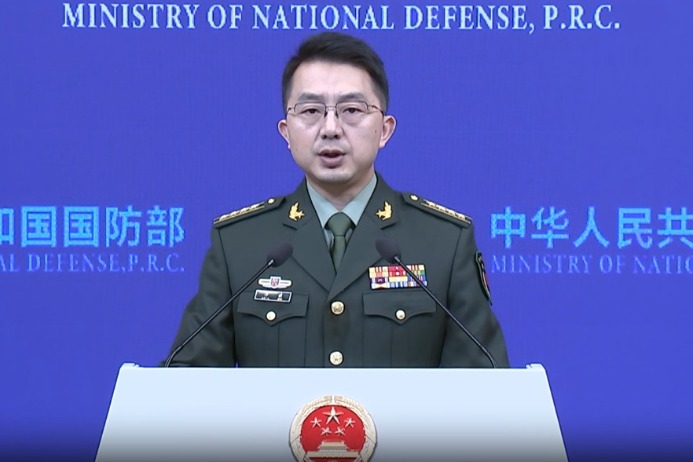
Japan will only suffer a crushing defeat should it dare to take a risk: Defense spokesperson
In a stern warning issued on November 14, 2025, Senior Colonel Jiang Bin, a spokesperson for China’s Ministry of National Defense, cautioned Japan against any attempts to interfere in the Taiwan issue. The statement came in response to recent remarks by Japanese Prime Minister Sanae Takaichi, who suggested that Japan might exercise its right to collective self-defense if China were to use military force against Taiwan. Colonel Jiang emphasized that such actions would result in a devastating defeat for Japan at the hands of the Chinese People’s Liberation Army (PLA).
The spokesperson condemned Prime Minister Takaichi’s comments as a blatant violation of the one-China principle and a gross interference in China’s internal affairs. He further stated that these remarks undermined the spirit of the four political documents between China and Japan, challenged the post-war international order, and sent dangerous signals to ‘Taiwan independence’ separatist forces. Colonel Jiang described the Japanese leader’s statements as irresponsible and detrimental to regional stability.
Colonel Jiang reiterated that Taiwan is an inalienable part of China and that any foreign intervention in the Taiwan question is unacceptable. He referenced the 80th anniversaries of the victory in the Chinese People’s War of Resistance against Japanese Aggression and the restoration of Taiwan, underscoring the historical significance of these events. The spokesperson concluded with a strong warning: should Japan fail to learn from history and attempt to interfere militarily in Taiwan, it would face a crushing defeat and severe consequences.
-
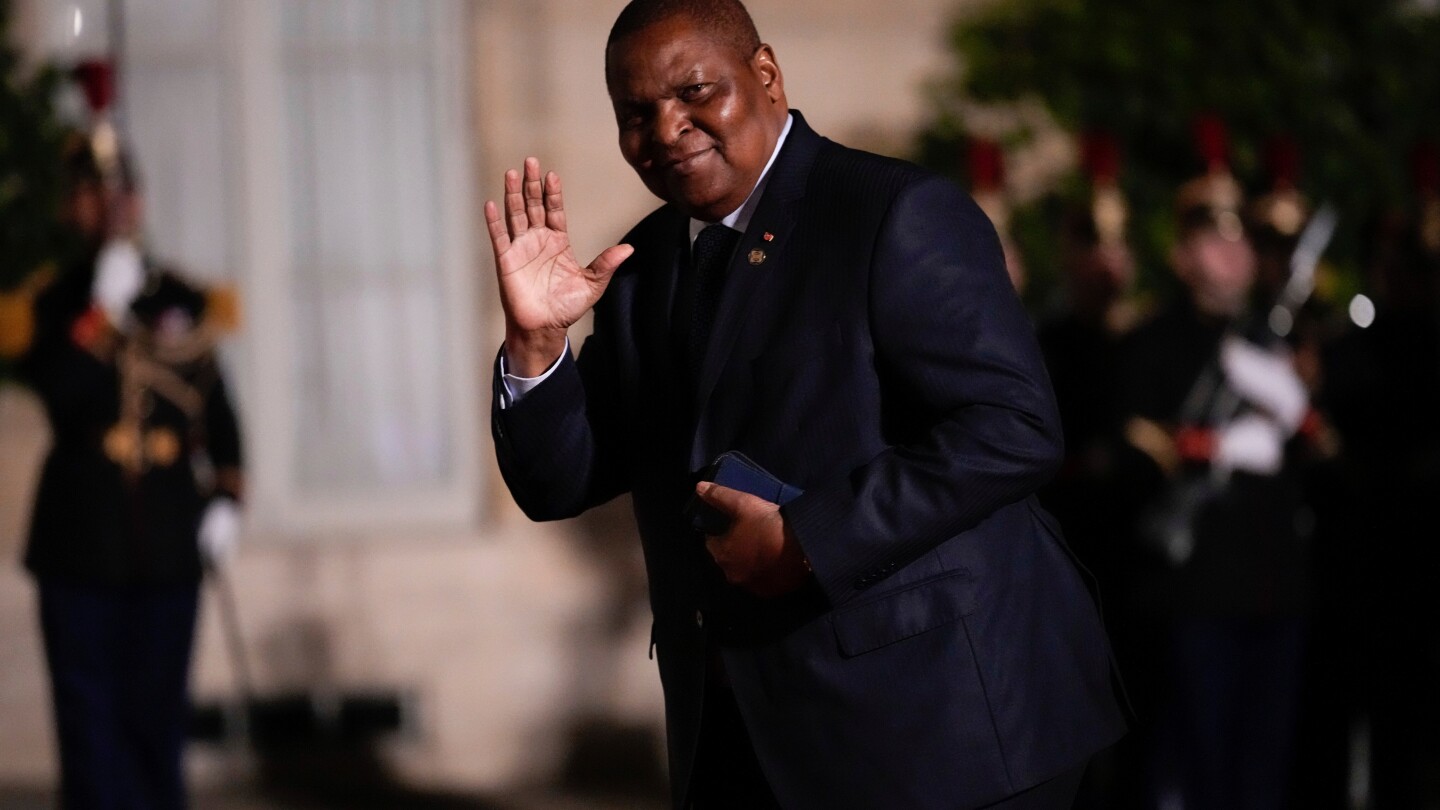
Central African Republic leader cleared for third term in key vote followed closely by Russia
The Constitutional Court of the Central African Republic (CAR) has officially approved President Faustin Archange Touadera’s candidacy for the December 28 election, alongside opposition leader Anicet Georges Dologuélé and five other contenders. This decision comes as the nation grapples with a worsening security crisis and Touadera’s increasing reliance on Russian support for stability. Since assuming office in 2016 and securing reelection in 2021, Touadera has emerged as one of Russia’s strongest allies in Africa. The Russian mercenary group Wagner, which established its presence in CAR to combat rebel groups and restore peace, has played a pivotal role in safeguarding Touadera’s government. However, tensions have arisen over Russia’s push to replace Wagner with its state-run Africa Corps and demands for payment in cash rather than minerals. Wagner’s effectiveness in protecting Touadera and securing the capital in 2021 has made the government hesitant to comply with Moscow’s requests. The country has been embroiled in conflict since 2013, when Muslim rebels seized power, and a fragile 2019 peace deal remains incomplete. The court’s decision coincided with the UN Security Council extending its peacekeeping mission in CAR for another year, underscoring the ongoing challenges in the region.
-
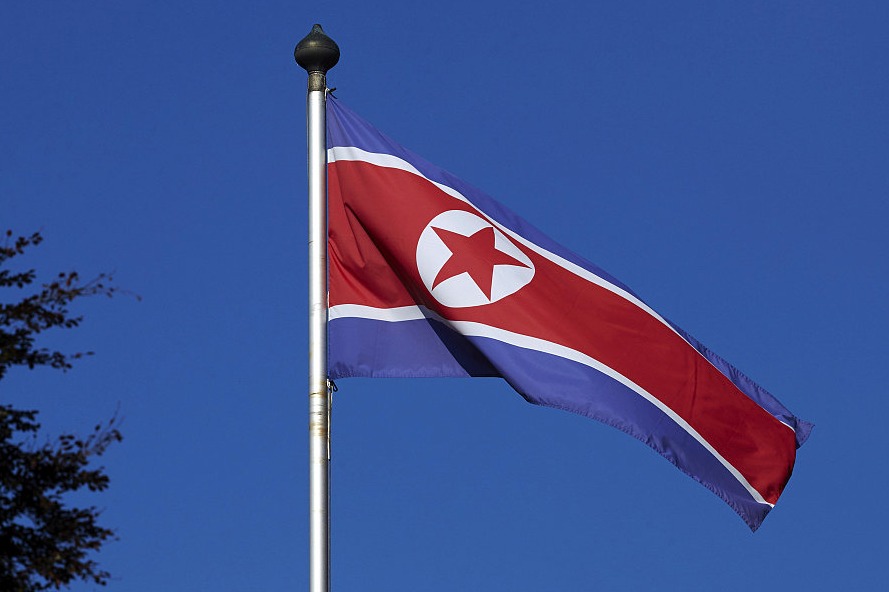
DPRK denounces G7’s denuclearization statement
The Democratic People’s Republic of Korea (DPRK) has strongly criticized a recent joint statement by G7 foreign ministers advocating for the country’s complete denuclearization. The official Korean Central News Agency reported on Friday that the DPRK remains unwavering in its stance on nuclear possession, citing the current geopolitical climate as justification. Foreign Minister Choe Son-hui emphasized that the DPRK’s nuclear arsenal is essential for deterring hostile states and ensuring national security. She accused the G7 of posing a significant nuclear threat to global peace and asserted that the group has no authority to dictate how sovereign states should defend themselves. Choe reiterated the DPRK’s commitment to its Constitution, which enshrines the right to possess nuclear weapons as long as external nuclear threats persist and hegemonic forces exist. The statement underscores the DPRK’s determination to safeguard its sovereignty and resist international pressure to disarm.
-
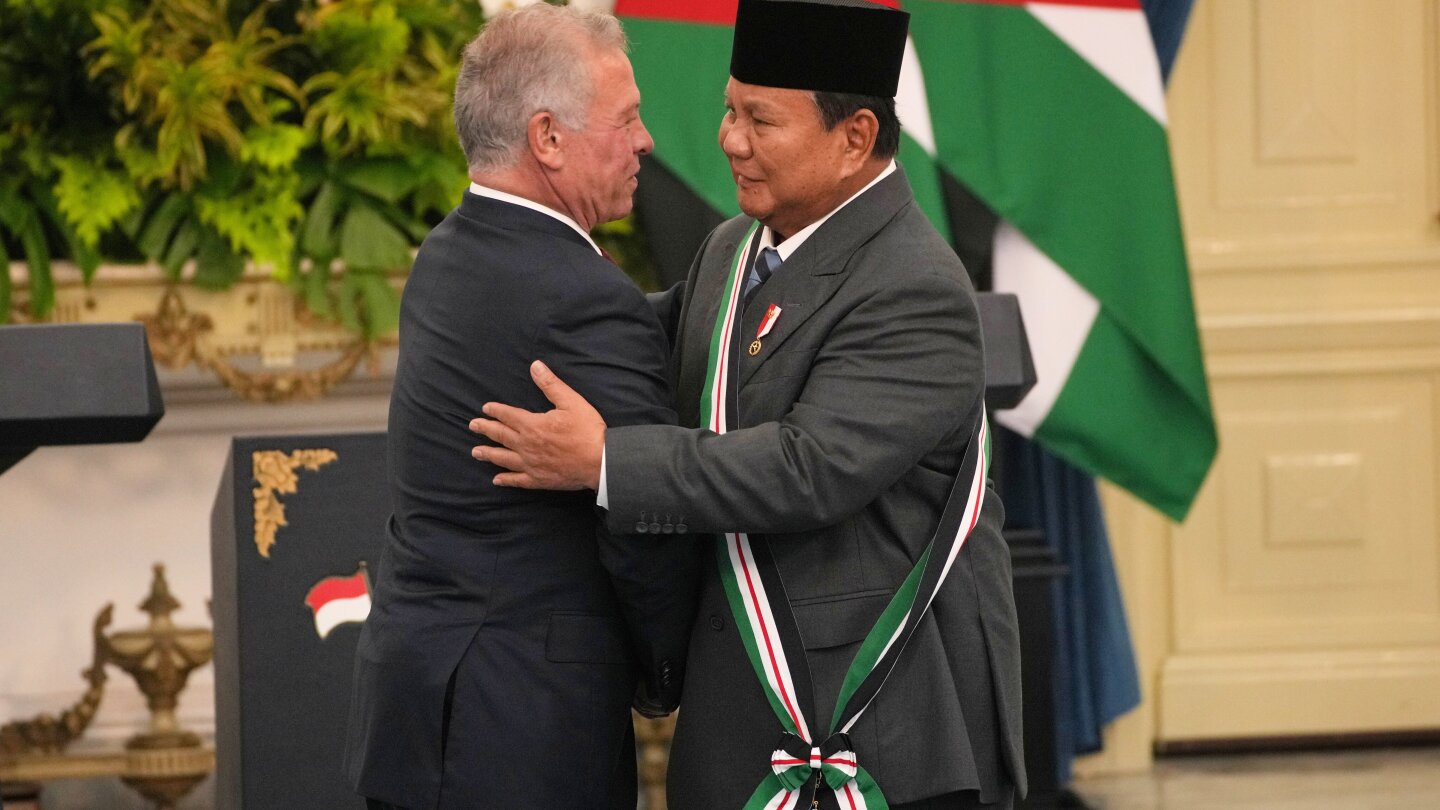
Jordan’s king and Indonesia’s leader hold talks on economic ties and Gaza
JAKARTA, Indonesia — King Abdullah II of Jordan and Indonesian President Prabowo Subianto convened on Friday to bolster military cooperation and economic partnerships between their two Muslim-majority nations. The leaders, who share a decades-long personal bond rooted in their time as alumni of the U.S. Fort Benning military academy, emphasized the importance of deepening bilateral ties during Abdullah’s state visit to Indonesia. This visit marks the fourth leg of the king’s Asian tour, which includes stops in Japan, Vietnam, Singapore, and Pakistan. The discussions between the two leaders underscored their shared commitment to enhancing collaboration in defense, intelligence, and economic development. Notably, the leaders oversaw the signing of agreements, including intelligence-sharing initiatives related to Gaza, reflecting Jordan’s pivotal role in supporting Indonesia’s humanitarian efforts in the region. Additionally, Abdullah’s visit included meetings with representatives of Indonesia’s sovereign wealth fund, Danantara Indonesia, to explore opportunities for sustainable investments that align with Indonesia’s economic growth and global partnerships. Despite modest Jordanian investments in Indonesia, totaling $5.41 million in the first quarter of 2024, both nations expressed optimism about expanding trade and economic cooperation. The visit also highlighted the leaders’ personal rapport, with Subianto hosting Abdullah at his private residence—a rare gesture underscoring their close relationship. Abdullah’s trip concluded with his departure to Pakistan for further diplomatic engagements.
-
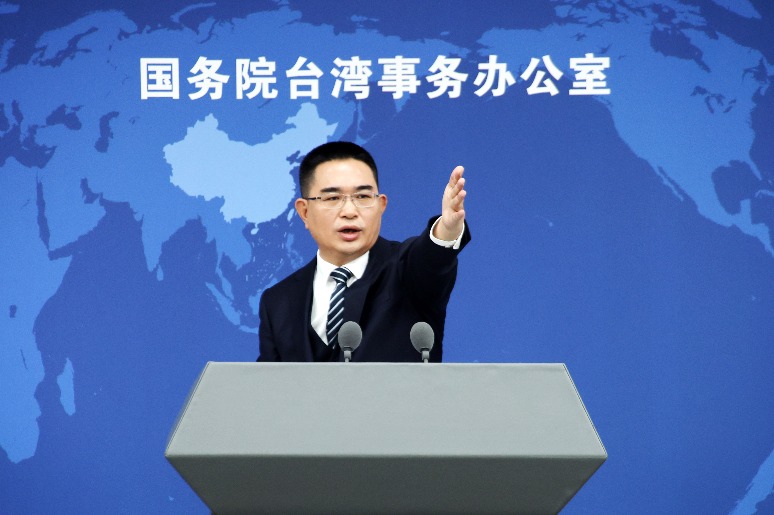
Mainland warns ‘Taiwan independence’ separatists of self-destruction
In a strongly worded statement on Friday, Chen Binhua, spokesman for the State Council Taiwan Affairs Office, issued a stark warning to ‘Taiwan independence’ separatists, emphasizing that their continued actions would lead to their own downfall. Chen specifically targeted Shen Pao-yang, a prominent figure in the ‘Taiwan independence’ movement, who is currently under criminal investigation by mainland authorities for alleged acts of secession. Shen, also known as Puma Shen, recently made provocative remarks during a hearing at the German federal parliament, the Bundestag, asserting his defiance against Chinese pressure. Chen dismissed Shen’s activities and those of the Democratic Progressive Party as ‘sneaky’ and a ‘self-directed farce,’ highlighting their growing desperation as they face the consequences of their separatist agenda. ‘The more frenzied the ‘Taiwan independence’ separatists become on this dead-end path, the sooner they will perish,’ Chen stated, adding that they would face the ‘judgment of justice and a fate of disgrace.’ The mainland’s firm stance underscores its unwavering commitment to national sovereignty and territorial integrity, reiterating that any attempts to divide China are doomed to fail.
-
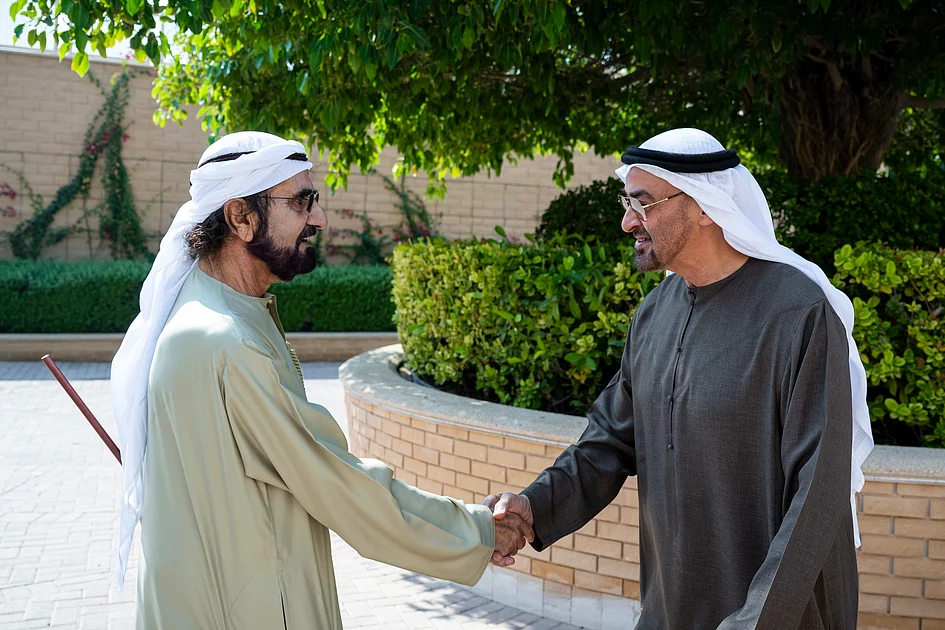
Watch: UAE President meets Sheikh Mohammed, Dubai Crown Prince
In a significant gathering of the UAE’s top leadership, President Sheikh Mohamed bin Zayed Al Nahyan met with Sheikh Mohammed bin Rashid Al Maktoum, Vice President, Prime Minister, and Ruler of Dubai. The meeting, held on November 14, 2025, was attended by Sheikh Mansour bin Zayed Al Nahyan, Vice President, Deputy Prime Minister, and Chairman of the Presidential Court, along with other prominent figures including Sheikh Hamdan bin Mohammed bin Rashid Al Maktoum, Crown Prince of Dubai, and Sheikh Maktoum bin Mohammed bin Rashid Al Maktoum, First Deputy Ruler of Dubai. The leaders engaged in cordial and fraternal discussions on a wide range of topics, reflecting the unity and collaborative spirit within the UAE’s leadership. The meeting underscored the nation’s commitment to addressing key issues through dialogue and cooperation. A video of the event was shared by the Emirates News Agency (WAM), highlighting the warm and productive nature of the discussions.