分类: politics

  • Taiwan’s character of the year a vote against confrontation

    Taiwan’s character of the year a vote against confrontation

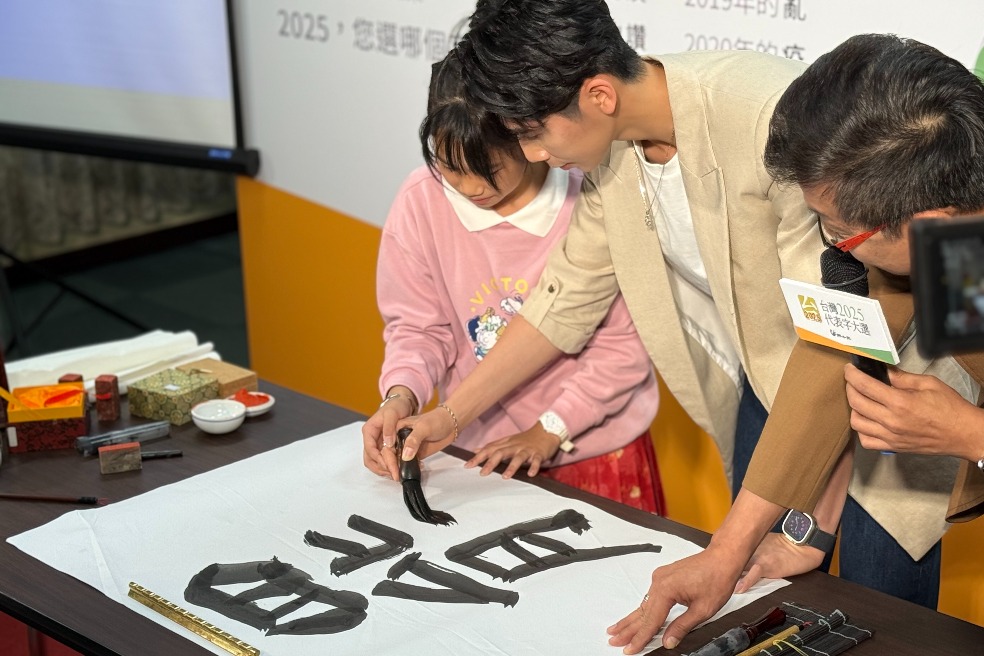
    In a revealing cultural barometer of public sentiment, Taiwan’s annual character selection for 2025 has delivered a powerful message against political confrontation and division. The character ‘ba’ (罷), meaning ‘dismiss’ or ‘recall,’ emerged victorious with over 15,000 votes from nearly 78,000 cast in the eighteen-year-old poll organized by Taiwan’s United Daily News.

    The selection reflects widespread public dissatisfaction with recent recall campaigns initiated by the Democratic Progressive Party authorities targeting opposition figures. These efforts, which targeted 31 Kuomintang legislators and the suspended mayor of Hsinchu during July and August, ultimately failed but exposed deep societal fractures.

    Ko Chih-en, a Kuomintang member who nominated the character, characterized the recall movement as having ‘pushed Taiwan into deeper division,’ expressing hope that ‘hatred-driven mobilization will no longer destroy Taiwan’s future.’ The sentiment was echoed by Ou Kuei-chih, a high school teacher who noted the campaigns had ‘torn Taiwan society apart’ while giving voice to those traditionally suppressed by pro-independence forces.

    Simultaneously, the cross-strait character of the year, ‘shi’ (勢), meaning ‘trend’ or ‘momentum,’ captured the broader regional perspective. Selected through an online poll organized by Taiwan’s Want Want China Times Media Group and Fujian’s Xiamen Daily, ‘shi’ received an overwhelming 1.28 million votes from 15.82 million total cast.

    Professor Xie Qingguo of Xiamen University’s School of Journalism and Communication articulated the significance, stating in a video message that ‘promoting peaceful cross-strait development is an unstoppable trend and the prevailing momentum.’ Organizers noted the character accurately represents both the direction of historical development and the collective consciousness surrounding evolving cross-strait relations.

    The character selections coincide with official statements from Beijing emphasizing reunification as the only path forward. Chen Binhua, spokesman for the State Council Taiwan Affairs Office, reiterated that peace remains the shared aspiration across the strait while criticizing current island leader Lai Ching-te as ‘the instigator of tensions and turbulence in the Taiwan Strait’ and ‘the primary source of division within Taiwan society.’

    These parallel character selections, occurring through separate democratic processes on both sides of the strait, collectively signal a public desire for reduced confrontation and recognition of inevitable historical trends toward peaceful development.
  • In a first, Pakistan sentences its former spy chief to 14 years in prison

    In a first, Pakistan sentences its former spy chief to 14 years in prison

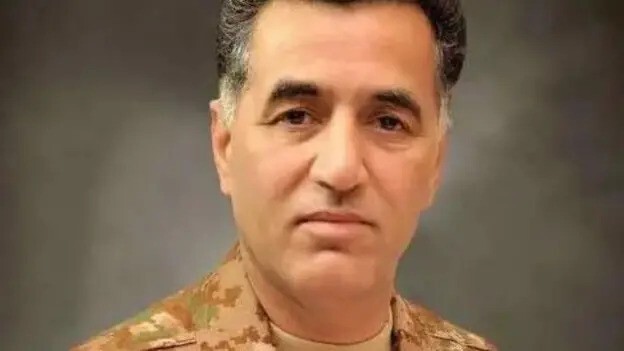
    In an extraordinary development within Pakistan’s military establishment, Lieutenant General Faiz Hameed, former director of the Inter-Services Intelligence (ISI) agency, has been sentenced to 14 years of rigorous imprisonment following a controversial military tribunal. The conviction represents the first instance in Pakistani history where a former intelligence chief has faced such severe judicial consequences.

    The military court found Hameed guilty on four distinct charges: unlawful engagement in political activities, violation of the Official Secrets Act, misappropriation of government resources, and causing significant financial losses to the state. The sentencing marks a dramatic downfall for the once-powerful military figure who was previously regarded as the second-most influential official within Pakistan’s armed forces hierarchy.

    Legal representatives for Hameed have characterized the proceedings as a ‘sham’ trial, alleging numerous procedural irregularities. Defense attorney Ali Ashfaq revealed to international media that his client was denied proper legal representation throughout the judicial process. According to Ashfaq, neither Hameed’s legal team nor family members received advance notification of the December 11th hearing, resulting in the defendant appearing without counsel.

    The Pakistani military’s public relations wing (ISPR) confirmed that court-martial proceedings against Hameed commenced on August 12, 2024, under specific provisions of the Pakistani Army Act. While acknowledging Hameed’s right to appeal, the military statement provided limited details regarding the specific evidence presented during the closed-door proceedings.

    Political analysts interpret this development as part of broader tensions between Pakistan’s military establishment and former Prime Minister Imran Khan, who personally appointed Hameed as ISI chief in 2019. A separate investigation is currently examining allegations that Hameed participated in protests following Khan’s arrest in May 2023.

    Khan, who was democratically elected in 2018 but removed through a parliamentary no-confidence vote in 2022, remains imprisoned since August 2023. The former prime minister maintains that his political downfall was orchestrated by military leadership and has faced multiple legal challenges, including charges under the Official Secrets Act.

    Recent social media communications from Khan’s family and supporters allege harsh prison conditions, including solitary confinement and restricted access to legal representation despite court orders permitting visits. Khan has publicly accused current military leadership of constitutional violations and systematic erosion of fundamental rights in Pakistan.

    The appeal process for Hameed’s case will initially proceed through military channels, with the army chief serving as the first appellate authority. Legal representatives express confidence that higher judicial forums will address what they characterize as fundamental procedural deficiencies in the original trial.

  • US lifts sanctions against Brazilian judge in Bolsonaro case

    US lifts sanctions against Brazilian judge in Bolsonaro case

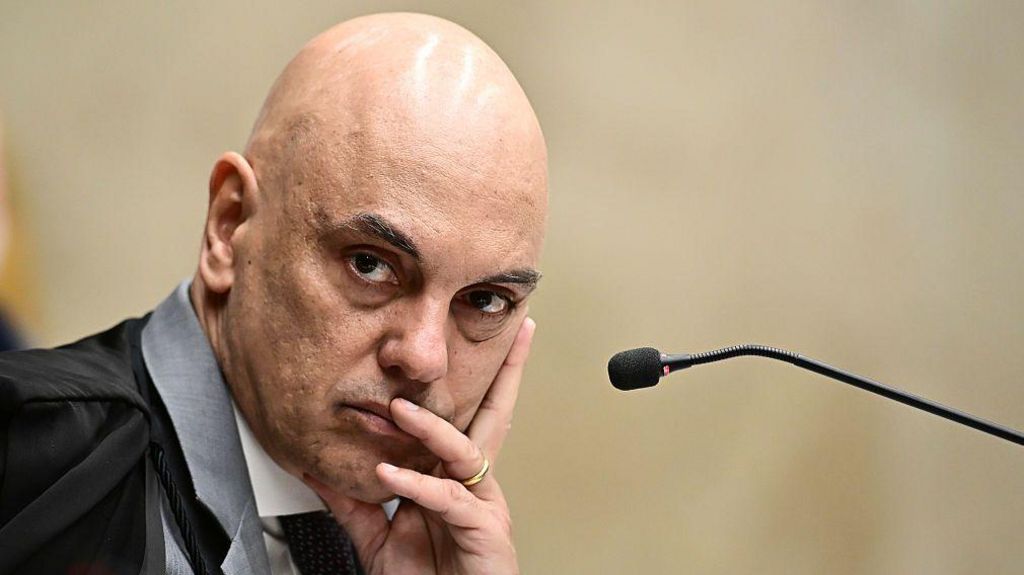
    In a significant diplomatic shift, the United States has removed Brazilian Supreme Court Justice Alexandre de Moraes from its sanctions list, signaling warming relations between the two nations. This development comes shortly after Brazil’s lower house approved legislation that could substantially reduce former President Jair Bolsonaro’s 27-year prison sentence for alleged coup plotting.

    The sanctions reversal, enacted Friday, aligns with the Trump administration’s endorsement of the prospective sentence reduction for Bolsonaro. The controversial legislative proposal, which would shorten the former leader’s term to under three years, now advances to Brazil’s Senate for consideration. Ultimately, it would require ratification by President Luiz Inácio Lula da Silva, Bolsonaro’s political rival, potentially creating a tense political confrontation.

    US Deputy Secretary of State Christopher Landau characterized the development as ‘the beginning of a path to improve our relations’ in a social media statement. The Trump administration had previously imposed sanctions in July, alleging Justice de Moraes had ‘abused his judicial authority to target political opponents’ in his investigation of Bolsonaro’s alleged election interference efforts.

    Brazil’s Minister of Institutional Relations Gleisi Hoffmann hailed the sanctions removal as a victory for both Brazil and the Lula administration. The diplomatic thaw follows recent indications of easing tensions between Presidents Trump and Lula, including what Trump described as a ‘great’ trade discussion earlier this month.

  • Bolivian court orders ex-president jailed for 5 months on corruption charges

    Bolivian court orders ex-president jailed for 5 months on corruption charges

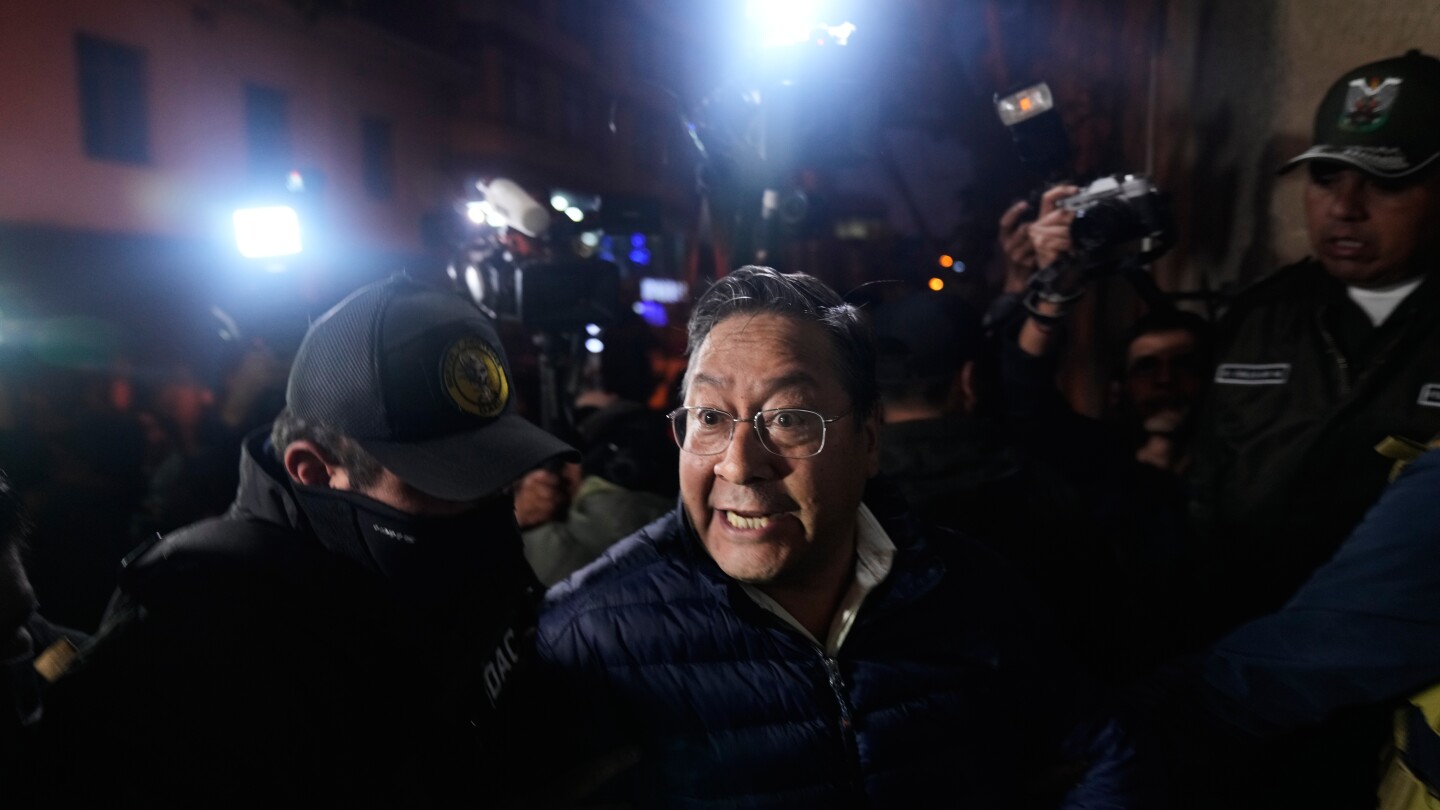
    In a dramatic development shaking Bolivia’s political landscape, a court has mandated the detention of former President Luis Arce for five months as he awaits trial on corruption allegations. The ruling came during a virtual hearing on Friday, just two days after Arce’s unexpected arrest on the streets of La Paz.

    The 62-year-old former leader, who left office merely a month ago following the election of Bolivia’s first conservative president in nearly twenty years, faces charges of breach of duty and financial misconduct. These accusations center on the alleged diversion of millions of dollars from state funds into private accounts during Arce’s tenure as economy minister under former President Evo Morales between 2006 and 2017.

    Despite the initial emergence of these allegations in 2017, investigations remained stagnant during Morales’ presidency, with courts appearing deferential to the ruling political power. The case gained renewed momentum when conservative President Rodrigo Paz assumed office last month, ending the prolonged dominance of the Movement Toward Socialism (MAS) party.

    Arce has vehemently denied all charges, characterizing them as politically motivated persecution. “I’m a scapegoat,” he asserted during the hearing, maintaining that he had no personal involvement in the management of the government fund under scrutiny—a fund designated to support Indigenous communities and peasant farmers who constituted the core base of MAS support.

    Prosecutors allege that Arce orchestrated the siphoning of money from rural development projects to secure loyalty from MAS-allied union and Indigenous leaders during election campaigns. If convicted, the former president could face up to six years imprisonment.

    Arce’s legal team petitioned for his release pending trial, citing his previous battle with kidney cancer, but Judge Elmer Laura rejected the appeal. The judge exceeded the prosecution’s request for three months in a juvenile detention center by ordering five months in a state prison, emphasizing that the alleged crimes “directly affect state assets and resources that were allocated to vulnerable sectors.”

    The case represents a significant test for Bolivia’s judicial independence and threatens to deepen the country’s political divisions as it grapples with its most severe economic crisis in four decades.

  • UN investigators file report on misconduct allegations against ICC prosecutor

    UN investigators file report on misconduct allegations against ICC prosecutor

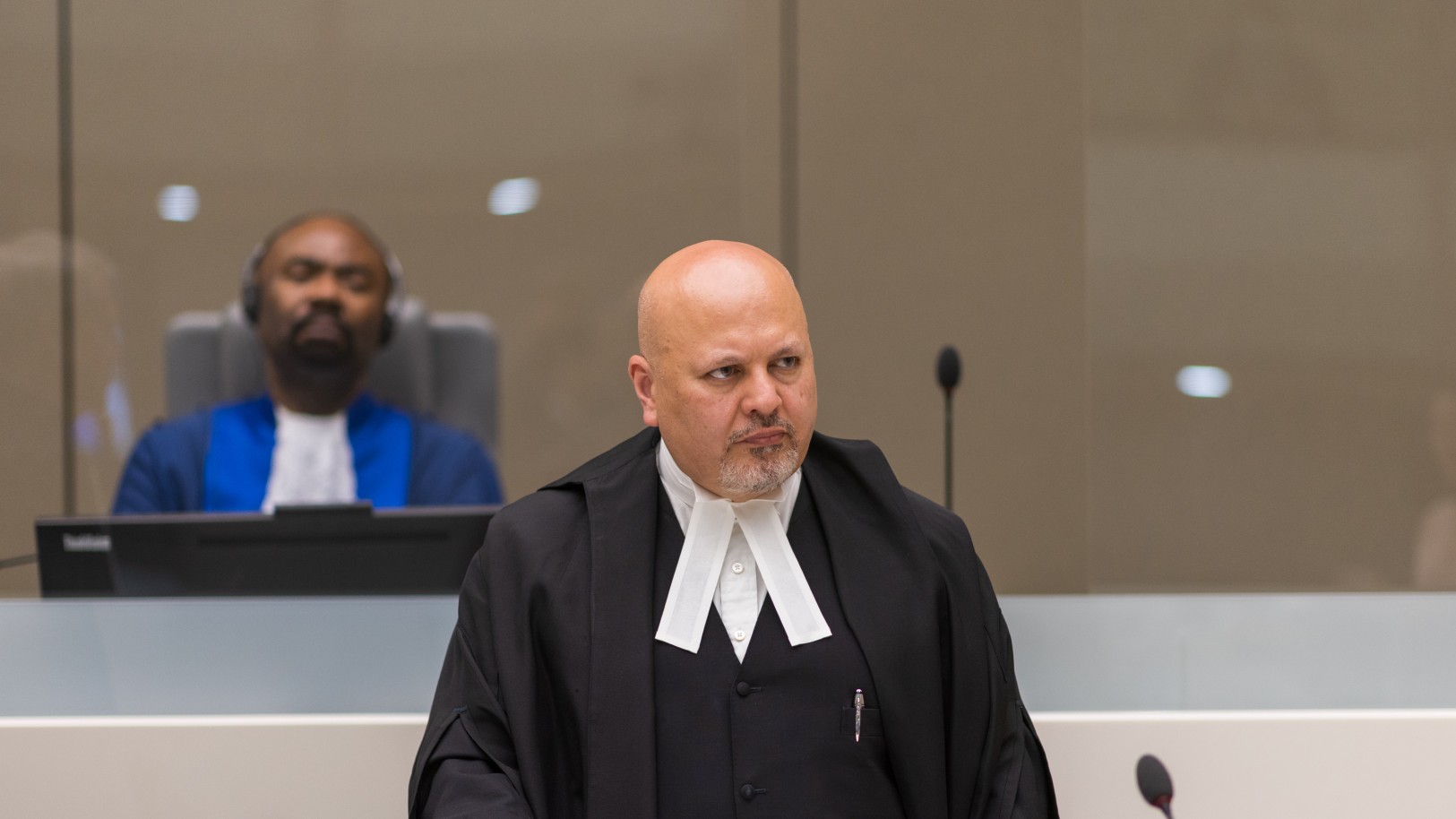
    A landmark United Nations investigation into allegations against International Criminal Court Prosecutor Karim Khan has reached a critical juncture, with findings now submitted to a specialized judicial panel for evaluation. The UN Office of Internal Oversight Services (OIOS) delivered its comprehensive report to the ICC’s governing Assembly of States Parties (ASP) on December 11, initiating a formal review process that could determine Khan’s professional future.

    The ASP Presidency confirmed the transfer of the fact-finding document to an ad hoc panel of judicial experts commissioned by the Assembly’s Bureau. These independent jurists will assess whether the evidence substantiates misconduct allegations and determine their severity classification. Their advisory opinion, while non-binding, will inform the ASP leadership’s subsequent decisions regarding potential disciplinary measures.

    According to internal ASP documentation reviewed by Middle East Eye, the Bureau possesses authority to suspend Prosecutor Khan pending final determination should the panel identify either serious misconduct or violations of lesser gravity. Any permanent removal would necessitate an absolute majority vote among the ASP’s 125 member states.

    The judicial panel will conduct its evaluation within the legal parameters established by the Rome Statute, ICC procedural regulations, and relevant administrative guidelines. ASP officials estimate approximately 30 days for completion, though complexity may extend this timeline.

    This prolonged investigation has generated significant operational uncertainty within the court’s leadership structure. Khan voluntarily stepped aside in May pending the investigation’s outcome, with deputy prosecutors assuming interim responsibilities. Multiple diplomatic sources and ICC staff have expressed concerns regarding the institution’s capacity to fulfill its mandate during this period of administrative limbo.

    The development follows recent procedural reforms adopted during the ASP’s annual conference in The Hague, where members ratified resolutions enhancing due process protections for both complainants and officials facing misconduct allegations. However, these amendments may not apply retroactively to Khan’s case.

    International justice expert Sergey Vasiliev acknowledged the significance of concluding the fact-finding phase while noting persistent challenges: ‘The judicial experts operate under considerable pressure given the investigation’s duration and must address mounting frustration among member states through expeditious yet thorough deliberation.’

    The ASP Presidency has emphatically urged all stakeholders to respect confidentiality protocols and maintain the integrity of the ongoing judicial process.

  • Trump’s ‘historic’ peace deal for DR Congo shattered after rebels seize key city

    Trump’s ‘historic’ peace deal for DR Congo shattered after rebels seize key city

    The United States has launched a sharp diplomatic condemnation against Rwanda, accusing the nation of destabilizing Africa’s Great Lakes region through its support of M23 rebel forces. This condemnation comes barely a week after President Donald Trump presided over what was hailed as a “historic” peace agreement between Democratic Republic of Congo President Félix Tshisekedi and Rwandan President Paul Kagame in Washington.

    The fragile peace process faces collapse following M23’s capture of Uvira, a strategically vital city in South Kivu province that served as DR Congo’s final major military stronghold in the region. UN experts and Western governments maintain Rwanda exercises de facto control over M23 operations, though Rwanda consistently denies these allegations.

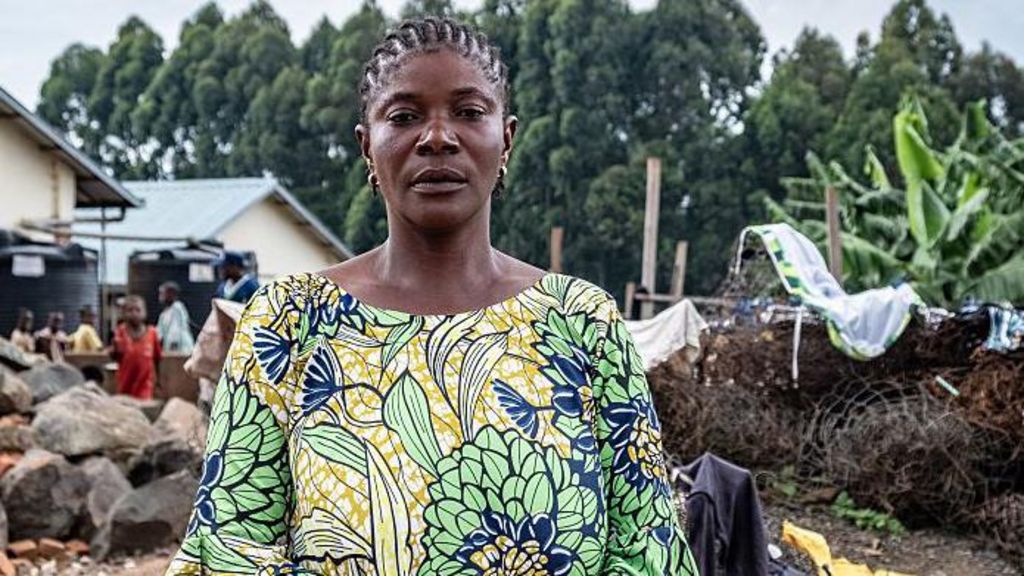
    Strategic analysts reveal Uvira’s capture serves multiple purposes: cutting Burundi’s supply routes into eastern DR Congo, forcing Burundian troop withdrawals, and creating leverage for future negotiations. The city’s fall has triggered a humanitarian crisis with approximately 50,000 refugees fleeing into Burundi, which has subsequently closed its border.

    Canada-based political scientist Professor Jason Stearns characterized the offensive as deliberately humiliating to US diplomatic efforts, noting that Rwandan troops were amassing for the invasion even as their president signed the Washington accord. The timing suggests neither M23 nor Rwanda believed in the agreement’s viability from the outset.

    The conflict’s complexity stems from historical ethnic tensions and mutual accusations between neighboring nations. Rwanda seeks protection from FDLR militia remnants linked to the 1994 genocide, while DR Congo accuses Rwanda of territorial ambitions through proxy forces. Burundi fears M23’s success will empower Red Tabara rebels threatening its government.

    With the Washington peace process collapsing and parallel Qatar-mediated negotiations suspended, the US and European powers face limited options. Their joint statement demands immediate cessation of offensive operations and Rwandan troop withdrawals, but enforcement mechanisms remain unclear. The situation now depends on how much political capital international mediators are willing to invest in resolving one of Africa’s most intractable conflicts.

  • Trump officials sue Georgia county to force release of 2020 voting records

    Trump officials sue Georgia county to force release of 2020 voting records

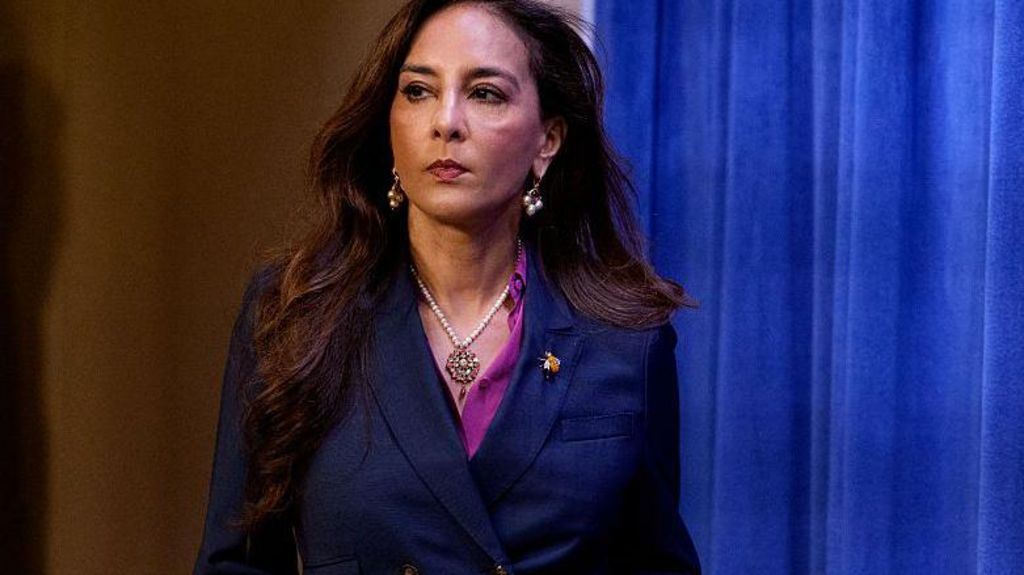
    The U.S. Justice Department has initiated legal proceedings against Fulton County, Georgia, escalating a prolonged dispute over access to 2020 presidential election materials. Filed by Assistant Attorney General Harmeet Dhillon of the Civil Rights Division, the lawsuit demands comprehensive access to all utilized and voided ballots, ballot stubs, signature envelopes, and corresponding digital files from the contested election.

    The legal action alleges violations of the Civil Rights Act by Fulton County officials, who previously asserted that the requested materials remained sealed and inaccessible without judicial authorization. This development represents the latest chapter in the ongoing political and legal saga surrounding Georgia’s pivotal role in determining the 2020 presidential outcome, which saw then-President Donald Trump narrowly defeated by Joe Biden in the state.

    The Justice Department’s involvement follows an October subpoena that election authorities declined to honor, prompting federal intervention. Dhillon emphasized the department’s commitment to electoral integrity in an official statement, declaring: “This Department of Justice will not permit states to jeopardize the integrity and effectiveness of elections by refusing to abide by federal elections laws. If states will not fulfil their duty to protect the integrity of the ballot, we will.”

    This litigation occurs against a complex backdrop of previous legal challenges. Trump’s campaign and allies filed numerous lawsuits alleging electoral irregularities in Georgia following the 2020 election, particularly focusing on Fulton County and the Atlanta metropolitan area. These efforts included the now-famous January 2021 telephone conversation wherein Trump urged Georgia Secretary of State Brad Raffensperger to “find 11,780 votes” – precisely one more than needed to overcome Biden’s margin of victory.

    The current federal lawsuit emerges just weeks after the dismissal of a separate criminal case against Trump in Fulton County. District Attorney Fani Willis had pursued racketeering charges alleging a criminal conspiracy to overturn Georgia’s election results, but the case encountered procedural obstacles before being formally dismissed earlier this month. That prosecution had been considered particularly significant since presidential pardon powers do not extend to state-level convictions.

    Fulton County officials have not yet responded to requests for comment regarding the Justice Department’s latest legal action.

  • Trump signs order intended to block states from regulating AI

    Trump signs order intended to block states from regulating AI

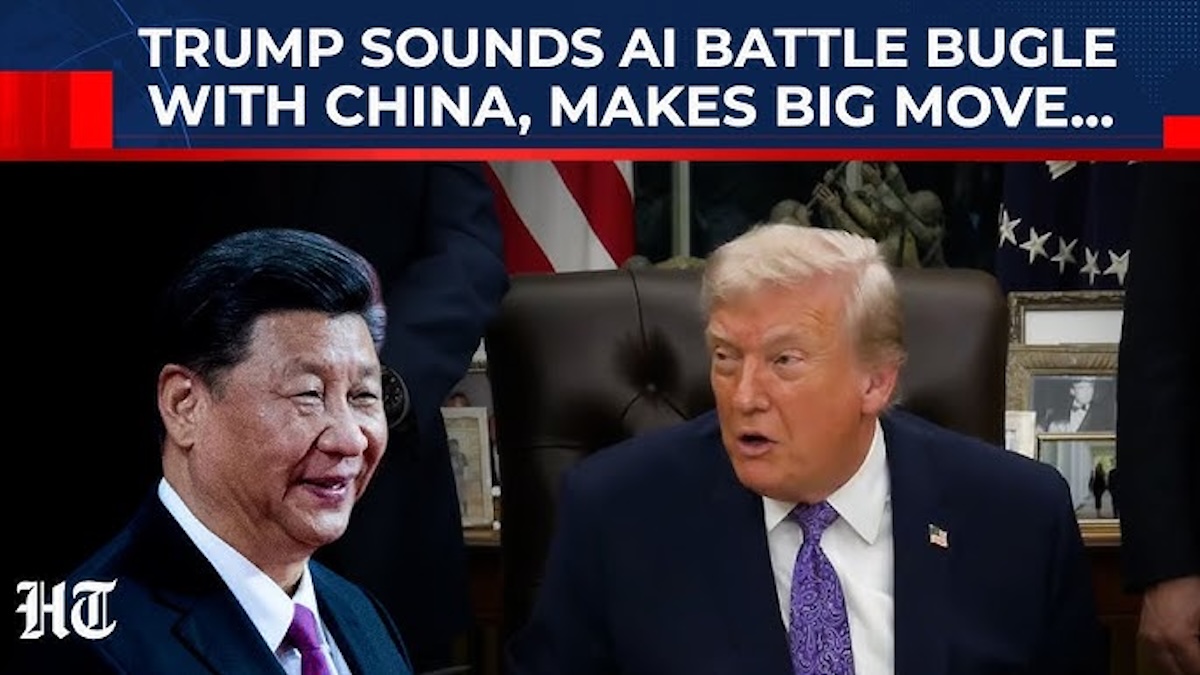
    In a significant move to centralize artificial intelligence governance, President Donald Trump has issued an executive order asserting federal authority over state-level AI regulations. The order, signed during an Oval Office ceremony on Thursday evening, establishes a national framework for AI development that explicitly preempts individual states from creating their own regulatory standards.

    President Trump justified this unprecedented federal intervention by emphasizing the strategic competition with China. “Coordinating policy among 50 different states would put the US at a disadvantage,” Trump stated, adding that Chinese President Xi Jinping operates without similar jurisdictional constraints. The administration positions this move as essential for maintaining American technological leadership in the burgeoning AI industry.

    The executive order establishes a specialized task force charged with monitoring state-level AI legislation and challenging perceived regulatory overreach through judicial channels. Commerce Secretary has been directed to complete a comprehensive review of existing state laws within a 90-day timeframe. According to White House officials, this coordinated approach addresses the growing patchwork of over 1,000 pending AI-related bills across state legislatures.

    White House staff secretary Will Scharf characterized the order as creating “a single national framework” to prevent state regulations from “potentially crippling the industry.” This represents one of the most substantial assertions of presidential authority over state governments and Congress regarding emerging technology governance.

    The order faces anticipated legal challenges from multiple fronts, including environmental advocacy groups concerned about AI’s substantial energy consumption requirements. Food and Water Watch policy chief Mitch Jones condemned the order as “farcical” and pledged to oppose it “in Congress, in the states, in the courts, and with communities across this country.”

  • As Trump targets Venezuela, its allies Russia and China show little signs of support

    As Trump targets Venezuela, its allies Russia and China show little signs of support

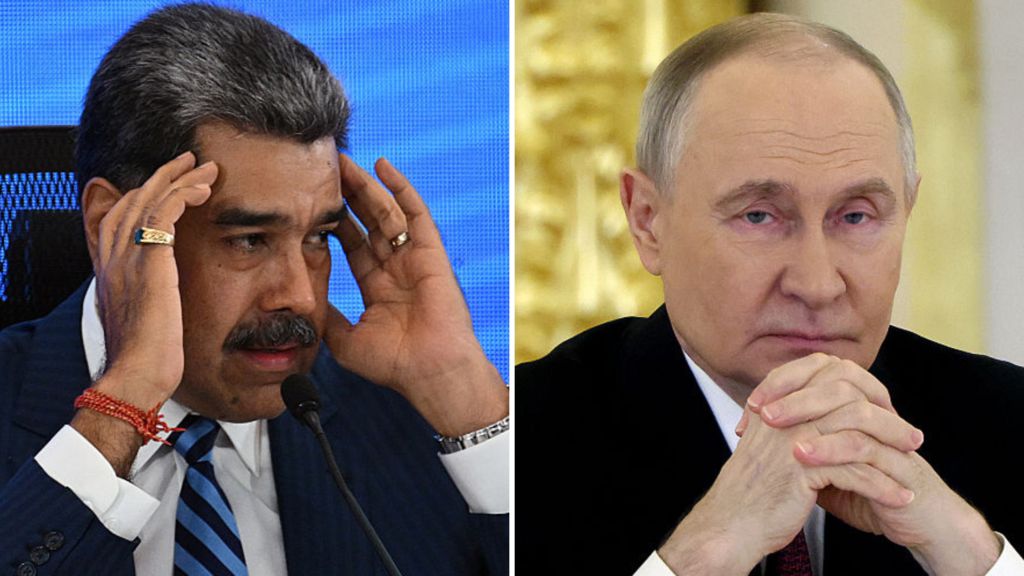
    Venezuelan President Nicolás Maduro faces escalating geopolitical isolation as his nation’s traditionally steadfast allies demonstrate diminishing commitment to his socialist government. Despite years of political, financial, and military backing from both China and Russia—a relationship established under Maduro’s predecessor Hugo Chávez—current support appears increasingly symbolic rather than substantive.

    This diplomatic shift coincides with significant US military deployment to the Caribbean region, including a nuclear-powered submarine, surveillance aircraft, and approximately 15,000 troops. Washington has conducted strikes targeting alleged drug smuggling operations, resulting in over 80 fatalities, and recently seized a Venezuelan oil tanker citing sanctions violations. While the Trump administration maintains these actions combat narcotics trafficking, many analysts interpret them as part of a broader regime change strategy.

    Experts identify multiple factors driving the recalibration of support from Caracas’s primary allies. Professor Fernando Reyes Matta, Director of the Centre for China Studies at Andrés Bello University in Chile, notes that Venezuela has diminished as a strategic priority for both Beijing and Moscow, particularly following Donald Trump’s return to the White House. Russia’s extensive resource allocation to its conflict in Ukraine since the 2022 invasion, compounded by severe Western sanctions, has constrained its capacity to support international allies.

    Professor Vladimir Rouvinski of Icesi University’s Laboratory of Politics and International Relations observes that Moscow avoids actions that might trigger additional sanctions, while China prioritizes protecting recent diplomatic advancements with Washington. Despite Maduro’s reported October request for military assistance, neither nation has provided material aid beyond rhetorical support. The Kremlin affirmed solidarity through a Putin-Maduro phone call following the tanker seizure but offered no concrete assistance.

    China’s engagement has similarly waned, with Beijing reducing new lending and focusing on recovering existing loans amid Venezuela’s economic collapse and oil industry deterioration. Both nations recognize the controversial nature of Maduro’s July 2024 election victory, which opposition figures including Nobel Peace laureate María Corina Machado allege was fraudulent. With diminishing internal support and reluctant international partners, Maduro’s political future appears increasingly precarious as traditional allies prioritize their own strategic interests over ideological alignment with Caracas.

  • UN votes to back Unrwa as US weighs sanctions

    UN votes to back Unrwa as US weighs sanctions

    In a powerful display of international consensus, the United Nations General Assembly has overwhelmingly endorsed a resolution supporting the International Court of Justice’s advisory opinion regarding humanitarian aid access to Gaza. The Friday vote saw 139 nations in favor, with only 12 opposed—including Israel, the United States, Hungary, and Argentina—while 19 countries abstained.

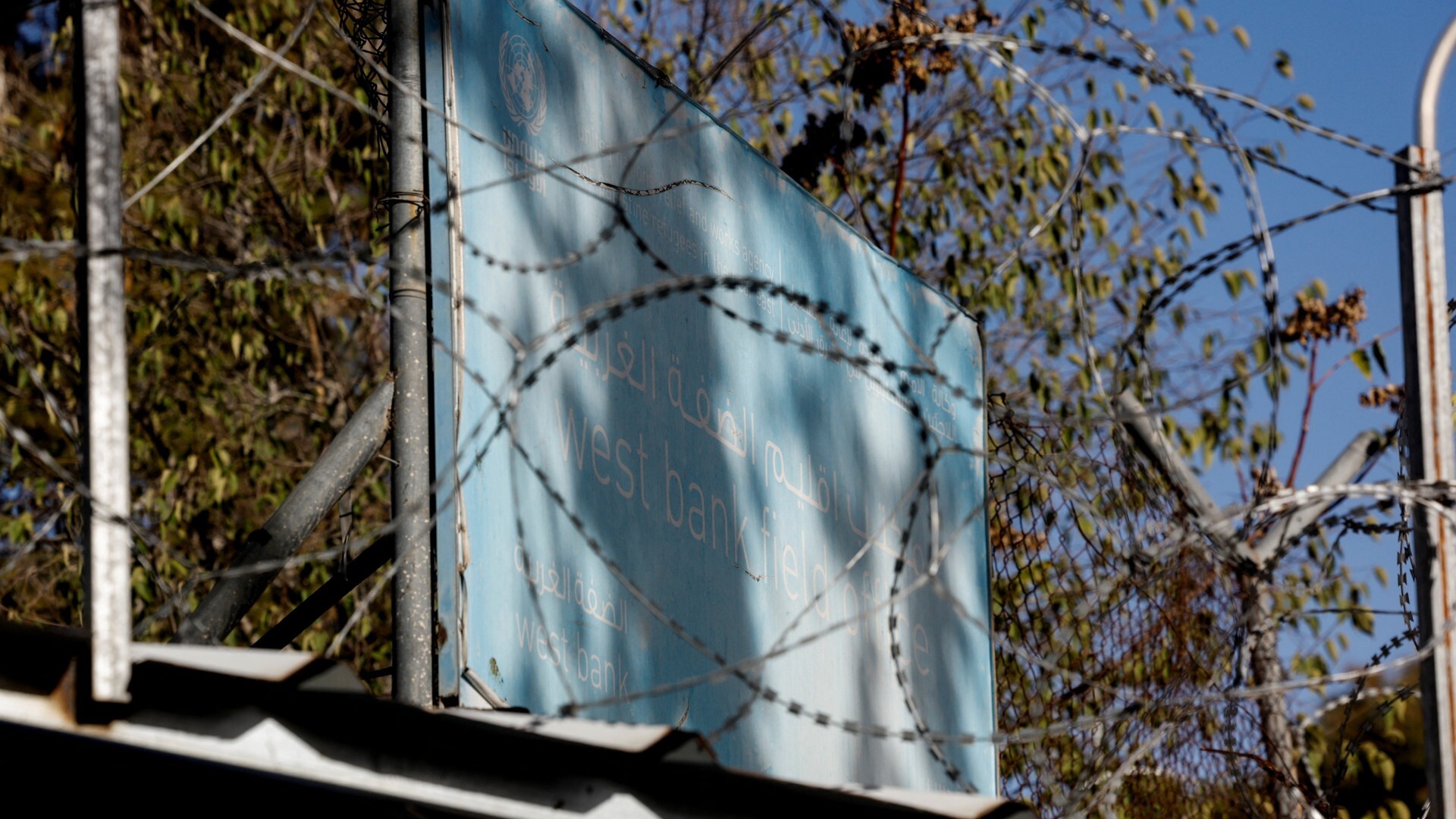
    The resolution specifically calls for Israel to permit United Nations agencies, including the controversial UN Relief and Works Agency (UNRWA), to deliver critical humanitarian assistance to Gaza’s Palestinian population. This development comes six months after the ICJ heard extensive evidence from more than 40 states and international organizations, ultimately ruling that Israel’s restrictions on aid violate international law.

    UNRWA, established in 1949 to address the Palestinian refugee crisis following the Nakba, provides essential services including healthcare, education, and food assistance to Palestinian refugees across Gaza, the West Bank, Jordan, Lebanon, and Syria.

    The vote represents a significant diplomatic rebuke to Israel and its few allies who argued for limiting aid obligations based on military necessity and security concerns—arguments the world court ultimately rejected. UNRWA Commissioner-General Philippe Lazzarini welcomed the outcome, stating on social media that the vote ‘has given a strong endorsement to the ruling by the International Court of Justice that claims about UNRWA being infiltrated by Hamas are not substantiated.’

    In contrast, Israel’s UN Ambassador Danny Danon denounced the resolution as ‘calling on Israel to cooperate with terrorism,’ asserting that ‘UNRWA = hotbed of terrorism’ and must be eliminated ‘for the sake of peace in the world.’

    The vote occurs amid ongoing tensions regarding UNRWA’s operations, which began in January 2024 when Israel accused the agency of harboring Hamas members. While UNRWA terminated nine staff members over potential involvement in the October 2023 attacks, evidence supporting these allegations has not been publicly disclosed.

    The United States, historically UNRWA’s largest donor, has halted funding and is reportedly considering unprecedented sanctions against the agency. Such measures would effectively cripple UNRWA’s banking capabilities and dollar transactions. State Department officials have characterized UNRWA as ‘a corrupt organization with a proven track record of aiding and abetting terrorists,’ though no final decisions have been made.

    Meanwhile, eight Muslim and Arab nations—including Saudi Arabia, Egypt, Jordan, and Qatar—issued a joint statement affirming UNRWA’s ‘indispensable role’ in protecting Palestinian refugees, highlighting the deep international divisions on this humanitarian issue.