分类: politics

  • Maduro open to US talks on drug trafficking, but silent on CIA strike

    Maduro open to US talks on drug trafficking, but silent on CIA strike

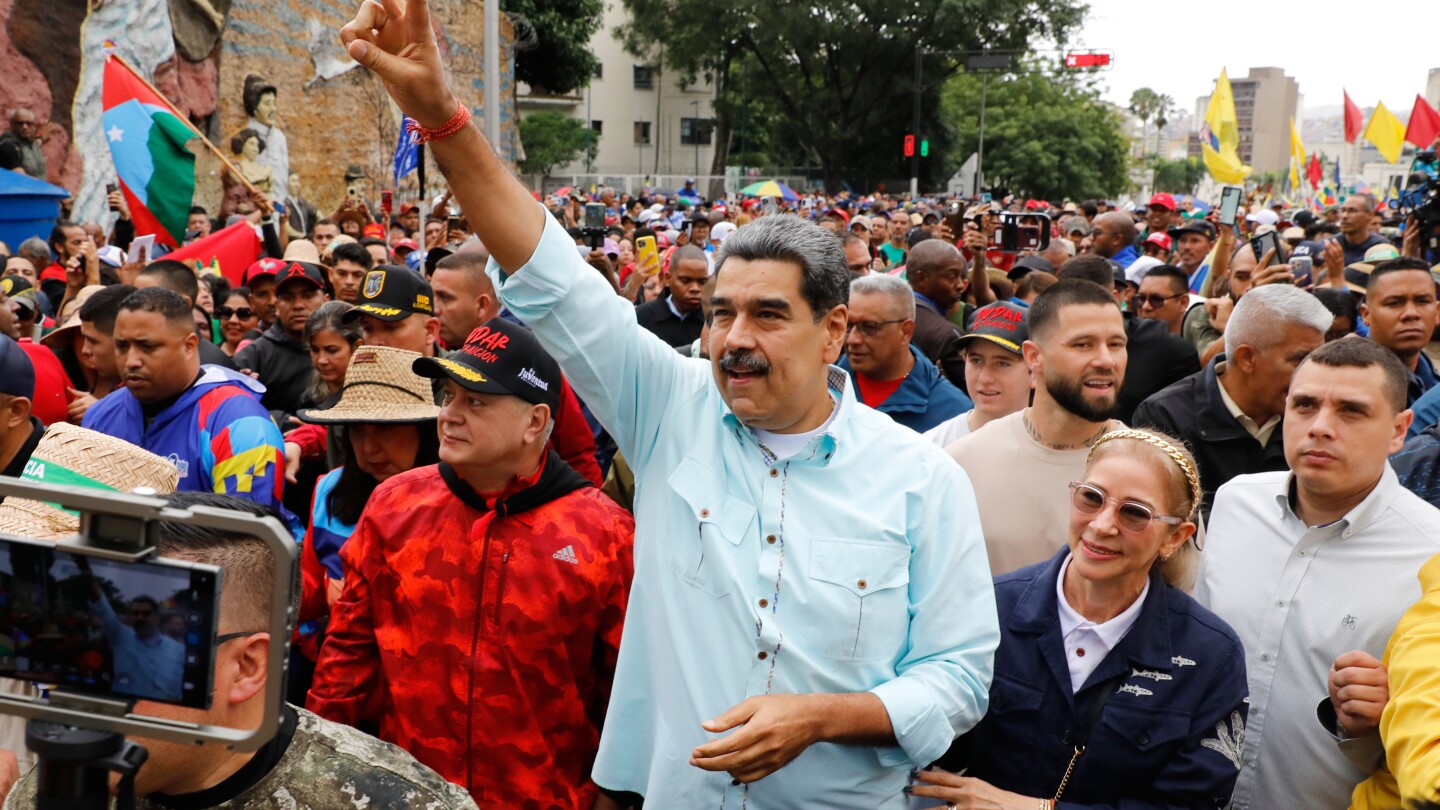
    Venezuelan President Nicolás Maduro has expressed willingness to negotiate a bilateral agreement with the United States targeting drug trafficking operations, while simultaneously accusing Washington of pursuing regime change to access the country’s substantial oil reserves. The declaration came during a state-televised interview with Spanish journalist Ignacio Ramonet that aired Thursday, though the interview was originally recorded on New Year’s Eve.

    Maduro declined to comment specifically on a recent CIA-led drone strike at a Venezuelan docking area allegedly used by cartels, stating he would address the incident “in a few days.” Instead, he framed the offer for cooperation as an alternative to current U.S. strategies, which he characterized as based on “threats, intimidation and force.”

    The Venezuelan leader presented a dual proposition: potential collaboration on narcotics enforcement alongside invitations for expanded U.S. energy investment, specifically mentioning Chevron Corp.—currently the only major oil company exporting Venezuelan crude to the United States. “If they want oil, Venezuela is ready for U.S. investment, like with Chevron, whenever they want it, wherever they want it and however they want it,” Maduro stated.

    This overture occurs against a backdrop of escalating military actions. The Trump administration has conducted 35 known boat strikes since August, resulting in at least 115 fatalities, including Venezuelan citizens. President Trump has characterized these operations as necessary escalations in an “armed conflict” with drug cartels, with recent strikes expanding from Venezuela’s Caribbean coast to the eastern Pacific Ocean.

    The CIA operation on Venezuelan soil represents a significant intensification of pressure against Maduro, who faces narco-terrorism charges in the United States. The administration’s campaign began with a substantial military deployment to the Caribbean Sea in August, which Maduro interprets as fundamentally aimed at securing control over Venezuela’s vast petroleum resources—the world’s largest proven oil reserves.
  • ‘Liberation coming to City Hall’: Thousands brave freezing temperature to welcome Mamdani as New York City mayor

    ‘Liberation coming to City Hall’: Thousands brave freezing temperature to welcome Mamdani as New York City mayor

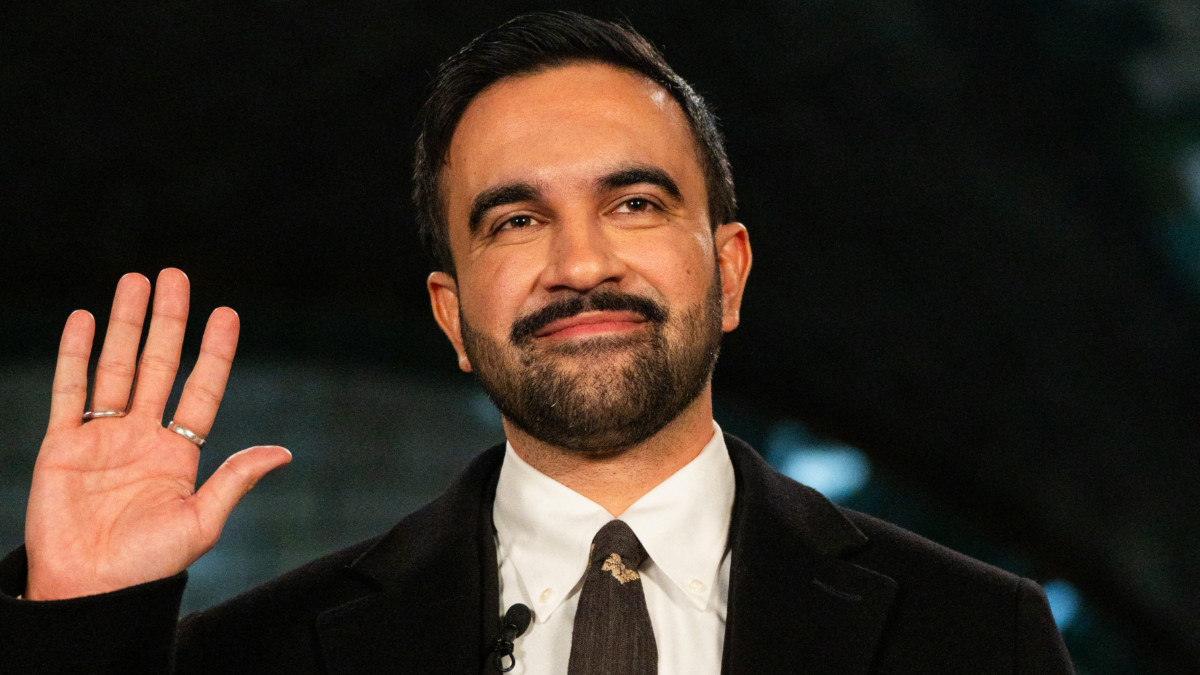
    In a landmark moment for American politics, Zohran Mamdani assumed office as New York City’s first Muslim mayor on January 1, 2026, before thousands of supporters who endured freezing temperatures to witness the historic inauguration. The ceremony at City Hall and adjacent Broadway areas transformed into a sea of blue and yellow beanies bearing the new mayor’s name, with 1990s R&B music creating a celebratory atmosphere despite the cold.

    The significance of this political milestone was palpable among attendees, many of whom clutched hand-warmers alongside Palestinian keffiyehs. Asad Dandia, an informal adviser during Mamdani’s campaign, expressed profound emotion about the occasion: ‘It’s insane we are going to have a Muslim guy in command of City Hall. Islamaphobia, anti-Muslim bigotry [and] anti-Arab bigotry lost and we won.’

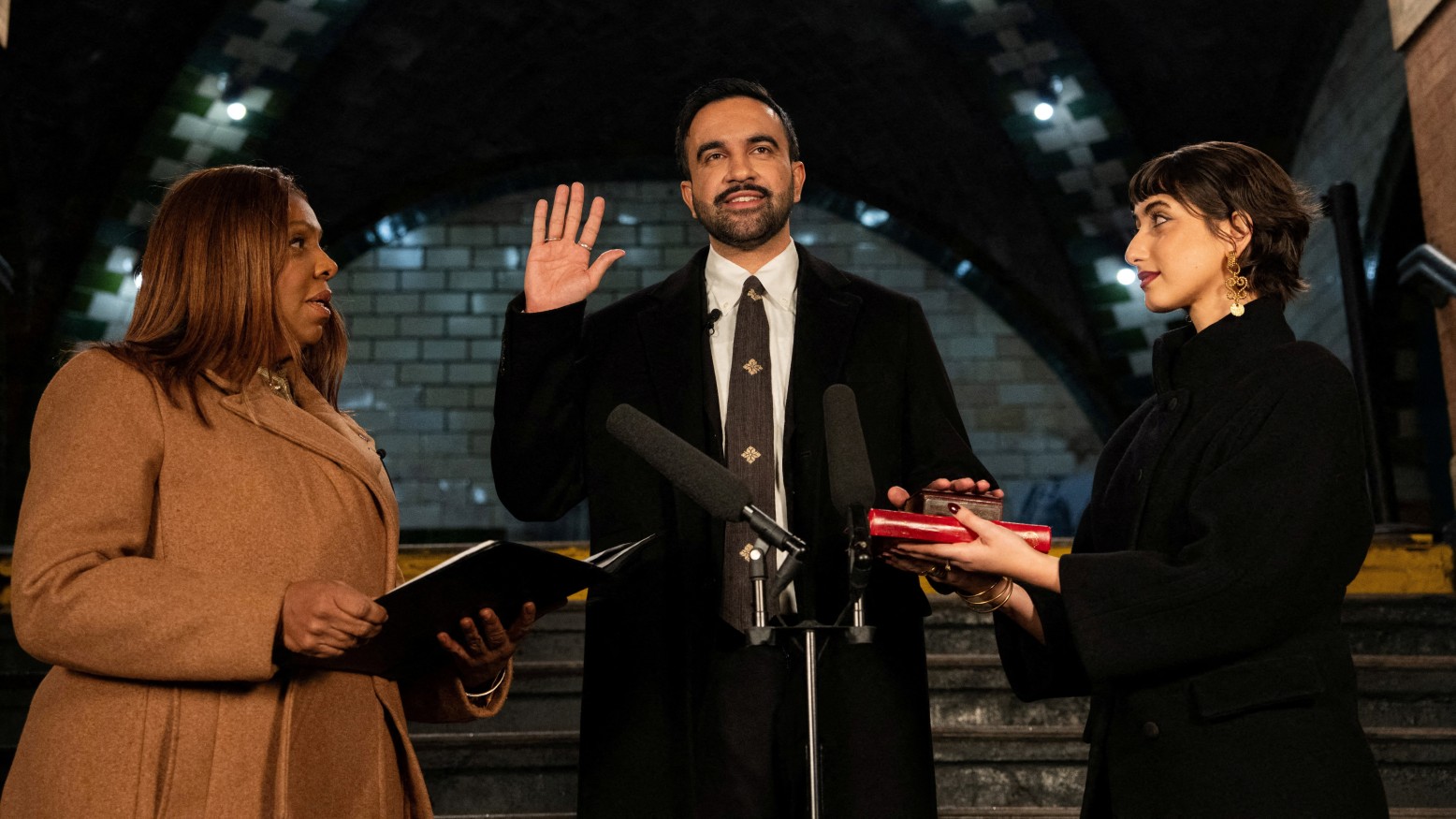
    Mamdani’s inauguration actually occurred in two parts. At midnight, he participated in a private ceremony at an abandoned subway stop using his grandfather’s Quran and a 200-year-old copy borrowed from the New York Public Library. His wife, artist Rama Duwaji, held the religious texts during this intimate oath-taking, attended by former Mayor Eric Adams among few others.

    The 34-year-old mayor represents multiple historic firsts: not only New York’s initial Muslim mayor but also the first of South Asian descent and first born in Africa. His campaign deliberately centered on his faith and ethnic background while championing New York’s diversity. Through social media outreach, Mamdani addressed post-9/11 Islamophobia and highlighted experiences of Muslim and immigrant communities.

    His avowedly left-wing platform promised rent control, free bus travel, and increased taxes on the wealthiest residents. Perhaps most notably, Mamdani maintained an unapologetically pro-Palestine stance in a city deeply affected by protests against Israel’s war on Gaza.

    The broad coalition supporting Mamdani included substantial Jewish support, as noted by transgender activist Rabbi Abby Stein: ‘We had thousands of Jews knocking on hundreds of thousands of doors… we got hundreds of thousands of Jews who voted for the first Muslim mayor.’ Stein articulated the shared vision that ‘Palestinian liberation is what will help us in the battle against antisemitism, in the battle against Islamophobia.’

    The City Hall event, accommodating 4,000 ticket holders, was complemented by a neighboring block party for approximately 40,000 additional spectators who watched the proceedings on large screens across seven blocks of Lower Manhattan.

  • Trump blames bruised hand on aspirin, denies falling asleep

    Trump blames bruised hand on aspirin, denies falling asleep

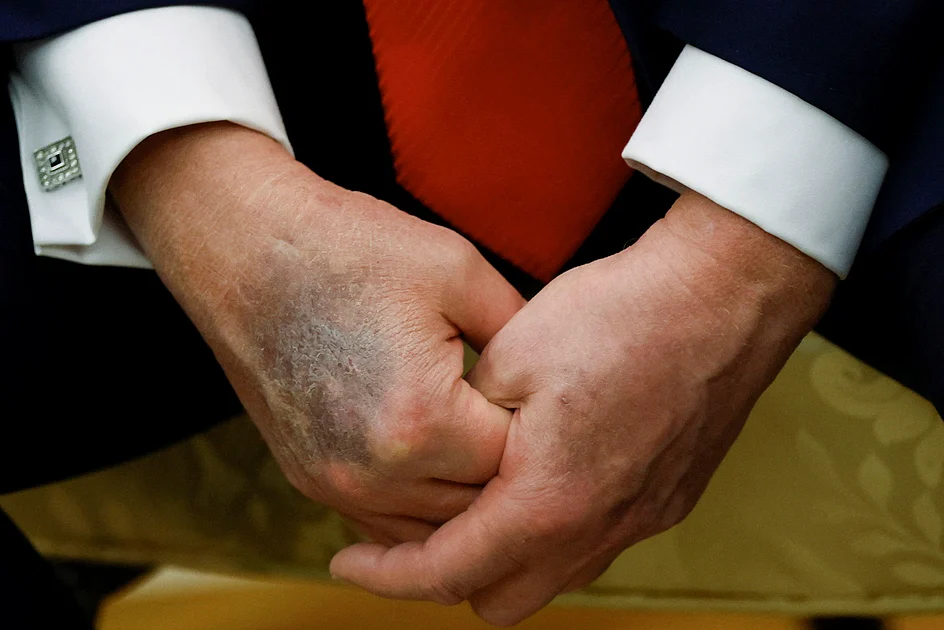
    In a revealing interview with The Wall Street Journal published Thursday, former President Donald Trump addressed mounting questions about his physical condition while defending his overall health. The 79-year-old, who holds the record as the oldest individual to assume the U.S. presidency, attributed significant bruising on his right hand to daily aspirin consumption rather than any underlying medical condition.

    Trump presented a defiant stance regarding his well-being, stating ‘my health is perfect’ while expressing visible frustration with the persistent public scrutiny. The Republican leader, known for cultivating an image of vitality through constant media engagement and social media activity, offered specific explanations for physical manifestations that have drawn attention during his second term.

    Regarding the noticeable bruising often concealed with makeup or bandages, Trump explained that aspirin serves as a blood-thinning agent, remarking ‘I don’t want thick blood pouring through my heart.’ He attributed one particular cut to an enthusiastic high-five with former Attorney General Pam Bondi, whose ring allegedly made contact with his hand.

    The interview also revealed a correction to Trump’s previous medical statements. While he had told reporters in October about undergoing an MRI scan, he clarified to the Journal that the procedure was actually a less comprehensive CT scan. His physician, Dr. Sean Barbabella, confirmed the CT scan was administered to ‘definitively rule out any cardiovascular issues.’

    Trump additionally addressed observations about his apparent drowsiness during public events, including a notable November Oval Office meeting with health representatives. Dismissing claims that he falls asleep during engagements, Trump asserted ‘I’ve never been a big sleeper,’ characterizing moments where he closes his eyes as intentional relaxation rather than fatigue. He attributed photographs suggesting sleep to being captured mid-blink, stating ‘Sometimes they’ll take a picture of me blinking, blinking, and they’ll catch me with the blink.’

    The former president’s health has become increasingly politically significant as he continues to frame his Democratic predecessor Joe Biden—who left office at 82 as the oldest president in history—as ‘sleepy’ while facing similar age-related scrutiny himself.

  • Senior Assad commander reveals plan to destabilise Syria to ‘fake Israeli agent’

    Senior Assad commander reveals plan to destabilise Syria to ‘fake Israeli agent’

    A groundbreaking investigation by Al Jazeera has uncovered explosive audio evidence revealing senior former Syrian military officials allegedly conspiring with Israeli intelligence to undermine the country’s current government. The revelations, broadcast on the network’s ‘The Investigator’ program, stem from over 74 hours of intercepted recordings and hundreds of documents that paint a disturbing picture of collaboration between former Bashar al-Assad loyalists and foreign interests.

    At the center of the scandal stands Suheil al-Hassan, once commander of the elite Tiger Forces unit, who is heard in recordings being assured of Israeli support by an individual posing as a Mossad operative. ‘The State of Israel, with all its capabilities, will stand with you,’ the purported intelligence officer tells Hassan, who responds by referencing coordination through Rami Makhlouf—a wealthy Syrian businessman and cousin of the deposed President Assad.

    The leaked conversations reveal not only potential coordination with Israel but also contain deeply offensive remarks from Hassan about various religious groups, including Palestinians, Shia and Sunni Muslims, and Christians. When the fake Mossad agent suggests most Sunnis in the region share Hamas’s ideology, Hassan retorts that ‘The Shias are the same and the Eastern Christians are even worse.’

    The investigation emerges against the backdrop of significant regional upheaval. Following the collapse of the Assad government after a rapid offensive by forces loyal to current President Ahmed al-Sharaa, Israel expanded its territorial control in southern Syria, seizing a UN-patrolled buffer zone in the Golan Heights in December 2024 and conducting hundreds of subsequent attacks.

    Additional high-ranking figures implicated in the leak include former brigadier general Ghiath Dalla, who validates Hassan’s claim of representing Syria’s mountainous coastal regions—traditional Assad strongholds. Syrian Interior Ministry spokesperson Nour al-Din al-Baba confirmed the recordings demonstrate how elements of the former administration were prepared to collaborate with hostile entities.

    The Al Jazeera report corroborates earlier New York Times findings that revealed exiled Assad-era figures were actively working to undermine Syria’s current government and reclaim control of coastal areas. Intercepted communications showed former intelligence chiefs and military commanders—many based in Russia and Lebanon—were rebuilding loyalist networks within the Alawi community, with Hassan reportedly meeting collaborators across multiple countries and allegedly maintaining detailed records of potential fighters and weaponry.

    The leaked communications date to April 2025, shortly after sectarian violence on Syria’s Mediterranean coast left over 1,600 dead, predominantly Alawis. The coordinated attacks against new government troops served as a rallying point for former regime figures seeking to mobilize fighters, capitalizing on economic hardship and fear within the Alawi community despite persistent resentment toward Assad’s rule.

    Further complicating matters, the investigation reveals Hassan’s alleged backing of the Beirut-based Foundation for the Development of Western Syria, which has spent millions on lobbying efforts in Washington. Disclosure filings show the foundation hired Tiger Hill Partners and former Trump administration official Joseph Schmitz under a $1 million contract, presenting itself as an advocate for Syrian minorities while allegedly advancing the interests of exiled regime elements.

  • UAE President announces new authority fully led by citizens

    UAE President announces new authority fully led by citizens

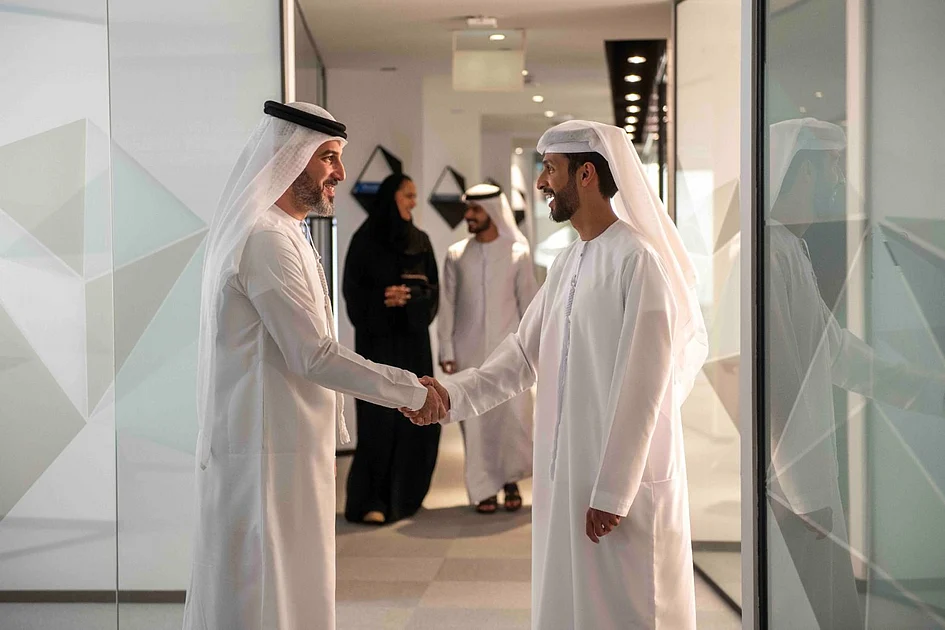
    In a groundbreaking move that redefines traditional governance structures, UAE President Sheikh Mohamed bin Zayed Al Nahyan has inaugurated the Community-Managed Virtual Authority—an innovative governmental entity entirely led by skilled Emirati citizens. This transformative initiative, announced on January 1, 2026, marks the culmination of the Year of Community 2025 and represents a radical departure from conventional administrative models.

    The pioneering authority operates on a rotational leadership framework where accomplished members of the UAE community will assume full managerial responsibility for fixed terms. This includes the appointment of a Director General and specialized team members selected from diverse professional backgrounds including experts, academics, entrepreneurs, youth representatives, and experienced retirees. The selection process emphasizes competence, expertise, and demonstrated ability to contribute meaningfully to national objectives.

    Structurally designed to align with the UAE Centennial 2071 vision, the authority aims to create optimal conditions for human development and community empowerment. Its core mandate focuses on developing innovative, implementable solutions that address community needs while delivering lasting national benefits. The model incorporates robust continuity mechanisms through clearly defined frameworks, phased action plans, and structured knowledge transfer protocols to maintain operational consistency despite rotational leadership.

    This first-of-its-kind governance experiment demonstrates the UAE’s commitment to administrative innovation by combining administrative flexibility with direct human capital investment. It establishes the nation as a global laboratory for governmental innovation while fostering meaningful partnerships between the state and its citizens. The initiative reflects the enduring legacy of the UAE’s Founding Father, Sheikh Zayed, by placing community participation at the heart of national development strategies.

  • UK government vows to ‘defend’ decision to strip Shamima Begum of citizenship

    UK government vows to ‘defend’ decision to strip Shamima Begum of citizenship

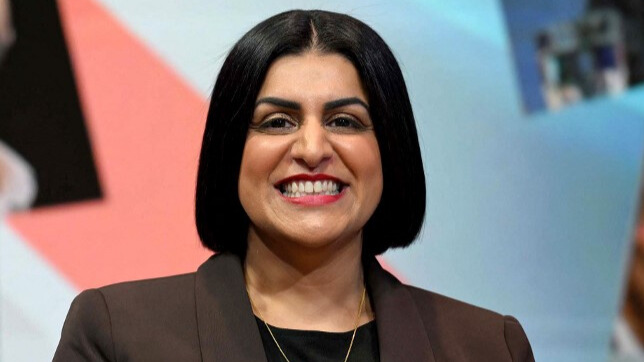
    UK Home Secretary Shabana Mahmood has pledged to vigorously defend the government’s contentious decision to revoke the citizenship of Shamima Begum, who traveled to Syria as a teenager to join the Islamic State. This declaration comes in response to the European Court of Human Rights (ECHR) raising critical questions about whether British authorities adequately considered if Begum was a victim of trafficking before stripping her citizenship.

    The government source confirmed Mahmood’s position, stating the Home Secretary would ‘robustly defend’ the 2019 decision made by then-Home Secretary Sajid Javid, which has been repeatedly upheld in UK domestic courts. The source emphasized that national security remains the government’s paramount concern in this case.

    The ECHR’s intervention marks a significant development in the long-running legal saga, with the Strasbourg court questioning whether the UK violated its anti-trafficking obligations under Article 4 of the European Convention on Human Rights. The court specifically inquired whether ministers properly assessed if Begum was trafficked before revoking her citizenship on national security grounds.

    Begum’s legal representatives from Birnberg Peirce described the ECHR’s involvement as an ‘unprecedented opportunity’ to examine whether previous administrations overlooked crucial trafficking considerations. Lawyer Gareth Peirce argued that Begum, then 15, was clearly ‘lured, encouraged and deceived for purposes of sexual exploitation’ and that authorities failed to implement proper safeguarding measures despite clear warning signs.

    The case has sparked broader debates about the UK’s expanding use of citizenship-stripping powers and its counter-terrorism policies. Last year, Declan Morgan, former Lord Chief Justice of Northern Ireland, publicly stated that Britain should not have revoked Begum’s citizenship, adding weight to criticisms of the government’s approach.

    Begum remains detained in a Syrian prison camp controlled by Kurdish-led forces while awaiting the ECHR’s final judgment, which will follow submissions from both the UK government and her legal team.

  • Israel seizes planning powers over Hebron’s Ibrahimi Mosque from Palestinians

    Israel seizes planning powers over Hebron’s Ibrahimi Mosque from Palestinians

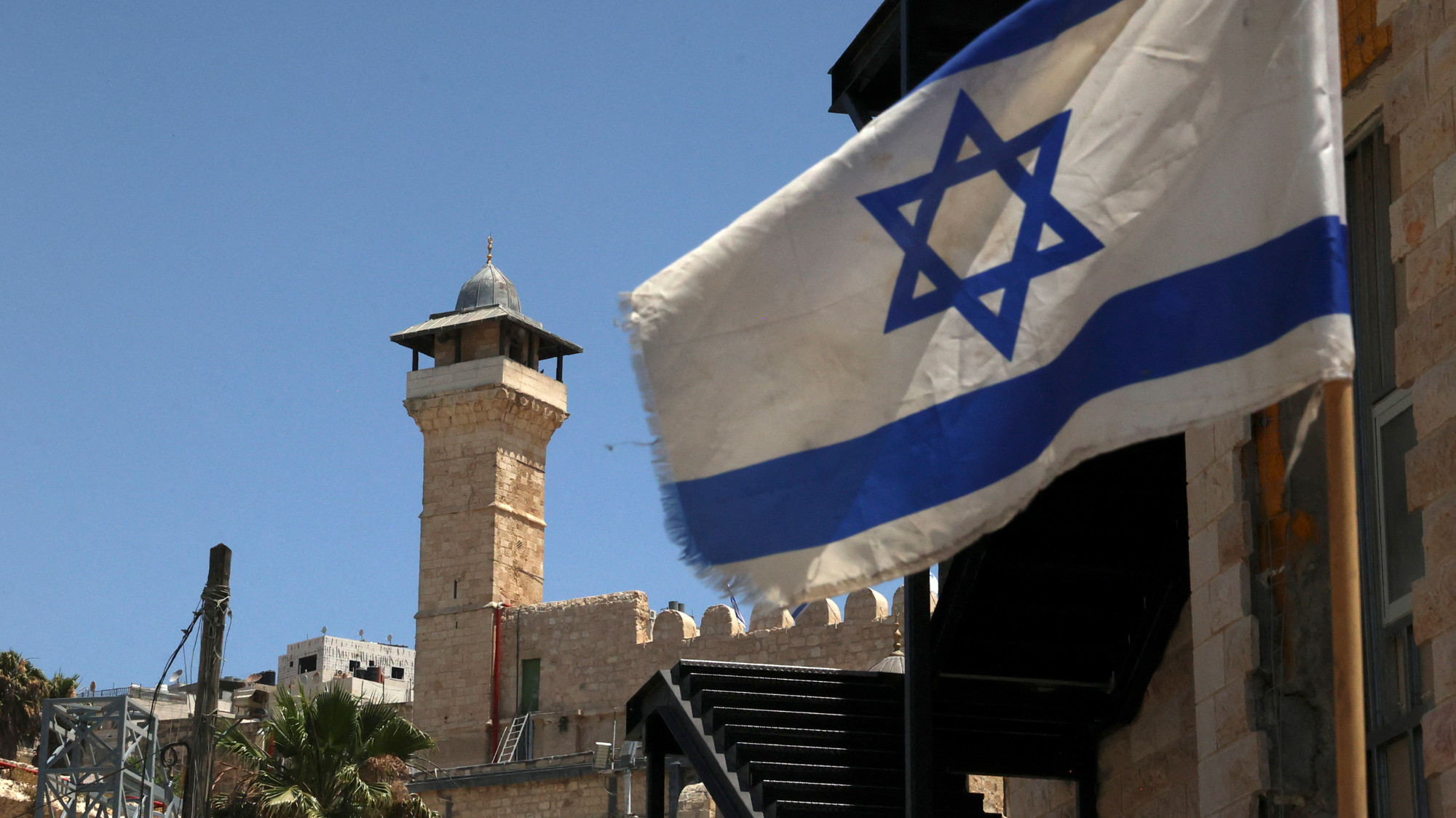
    In a significant escalation of tensions, Israeli military authorities have formally stripped Palestinian institutions of municipal authority over Hebron’s revered Ibrahimi Mosque. The Israeli Civil Administration, the military governance body overseeing the occupied West Bank, announced Wednesday the transfer of planning jurisdiction from the Palestinian Authority-run Hebron Municipality to its own Supreme Planning Council.

    This administrative shift enabled the immediate approval of construction projects—including a controversial roof over the mosque’s internal courtyard—despite vigorous Palestinian opposition. Hebron Municipality officials condemned the move as a “serious and illegal violation” that systematically attacks both the status quo at the holy site and the authority of Palestinian management bodies.

    The municipality asserted that Israel’s actions constitute “a clear violation of international law and existing agreements,” accusing Israeli authorities of deliberately dismantling Palestinian planning and construction rights. Hamas similarly denounced the move as part of a dangerous “Judaisation” campaign intended to erase Palestinian identity in Hebron and replace it with Jewish characteristics.

    This development occurs against the backdrop of UNESCO’s designation of the Ibrahimi Mosque and Hebron’s Old City as endangered world heritage sites. Legal representatives challenging the move in Israel’s Supreme Court maintain that all construction permits and confiscation actions lack legal validity.

    The site holds profound religious significance for Muslims, Jews, and Christians as the traditional burial place of Prophet Abraham. Known to Israelis as the Cave of the Patriarchs, the mosque witnessed a horrific massacre in 1994 when extremist settler Baruch Goldstein killed 29 Muslim worshippers during Ramadan.

    Since the 1997 agreement that divided control between Palestinians and Israelis, settler incursions and Israeli oversight have steadily increased. The recent power transfer effectively nullifies the management role historically held by the Islamic Waqf religious trust and Hebron Municipality, raising concerns about Israel’s broader strategy to assume complete administrative control.

    Israeli media reports from July suggested plans to eventually transfer authority to the religious council of the Kiryat Arba settlement, though the Islamic Waqf notes it has received no official notification. Since the onset of the Gaza conflict in 2023, Palestinian worshippers have faced increasing restrictions including banned prayer calls, closed entrances, confiscated keys, and harassment by soldiers and settlers.

  • Zohran Mamdani sworn in as first Muslim mayor of New York City

    Zohran Mamdani sworn in as first Muslim mayor of New York City

    New York City witnessed a groundbreaking political milestone on Thursday as Zohran Mamdani assumed office as the city’s first Muslim mayor. The historic inauguration ceremony, conducted in a decommissioned subway station beneath Times Square just after midnight, featured Mayor Mamdani taking his oath of office using two significant Qurans: a personal copy that belonged to his grandfather and a 200-year-old archival version loaned from the New York Public Library.

    The 34-year-old mayor, who also holds the distinction of being New York’s first chief executive of South Asian heritage and the first born in Africa, marked the occasion with a subdued private ceremony attended by his wife, artist Rama Duwaji, who held the religious texts during the oath-taking. Former Mayor Eric Adams, known for his pro-Israel stance during his single term, was also present at the midnight event.

    Mayor Mamdani characterized the appointment as “the honor and privilege of a lifetime” during remarks to reporters, emphasizing the symbolic significance of choosing a historic transit site for his swearing-in. “This old City Hall subway station stands as testament to the importance of public transit to the vitality, health, and legacy of our city,” he stated.

    The inauguration drew immediate criticism from conservative figures, including Alabama Senator Tommy Tuberville, who described the event with alarmist rhetoric, and Dutch politician Geert Wilders, who questioned the validity of a Quran-based oath. These reactions prompted responses from civil rights organizations, with the Council on American-Islamic Relations having previously designated Tuberville as an anti-Muslim extremist.

    Mayor Mamdani’s political ascent represents a significant shift in New York’s political landscape, built on an unapologetically progressive platform that championed rent control, free public transit, and increased taxes on wealthy residents. His campaign notably centered his Muslim identity and Palestinian advocacy in a city historically shaped by the aftermath of 9/11 and subsequent Islamophobic sentiment.

    The new mayor’s relationship with former President Donald Trump revealed surprising political dynamics. Despite Trump’s previous threats to withhold federal funding if Mamdani won, the two held a cordial White House meeting where Trump unexpectedly defended the mayor against aggressive questioning from reporters, even as Mamdani maintained his characterization of Trump as a fascist.

    A second, more elaborate public inauguration ceremony was scheduled for Thursday afternoon at City Hall, featuring Senator Bernie Sanders administering the oath of office.

  • ‘Separatist fallacy’ of Lai Ching-te ‘doomed to fail’

    ‘Separatist fallacy’ of Lai Ching-te ‘doomed to fail’

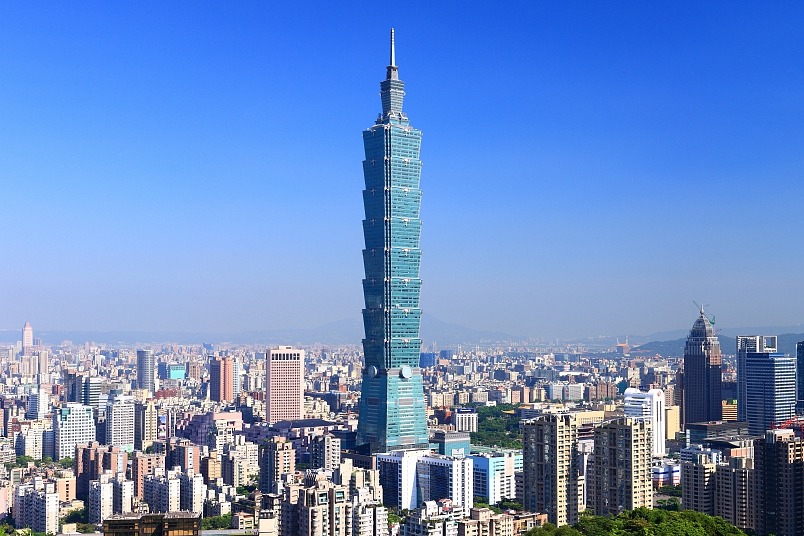
    In a stern rebuke of Taiwan’s New Year address, China’s State Council Taiwan Affairs Office has characterized Taiwan leader Lai Ching-te’s remarks as fundamentally separatist rhetoric destined for failure. Spokesperson Chen Binhua issued the official response on Thursday, following Lai’s speech that emphasized strengthening Taiwan’s defensive capabilities against what he termed China’s expansionist ambitions.

    Chen systematically dismantled the address, accusing Lai of propagating falsehoods and malicious narratives while repackaging traditional Taiwan independence ideology. The spokesperson asserted that Lai’s confrontational approach reveals an entrenched separatist mentality, labeling him a ‘saboteur of peace,’ ‘creator of crisis,’ and ‘inciter of war’ through his provocative statements.

    The criticism extended beyond rhetorical concerns to practical governance issues. Chen condemned Lai’s administration for allegedly disregarding Taiwanese public opinion, escalating cross-strait tensions, and misallocating public resources toward independence-oriented military preparations. The spokesperson further accused the Taiwan authorities of suppressing democratic freedoms while pursuing policies that compromise the interests of Taiwanese citizens and businesses through excessive alignment with external powers.

    Reaffirming China’s longstanding position, Chen emphasized that regardless of actions taken by Lai and the Democratic Progressive Party, Taiwan remains an inseparable part of Chinese territory. The spokesperson declared China’s national rejuvenation irreversible and expressed confidence in achieving complete reunification.

    The statement concluded with an appeal to Taiwanese compatriots to recognize the dangers of separatist agendas, align with historical progress, and collaborate with mainland counterparts to maintain cross-strait stability. Chen urged joint efforts toward peaceful development of cross-strait relations and the eventual realization of national rejuvenation and reunification.

  • Donald Trump joins criticism of George Clooney’s French passport

    Donald Trump joins criticism of George Clooney’s French passport

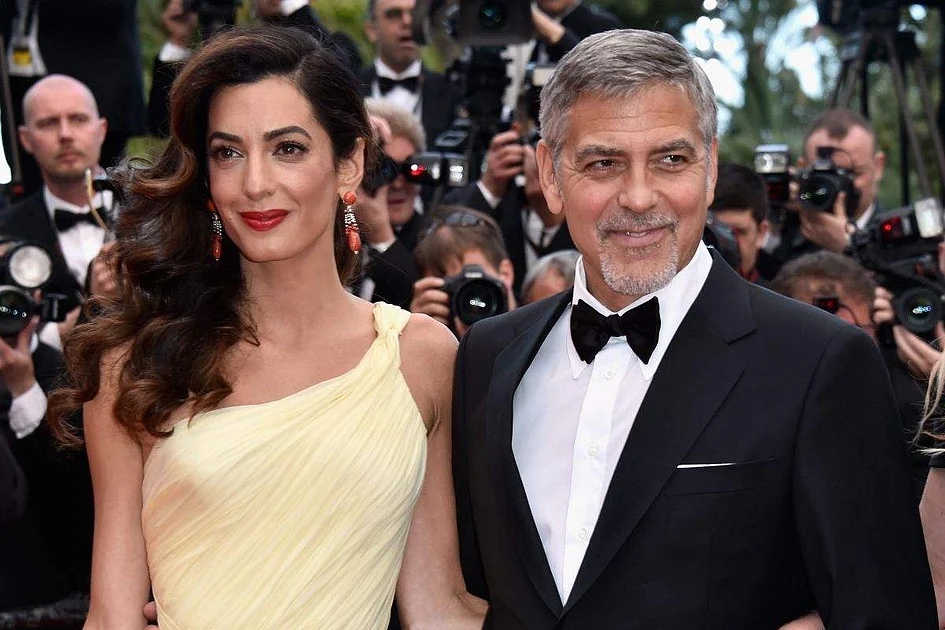
    Former US President Donald Trump has amplified criticism surrounding France’s decision to grant citizenship to Hollywood actor George Clooney and his family, injecting himself into a contentious debate over immigration standards. The controversy emerged following an official decree confirming the naturalization of Clooney, his human rights attorney wife Amal, and their two children through ministerial approval rather than standard administrative channels.

    The diplomatic gesture coincides with France’s implementation of stricter language requirements for citizenship applicants effective January 1, 2026, creating perceptions of preferential treatment. Trump utilized his Truth Social platform to mock the development, stating: ‘Good News! George and Amal Clooney, two of the worst political prognosticators of all time, have officially become citizens of France which is, sadly, in the midst of a major crime problem because of their absolutely horrendous handling of immigration.’

    Internal government divisions surfaced when Marie-Pierre Vedrenne, a junior interior minister, acknowledged ‘double standards’ in the case, noting Clooney’s limited French proficiency despite his claims of 400 lessons. This contrasted with defending statements from Interior Minister Laurent Nunez and the Foreign Ministry, which emphasized the family’s compliance with legal procedures including security vetting, interviews, and tax payments.

    The ministry justification highlighted the Clooneys’ ‘distinguished service to France’s influence’ through George’s film industry contributions and Amal’s collaborations with French academic institutions. Statistics reveal approximately 48,800 individuals acquired French nationality by decree in 2024, though most undergo the newly strengthened language and civic knowledge requirements that exclude the Clooneys due to their pre-2026 application timing.

    The actor maintains a property in Provence’s Brignoles region, describing France as where his family feels ‘happiest’ due to privacy protections. Meanwhile, Hollywood director Jim Jarmusch has similarly sought French citizenship, reflecting broader patterns of cultural figures seeking European alternatives amid American political tensions.