分类: politics

  • Ireland’s Micheál Martin will visit China in the first trip by an Irish leader in 14 years

    Ireland’s Micheál Martin will visit China in the first trip by an Irish leader in 14 years

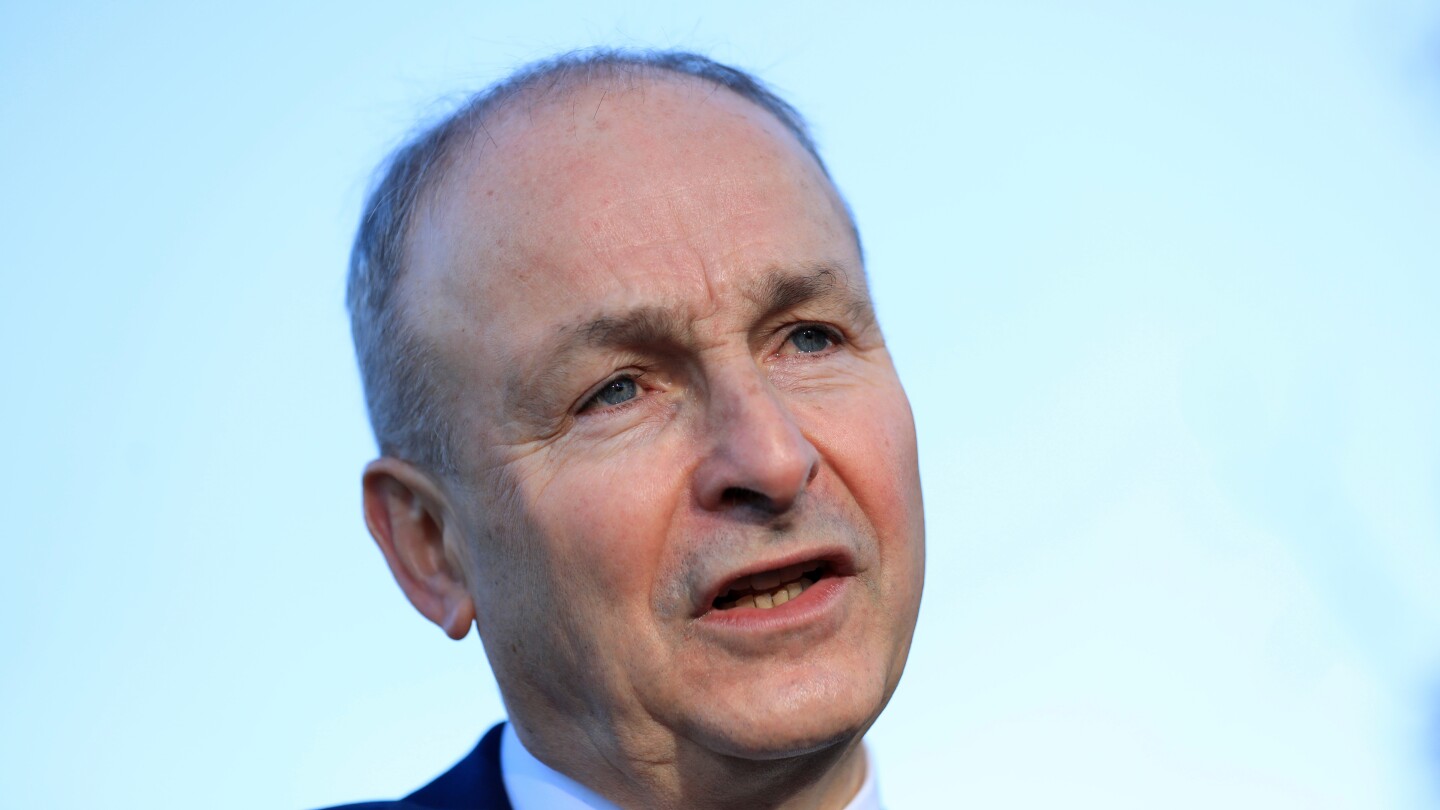
    Irish Prime Minister Micheál Martin commenced a significant five-day diplomatic mission to China on Sunday, marking the first official visit by an Irish leader to Beijing in over fourteen years. The Chinese Foreign Ministry confirmed that Martin will engage in high-level discussions with President Xi Jinping, Premier Li Qiang, and National People’s Congress Chairman Zhao Leji during his itinerary spanning both Beijing and Shanghai.

    This diplomatic engagement occurs against the backdrop of ongoing trade tensions between China and the European Union. In recent months, Beijing has implemented provisional tariffs reaching 42.7% on EU dairy products while initiating investigations into European brandy and pork imports. These measures represent counteractions to the EU’s tariffs on Chinese electric vehicles.

    Concurrently, China is hosting South Korean President Lee Jae Myung for a separate four-day state visit beginning Sunday, marking the second bilateral meeting between Lee and Xi within two months. This diplomatic activity unfolds amid heightened regional tensions following Japan’s recent statements regarding potential military involvement in Taiwan-related scenarios.

    Last week, China conducted extensive military exercises around Taiwan, demonstrating its firm stance against what it perceives as separatist activities and external interference. President Lee reaffirmed South Korea’s adherence to the ‘One China’ policy regarding Taiwan in pre-visit remarks to Chinese state media.

    The Chinese Foreign Ministry emphasized that Martin’s visit presents opportunities to strengthen bilateral cooperation and enhance broader China-EU relations, signaling Beijing’s continued strategy of cultivating relationships with individual EU member states despite broader bloc tensions.
  • Military-backed party leads in early election results in Myanmar

    Military-backed party leads in early election results in Myanmar

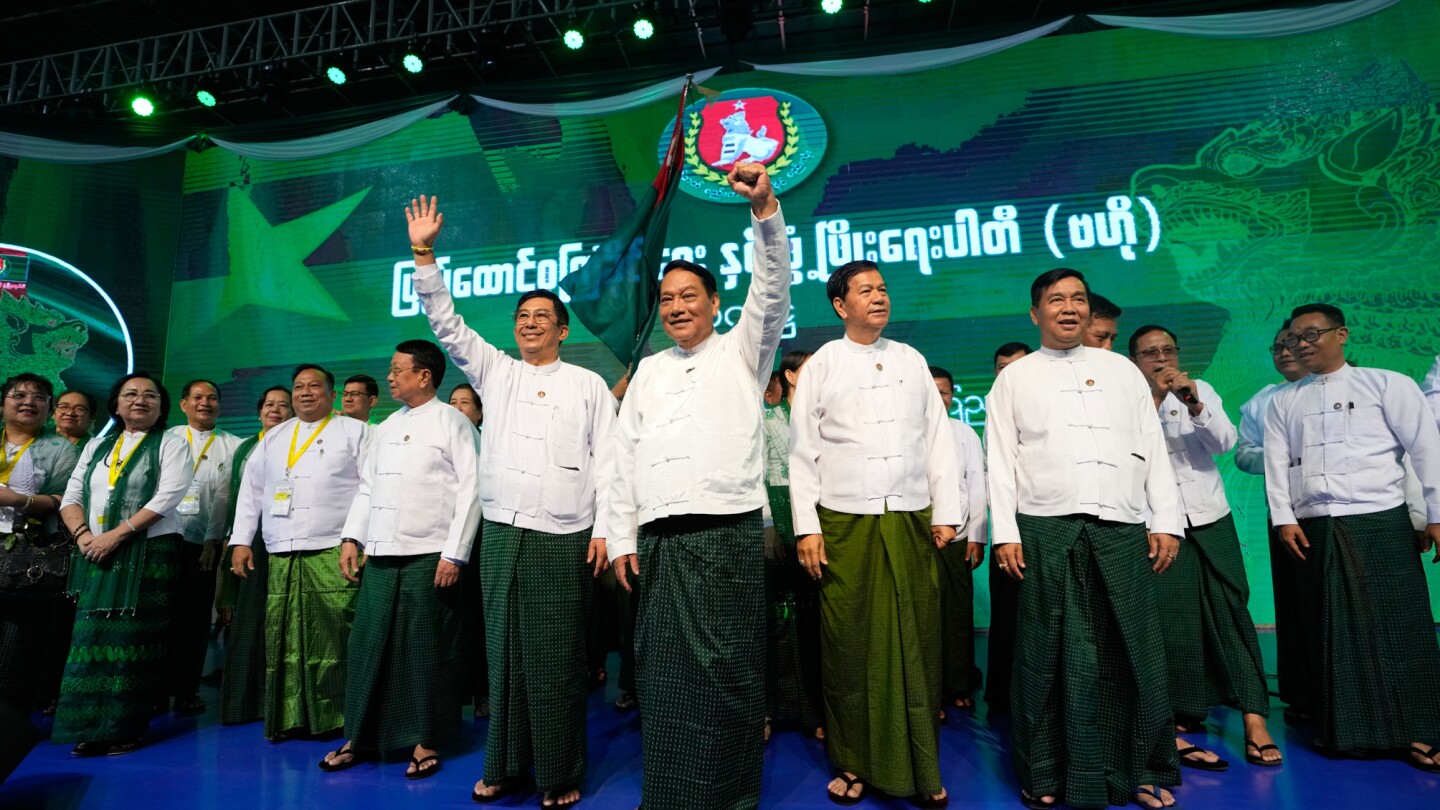
    BANGKOK (AP) — Myanmar’s military-appointed electoral authority has commenced announcing results from the initial stage of its three-phase general election, confirming widespread expectations that the junta-supported Union Solidarity and Development Party (USDP) has secured most declared seats.

    The electoral process, criticized by opposition groups as fundamentally flawed, faces allegations of being engineered to provide superficial legitimacy to military rule. Detractors emphasize the exclusion of major political factions and systematic suppression of dissent as evidence that the polls lack both freedom and fairness. Numerous opposition organizations have consequently advocated for voter boycotts.

    According to Wednesday’s government statement, approximately 52% of eligible voters—over 6 million individuals—participated in the December 28 first-phase elections, which the regime characterized as a resounding success.

    Saturday’s partial results published in the state-controlled Myanma Alinn newspaper revealed the USDP secured 38 seats in the 330-member Pyithu Hluttaw lower house, with numerous constituencies still awaiting declaration. A separate announcement confirmed USDP leader Khin Yi, former general and police chief regarded as a key ally of military ruler Senior General Min Aung Hlaing, won his Naypyitaw constituency with 49,006 of 68,681 votes.

    The Shan Nationalities Democratic Party and Mon Unity Party each gained one seat according to the Union Election Commission’s statement.

    Despite incomplete results, USDP leadership expressed confidence in their first-phase performance. A senior party official anonymously informed The Associated Press they had captured 88 of 102 contested seats, noting the party faced no opposition in 29 constituencies due to absent challengers.

    Myanmar’s political structure features a bicameral national legislature totaling 664 seats. The constitution guarantees the military 25% automatic representation in each chamber, meaning any party seeking governance must achieve a combined parliamentary majority to select the president and form a government.

    The USDP official additionally claimed victory in 85% of regional legislature contests, though complete outcomes await subsequent voting phases scheduled for January 11 and 25. Electoral proceedings occur in三个阶段 due to ongoing armed conflicts, with 65 townships excluded entirely from participation.

    While 57 parties fielded over 4,800 candidates for national and regional legislatures, only six organizations possess nationwide reach and potential parliamentary influence, with the USDP emerging as the dominant force.

    The current military regime originated from the February 2021 coup that ousted Aung San Suu Kyi’s democratically elected government, preventing her National League for Democracy (NLD) from serving a second term despite their landslide 2020 victory. The NLD was subsequently dissolved in 2023 alongside 39 other parties for refusing registration under new military regulations. The takeover ignited widespread resistance that has since evolved into full-scale civil war.

  • Global experts hail Xi’s people-centered message

    Global experts hail Xi’s people-centered message

    International scholars and policy experts worldwide have applauded President Xi Jinping’s 2026 New Year message, recognizing it as a comprehensive articulation of China’s governance framework that prioritizes citizen welfare while pursuing sustainable, high-quality development. The address has drawn particular attention for its fusion of socialist principles with pragmatic policy implementation, offering what analysts describe as an increasingly influential model for global governance.

    Keith Bennett, co-founder of Friends of Socialist China, observed that the message demonstrates how socialism under Communist Party leadership is gaining renewed global prominence. Bennett highlighted how cultural manifestations—from humanoid robots performing traditional kung fu to grassroots football leagues in Guizhou province—reflect both improved quality of life for Chinese citizens and the growing appeal of Chinese civilization internationally.

    Brazil-China Research and Business Center executive director Ronnie Lins noted the speech’s effectiveness in connecting national objectives with daily lived experiences. “President Xi’s assertion that ‘no issue of the people is too small’ translates Chinese modernization and common prosperity into tangible, actionable measures that directly benefit citizens,” Lins told CGTN.

    The address also outlined China’s extension of its domestic governance philosophy to international engagement. President Xi emphasized China’s commitment to collaborative global problem-solving, stating: “China always stands on the right side of history, and is ready to work with all countries to advance world peace and development and build a community with a shared future for humanity.”

    Canadian Chinese Entrepreneurs Council secretary-general Zheng Xiaofeng interpreted this as a significant indicator of China’s policy direction, noting the message emphasizes resilience and patience amid global uncertainties rather than promising unrealistic growth. Zheng particularly welcomed concrete references to expanding openness, predicting enhanced policy predictability and rules-based international cooperation.

    The speech’s emphasis on the Global Governance Initiative received special attention from African analysts. Nairobi-based international relations scholar Adhere Cavince noted the initiative’s alignment with development cooperation opportunities between China and African nations. Citing the upgraded China-Kenya partnership, Cavince identified potential in agricultural modernization, infrastructure development, and green energy collaboration. “As Xi’s message calls for bold strides,” he remarked, “such partnerships could accelerate Africa’s development agenda while enhancing economic resilience and shared prosperity.”

  • Trump following Netanyahu playbook with new Iran threat: critics

    Trump following Netanyahu playbook with new Iran threat: critics

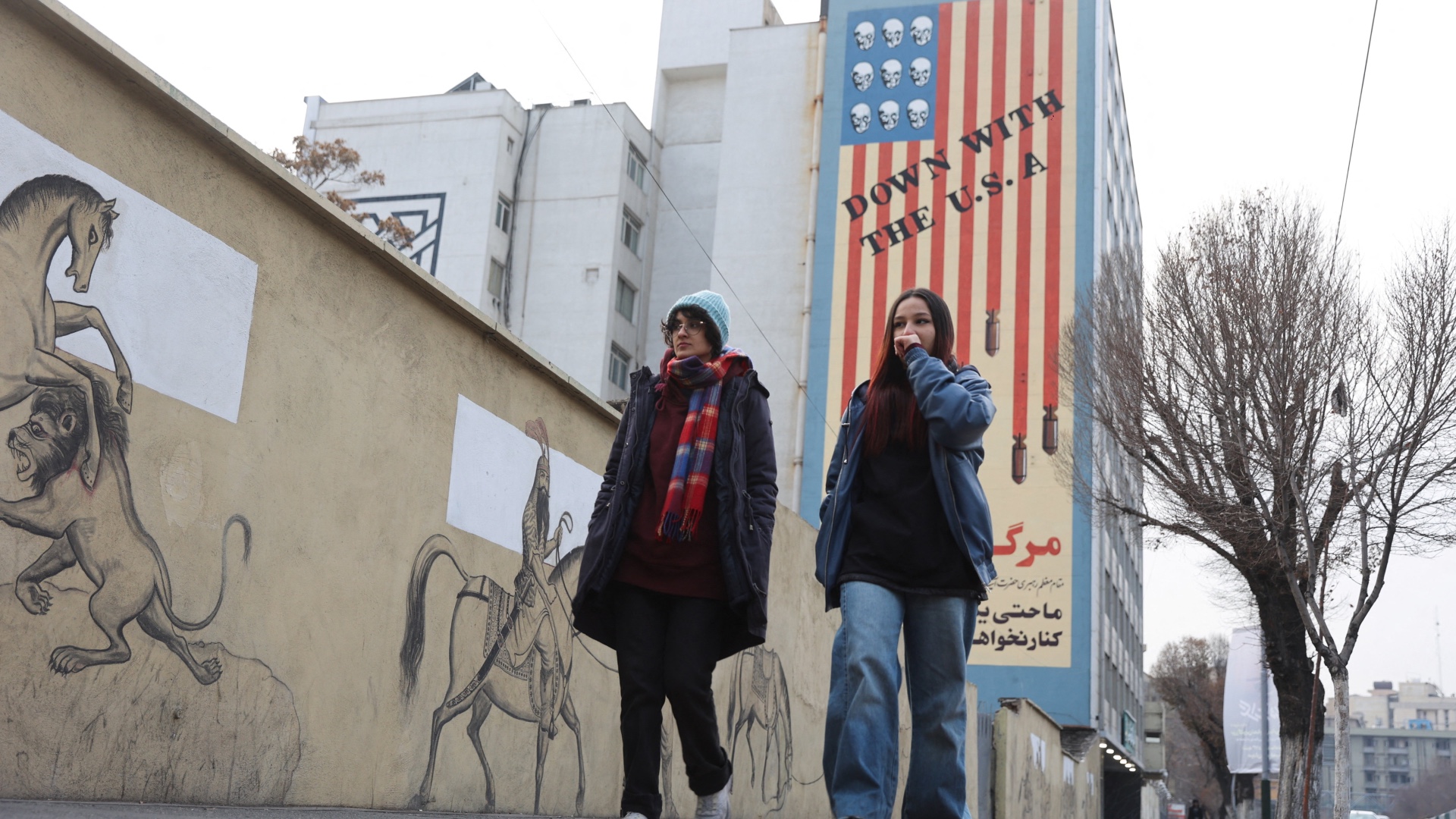
    Former U.S. President Donald Trump escalated geopolitical tensions on Friday by issuing a direct military threat against Iran through his Truth Social platform. The controversial statement warned that American forces stand “locked and loaded” to intervene if Iranian authorities intensify their crackdown on ongoing domestic protests.

    Trump’s social media post explicitly stated: “If Iran shots [sic] and violently kills peaceful protesters, which is their custom, the United States of America will come to their rescue.” This declaration came shortly after his meeting with Israeli Prime Minister Benjamin Netanyahu, during which Trump reportedly expressed openness to supporting additional military strikes against Iranian nuclear facilities.

    The Iranian government responded swiftly through Ali Larijani, secretary of Iran’s Supreme National Security Council, who cautioned that American interference would “destroy America’s interests” and create “chaos in the entire region.”

    Policy experts from the National Iranian American Council (NIAC) expressed grave concerns about Trump’s rhetoric. President Jamal Abdi characterized Netanyahu’s visit as strategically aimed at “moving the goalposts for military action on Iran” and warned that Trump’s comments represent “a dangerous signal” that could lead the United States into another Middle Eastern conflict.

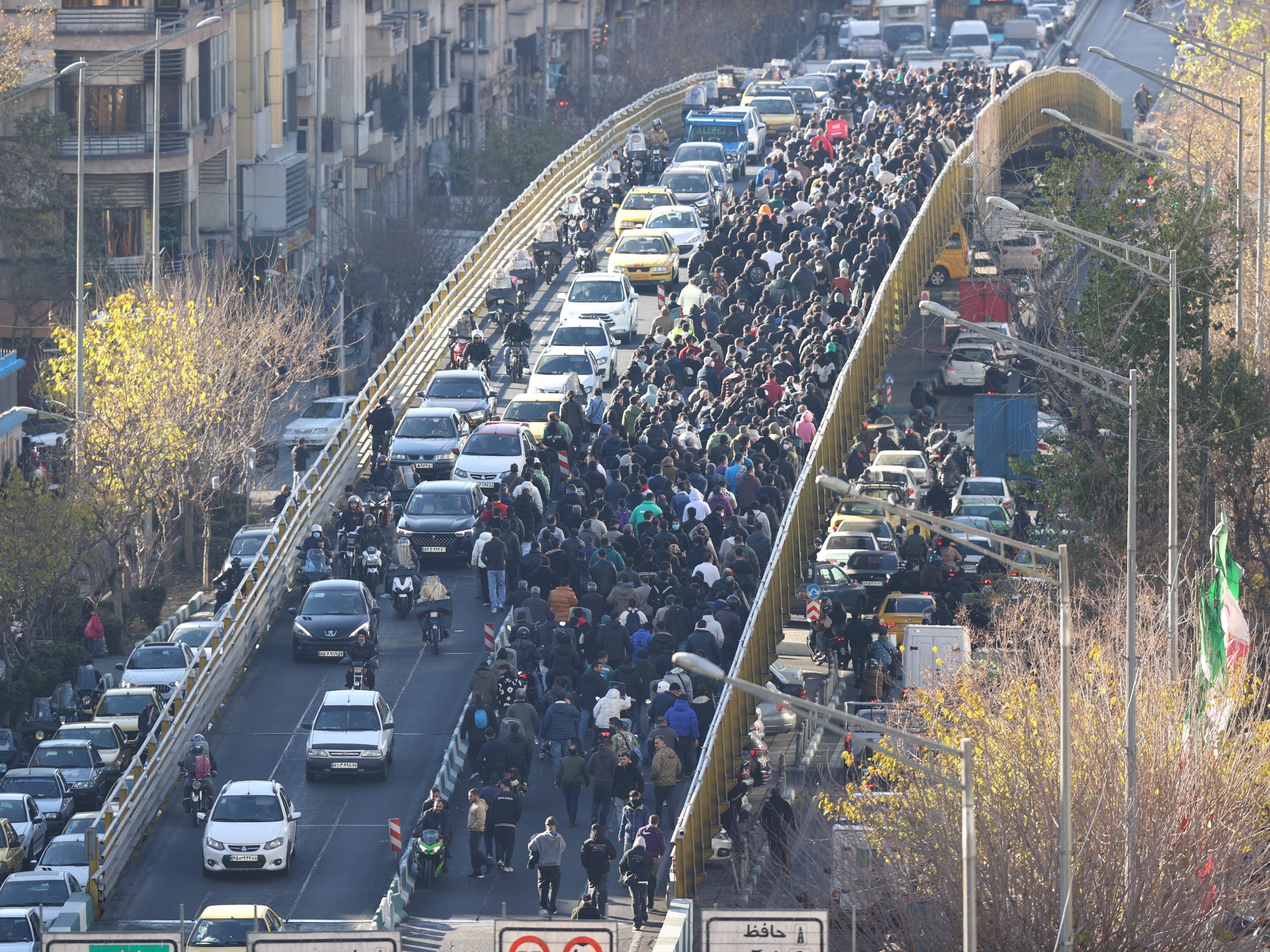
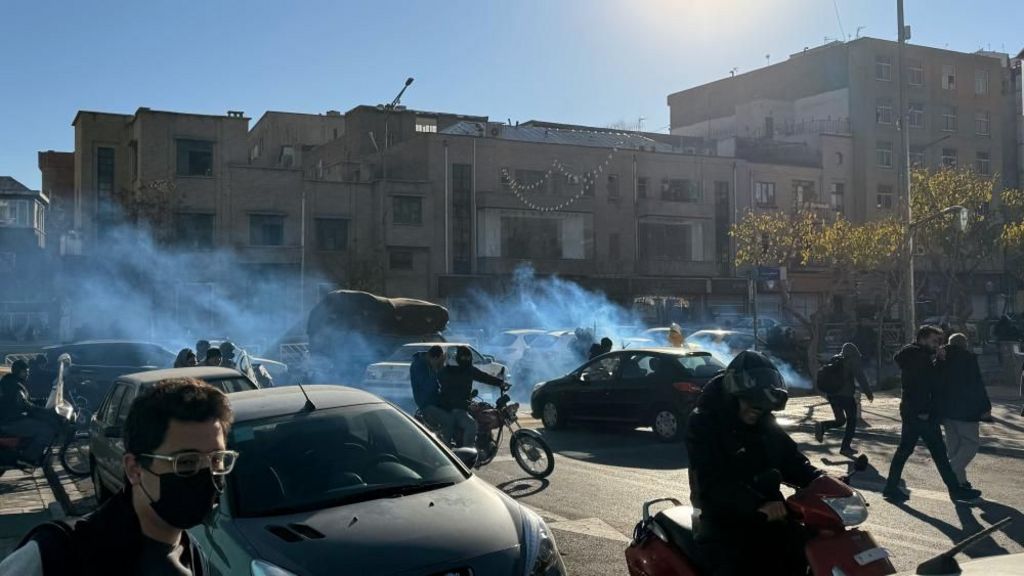
    The current protests in Iran originated from economic grievances, particularly the catastrophic collapse of the national currency. What began as strikes by technology merchants in Tehran has evolved into widespread demonstrations incorporating overt anti-government sentiments. Reports indicate several protesters have been killed by security forces during the unrest.

    NIAC analysts Etan Mabourakh and Ehsan Zahedani emphasized that the Iranian people’s struggle for economic justice and freedom deserves genuine solidarity rather than Western “salvation” through military intervention. They cautioned against external actors co-opting legitimate domestic grievances to advance agendas of militarism and regime change.

  • Trump promise to intervene over Iran protests ‘reckless’ says foreign minister

    Trump promise to intervene over Iran protests ‘reckless’ says foreign minister

    Iranian officials have issued a stern rebuke of former US President Donald Trump’s offer to intervene in ongoing domestic protests, labeling his statements as dangerously irresponsible. The diplomatic clash emerged after Trump posted on social media that US forces were “locked and loaded and ready to go” should Iranian authorities move against peaceful demonstrators.

    Iran’s Foreign Affairs Minister Abbas Araghchi responded via social media platform X, asserting that “Iran will forcefully reject any interference in their internal affairs.” Drawing parallels to US domestic policy, Araghchi noted that Trump should understand from his own deployment of National Guard troops that attacks on public property cannot be tolerated.

    The exchange occurs against a backdrop of significant civil unrest that has spread across multiple Iranian cities. According to various reports, at least eight fatalities have occurred during week-long demonstrations that began with shopkeepers protesting the Iranian currency’s sharp devaluation against the US dollar. The protests have since expanded to include university students and citizens chanting against the country’s clerical leadership.

    Iranian police spokesman General Saeed Montazerolmahdi stated that security forces would prevent “enemies” from transforming “unrest into chaos,” while President Masoud Pezeshkian acknowledged he would listen to “legitimate demands” of protesters. Simultaneously, Prosecutor-General Mohammad Movahedi-Azad warned that instability attempts would meet a “decisive response.”

    In a significant diplomatic move, Iran’s UN Ambassador Amir-Saeid Iravani formally requested the UN Security Council condemn Trump’s statements, warning that the US would bear “full responsibility for any consequences arising from these unlawful threats.” The current protests represent the most widespread demonstrations since the 2022 uprising sparked by Mahsa Amini’s death in custody, though on a smaller scale.

  • What to know about the Ukrainian general picked by Zelenskyy to be his new chief of staff

    What to know about the Ukrainian general picked by Zelenskyy to be his new chief of staff

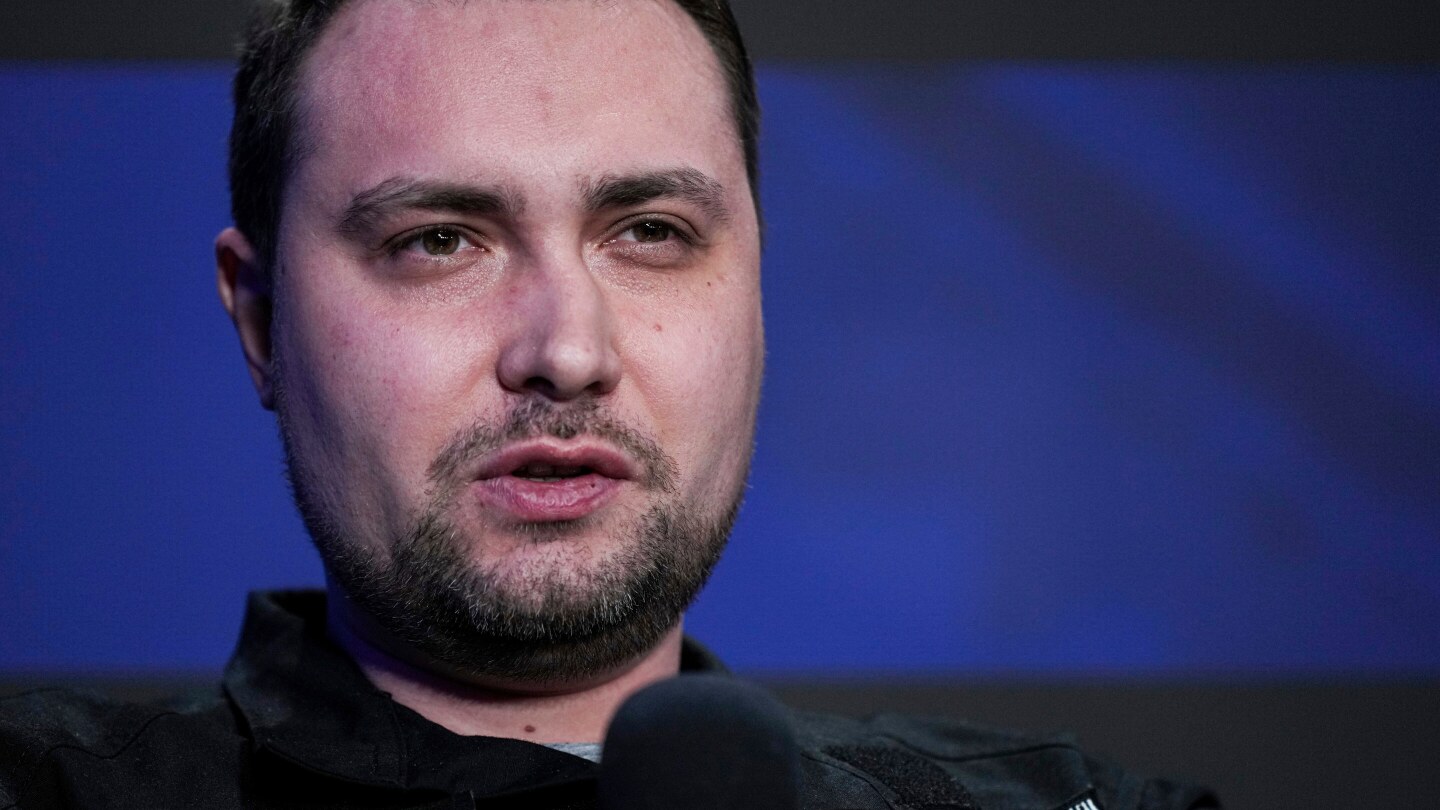
    In a strategic reshuffle at the highest level of Ukraine’s government, President Volodymyr Zelenskyy has appointed General Kyrylo Budanov, the nation’s military intelligence director, to serve as his new chief of staff. This pivotal transition occurs during an exceptionally delicate phase of Russia’s prolonged invasion, now approaching its fourth year.

    General Budanov assumes the role previously held by Andrii Yermak, Zelenskyy’s longstanding principal aide who resigned in November following anti-corruption authorities searching his residence. This investigation centered on alleged graft within Ukraine’s energy sector, delivering a significant blow to the presidential administration and potentially disrupting diplomatic strategies during ongoing U.S.-mediated peace initiatives.

    At 39 years old, Budanov has commanded Ukraine’s Military Intelligence Directorate (GUR) since 2020, establishing himself as both a popular public figure and architect of numerous successful operations against Russian military assets. His career trajectory accelerated following Russia’s unlawful annexation of Crimea in 2014, with subsequent participation in special operations against Moscow-backed separatist forces. His hands-on battlefield experience includes surviving combat injuries and evading multiple assassination attempts by Russian security services.

    Under Budanov’s leadership, the GUR dramatically expanded its operational scope, coordinating sophisticated intelligence, sabotage, and special missions targeting Russian command structures, logistical networks, energy infrastructure, and naval assets—often deep within Russian territory and occupied Ukrainian regions. His frequent media appearances blended strategic messaging with psychological operations against Russian forces.

    Budanov’s appointment signals a pronounced shift toward prioritizing foreign policy, defense, and security within the presidential administration. This reorganization coincides with intensified diplomatic efforts to resolve the conflict, with Zelenskyy recently indicating that a peace agreement is approximately 90% finalized—though acknowledging the remaining 10% involving territorial disputes will ultimately determine Ukraine’s sovereign future.

    Having previously participated in diplomatic delegations collaborating with U.S. negotiators and facilitating prisoner exchanges with Russian counterparts, Budanov’s exact role in future peace processes remains undefined. In his initial response to the appointment, Budanov expressed gratitude for Zelenskyy’s confidence, declaring on Telegram: ‘I continue to serve Ukraine. This represents both an honor and a responsibility—at this historic juncture for our nation—to concentrate on critically important issues of strategic state security.’

  • UAE-backed southern Yemen separatists to hold independence referendum

    UAE-backed southern Yemen separatists to hold independence referendum

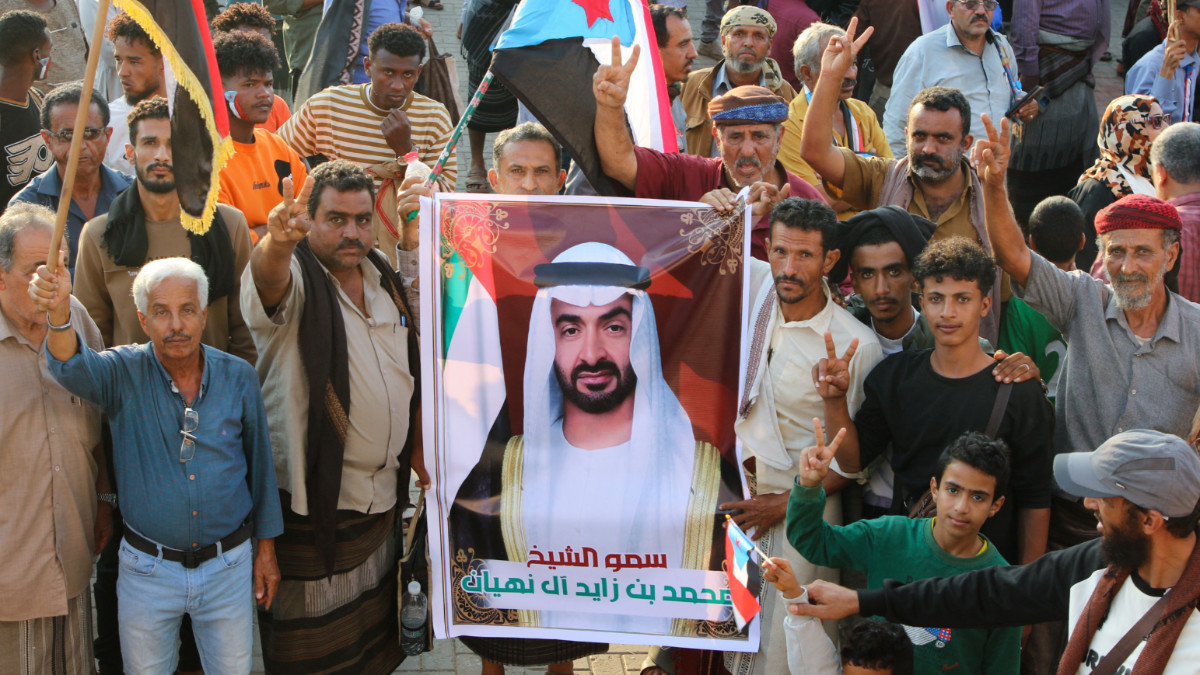
    Yemen’s Southern Transitional Council (STC), a secessionist faction with backing from the United Arab Emirates, has declared plans to conduct a referendum on independence within two years, escalating tensions with Saudi Arabia and its allied Yemeni government forces. The announcement comes amid intensified military confrontations that have exposed deepening fractures between the Gulf powerhouses.

    STC President Aidaros Alzubidi proclaimed the commencement of a transitional period in a televised address Friday, urging international mediation for north-south dialogue while threatening immediate independence declaration if southern territories face further military aggression. “This constitutional declaration shall be considered immediately and directly effective if the people of the south, their land, or their forces are subjected to any military attacks,” Alzubidi warned.

    The political maneuver coincides with lethal battlefield exchanges across southern Yemen. Saudi airstrikes targeted STC positions in Hadhramaut province Friday, resulting in 29 separatist fatalities according to STC officials. These operations supported government-aligned National Shield forces attempting to reclaim territory lost to the separatists in December.

    The conflict reveals deteriorating Saudi-Emirati coordination in Yemen, where both nations initially intervened against Houthi rebels a decade ago. Recent divergences extend beyond Yemen to include contrasting approaches toward Israel’s Gaza operations and Syrian normalization efforts. Notably, the UAE abstained from condemning Israel’s recognition of Somaliland independence—another breakaway region with Abu Dhabi ties—potentially establishing precedent for the STC’s self-determination push.

    Yemen’s internationally recognized government, backed by Riyadh, maintains opposition to southern secession. Hadhramaut Governor Salem al-Khanbashi echoed calls for peaceful dialogue Friday, stating: “We renew the emphasis on the justice of the southern cause, while rejecting the path of military control and confrontation.” The STC nevertheless asserts their constitutional declaration aligns with international law, as spokesperson Anwar al-Tamimi emphasized to Al Jazeera.

  • ‘Locked and loaded’: Trump threatens Iran over protester deaths

    ‘Locked and loaded’: Trump threatens Iran over protester deaths

    Former US President Donald Trump has issued a direct threat of military intervention against Iran, warning that American forces stand ready to “rescue” Iranian citizens if their government continues its violent suppression of ongoing protests. The declaration came via Trump’s TruthSocial platform, where he stated: “If Iran shoots and violently kills peaceful protesters, which is their custom, the United States of America will come to their rescue. We are locked and loaded and ready to go.

    The protests have emerged in response to a severe economic crisis that has seen Iran’s currency effectively collapse under the weight of US sanctions. Current exchange rates show one US dollar equivalent to over 42,000 Iranian Rial (IRR), with the unofficial daily currency, the Toman (equivalent to 10 IRR), driving basic living costs to unsustainable levels. A traditional meal now costs approximately 600 Toman, highlighting the economic pressure on citizens.

    Iran’s leadership responded swiftly to Trump’s threats. Ali Larijani, secretary of Iran’s Supreme National Security Council, warned on social media platform X that US intervention “corresponds to chaos in the entire region and the destruction of US interests,” likely referencing Iran’s capability to target US military bases in the region. Larijani further cautioned American citizens to “take care of their own soldiers,” accusing Trump of initiating “adventurism.”

    The exchange occurs against the backdrop of recent meetings between Trump and Israeli Prime Minister Benjamin Netanyahu, where Iran’s nuclear program featured prominently on their agenda. Trump claimed that US and Israeli actions had previously “obliterated” Iranian nuclear sites, though Iran disputes this assertion. The former president added that if Iran attempts to rebuild its nuclear capabilities, “we’re going to have to knock them down… We’ll knock the hell out of them,” while leaving open the possibility of diplomatic resolution.

    Netanyahu, during his US visit, continued his longstanding advocacy for military action against Iran, alleging Tehran’s involvement in “exporting terrorism” throughout the Middle East and even to Venezuela. His comments aligned with the Trump administration’s concurrent threats against Venezuelan President Nicolas Maduro, including multiple strikes on vessels in the Caribbean Sea that the US claims are drug boats originating from Venezuela.

  • Four challenges facing New York City Mayor Mamdani

    Four challenges facing New York City Mayor Mamdani

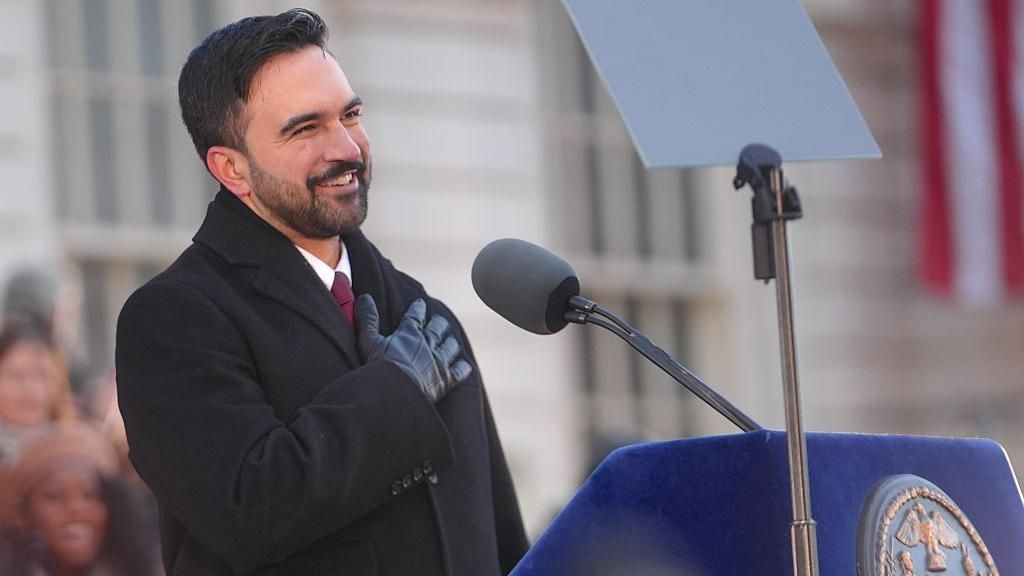
    On a frigid January morning in 2026, Zohran Mamdani assumed leadership of America’s largest city amidst thousands of cheering supporters, pledging to fundamentally reshape New York’s governance. The 34-year-old democratic socialist, whose unexpected electoral victory stunned political establishments, promised to deliver an unprecedented agenda centered on safety, affordability, and governmental representation that mirrors the city’s diverse population.

    Mamdani’s progressive platform includes revolutionary proposals: universal childcare, completely free public bus transportation, and municipally-operated grocery stores. His administration immediately faces the complex reality of implementing these ambitious policies within New York’s intricate political ecosystem. According to political analysts, while some objectives like rent freezes for subsidized housing can be achieved through strategic appointments to city boards, the more financially demanding promises encounter significant obstacles.

    Professor Robert Shapiro of Columbia University notes the fundamental challenge: ‘Initiatives like free bus service and universal childcare require substantial funding. The primary constraints will be New York State’s financial capacity and Governor Hochul’s political willingness to support Mamdani’s proposed tax increases.’ The mayor’s plan to raise corporate taxes from 7.25% to 11.5% and generate $9 billion through wealth taxes requires state legislative approval—a potential stumbling block given Hochul’s moderate stance and her own reelection considerations.

    The new administration must also navigate relationships with federal authorities and business leaders. Despite President Trump’s pre-election characterization of Mamdani as a ‘communist’ threat and warnings about withholding federal funds, their initial November meeting surprisingly yielded mutual praise. However, immigration policy remains a potential flashpoint between the progressive mayor and conservative president.

    Wall Street’s initial apprehension toward Mamdani has gradually evolved into cautious engagement. After his primary victory sparked concerns among business leaders—some threatening relocation, others funding opposition campaigns—the mayor has actively sought dialogue with influential figures including JPMorgan Chase CEO Jamie Dimon and real estate developer Jeffrey Gural. While describing Mamdani as ‘personable’ and ‘smart,’ business leaders continue expressing concerns about his limited executive experience and potential tax policies driving corporations from the city.

    Public safety presents another critical challenge. Despite homicide and shooting rates reaching near-record lows in 2025, maintaining security remains paramount. Mamdani proposes establishing a Department of Community Safety focusing on mental health programs, crisis response, and subway outreach workers—building upon but aiming to improve similar initiatives from the Adams administration that critics found inadequate.

    Political analyst Patrick Egan observes that reduced crime rates provide ‘wiggle room to think creatively’ about public safety, though Democratic strategist Howard Wolfson emphasizes that policing effectiveness and quality-of-life crime management will ultimately define the administration’s perceived success or failure. Mamdani’s decision to retain Police Commissioner Jessica Tisch from the previous administration has been widely interpreted as a pragmatic move signaling continuity in public safety approaches.

  • Former Israeli prime minister accuses government of backing ‘murderous’ settler violence

    Former Israeli prime minister accuses government of backing ‘murderous’ settler violence

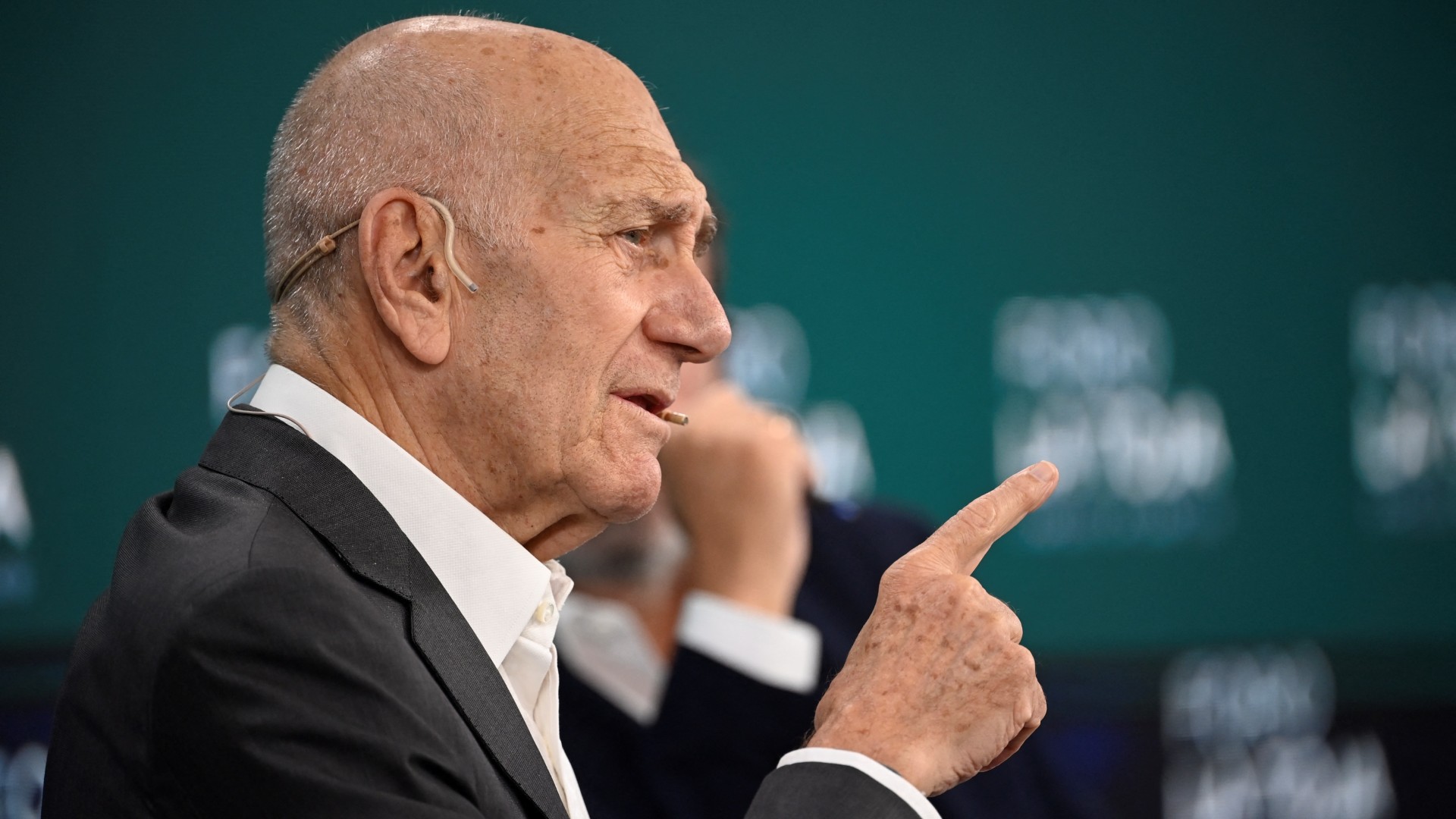
    In a scathing indictment of current Israeli leadership, former Prime Minister Ehud Olmert has characterized settler violence against Palestinians in the occupied West Bank as a government-enabled campaign amounting to “violent, murderous war.” Writing in Haaretz newspaper, Olmert rejected Prime Minister Benjamin Netanyahu’s characterization of the violence as the work of marginalized youth, instead describing it as a systematic effort toward “ethnic cleansing and mass expulsion.”

    The timing of Olmert’s article follows Netanyahu’s recent attempt to downplay the surge in attacks amid increasing international scrutiny, particularly from the United States. According to UN data, October witnessed over 260 settler attacks—the highest monthly tally since record-keeping began in 2006—with more than 3,200 Palestinians forcibly displaced as a result.

    Olmert, who himself authorized settlement expansion during his 2006-2009 premiership, asserted that armed settler groups operate with near-total impunity, often under the direct observation of Israeli security forces. He identified the government’s decision to halt administrative detention for Jewish suspects as a pivotal moment that emboldened violent actors, creating what he called a “comprehensive, coordinated and well-financed campaign” supported by political leaders and local authorities.

    The former leader specifically rejected the notion that violence stems from fringe elements, stating: “This isn’t the ‘hilltop youth’ or a small group of delinquents… it’s a military, terrorist, violent militia that murders, torches, beats, shoots, and in a systematic, planned and organised manner destroys everything in the territories that isn’t Jewish.”

    Olmert further warned of escalating internal political strife, accusing far-right ministers of creating conditions conducive to political assassination. He drew parallels between Finance Minister Bezalel Smotrich’s rhetoric toward Supreme Court President Isaac Amit and the inflammatory language that preceded the 1995 murder of Prime Minister Yitzhak Rabin. Despite Smotrich’s aides claiming his “run him over” comment was metaphorical, Olmert dismissed this as disingenuous, calling it “an invitation to murder, to physical elimination.”

    The article portrays a government systematically dismantling institutional checks through intimidation of judicial figures, with Olmert concluding that current leadership has abandoned the rule of law in favor of violent expansionism.