分类: politics

  • Venezuela: Rodriguez holds first cabinet meeting, creates commission for Maduro release

    Venezuela: Rodriguez holds first cabinet meeting, creates commission for Maduro release

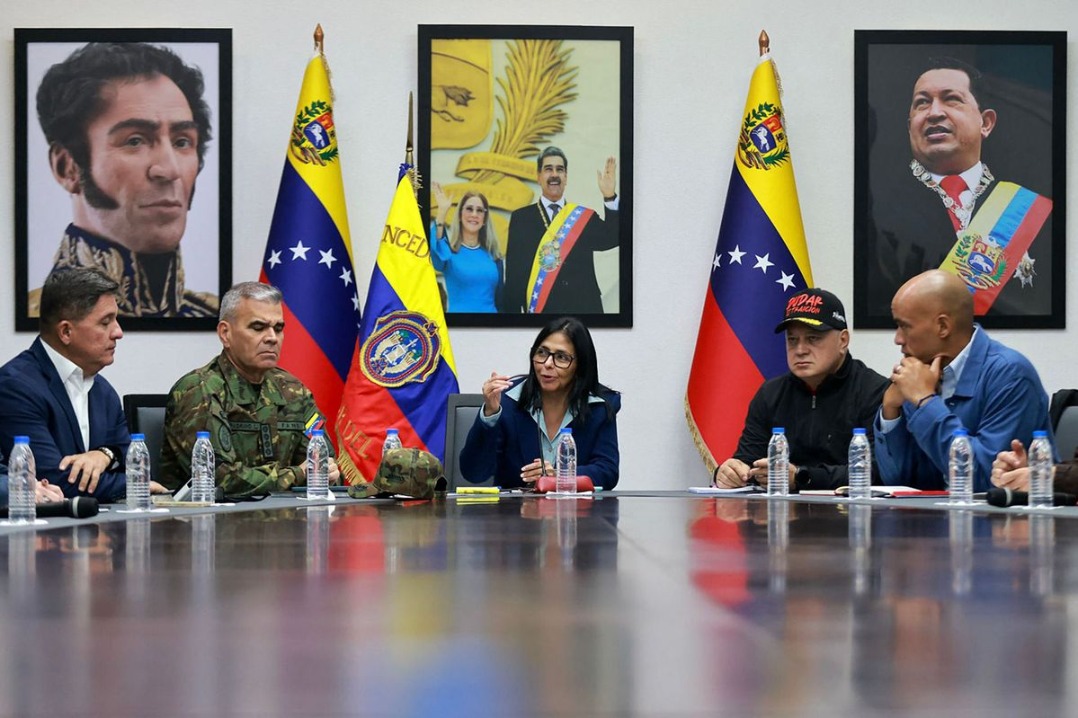
    Venezuela’s political landscape remains in turmoil as Acting President Delcy Rodriguez convened her inaugural cabinet assembly on Sunday, marking the first such gathering since the dramatic ousting of former leader Nicolas Maduro by U.S. military forces approximately 48 hours prior. The meeting, broadcast nationally via state television network VTV, showcased Rodriguez positioned at the helm of the presidential table within Miraflores Palace, flanked by two pivotal Maduro loyalists: Defense Minister Vladimir Padrino and Interior Minister Diosdado Cabello.

    In a significant development, Rodriguez established a specialized commission dedicated to securing the liberation of Maduro and his spouse, Cilia Flores. The commission’s leadership will be jointly helmed by Jorge Rodriguez (the acting president’s brother and current National Assembly president) and Foreign Minister Yvan Gil. Information Minister Freddy Nanez will also serve as a key member of this delegation, as confirmed in his official announcement.

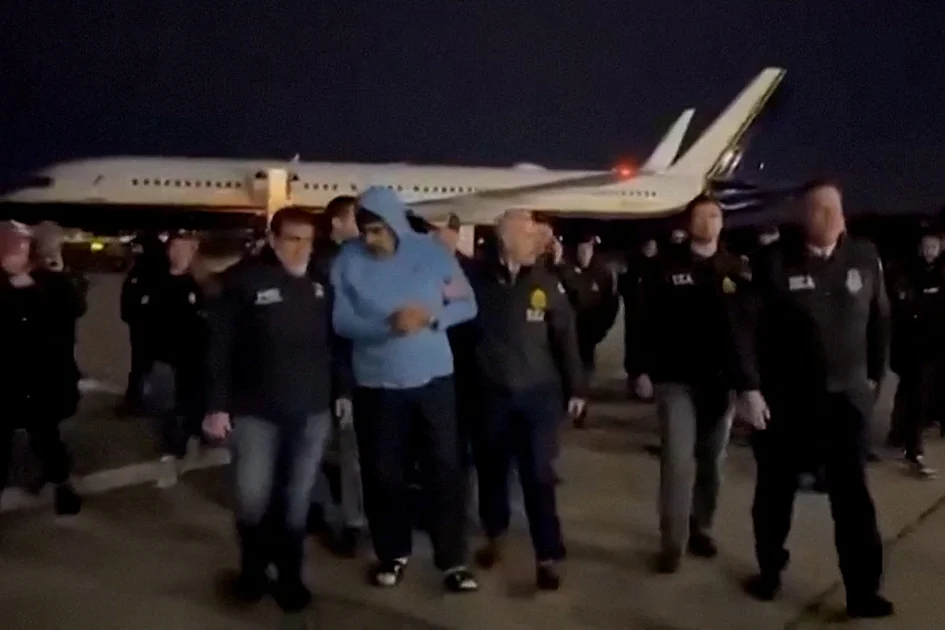
    The formation of this commission follows Maduro’s detention in a New York correctional facility on Saturday, where he faces serious charges including drug trafficking and terrorism allegations. The former president is scheduled for a court appearance on Monday, setting the stage for a complex international legal and diplomatic confrontation between Venezuela and the United States.

  • Trump threatens military operation against Colombia, says Cuba will fall on its own

    Trump threatens military operation against Colombia, says Cuba will fall on its own

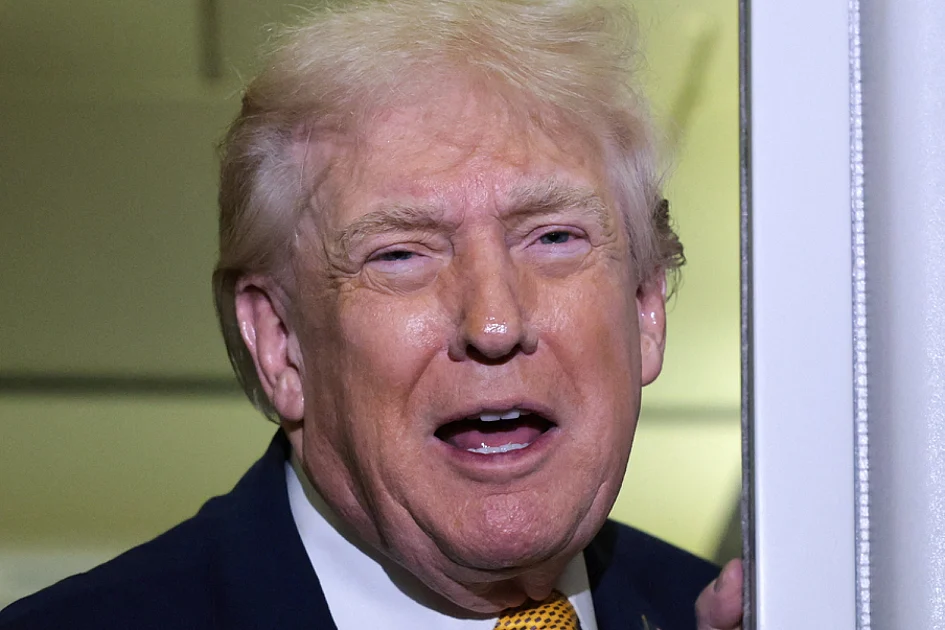
    Former US President Donald Trump has issued provocative statements regarding Latin American nations, suggesting potential military intervention in Colombia while predicting Cuba’s imminent collapse without American involvement. Speaking to reporters aboard Air Force One on Sunday, Trump characterized Colombia as “very sick” under its current leadership, accusing the country’s administration of facilitating cocaine production and distribution to the United States.

    When questioned directly about potential military operations against Colombia, Trump responded enthusiastically: “It sounds good to me.” He further asserted that Colombia’s current leadership “won’t be doing it very long,” implying forthcoming action against the South American nation.

    Regarding Cuba, Trump presented a contrasting perspective, suggesting that military intervention would be unnecessary as the communist nation appears poised to collapse independently. “Cuba’s about to be down for the count,” he stated, indicating his belief that the country’s demise would occur without American military engagement.

    Trump’s comments extended to Mexico as well, where he declared the need to “do something” with the neighboring nation, which he claimed “needs to get its act together.” These remarks come shortly after the controversial capture of Venezuelan President Nicolas Maduro by US forces, signaling continued aggressive foreign policy positioning toward Latin American countries.

  • Syrian and Israeli officials set to resume US-mediated talks in Paris

    Syrian and Israeli officials set to resume US-mediated talks in Paris

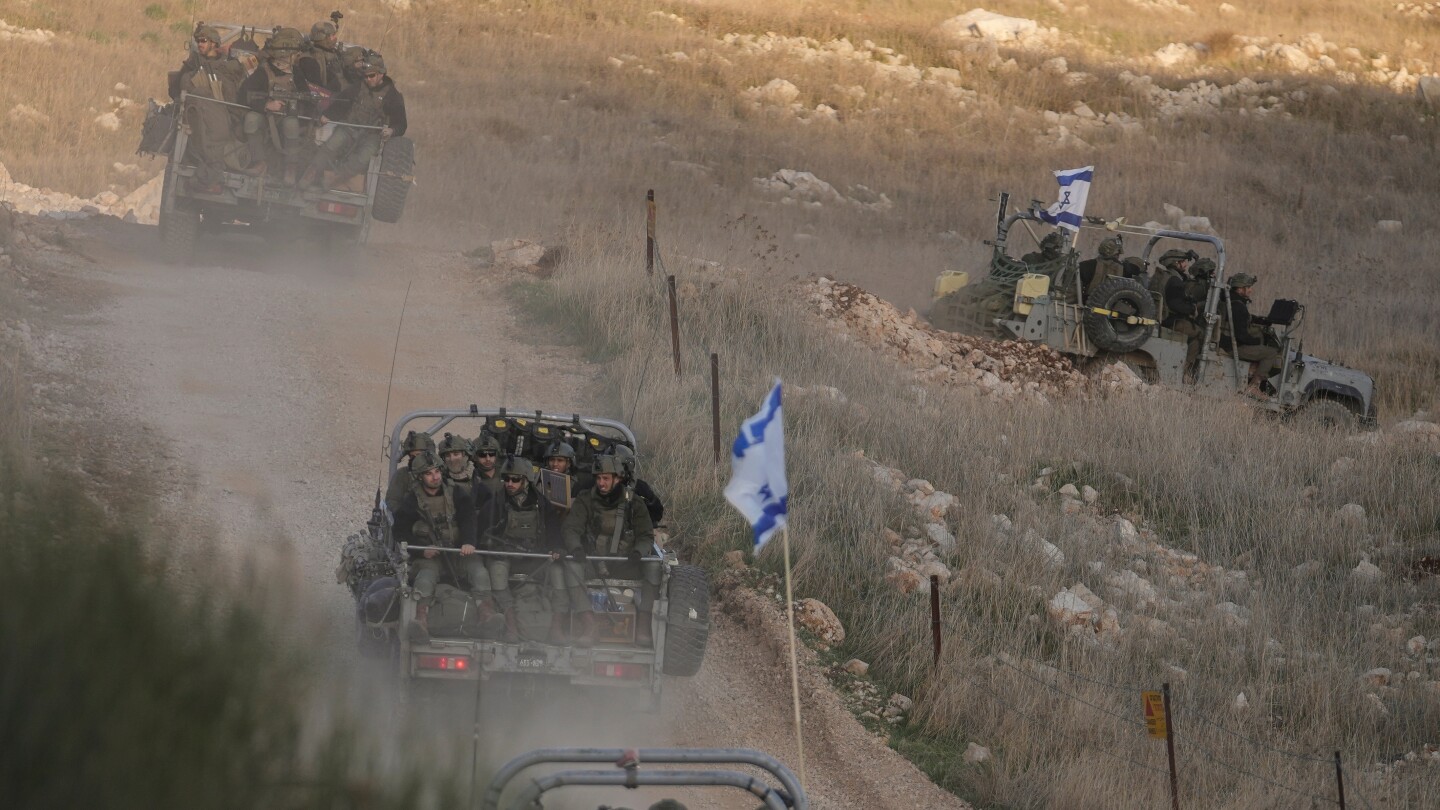
    PARIS — In a significant diplomatic development, Syrian and Israeli officials are preparing to restart high-stakes security negotiations in Paris this week, with United States diplomats serving as mediators. The talks represent the first serious attempt in over a year to de-escalate mounting tensions along the two nations’ shared border.

    According to Syrian officials speaking on condition of anonymity, Damascus’s delegation will be led by Foreign Minister Asaad al-Shibani and General Intelligence Directorate head Hussein Salameh. The Syrian delegation’s primary objective centers on reactivating the 1974 Disengagement Agreement, which originally established a United Nations-monitored buffer zone in the Golan Heights region.

    The diplomatic initiative comes sixteen months after Israel seized control of the demilitarized zone following the ouster of longtime Syrian leader Bashar Assad. The political transition in December 2024 saw interim President Ahmad al-Sharaa assume power through a rapid insurgent offensive. While al-Sharaa has publicly expressed no desire for conflict with Israel, the new Islamist-led government has faced suspicion from Israeli security establishments.

    Israeli forces have maintained their presence in the buffer zone, citing security concerns regarding pro-Assad loyalists and militant elements. The occupation has been accompanied by hundreds of airstrikes on Syrian military installations and periodic ground incursions that have occasionally triggered violent clashes with local residents.

    French diplomatic sources confirmed the talks would commence Tuesday, with France’s foreign minister conducting separate discussions with his Syrian counterpart Monday evening. The negotiations mark a revival of previously stalled dialogue between the two technically warring nations.

    Damascus has outlined its negotiating position clearly: securing complete Israeli withdrawal to pre-December 2024 positions through a reciprocal security arrangement that respects Syrian sovereignty and prevents external interference in domestic affairs. Israeli officials have yet to publicly comment on the renewed diplomatic initiative, while U.S. envoy representatives have declined to discuss the mediation efforts.

  • Founder of Indonesian ride-hailing app Gojek stands trial over Chromebooks procurement

    Founder of Indonesian ride-hailing app Gojek stands trial over Chromebooks procurement

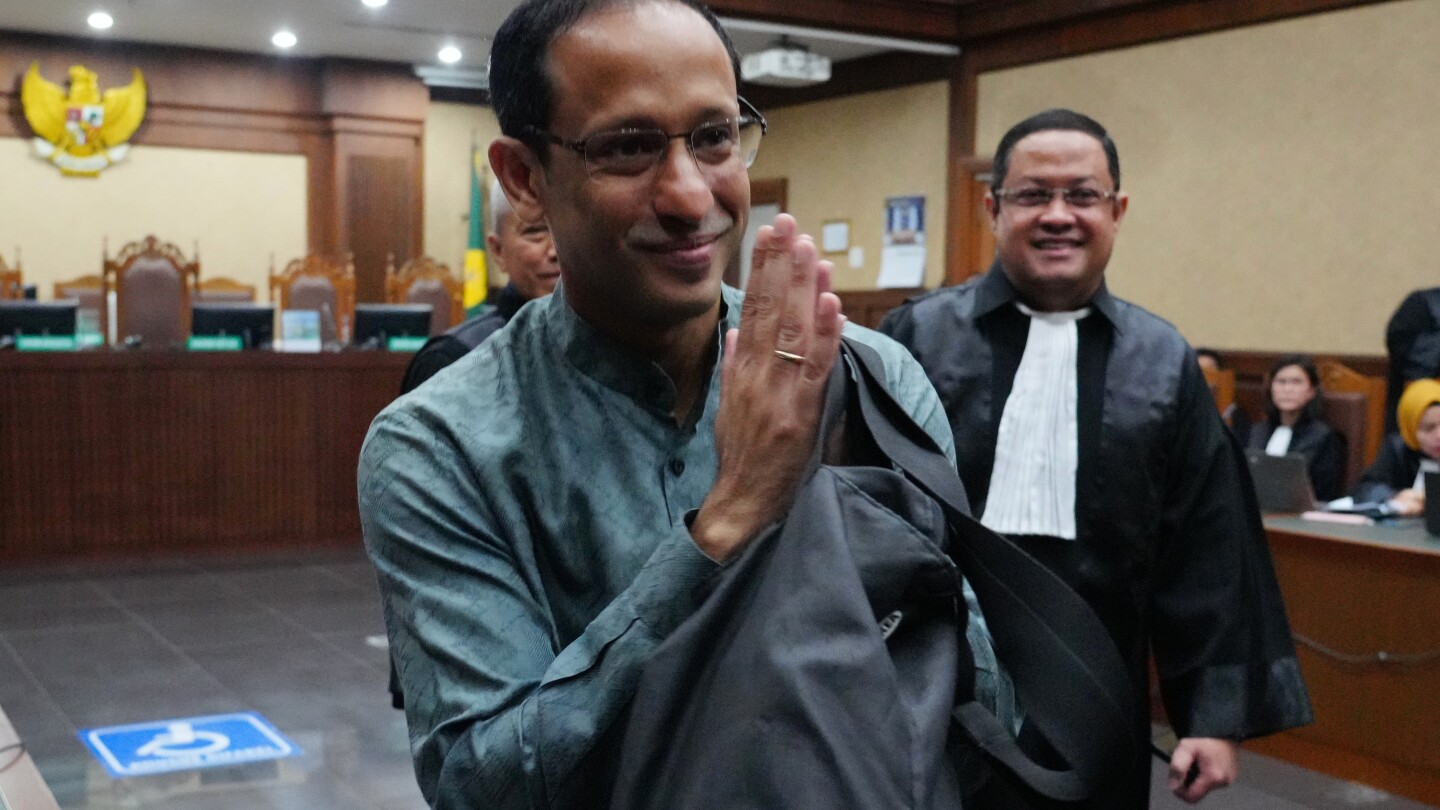
    JAKARTA, Indonesia — Indonesia’s Corruption Court commenced proceedings on Monday against Nadiem Anwar Makarim, the co-founder of ride-hailing giant Gojek and former Education Minister, in a high-profile corruption case centered on a massive school technology procurement project.

    The 41-year-old Harvard graduate, who served as Minister of Education, Culture, Research and Technology from 2019 to 2024, stands accused of orchestrating a scheme that allegedly caused significant state losses through the controversial purchase of Google Chromebooks for educational institutions. The investigation, led by Jakarta’s Attorney General’s Office, culminated in Makarim’s arrest on September 7th amid allegations of a $125 billion corruption scandal linked to the initiative.

    The procurement formed part of the government’s ambitious ‘digitalization of schools’ policy, designed to enhance digital infrastructure in remote educational facilities. However, prosecutors contend that Makarim deliberately favored Google’s Chromebook technology despite internal ministry research teams rejecting the model due to its incompatibility with regions lacking reliable internet connectivity.

    According to the indictment, Makarim manipulated the nationwide procurement process during 2020-2021 to serve personal business interests rather than educational needs. Prosecutors allege he pressured Google to invest approximately $787 million in PT Aplikasi Karya Anak Bangsa (PT AKAB), Gojek’s parent company, while personally receiving 809 billion rupiah ($48.2 million) in connection with the program.

    Lead prosecutor Muhammad Fadli Paramajeng told the three-judge panel that the procurement disregarded standard pricing benchmarks and technical requirements, particularly for under-resourced regions. The acquisition of over 1.2 million Chromebooks allegedly aimed to strengthen Google’s dominance in Indonesia’s education technology ecosystem while facilitating substantial investments in Makarim’s former company.

    The prosecution argues that Makarim’s 2019 resignation from PT AKAB and Gojek constituted ‘strategic concealment’ to mask conflicts of interest, while he maintained indirect control through appointed associates. Makarim faces potential life imprisonment under Indonesia’s 2001 Corruption Law for causing state losses and misusing public funds.

    Makarim has vigorously denied all allegations, asserting through his defense team that he never personally received funds from the Chromebook procurement. His attorneys contend that Google’s investment predated his ministerial tenure and represented routine corporate activity unrelated to the laptop agreement. They further note that Makarim divested from PT AKAB upon taking office, experienced a more than 50% wealth reduction during his term, and delegated procurement decisions to technical teams rather than exercising ministerial authority.

    Defense lawyer Ari Yusuf Amir characterized the indictment as ‘unclear, inaccurate and incomplete,’ arguing it improperly conflated Makarim’s policy-making role with operational decisions made by other officials. Three additional individuals—two former education ministry officials and a technology consultant—face related charges, while another staff member remains at large.

  • Yemen govt forces retake Hadramout

    Yemen govt forces retake Hadramout

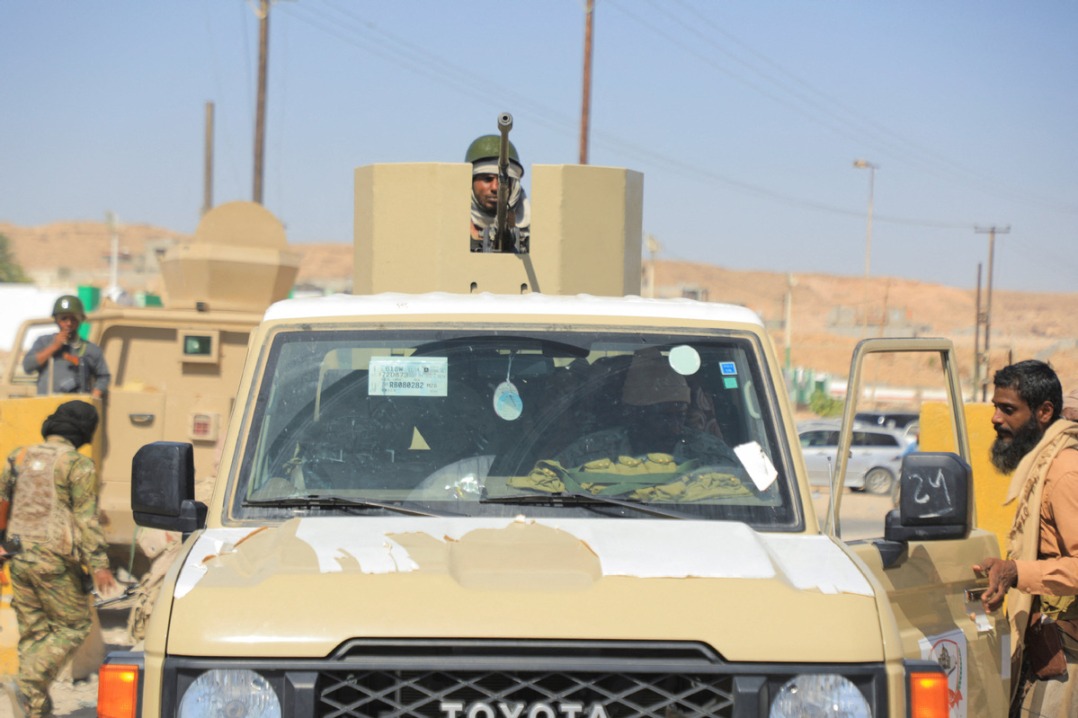
    In a significant military development, Yemen’s internationally recognized government has announced the complete recapture of the oil-rich Hadramout province following a decisive Saudi-backed operation against separatist forces. The offensive, which culminated on Saturday, successfully displaced fighters aligned with the Southern Transitional Council (STC) from key strategic positions across the southeastern region.

    According to statements from Rashad al-Alimi, head of Yemen’s Presidential Leadership Council, government security forces have been directed to secure all state institutions and protect public and private property throughout the reclaimed territory. The state-run Saba news agency confirmed that administration troops have assumed control over all military and security installations within the province.

    The provincial capital Mukalla, a critical port city, fell under government control after STC fighters withdrew under sustained aerial bombardment from Saudi warplanes. Military officials reported that troops entered the city without major resistance and immediately began securing government facilities. However, local residents described scenes of chaos and looting at several installations, including Al Rayyan airport, involving both civilians and newly arrived pro-government tribal fighters.

    Government forces also reclaimed Seiyun, Hadramout’s second-largest city, approximately one month after its capture by STC forces. Military sources indicated that separatist troops withdrew from Seiyun airport and other key institutions, enabling government forces to establish full control.

    In a parallel development, STC forces reportedly withdrew from government institutions in the eastern province of Al-Mahrah without engaging in combat. The Saba agency reported that STC-affiliated units evacuated Ghaydah airport and the presidential palace in the provincial capital, with Governor Al-Alimi tasking local authorities with restoring order and taking control of military camps.

    The STC responded to these developments by welcoming Saudi Arabia’s invitation to sponsor a southern dialogue conference, characterizing the initiative as a practical step toward addressing longstanding southern aspirations. The group expressed optimism that this could facilitate “serious dialogue” regarding the future of southern Yemen.

    The recent clashes erupted following a government offensive launched on Friday, with hundreds of Saudi-backed troops advancing toward Hadramout to expel STC forces and reassert central government authority. Local sources reported that intensified Saudi airstrikes in support of the operation resulted in more than 20 fatalities and dozens of injuries.

    This military confrontation occurred amid the STC’s announcement of a two-year transitional period to administer southern Yemen, to be followed by a referendum on independence. Tensions between the government and the separatist group escalated significantly last month when STC forces seized substantial territory in Hadramout and Al-Mahrah—regions Saudi Arabia considers strategically vital due to their proximity to its border and concentration of Yemen’s remaining energy resources.

    Yemen’s complex civil war, ongoing since 2014 when Houthi forces captured the capital Sanaa, has involved multiple factions with competing interests. The UAE-backed STC, formed in 2017 to advocate for southern independence, had nominally joined the Saudi-led coalition and the Presidential Leadership Council in 2022 but maintained persistent disagreements with the central government regarding power-sharing arrangements and control over territory and resources.
  • US action in Venezuela not legal, senior Labour MP says

    US action in Venezuela not legal, senior Labour MP says

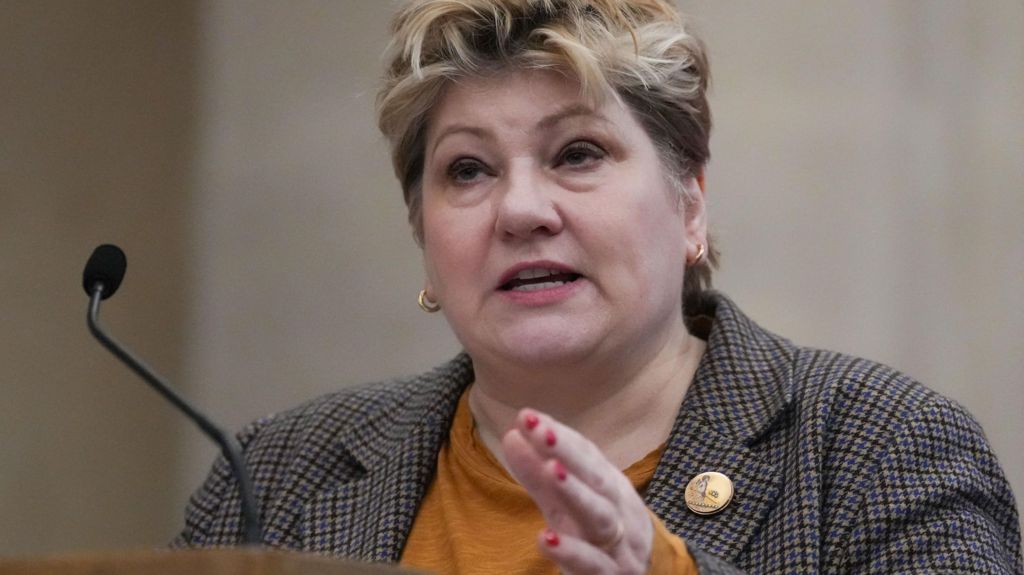
    A significant political confrontation has emerged within the UK Parliament regarding the recent US military intervention in Venezuela, with senior figures condemning the operation as a violation of international law. Dame Emily Thornberry, Chair of the Commons Foreign Affairs Committee, has emerged as the most prominent Labour MP to criticize President Donald Trump’s strikes that resulted in the capture of President Nicolás Maduro and his wife.

    In a forceful statement on BBC Radio 4’s Westminster Hour, Thornberry declared the military action ‘not a legal action’ and stated she ‘cannot think of anything that could be a proper justification.’ She urged the UK and its allies to collectively reject what she termed ‘the law of the jungle,’ drawing parallels to Russian and Chinese expansionist policies. ‘We condemn Putin for doing it. We need to make clear that Donald Trump shouldn’t be doing it either,’ Thornberry emphasized, warning that the precedent could embolden claims over Ukraine and Taiwan.

    The UK government has maintained a cautious stance, with Home Office Minister Mike Tapp declining to explicitly classify the operation as illegal during a BBC Breakfast interview. While characterizing Maduro as ‘an evil, illegitimate dictator who tortured people,’ Tapp emphasized the complexity of international legal determinations and stated the UK would consult with allies before reaching conclusions. The government reiterated its commitment to always ‘abide by international law as a nation.’

    Opposition parties have united in their criticism, with Liberal Democrat leader Sir Ed Davey, Green Party leader Zack Polanski, and SNP’s John Swinney all condemning the operation’s legality. Conversely, Conservative shadow minister Alex Burghart expressed understanding for US actions against Venezuela’s strongman leadership, while Reform UK’s Nigel Farage acknowledged the operation was ‘unorthodox and contrary to international law’ but potentially beneficial if it deterred adversaries.

    The developments occur as Maduro and his wife face weapon and drug charges in New York federal court, accused of profiting from cocaine smuggling operations. With Venezuela’s Vice-President Delcy Rodríguez preparing to assume interim leadership, the UN Security Council—where the UK holds permanent membership—is scheduled to convene and discuss the escalating situation.

  • Role of Global South in bolstering unity stressed

    Role of Global South in bolstering unity stressed

    The year 2025 has witnessed mounting strain on global governance systems due to escalating geopolitical tensions, institutional inertia, and widening development disparities. Against this backdrop, the Global South is increasingly positioned to strengthen solidarity among developing nations, with China poised to play a pivotal role in advancing inclusive development, people-centered governance, and a more equitable international framework, according to expert analyses.

    The foundation for this transformation was significantly reinforced during the 3rd Voice of Global South Summit in 2024, which convened 134 member states of the Group of 77 plus China, representing approximately 80% of the world’s population. Under the guiding principle of ‘leaving no one behind,’ participants acknowledged the distinctive requirements and capabilities of developing nations while emphasizing enhanced South-South cooperation across critical domains including industrialization, trade, investment, climate action, poverty reduction, and digital transformation.

    A May 2025 report from the United Nations Office for South-South Cooperation documented the Global South’s pursuit of viable solutions within an increasingly complex landscape characterized by shifting geopolitical dynamics, economic volatility, and environmental challenges. Despite economic growth in certain developing regions, persistent debt vulnerabilities, trade disruptions, and inflationary pressures continue to impede progress toward Sustainable Development Goals.

    Professor Evandro Menezes de Carvalho of Brazil’s Fluminense Federal University noted that the Global South’s growing influence is helping rebalance the historical dominance of Western powers within institutions like the United Nations, International Monetary Fund, and World Bank. ‘Many Global South countries are experiencing rapid economic growth, broadening global economic leadership beyond traditional Western economies,’ Carvalho stated, highlighting how initiatives such as BRICS and the New Development Bank are reducing reliance on Western-dominated financial systems.

    Professor Mammo Muchie of South Africa’s Tshwane University of Technology emphasized that global governance stands at a historic turning point where multilateral cooperation and shared development have become more urgent than ever. ‘Since the Cold War’s conclusion, deepening globalization and the collective rise of emerging market economies have gradually reshaped the international balance of power,’ Muchie observed, noting that developing countries have gained substantial influence in global affairs while new mechanisms including BRICS, the Shanghai Cooperation Organization, and ASEAN continue gaining prominence.

  • Pakistan and China call for ‘visible and verifiable’ steps against Afghan-based terror groups

    Pakistan and China call for ‘visible and verifiable’ steps against Afghan-based terror groups

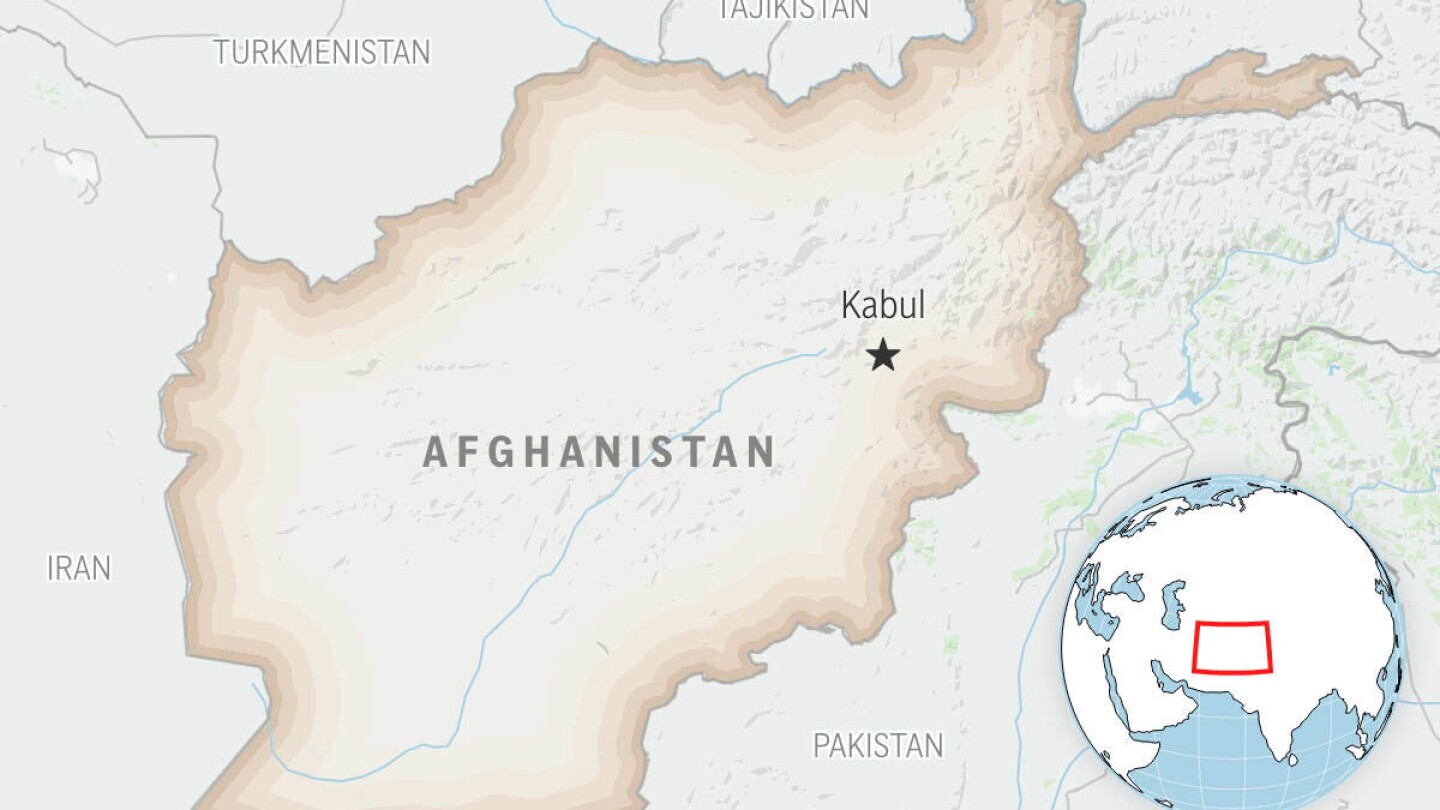
    In a significant diplomatic development, Pakistan and China have jointly called for concrete, demonstrable measures to eradicate terrorist networks operating from Afghan territory. This demand was formalized in a joint statement released following high-level talks between Pakistani Foreign Minister Ishaq Dar and Chinese Foreign Minister Wang Yi in Beijing on December 4.

    The bilateral statement emphasized that terrorist organizations based in Afghanistan continue to represent a severe threat to regional and global security. Both nations stressed the critical importance of preventing Afghan soil from being utilized as a launchpad for militant activities against other countries.

    China specifically commended Pakistan’s comprehensive counterterrorism efforts, particularly highlighting the protection of Chinese citizens and infrastructure associated with the China-Pakistan Economic Corridor (CPEC). This massive infrastructure project, part of China’s Belt and Road Initiative, employs thousands of Chinese workers and engineers developing transportation links between China’s Xinjiang region and Pakistan’s Gwadar port.

    The diplomatic pressure follows increased regional tensions, including a suicide car bombing in 2024 that killed five Chinese nationals in northwest Pakistan. Pakistan has consistently accused Afghanistan’s Taliban government of providing sanctuary to the banned Tehrik-e-Taliban Pakistan (TTP), which has been responsible for escalating attacks within Pakistan since 2021.

    Despite the Taliban’s assurances that Afghan territory isn’t used for cross-border attacks, tensions peaked in early October when Pakistan conducted airstrikes against alleged TTP hideouts in Afghanistan, resulting in dozens of casualties. Afghanistan retaliated with attacks on Pakistani military positions, leading to significant casualties on both sides. While Qatar brokered a temporary ceasefire in Doha, subsequent talks in Istanbul failed to produce substantial diplomatic breakthroughs.

  • Trump says US needs Greenland ‘for defense’ following strikes on Venezuela

    Trump says US needs Greenland ‘for defense’ following strikes on Venezuela

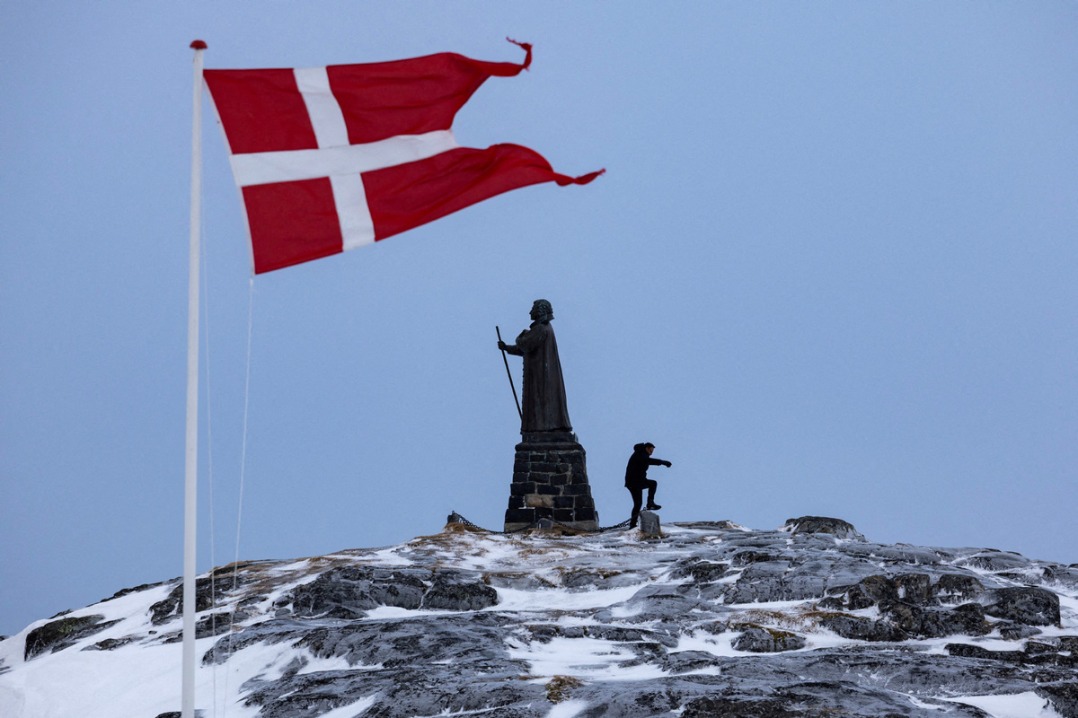
    President Donald Trump has reignited controversy by asserting the United States’ strategic need for Greenland’s territory for national defense purposes. The declaration came during a telephone interview with The Atlantic magazine on Sunday, shortly after U.S. forces conducted a military operation in Venezuela that resulted in the capture of President Nicolás Maduro.

    “We do need Greenland, absolutely,” Trump stated, connecting the Arctic territory’s strategic importance to broader national security concerns. When questioned about potential implications of the Venezuela intervention on Greenland’s status, Trump responded: “It was up to others to decide what the large-scale US strike against Venezuela means to Greenland. They are going to have to view it themselves.”

    The remarks prompted an immediate and forceful response from Danish leadership. Prime Minister Mette Frederiksen issued a direct rebuke, declaring that “the United States has no right to annex” any part of the Danish Realm, which includes Denmark, Greenland, and the Faroe Islands.

    “I have to say it very directly to the United States,” Frederiksen stated, urging Washington to cease making threats against a close ally and the Greenlandic people. This diplomatic tension marks the latest chapter in a recurring pattern of territorial interest expressed by the Trump administration throughout the previous year.

    The White House has consistently justified its Greenland aspirations by citing national security imperatives, Arctic strategy considerations, and the territory’s potential wealth of critical minerals and natural resources. Meanwhile, the international community continues to express profound alarm over the Venezuela operation, with multiple nations condemning what they characterize as blatant use of force against a sovereign state.

  • Venezuela’s acting president convenes first cabinet meeting since Maduro’s capture

    Venezuela’s acting president convenes first cabinet meeting since Maduro’s capture

    Venezuela’s political landscape entered a critical phase as Acting President Delcy Rodriguez presided over an emergency cabinet assembly on Sunday, marking the first such gathering since the dramatic capture of President Nicolas Maduro by United States authorities. The high-stakes meeting, convened merely one day after the nation’s Supreme Tribunal formally mandated Rodriguez to assume interim presidential duties, represents a pivotal moment in Venezuela’s ongoing political crisis.

    Official state television broadcasts depicted Rodriguez flanked by key governmental figures including Defense Minister Vladimir Padrino Lopez and Interior Minister Diosdado Cabello during the council of ministers meeting at the Vice Presidency headquarters in Caracas. The visual symbolism of unity among Maduro’s closest allies served as a powerful message to both domestic and international observers.

    The administration characterized the emergency session as addressing “strategic lines framed in the ‘state of external commotion’”—a special decree previously enacted by the Venezuelan government to respond to extraordinary circumstances. This legal framework provides the interim government with expanded authority to navigate the complex geopolitical situation arising from Maduro’s detention.

    In a parallel development demonstrating the government’s coordinated response, Rodriguez announced the establishment of a specialized committee dedicated exclusively to securing Maduro’s release. This move signals Caracas’ intention to pursue diplomatic and legal channels to challenge what Venezuelan officials have characterized as an unlawful international intervention in their sovereign affairs.

    The convergence of military, judicial, and political leadership surrounding Rodriguez suggests a consolidation of power within Maduro’s political circle, aimed at projecting stability and continuity despite the unprecedented challenge to Venezuela’s leadership structure.