分类: politics

  • US cities hold anti-ICE protests during nationwide day of action

    US cities hold anti-ICE protests during nationwide day of action

    A wave of coordinated demonstrations, dubbed the ‘National Shutdown,’ swept across the United States as thousands of protesters mobilized against Immigration and Customs Enforcement (ICE) operations. The movement, catalyzed by the fatal shootings of two U.S. citizens by federal agents, prompted widespread civil action with participants urged to abstain from work, education, and commerce on January 30th.

    Minneapolis emerged as the epicenter of dissent, where large-scale protests unfolded following the deaths of Alex Pretti, a 37-year-old nurse, and Renee Good. Pretti’s killing, which occurred after Good’s January 7th death, marked the second fatal shooting by federal immigration officials in the city, prompting the U.S. Justice Department to initiate a civil rights investigation.

    Visual symbolism dominated the protests as demonstrators formed a massive ‘SOS’ signal on the frozen surface of Lake Bde Maka Ska in south Minneapolis, while others marched through urban centers carrying an enlarged replica of the U.S. Constitution’s Preamble. The cultural dimension of the movement gained prominence when Bruce Springsteen performed his newly released tribute song ‘Streets of Minneapolis’ at a local concert.

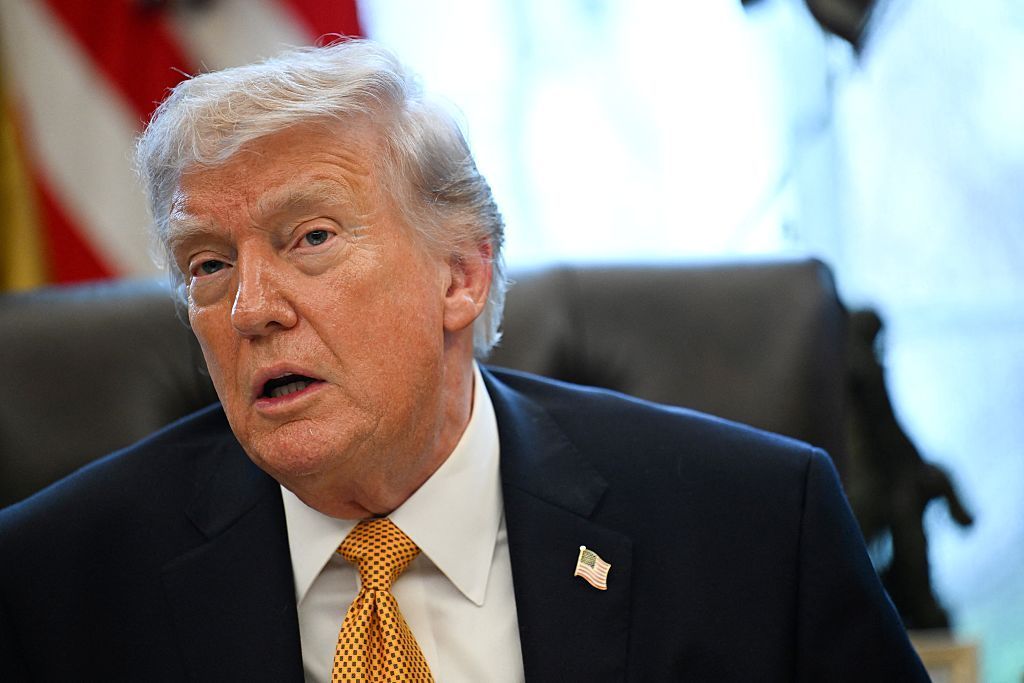
    The political landscape revealed deepening divisions as the Trump administration defended its immigration enforcement strategy. Tom Homan, the administration’s border coordinator, suggested potential reduction of federal forces contingent on local cooperation, emphasizing strategic refinement rather than mission abandonment. President Trump reiterated his commitment to national security, stating ‘We will keep our country safe, we’ll do whatever we can to keep our country safe.’

    Operation Metro Surge, which deployed approximately 3,000 federal agents to Minnesota at presidential directive, has drawn significant criticism. While the Department of Homeland Security maintains it targets ‘the worst of the worst criminal illegal aliens,’ opponents argue the campaign has ensnared immigrants with clean records and U.S. citizens alike. Minnesota Governor Tim Walz and Minneapolis Mayor Jacob Frey have jointly demanded the withdrawal of federal agents from their jurisdiction.

    The protest movement expanded beyond Minneapolis to include major demonstrations in New York, Los Angeles, Chicago, and Washington D.C., with organizers highlighting additional casualties including Silverio Villegas-Gonzales, who was fatally shot by an ICE agent in September 2025.

  • Canada’s Conservative leader calls for national unity ahead of key leadership vote

    Canada’s Conservative leader calls for national unity ahead of key leadership vote

    CALGARY – Conservative Party leader Pierre Poilievre delivered a defining address to party faithful on Friday, framing national unity as paramount while confronting growing separatist sentiments in Alberta and Quebec. Speaking before a consequential leadership review vote, Poilievre invoked Lincoln’s historic warning that “a house divided cannot stand” as he outlined his vision for a cohesive Canada.

    The address came amid significant political challenges for Poilievre, who lost both the 2025 general election to Mark Carney’s Liberals and his own parliamentary seat after two decades in office. Despite these setbacks, the Conservative leader received strong support from delegates at the Calgary convention, where he positioned affordability concerns and crime reduction as central pillars of his platform.

    Poilievre’s speech directly addressed the escalating separatist movements in Conservative strongholds. In Alberta, grassroots activists are gathering signatures for an independence referendum, while in Quebec, the sovereignist Parti Québécois leads polls ahead of provincial elections. The Conservative leader attributed these centrifugal forces to Liberal policies that have allegedly eroded hope in the federation.

    The leadership review, automatically triggered after the party’s election defeat, represents Poilievre’s most significant political test since assuming leadership. His supporters point to historic gains under his guidance, including a record 41% popular vote share in the last election and remarkable success with younger voters concerned about housing affordability and cost-of-living issues.

    However, challenges persist. Recent defections of Conservative MPs to Carney’s centrist Liberal camp have raised questions about party unity, while Poilievre struggles with personal popularity—surveys indicate over half of Canadians view him negatively, citing an overly combative tone. His ambiguous stance toward U.S. President Donald Trump, whose tariffs and “51st state” rhetoric alarm many Canadians, remains another vulnerability.

    Current polling shows Conservatives trailing Liberals by nine points, according to recent Léger data. The leadership vote, conducted by constituency delegates immediately following Poilievre’s speech, will determine whether he maintains command to lead the party into the next electoral contest.

  • Cuba declares international emergency in response to US executive order

    Cuba declares international emergency in response to US executive order

    The Cuban government has formally declared an ‘international emergency’ in response to a new executive order signed by US President Donald Trump that threatens crippling tariffs on nations trading oil with the Caribbean island. Cuban Foreign Minister Bruno Rodríguez Parrilla announced the drastic measure on Friday, characterizing the US policy as an existential threat with global implications.

  • Rights group threatens legal challenge to New York’s purchase of Israel bonds

    Rights group threatens legal challenge to New York’s purchase of Israel bonds

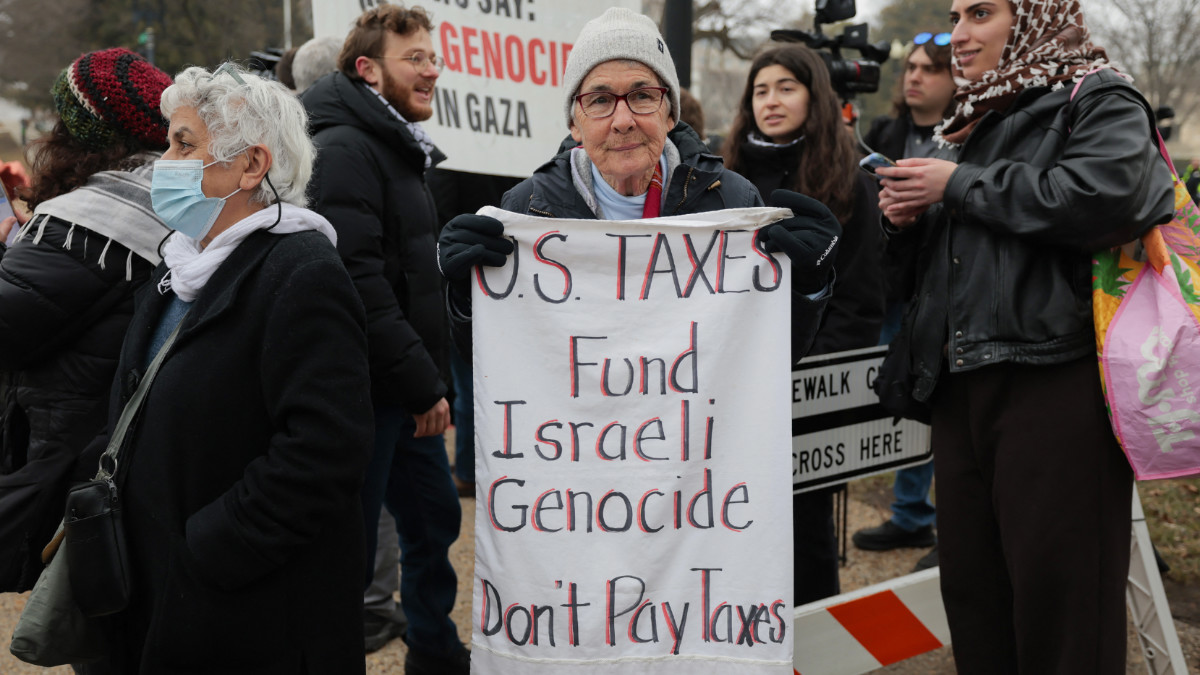
    The advocacy organization Democracy for the Arab World Now (DAWN) has issued a formal warning to New York State officials regarding potential legal action to block further investments in Israeli bonds. The group contends that such financial instruments effectively subsidize Israel’s military operations and human rights violations against Palestinians.

    Executive Director Sarah Leah Whitson declared in a Friday statement that public officials must cease all investments in Israel Bonds, asserting they violate international legal obligations and fiduciary responsibilities to taxpayers. “For too long, our public officials have prioritized politically expedient support for Israel, using taxpayer money to finance Israel’s brutal war machine,” Whitson emphasized.

    Financial records reveal significant exposure to Israeli debt, with the New York State Common Retirement Fund maintaining over $352 million in investments as of March 2024. These bonds, marketed by an entity affiliated with Israel’s finance ministry, offer varying terms: retail bonds start at $36 while institutional ten-year dollar-denominated bonds require minimum $25,000 investments with approximately 5.2% yields.

    The controversy has intensified following New York City Comptroller Mark Levine’s January announcement to resume purchases despite the city’s 2024 divestment. This position contrasts sharply with Mayor Zohran Mamdani’s public support for divestment over Israel’s conduct in Gaza.

    DAWN has dispatched formal demands to Governor Kathy Hochul, Attorney General Letitia James, and Mayor Mamdani, urging publication of policies prohibiting Israeli security purchases until cessation of “unlawful occupation, apartheid rule and ongoing genocide.” The organization warns of supporting litigation if demands remain unmet.

    Legal advisor Alex Smith articulated the gravity of the situation: “New York officials continuing to make such investments in the face of overwhelming evidence of the war crimes and crimes against humanity they support may face personal civil and criminal liability for aiding and abetting those crimes.”

    The debate transcends partisan lines, with former hedge fund manager and Florida gubernatorial candidate James Fishback questioning the risk-reward ratio of Israel bonds during a Tucker Carlson podcast appearance. Concurrently, credit agency Moody’s has flagged Israeli bonds as “increasingly risky investments,” complicating comptroller Levine’s defense of their financial soundness despite personal ties to Israel.

    Middle East Eye’s inquiries to relevant New York offices remained unanswered at publication time.

  • Venezuela announces bill that could lead to mass release of prisoners detained for political reasons

    Venezuela announces bill that could lead to mass release of prisoners detained for political reasons

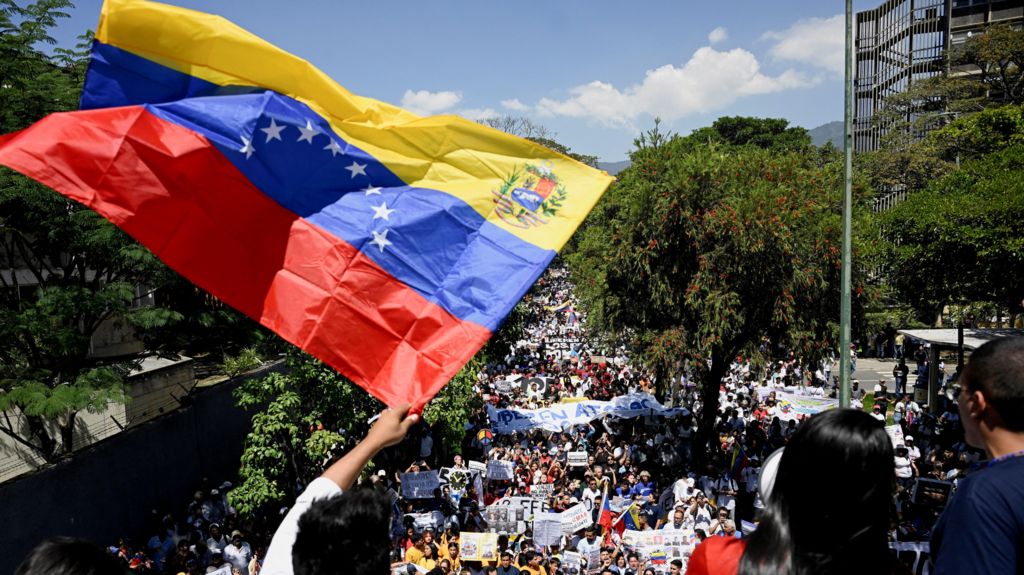
    CARACAS, Venezuela — In a significant political development, Venezuela’s acting President Delcy Rodríguez unveiled legislation on Friday that could potentially secure the liberation of hundreds of detainees incarcerated for political motivations. The proposed bill specifically targets the release of opposition figures, journalists, and human rights activists who have faced government persecution.

    This legislative initiative represents the latest conciliatory measure undertaken by Rodríguez since assuming executive authority on January 3, following the dramatic capture of former President Nicolás Maduro during a U.S. military operation in Caracas. The announcement came during a televised address before an assembly of justices, magistrates, and judicial officials.

    Rodríguez emphasized the healing potential of the legislation, stating, “May this law serve to heal the wounds left by the political confrontation.” She confirmed that the ruling party-dominated National Assembly would expedite consideration of the bill under urgent procedures.

    According to estimates by Foro Penal, a Venezuela-based prisoners’ rights organization, approximately 711 individuals remain detained across the country due to their political activities. While the government previously announced plans for prisoner releases as a goodwill gesture in early January, implementation has progressed slowly, drawing criticism from detainees’ families.

    Notably, the government withheld the specific text of the proposed legislation, leaving ambiguity regarding the precise criteria for amnesty eligibility. Human rights organizations have responded cautiously to the announcement, welcoming the initiative while emphasizing the need for comprehensive implementation.

    Alfredo Romero, president of Foro Penal, commented via social media: “A general amnesty is welcome as long as its elements and conditions include all of civil society, without discrimination, that it does not become a cloak of impunity, and that it contributes to dismantling the repressive apparatus of political persecution.”

    Since January 8, when National Assembly president Jorge Rodríguez first announced the prisoner release initiative, the organization has documented 302 releases. Human rights group Provea issued a statement criticizing the lack of transparency and gradual pace of releases, while emphasizing that amnesty should not be construed as state clemency for those arbitrarily detained for exercising internationally protected rights.

  • This army chief threatened to castrate opposition leader and claimed descent from Jesus

    This army chief threatened to castrate opposition leader and claimed descent from Jesus

    Uganda’s military leadership finds itself at the center of both political and digital controversy as General Muhoozi Kainerugaba, son of long-serving President Yoweri Museveni, continues to generate international attention through his provocative social media presence. The general’s recent posts on platform X, including threats against opposition figures and claims of divine right to rule, have sparked concerns about Uganda’s democratic processes and the apparent consolidation of power within a single family dynasty.

    Following the January presidential election that granted President Museveni a seventh term with over 70% of votes, General Kainerugaba engaged in a series of inflammatory online statements. These included threats to physically harm defeated opposition candidate Bobi Wine and declarations about his supposed bloodline connection to Jesus Christ. While many posts were subsequently deleted, they revealed the increasingly blurred lines between state authority and personal political ambition in the East African nation.

    Analysts identify what they term an ‘unholy trinity’ of power comprising President Museveni, his son General Kainerugaba, and the president’s influential brother Salim Saleh. This power structure appears designed to ensure dynastic continuity, with the general being groomed as successor to his 81-year-old father. Security expert Nicodemus Minde of the Institute for Security Studies notes that while Kainerugaba’s statements often appear ‘wild,’ they must be understood within the context of Uganda’s succession politics.

    The general’s online behavior has occasionally strained international relations, most notably in 2022 when he threatened to invade neighboring Kenya, requiring presidential intervention to repair diplomatic damage. His supporters describe him as ‘incredibly loyal’ and compare his communication style to that of former US President Donald Trump, while critics point to human rights abuses and the suppression of opposition voices.

    Uganda’s security apparatus, particularly the Special Forces Command (SFC) which Kainerugaba helped establish, has been accused of systematic repression including abductions, torture, and election interference. The recent election occurred amid internet blackouts and reports of widespread intimidation, with the UN noting an ‘environment marked by widespread repression.’

    As the Museveni dynasty potentially extends to a third generation with the general’s son joining the military, Uganda faces continuing questions about democratic governance, military influence in politics, and the consequences of concentrated family power.

  • Pakistan’s arms deals position it squarely within growing Saudi-UAE rift

    Pakistan’s arms deals position it squarely within growing Saudi-UAE rift

    Pakistan’s burgeoning defense exports, particularly its JF-17 Thunder multirole fighter jets, are becoming increasingly entangled in the geopolitical rivalry between Saudi Arabia and the United Arab Emirates across conflict zones in Libya and Sudan. This complex situation presents Islamabad with significant diplomatic and strategic challenges as it seeks to balance its military partnerships.

    Recent reports indicate Pakistan has negotiated multi-billion dollar defense packages with both the Libyan National Army (LNA) and Sudan, though these agreements remain shrouded in complexity. A $4 billion agreement with the Benghazi-based LNA, reportedly backed by Emirati financing, would supply JF-17 fighters and Super Mushshak trainers. Simultaneously, a potential deal with Sudan appears connected to Saudi Arabia’s offer to convert $2 billion in Pakistani loans in exchange for military equipment.

    The JF-17 Thunder, a joint venture between Pakistan’s Aeronautical Complex and China’s Chengdu Aircraft Corporation, has gained market traction as an affordable alternative to Western fighters. With unit costs ranging from $25-42 million compared to $70-130 million for competitors like the F-16 Block 70 or Dassault Rafale, the platform appeals to budget-conscious militaries in Southeast Asia and Africa. The aircraft’s performance during the limited India-Pakistan conflict of May 2025 reportedly enhanced its combat credibility.

    However, Pakistan faces substantial constraints in fulfilling these orders. Production capacity appears limited to approximately 25 aircraft annually, with the supply chain dependent on Chinese strategic systems and Russian engines. Furthermore, deliveries to conflict zones under UN embargo raise legal and diplomatic complications. The Saudi-backed Sudanese government and Emirati-supported Rapid Support Forces represent opposing sides in Sudan’s civil war, while in Libya, the LNA opposes the UN-recognized Tripoli government.

    Pakistan’s historical relationships with Gulf Cooperation Council countries add layers of complexity. While maintaining military ties across the Arab world, including pilot training programs dating to 1967, Islamabad’s recent “strategic mutual defense agreement” with Saudi Arabia and its “Three Brothers Alliance” with Turkey and Azerbaijan suggest Riyadh would receive priority if Pakistan were forced to choose. Additionally, Turkey’s role as a key defense partner and major client for joint programs further influences Pakistan’s strategic calculations.

    Industry analysts suggest Pakistan will likely avoid direct arms sales to embargoed regions, prioritizing instead more stable clients like Azerbaijan, with which deliveries are already underway. Prospective deals with Indonesia and Bangladesh offer more reliable financial frameworks than the precarious agreements linked to Gulf rivalries. As defense industrial partnerships grow increasingly interconnected with great power competition, Pakistan’s careful navigation of these murky waters will test its diplomatic acumen and industrial capabilities.

  • Chile’s far-right president-elect visits El Salvador mega-prison, plans to talk security with Bukele

    Chile’s far-right president-elect visits El Salvador mega-prison, plans to talk security with Bukele

    Chilean President-elect José Antonio Kast conducted a high-profile inspection of El Salvador’s Terrorism Confinement Center (CECOT) on Friday, signaling a potential shift in regional security strategies. The far-right leader, accompanied by his security minister, traveled by helicopter to the massive detention facility that has become both a symbol of effective crime suppression and a subject of intense human rights criticism.

    During his visit, Kast emphasized Chile’s need to “import good ideas and proposals” for combating organized crime, drug trafficking, and terrorism. His tour included meetings with El Salvador’s security Cabinet and observation of cellblocks housing alleged gang members under conditions of total isolation. The Chilean delegation examined how El Salvador’s government has implemented its security framework, though Kast noted that any adaptation would need to consider Chile’s distinct legal and social context.

    The CECOT facility, with capacity for 40,000 inmates, represents the extreme end of President Nayib Bukele’s anti-gang measures. Inmates are held in cells containing 65-70 prisoners each, without visitors, outdoor access, or rehabilitation programs. This approach has drawn condemnation from human rights organizations, with Socorro Juridico documenting 480 detention-related deaths since Bukele’s 2022 state of emergency declaration.

    The visit reflects a growing trend among Latin American leaders facing security challenges. Costa Rica recently broke ground on a CECOT-inspired maximum security prison, while Honduras proposed building a gang prison on a remote island. Ecuador and Guatemala have also implemented aggressive anti-gang measures. Kast’s meeting with Bukele at the presidential palace concluded a day that highlighted the complex balance between security effectiveness and human rights protections in regional crime-fighting strategies.

  • Sheikh Mohamed discusses UAE-Iran relations, regional issues in phone call with Pezeshkian

    Sheikh Mohamed discusses UAE-Iran relations, regional issues in phone call with Pezeshkian

    In a significant diplomatic engagement, UAE President Sheikh Mohamed bin Zayed Al Nahyan conducted a substantive telephone conversation with Iranian President Dr. Masoud Pezeshkian on January 30, 2026. The high-level discourse centered on enhancing bilateral relations between the Gulf neighbors and addressing pressing regional security concerns.

    The leaders engaged in comprehensive discussions regarding the advancement of UAE-Iran ties, emphasizing the mutual benefits of strengthened cooperation across various sectors. Both parties expressed commitment to developing relations that serve their national interests and contribute to the welfare of their citizens.

    Beyond bilateral matters, the conversation addressed critical regional and international developments, with particular attention to ongoing efforts to stabilize the region. President Sheikh Mohamed reaffirmed the Emirates’ dedication to supporting all initiatives aimed at establishing lasting security and stability throughout the Middle East.

    A key consensus emerged regarding the necessity of diplomatic engagement, with both leaders underscoring the importance of dialogue and peaceful solutions in resolving regional challenges. This emphasis on diplomatic channels reflects a shared commitment to de-escalation and constructive engagement in a complex geopolitical landscape.

    The timing of this exchange is particularly noteworthy given current regional tensions, suggesting both nations are pursuing avenues for reduced friction and enhanced cooperation. This dialogue represents a continuation of ongoing efforts to normalize and strengthen relations between the UAE and Iran following years of regional strain.

  • Millions of new Epstein files released by US justice department

    Millions of new Epstein files released by US justice department

    The U.S. Department of Justice has publicly released an unprecedented trove of documents related to convicted sex offender Jeffrey Epstein, marking the largest disclosure since the enactment of the Epstein Files Transparency Act. The release comprises approximately 3 million pages, 180,000 images, and 2,000 videos, providing extensive insight into Epstein’s network and operations.

    This disclosure follows a six-week delay past the legal deadline established by the legislation signed into law during the Trump administration. Deputy Attorney General Todd Blanche characterized the release as the culmination of an exhaustive document review process designed to ensure governmental transparency and legal compliance.

    The newly public records include psychological evaluations of Epstein during his incarceration, detailed communications involving his associate Ghislaine Maxwell—currently imprisoned for trafficking minors—and correspondence with prominent figures. Among these documents is an email exchange with Lord Peter Mandelson, former UK ambassador to the United States, discussing accommodations at Epstein’s properties. Mandelson has previously characterized his association with Epstein as a ‘terrible mistake’ in BBC interviews.

    Particular attention has focused on messages referencing ‘The Duke’—understood to be Prince Andrew—including discussions about private dinners at Buckingham Palace and Epstein’s offer to introduce him to a 26-year-old Russian woman. Prince Andrew has consistently denied any knowledge or involvement in Epstein’s criminal activities.

    Hundreds of Justice Department personnel dedicated approximately 75 days to manually reviewing the documents, working extended hours to meet legal requirements. The department implemented redactions to protect victim identities, exclude child sexual abuse imagery, and preserve active investigations. All women appearing in visual materials except Maxwell were anonymized.

    Despite these measures, the release has drawn criticism from lawmakers including Democratic Congressman Roh Khanna, who co-sponsored the transparency legislation. Khanna has questioned why only 3.5 million of the 6 million identified pages were ultimately released, promising continued scrutiny of the disclosure process.

    The documents released to date have revealed Epstein’s connections to powerful figures across politics, business, and royalty, though officials maintain they contain no evidence implicating previously unknown individuals in abuse crimes.