分类: politics

  • Reality TV star Spencer Pratt announces run for LA mayor

    Reality TV star Spencer Pratt announces run for LA mayor

    Former reality television personality Spencer Pratt has officially declared his candidacy for mayor of Los Angeles, positioning himself as an outsider challenging the political establishment. The announcement came during a emotionally charged rally marking the one-year anniversary of the devastating Palisades Fire that consumed his family home.

    Pratt, 42, addressed gathered residents at the ‘They Let Us Burn’ protest, delivering a scathing critique of current city leadership’s handling of the catastrophic wildfires that swept through Los Angeles in January 2025. The Pacific Palisades blaze, which ignited on January 7th, was followed hours later by the Eaton Fire on the city’s opposite side, collectively claiming 31 lives and destroying over 16,000 residential and commercial properties.

    The celebrity-turned-candidate documented his formal campaign filing process through Instagram, though official registration remains pending. In his rally speech, Pratt characterized conventional politics as ‘a death sentence for Los Angeles’ and declared his intention to ‘expose the system’ by investigating ‘every dark corner of LA politics.’

    Pratt and his wife, fellow reality star Heidi Montag, lost their Pacific Palisades residence in the inferno, an experience that transformed the television personality into a vocal critic of Mayor Karen Bass and California Governor Gavin Newsom’s disaster response efforts.

    Despite his celebrity status from MTV’s ‘The Hills’ and subsequent reality appearances, Pratt enters the political arena as a first-time candidate facing significant challenges in June’s non-partisan primary. He joins a crowded field that includes incumbent Mayor Bass, who defeated real estate magnate Rick Caruso in 2022 and now seeks re-election alongside more than a dozen other contenders.
  • NSW Premier Chris Minns accused of ‘mixed messages’ after ‘globalise the Intifada’ arrest

    NSW Premier Chris Minns accused of ‘mixed messages’ after ‘globalise the Intifada’ arrest

    New South Wales Premier Chris Minns is confronting accusations of delivering contradictory directives to law enforcement regarding potential bans on the phrase “globalise the Intifada.

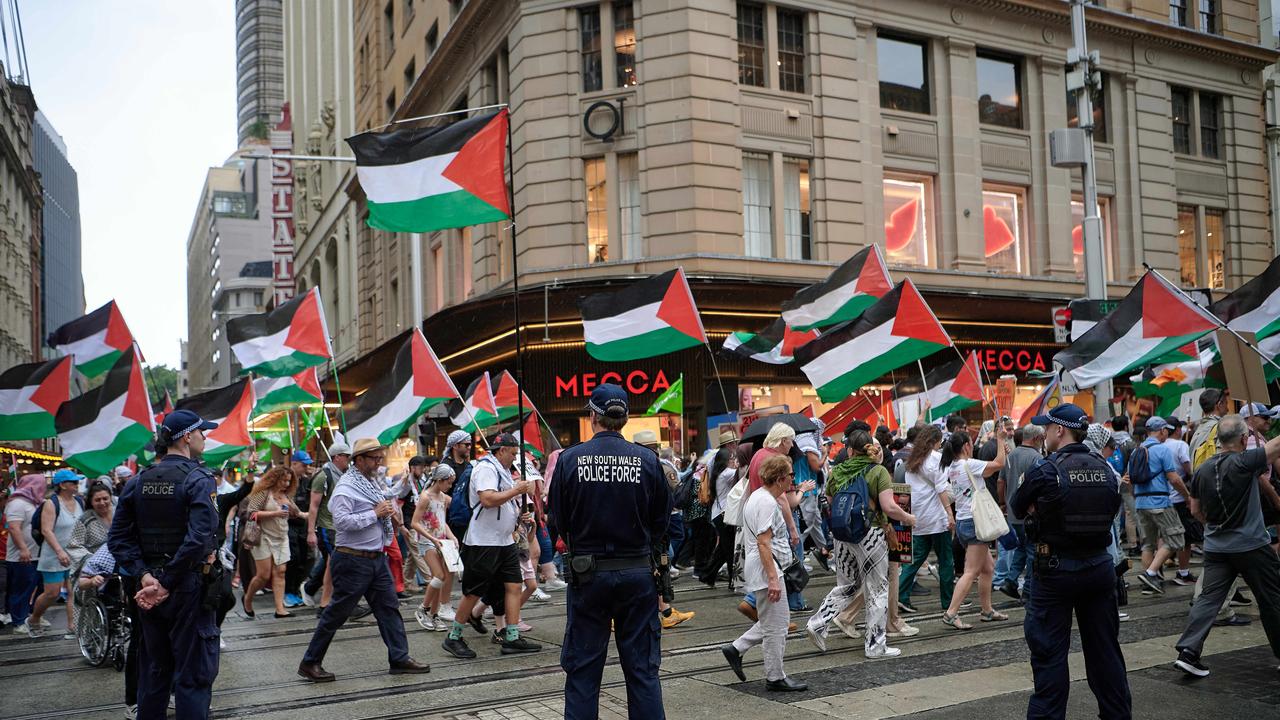
    The controversy emerged following the arrest and subsequent release of a 53-year-old woman during a Sydney CBD protest. The individual was detained for wearing apparel displaying the contentious expression but was later freed without formal charges. NSW Police have confirmed their investigation into the incident remains active.

    This event has ignited debate over proposed reforms to hate speech legislation, which Premier Minns has advocated following the Bondi Beach terror attack. The government is contemplating outlawing the phrase, drawing inspiration from similar enforcement actions observed in London.

    Greens MLC and Law and Justice Spokesperson Sue Higginson criticized the Premier’s approach, stating: “Leaders and premiers shouldn’t send signals and messages about law and order without playing clear, firm attention to the actual laws in NSW.” She emphasized that approximately 19,000 uniformed officers receive these “significantly poor and mixed messages” while attempting to perform their duties.

    The phrase itself has become a flashpoint in free speech debates. While some Jewish groups contend the term “Intifada” promotes violence, others note its Arabic translation simply means “shaking off” and originates from popular uprisings in Palestinian territories.

    Sydney Law School’s Professor of Criminal Law Tyrone Kichengast warned that such legislation might encroach upon constitutional rights to political communication. He noted that a legal challenge to NSW’s anti-protest laws is already progressing toward the Supreme Court, with potential implications for nationwide jurisprudence.

    The state government has initiated a parliamentary inquiry into expanding hate speech legislation, with findings expected by January 31. Police Minister Yasmin Catley assured that officers would receive necessary training, while critics question whether sufficient guidance has been provided during this transitional period.

  • Trump invites Colombian president to White House days after threatening it with military strike

    Trump invites Colombian president to White House days after threatening it with military strike

    In a striking diplomatic reversal, former President Donald Trump has publicly lauded Colombian leader Gustavo Petro following a previously contentious relationship. The abrupt shift occurred Wednesday evening when Trump announced via his social media platform that the two heads of state had engaged in a productive telephone conversation regarding bilateral concerns.

    Trump characterized the exchange as ‘a Great Honor,’ revealing that President Petro initiated the call to address ongoing disputes, particularly surrounding narcotics trafficking and other contentious issues between the nations. The former president notably commended his counterpart’s diplomatic approach, stating he ‘appreciated his call and tone’ during their discussion.

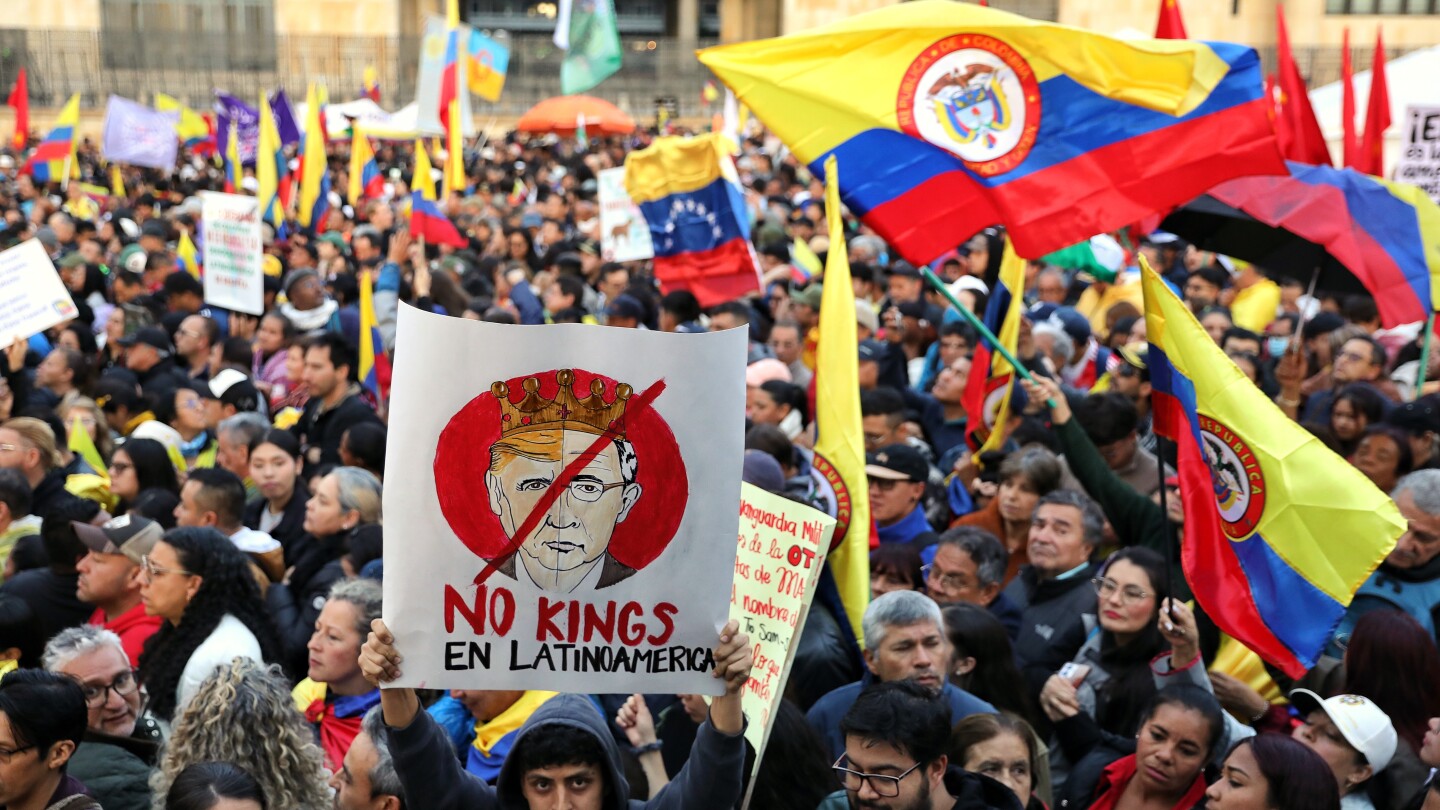
    This conciliatory gesture marks a dramatic departure from Trump’s rhetoric earlier this week, when he asserted Colombia was ‘very sick’ under Petro’s leadership and made unsubstantiated allegations regarding the president’s personal involvement in cocaine distribution to American markets. Those remarks came in response to U.S. military operations in neighboring Venezuela, with Trump suggesting potential intervention in Colombia might be warranted.

    The newly announced White House invitation signals potential normalization of relations between the conservative former president and Colombia’s first leftist leader. Both parties have expressed anticipation for the forthcoming meeting, though specific dates remain unconfirmed at this time.

  • Venezuelan opposition blindsided by Trump, waiting it out

    Venezuelan opposition blindsided by Trump, waiting it out

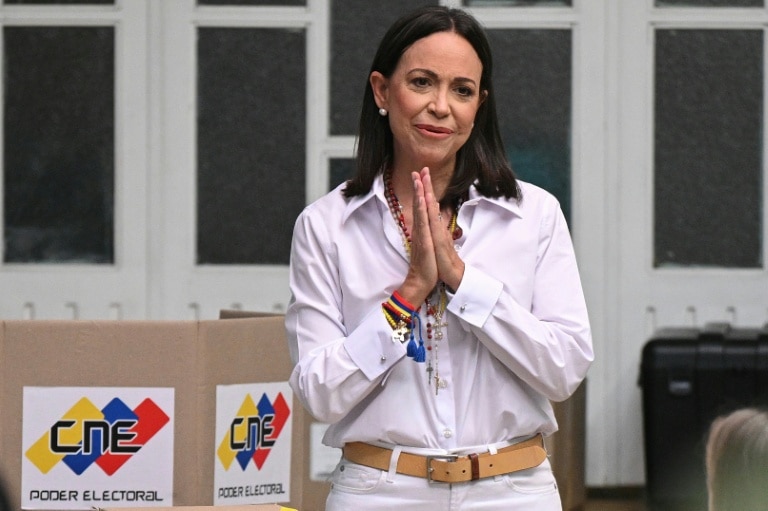
    Following the dramatic removal of authoritarian leader Nicolas Maduro, Venezuela’s opposition movement finds itself in an unexpected state of political paralysis rather than triumph. Despite widespread international recognition as the legitimate victors of the 2024 presidential election, opposition leaders remain excluded from power as the United States under President Trump has chosen to work with Maduro loyalists rather than democratic alternatives.

    The situation presents a complex geopolitical puzzle: instead of installing opposition leader Maria Corina Machado or presidential candidate Edmundo Gonzalez Urrutia, the Trump administration has thrown its support behind Delcy Rodriguez, a committed Maduro acolyte sworn in as acting president. This strategic pivot has left the opposition coalition reeling, with key figures acknowledging they must ‘adjust to reality’ despite their disappointment.

    Critical to this political stalemate is Venezuela’s military establishment, which maintains historic allegiance to Maduro’s Chavista movement. Defense Minister Vladimir Padrino and Interior Minister Diosdado Cabello—considered the true powers behind the throne—were prominently present during Rodriguez’s inauguration, signaling continued institutional support for the existing power structure.

    Analysts note that the opposition suffers from significant structural deficiencies, lacking both the organized governance expertise and military backing necessary to assume control. Meanwhile, the Trump administration has made its priorities clear: ‘total access’ to Venezuela’s vast oil reserves, the largest proven reserves in the world, appears to outweigh democratic transition concerns.

    Opposition supporters have largely retreated underground amid widespread fear, remembering the thousands arrested during previous protests. With dozens of opposition leaders remaining in exile or detention, and Machado herself yet to return to Venezuela after receiving the Nobel Peace Prize in Oslo, the democratic movement faces profound challenges in converting moral victory into actual political power.

  • ‘We are not for sale’: Greenlanders express fear and indignation as Trump eyes territory

    ‘We are not for sale’: Greenlanders express fear and indignation as Trump eyes territory

    Greenland’s population is voicing strong opposition to recent discussions within the Trump administration regarding potential acquisition of the Arctic territory from Denmark. Mia Chemnitz, a 32-year-old business owner from Nuuk, encapsulated the prevailing sentiment: “The people of Greenland do not want to become American. We are not for sale.”

    The White House has confirmed actively exploring options to purchase the strategically significant territory, with some officials even suggesting military intervention as a contingency. This rhetoric has generated widespread concern among Greenland’s 56,000 inhabitants, particularly following the unprecedented US military operation that extracted Venezuelan President Nicolás Maduro from Caracas.

    Aaja Chemnitz, one of Greenland’s two representatives in the Danish parliament, characterized the US position as “a clear threat” and expressed dismay at Washington’s failure to rule out annexation of a NATO ally. The situation has prompted six European nations to issue a collective statement affirming that Greenland’s future should be determined exclusively by its people.

    Despite Greenland’s current status as a self-governing Danish territory with Copenhagen retaining control over foreign affairs and defense, residents emphasize their functioning democracy and strong governmental mandate. The population generally favors eventual independence from Denmark but unanimously rejects American ownership.

    Strategic interests drive US attention toward Greenland, where the United States has maintained military installations since World War II. The territory’s position between North America and the Arctic provides critical early warning capabilities against missile threats. Additionally, melting ice due to climate change is increasing accessibility to Greenland’s substantial rare earth mineral deposits.

    Greenland Business Association representative Christian Keldsen noted that while the territory welcomes economic cooperation with the United States—evidenced by new direct flights to New York—the current political rhetoric is damaging bilateral relations and creating unnecessary anxiety among ordinarily welcoming residents.

    Experts caution that any forced takeover of Greenland, while militarily feasible, would catastrophicly destabilize NATO alliances and international diplomatic relations.

  • US immigration officer fatally shoots woman in Minneapolis

    US immigration officer fatally shoots woman in Minneapolis

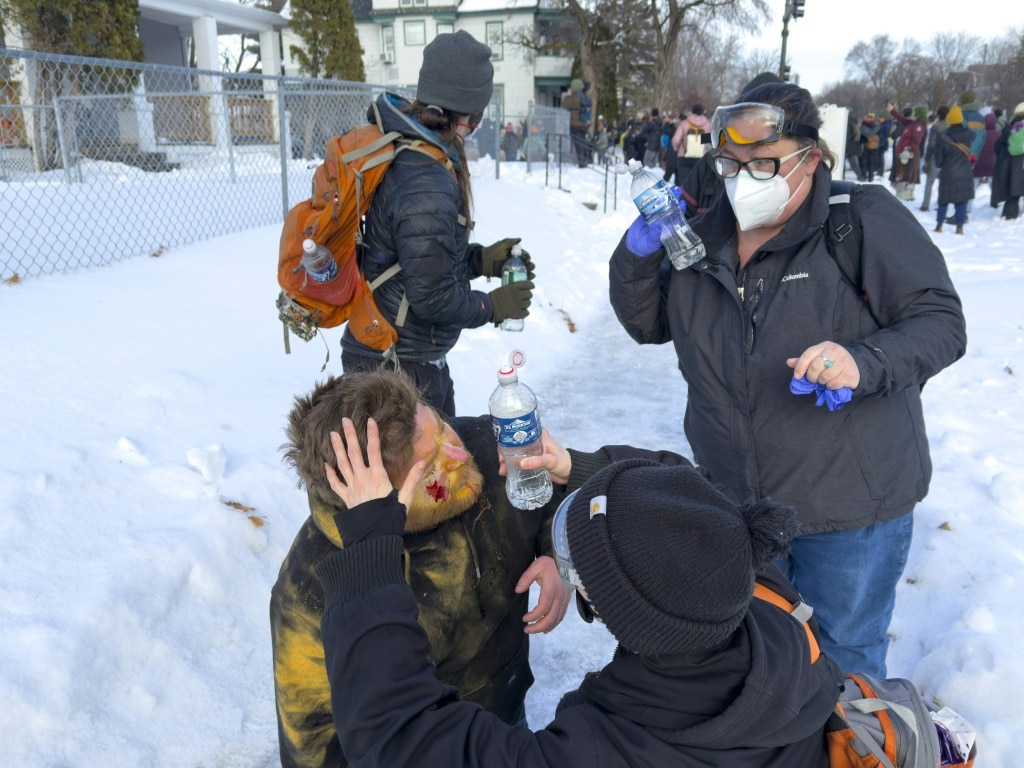
    Minneapolis became the epicenter of national tension on Wednesday when a federal immigration officer fatally shot a 37-year-old woman during a controversial enforcement operation, sparking immediate outrage from local leaders and widespread protests. The incident occurred during a second day of large-scale Immigration and Customs Enforcement (ICE) raids ordered by the Trump administration, intensifying the existing rift between federal authorities and local officials.

    According to witness accounts and unverified video footage, the confrontation unfolded on a snow-covered street. A Honda SUV was reportedly positioned in a manner that obstructed the path of unmarked law enforcement vehicles. As officers approached the stationary car and attempted to open the driver’s door, the woman, who was behind the wheel, began to drive away. A federal agent discharged his handgun three times into the vehicle as it moved, striking and killing the driver.

    The response from government officials was starkly polarized. President Donald Trump defended the agent’s actions on his Truth Social platform, asserting the officer acted in ‘self-defense’ and accusing the victim of ‘viciously’ attempting to run him over. He described the woman as ‘very disorderly, obstructing and resisting.’ Conversely, Minneapolis Mayor Jacob Frey vehemently condemned the federal government’s narrative, labeling it ‘bullshit’ and demanding that ICE officers leave the city immediately. Minnesota Governor Tim Walz denounced the federal response as ‘propaganda’ and pledged a full state investigation.

    The Department of Homeland Security (DHS), which oversees ICE, issued a statement characterizing the woman’s actions as ‘an attempt to kill’ law enforcement officers and ‘an act of domestic terrorism.’ They stated the agent fired ‘defensive shots’ fearing for his life and the safety of the public, confirming the alleged perpetrator was deceased and that injured ICE officers were expected to recover.

    The scene following the shooting was one of chaos and grief. Large crowds gathered, chanting anti-ICE slogans. Witnesses described a harrowing scene, with one recounting to MS NOW that they heard three shots and recorded video of the body being carried to an ambulance. Another witness interviewed by local FOX9 reported seeing the surviving passenger emerge from the car ‘covered in blood’ and described a doctor being prevented from accessing the scene by officers. Nearby, ICE agents were captured on video by local CBS affiliate WCCO pepper-spraying and shoving protesters.

    The shooting occurs against a backdrop of the Trump administration’s aggressive immigration enforcement agenda, which has prioritized the arrest and deportation of undocumented migrants on an unprecedented scale. A recent DHS recruitment drive aimed to add 10,000 new officers to ICE’s ranks, a move criticized for potentially deploying insufficiently trained personnel into the field. Critics have accused the agency of evolving into a paramilitary force, a transformation that has been met with passionate protests across the nation. The White House escalated its rhetoric in response to the Minneapolis fallout, calling Mayor Frey a ‘scumbag’ for his criticism of ICE’s operations.

  • US military says it seizes oil tanker linked with Russia, Venezuela in North Atlantic

    US military says it seizes oil tanker linked with Russia, Venezuela in North Atlantic

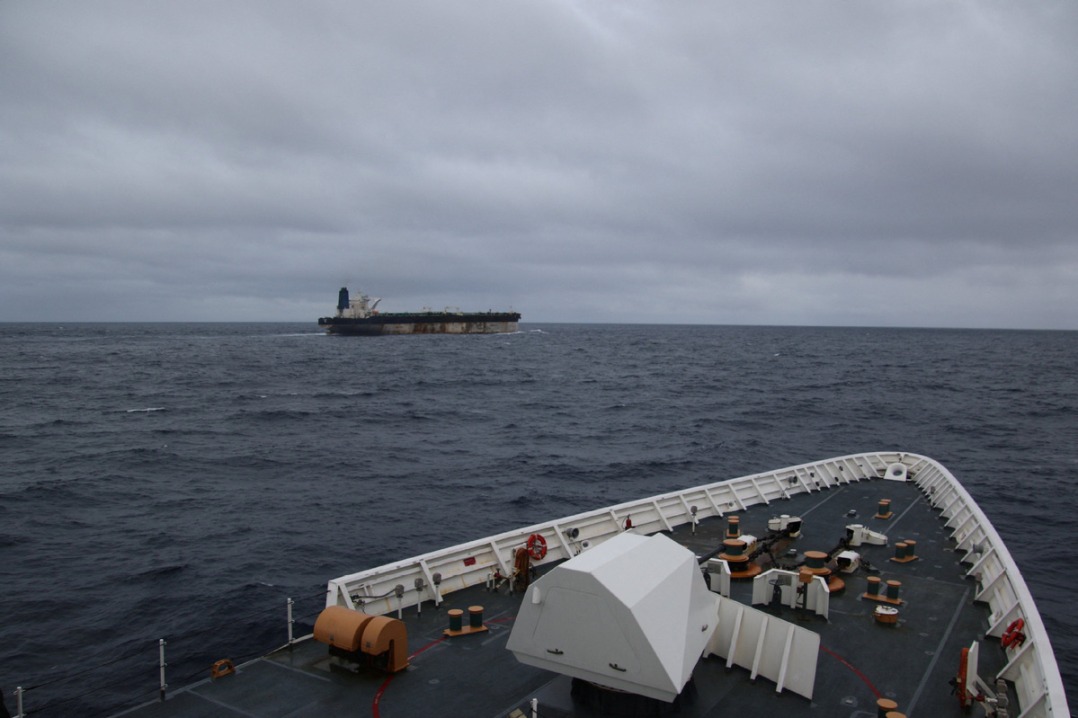
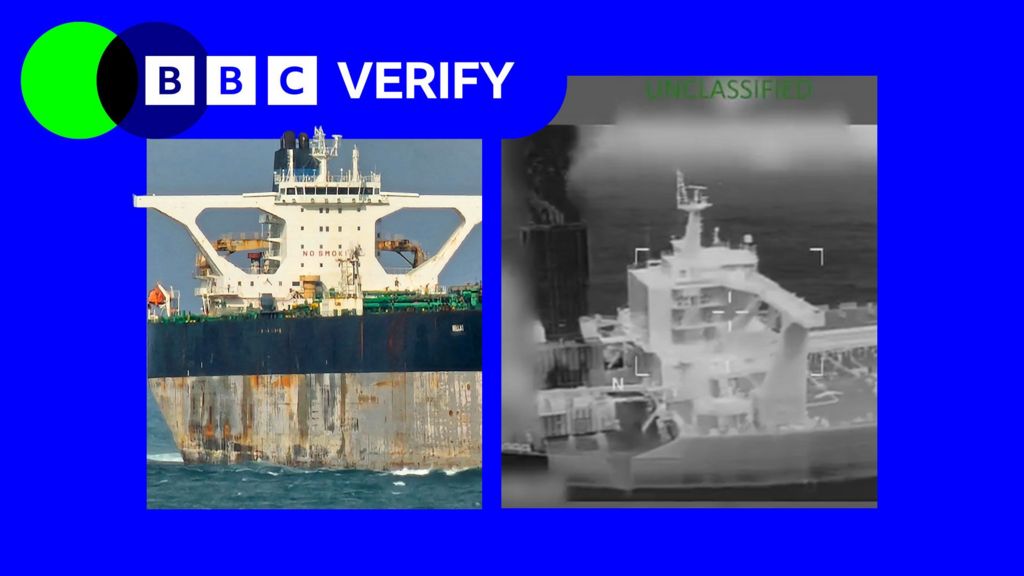
    In a significant maritime enforcement operation, United States military forces have intercepted and seized a Russian-registered oil tanker with connections to Venezuela in the North Atlantic. The vessel, identified as the M/V Bella 1 (now renamed Marinera), was captured pursuant to a federal court warrant for violations of US sanctions regimes.

    The operation, coordinated between the US Department of Justice, Department of Homeland Security, and Department of Defense, culminated after an extensive pursuit that began in late December. According to US European Command, the USCGC Munro—a Legend-class National Security Cutter capable of long-range missions—tracked and ultimately seized the vessel after it attempted to evade capture.

    Media reports indicate Russian military vessels were present in the area during the interception, adding geopolitical complexity to the operation. The tanker had been under US sanctions targeting Iran before its ownership changes and attempted voyage to Venezuela.

    The vessel’s crew had recently attempted to establish Russian affiliation by painting a Russian flag on the ship’s hull and registering with the Russian Maritime Register of Shipping under the new name Marinera on December 31. This development occurred after the tanker aborted its Caribbean course toward Venezuela approximately two-and-a-half weeks prior when pursued by US Coast Guard assets.

    This seizure represents the third such interception of oil tankers by US forces near Venezuelan waters, reflecting intensified enforcement of President Donald Trump’s recent order implementing a “full and total blockade” against sanctioned vessels attempting to enter or leave Venezuelan ports.

  • Yemen’s STC says delegation in Riyadh disappeared onto bus and all contact lost

    Yemen’s STC says delegation in Riyadh disappeared onto bus and all contact lost

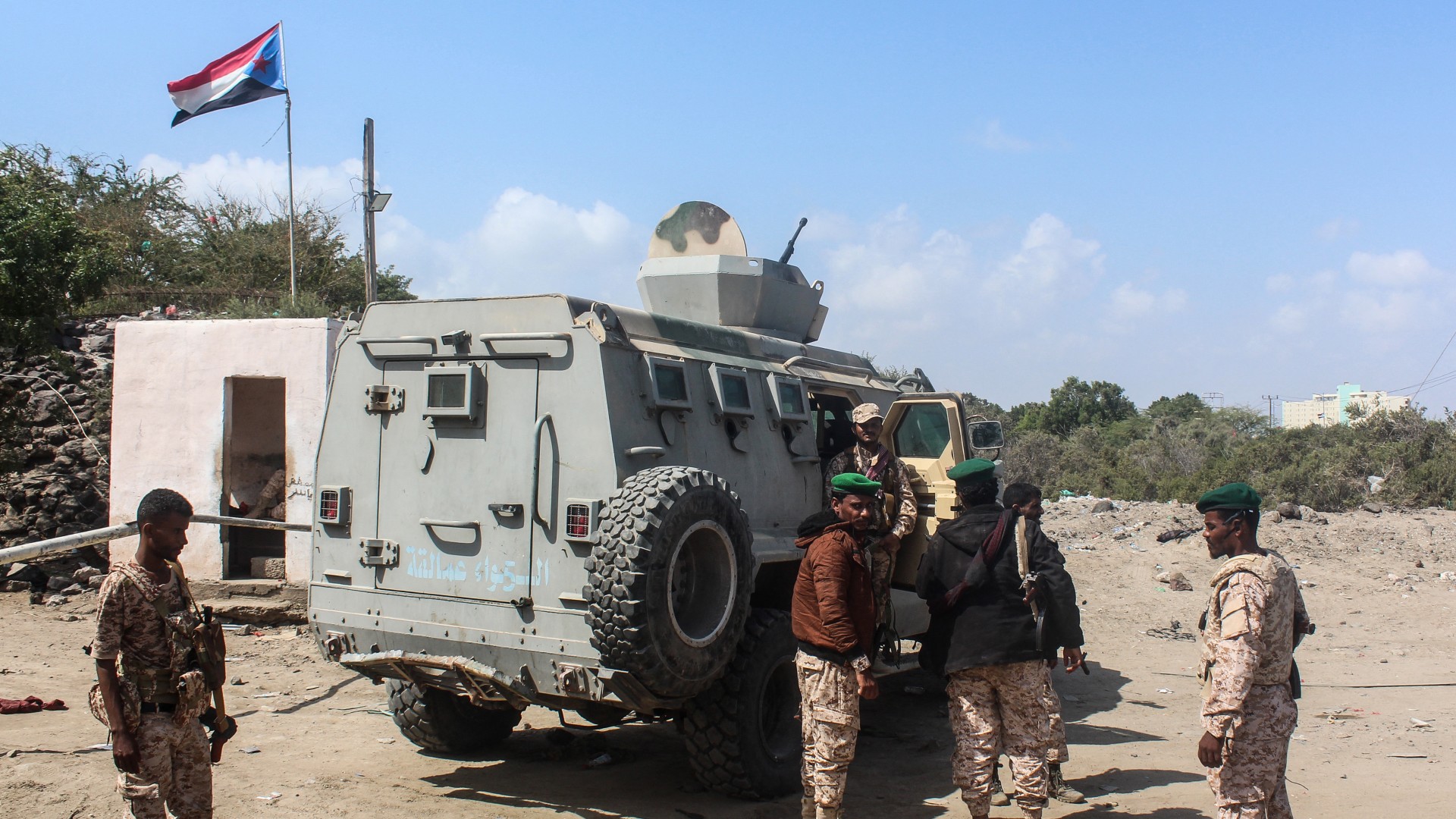
    A significant diplomatic incident has unfolded as the Southern Transitional Council (STC), a Yemeni separatist faction, reports the complete disappearance of its high-level delegation in Saudi Arabia. According to senior STC foreign affairs official Amr al-Bidh, communication was lost with over 50 officials immediately after their arrival in Riyadh at 3 a.m. local time.

    The delegation’s disappearance coincides with a severe political rupture within Yemen’s internationally recognized government. The Presidential Leadership Council (PLC) has formally expelled Aidarous al-Zubaidi, the UAE-backed head of the STC, accusing him of ‘high treason’ and initiating a formal investigation. The charges include damaging Yemen’s political standing, forming illegal armed groups, committing violations against civilians, and sabotaging military facilities.

    In a parallel military escalation, Saudi Arabia conducted a series of airstrikes, described as ‘pre-emptive,’ targeting al-Dhale province, Zubaidi’s hometown. The STC claims these strikes resulted in civilian casualties, killing two and wounding fourteen. Concurrently, Saudi-backed ground forces were reported advancing towards the port city of Aden, a key STC stronghold, though the separatists maintain they still control the city.

    The situation exposes a rare public fissure in the Gulf coalition. Saudi Arabia recently condemned the UAE’s backing of the southern separatists and even bombed an Emirati shipment at the port of Mukalla. In response, the UAE expressed surprise at the Saudi account and subsequently announced the withdrawal of all its military personnel from Yemen, citing ‘recent developments.’

    The STC, which advocates for an independent South Yemen, had recently gained significant territory in a lightning offensive before this sudden reversal. The delegation’s mysterious disappearance in Riyadh now adds a complex layer of diplomatic intrigue to an already volatile conflict.

  • Tracking the oil tankers seized by the US

    Tracking the oil tankers seized by the US

    In a significant maritime enforcement operation, United States authorities have formally announced the interdiction and seizure of two oil tankers across strategic international waters. The operation targeted vessels suspected of violating international sanctions or engaging in illicit activities.

    The first vessel, identified as the Marinera (previously registered under the name Bella 1), was intercepted and taken into custody while navigating the North Atlantic Ocean. Concurrently, a second tanker, the Sophia, was successfully seized in international waters proximate to the Caribbean Sea. These coordinated actions underscore a continued escalation in U.S. efforts to enforce compliance with global maritime law and economic sanctions regimes.

    While the specific legal justifications for these seizures were not fully elaborated in the initial announcement, such operations are typically conducted under authority granted by national statutes or through rulings from U.S. courts. Historical precedents suggest these tankers may be linked to sanctions evasion, particularly related to oil shipments from embargoed nations like Iran or Venezuela.

    The strategic locations of these seizures—major transit routes for international shipping—highlight the global reach of U.S. maritime enforcement capabilities. These actions will likely have immediate operational repercussions for global shipping logistics and energy markets, potentially causing heightened due diligence among vessel operators and maritime insurers. The incidents also carry substantial diplomatic weight, potentially triggering formal protests or escalating tensions with the flagged states of the seized vessels.

  • Prime Minister Mark Carney to visit China next week as Canada pivots away from the US

    Prime Minister Mark Carney to visit China next week as Canada pivots away from the US

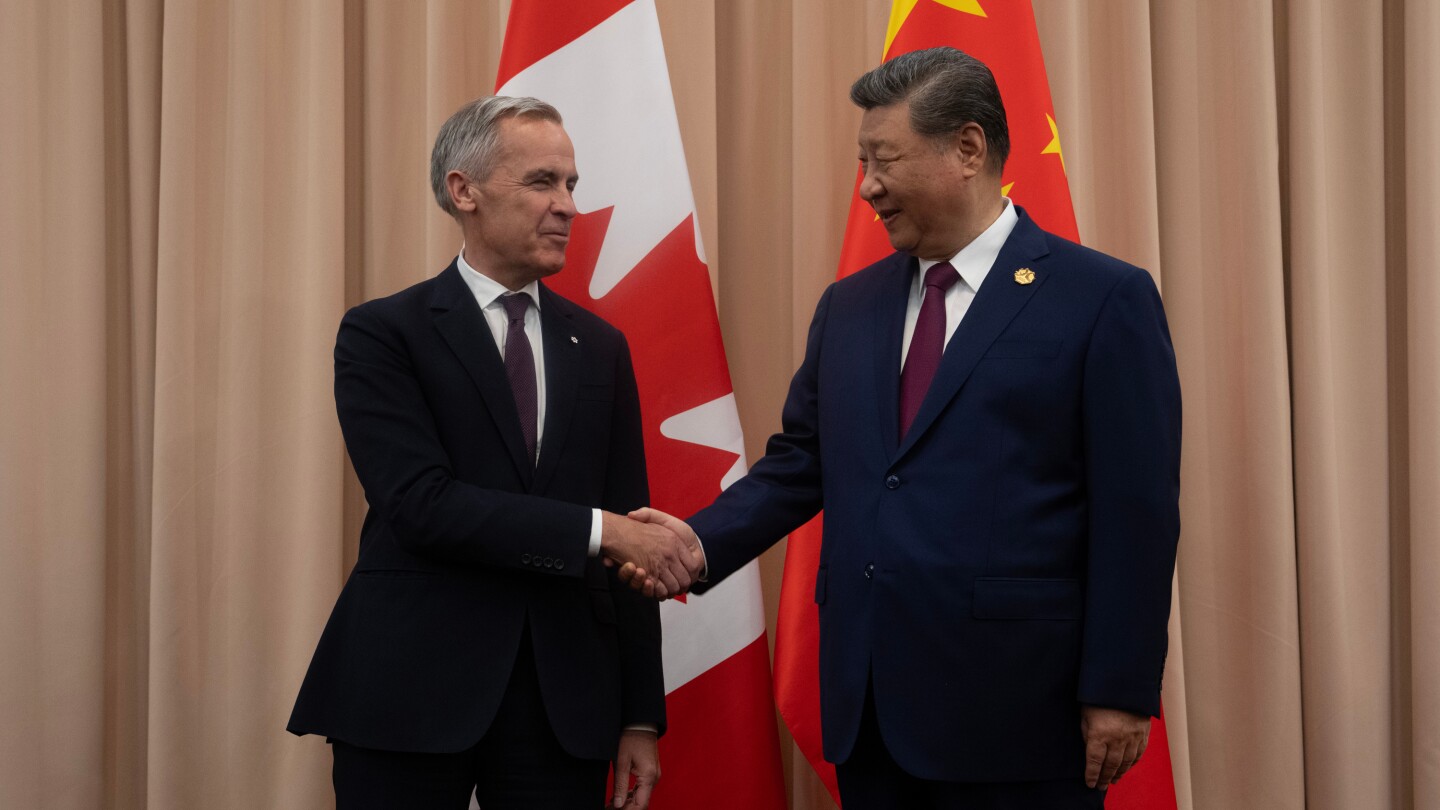
    In a significant diplomatic maneuver, Canadian Prime Minister Mark Carney will undertake an official state visit to China from January 13-17, marking the first such journey by a Canadian leader in over eight years. The visit comes at the invitation of Chinese President Xi Jinping, extending from their October encounter during the Asia-Pacific summit.

    This diplomatic initiative represents a strategic pivot in Canada’s foreign policy as the nation seeks to diversify its economic partnerships and reduce dependence on the United States. Prime Minister Carney articulated this strategic shift, stating, “We’re forging new partnerships worldwide to transform our economy from one reliant on a single trade partner to one that demonstrates greater resilience against global disruptions.”

    The timing of this rapprochement effort is particularly noteworthy given several contextual factors. Current trade tensions with the United States, including tariff threats and sovereignty concerns, have accelerated Canada’s pursuit of alternative markets. The North American free trade agreement undergoes review this year, while Canada simultaneously pursues ambitious targets to double non-U.S. exports within the coming decade.

    China currently stands as Canada’s second-largest trading partner, though the relationship has experienced significant turbulence. Bilateral relations deteriorated sharply in late 2018 following Canada’s arrest of a senior Huawei executive pursuant to its extradition treaty with the United States. China responded by detaining two Canadian citizens, creating a diplomatic standoff that lasted years.

    More recently, trade tensions have resurfaced through Canada’s imposition of 100% tariffs on Chinese electric vehicles, batteries, and related goods—a move coordinated with U.S. policy. China retaliated with targeted tariffs affecting Canadian canola, seafood, and pork producers. Beijing has proposed removing these import taxes should Canada reconsider its EV tariff policy.

    Following his China visit, Prime Minister Carney will attend the World Economic Forum Annual Meeting in Davos, Switzerland from January 19-21, further advancing Canada’s international economic diplomacy agenda.