分类: politics

  • In ‘big trouble’? The factors determining Iran’s future

    In ‘big trouble’? The factors determining Iran’s future

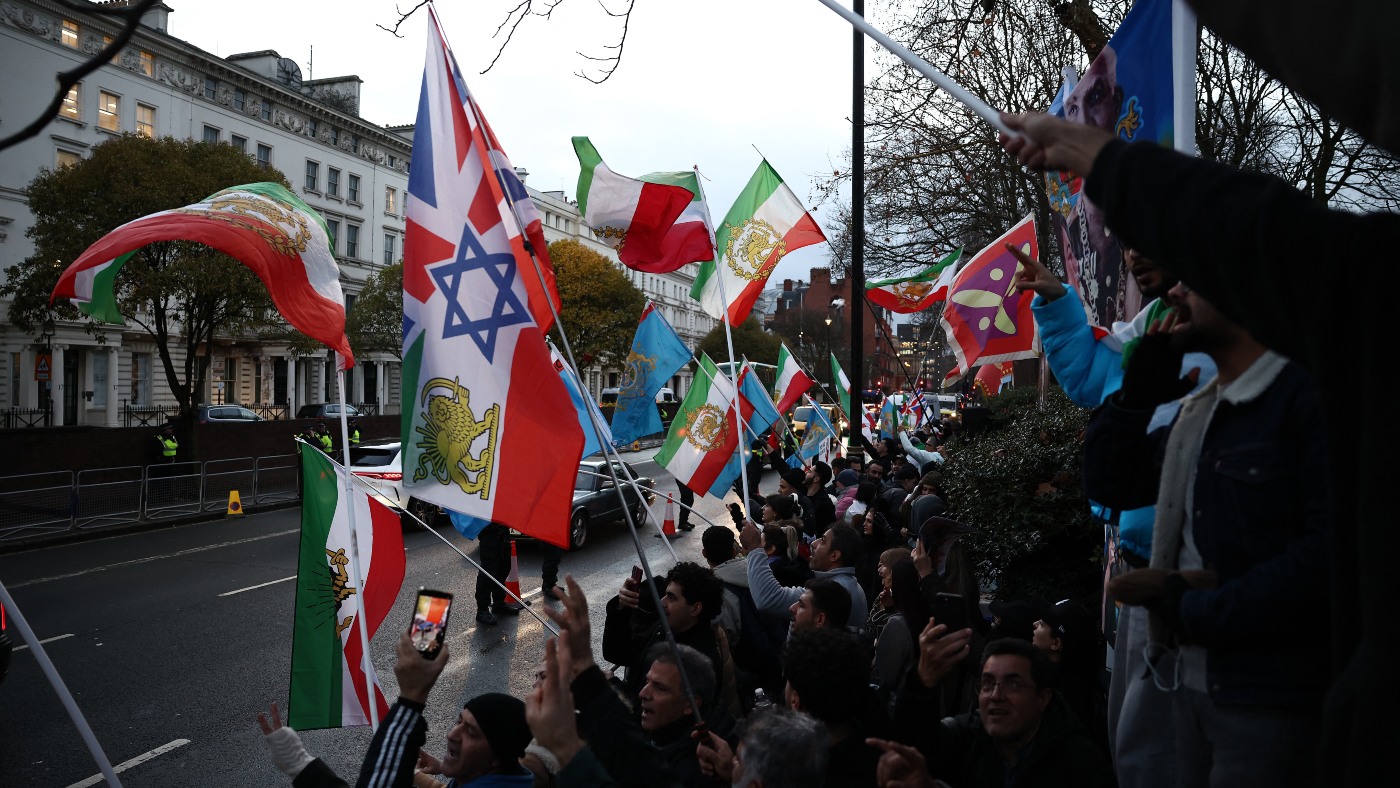
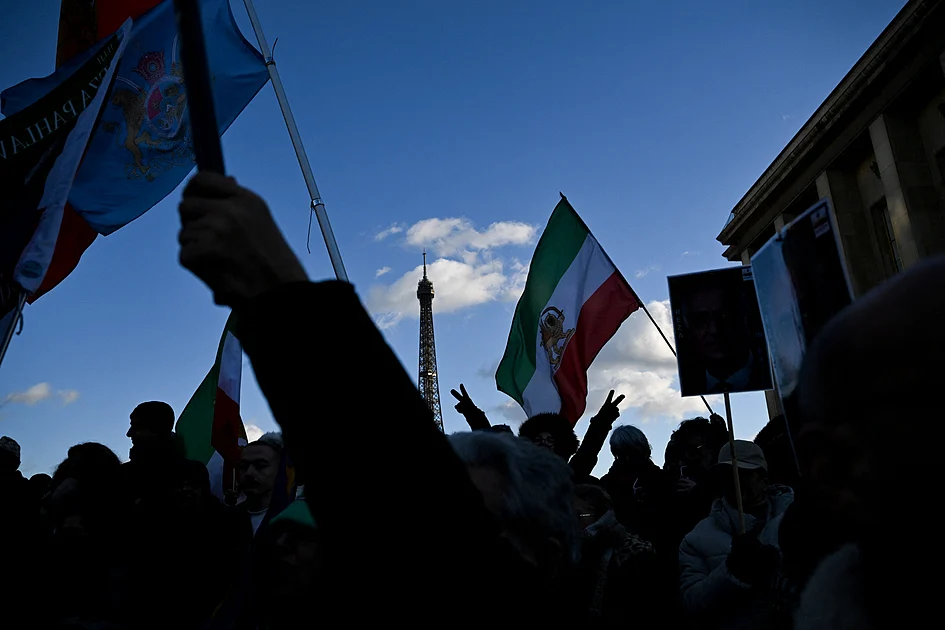
    Iran’s theocratic leadership confronts its most formidable challenge in years as nationwide demonstrations evolve from economic discontent into explicit demands for systemic political change. The protest movement, which initiated with strikes at Tehran’s bazaar in late December, has rapidly escalated into mass rallies challenging the clerical establishment that has governed since the 1979 revolution.

    According to international rights organizations, the government’s aggressive crackdown has resulted in hundreds of casualties, though the authority of 86-year-old Supreme Leader Ayatollah Ali Khamenei remains ostensibly intact. Analysts note that while the scale and political nature of these protests represent a significant threat to the Islamic Republic, predicting its immediate collapse would be premature.

    Professor Nicole Grajewski of Sciences Po Centre for International Studies in Paris observed, “These protests arguably represent the most serious challenge to the Islamic republic in years, both in scale and in their increasingly explicit political demands.” She emphasized the resilience of Iran’s repressive apparatus as a critical factor in the regime’s stability.

    Several key elements will determine the outcome of this crisis. The sustainability and growth of protests remain crucial, though current demonstrations haven’t reached the critical mass necessary for irreversible change. The cohesion within Iran’s political and military elite shows no significant fractures thus far, with all major institutions including the Revolutionary Guards maintaining allegiance to Khamenei.

    International dimensions complicate the situation, with former US President Donald Trump implementing economic measures and not excluding military options. Any direct foreign intervention would fundamentally alter the crisis trajectory, according to analysts. Meanwhile, the opposition movement struggles with internal divisions and lacks cohesive leadership capable of unifying various factions.

    The health and succession planning for Khamenei introduce additional uncertainty, with potential scenarios ranging from his son Mojtaba assuming power to a collective leadership structure or even a takeover by the Revolutionary Guards. The regime’s vulnerability appears heightened both domestically and geopolitically, reaching levels not seen since the Iran-Iraq war of 1980-1988.

  • Pingtan to pioneer cross-Strait ‘common market’ during 15th Five-Year Plan period

    Pingtan to pioneer cross-Strait ‘common market’ during 15th Five-Year Plan period

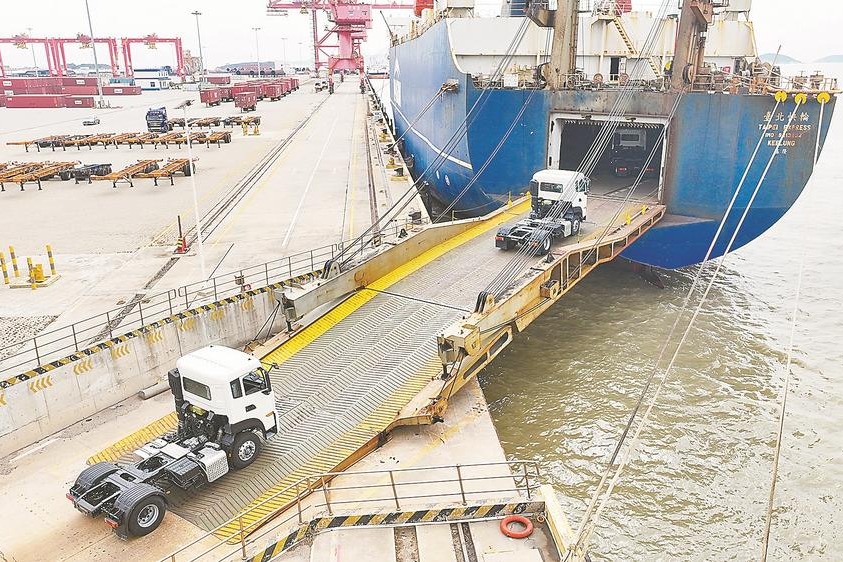
    The Pingtan Comprehensive Pilot Zone in Fujian province is positioned to spearhead groundbreaking economic integration between mainland China and Taiwan during China’s 15th Five-Year Plan period (2026-2030). Building upon substantial growth achieved in previous years, this strategic initiative aims to transform Pingtan into a central hub for cross-Strait commerce, standard alignment, and goods circulation.

    According to official statements, the zone will implement unprecedented market access liberalization for Taiwanese capital across key sectors including trade, investment, and information services. Wen Xuelin, deputy secretary of the zone’s Party Working Committee, emphasized the commitment to “maximize the relaxation of access restrictions” to facilitate deeper economic cooperation.

    The comprehensive plan includes expanding mutual recognition mechanisms for professional qualifications, enterprise credentials, and product certifications. This standardization effort particularly targets agricultural and construction industries, aiming to create parallel regulatory frameworks that ease business operations across the Strait.

    Pingtan officials plan significant upgrades to the region’s small-commodity trading market, enabling broader variety of Taiwanese products to enter mainland markets through what they describe as “the most convenient and preferred channel” for Taiwan goods.

    The initiative follows a period of remarkable trade growth during the 14th Five-Year Plan period (2021-2025), which saw cross-Strait trade increase at an average annual rate of 21.7%. Total trade volume surged from 9.1 billion yuan ($1.3 billion) in 2020 to approximately 15 billion yuan in 2025.

    Huang Jianbo, director of the Pingtan Management Committee, noted the zone has already emerged as one of mainland China’s primary entry points for Taiwan’s agricultural and fishery products, with cross-border e-commerce volumes ranking among the nation’s highest.

    Beyond commercial dimensions, Pingtan is developing comprehensive social integration mechanisms. The Cross-Strait Professional Qualification Integrated Service Center has issued nearly 6,000 certificates recognized across multiple provinces. Additional innovations include mutual recognition of Taiwan resident permits and travel documents, plus the establishment of mainland China’s exclusive cross-Strait arbitration center. These measures collectively aim to facilitate Taiwanese compatriots’ integration into local life and social governance structures.

  • Uganda imposes an internet blackout ahead Thursday’s election

    Uganda imposes an internet blackout ahead Thursday’s election

    Uganda’s telecommunications landscape has been plunged into digital darkness as the nation’s communications regulator mandated a comprehensive internet shutdown preceding Thursday’s pivotal general election. The Uganda Communications Commission (UCC) issued directives to all service providers to suspend internet connectivity effective Tuesday at 18:00 local time (15:00 GMT), citing imperative public safety concerns.

    The regulatory body justified this drastic measure as necessary to combat potential ‘online misinformation, disinformation campaigns, electoral fraud mechanisms, and prevention of violence incitement’ during this sensitive electoral period. This decision represents a stark reversal from the UCC’s earlier position this month, when the commission dismissed internet blackout speculation as ‘mere rumors’ while reaffirming its commitment to maintaining uninterrupted nationwide connectivity.

    This digital censorship strategy mirrors the government’s approach during the contentious 2021 elections, which witnessed widespread protests and numerous fatalities amid a week-long internet blackout. While regular mobile data services have been disabled across the country, some business establishments including major hotels continue to access wireless connectivity. Basic communication channels including voice calls and SMS services remain operational despite the internet restrictions.

    According to official correspondence, the UCC implemented this suspension following ‘strong recommendations’ from national security agencies including the military and police forces. The commission characterized the blackout as ‘a precautionary intervention to ensure peace, protect national stability, and prevent communication platform misuse during a sensitive national exercise.’

    The presidential election features an historic rematch between 81-year-old incumbent Yoweri Museveni, who has maintained power for four decades, and 43-year-old opposition leader Bobi Wine (born Robert Kyagulanyi), a former pop star representing generational change. Museveni campaigns under the banner of ‘Protecting the Gains’ emphasizing continuity, while Wine mobilizes supporters with his ‘Protest Vote’ movement advocating for political transformation.

    In response to the internet restrictions, the opposition leader publicly shared the UCC’s directive on social media platform X and encouraged supporters to utilize Bluetooth-enabled communication applications as alternatives. The UCC subsequently warned it possesses technical capabilities to restrict such alternative communication platforms from operating within the country.

  • Israel’s recognition of breakaway Somaliland brings uproar and threats to a volatile region

    Israel’s recognition of breakaway Somaliland brings uproar and threats to a volatile region

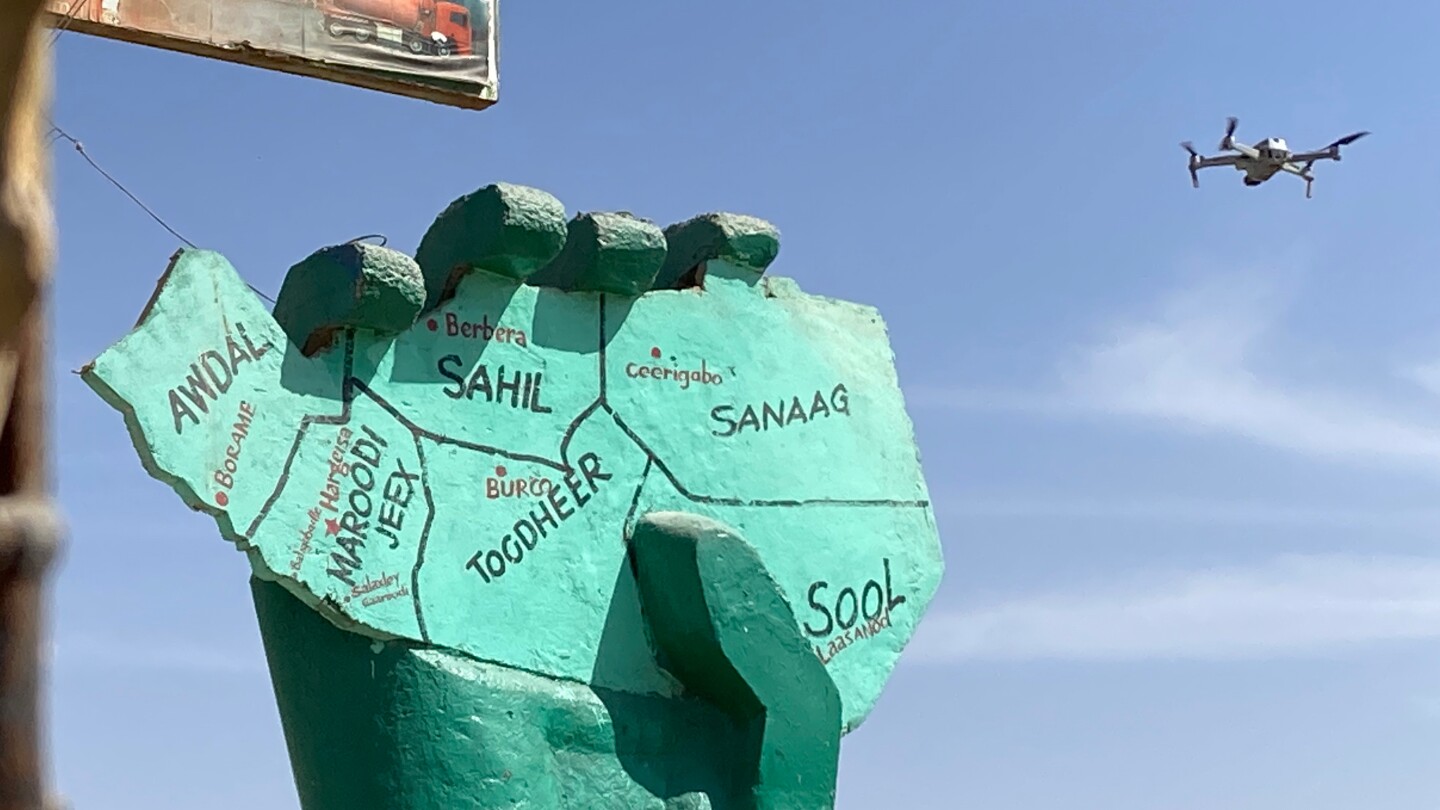
    Israel’s groundbreaking recognition of Somaliland has ignited complex geopolitical dynamics across the Horn of Africa and Middle East, creating unexpected alliances and tensions in one of the world’s most strategic maritime regions. The diplomatic move positions the breakaway territory as a potential Israeli partner against Iran-backed Houthi rebels in Yemen while raising questions about previously discussed proposals to resettle Palestinians from Gaza.

    The recognition marks Somaliland’s first acceptance as an independent nation by any country since it declared autonomy from Somalia in 1991. Somaliland Foreign Minister Abdirahman Dahir Adan characterized the relationship as “mutually beneficial friendship” that would bring technological cooperation and investment to his territory while providing Israel with enhanced regional capabilities.

    Strategic considerations drive the partnership. Somaliland’s location along vital shipping lanes near the Bab el-Mandeb Strait—where Houthi attacks have disrupted $1 trillion in annual commerce—makes it invaluable for monitoring maritime threats. Military analyst Andreas Krieg of King’s College London noted that “a small footprint in Somaliland can provide disproportionate utility” for countering Houthi activities.

    The development has triggered immediate backlash. Somalia’s government condemned the recognition as a violation of its sovereignty, with President Hassan Sheikh Mohamud declaring Somali territory “cannot be divided by a piece of paper written by Israel.” Al-Shabab militants issued audio threats vowing to “fight against” Israeli presence, potentially destabilizing Somaliland’s relative stability.

    Regional powers are recalibrating relationships. Somalia annulled defense agreements with the United Arab Emirates, which has invested heavily in Somaliland’s Berbera port. The move reflects broader great power competition involving China, Turkey, and Gulf states—all with strategic interests in Somali ports and concern about shifting alliances.

    While Somaliland officials hope Israeli recognition will spur broader international acceptance, analysts warn the partnership could provoke violence and proxy conflicts. The Organization of Islamic Cooperation and African Union have condemned Israel’s move, highlighting the delicate balance between Somaliland’s aspirations for sovereignty and regional stability concerns.

  • Hundreds more Venezuelans come forward to register relatives as ‘political prisoners’

    Hundreds more Venezuelans come forward to register relatives as ‘political prisoners’

    In a tragic turn of events, former Venezuelan police officer Edilson Torres passed away from a heart attack just days before his anticipated release from prison. The 51-year-old was buried Tuesday in his rural hometown of Guanare, surrounded by family, friends, and fellow officers who gathered to honor his memory.

    Torres had been held incommunicado since his November detention on charges his family maintains were politically motivated. His death occurred on Saturday, coinciding with the Venezuelan government’s promised prisoner releases following the U.S. capture of then-President Nicolás Maduro.

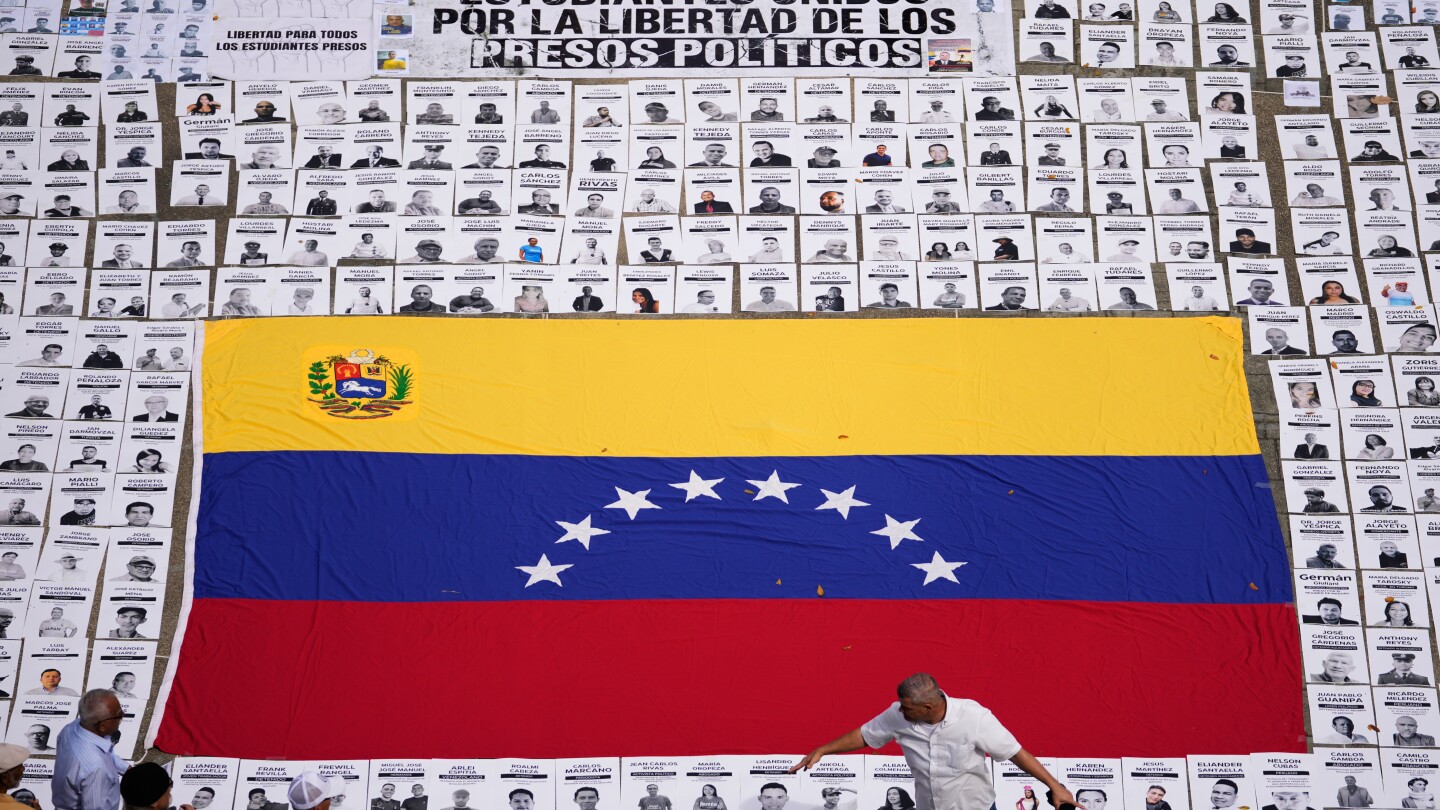
    This development has triggered a remarkable shift in Venezuela’s human rights landscape. Alfredo Romero, director of the non-governmental organization Foro Penal, reported receiving a “flood of messages” from families previously hesitant to come forward. These families are now actively registering their loved ones as political prisoners, seeing the current situation as a window of hope for freedom.

    According to Romero, approximately 300 families have contacted Foro Penal in recent days, with about 100 cases confirmed as politically motivated. Most newly reported cases involve individuals who previously worked for Venezuela’s military.

    The release process has shown mixed results. While Foro Penal confirmed 55 prisoner releases by Tuesday morning, the Venezuelan government claimed 116 releases without providing identification, making verification impossible.

    Among those successfully released are human rights attorney Rocío San Miguel (who immediately relocated to Spain), opposition leader Biagio Pilieri (part of Nobel Peace Prize winner María Corina Machado’s 2024 presidential campaign), and former electoral authority Enrique Márquez.

    Italian businessman Marco Burlò, released Monday, described his detention as a “pure and real kidnapping” during a press conference in Rome. He reported being kept completely isolated without access to legal defense or family communication throughout his imprisonment.

    The head of Venezuela’s national assembly previously stated that a “significant number” of prisoners would be released as a gesture to “seek peace,” though the tragic death of Edilson Torres underscores the human cost of delayed justice.

  • Trump set to lead largest-ever US delegation to World Economic Forum in Davos next week

    Trump set to lead largest-ever US delegation to World Economic Forum in Davos next week

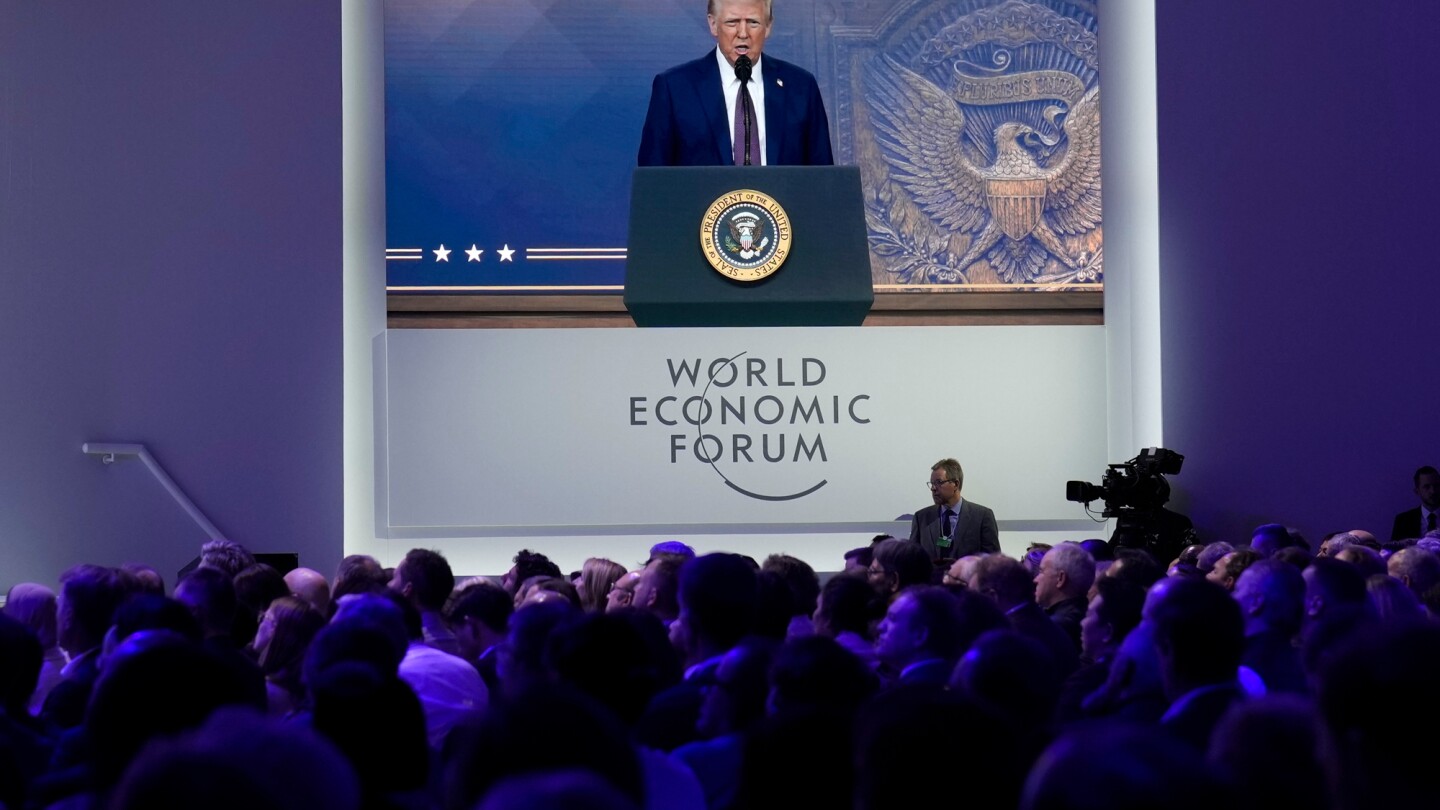
    GENEVA — President Donald Trump is poised to make a significant return to the World Economic Forum’s annual gathering in Davos, Switzerland, heading an unprecedented U.S. governmental contingent amid ongoing international policy concerns. The Geneva-based organizing committee confirmed Tuesday that Trump’s delegation will include five Cabinet secretaries and numerous senior officials, marking the largest official U.S. presence in the event’s history.

    The forum, scheduled from January 20-23, anticipates record-breaking participation with 3,000 attendees from 130 nations, including 850 chief executives and chairs of leading global corporations. Notably, six out of seven G-7 leaders are expected alongside Ukrainian President Volodymyr Zelenskky, Syrian President Ahmad al-Sharaa, and approximately 64 heads of state or government—potentially the highest governmental representation ever assembled at the Alpine summit.

    Forum President Borge Brende emphasized the distinctive composition of this year’s attendance, noting China’s delegation will be led by Vice Premier He Lifeng, Beijing’s principal trade negotiator. The event returns to its traditional format after Trump’s virtual participation last year shortly following his second inauguration.

    Founded in 1971, the Davos forum has consistently served as a nexus for international dialogue, policy debate, and economic negotiation. While critics argue the event primarily benefits global elites at potential societal expense, organizers maintain its fundamental mission remains ‘improving the state of the world’ through inclusive engagement with advocacy groups, academic institutions, and cultural representatives.

  • Trump announces 25 percent tariff on countries doing business with Iran

    Trump announces 25 percent tariff on countries doing business with Iran

    Amid escalating anti-government protests in Iran, former US President Donald Trump has declared an immediate 25% tariff on all nations conducting business with the Islamic Republic. The announcement, made via Truth Social on Monday, positions the tariff as a punitive measure against any country engaging commercially with Iran, with the cost to be levied on all their business dealings with the United States.

    This policy directly impacts key Iranian trading partners, including China, Russia, India, and Turkey, and is expected to result in increased costs for American importers. China, which accounts for approximately 30% of Iran’s total foreign trade, issued a firm rebuttal. Chinese Embassy spokesperson Liu Pengyu stated on X that ‘tariff wars and trade wars have no winners,’ condemning the move as illicit unilateral sanctioning and vowing to safeguard China’s legitimate rights and interests.

    The geopolitical tension unfolds against a backdrop of severe domestic unrest in Iran. A virtual US embassy security alert has urgently advised American citizens to depart Iran immediately, offering specific guidance for land departure to Armenia or Turkey if commercial options are unavailable. The United States maintains no physical diplomatic presence in Iran, with Switzerland acting as its protecting power.

    Iranian officials report significant casualties from the ongoing protests, with an estimated 2,000 fatalities—a figure substantially higher than the 640 previously tallied by human rights groups. Over 10,700 individuals have been arrested, and the nation has been subjected to an internet blackout exceeding 100 hours. The protests, ignited on December 28 by economic grievances including a historic devaluation of the rial and 42% inflation, have intensified into a broader anti-government movement.

    Iranian leadership has accused the US and Israel of backing ‘armed rioters’ and sowing chaos. Foreign Minister Hossein Amirabdollahian stated Tehran is prepared for either ‘war or dialogue,’ while President Masoud Pezeshkian alleged a foreign plot to create disorder. Iran has also issued warnings of potential strikes on Israeli and US military bases should its territory be attacked.

    In response, Israel has elevated its security alert level. Trump, commenting on the situation, indicated his administration is monitoring events closely and considering ‘very strong options,’ promising a retaliatory response of unprecedented scale if Iran acts against US interests.

  • Denmark, Greenland set for high-stake talks at White House

    Denmark, Greenland set for high-stake talks at White House

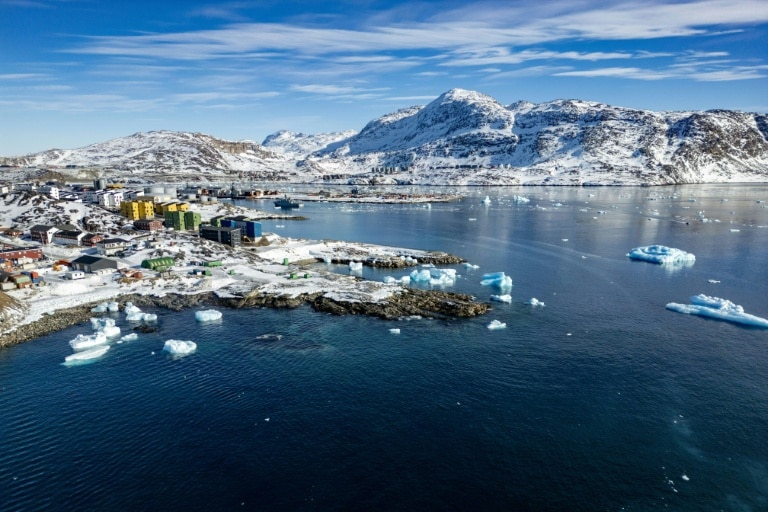
    A high-stakes diplomatic meeting is set to unfold at the White House on Wednesday as Danish and Greenlandic officials confront U.S. Vice President JD Vance over escalating tensions regarding Arctic sovereignty. The extraordinary gathering comes after months of strained relations triggered by Vance’s uninvited visit to Greenland in March and President Donald Trump’s persistent suggestions about acquiring the strategically vital territory.

    The confrontation stems from Vance’s accusations that Denmark has neglected its autonomous Arctic territory, labeling America’s NATO ally as ‘bad’ regarding Arctic security commitments. These remarks provoked fury in Copenhagen, which has consistently supported U.S. military operations internationally. Swedish Prime Minister Ulf Kristersson notably reminded that ‘the United States should thank Denmark, which over the years has been a very loyal ally.’

    Wednesday’s meeting, requested jointly by Danish Foreign Minister Lars Lokke Rasmussen and Greenlandic counterpart Vivian Motzfeldt, aims to address what they term ‘misunderstandings’ concerning Greenland’s defense arrangements, Chinese and Russian presence in the Arctic, and the complex relationship between Greenland and Denmark. The Kingdom of Denmark comprises Denmark proper, Greenland, and the Faroe Islands.

    According to Greenland specialist Mikaela Engell, American perceptions have dangerously misinterpreted ongoing discussions about Greenland’s autonomy. ‘To the uninformed American listener,’ Engell noted, ‘the talks might have been construed as if Greenland’s secession from Denmark was imminent,’ potentially justifying interventionist sentiments.

    The security dimension dominates the agenda. Washington alleges insufficient protection against Chinese and Russian threats, while Denmark highlights its substantial investment of nearly 90 billion kroner ($14 billion) to strengthen military presence in the Arctic. The discussions will extend to NATO, with Danish Defence Minister Troels Lund Poulsen and Greenland’s Motzfeldt scheduled to meet Secretary General Mark Rutte on January 19 specifically addressing Arctic security.

    Lund Poulsen emphasized forward momentum: ‘We are now moving forward with the whole issue of a more permanent, larger presence in Greenland from the Danish defence forces but also with the participation of other countries.’ NATO confirms work on ‘next steps’ for Arctic security, with diplomats indicating preliminary discussions about a potential new regional mission, though no concrete proposals currently exist.

  • A US youth reflects on the ‘cave-dwelling conversation’

    A US youth reflects on the ‘cave-dwelling conversation’

    As the Fifth Plenary Session of the 20th CPC Central Commission for Discipline Inspection convenes from January 12-14, 2026, an American youth offers a contemporary perspective on China’s enduring governance philosophy through the lens of the historic “cave-dwelling conversation” in Yan’an. This reflection addresses a perennial question in political systems worldwide: how does a long-governing party effectively maintain oversight of its own supervisors?

    The analytical examination reveals China’s distinctive approach centers on a dual mechanism combining robust public oversight with institutional self-reform. This governance model establishes clear operational boundaries for power while maintaining it within structured institutional constraints. The system demonstrates a consistent willingness to identify and rectify errors through transparent processes.

    This governance framework emerges from historical precedents but continues to evolve through contemporary anti-corruption initiatives and disciplinary reforms. The ongoing plenary session represents the latest development in this continuous refinement process, addressing both conduct standards and systemic supervision mechanisms.

    The American perspective highlights how China’s solution to the supervision dilemma differs from Western models, emphasizing internal reform processes alongside public accountability channels. This approach maintains that effective governance requires both institutional constraints and the political determination to implement them consistently, even when addressing internal challenges.

  • Minnesota, Illinois sue Trump administration to block ICE officers surges

    Minnesota, Illinois sue Trump administration to block ICE officers surges

    In a significant legal escalation against federal immigration policies, the states of Minnesota and Illinois have filed separate federal lawsuits against the Trump administration seeking to halt the deployment of additional immigration enforcement officers to their jurisdictions. The legal action comes in response to last week’s fatal shooting of 37-year-old mother Renee Good by an Immigration and Customs Enforcement (ICE) officer in Minnesota, which has sparked widespread protests and condemnation.

    Minnesota Attorney General Keith Ellison has spearheaded the litigation, naming Homeland Security Secretary Kristi Noem and multiple immigration officials as defendants. The lawsuit petitions a federal court to declare the officer surge both unconstitutional and unlawful, alleging systematic racial profiling and political targeting of the Democratic-leaning state. Ellison characterized the deployment as ‘a federal invasion of the Twin Cities and Minnesota’ that has inflicted ‘serious harm’ on the state.

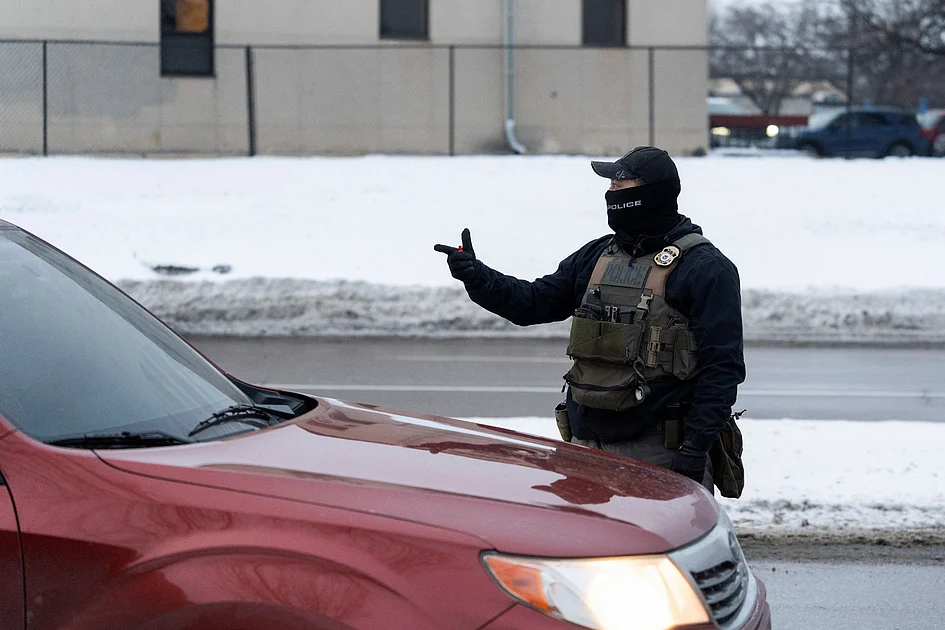
    The Minnesota suit specifically seeks judicial mandates requiring federal officers to wear visible identification, activate body cameras, and refrain from obscuring their faces with masks. It further aims to prohibit the threat of physical force or brandishing of weapons against individuals not subject to immigration arrest.

    Illinois filed parallel litigation seeking to block U.S. Customs and Border Protection from conducting civil immigration enforcement within state boundaries. Governor JB Pritzker denounced what he termed DHS’s ‘dangerous use of force,’ with the Illinois complaint requesting restrictions on tactics including tear gas deployment, trespassing on private property, and concealing license plates to mask official operations.

    The legal actions follow dramatic confrontations between ICE agents and civilians in Minnesota, where Reuters journalists witnessed agents deploying tear gas, pepper balls, and chemical spray against crowds throwing snowballs during an immigration checkpoint incident. The tension reflects broader conflicts between the Trump administration and Minnesota dating back months, with the president having previously criticized the state’s Democratic leadership and Somali-American community in inflammatory terms.

    Both states are seeking immediate temporary restraining orders against the federal enforcement surge, with Minnesota scheduled for an emergency hearing as early as Tuesday.