分类: politics

  • Danish foreign minister heads to White House for high-stakes Greenland talks

    Danish foreign minister heads to White House for high-stakes Greenland talks

    In a high-stakes diplomatic confrontation, Danish Foreign Minister Lars Lokke Rasmussen is scheduled for critical talks at the White House regarding escalating tensions over Greenland’s sovereignty. The meeting comes amid increasingly assertive statements from former President Donald Trump about acquiring the strategically vital Arctic territory, regardless of local preferences.

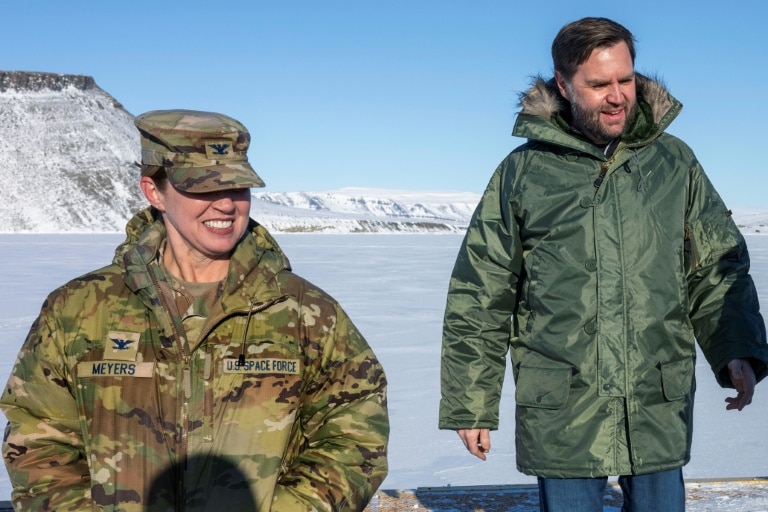
    The diplomatic engagement, requested by Rasmussen with US Secretary of State Marco Rubio, will include Vice President JD Vance following his unexpected participation. This development occurs against the backdrop of Trump’s recent declarations that the United States requires Greenland to counter potential Russian or Chinese expansion in the Arctic, despite neither nation having territorial claims on the Danish autonomous territory.

    Greenland’s leadership has maintained an unequivocal position against any transfer of sovereignty. Prime Minister Jens-Frederik Nielsen explicitly stated: “Greenland does not want to be owned by the United States. Greenland does not want to be governed by the United States. Greenland does not want to be part of the United States.” This position has received full backing from the Danish government, with Prime Minister Mette Frederiksen characterizing Trump’s pressure as “completely unacceptable” from a NATO ally.

    The geopolitical significance of Greenland has intensified due to climate change transforming Arctic accessibility, prompting increased great power competition. Denmark has emphasized its substantial military investments in the region, totaling approximately $14 billion, to reinforce Arctic security within the NATO framework.

    Analysts suggest the meeting’s outcome hinges on whether the Trump administration maintains its uncompromising stance or demonstrates diplomatic flexibility. Penny Naas of the German Marshall Fund noted that insistence on acquisition “at all cost” could prematurely terminate discussions, while a nuanced approach might foster productive dialogue.

    Concurrently, a bipartisan congressional delegation predominantly comprising Democrats plans to visit Copenhagen in a show of solidarity, with Senate Democratic Whip Dick Durbin criticizing Trump’s threats as detrimental to NATO cohesion. The diplomatic standoff represents one of the most significant challenges to US-Denmark relations in recent history, with implications for Arctic governance and transatlantic alliance stability.
  • Qatari PM receives call from Iranian official, says Doha backs efforts to ‘de-escalate’

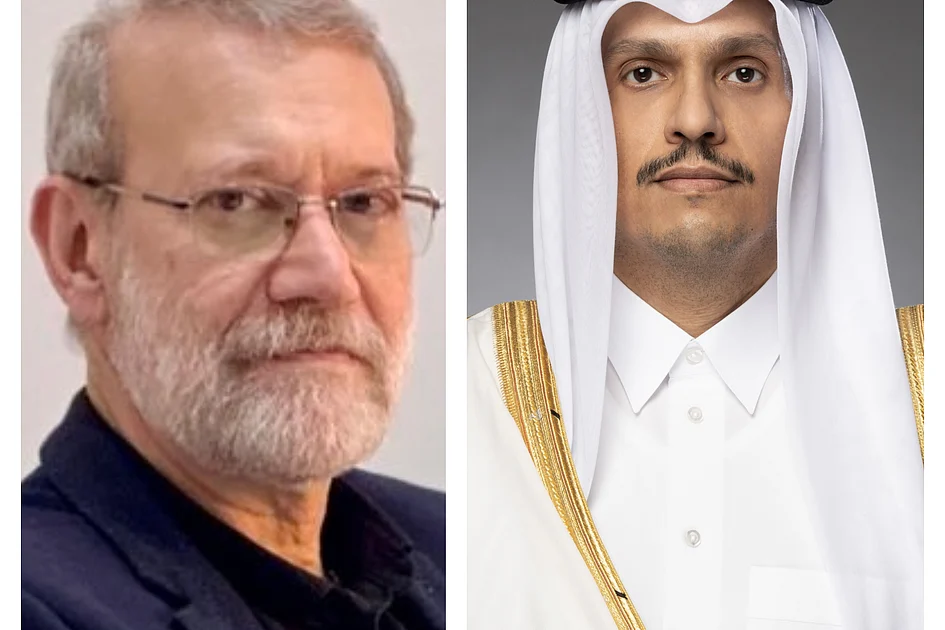
    Qatari PM receives call from Iranian official, says Doha backs efforts to ‘de-escalate’

    Qatar’s Prime Minister Sheikh Mohammed bin Abdulrahman al-Thani has affirmed Doha’s diplomatic support for regional stability initiatives during a telephone conversation with Iranian official Ali Larijani on Tuesday. The discussion between the Qatari premier and Iran’s Supreme National Security Council Secretary focused on bilateral cooperation frameworks and ongoing developments across the Middle Eastern landscape.

    According to an official statement released via the Qatari Foreign Ministry’s social media channel, Sheikh Mohammed reiterated Qatar’s commitment to “all efforts aiming to de-escalate and peaceful solutions” while emphasizing Doha’s support for initiatives that promote regional security and stability. The high-level dialogue addressed multiple areas of mutual interest and potential pathways for strengthening diplomatic ties between the Gulf nation and the Islamic Republic.

    This diplomatic exchange occurs against the backdrop of significant civil unrest within Iran, where widespread anti-government demonstrations have reportedly resulted in several thousand casualties according to independent assessments. The protests, primarily fueled by deteriorating economic conditions, represent the most substantial internal challenge to Iran’s clerical leadership in recent years.

    Concurrently, international pressure on Tehran has intensified following military actions by Israeli and American forces last year. U.S. President Donald Trump has actively encouraged the protest movement, urging Iranians to continue demonstrations and promising external support. The administration has implemented substantial economic measures including 25% import tariffs on nations maintaining commercial relations with Iran, alongside openly considering additional military options to penalize the Iranian government for its handling of domestic dissent.

  • US ends protection for Somalis amid escalating migrant crackdown

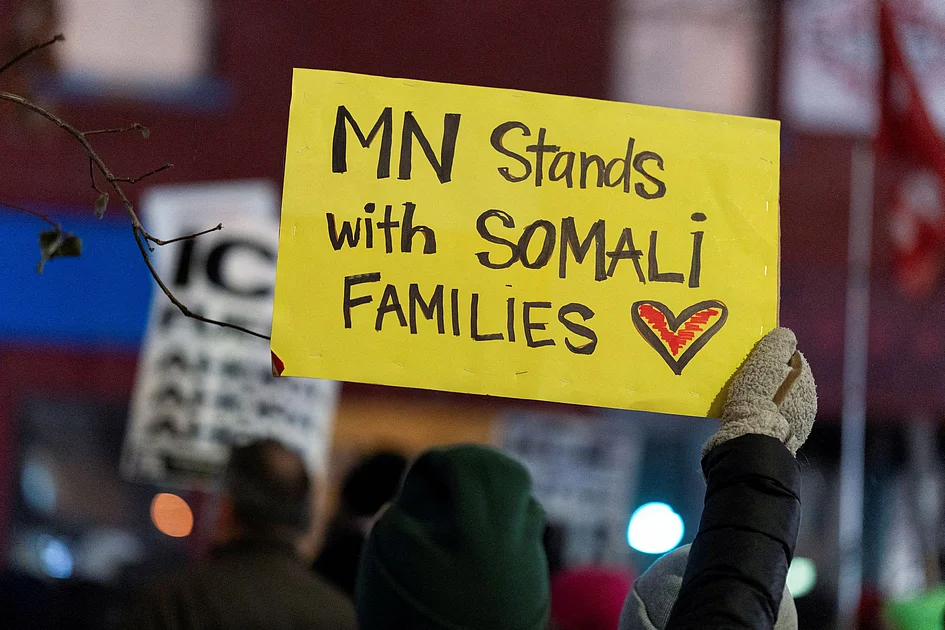
    US ends protection for Somalis amid escalating migrant crackdown

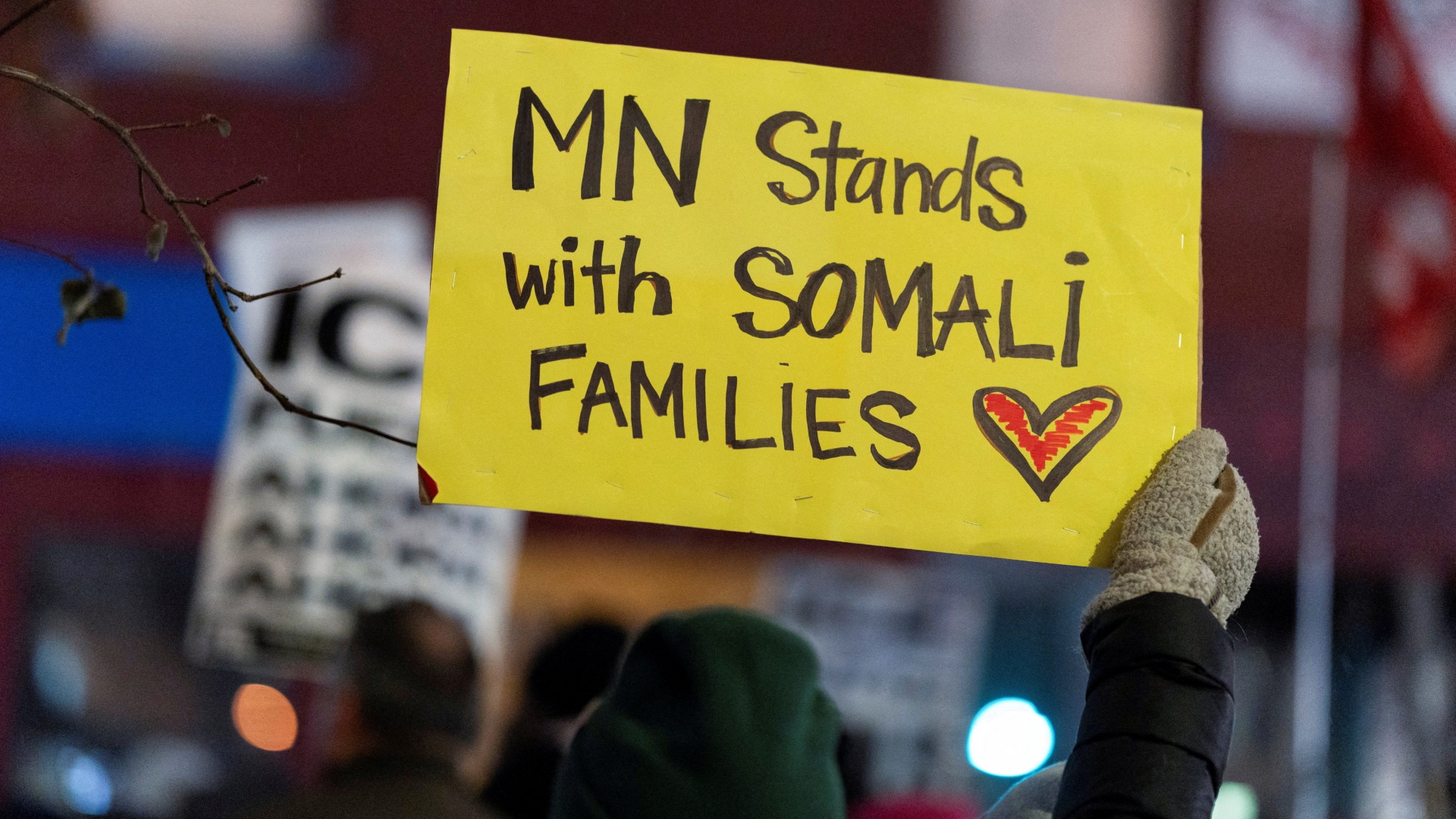
    The United States has officially terminated Temporary Protected Status (TPS) for Somali nationals, mandating their departure by mid-March 2026. This decisive action represents a significant escalation in the Trump administration’s immigration enforcement measures, particularly targeting Minnesota’s substantial Somali community of approximately 80,000 people.

    The Department of Homeland Security announced the policy shift via social media, stating unequivocally: “Our message is clear. Go back to your own country, or we’ll send you back ourselves.” The TPS program traditionally provided deportation protection and work authorization for foreigners from disaster-stricken regions.

    This development follows weeks of intensified immigration enforcement operations across Minnesota, where Immigration and Customs Enforcement (ICE) officers have conducted widespread raids. The operations turned fatal last week when an ICE agent shot and killed 37-year-old Renee Nicole Good during an encounter in Minneapolis, sparking widespread protests and generating $2 million in police overtime costs over four days.

    The administration justifies its crackdown by citing a massive public benefits fraud case involving 98 defendants, 85 of whom are of Somali descent. Federal prosecutors allege these individuals orchestrated a $300 million scheme that diverted funds intended for child nutrition programs, with 57 convictions already secured. While the case initially emerged in 2022, it has gained renewed political attention in recent months.

    President Trump personally amplified the situation through his Truth Social platform, accusing Minnesota Democrats of enabling fraud and promising “reckoning & retribution” for the state. The political dimension has intensified as Republican officials claim Democratic leaders ignored warnings due to the Somali community’s involvement.

    Meanwhile, Somalia remains classified as one of the world’s least developed nations by the UN, with the US State Department maintaining its most severe travel advisory against visiting the conflict-ridden Horn of Africa nation.

  • Bill and Hillary Clinton refuse to testify in Republican-led Jeffrey Epstein probe

    Bill and Hillary Clinton refuse to testify in Republican-led Jeffrey Epstein probe

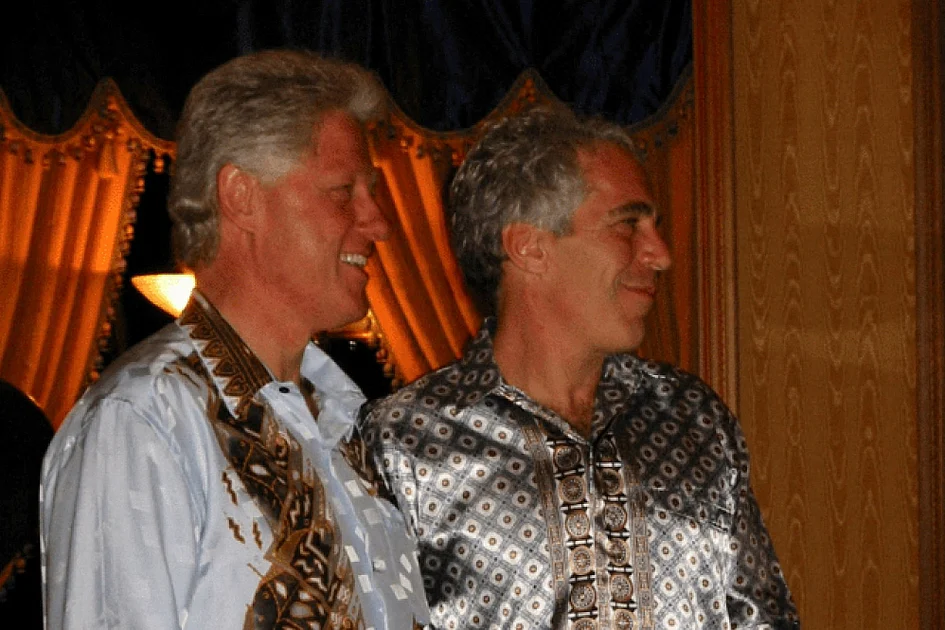
    Former President Bill Clinton and former Secretary of State Hillary Clinton have formally declined to testify before a Republican-led congressional committee investigating the Jeffrey Epstein case, characterizing the probe as a politically motivated exercise rather than a legitimate investigation. The high-profile refusal sets the stage for a significant constitutional confrontation between political figures and congressional oversight authority.

    In a strongly worded letter addressed to Representative James Comer, Chairman of the House Oversight Committee, the Clintons articulated their position that the investigation has deviated from its purported purpose. They asserted they had already provided what limited information they possessed regarding Epstein, whose crimes they described as “horrific,” while accusing Comer of redirecting focus away from alleged failures during the Trump administration.

    The Clintons’ communication explicitly challenged the committee’s motives, stating: “There is no plausible explanation for what you are doing other than partisan politics.” They further indicated they anticipate being held in contempt of Congress for their refusal to comply with the subpoena, a move that could potentially lead to criminal charges.

    This development occurs amidst the Trump administration’s directive to the Justice Department to release files related to criminal investigations of Epstein, complying with congressional transparency legislation. The late financier had previously maintained associations with numerous high-profile figures across political spectrums, including both Trump and the Clintons, adding complexity to the ongoing investigation and its perceived political dimensions.

  • Multiple Americans detained in Venezuela have been released, Trump administration says

    Multiple Americans detained in Venezuela have been released, Trump administration says

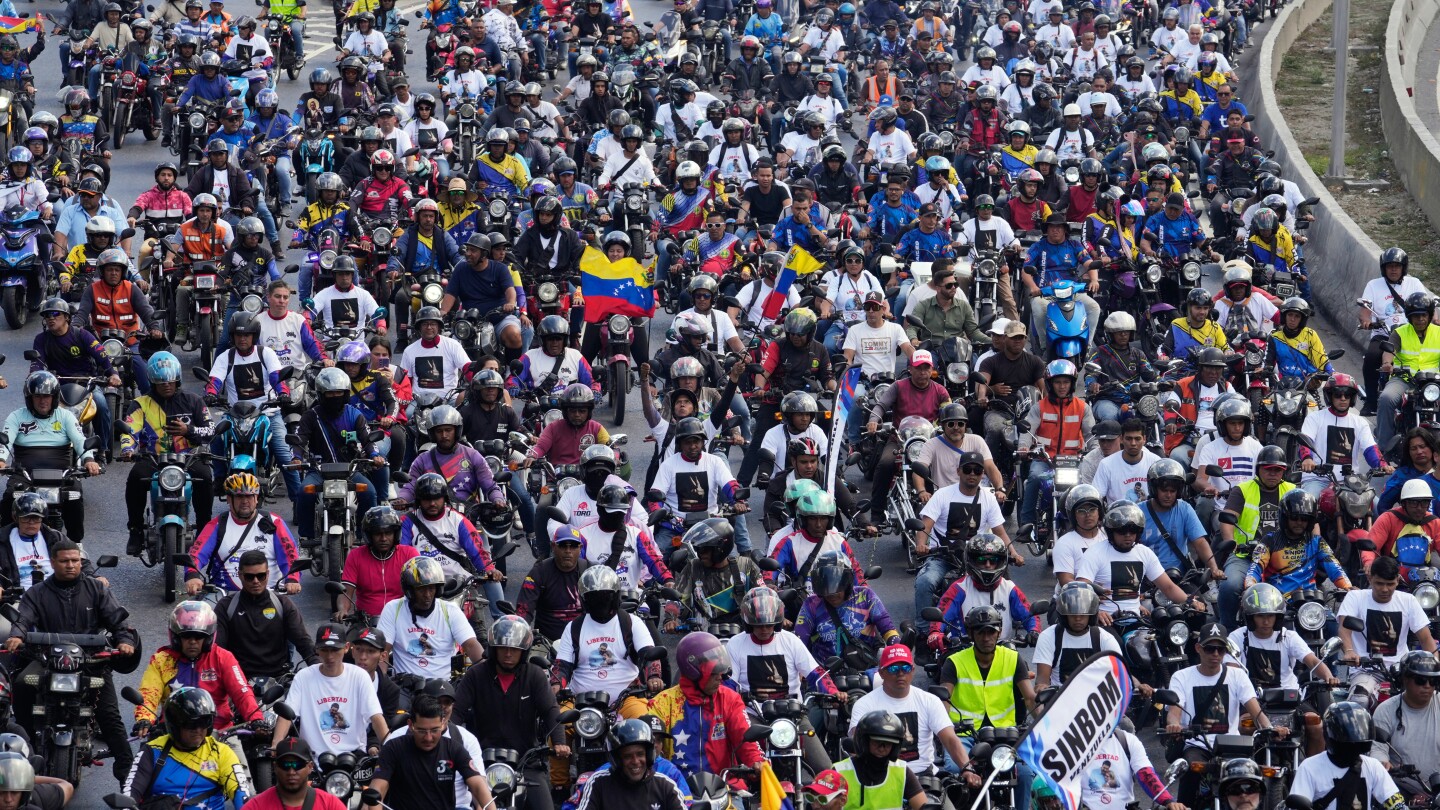
    In a significant diplomatic development, multiple American detainees have been released from Venezuelan custody following recent political upheaval in the South American nation. The Trump administration confirmed the releases Tuesday, with the State Department characterizing the action as “an important step in the right direction” by Venezuela’s interim authorities.

    According to sources familiar with the matter, four Americans were released as a group on Tuesday, with an additional detainee quietly freed the previous day. The releases occurred against the backdrop of dramatic political changes in Venezuela, where U.S. forces captured President Nicolás Maduro in a nighttime raid earlier this month.

    The prisoner releases appear to be part of broader conciliatory gestures by Venezuela’s new leadership. Jorge Rodríguez, head of Venezuela’s national assembly, announced last week that a “significant number” of both Venezuelan and foreign prisoners would be freed as a peace-seeking measure following Maduro’s deposition.

    Independent verification of the releases remains challenging due to limited transparency from Venezuelan authorities. The human rights organization Foro Penal confirmed 56 political prisoners had been freed as of Tuesday evening, while the Venezuelan government claimed approximately 400 releases without providing substantiating evidence or identifying those freed.

    This episode continues a pattern of prisoner exchanges between the two nations despite their historically strained relations. In July, Venezuela released 10 jailed U.S. citizens and permanent residents in exchange for the repatriation of migrants deported by the United States to El Salvador.

  • Global central bankers defend Fed’s Powell after Trump threat

    Global central bankers defend Fed’s Powell after Trump threat

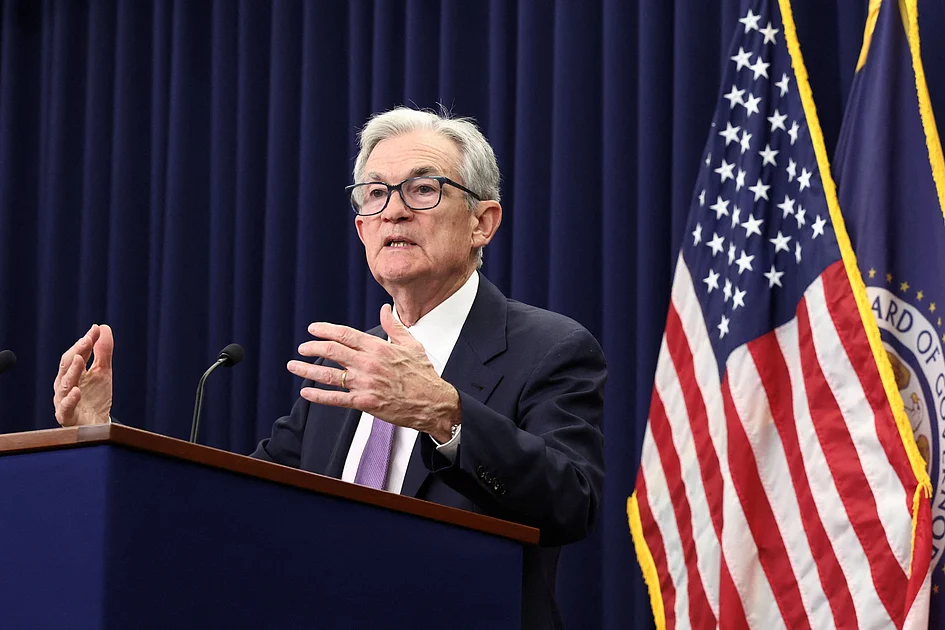
    In an extraordinary display of institutional unity, central bank governors from across the globe issued a rare joint statement on Tuesday expressing unwavering support for Federal Reserve Chair Jerome Powell following threats of criminal indictment from the Trump administration. The unprecedented collective action came as political pressure on the world’s most powerful financial institution reached critical levels.

    The controversy stems from Powell’s congressional testimony last summer regarding renovations to the Federal Reserve’s headquarters, which the chair characterized as a ‘pretext’ for gaining presidential influence over interest rate decisions. This confrontation represents the most significant challenge to central bank independence in modern history, with President Trump having repeatedly demanded lower rates and applied pressure on individual policymakers.

    Leading the coordinated response were the European Central Bank, Bank of England, and Bank of Canada, joined by eight other major institutions including those of Sweden, Denmark, Switzerland, Australia, South Korea, Brazil, and France. The coalition emphasized that central bank independence serves as the fundamental cornerstone of price stability, financial security, and economic predictability that benefits all citizens.

    According to sources familiar with the diplomatic effort, ECB President Christine Lagarde played a pivotal role in orchestrating the response, while Bank for International Settlements General Manager Pablo Hernandez de Cos facilitated coordination among individual governors. Notably absent from the initial signatories was the Bank of Japan, though sources indicated the institution had expressed preliminary support and might still join the statement.

    Financial experts warn that political interference with the Fed’s autonomy could severely undermine market confidence in its inflation management commitments, potentially triggering higher inflation rates and increased global financial volatility. Given the dominant position of the U.S. economy, such instability would likely propagate through international markets, complicating other central banks’ efforts to maintain price stability.

    The statement concluded with a powerful reaffirmation: ‘It is therefore critical to preserve that independence, with full respect for the rule of law and democratic accountability.’ This remarkable show of solidarity transcends typical international financial cooperation, representing a defensive stance against what many perceive as an existential threat to the global economic architecture.

  • Davos braces for Trump’s ‘America First’ onslaught

    Davos braces for Trump’s ‘America First’ onslaught

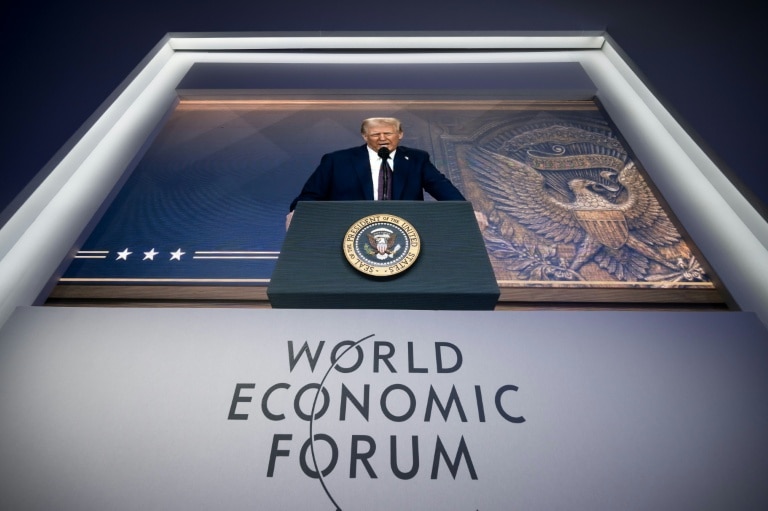
    The alpine resort of Davos prepares for a seismic political confrontation as former President Donald Trump returns to the World Economic Forum with an unprecedented U.S. delegation. Scheduled to deliver a keynote address on Wednesday, Trump’s appearance marks his first in-person participation since his initial term, setting the stage for a dramatic clash between his ‘America First’ agenda and the forum’s traditional advocacy for open markets and multilateral cooperation.

    Forum President Borge Brende confirmed the historic nature of Trump’s delegation while acknowledging the meeting occurs against ‘the most complex geopolitical backdrop since 1945.’ The delegation includes Secretary of State Marco Rubio, Treasury Secretary Scott Bessent, and Middle East/Ukraine envoy Steve Witkoff, indicating planned discussions on multiple global flashpoints including Ukraine, Gaza, Venezuela, and Iran.

    Trump’s agenda includes detailed housing policy announcements aimed at American voters, delivered before international elites as midterm elections approach. This comes amid widespread domestic concern over living costs, positioning the Davos appearance as both diplomatic mission and political theater.

    The return follows Trump’s virtual address last year, where he threatened punishing tariffs for nations refusing to relocate manufacturing to the U.S. His administration has since withdrawn from 66 international organizations, including nearly half of its UN-affiliated bodies, fundamentally restructuring America’s global engagement.

    Economic analysts recognize 2025 as potentially marking the end of neoliberal globalization. Bain & Company economist Karen Harris notes: ‘This represents a paradigm shift where the U.S. prioritizes national security and weaponizes economic policy—a approach historically associated with Chinese economic philosophy.’

    European and Asian leaders including EU Commission Chief Ursula von der Leyen, Ukrainian President Zelensky, and Chinese Vice Premier He Lifeng will attend, with six G7 leaders represented. Their presence underscores the global effort to navigate what Standard Chartered’s Philippe Dauba-Pantanacce describes as ‘a broad rejection of multilateral institutions.’

    While former WTO Director Pascal Lamy acknowledges Trump’s trade policies have created significant noise with limited economic impact thus far, the geopolitical consequences continue unfolding. Evidence emerges in the EU’s accelerated Mercosur trade agreement with South America and China’s strategic export diversification away from American markets.

    The gathering of 850 corporate leaders including Nvidia’s Jensen Huang and Microsoft’s Satya Nadella will witness firsthand the crystallization of a new global order—one potentially progressing without traditional American leadership.

  • Trump administration to end legal protections for some Somalis in mid-March

    Trump administration to end legal protections for some Somalis in mid-March

    The United States Department of Homeland Security (DHS) has announced the termination of Temporary Protected Status (TPS) for Somali nationals residing in the country, effective March 17. This humanitarian program, designed to offer refuge to individuals from nations experiencing extreme conflict or instability, will no longer shield Somali citizens from deportation.

    Homeland Security Secretary Kristi Noem justified the decision by asserting that conditions in Somalia have ‘improved to the point that it no longer meets the law’s requirement,’ and that allowing Somalis to remain is ‘contrary to our national interests.’ In a controversial move, the agency is actively promoting ‘self-deportation’ through a mobile application, promising a $1,000 exit bonus and a complimentary plane ticket—incentives that, despite DHS claims of hundreds of successful uses, have no verified instances of payment.

    This policy shift occurs within the broader context of the Trump administration’s systematic dismantling of TPS designations, which has previously affected nationals from Venezuela, Syria, and Afghanistan. The decision has triggered significant fear within the substantial Somali community of Minneapolis, estimated at over 80,000 people—the largest in the U.S.

    The political climate surrounding this action is highly charged. President Donald Trump has publicly expressed vehement opposition to Somali immigration, using inflammatory language to describe both the immigrants and Representative Ilhan Omar, the sole Somali-American in Congress. His comments, which labeled Somalis as coming from ‘hell’ and their country as one that ‘stinks,’ have been widely condemned as racist by community leaders and state lawmakers.

    In an escalation of tactics, hundreds of federal agents, including Immigration and Customs Enforcement (ICE) officers, have been deployed to Minnesota. This operation has not only sparked widespread protests but also a legal challenge from the state government. Minnesota has filed a lawsuit against the Trump administration, arguing the deployment infringes on states’ rights and lacks ‘express congressional authorization.’ Illinois, a previous target of similar federal actions, has also sued.

    The situation turned tragic last week with the fatal shooting of Renee Nicole Good, a 37-year-old U.S. citizen and mother of three, by an ICE agent. Bystander video evidence contradicts official claims that the officer faced an ‘imminent threat,’ showing the agent firing through her car window at close range. Secretary Noem has concurrently issued warnings on national television, threatening to hold individuals accountable for any acts of violence against law enforcement during operations.

  • US ends protection for Somalis amid escalating migrant crackdown

    US ends protection for Somalis amid escalating migrant crackdown

    The United States government announced Tuesday it will terminate Temporary Protected Status (TPS) for Somali nationals, setting a March 17 departure deadline amid escalating immigration enforcement measures targeting Somali communities. The Department of Homeland Security declared via social media that it would end protections that have shielded Somalis from deportation to conflict-affected regions.

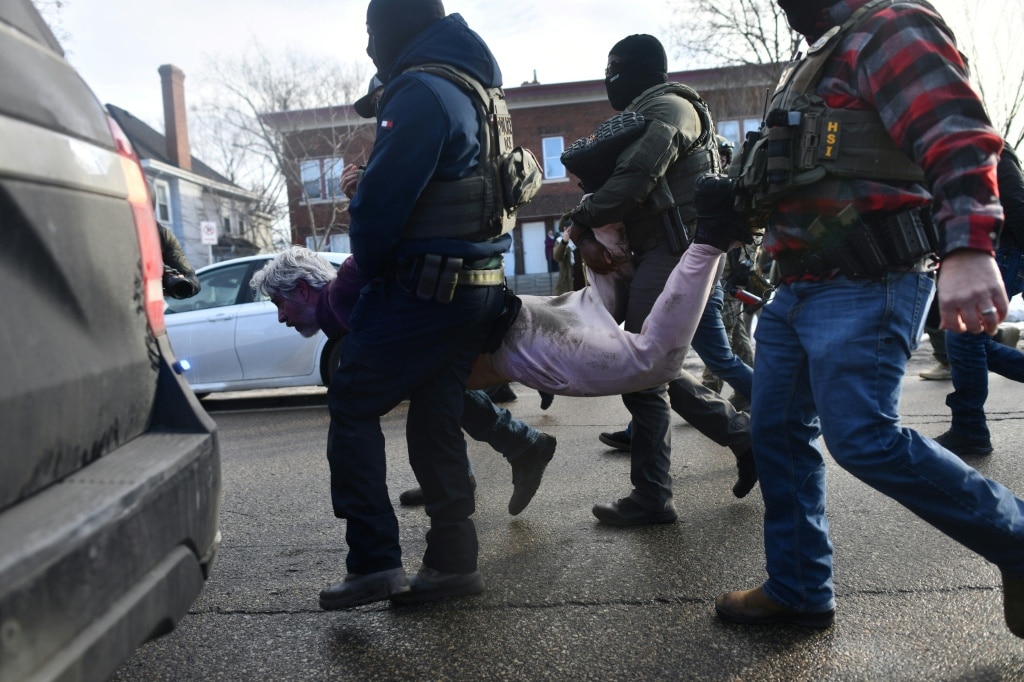
    The policy shift comes amid intensified Immigration and Customs Enforcement (ICE) operations in Minnesota, home to approximately 80,000 Somali residents—the largest Somali community in the nation. Recent weeks have seen masked officers conducting vehicle checkpoints and enforcement sweeps that have reportedly resulted in approximately 2,000 arrests. During one such operation, officers were witnessed forcibly removing individuals from vehicles.

    Tensions escalated dramatically last week when an ICE officer fatally shot 37-year-old Renee Nicole Good during an operation in Minneapolis. The incident has sparked protests and led to the resignation of three federal prosecutors who allegedly faced pressure to focus investigations on the victim’s widow rather than the shooting itself.

    Administration officials have justified the crackdown by citing a massive public benefits fraud case involving $300 million in diverted funds. Federal prosecutors have charged 98 individuals, with 85 identified as being of Somali descent. Fifty-seven defendants have already been convicted in the scheme.

    Republican leadership, including President Trump, has accused Minnesota Democratic authorities of ignoring previous warnings about the fraud due to the community’s ethnic composition. On his Truth Social platform, Trump promised ‘reckoning and retribution’ for Minnesota while alleging Democrats benefit from diverted attention away from the scandal.

    Congresswoman Ilhan Omar, the first Somali-American elected to Congress, condemned the administration’s tactics, stating: ‘Trump is trying to scare them and terrorize them every single day… Somalis are not intimidated.’

    Minnesota state authorities have sought a temporary restraining order to halt ICE operations pending judicial review, while community organizers describe the situation as targeted persecution against Somali residents through weaponized federal agencies.

  • Bangladesh: Muhammad Yunus warns of disinformation ‘flood’ before February vote

    Bangladesh: Muhammad Yunus warns of disinformation ‘flood’ before February vote

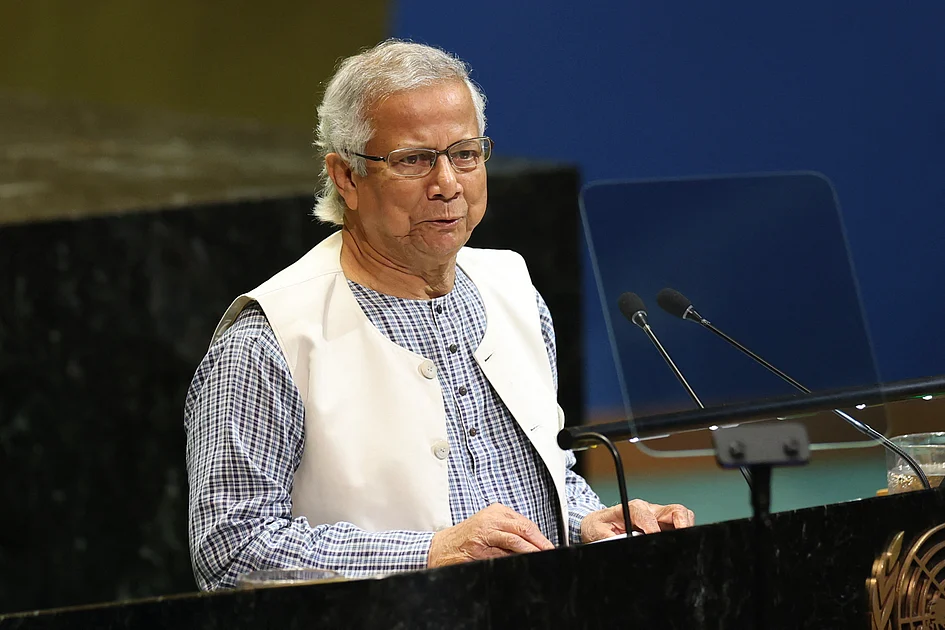
    Nobel Peace Prize recipient Muhammad Yunus has issued a stark warning about the deluge of disinformation threatening to undermine Bangladesh’s pivotal February elections. The 85-year-old interim leader revealed he has urgently appealed to United Nations human rights chief Volker Turk for assistance in combating what he describes as a coordinated misinformation campaign originating from both international and domestic sources.

    In an official statement released Tuesday, Yunus’s office detailed his grave concerns about the potential impact of fabricated news and malicious rumors circulating across social media platforms. This electoral process marks the nation’s first democratic exercise since the August 2024 student-led uprising that ended Prime Minister Sheikh Hasina’s 15-year authoritarian regime, plunging the South Asian nation into prolonged political instability.

    European Union election observation delegations have characterized the upcoming February 12 vote as the most significant democratic undertaking of 2026, highlighting its importance for the Muslim-majority nation of 170 million people. Yunus, who returned from exile to lead a transitional caretaker government following the revolution, is scheduled to relinquish power after the elections.

    The Nobel laureate inherited what he characterizes as a fundamentally fractured political system and has championed comprehensive constitutional reforms designed to prevent a regression to autocratic governance. A national referendum on these proposed structural changes will coincide with the election date, aiming to establish robust checks and balances among the executive, judicial, and legislative branches of government.

    UN rights commissioner Turk has reportedly pledged the organization’s support in addressing the disinformation crisis, acknowledging the critical importance of preserving electoral integrity in one of Asia’s most densely populated democracies.