分类: politics

  • Trump told ‘killing has stopped’ in Iran after violent protest crackdown

    Trump told ‘killing has stopped’ in Iran after violent protest crackdown

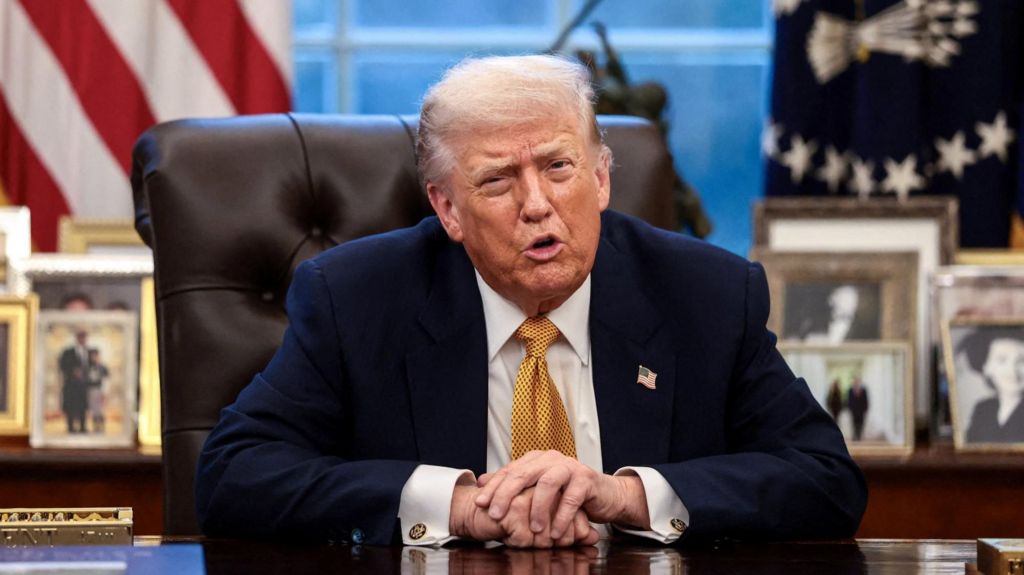
    U.S. President Donald Trump announced on Wednesday that he had received assurances from “very important sources” indicating that “the killing in Iran has stopped” following widespread anti-government protests. However, he did not dismiss the possibility of future military action against Tehran.

    The statement comes amid a severe crackdown by Iranian authorities, which human rights organizations report has resulted in over 2,400 fatalities. In response to the escalating regional instability, both the U.S. and the U.K. have initiated precautionary measures, including reducing staff at the Al-Udeid Air Base in Qatar—the largest American military installation in the Middle East.

    International concern has mounted following reports that a 26-year-old protester, Erfan Soltani, was sentenced to death. Although his family initially reported an imminent execution, Iranian state media later denied the death penalty had been issued. Foreign Minister Abbas Araghchi stated that “hanging is out of the question,” while cautioning the U.S. against repeating its June 2025 bombing of Iranian nuclear facilities.

    Several nations have issued travel advisories and altered flight paths. Germany’s Lufthansa, among other airlines, announced it would avoid Iranian and Iraqi airspace indefinitely. The British Embassy in Tehran has temporarily closed, operating remotely, and Italy and Poland have urged citizens to leave Iran.

    Internet blackouts imposed by Iranian authorities since last Thursday have severely hampered independent verification of events on the ground. Organizations like HRANA continue to document casualties, reporting 2,435 confirmed deaths, including 13 children, with hundreds more cases under investigation.

    Trump expressed tentative optimism regarding de-escalation but reaffirmed that the U.S. remains prepared to act, stating earlier this week via social media that “HELP IS ON ITS WAY” to Iranian protesters.
  • Greenlanders torn between anxiety and relief after White House talks

    Greenlanders torn between anxiety and relief after White House talks

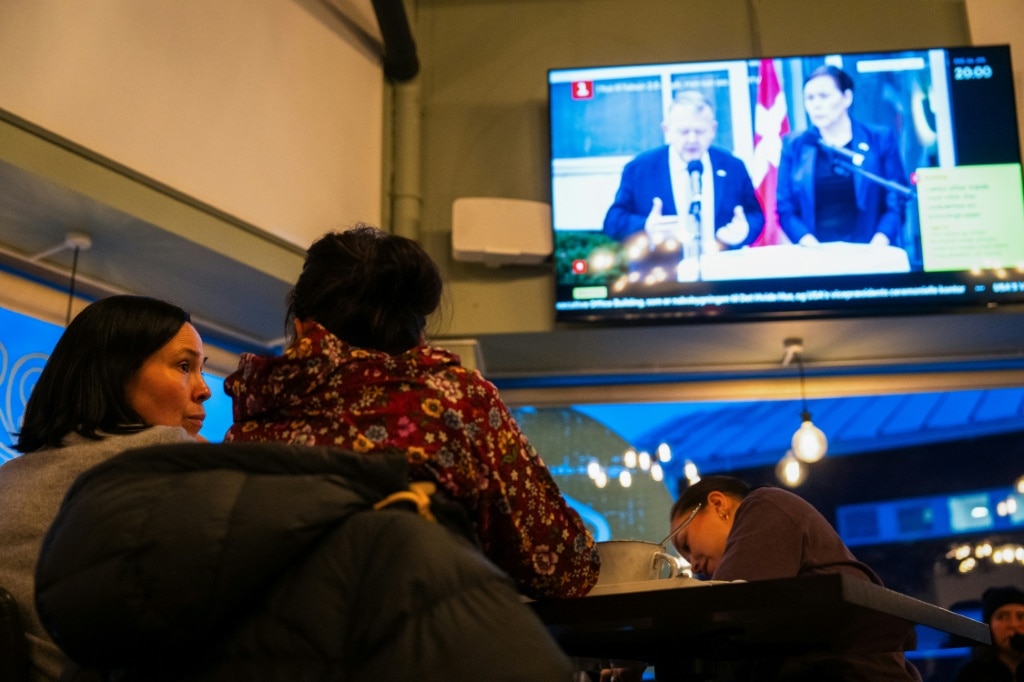
    The geopolitical spotlight intensified on Greenland this week as high-level diplomatic discussions unfolded at the White House, revealing complex tensions between Arctic sovereignty and American strategic interests. Following President Donald Trump’s repeated remarks about potentially acquiring the autonomous Danish territory, foreign ministers from both Denmark and Greenland engaged in critical talks with Vice President JD Vance and Secretary of State Marco Rubio.

    The meeting, described by participants as an effort to clarify ‘misunderstandings,’ left Greenland’s 57,000 residents experiencing a spectrum of emotions from profound anxiety to cautious optimism. In the capital city of Nuuk, the national flag appeared ubiquitously—displayed in shop windows, apartment balconies, and vehicles—as a powerful symbol of unity during the diplomatic proceedings.

    Danish Foreign Minister Lars Lokke Rasmussen acknowledged ‘fundamental disagreement’ with Washington regarding the Arctic territory’s future, while President Trump maintained optimistic about reaching some form of understanding. The political tension manifested commercially as well, with nationalist merchandise including ‘Greenland is not for sale’ t-shirts selling rapidly throughout local shops.

    Personal accounts captured the emotional impact of these geopolitical maneuvers. Vera Stidsen, a 51-year-old educator, expressed apprehension about the sudden international attention: ‘It’s very frightening because it’s such a big thing. I hope we can continue living peacefully without disturbance.’ Conversely, Ivaana Egede Larsen, 43, reported feeling measurable relief after watching press conference coverage, noting how Trump’s ‘direct, aggressive rhetoric’ had created widespread unease among citizens.

    The discussions highlighted Greenland’s strategic importance in Arctic resource development and shipping routes, bringing unprecedented attention to the island’s autonomous governance under Danish sovereignty. While no agreements emerged from the meeting, residents like Frederik Henningsen, 64, maintained hope for peaceful resolution: ‘They didn’t make an agreement but I want to live in peace.’

  • From Iran to Venezuela, Trump toys with ‘in-and-out’ military options

    From Iran to Venezuela, Trump toys with ‘in-and-out’ military options

    Foreign policy experts are raising alarms that President Donald Trump’s recent pattern of rapid military engagements is creating a dangerous precedent as his administration contemplates potential strikes against Iranian targets. This emerging ‘in-and-out’ intervention model, demonstrated in operations like the capture of Venezuelan President Nicolas Maduro, provides tactical successes with minimal political cost, effectively emboldening further military adventurism according to defense analysts.

    The Stimson Centre’s Will Smith notes that swift tactical victories without significant domestic opposition have left Trump ’emboldened and confident’ in this approach. Recent reports indicate the administration is weighing strikes on Islamic Revolutionary Guard Corps (IRGC) and Basij paramilitary sites, while Qatar confirmed partial US personnel withdrawals from al-Udeid air base—a facility previously struck by Iran following US attacks on nuclear facilities.

    Defense expert Andrew Curtis expressed concern that successful interventions spark thoughts of ‘what else can I do with this toy,’ creating potential momentum for additional conflicts. However, Trump appeared to moderate intervention rhetoric recently, stating protest-related killings had ceased and his administration would monitor Iran’s internal processes before deciding on military action.

    Royal United Services Institute director Neil Melvin characterizes this as a ‘low-cost model of regime change’ that represents a significant shift in US foreign policy. Unlike traditional nation-building approaches requiring substantial troop commitments and financial assistance, the current strategy employs proxy forces and limited military engagement to achieve political objectives without extensive entanglement.

    Regional power dynamics further complicate the situation. While Russia abandoned Syrian ally Bashar al-Assad due to Ukrainian commitments, and China remains focused on Taiwan with limited appetite for Middle Eastern adventurism, Iran presents a more formidable challenge than Venezuela. Years of US sanctions have crippled Iran’s economy and sparked widespread protests, with some reports indicating armed opposition groups receiving Israeli support.

    The practical limitations of simultaneous operations present additional constraints. Curtis notes that while no practical military constraints exist, the US lacks capacity for concurrent planning of major operations against multiple targets, meaning any actions against Iran would need to occur sequentially rather than parallel to other engagements.

    Potential Iranian strikes would likely focus on ballistic missile capabilities to prevent retaliation against US bases, building on previous successful operations including undetected B-2 bomber flights from Missouri and submarine-launched cruise missile attacks from waters south of Iran.

  • Mike Pompeo says history books should ignore Gaza’s victims

    Mike Pompeo says history books should ignore Gaza’s victims

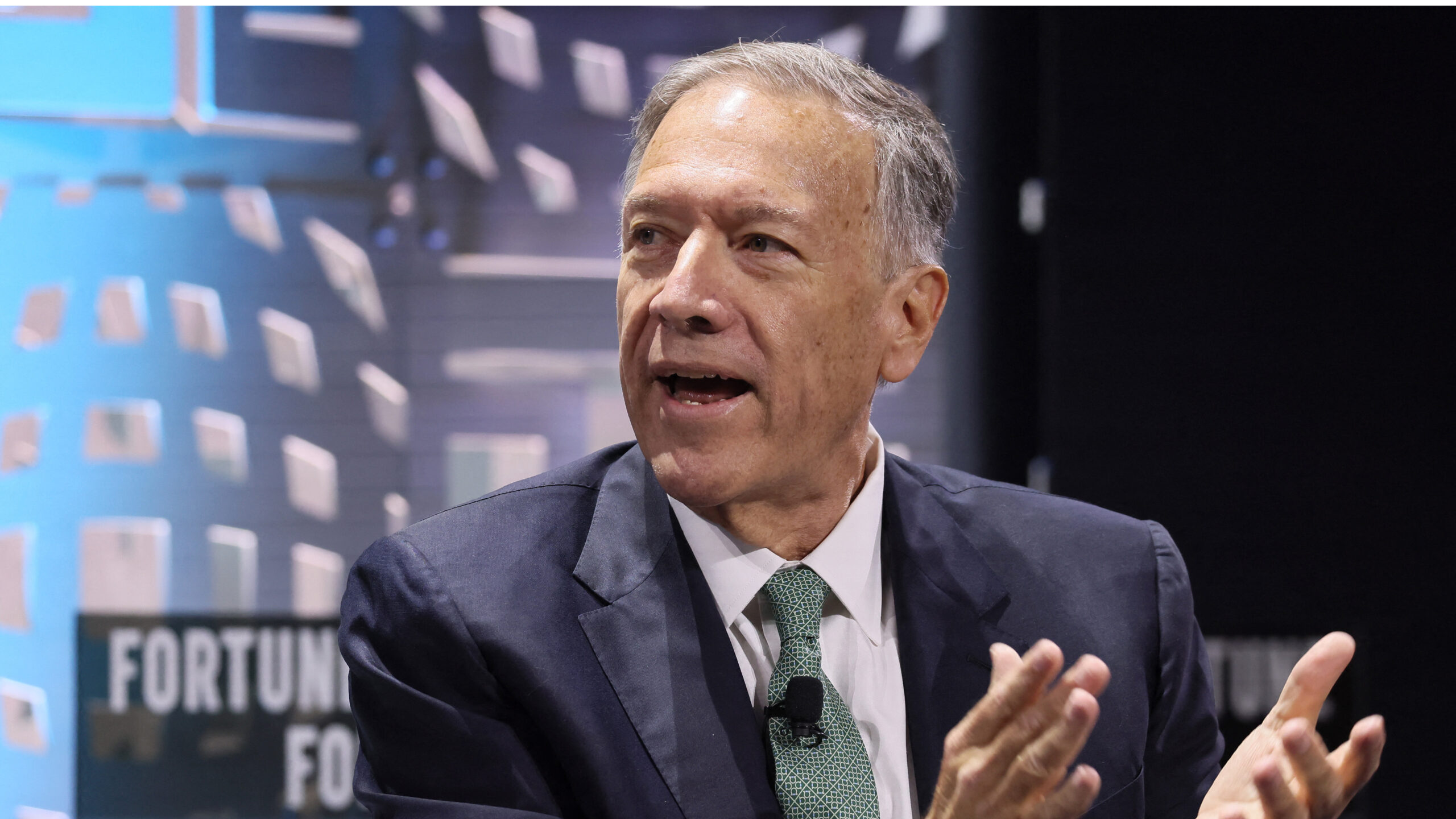
    Former CIA Director and U.S. Secretary of State Mike Pompeo has ignited international outrage by explicitly advocating for the manipulation of historical narratives surrounding Israel’s military campaign in Gaza. During a January 13th virtual event hosted by the pro-Israeli MirYam Institute, Pompeo asserted that the documentation of the conflict must be shaped to ensure future history books emphasize Israeli victimhood while minimizing Palestinian casualties.

    The MirYam Institute, led by former Israeli army combat veteran Benjamin Anthony, describes itself as a platform for diverse Israeli perspectives. Pompeo’s remarks directly addressed historical framing, stating: ‘There were victims in Gaza, there are civilian casualties in every war that’s ever been fought. But the victims were the people of the nation-state of Israel. The aggressor was the Iranian regime in the proxy of Hamas.’

    These comments emerge amid overwhelming evidence of humanitarian catastrophe in Gaza, where United Nations experts and genocide scholars have documented over 71,400 fatalities and widespread destruction, characterizing the conflict as genocidal. International human rights organizations continue to report extensive civilian casualties, mass displacement, and systemic infrastructure collapse in the besieged territory.

    Social media platforms erupted with condemnation from journalists, activists, and human rights advocates who accused Pompeo of openly endorsing historical erasure. Palestinian journalist Motasem A Dalloul responded on X: ‘They even are working to continue the genocide inflicted on us after their death!’ Numerous critics drew parallels to Holocaust denial, noting the explicit attempt to rewrite historical accounting of civilian suffering.

    This incident reflects Pompeo’s established pattern of support for Israeli military actions. Previously documented visits to Israeli ‘rejuvenation centers’ for soldiers returning from Gaza and public demonstrations of solidarity with Israeli forces have characterized his post-government career. The current controversy highlights ongoing tensions between factual documentation of the conflict’s human cost and political efforts to control its historical perception, particularly as Israel continues to violate ceasefire agreements with reported violations exceeding 1,200 incidents since the October 2023 truce.

  • Japan and the Philippines sign a new defense pact as they face growing China aggression

    Japan and the Philippines sign a new defense pact as they face growing China aggression

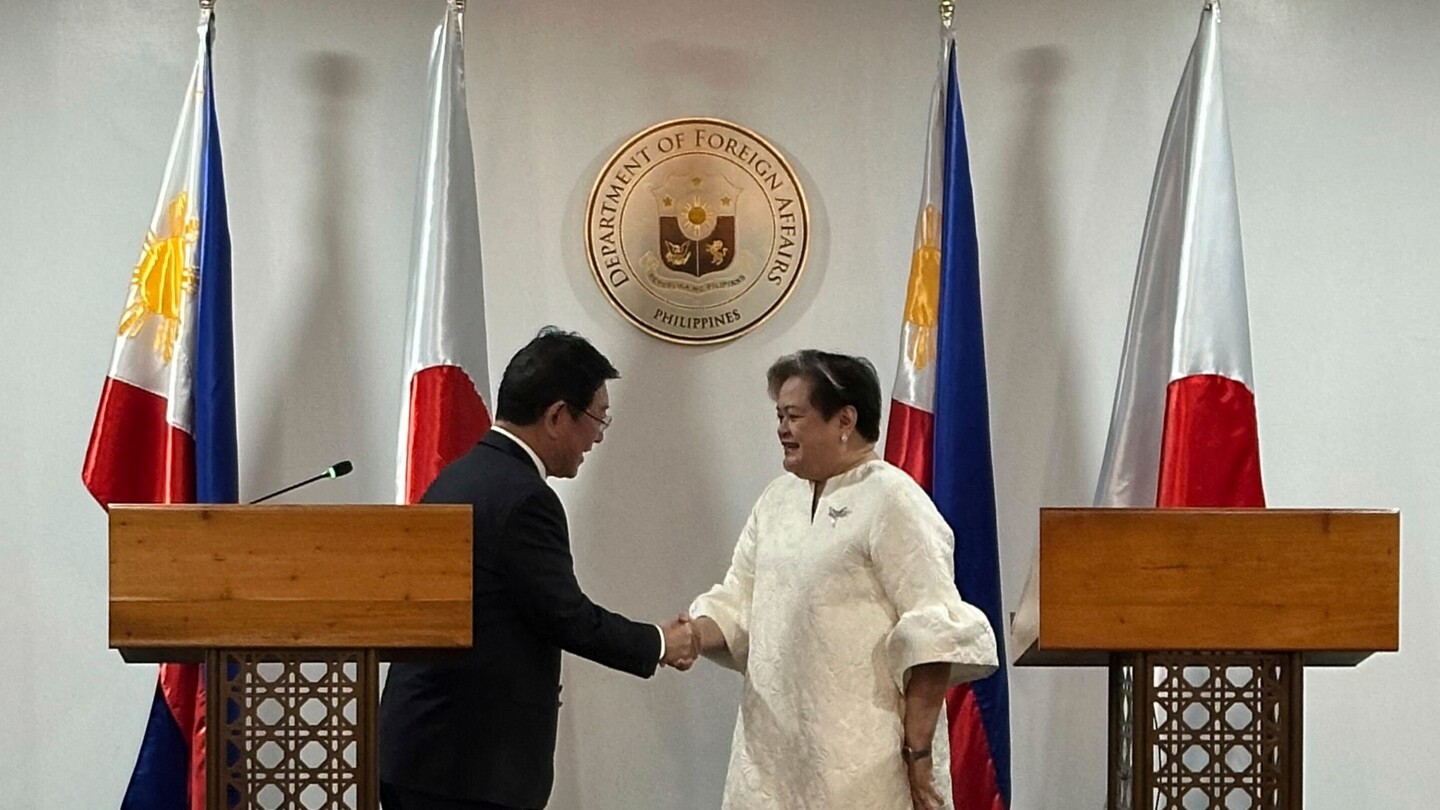
    MANILA, Philippines — In a significant strategic move, Japan and the Philippines formalized a comprehensive defense agreement on Thursday enabling tax-free transfers of essential supplies including ammunition, fuel, and provisions during joint military exercises. The Acquisition and Cross-Servicing Agreement, signed by Japanese Foreign Minister Toshimitsu Motegi and Philippine Foreign Secretary Theresa Lazaro in Manila, represents a concerted effort to enhance regional deterrence capabilities amid escalating tensions with China.

    The pact, which requires ratification by Japanese legislators, facilitates deepened military cooperation between the two nations who both face separate territorial disputes with Beijing in the East China Sea and South China Sea. The agreement specifically aims to strengthen joint training operations while improving disaster response coordination and support for United Nations peacekeeping missions.

    During the signing ceremony, both diplomats emphasized their shared commitment to upholding international law and freedom of navigation. Lazaro stated both nations recognize ‘the value of promoting the rule of law, including the freedom of navigation and overflight, especially in the South China Sea.’ Motegi similarly noted their mutual opposition to ‘unilateral attempts to change the status quo by force or coercion’—a clear reference to China’s increasing assertiveness without directly naming the country.

    The defense pact follows the Reciprocal Access Agreement signed in mid-2024, which already permits troop deployments between the two countries for expanded combat exercises including live-fire drills. Additionally, Japan announced new security and economic development assistance packages for the Philippines, including funding for security boat shelters and expanded internet access in impoverished southern provinces previously affected by separatist conflicts.

    This growing security partnership occurs against a backdrop of heightened regional tensions. Chinese coast guard and naval vessels have increasingly engaged in hostile encounters with Philippine ships in disputed waters since President Ferdinand Marcos Jr. took office in 2022, marking a departure from his predecessor’s more China-friendly approach. Similar tensions persist in the East China Sea where China regularly challenges Japanese control over disputed islands.

    The United States, which maintains treaty alliances with both Japan and the Philippines, has repeatedly expressed concern over China’s escalating actions in these contested maritime territories.

  • Trump administration expands immigrant visa ban to 75 countries

    Trump administration expands immigrant visa ban to 75 countries

    In a significant immigration policy shift, the Trump administration declared on Wednesday a comprehensive suspension of immigrant visa issuances for nationals from 75 countries, effective January 21. The State Department announced the measure via social media, justifying it as necessary to prevent migrants from allegedly exploiting U.S. welfare systems.

    The policy specifically targets countries including Brazil, Iran, Russia, Somalia, Haiti, and Eritrea, which administration officials claim produce immigrants who ‘often become public charges.’ The suspension will remain indefinitely until the United States can implement mechanisms to ensure new immigrants won’t ‘extract wealth from the American people,’ according to the official statement.

    While non-immigrant, business, and tourist visas remain unaffected, all incoming travelers will face intensified screening procedures. The affected nations span multiple continents, including Afghanistan, Cuba, Egypt, Iraq, Jamaica, Libya, Nigeria, Pakistan, Syria, and Yemen, among others.

    This decision occurs amidst historically low immigration levels attributed to the administration’s aggressive enforcement measures, which have included revoking approximately 100,000 visas and deporting nearly half-million immigrants. The policy implementation raises concerns about its impact on international events, including the upcoming 2026 FIFA World Cup, which the U.S. is scheduled to co-host with Canada and Mexico.

    The administration has simultaneously terminated Temporary Protected Status for nationals from Afghanistan, Syria, Somalia, and Venezuela, while effectively dismantling the U.S. asylum program. Immigration enforcement tactics have intensified, featuring heavily armed officers conducting arrests that have generated widespread fear within immigrant communities, including among naturalized citizens.

  • US: Proposal to restrict protests shields ‘unlawful’ sales of Palestinian land, rights groups say

    US: Proposal to restrict protests shields ‘unlawful’ sales of Palestinian land, rights groups say

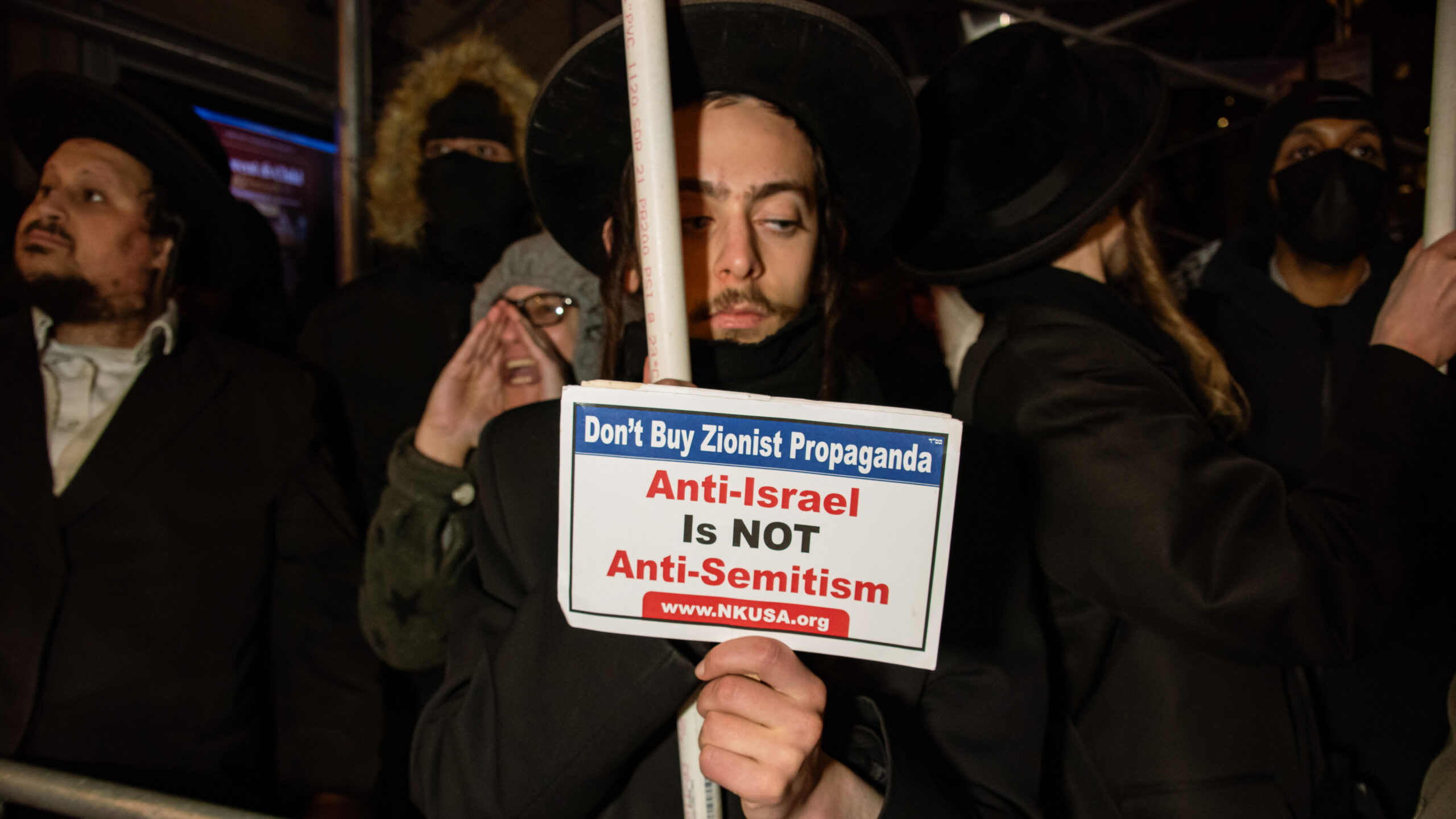
    New York Governor Kathy Hochul has ignited a constitutional controversy by proposing legislation that would establish 25-foot buffer zones prohibiting protests outside religious institutions. The initiative, announced during her State of the State address, directly referenced a January 8th protest in Queens where the Palestinian Assembly for Liberation-Awda (PAL-Awda) demonstrated against a real estate exposition promoting sales of occupied Palestinian land.

    Hochul framed the proposal as necessary protection for worshippers, stating it would safeguard “those who simply want to pray.” However, civil rights organizations immediately condemned the measure as a severe infringement on First Amendment rights. The Center for Constitutional Rights and Palestine Legal issued a joint statement warning the proposal “poses a serious threat to New Yorkers’ First Amendment rights and sends a dangerous message that silences dissent.”

    The context involves ongoing tensions surrounding Israeli real estate companies conducting expos in the United States marketing properties in the occupied West Bank—activities considered illegal under international law. These events frequently attract both pro-Palestinian protesters and pro-Israeli counter-protesters, sometimes escalating into physical confrontations.

    PAL-Awda denounced the proposed ban as “a blatant violation” of constitutional rights and accused the state of shielding real estate companies that “use religious institutions as shields, behind which they conduct discriminatory business.” The organization specifically rejected Hochul’s characterization that the measure protects religious freedom, arguing instead that it protects “Zionist real estate companies and settler agencies.”

    Adding complexity to the debate, Jewish members of PAL-Awda and the advocacy group Jewish Voice for Peace have criticized the use of synagogues for illegal land sales, calling it a “moral failure of epic proportions.” Meanwhile, the announcement came alongside news that far-right Zionist organization Betar USA is winding down operations following a settlement with the New York attorney general’s office after investigations found the group incited violence against pro-Palestinian protesters.

    The proposal emerges amid increasing violence at protests since Israel’s war on Gaza, including a February incident where pro-Palestinian demonstrators were allegedly assaulted, spat on, and subjected to religious harassment, resulting in hospitalizations.

  • Uganda votes under internet blackout and police crackdown

    Uganda votes under internet blackout and police crackdown

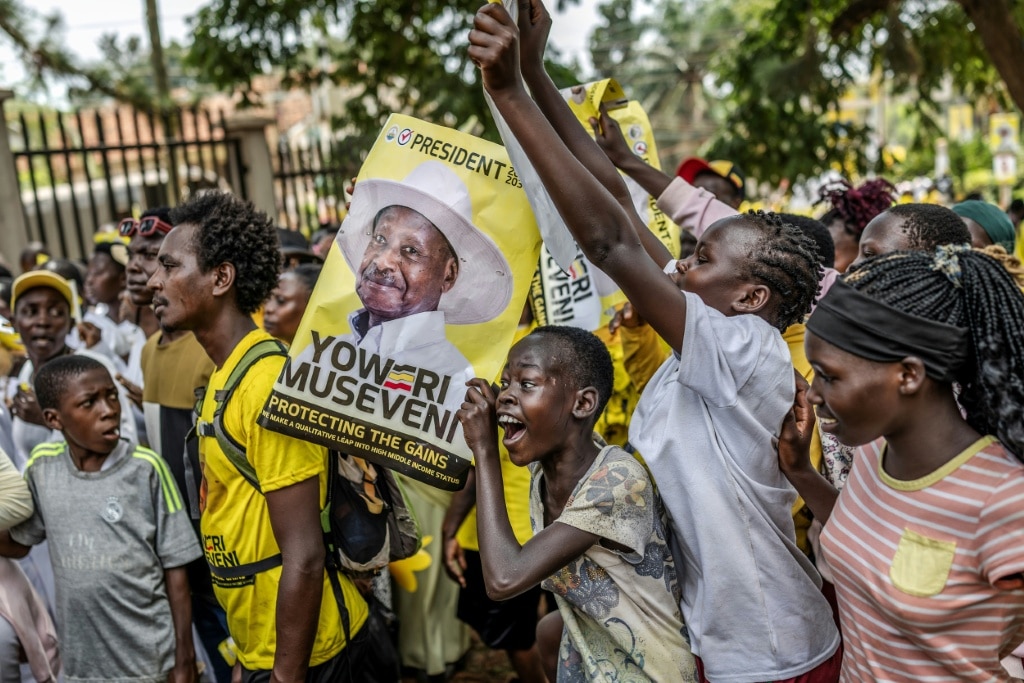
    Uganda conducted a highly charged presidential election on Thursday under a government-imposed internet blackout and heightened security presence, creating an atmosphere of apprehension across the nation. President Yoweri Museveni, who has held power for four decades, faced his most significant challenge from opposition leader Bobi Wine, a former musician turned politician.

    The government implemented a complete internet shutdown indefinitely on Tuesday, citing concerns about ‘misinformation’ and ‘potential incitement to violence,’ despite previous assurances that such measures would not be taken. This move drew sharp criticism from the United Nations, which characterized the blackout as ‘deeply worrying.’

    Security forces maintained a visible presence throughout the capital city of Kampala, where residents expressed nervousness about potential unrest. The Daily Monitor, a local newspaper, published extensive guidance on how to ‘election-proof’ homes, recommending citizens reinforce entry points and designate safe rooms in case of violence.

    Bobi Wine, whose real name is Robert Kyagulanyi, has accused the government of planning to rig the election and has vowed to organize protests if the voting process proves fraudulent. His campaign has been marred by the arrest of hundreds of supporters, prompting him to wear protective gear during rallies and describe the electoral process as a ‘war’ against a ‘military dictatorship.’

    The political climate has drawn international concern, with Human Rights Watch documenting the suspension of ten non-governmental organizations, including election monitoring groups, and noting ‘brutal repression’ against opposition figures. Another prominent opposition leader, Kizza Besigye, currently faces treason charges in a military court after being reportedly abducted from Kenya in 2024.

    Despite these challenges, President Museveni remains popular among certain segments of the population, who credit him with ending post-independence chaos and overseeing economic growth. At his final rally in Kampala, the 81-year-old leader struck a defiant tone, warning that he would ‘crush’ anyone attempting to interfere with the electoral process.

  • Trump flips worker off for Epstein comment; White House calls response ‘appropriate’

    Trump flips worker off for Epstein comment; White House calls response ‘appropriate’

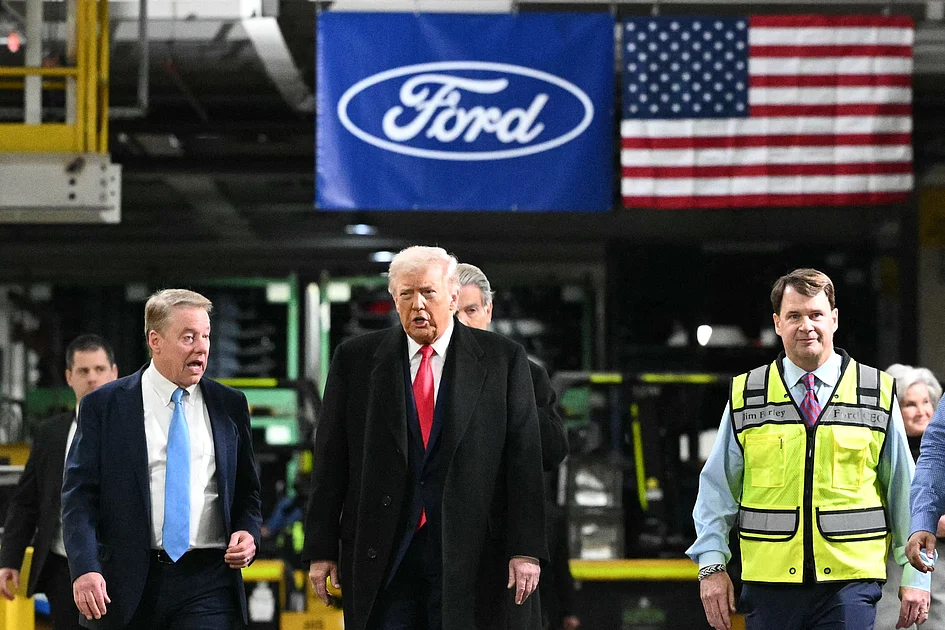
    During a presidential visit to a Ford automotive assembly plant in Dearborn, Michigan, an unexpected confrontation unfolded that has drawn significant political attention. Video evidence circulating online captures the moment President Donald Trump responded with an obscene gesture and apparent profanity toward a factory worker who shouted criticism regarding his association with the Jeffrey Epstein case.

    The incident occurred while Trump was touring the Ford F-150 production facility, a visit intended to showcase his administration’s commitment to American manufacturing. As the president walked along an elevated platform observing the assembly line, an employee below vocalized what witnesses described as ‘pedophile protector’—a clear reference to the ongoing Epstein controversy.

    In response, Trump turned toward the individual, uttered what appeared to be an expletive, and conspicuously raised his middle finger before continuing his tour. The White House subsequently defended the president’s reaction, with spokesman Steven Cheung characterizing the protester as ‘a lunatic wildly screaming expletives in a complete fit of rage’ and describing Trump’s response as ‘appropriate and unambiguous.’

    Following the altercation, the United Auto Workers union confirmed the employee involved had been suspended pending investigation. The union issued a formal statement emphasizing workers’ rights to free speech while simultaneously condemning vulgar language from any individual, including the president. Ford Executive Chairman Bill Ford later expressed embarrassment over the incident while noting that the majority of the tour proceeded positively.

    This event occurs against the backdrop of persistent scrutiny regarding Trump’s handling of documents related to Jeffrey Epstein, the convicted sex offender who died in custody in 2019. Despite numerous allegations and conspiracy theories, Trump has consistently denied any knowledge of or involvement in Epstein’s criminal activities.

    The Michigan visit represents a strategic effort by the Trump administration to reinforce its economic messaging around domestic manufacturing and job creation—key campaign themes as the 2026 election cycle gains momentum. Political analysts consider Michigan a critical battleground state whose electoral support could significantly influence the upcoming presidential race.

  • US announces launch of phase two of Gaza plan, says Witkoff

    US announces launch of phase two of Gaza plan, says Witkoff

    In a significant development toward resolving the Gaza conflict, U.S. Special Envoy Steve Witkoff officially announced the commencement of Phase Two of President Donald Trump’s 20-Point Plan on Wednesday. This critical phase transitions from ceasefire maintenance to establishing a technocratic Palestinian administration, initiating comprehensive demilitarization, and launching reconstruction efforts in the besieged enclave.

    The newly established National Committee for the Administration of Gaza (NCAG) will serve as the transitional governing body during this period. A cornerstone of this phase involves the complete disarmament of all unauthorized personnel throughout the territory. Witkoff, communicating via social media platform X, explicitly demanded Hamas’s full compliance with its obligations, emphasizing the immediate return of the final deceased hostage’s remains. He issued a stark warning that failure to meet these demands would result in serious consequences.

    The announcement highlighted the successful completion of Phase One, which achieved several key objectives: the sustained humanitarian ceasefire, the delivery of historic levels of aid, the safe return of all living hostages, and the repatriation of twenty-seven out of twenty-eight deceased hostages. Witkoff extended profound gratitude to the mediating nations of Egypt, Turkey, and Qatar, acknowledging their indispensable role in facilitating the progress achieved thus far. This next stage represents a pivotal shift from immediate crisis management toward long-term structural and governance changes in Gaza, with the U.S. playing a central role in overseeing the implementation of its ambitious roadmap.