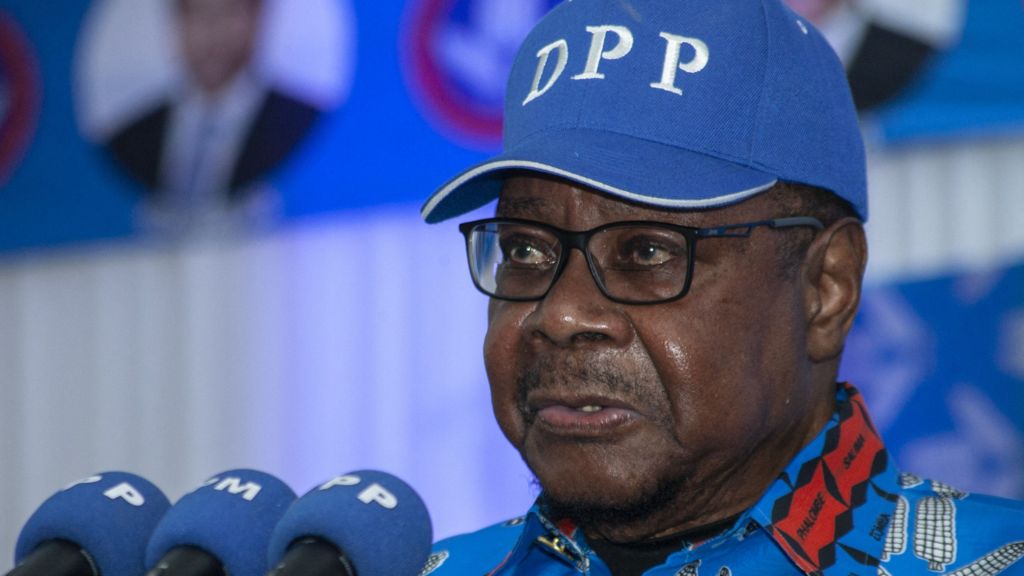
In a remarkable political turnaround, Malawi’s former President Peter Mutharika, aged 85, has been declared the winner of the recent presidential election, marking a significant comeback in his political career. Official results reveal that Mutharika secured 57% of the vote, decisively defeating incumbent President Lazarus Chakwera, who garnered 33%. Chakwera, a former pastor, conceded defeat and congratulated Mutharika on his ‘historic win’ ahead of the final announcement. Mutharika, a former law professor, previously served as president from 2014 to 2020, when he lost to Chakwera by a wide margin. His return to power comes at a critical juncture for Malawi, as the nation grapples with severe economic challenges, including skyrocketing inflation, fuel shortages, and a lack of foreign currency. The official inflation rate stands at nearly 30%, with basic necessities like frozen chicken costing $20 in a country where most citizens survive on less than $2 a day. The election commission emphasized that the eight-day delay in announcing the results was necessary to address complaints and ensure accuracy. This election marks the fourth electoral contest between Mutharika and Chakwera, with Mutharika’s 2019 victory annulled due to widespread irregularities. Chakwera won the subsequent rerun in 2020 but faced mounting criticism during his tenure for issues such as corruption, economic mismanagement, and frequent power outages. Mutharika’s campaign, centered on the promise of ‘proven leadership,’ resonated with voters disillusioned by Chakwera’s administration. However, questions linger about Mutharika’s health and ability to lead at 85, given his limited public appearances during the campaign. The swearing-in ceremony is expected to take place within the next 30 days, as Malawi looks to Mutharika to address its pressing economic woes and restore stability.
分类: politics
-
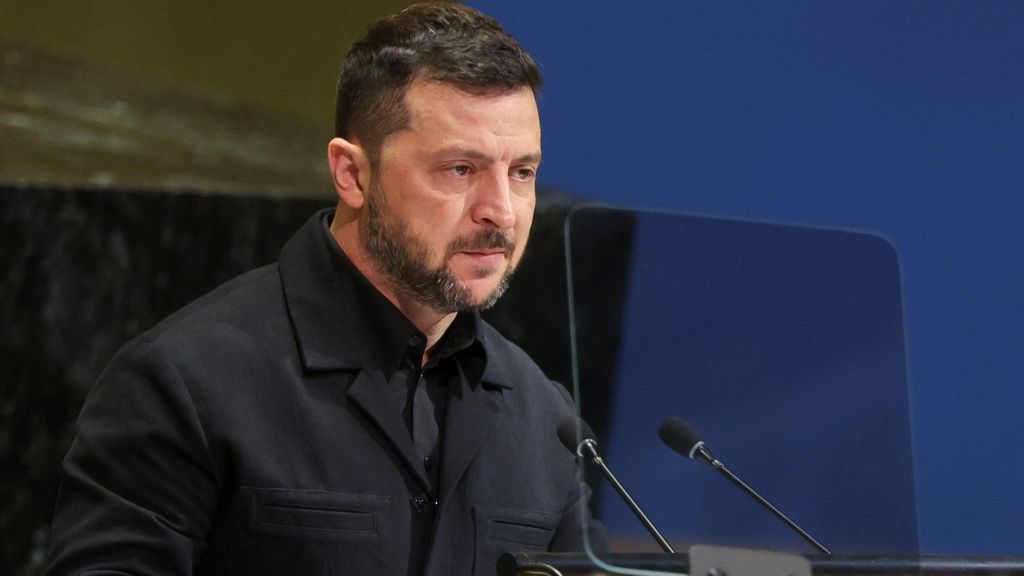
Russia will expand aggression beyond Ukraine if not stopped, Zelensky warns
Ukrainian President Volodymyr Zelensky issued a stark warning at the United Nations General Assembly in New York, asserting that Russian aggression will continue to expand unless the international community takes decisive action. Zelensky emphasized that without a united front and increased support from allies, more nations will fall victim to Russia’s ambitions. He highlighted the growing threat of a global arms race, particularly with advancements in military technology, and called for international regulations on artificial intelligence (AI) in weaponry. ‘Weapons decide who survives,’ he declared, urging global cooperation to prevent further escalation. Zelensky’s remarks followed a shift in U.S. President Donald Trump’s stance on the Russia-Ukraine conflict, with Trump now suggesting that Ukraine could reclaim all its lost territories. However, Zelensky criticized international institutions for their inability to provide adequate security guarantees, noting that membership in long-standing alliances like NATO does not ensure safety. He also warned of the risks posed by autonomous drones and unmanned aircraft, describing them as more dangerous than traditional warfare. Additionally, Zelensky expressed concern over Russian influence in Moldova, urging the West to prevent the country from falling under Moscow’s control. He lamented missed opportunities to protect Georgia and Belarus from Russian dominance. The Ukrainian leader’s speech coincided with accusations from Moldovan President Maia Sandu, who claimed that the Kremlin is funding efforts to incite violence and spread fear in Moldova ahead of its upcoming elections. Meanwhile, NATO members Estonia, Poland, and Romania reported violations of their airspace by Russian drones and jets, prompting calls for consultations within the alliance. Zelensky praised Trump for his support and revealed that the U.S. is considering security guarantees for Ukraine post-war, potentially including increased military aid. Trump’s recent comments marked a departure from his previous suggestion of ‘land swaps’ as a condition for peace, instead describing Russia as a ‘paper tiger’ that has been ‘fighting aimlessly.’ Kremlin spokesman Dmitry Peskov dismissed Trump’s characterization, asserting that Russia remains a formidable force. The ongoing conflict continues to dominate international discussions, with U.S. Secretary of State Marco Rubio meeting Russian Foreign Minister Sergei Lavrov to reiterate calls for an end to hostilities and a durable resolution to the war.
-
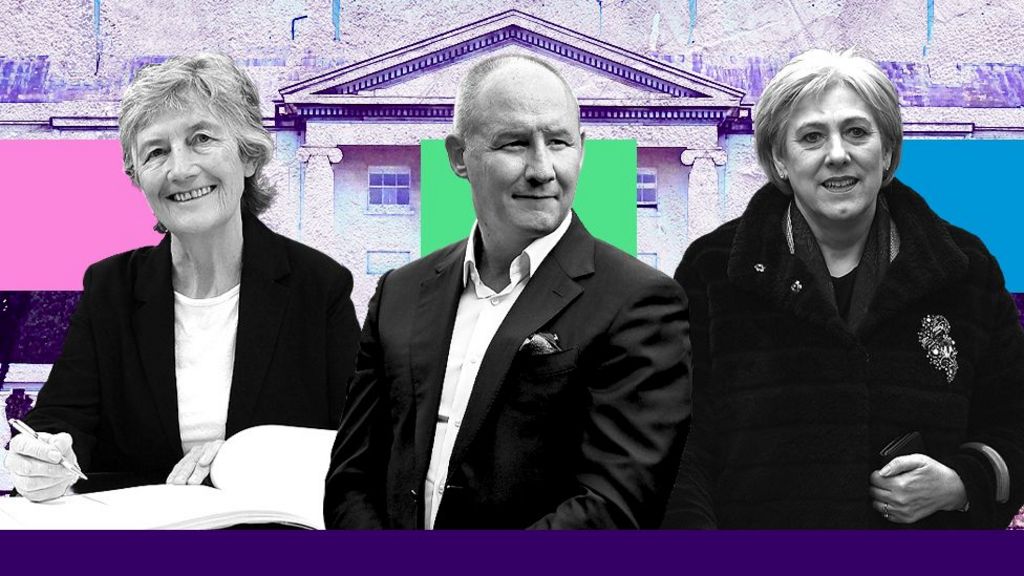
Irish presidential election: Who are the runners and riders?
Ireland is gearing up for a significant political transition as President Michael D Higgins prepares to step down in November, marking the end of his impactful decade-long tenure. Widely regarded as one of the nation’s most popular leaders, Higgins has redefined the role of the Irish presidency by actively addressing pressing issues such as housing shortages and foreign policy. His departure has set the stage for a competitive election scheduled for October 24, with three prominent candidates emerging as frontrunners. Catherine Connolly, an independent candidate supported by major left-wing parties, brings a wealth of experience as a barrister, clinical psychologist, and former deputy speaker of the Dáil. Jim Gavin, representing Fianna Fáil, is celebrated for his achievements as a Gaelic football manager and his military background. Heather Humphreys, the Fine Gael candidate, is a seasoned cabinet minister with a diverse portfolio of experience. The election process, governed by the Single Transferable Vote system, will see voters rank candidates in order of preference, with results expected by October 25. The winner will assume the presidency for a seven-year term, shaping Ireland’s future on both domestic and international stages.
-
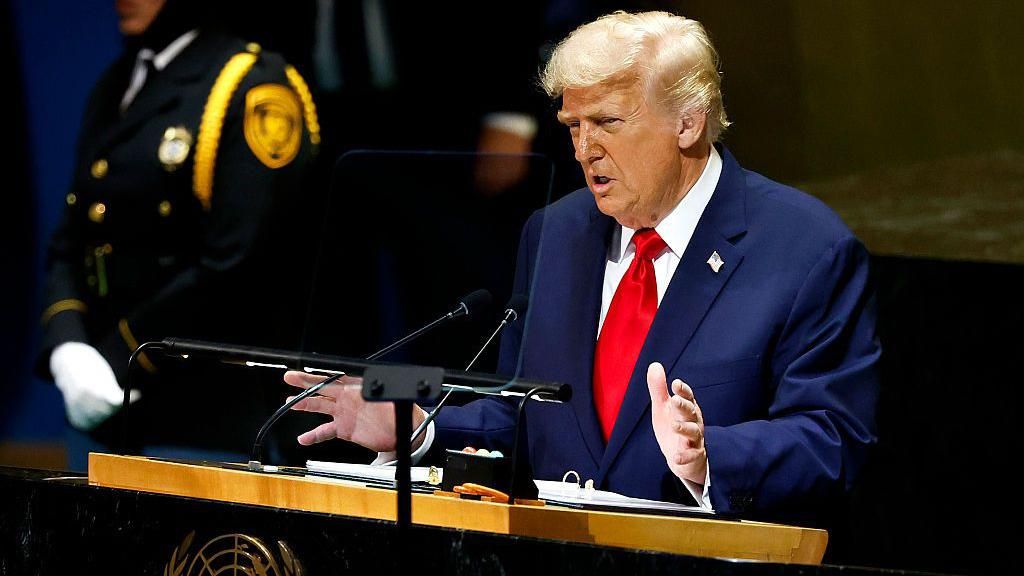
Rosenberg: Russia brushes off Trump’s claim of ‘paper tiger’ in aimless war
Former U.S. President Donald Trump’s recent comments on Ukraine and Russia have sparked significant diplomatic ripples, particularly in Moscow. Trump’s characterization of Russia as a ‘paper tiger’ engaged in ‘aimless fighting’ in Ukraine has drawn sharp reactions, though the Kremlin’s response has been notably restrained. Trump further suggested that Ukraine could reclaim all territories seized by Russia, a statement that has raised eyebrows in Moscow. Additionally, his endorsement of NATO countries shooting down Russian aircraft entering their airspace added fuel to the fire. Kremlin spokesman Dmitry Peskov downplayed these remarks, emphasizing Russia’s resilience and dismissing the notion of a ‘paper bear.’ Peskov also highlighted President Vladimir Putin’s appreciation for Trump’s efforts toward peace, despite the critical tone. Analysts suggest that Moscow’s muted response stems from a belief that Trump’s stance on Ukraine is not fixed and could be influenced through diplomatic channels. Meanwhile, Russia’s economic challenges, exacerbated by sanctions and war expenditures, continue to mount, though they appear to have little impact on the Kremlin’s strategic decisions in Ukraine. As tensions persist, Trump’s comments underscore the complex and evolving dynamics of U.S.-Russia relations.
-
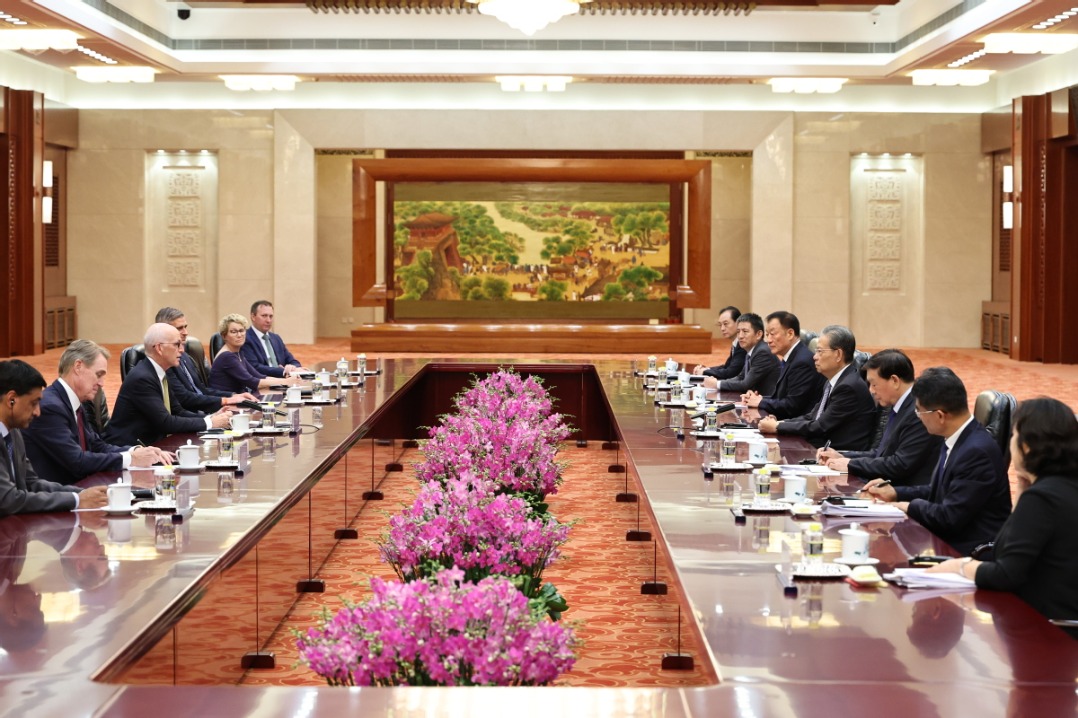
China’s top legislator meets US congressional delegation
In a significant diplomatic engagement, China’s top legislator, Zhao Leji, Chairman of the National People’s Congress (NPC) Standing Committee, met with a US congressional delegation led by Representative Adam Smith in Beijing on Tuesday. The meeting underscored the importance of maintaining stable and sustainable China-US relations, a shared expectation of both nations and the global community. Zhao highlighted the fundamental principles of mutual respect, peaceful coexistence, and win-win cooperation as essential for the development of bilateral ties. He urged both sides to adhere to rationality, objectivity, and fairness, emphasizing the need for enhanced communication, mutual trust, and the resolution of differences to foster greater stability in bilateral cooperation and the global economy. Zhao also addressed the Taiwan question, describing it as the most sensitive and crucial issue in China-US relations. He called on the United States to uphold the one-China principle and handle the matter with caution. Furthermore, Zhao expressed the NPC’s willingness to strengthen exchanges with the US Congress, inviting more US congressional members to visit China to play a constructive role in advancing bilateral relations.
-
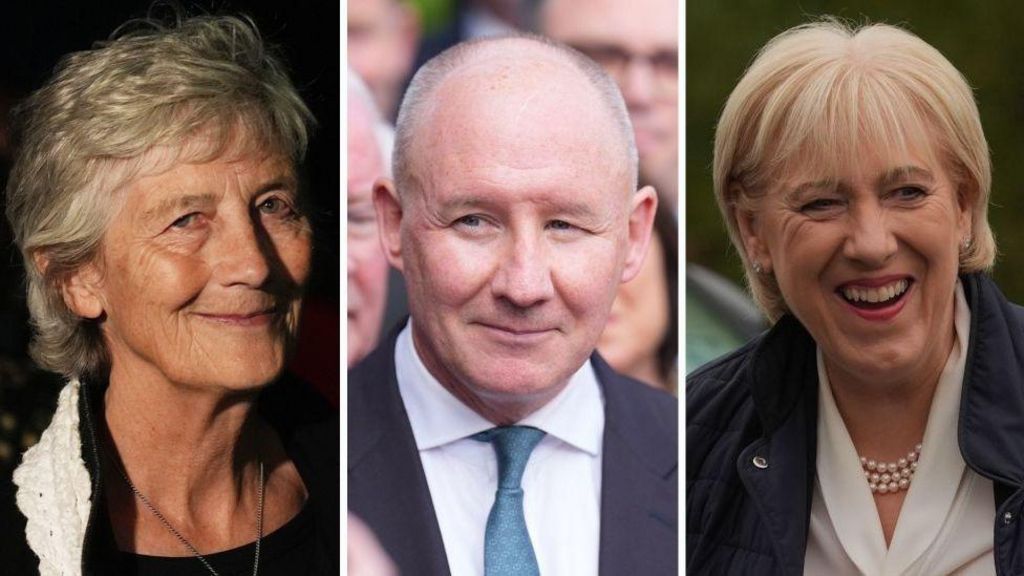
Three candidates will contest Irish presidential election
The Irish presidential election, set for October, will see three candidates compete to succeed Michael D. Higgins, whose second and final seven-year term concludes in November. The contenders represent a mix of political backgrounds, with two aligned to major government parties and one supported by a coalition of opposition groups.
-
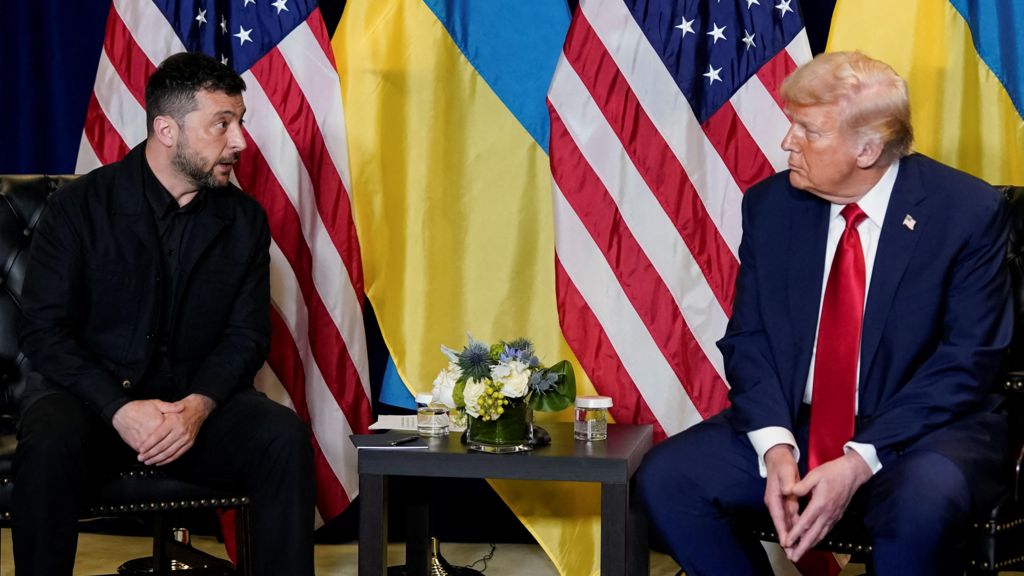
Kyiv can win all of Ukraine back from Russia, Trump says
In a significant policy shift, former US President Donald Trump has declared that Ukraine could reclaim its original borders with the backing of Europe and NATO, citing Russia’s economic vulnerabilities. This statement, made on his Truth Social platform, marks a departure from his previous stance, which suggested Ukraine might need to cede territory to end the conflict. Trump’s remarks followed a meeting with Ukrainian President Volodymyr Zelensky after addressing the UN General Assembly in New York. Trump emphasized that Russia’s economic struggles present a critical opportunity for Ukraine to act, labeling Russia as a ‘paper tiger.’ The Kremlin dismissed this characterization, asserting Russia’s strength and denying economic distress. Zelensky welcomed Trump’s change in tone, interpreting it as a positive signal of US support. Trump also urged NATO nations to defend their airspace against Russian incursions, a stance supported by Poland and other NATO members. This shift in Trump’s position comes after months of advocating for a negotiated settlement involving territorial concessions. His latest comments suggest a more robust commitment to Ukraine’s defense, though not as extensive as the Biden administration’s support. The move may aim to reinvigorate stalled peace talks and align more closely with NATO’s defensive posture.
-
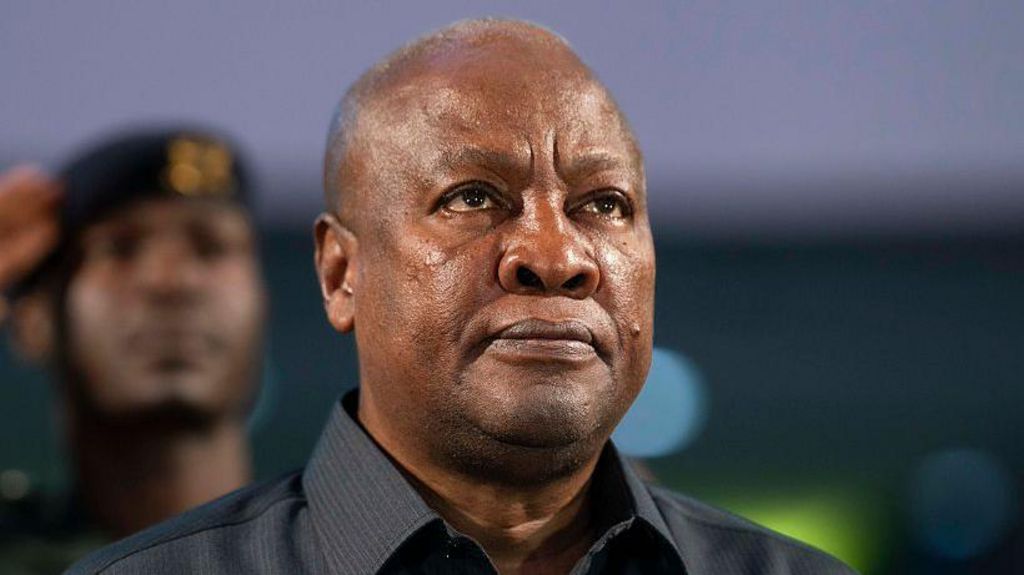
Six West Africans deported from US sent to Togo despite legal fight
Ghana has become a focal point in the ongoing US immigration crackdown, as President John Mahama confirmed the country’s agreement to accept deportees from West Africa. This development has sparked significant controversy and legal challenges. At least six of the 11 West Africans deported to Ghana have already been transferred to Togo, according to their legal representatives. The group had initially filed a lawsuit against the Ghanaian government to halt further deportations, citing safety concerns. However, the case was withdrawn as events unfolded, though a separate legal action alleging human rights violations continues. Lead lawyer Oliver Barker-Vormawor expressed disappointment with Ghana’s justice system, arguing that the court failed to intervene to prevent the deportations. The deportees, who include nationals from Nigeria, Togo, Liberia, and The Gambia, were previously held in US detention facilities before being sent to Ghana on a US military plane. The agreement, announced by President Mahama, allows Ghana to accept nationals from various West African countries, citing the principle of free movement within the region. Ghana’s Foreign Affairs Minister, Samuel Okudzeto Ablakwa, clarified that the country is not receiving financial compensation for this arrangement. Opposition MPs have called for the suspension of the US-Ghana agreement until it is legally ratified, demanding transparency and accountability. This situation is part of the broader US immigration policy under President Donald Trump, which has seen record-level deportations, often to countries where deportees have no ties.
-
Visit by US lawmakers expands dialogue
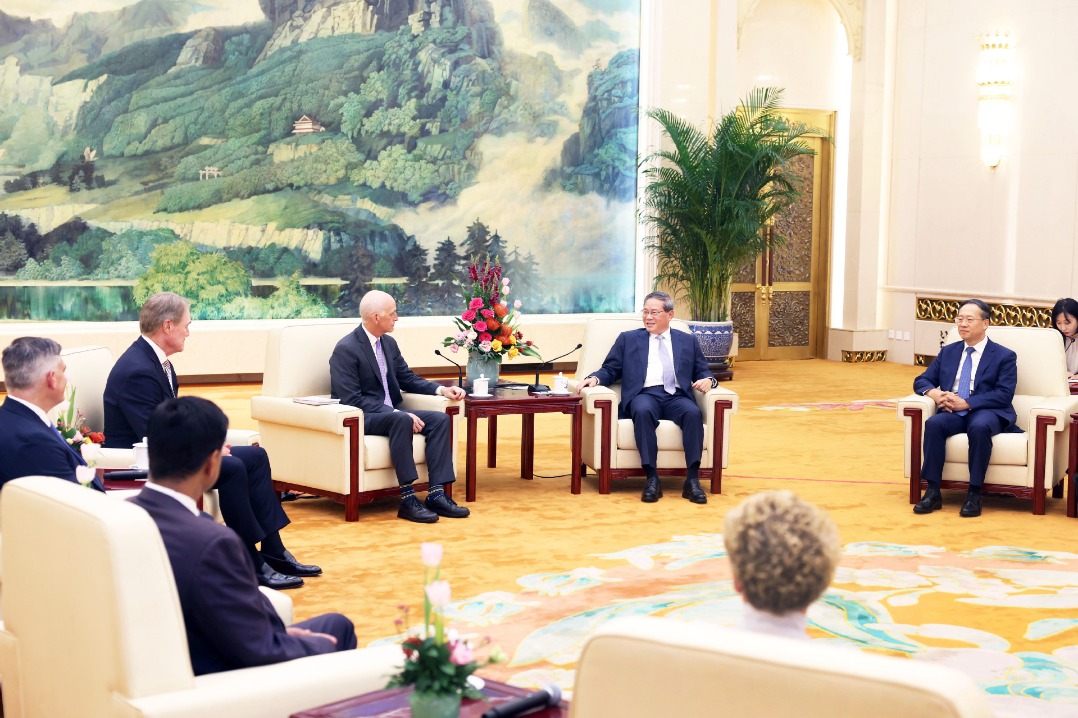
A recent visit by a US congressional delegation to China has been hailed as a significant step toward rebuilding trust and fostering dialogue between the two nations. Led by Representative Adam Smith, the top Democrat on the House Armed Services Committee, the delegation engaged in high-level meetings with Chinese leaders, including Premier Li Qiang, top legislator Zhao Leji, Vice-Premier He Lifeng, Foreign Minister Wang Yi, and Defense Minister Dong Jun. This marked the first such visit by US House lawmakers since 2019. The trip followed a constructive phone call between Chinese President Xi Jinping and US President Donald Trump, signaling a mutual desire to ease strained relations. During the meetings, Zhao Leji emphasized the importance of strengthening exchanges between the National People’s Congress and the US Congress, inviting more American lawmakers to visit China. Smith, speaking at a press briefing, highlighted the global significance of the US-China relationship, calling it the most consequential for the coming decades. He acknowledged natural disagreements but stressed the need for mechanisms to manage them. Analysts view the visit as a positive start, with institutionalized dialogue between legislatures benefiting both nations. Experts like Lyu Xiang and Li Haidong noted that such engagements foster a more objective understanding of China and underscore the strategic leadership of the two heads of state in guiding bilateral relations. A stable US-China relationship, they argue, aligns with the interests of both countries and the international community.
-
H-1B visa changes may give Canada an opportunity. Will it seize it?
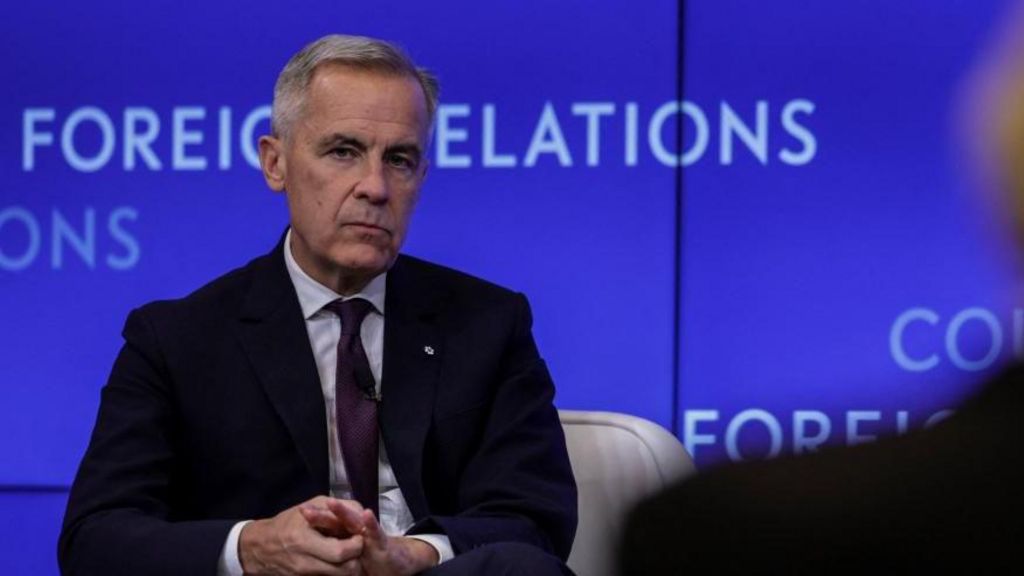
In a significant development that could reshape the global talent landscape, US President Donald Trump’s decision to increase the fee for the H-1B skilled worker visa to $100,000 has sparked a wave of concern among tech companies and foreign professionals. The move, which took effect on Sunday, is expected to deter highly educated foreigners, including recent US university graduates, from pursuing long-term employment in the United States. This policy shift has presented Canada with a unique opportunity to attract and retain skilled workers who may now seek alternatives outside the US. Canadian Prime Minister Mark Carney, speaking at the Council of Foreign Relations in New York on Monday, acknowledged the potential for Canada to benefit from these changes. ‘I understand you’re changing your visa policy,’ Carney remarked. ‘Maybe we can hang on to one or two of them.’ Carney emphasized Canada’s strengths in research and artificial intelligence but lamented that much of this talent has traditionally migrated to the US. The H-1B visa programme has long been a cornerstone for US tech companies to employ foreign workers legally. However, the recent fee hike has left many professionals reconsidering their options. Canada, with its world-class research institutions, proximity to the US, and high quality of life, is emerging as a natural alternative. Immigration lawyer Evan Green described the situation as ‘a wonderful opportunity for the Canadian government to take advantage of.’ Similarly, Build Canada, a non-profit organization, released a memo urging swift action to capitalize on the influx of skilled workers seeking new opportunities. However, challenges remain. While Canada has introduced initiatives like the Global Skills Strategy and Express Entry programmes, experts caution that the country’s immigration system still faces hurdles. Economist Mikal Skuterud noted that Canada’s scaled-back immigration policies and lower wage structures compared to the US could limit its appeal. ‘Canada does not look much more predictable than the US,’ Skuterud warned. Despite these challenges, the potential for Canada to attract top talent is undeniable. The IRCC spokesperson, Matthew Krupovich, highlighted ongoing efforts to identify new solutions to attract the world’s brightest minds. As the US grapples with the implications of its visa policy changes, Canada stands poised to position itself as a global hub for innovation and skilled labor.