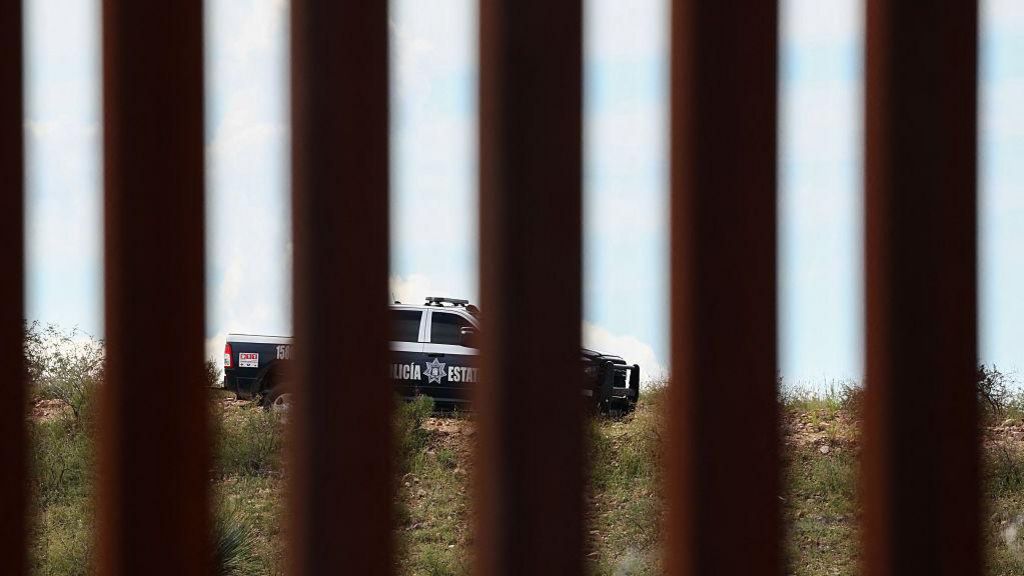
In a significant development for US border security, illegal crossings at the US-Mexico border have plummeted to their lowest levels in over half a century, according to federal data obtained by CBS News. During the 2025 fiscal year, which included four months under former President Joe Biden’s administration, US Border Patrol agents apprehended 238,000 migrants attempting to cross the southern border illegally. This marks the lowest number of apprehensions since 1970, when 202,000 unlawful crossings were recorded. Jennie Murray, president of the National Immigration Forum, hailed the figures as evidence of progress in border security, urging bipartisan efforts to pass comprehensive immigration legislation. Preliminary data indicates that over half of these apprehensions occurred in the first three months of the fiscal year, spanning October 2024 to September 2025. The figures reflect the number of times border officials intercepted and processed migrants attempting illegal entry, including repeat offenders. During Biden’s four-year presidency, US Customs and Border Patrol recorded approximately 11 million border encounters. White House spokeswoman Abigail Jackson attributed the decline to President Trump’s policies, stating that his administration has successfully curbed unchecked illegal immigration and drug trafficking. Trump’s executive orders, including deploying additional troops to the border, ending asylum requests, and expanding ICE’s enforcement capabilities, have been pivotal in achieving these results. The president has also intensified immigration enforcement through raids in major cities like Los Angeles and Chicago and has vowed to deport millions of undocumented immigrants during his tenure.
分类: politics
-
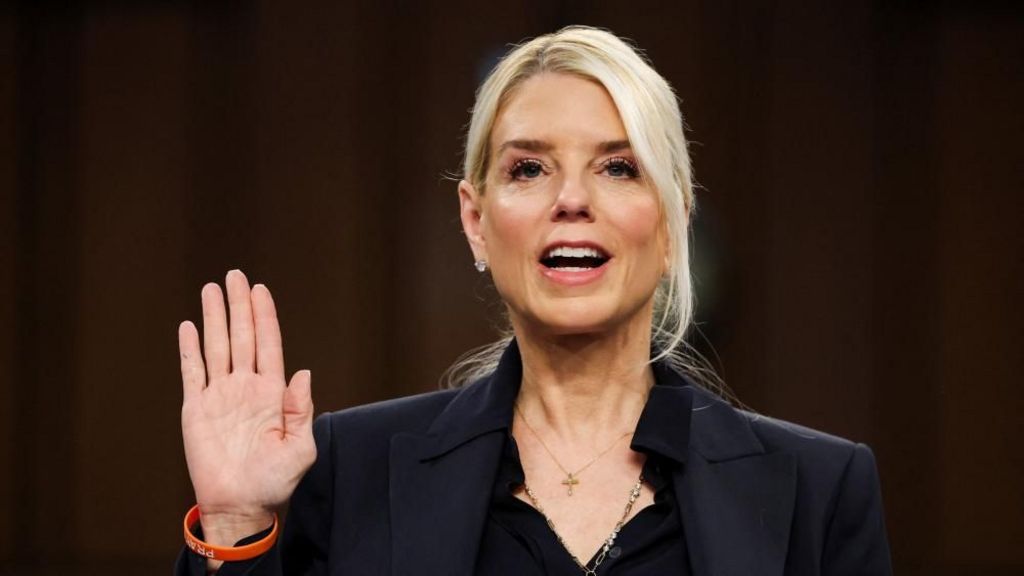
Five takeaways from Pam Bondi’s tense, partisan Senate hearing
Pam Bondi’s appearance before the Senate Judiciary Committee on Tuesday was a fiery and contentious affair, marked by sharp partisan exchanges and a focus on the Justice Department’s handling of high-profile cases, including the indictment of former FBI Director James Comey and the ongoing Epstein investigation. This was Bondi’s first congressional oversight hearing as Attorney General, and it came at a politically charged moment. Just two weeks prior, her department indicted Comey, sparking outrage among Democrats. A day before the hearing, a group of former Justice Department employees accused Bondi of undermining the department’s mission to uphold the rule of law. Bondi entered the hearing ready for battle, employing a strategy of aggressive counterattacks against senators from both parties. She deflected questions about the Comey case, Epstein’s client list, and her communications with the White House, often pivoting to emphasize the Trump administration’s crime-fighting achievements. Democrats, led by Senators Dick Durbin and Sheldon Whitehouse, pressed Bondi on Epstein’s ties to powerful figures, including Trump, but she refused to provide details. Republicans, meanwhile, used the hearing to air grievances about the Biden administration and past Democratic actions. The five-hour session ended with both sides accusing the other of politicizing the Justice Department, leaving little room for bipartisan agreement.
-

Canada Freedom Convoy leaders spared more jail time at sentencing
Tamara Lich and Chris Barber, key figures in the 2022 ‘Freedom Convoy’ protests that paralyzed Ottawa, have been handed conditional sentences, avoiding further incarceration. The duo was convicted of mischief in April after a protracted trial but were acquitted of most other charges. The protests, which saw hundreds of trucks and vehicles blockading the capital for three weeks, were a response to COVID-19 mandates and the policies of then-Prime Minister Justin Trudeau’s government. The Crown had initially sought seven and eight-year prison terms for Lich and Barber, respectively, but the court opted for 18-month conditional sentences. This includes 12 months of home confinement with limited outings, followed by six months under curfew, plus 100 hours of community service. Additionally, the Crown is pursuing the seizure of Barber’s ‘Big Red’ truck, a prominent symbol of the protest, with a hearing scheduled for November. In a separate legal development, the Crown is appealing the lenient sentence given to Pat King, another protest organizer, who received three months of house arrest despite prosecutors pushing for a decade-long sentence. The protests, which began in February 2022, were triggered by a federal vaccine mandate for cross-border truckers and were eventually quelled when Trudeau invoked the Emergencies Act, marking its first use in Canadian history. The act empowered law enforcement to dismantle the blockades and imposed restrictions on public gatherings.
-
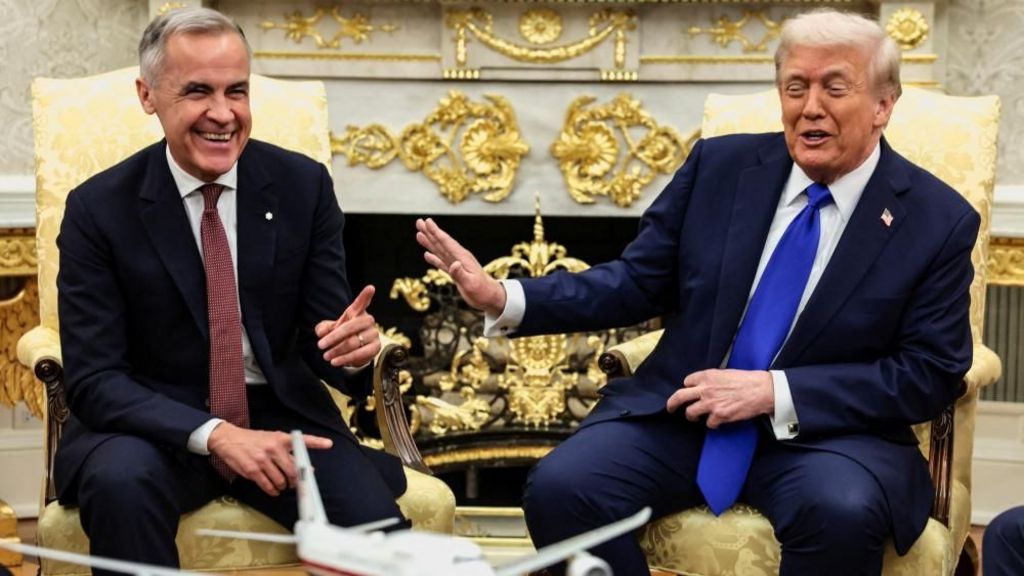
Trump says trade talks ‘complicated’ but Canada will be ‘very happy’ with eventual deal
In a cordial meeting at the White House, US President Donald Trump and Canadian Prime Minister Mark Carney addressed the complexities of trade negotiations between their nations. Trump described the relationship as one of ‘natural conflict,’ particularly in industries like automotive and steel, where both countries compete. Despite this, he expressed optimism about reaching a future agreement that would satisfy both parties. Carney echoed this sentiment, emphasizing the deep economic ties between the two nations and expressing confidence in securing a favorable deal. Trump’s administration has imposed significant tariffs on Canadian imports, including 35% on general goods and sector-specific levies of 50% on metals and 25% on automobiles. However, exemptions exist under the USMCA, a trade agreement negotiated during Trump’s first term. The meeting marked Carney’s second visit to the White House since taking office in March and concluded on a friendly note, with both leaders praising each other’s leadership. This contrasts sharply with Trump’s previously contentious relationship with former Canadian Prime Minister Justin Trudeau. While trade negotiations have extended past an August deadline, the tone of the discussions suggests progress toward a mutually beneficial resolution.
-
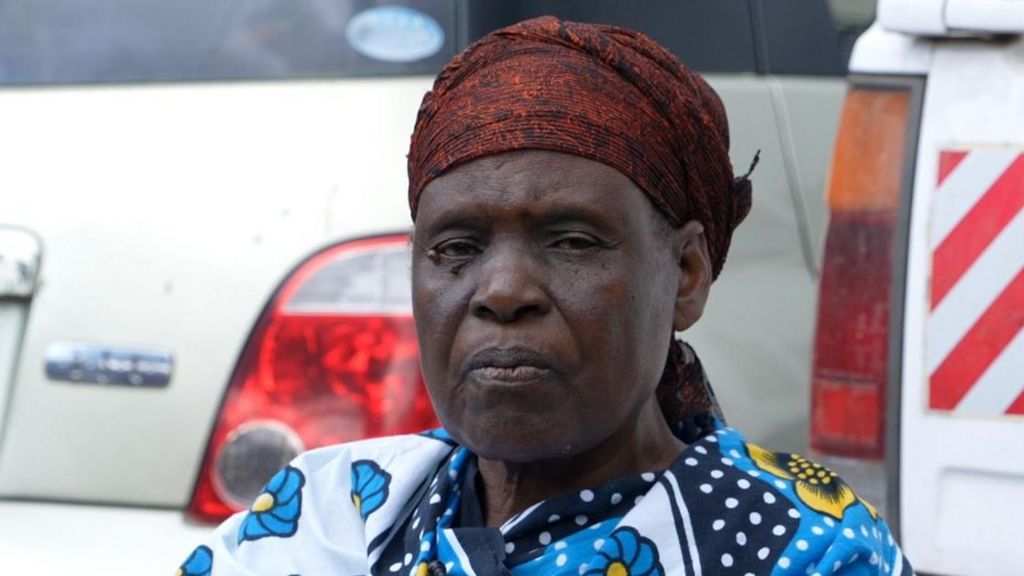
‘I want my son back, dead or alive’ – mother of missing Tanzanian ex-diplomat
Annamary Polepole, the mother of former Tanzanian diplomat Humphrey Polepole, has issued a heartfelt plea for authorities to help locate her son, who vanished under mysterious circumstances. In an emotional interview with the BBC, she begged, ‘If he is alive, return him to me. If he is not, bring his body and let me bury my child myself. They should not go and throw him into the sea.’ Humphrey Polepole, a vocal critic of the Tanzanian government, was reportedly abducted from his Dar es Salaam home in the early hours of October 6. His brother discovered the house door broken and traces of blood, raising concerns about foul play. Local police confirmed they are investigating the incident, though the city’s police chief initially cast doubt on the reported attack, suggesting the former ambassador to Cuba often claimed to be abroad. This incident follows the alleged abduction of Polepole’s sister in July, deepening the family’s anguish. Annamary Polepole lamented, ‘As a woman who struggled to raise children as a widow, it is very painful for such things to happen.’ She also expressed fears for Tanzania’s future, criticizing the government’s heavy-handed tactics. Humphrey Polepole, who resigned as ambassador earlier this year after publicly denouncing the government’s disregard for justice and constitutional principles, had recently questioned President Samia Suluhu Hassan’s nomination as the ruling party’s presidential candidate. He also accused government officials of corruption and misuse of public funds, claiming armed individuals had harassed his family and raided his home twice. Despite his outspoken stance, many Tanzanians have praised his courage, while others question his moral authority given his previous roles under both Magufuli and Samia. His mother, however, described him as a man of integrity and warmth. The case unfolds amid a tense political climate as Tanzania prepares for its October 29 general election, with President Samia seeking a second term amidst growing criticism of her administration’s repressive measures.
-
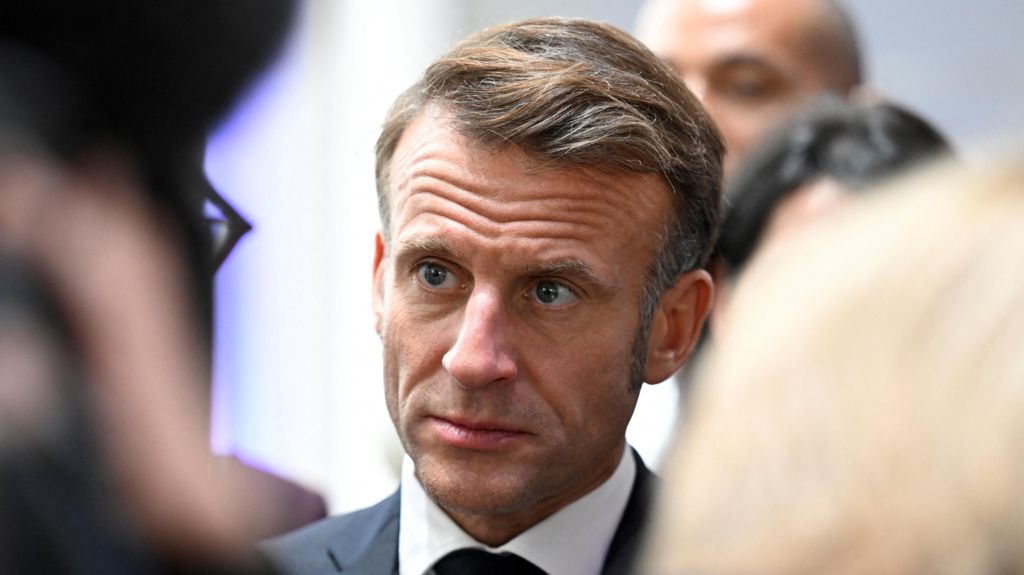
Time may be running out for Master of clocks Macron: What next for France?
French President Emmanuel Macron, once hailed as the ‘master of the clocks’ for his strategic timing, now finds his political grip slipping as France’s political crisis intensifies. For the third time in a year, Macron’s choice of prime minister has resigned, with Sébastien Lecornu stepping down after just 26 days in office. Lecornu’s departure underscores the deepening instability in Macron’s administration, as nearly three-quarters of French voters believe the president should resign.
-
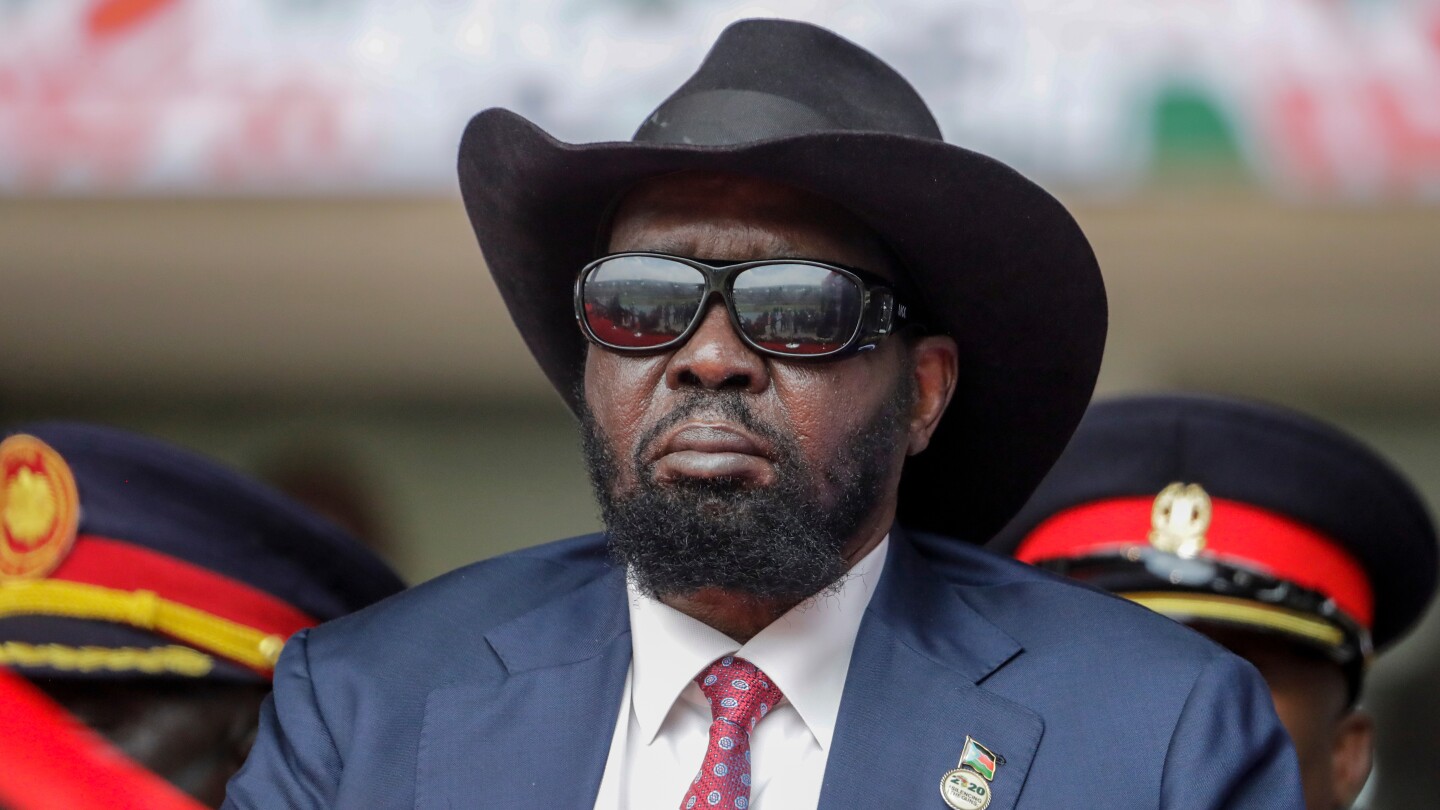
Oversight body says South Sudan rivals have recruited fighters, raising war fears
In a concerning development, the Reconstituted Joint Monitoring and Evaluation Commission (RJMEC), an international ceasefire monitoring body, has revealed that parties to South Sudan’s faltering peace agreement are actively recruiting new fighters and abducting children to participate in the ongoing conflict. This alarming trend has raised fears of a potential return to full-scale civil war in the region. The RJMEC, overseen by the regional bloc IGAD, disclosed that South Sudan’s military initiated a recruitment drive in June to enlist 4,000 forces for peacekeeping and other purposes, followed by the establishment of a new training center in August. Disturbingly, the commission also reported that all sides in the conflict have been involved in the abduction and mobilization of children, as well as incidents of sexual violence. These findings, shared with the U.N. Security Council, have intensified concerns that the government and opposition groups are preparing for further escalation. The situation is further complicated by the trial of Riek Machar, a prominent opposition leader, who faces charges of terrorism and crimes against humanity. Machar, who has been under house arrest since March, denies the allegations and has called for an independent investigation. The RJMEC has urged his release, warning that the current trajectory could lead to the collapse of the 2018 peace agreement, which has already seen multiple extensions of its transitional period. George Aggrey Owinow, RJMEC’s interim chairman, emphasized the urgent need to address these challenges to prevent a reversal of progress. Meanwhile, South Sudan’s Minister for Cabinet Affairs, Martin Elia Lomuro, sought to downplay fears, asserting that the peace process remains on track despite the mounting concerns.
-
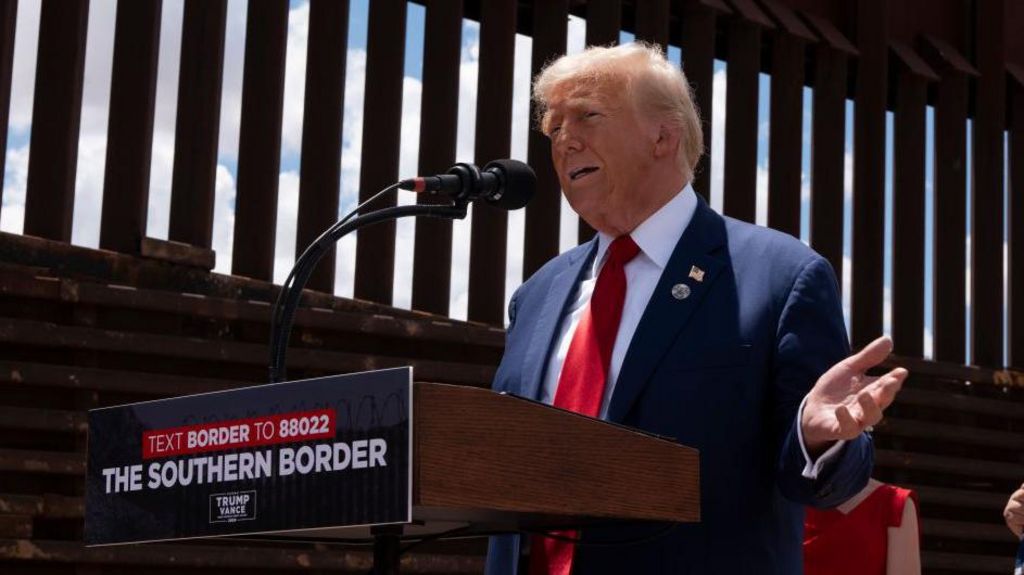
What is the Insurrection Act?
On his first day back in the White House, President Donald Trump signed an executive order declaring a national emergency at the US southern border. He directed his top officials to evaluate the potential use of the Insurrection Act of 1807, a rarely invoked 19th-century law that permits the deployment of active-duty military personnel for domestic law enforcement. Trump emphasized that he would consider invoking the Act if federal courts obstructed his plans to deploy the National Guard to protect federal buildings and enforce immigration laws. The Insurrection Act grants the president broad authority to mobilize troops in response to situations where it becomes ‘impracticable to enforce’ US law through standard judicial processes. This could include quelling civil unrest, enforcing court orders, or detaining migrants. Trump’s administration has already implemented aggressive measures at the border, including nationwide deportation sweeps and transferring alleged gang members to foreign prisons. However, these actions have faced legal challenges. Migrant apprehensions have significantly declined in recent months, yet Trump continues to frame the border situation as a critical national emergency. His consideration of the Insurrection Act follows a federal judge’s decision to block the deployment of National Guard troops to Portland, Oregon, which Trump claims is overrun by ‘domestic terrorists.’ White House deputy chief of staff Stephen Miller echoed this sentiment, describing court rulings against the administration as a ‘legal insurrection.’ Historically, the Insurrection Act has been used sparingly, most notably during the Civil War, the Ku Klux Klan’s racist violence, and the 1992 Los Angeles riots. Trump’s potential invocation of the Act raises questions about its legal implications and the broader use of military force on US soil.
-
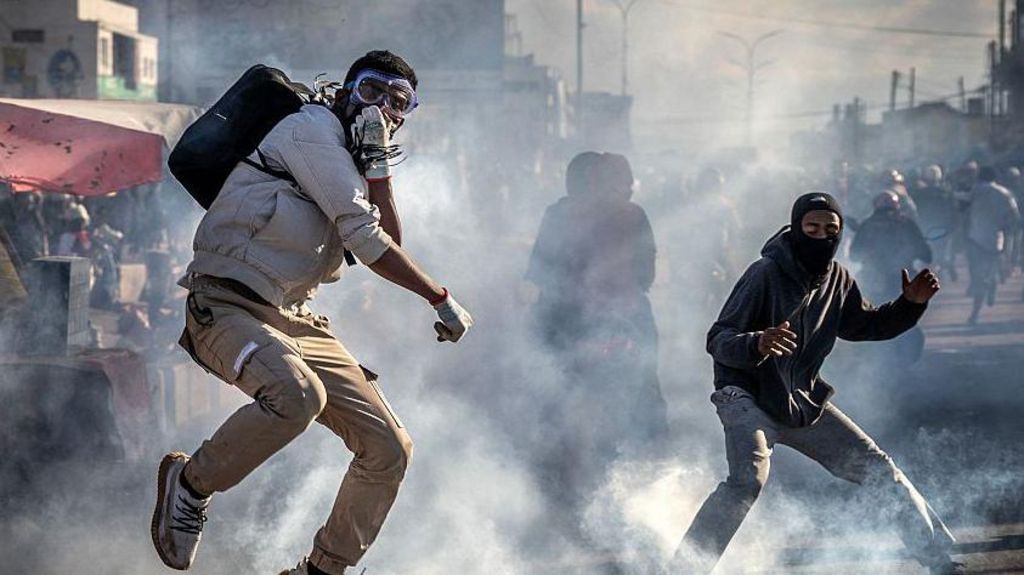
Army general named as Madagascar PM to quell Gen Z protests
Madagascar’s President Andry Rajoelina has appointed General Ruphin Fortunat Zafisambo as the new prime minister in a bid to quell ongoing youth-led protests against his administration. The decision, announced on Monday, comes amid heightened tensions and fears of a potential coup. Rajoelina described the appointment as necessary to restore order and public trust, emphasizing the need for a leader capable of saving the nation. However, the protest movement, known as Gen Z Mada, swiftly rejected the move, demanding Rajoelina’s resignation within 48 hours and vowing to continue their struggle. The protests, which began on September 25, were initially sparked by widespread anger over frequent water and power outages but have since evolved into a broader outcry against corruption and high unemployment. Last week, Rajoelina dismissed Prime Minister Christian Ntsay and his cabinet in an attempt to appease demonstrators, but the unrest has persisted. General Zafisambo, previously the director of the military cabinet in the prime minister’s office, now assumes a role that underscores the increasing militarization of the government. The UN has reported at least 22 deaths and over 100 injuries during the protests, though the government disputes these figures, labeling them as misinformation. Clashes between security forces and protesters continued on Monday in several cities, including the capital, Antananarivo, as the unrest entered its third week. Madagascar, one of the world’s poorest nations, has a history of political instability, with Rajoelina himself coming to power after mass protests in 2009. The current demonstrations represent the most significant challenge to his leadership since his re-election in 2023. With 75% of the population living below the poverty line and only a third having access to electricity, the protests highlight deep-seated economic and social grievances.
-
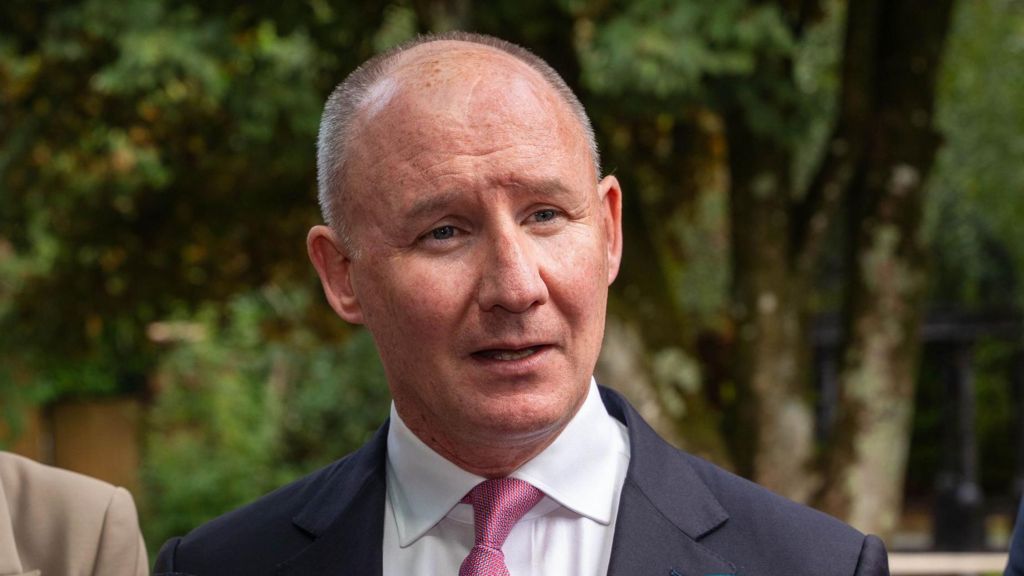
Gavin’s name to remain on presidential ballot paper
In a surprising turn of events, Jim Gavin, the Fianna Fáil candidate for the Irish presidential election, announced his withdrawal from the race just weeks before the scheduled polling day on October 24. Despite his decision, Gavin’s name will remain on the ballot due to electoral regulations that prevent changes after the nomination deadline. The former Dublin Gaelic football manager cited a personal mistake that contradicted his character and standards, though he did not specify the nature of the issue. Reports from the Irish Independent suggest the withdrawal followed allegations of a €3,300 debt owed to a former tenant. Taoiseach Micheál Martin expressed regret over the situation, describing it as ‘very unfortunate.’ The Department of Housing and Local Government confirmed that Gavin’s name must remain on the ballot, as the withdrawal occurred after the nomination process closed. If Gavin were to win, he could either accept the presidency or decline, triggering a new election. Fianna Fáil stated that it was unaware of the tenant dispute before selecting Gavin as their candidate, emphasizing that initial queries were addressed without revealing the specifics of the issue.