分类: politics

  • South Korea’s ex-leader Yoon faces first court verdict over martial law chaos

    South Korea’s ex-leader Yoon faces first court verdict over martial law chaos

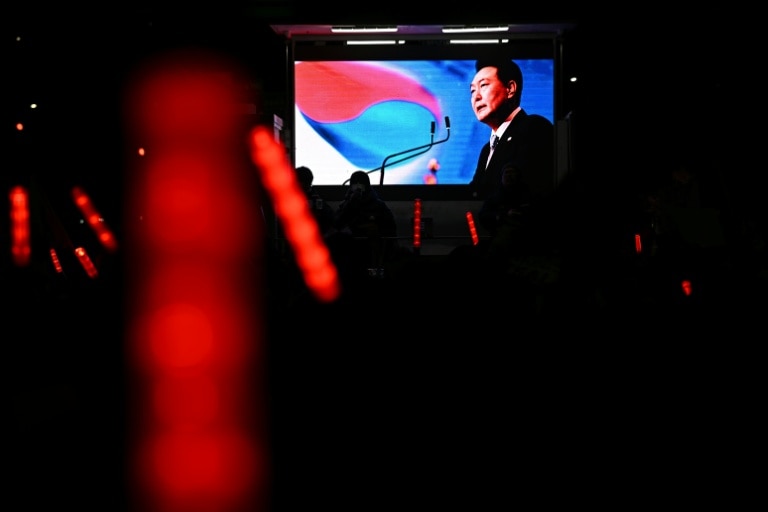
    A landmark judicial decision awaits former South Korean President Yoon Suk Yeol as Seoul’s Central District Court prepares to deliver its verdict Friday regarding obstruction of justice charges. The case stems from Yoon’s unprecedented December 3, 2024 declaration of martial law—the first suspension of civilian rule in over four decades—which triggered nationwide protests and parliamentary confrontations.

    The prosecution alleges Yoon systematically obstructed justice by excluding cabinet members from martial law planning sessions and subsequently preventing investigators from executing an arrest warrant at his residence in January 2025. Security personnel reportedly deployed buses to block compound entrances during initial enforcement attempts before authorities eventually secured access for questioning.

    Prosecutors have pursued a 10-year prison sentence, asserting Yoon violated constitutional principles. The former leader maintains his actions represented lawful exercises of presidential authority during national emergency circumstances. This verdict precedes a separate February 19 ruling on more severe insurrection charges where prosecutors demanded capital punishment for allegedly threatening democratic order.

    Yoon displayed defiant courtroom demeanor throughout proceedings, smiling during prosecution arguments and insisting his emergency measures constituted legitimate constitutional powers rather than rebellion. He accused opposition parties of establishing ‘unconstitutional dictatorship’ through legislative control, claiming martial law represented the only option to protect national sovereignty.

    The televised sentencing occurs amid South Korea’s ongoing reckoning with executive power boundaries, with additional trials pending regarding allegations Yoon authorized drone flights over North Korea to justify military escalation.
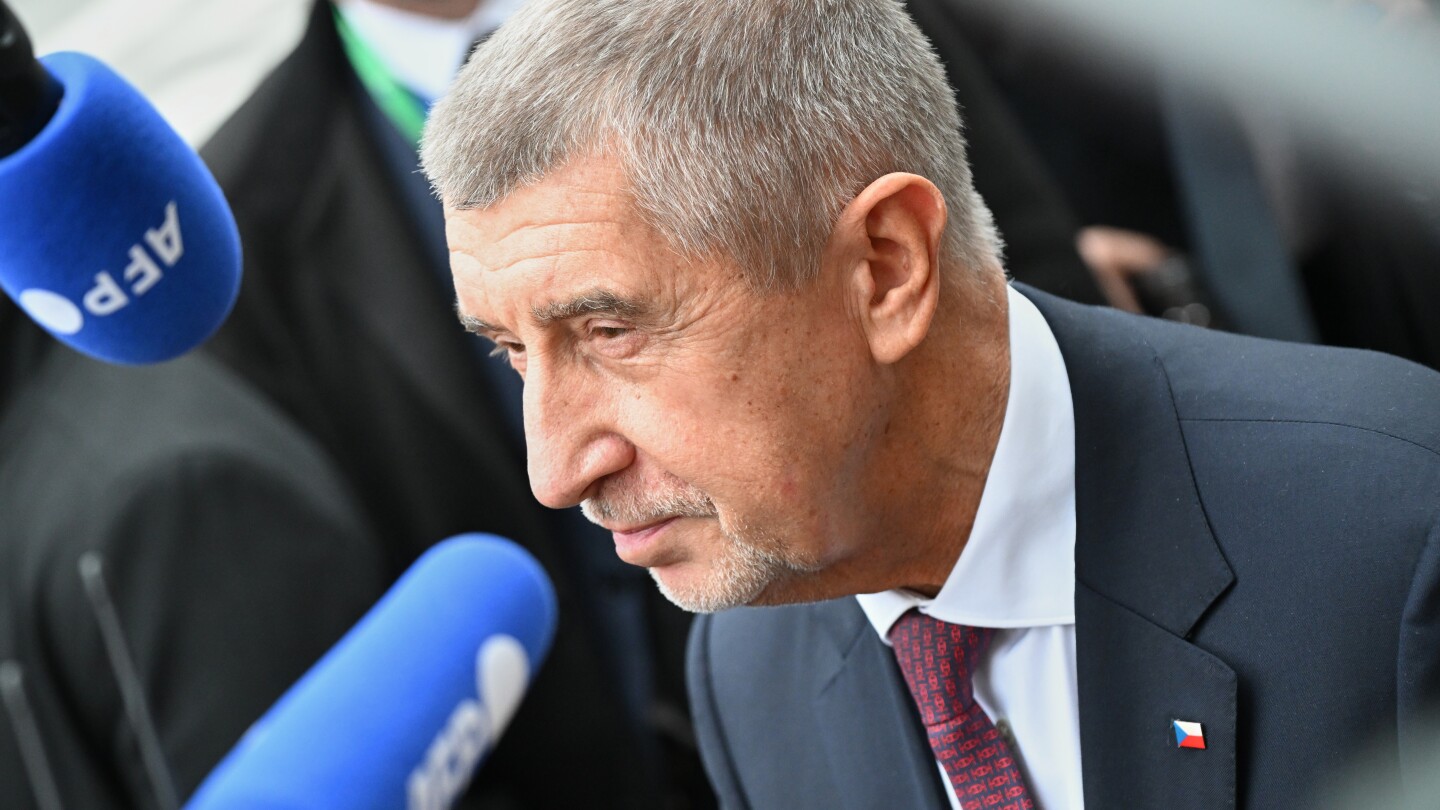
  • New Czech government of populist leader Andrej Babiš wins a mandatory confidence vote

    New Czech government of populist leader Andrej Babiš wins a mandatory confidence vote

    PRAGUE — The Czech Republic’s newly formed populist government under Prime Minister Andrej Babiš has successfully secured a mandatory parliamentary confidence vote, marking a significant geopolitical reorientation for the Central European nation. The lower house of Parliament endorsed the coalition government with a 108-91 vote on Thursday, granting formal approval to an agenda that diverges from previous Western-aligned policies.

    The administration, emerging from October’s electoral victory by Babiš’s ANO (YES) movement, represents an unconventional alliance with two minority parties: the anti-immigrant Freedom and Direct Democracy party and the right-wing Motorists for Themselves. This 16-member Cabinet coalition shares notable admiration for former U.S. President Donald Trump and signals substantial policy transformations both domestically and internationally.

    Foreign policy shifts include terminating financial assistance to Ukraine and rejecting European Union loan guarantees for the war-torn nation, aligning the Czech Republic with the positions of Hungarian Prime Minister Viktor Orbán and Slovak leader Robert Fico. Notably, the government will maintain administrative oversight of a previous Czech initiative that secured 1.8 million artillery shells for Ukraine from non-EU markets, though without financial contributions.

    Domestically, the coalition partners advocate controversial measures including the potential expulsion of approximately 380,000 Ukrainian refugees and rejection of the EU Green Deal environmental framework. The Motorists party, now controlling environment and foreign ministries, has proposed reviving the nation’s coal industry while the Freedom party questions Czech membership in both the EU and NATO.

  • Tunisia: Families of political detainees form collective to unite opposition to Saied

    Tunisia: Families of political detainees form collective to unite opposition to Saied

    In a significant political development, relatives of incarcerated dissidents across Tunisia’s ideological spectrum have established a unified front demanding the release of political prisoners detained under President Kais Saied’s administration. The newly formed National Coordination for the Liberation of Political Prisoners represents an unprecedented consolidation of opposition forces that previously struggled to overcome internal divisions.\n\nThe coalition’s public announcement on January 14th carried profound symbolic weight, coinciding with the fifteenth anniversary of the revolution that ousted autocrat Zine el Abidine Ben Ali and ignited the Arab Spring movement. Organizers emphasized the continued relevance of revolutionary ideals, stating the date reflects how \”the Revolution is still present in our hearts, in our minds, and in our collective consciousness.\”\n\nProminent lawyer and activist Sana Ben Achour articulated the strategic imperative behind the coordination effort: \”Whether the detainees are left-wing or right-wing, secular or Islamist, injustice inflicts the same suffering.\” She stressed the necessity of synchronized field operations to enhance effectiveness in securing prisoner releases.\n\nSince President Saied’s 2021 power consolidation, which granted him extensive authority, Tunisia has witnessed a systematic crackdown on dissent. Numerous opposition figures, legal professionals, activists, humanitarian workers, and journalists have faced severe prison sentences through proceedings widely criticized by international human rights organizations as politically motivated.\n\nThe legal apparatus employed against dissidents includes broad interpretations of the 2015 counter-terrorism and anti-money laundering legislation, Decree 54 targeting so-called \”fake news,\” and the 2004 law on foreigners and passports—all weaponized to criminalize humanitarian assistance and suppress free expression.\n\nNotable cases include left-wing activist Ayachi Hammami, currently enduring a 43-day hunger strike following his December conviction for \”conspiracy against the state.\” Amnesty International has condemned these prosecutions as \”often based on flimsy or unsubstantiated evidence,\\” warning of the systematic erosion of revolutionary achievements.\n\nThe coalition’s formation marks a pivotal moment in Tunisia’s political landscape, bringing together diverse entities including the National Salvation Front (associated with the pre-coup Ennahda government), the Free Destourian Party, and the Tunisian Network for Rights and Freedoms. Their collective mission encompasses amplifying prisoners’ voices, providing familial support, raising public awareness, and countering state narratives that portray activism as threatening national security.\n\nOrganizers concluded with a defiant message: \”Rescuing vulnerable people, defending rights, expressing an opinion are not crimes,\” assuring detainees that the current injustice \”will not last.\”

  • General tapped to lead US operations in Latin America grilled over presence in region

    General tapped to lead US operations in Latin America grilled over presence in region

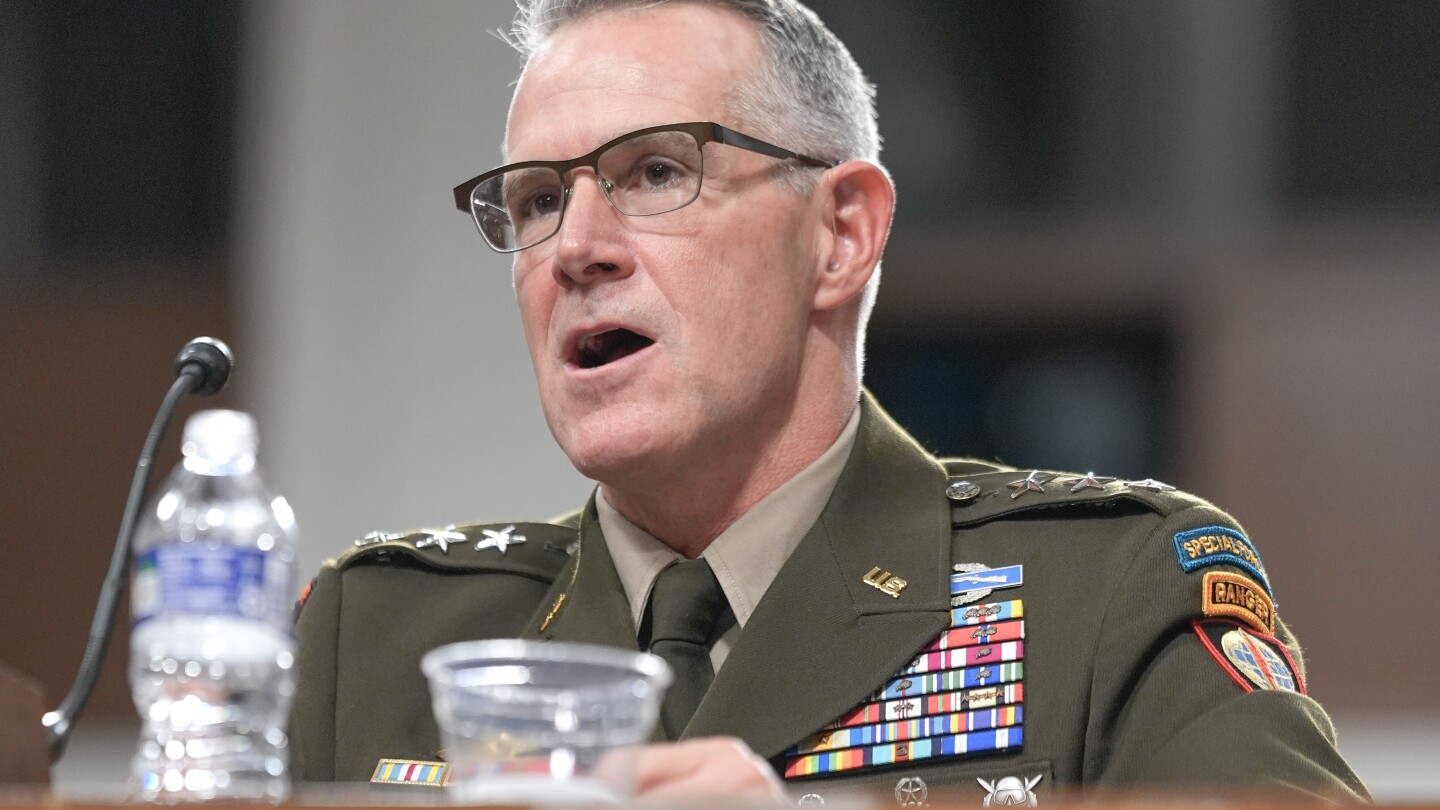
    During his Senate confirmation hearing on Thursday, Lieutenant General Francis Donovan, the nominee to lead U.S. Southern Command, expressed readiness to oversee expanded military operations in Latin America while acknowledging significant uncertainties about the mission’s duration and strategic objectives. The hearing before the Senate Armed Services Committee revealed substantial questions about the Trump administration’s long-term plans for the region.

    If confirmed, Donovan would assume command of U.S. military operations across Latin America, replacing Navy Admiral Alvin Holsey who retired amid controversy over deadly strikes against alleged drug smuggling vessels. This military expansion represents one of the most substantial U.S. deployments in the region in generations, culminating in the recent deposition and apprehension of Venezuelan leader Nicolás Maduro.

    Lawmakers from both parties pressed Donovan for specifics about the administration’s strategic vision. Senator Angus King (I-Maine) expressed astonishment when Donovan admitted he lacked details about why substantial military assets remained deployed throughout the region. ‘So you don’t know what the plan is now? You don’t know why all those ships and aircraft and soldiers are there?’ King inquired. Donovan attributed his limited knowledge to his current position as vice commander of U.S. Special Operations Command, which excludes him from regional military planning.

    Despite this uncertainty, Donovan acknowledged that the renewed focus on Latin America would fundamentally transform Southern Command’s operations. When asked by Senator Mark Kelly (D-Arizona) whether the command would operate significantly differently due to this strategic pivot, Donovan responded affirmatively.

    The hearing also addressed concerns about international law violations stemming from the administration’s boat strike policies and featured questioning of Lieutenant General Joshua Rudd, nominee to lead the National Security Agency. Senator Elissa Slotkin (D-Michigan) raised alarms about potential political targeting of Americans through surveillance capabilities, to which Rudd committed to operating within constitutional and legal boundaries. Both nominations are expected to receive approval despite these concerns.

  • Tanzania president remorseful over internet shutdown on election day

    Tanzania president remorseful over internet shutdown on election day

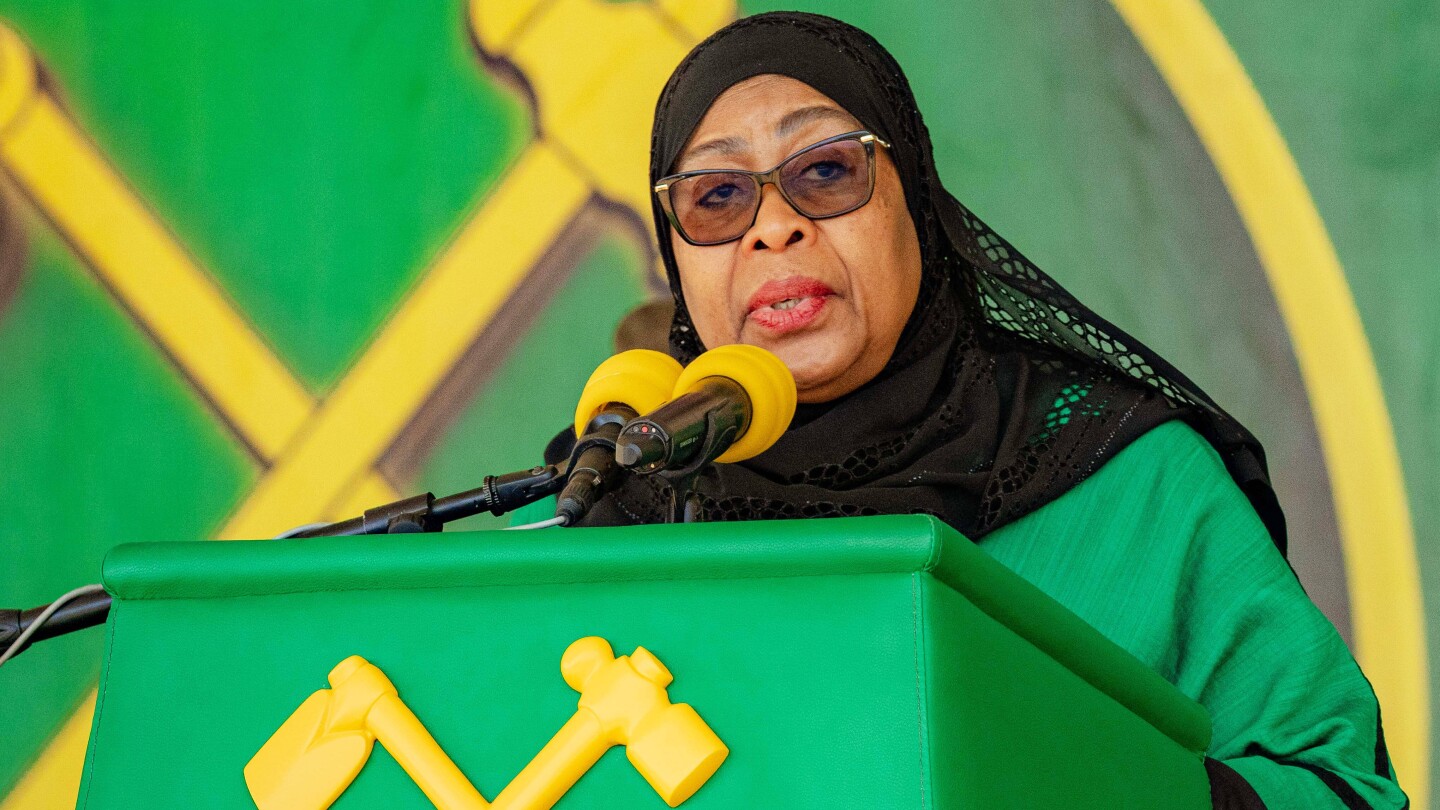
    In an unprecedented address to the diplomatic community, Tanzanian President Samia Suluhu Hassan has broken her silence regarding the controversial internet blackout and violent unrest that followed the country’s October elections. Speaking before ambassadors, high commissioners, and international organization representatives in the capital city of Dodoma on Thursday, Hassan extended formal apologies for the six-day digital shutdown and service disruptions that coincided with the nation’s most severe post-election turmoil in decades.

    The President expressed particular sympathy toward foreign nationals and diplomatic personnel affected by the government’s drastic measures, which included a complete internet blackout and widespread service restrictions. While defending these actions as necessary for preserving constitutional order and citizen protection, Hassan simultaneously pledged enhanced vigilance to prevent recurrence of such disruptive events.

    This diplomatic outreach follows an election that international observers have widely criticized for failing to meet democratic standards. Hassan secured victory with an overwhelming 97% of votes after authorities barred candidates from the two primary opposition parties from participation. The country’s main opposition leader remains incarcerated on treason charges.

    The post-election period witnessed significant violence beginning on election day and continuing for several days amid heavy police crackdowns. According to human rights organizations, these clashes resulted in hundreds of fatalities and substantial property damage worth millions of Tanzanian shillings. In a controversial attribution, President Hassan blamed foreign elements for instigating the violence while simultaneously pardoning hundreds of arrested youths whom she claimed acted under peer pressure.

    In response to the crisis, Tanzania has established an official commission of inquiry to investigate the violence that disrupted the nation’s decades-long record of relative political stability.

  • Trump threatens to invoke Insurrection Act to quell anti-ICE protests in Minnesota

    Trump threatens to invoke Insurrection Act to quell anti-ICE protests in Minnesota

    Minneapolis has become the epicenter of escalating national tensions over immigration enforcement as President Donald Trump threatens to invoke the 19th-century Insurrection Act. This unprecedented move would authorize active-duty military deployment for domestic law enforcement following violent protests triggered by federal immigration operations.

    The crisis intensified Wednesday when Department of Homeland Security agents shot Julio Cesar Sosa-Celis, a Venezuelan national, during an altercation involving a shovel and broom handle. DHS Secretary Kristi Noem characterized the incident as an ‘attempted murder of federal law enforcement,’ stating agents were ‘ambushed and attacked’ while pursuing Sosa-Celis, who had previous convictions for unlicensed driving.

    This shooting follows the fatal January 7th encounter where ICE agent Jonathan Ross killed 37-year-old Renee Nicole Good, sparking nationwide demonstrations and raising $1.4 million for her family through online fundraising. Agent Ross’s supporters have concurrently raised $740,000 for his legal defense.

    The administration maintains both shootings were acts of self-defense, while Minnesota Democrats vehemently disagree. Governor Tim Walz, who recently ended his reelection bid following a welfare fraud scandal, directly appealed to Trump to ‘turn the temperature down,’ having previously labeled ICE as a ‘modern-day Gestapo.’ Minneapolis Mayor Jacob Frey declared the situation ‘unsustainable’ and demanded ICE’s withdrawal from the city.

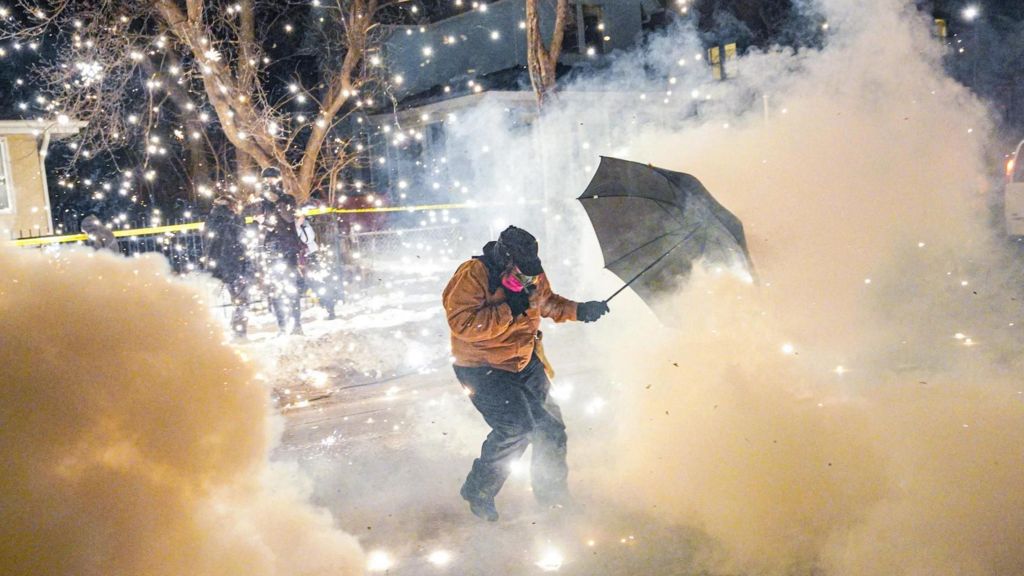
    Despite a federal judge denying Minnesota prosecutors’ request for a temporary restraining order against ICE, approximately 3,000 federal officers remain deployed throughout the state. Wednesday night witnessed renewed clashes in Minneapolis’s Hawthorne neighborhood, where protesters damaged government vehicles and assaulted officers with fireworks, ice, and snowballs according to police reports.

    The standoff represents a critical test of federal authority versus local governance, with the rarely used Insurrection Act looming as a potential constitutional flashpoint in American law enforcement history.

  • Iran will ‘defend itself against any foreign threat’, Araghchi tells Saudi FM

    Iran will ‘defend itself against any foreign threat’, Araghchi tells Saudi FM

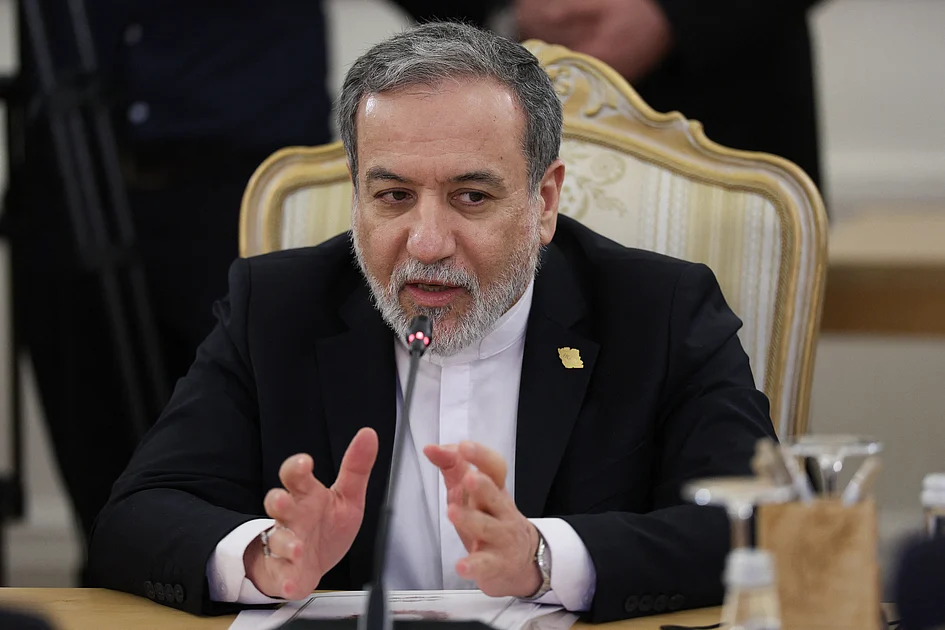
    In a significant diplomatic development, Iranian Foreign Minister Abbas Araghchi and Saudi Foreign Minister Prince Faisal bin Farhan held urgent telephone discussions on Thursday amid escalating regional tensions. The conversation centered on potential military confrontation between Iran and the United States, with Araghchi emphasizing Tehran’s readiness to “defend itself against any foreign threat.”

    The diplomatic exchange occurred as Washington continues to contemplate military options in response to Iran’s handling of domestic protests. According to Araghchi’s Telegram channel statement, the Iranian minister stressed the critical need for “global condemnation of foreign interference in the internal affairs of regional countries.”

    In a crucial development, Saudi Arabia directly communicated to Tehran that it would not permit its territory or airspace to be utilized for any military offensive against Iran. A source close to the Saudi military confirmed to AFP that “Saudi Arabia has informed Tehran directly that it will not be part of any military action taken against it.”

    The Saudi Press Agency acknowledged the conversation, noting that both ministers “discussed developments in the region and how to enhance its security and stability.” This diplomatic engagement occurs against the backdrop of explicit warnings from Tehran that it would target US military and shipping assets if attacked, while the United States maintains that military response remains an option concerning Iran’s protest crackdown.

  • International media flock to Greenland as Trump turns the Arctic island into a geopolitical hot spot

    International media flock to Greenland as Trump turns the Arctic island into a geopolitical hot spot

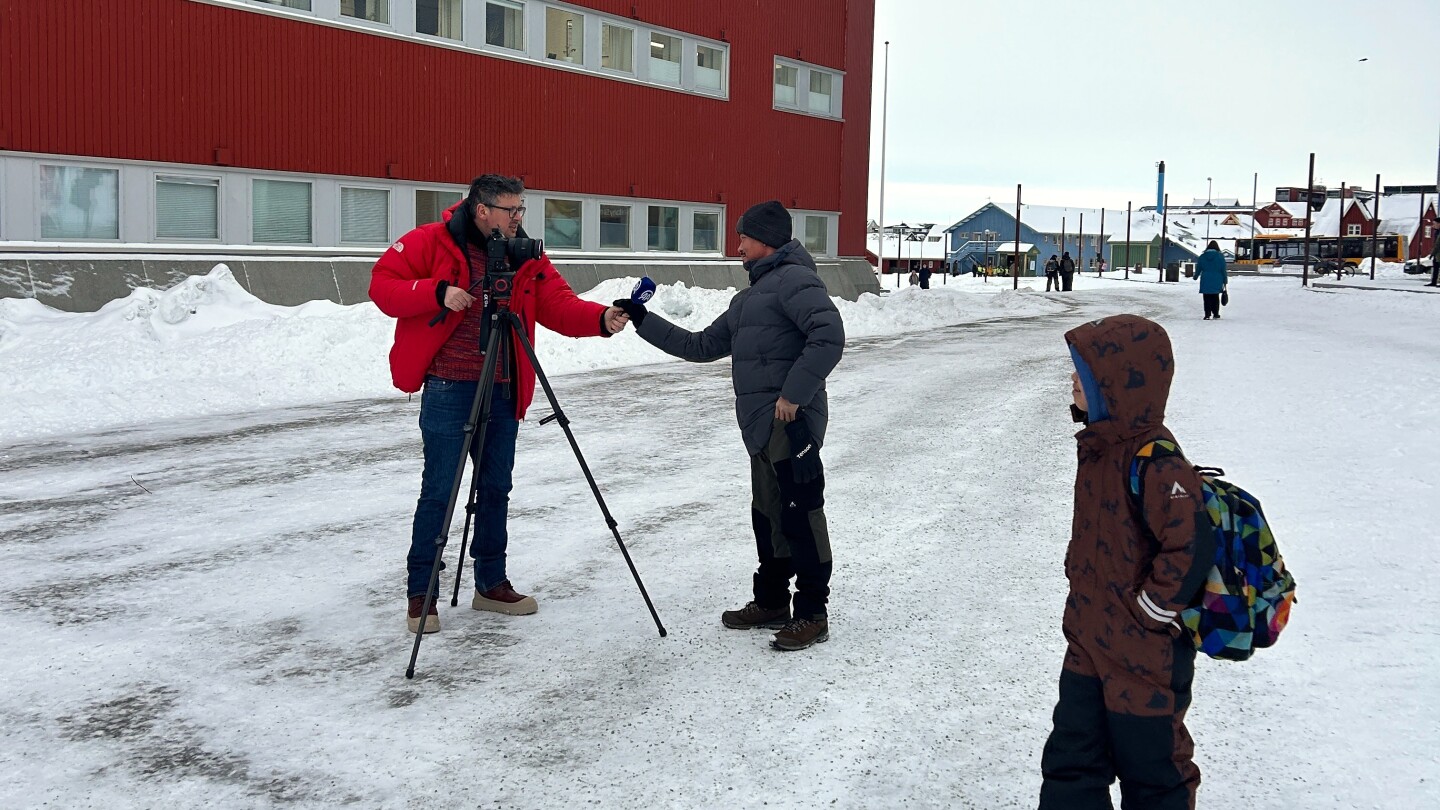
    NUUK, Greenland — The serene Arctic capital of Nuuk has transformed into an unlikely international media hub as journalists from across the globe descend upon Greenland to document the escalating geopolitical crisis sparked by U.S. President Donald Trump’s persistent claims of wanting to acquire the vast island territory.

    For weeks, international news crews from prestigious organizations including The Associated Press, Reuters, CNN, BBC, Al Jazeera, and various Scandinavian and Japanese outlets have been navigating Nuuk’s limited daylight hours—approximately five hours between 11 a.m. and 4 p.m.—to capture the multicolored houses, snow-capped hills, and freezing fjords that define Greenland’s landscape.

    The media attention represents what local politicians term ’round two’ of global interest, referencing Trump’s initial 2025 declarations about controlling Greenland. Journalists now station themselves every few meters along Nuuk’s central shopping street, conducting live broadcasts and repeatedly approaching the same local business owners and residents—some enduring up to 14 interviews daily.

    Greenland, a semi-autonomous territory of Denmark with a population of merely 57,000, finds itself at the center of a dangerous geopolitical standoff. Trump justifies his acquisition ambitions by citing national security concerns and alleging that China and Russia harbor similar designs on Greenland’s vast untapped mineral reserves. These claims have prompted Denmark’s Prime Minister to issue a stark warning that any U.S. attempt to seize Greenland by force could potentially dismantle the NATO alliance.

    Local residents express both exhaustion and bewilderment at the sustained attention. Juno Berthelsen, MP for the independence-seeking Naleraq opposition party, acknowledges the fatigue setting in among Greenland’s small population as journalists repeatedly ask the same questions. Young Greenlanders like 21-year-old Maya Martinsen characterize Trump’s obsession as ‘weird,’ accusing him of using national security as a pretext to access the island’s untouched oil and mineral resources.

    The overwhelming consensus among Greenlanders is that their future should remain theirs to determine. They emphasize that to them, Greenland represents home—a place of breathtaking natural beauty and community—rather than merely a business opportunity or geopolitical bargaining chip.

  • Turkey ‘in talks’ with Pakistan and Saudi over defence pact

    Turkey ‘in talks’ with Pakistan and Saudi over defence pact

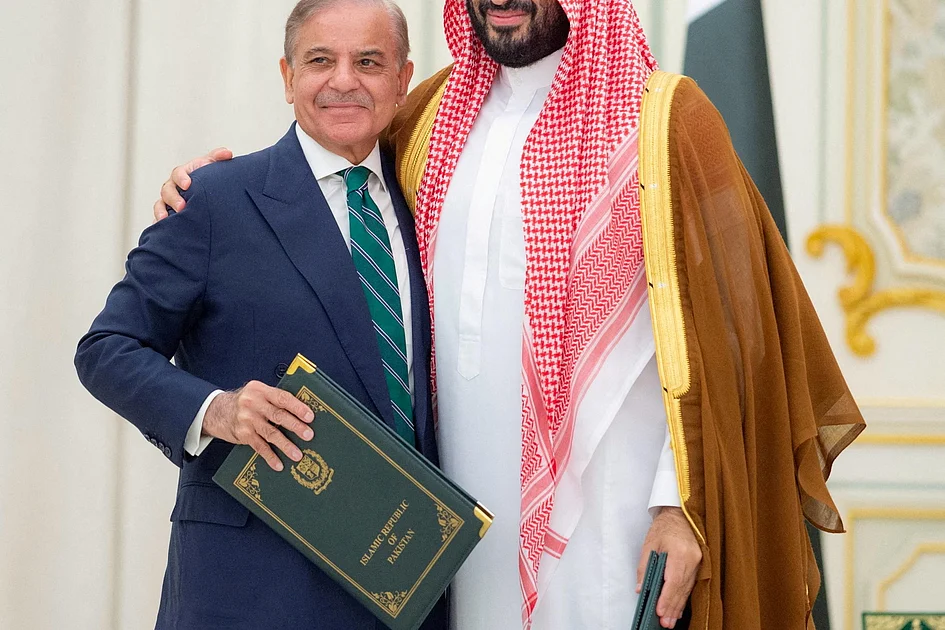
    Turkish Foreign Minister Hakan Fidan confirmed on Thursday that NATO member Turkey is actively negotiating with Pakistan and Saudi Arabia to join a bilateral defense agreement established between the two nations in September 2025. The announcement signals a significant expansion of regional security cooperation amid ongoing geopolitical tensions.

    President Recep Tayyip Erdogan’s administration is pursuing a “broader, more comprehensive vision” aimed at creating an expanded strategic platform, Minister Fidan stated. This development comes against the backdrop of heightened regional instability, particularly following the intense four-day conflict between Pakistan and India in May 2025 that resulted in over 70 casualties through missile, drone, and artillery exchanges—the most severe confrontation between the nuclear-armed neighbors since 1999.

    The existing Pakistan-Saudi defense pact, initially formed during Gulf regional tensions, has raised strategic questions within international circles. Particular attention has focused on the agreement’s potential nuclear dimensions, given Pakistan’s status as a nuclear weapons state. Both Pakistan and India have historically accused each other of supporting militant groups to destabilize their respective governments.

    Saudi Arabia reportedly played a crucial mediating role in de-escalating the recent India-Pakistan conflict. The potential inclusion of Turkey, a NATO member with significant regional influence, would create a substantial tripartite defense framework that could reshape security dynamics across the Middle East and South Asia.

  • Palestinian engineer Ali Shaath tapped to administer devastated Gaza

    Palestinian engineer Ali Shaath tapped to administer devastated Gaza

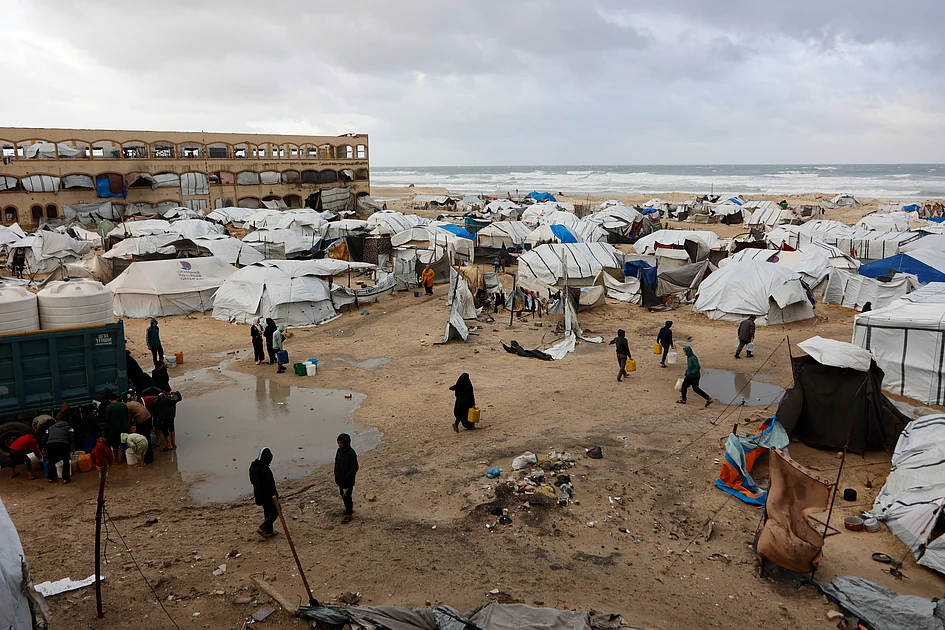
    A significant development has emerged in the Gaza conflict as U.S. diplomatic efforts transition into their second phase. President Donald Trump’s envoy, Steve Witkoff, confirmed the progression via social media, outlining a comprehensive shift from ceasefire arrangements toward demilitarization, technocratic governance, and reconstruction initiatives.

    The newly established 15-member Palestinian technocratic committee will assume administrative control over Gaza, operating under the supervision of an international ‘Board of Peace’ chaired personally by President Trump. Egyptian Foreign Minister Badr Abdelatty announced that all Palestinian factions have reached consensus on the committee’s composition, with former Palestinian Authority Deputy Minister Ali Shaath appointed to lead the governing body.

    This governance framework represents a crucial component of the 20-point U.S. peace plan, moving beyond the initial phase implemented in October that involved ceasefire protocols, prisoner-hostage exchanges, partial Israeli military withdrawal, and humanitarian aid escalation. The committee’s mandate includes managing daily life and essential services within the devastated territory, with deployment expected imminently.

    Notably, Hamas and its ally Islamic Jihad have committed to supporting the committee’s work despite their declared intention to avoid direct governance roles. A senior Hamas official, Taher al-Nunu, expressed the faction’s willingness to ensure the committee’s successful operation while limiting their involvement to oversight functions.

    However, significant challenges remain regarding the demilitarization requirements. Witkoff emphasized that phase two necessitates ‘full demilitarization and reconstruction of Gaza, primarily the disarmament of all unauthorized personnel.’ The U.S. expects Hamas to comply with these obligations, including the return of deceased hostage Ran Gvili, warning of ‘serious consequences’ for non-compliance.

    Israeli officials had previously insisted they would not discuss phase two until Gvili’s remains were returned, though Prime Minister Benjamin Netanyahu has since assured the family that governance developments would not hinder repatriation efforts. Meanwhile, discussions in Cairo have focused on additional critical elements including Israeli troop withdrawal, Rafah crossing reopening, and aid distribution mechanisms.

    The Board of Peace is anticipated to be announced within days, reportedly comprising approximately 15 world leaders with former UN Middle East envoy Nickolay Mladenov expected to lead ground operations.