分类: politics

  • From camouflage to tracksuits – Guinea’s junta leader poised to become civilian president

    From camouflage to tracksuits – Guinea’s junta leader poised to become civilian president

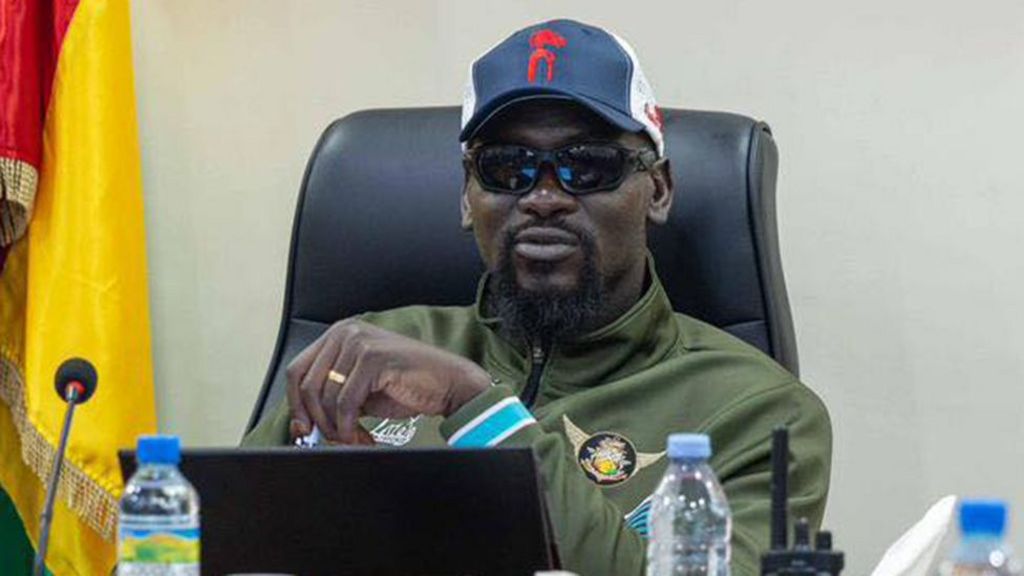
    Colonel Mamadi Doumbouya, who seized power in Guinea through a military coup in September 2021, is poised to be sworn in as the nation’s elected president on Saturday following a controversial electoral process. The 41-year-old former special forces commander, who initially promised not to seek elected office, secured 87% of the vote in December’s election against a severely constrained opposition field.

    Doumbouya’s political transformation has been accompanied by a deliberate image makeover. The once-imposing military figure, known for his mirrored sunglasses and red beret, has increasingly adopted civilian attire—baseball caps, tracksuits, and traditional Guinean boubous—while engaging in public activities such as school openings and cycling through Conakry’s streets. This carefully curated presentation aims to project him as a civilian leader working on behalf of the people, according to security analyst Beverly Ochieng of Control Risks.

    Despite his popular support evidenced by Afrobarometer polls showing trust in the president growing from 46% to 53% between 2022-2024, Doumbouya faces significant criticism over his democratic credentials. Exiled former Prime Minister Cellou Dalein Diallo has dismissed the election as a charade with fabricated results. Researchers point to banned political demonstrations, excluded opposition candidates, suspended parties, and mysterious disappearances of activists and journalists as evidence of democratic backsliding.

    Doumbouya’s governing philosophy emphasizes national sovereignty and resource nationalism. His government has canceled dozens of mining contracts deemed insufficiently beneficial to Guinea and is pursuing greater local processing of mineral resources. The development of Simandou’s massive iron-ore deposits, partially owned by Chinese and Western companies, represents a potential economic transformation that could define his presidency.

    Internationally, Doumbouya has maintained a pragmatic approach, avoiding the outright rejection of France seen in other West African coup states despite his French education and marriage to a French citizen. His administration promises to invest mining revenues in infrastructure, health, and education as Guinea seeks to leverage its natural resources despite persistent poverty.
  • Son of last Shah says Iran ‘will fall’, appeals for more pressure to help protesters

    Son of last Shah says Iran ‘will fall’, appeals for more pressure to help protesters

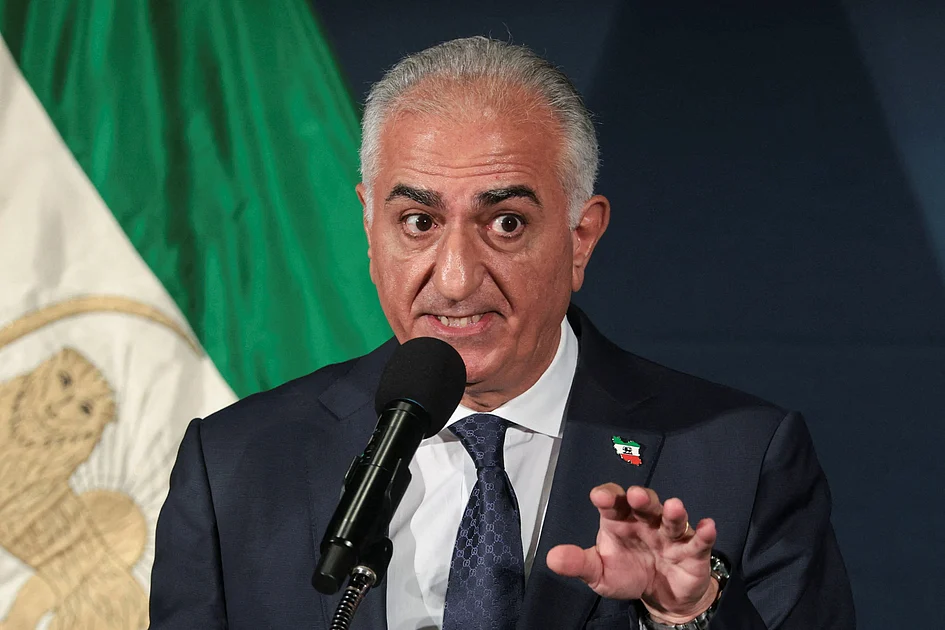
    In a significant address from Washington D.C., Reza Pahlavi, the exiled son of Iran’s deposed Shah, declared the inevitable collapse of Iran’s clerical establishment while urging intensified international pressure to support protest movements. The opposition figure asserted that substantial segments of Iran’s military and security apparatus have privately pledged allegiance to his cause, positioning himself as a unifying force for transitional stability.

    Pahlavi’s Friday conference marked a strategic appeal for comprehensive international intervention—encompassing political, economic, and military dimensions—against Tehran’s leadership. Despite acknowledging that government crackdowns have temporarily suppressed demonstrations, the 65-year-old monarchist heir maintained that popular discontent continues to simmer beneath the surface.

    The U.S.-based descendant of the Pahlavi dynasty, who has lived abroad since before the 1979 Islamic Revolution, faces skepticism regarding his actual influence within Iran’s fragmented opposition landscape. His claims of military support contrast with assessments from Western officials, including former U.S. President Donald Trump, who recently expressed doubts about Pahlavi’s capacity to consolidate domestic backing.

    This development occurs against the backdrop of reported thousands of casualties during recent anti-government protests and escalating geopolitical tensions, including Saudi Arabia’s refusal to permit its territory or airspace for potential U.S. operations against Iran. Pahlavi’s emergence as a prominent opposition voice represents both the persistent yearning for change among segments of Iranian society and the challenges of unifying disparate anti-regime factions operating from exile.

  • Blair and Rubio among names on Gaza ‘Board of Peace’

    Blair and Rubio among names on Gaza ‘Board of Peace’

    The Trump administration has formally established a high-profile ‘Board of Peace’ to spearhead Gaza’s stabilization and reconstruction efforts, naming US Secretary of State Marco Rubio and former UK Prime Minister Sir Tony Blair as founding members. The White House announced on Friday that this board constitutes a central component of President Trump’s 20-point roadmap to resolve the Israel-Hamas conflict.

    The founding executive board will be chaired by President Trump himself, with additional members including Middle East envoy Steve Witkoff, presidential son-in-law Jared Kushner, private equity executive Marc Rowan, World Bank chief Ajay Banga, and US National Security Adviser Robert Gabriel. According to the official statement, each member will oversee specific portfolios ‘critical to Gaza’s stabilisation and long-term success.’

    This development follows the creation of a separate 15-member Palestinian technocratic committee, the National Committee for the Administration of Gaza (NCAG), which will handle day-to-day governance under the board’s supervision. Ali Shaath, a former deputy minister in the Palestinian Authority, will lead the NCAG, while Bulgarian politician and former UN envoy Nickolay Mladenov will serve as the board’s ground representative in Gaza.

    The comprehensive plan also involves deploying an International Stabilisation Force (ISF) under US Major General Jasper Jeffers to train vetted Palestinian police forces and establish security conditions. Although the US peace initiative entered its second phase in October, implementing ceasefire agreements and partial Israeli withdrawals, the situation remains precarious with both sides reporting violations and ongoing casualties.

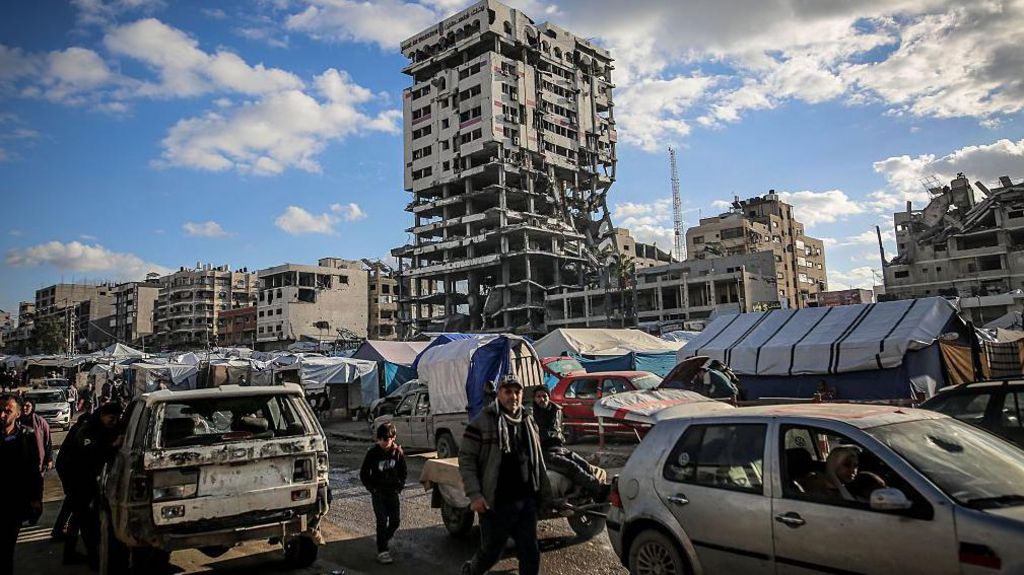
    Humanitarian conditions in Gaza continue to be dire according to UN assessments, emphasizing the urgent need for unimpeded aid delivery. The conflict, triggered by Hamas’s October 2023 attack that killed approximately 1,200 Israelis, has resulted in over 71,260 Palestinian deaths according to Gaza health officials.

  • US urges SDF pullback from eastern Aleppo, say sources

    US urges SDF pullback from eastern Aleppo, say sources

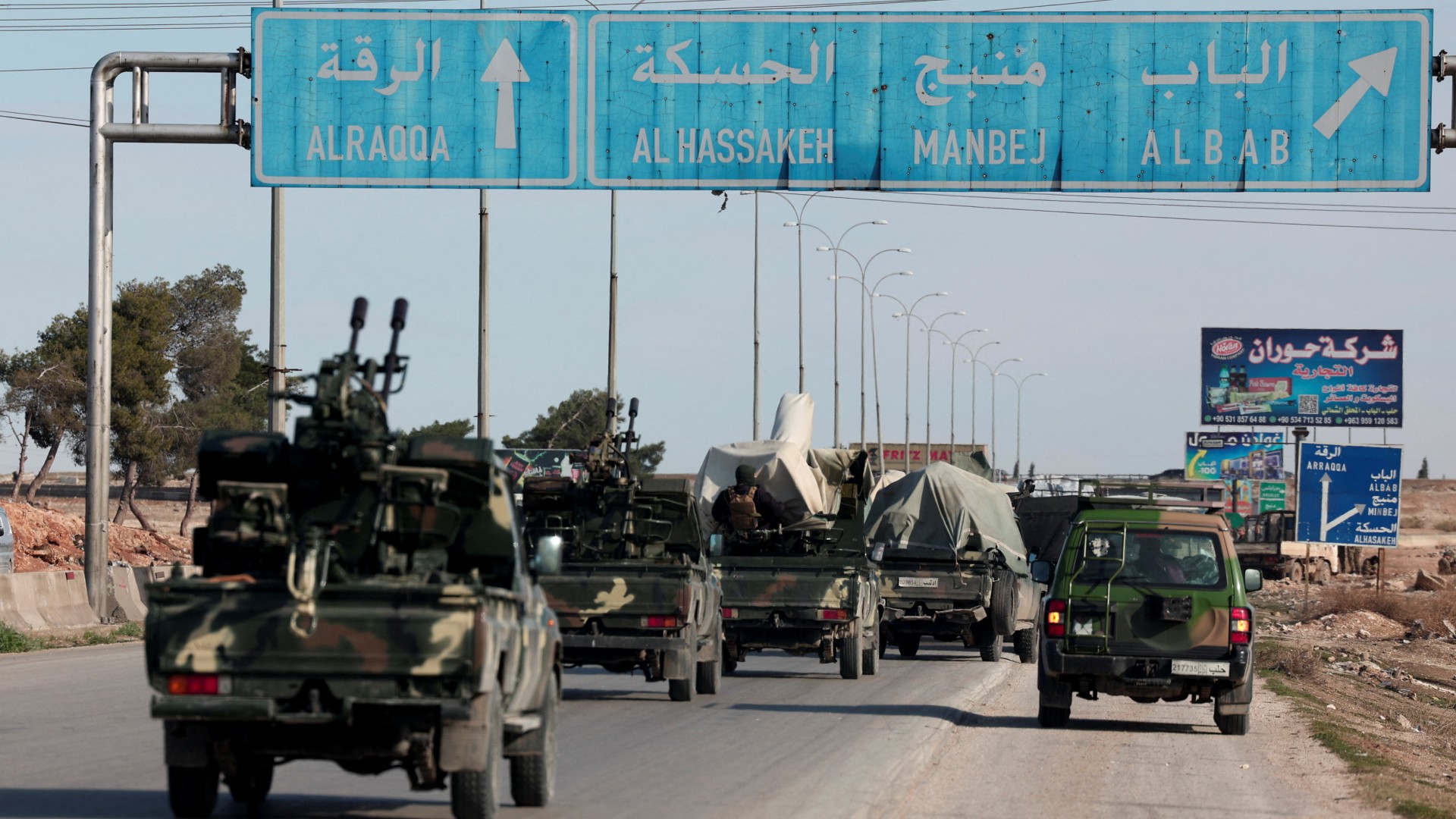
    In a significant development within Syria’s complex geopolitical landscape, the United States has unsuccessfully urged the Syrian Democratic Forces (SDF) to withdraw their remaining fighters from strategic positions in eastern Aleppo’s countryside. According to regional sources familiar with the matter who spoke with Middle East Eye, the Kurdish-led militia has formally rejected Washington’s proposal to vacate their last foothold on the western bank of the Euphrates River near Dayr Hafir.

    The refusal comes amid intensified shelling exchanges between Syrian government forces and SDF fighters, marking a dramatic escalation after months of relative calm between the parties. This renewed conflict follows a months-long ceasefire that collapsed earlier this month when Damascus launched operations to expel SDF-linked security units from Aleppo’s al-Ashrafiyah and Sheikh Maqsoud neighborhoods, alleging civilian casualties from sniper and mortar attacks.

    Multiple regional sources revealed that the Syrian government’s offensive received implicit authorization from Washington before implementation. Despite this, U.S. authorities subsequently requested the SDF to withdraw from the western Euphrates bank—a demand the Kurdish forces have now officially declined.

    The tension further complicates implementation efforts of the 10 March memorandum of understanding, an agreement designed to integrate Kurdish-led forces into Syria’s military infrastructure. Syrian President Ahmed al-Sharaa publicly accused SDF leadership of failing to honor the agreement, asserting their decision-making remains subordinate to the Kurdistan Workers’ Party (PKK) leadership based in Iraq’s Qandil Mountains.

    Ilham Ahmed, the SDF’s de-facto foreign affairs official, countered these claims during a Thursday press conference, stating: “The government’s assertion that we have not implemented the 10 March agreement is incorrect, and international parties are aware of this.” Ahmed confirmed ongoing communications with both U.S. and Turkish officials while awaiting responses to several de-escalation initiatives.

    Meanwhile, humanitarian concerns escalate as reports indicate the SDF blocked civilian evacuation routes established by Syrian forces on Thursday. A U.S. military delegation visited Dayr Hafir to assess the situation and reportedly planned to pressure the SDF to permit civilian departures.

    The Syrian military has publicly encouraged defections, broadcasting statements that welcome Kurdish and Arab fighters wishing to rejoin government forces while specifically condemning “PKK terrorist militias” for allegedly targeting civilians and undermining Syria’s social fabric. Defense Ministry reports claim several SDF fighters have already surrendered weapons on the Dayr Hafir front.

    With the Syrian army reportedly preparing broader operations to clear SDF positions, and diplomatic channels showing strain, the situation represents a critical deterioration in northeast Syria’s fragile stability.

  • Iran accuses US, Israel of meddling as FM speaks to UN, SCO chiefs over phone

    Iran accuses US, Israel of meddling as FM speaks to UN, SCO chiefs over phone

    In a series of high-level diplomatic exchanges, Iranian Foreign Minister Seyed Abbas Araghchi engaged in separate telephone discussions with United Nations Secretary-General Antonio Guterres and Shanghai Cooperation Organization (SCO) Secretary-General Nurlan Yermekbayev on Thursday. The conversations centered on recent domestic unrest in Iran, with Araghchi presenting detailed allegations of foreign interference.

    The Iranian diplomat asserted that initially peaceful demonstrations over economic concerns had been deliberately hijacked by externally-supported elements. He characterized the subsequent violence as the work of ‘trained terrorists’ operating with backing from the United States and Israel. Araghchi specifically accused Israel of maintaining a ‘direct role in arming and organizing terrorists’ while condemning what he termed ‘meddlesome’ statements from US officials that allegedly encouraged destabilizing activities.

    During the dialogue with UN leadership, Araghchi detailed numerous incidents of violence targeting security personnel, civilian populations, emergency medical services, and religious sites. He drew parallels between these actions and tactics employed by the Islamic State, urging both the UN and Security Council to formally denounce the violence alongside what Iran considers illegal interventions by the United States.

    In response, Secretary-General Guterres reaffirmed the fundamental principles of the UN Charter, emphasizing the importance of respecting basic human rights while simultaneously rejecting interference in the internal affairs of sovereign states. He specifically referenced provisions regarding the non-use of force or threat of force in international relations.

    The parallel discussion with SCO leadership yielded similar diplomatic reinforcement. Secretary-General Yermekbayev underscored the organization’s foundational principles of mutual respect for sovereignty, territorial integrity, and non-interference in internal affairs as essential components for sustainable international development.

    In related developments, Ali Larijani, Secretary of Iran’s Supreme National Security Council, communicated through diplomatic channels that Iran ‘will not be passive in the face of the US threatening rhetoric.’ This statement, delivered to senior Swiss diplomat Gabriel Luechinger, further illustrates Tehran’s firm stance against perceived external pressures.

    The ongoing protests, which began in late December across multiple Iranian urban centers, have evolved from expressions of economic dissatisfaction to occasions of significant civil unrest. Iranian authorities maintain they remain open to addressing legitimate economic concerns while simultaneously combating what they describe as foreign-sponsored violence and destabilization efforts.

  • Venezuela’s Machado mocked for giving Trump her Nobel Peace Prize

    Venezuela’s Machado mocked for giving Trump her Nobel Peace Prize

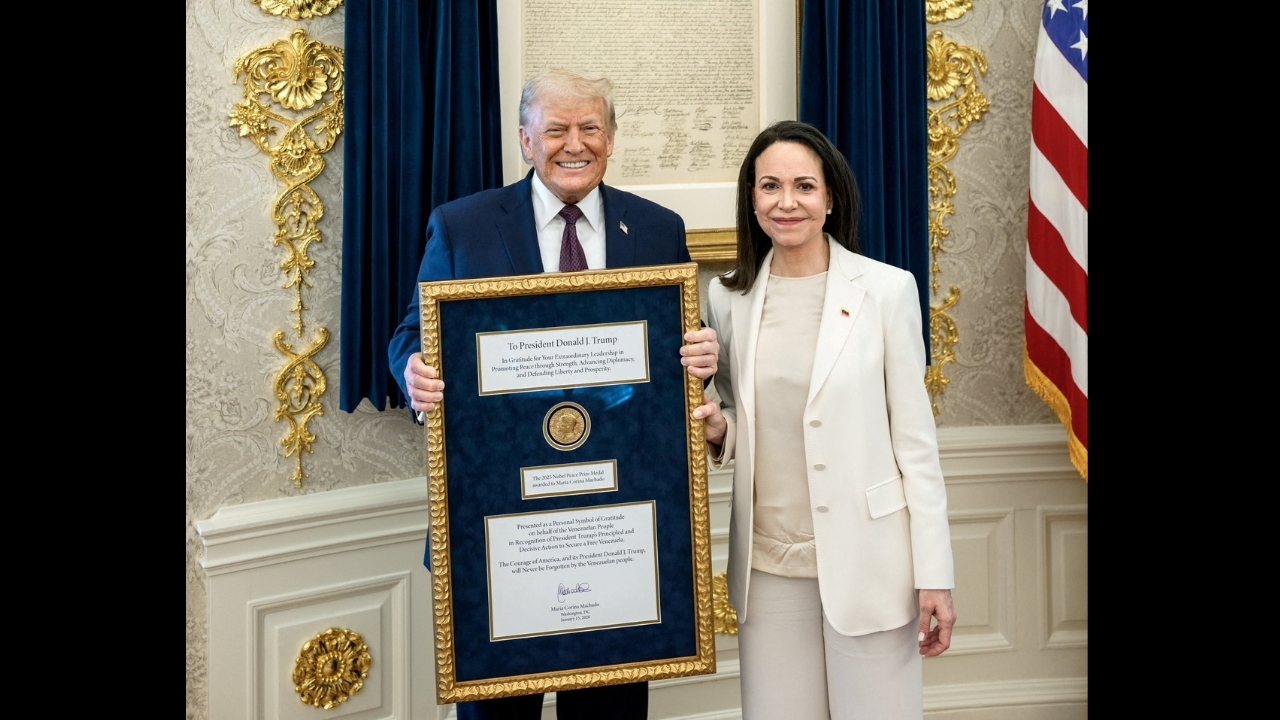
    In an unprecedented political spectacle, 2025 Nobel Peace Prize laureate María Corina Machado presented her medal to former U.S. President Donald Trump during a controversial White House meeting on Thursday. The Venezuelan opposition figure characterized this extraordinary transfer as symbolic recognition of Trump’s “unique commitment with Venezuela’s freedom.”

    The gesture ignited immediate international backlash across social media platforms, where critics denounced the act as everything from political groveling to historical vassalage. Prominent American author Joyce Carol Oates condemned the presentation as “grovelling before the most loathsome of male leaders,” while journalists described it as “one of the greatest acts of vassalage in recent history.”

    The Nobel Peace Center promptly clarified via social media that while physical medals may change ownership, the prestigious title of laureate remains non-transferable. This clarification emerged alongside widespread questioning of Machado’s initial worthiness for the award, with many users calling the medal transfer a “mockery” of the Nobel institution itself.

    Contextual scrutiny reveals deeper controversies: The Nobel committee faced significant criticism for their 2025 selection, with civil society organizations challenging Machado’s eligibility due to her alleged connections to Israeli Prime Minister Benjamin Netanyahu’s far-right Likud party and various European right-wing factions.

    Trump’s acceptance of the medal drew additional condemnation after he boasted on Truth Social about being honored for his diplomatic “work,” praising Machado’s gesture as one of “mutual respect.” This development appears particularly contradictory given Trump’s previously documented dismissals of Machado as “unpopular & unfit” to lead Venezuela.

    The White House had previously denounced the Nobel Committee’s original decision, accusing the body of prioritizing “politics over peace.” This latest episode compounds the controversy, with critics including India’s former Foreign Secretary Kanwal Sibal labeling the entire affair “Theatre of the Absurd.”

    This incident marks Trump’s second symbolic peace recognition within months, following FIFA’s unprecedented decision in December to award him a specially created “peace prize.” The convergence of these events has sparked broader discussions about the politicization of international honors and the evolving nature of diplomatic symbolism in contemporary geopolitics.

  • Canada’s deal with China signals it is serious about shift from US

    Canada’s deal with China signals it is serious about shift from US

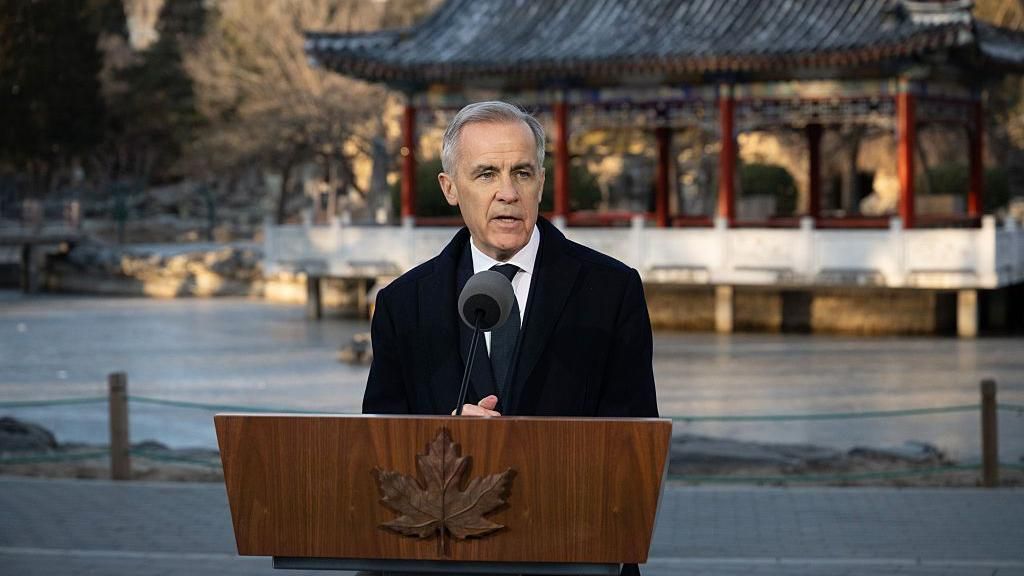
    In a strategic pivot signaling Canada’s evolving foreign policy approach, Prime Minister Mark Carney has secured a significant trade agreement with China that reduces tariffs on electric vehicles and agricultural products. The deal, announced Friday, lowers Canada’s levies on Chinese EVs from 100% to 6.1% for the first 49,000 imported vehicles annually, with quotas potentially expanding to 70,000 within five years. In exchange, China will slash tariffs on Canadian canola seed from 84% to approximately 15% by March 1 and eliminate retaliatory tariffs on Canadian canola meal, lobsters, crabs, and peas until year-end.

    This arrangement marks a notable departure from Carney’s previous characterization of China as “the biggest security threat” to Canada less than a year ago. The Prime Minister defended the policy shift by stating, “We take the world as it is, not as we wish it to be,” emphasizing that global circumstances have fundamentally changed. He described the agreement as positioning Canada advantageously for the “new world order” while making the relationship with Beijing “more predictable” than Canada’s ties with the United States under the Trump administration.

    Domestic reactions revealed sharp regional divisions. Saskatchewan Premier Scott Moe welcomed the agricultural concessions as “very good news” for farmers devastated by Chinese tariffs, while Ontario Premier Doug Ford condemned the EV provisions as economically damaging to Canada’s auto sector. Experts projected Chinese automakers could capture up to 10% of Canada’s EV market, potentially pressuring US manufacturers like Tesla.

    The agreement emerges against a backdrop of deteriorating US-Canada trade relations. Since returning to office, President Trump has imposed tariffs on Canadian metals and automotive sectors while threatening to abandon the USMCA trade agreement currently under mandatory review. Trade analyst Eric Miller noted the China deal reflects Canada’s recognition that North American trade stability remains uncertain, stating: “There’s a reasonable chance we could end up in 2026 without a meaningful, workable trade deal with the United States.”

    The White House response appeared divided, with Trade Representative Jamieson Greer calling the arrangement “problematic” while President Trump endorsed bilateral deals with China. The agreement coincides with preparations for Trump’s April meeting with President Xi Jinping in Beijing, highlighting the complex interplay of global trade relationships. Prime Minister Carney characterized the agreement as the initial phase in a broader “strategic, pragmatic, and decisive” recalibration of Canada’s international trade posture.

  • Museveni in commanding lead ahead of election announcement

    Museveni in commanding lead ahead of election announcement

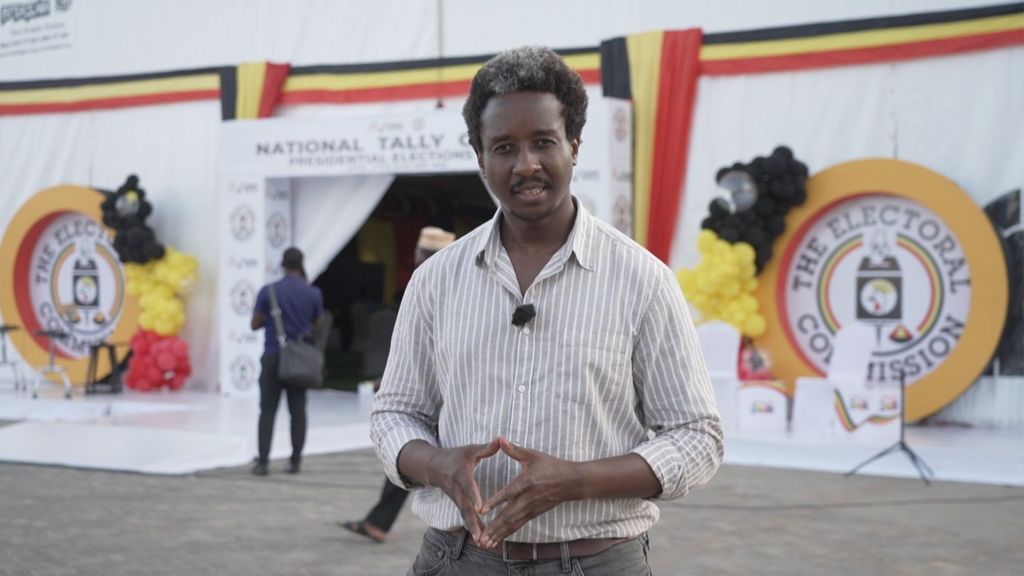
    Early electoral results from Uganda’s presidential race indicate a substantial advantage for long-serving incumbent Yoweri Museveni. The 76-year-old leader, who has held power since 1986, is significantly outpacing his primary opponent, Robert Kyagulanyi, the musician and legislator popularly known as Bobi Wine.

    The electoral commission’s preliminary tallies show Museveni maintaining a dominant position as vote counting progresses across the nation. This development follows an intensely contested campaign period marked by widespread allegations of government suppression, internet restrictions, and violent clashes between security forces and opposition supporters.

    International observers and human rights organizations have raised serious concerns about the electoral process’s fairness, citing the arrest of opposition figures, restrictions on independent media coverage, and the government’s shutdown of internet services during the critical voting period. Despite these challenges, electoral officials maintain that the process has been conducted according to established procedures.

    The outcome of this election carries significant implications for Uganda’s political trajectory and its relations with international partners. Museveni’s potential extended tenure would represent a continuation of policies that have characterized his leadership, while a surprise outcome favoring Kyagulanyi would signal a dramatic political shift for the East African nation.

  • Why’s the US craving Greenland?

    Why’s the US craving Greenland?

    The United States’ persistent interest in acquiring Greenland represents a complex geopolitical calculation rooted in strategic positioning and resource acquisition. This Arctic territory, while under Danish sovereignty, has captured Washington’s attention for its unparalleled military advantages and vast mineral wealth.

    Geopolitical analysts identify Greenland’s northern location as providing critical strategic dominance in the rapidly evolving Arctic theater. As climate change opens new shipping lanes and resource exploration opportunities, control of Greenland would offer the US enhanced surveillance capabilities and military positioning against competing powers, particularly Russia and China.

    The island contains substantial deposits of rare earth minerals and other critical resources essential for modern technology and defense applications. These materials hold significant importance for both economic security and military technological advancement, reducing American dependence on foreign supply chains.

    Despite Denmark’s consistent objections and the European Union’s reservations, US interest has remained undiminished. The tension between American strategic ambitions and European sovereignty concerns continues to shape diplomatic discussions in the Arctic region.

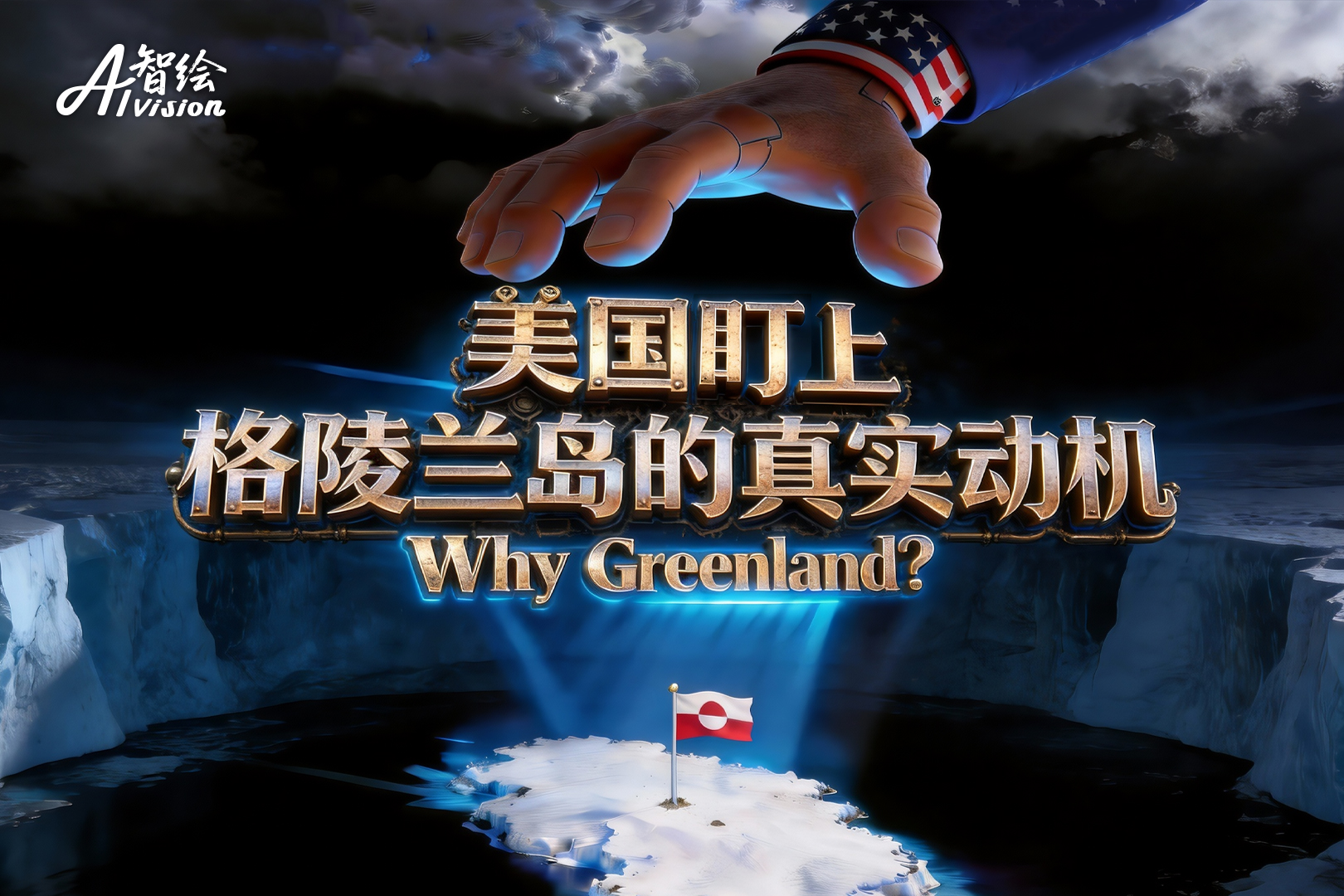
    The phenomenon has even entered popular culture, with an AI-generated rap video titled ‘Why Greenland?’ utilizing striking visuals and infectious rhythms to break down the geopolitical implications for broader public consumption. This cultural manifestation underscores how the Greenland question has captured imagination beyond policy circles.

  • Saudi Arabia finalises new military coalition with Somalia and Egypt

    Saudi Arabia finalises new military coalition with Somalia and Egypt

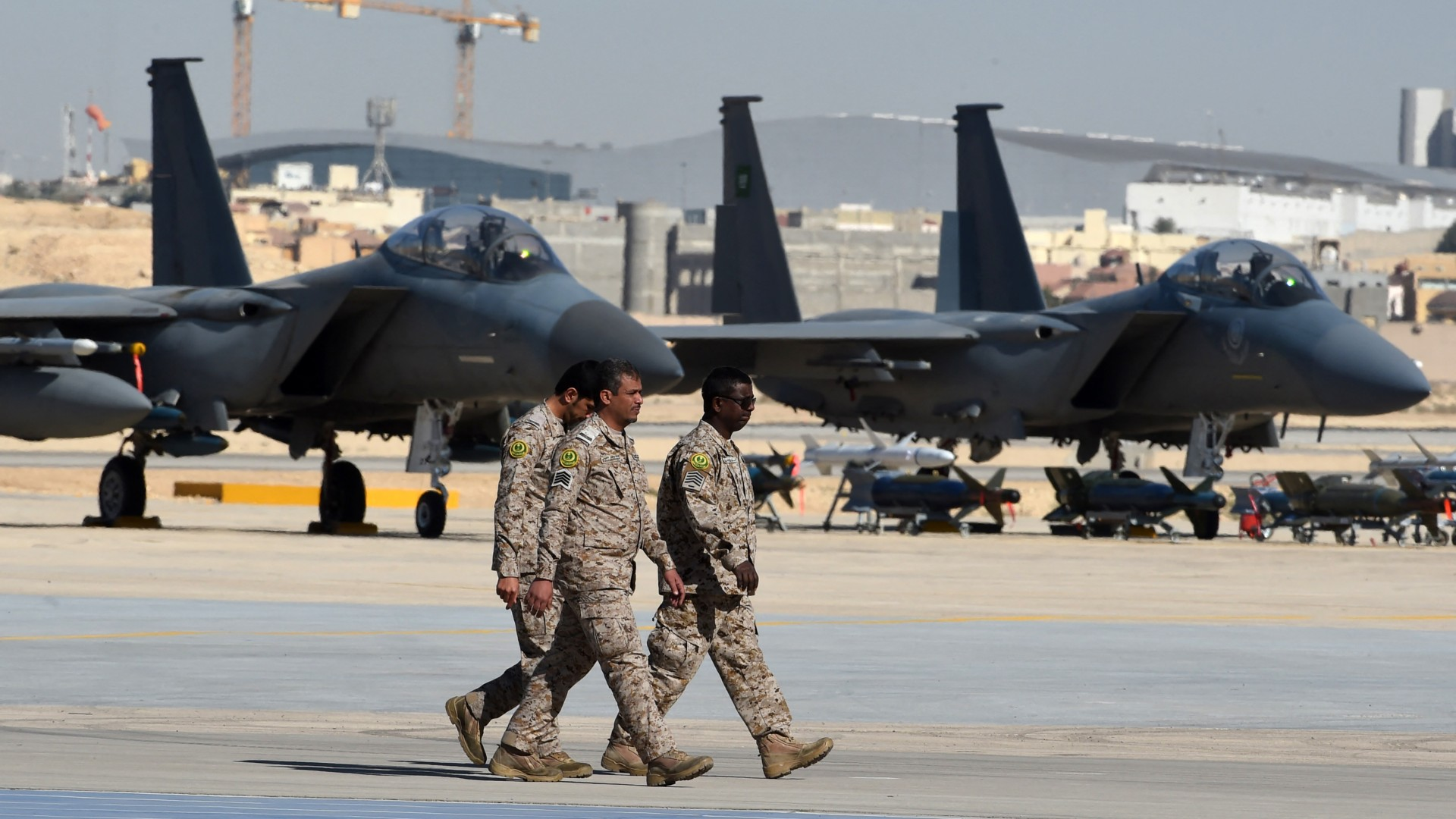
    Saudi Arabia is spearheading the formation of a new tripartite military alliance with Somalia and Egypt, marking a significant strategic realignment in the Horn of Africa and Red Sea region. This development, reported by Bloomberg, represents Riyadh’s deliberate effort to diminish the United Arab Emirates’ expanding influence across these strategic waterways.

    The impending agreement, set to be finalized during Somali President Hassan Sheikh Mohamud’s upcoming visit to Riyadh, aims to enhance regional security coordination and military cooperation. This initiative emerges amid escalating tensions between the Gulf powerhouses, particularly following Saudi Arabia’s directive for Emirati forces to withdraw from Yemen—a move intended to terminate UAE support for Yemeni separatist factions.

    Tensions reached a critical point on December 30th when Saudi airstrikes targeted the Yemeni port city of Mukalla, destroying what was identified as an Emirati weapons shipment destined for the Southern Transitional Council (STC) separatists. This military action ignited a unprecedented public dispute between Saudi and Emirati commentators, disrupting years of carefully maintained Gulf unity rhetoric.

    The Saudi government defended its operations as a “limited” response to protect national security interests, characterizing Emirati activities as “extremely dangerous.” Subsequently, Yemen’s Presidential Leadership Council demanded UAE forces depart Yemen, canceled defense agreements with Abu Dhabi, and implemented emergency port restrictions.

    Simultaneously, Somalia annulled its security and port agreements with the UAE, citing violations of national sovereignty after Emirati authorities facilitated the extraction of STC leader Aidarous al-Zubaidi through Somali territory. Questions of Somali sovereignty have intensified recently as the UAE and Israel strengthened ties with Somaliland, a breakaway region not recognized internationally.

    Saudi Arabia has explicitly endorsed Somalia’s territorial integrity, joining other Muslim-majority nations in condemning Israeli engagement with Somaliland. While the UAE has formally acknowledged Somali sovereignty, it has concurrently developed substantial military and economic relationships with regional administrations in Somaliland and Puntland, including significant investments in the ports of Berbera and Bosaso.

    Egypt emerges as a crucial partner in this realignment, with senior Egyptian sources revealing that Cairo provided Saudi Arabia with intelligence regarding Emirati operations in Yemen—a maneuver described as a “carefully planned” strategic offering. Egyptian diplomats had previously proposed a regional defense force under the 1950 Joint Defence and Economic Cooperation Treaty, though this initiative faced opposition from Qatar and the UAE.

    This security realignment extends beyond immediate regional partners, with Turkey reportedly seeking to join an existing military pact between Saudi Arabia and Pakistan. Turkish officials characterize the proposed cooperation as a defensive mechanism rather than a NATO-style alliance.

    Regional experts interpret these developments as signaling a fundamental transformation in Middle Eastern geopolitics. Dr. Andreas Krieg of King’s College London observes that the UAE is constructing a regional axis that includes Israel while excluding traditional Arab partners, noting that “The Emiratis are building an axis that is trying to exclude Saudi Arabia.

    The proliferation of defense agreements with Saudi Arabia indicates growing interest in establishing a cohesive Arab defense framework to counterbalance the influence of both Israel and the UAE, marking a potentially historic shift in regional power dynamics.