分类: politics

  • House of Representatives approves $3.3bn in military aid to Israel

    House of Representatives approves $3.3bn in military aid to Israel

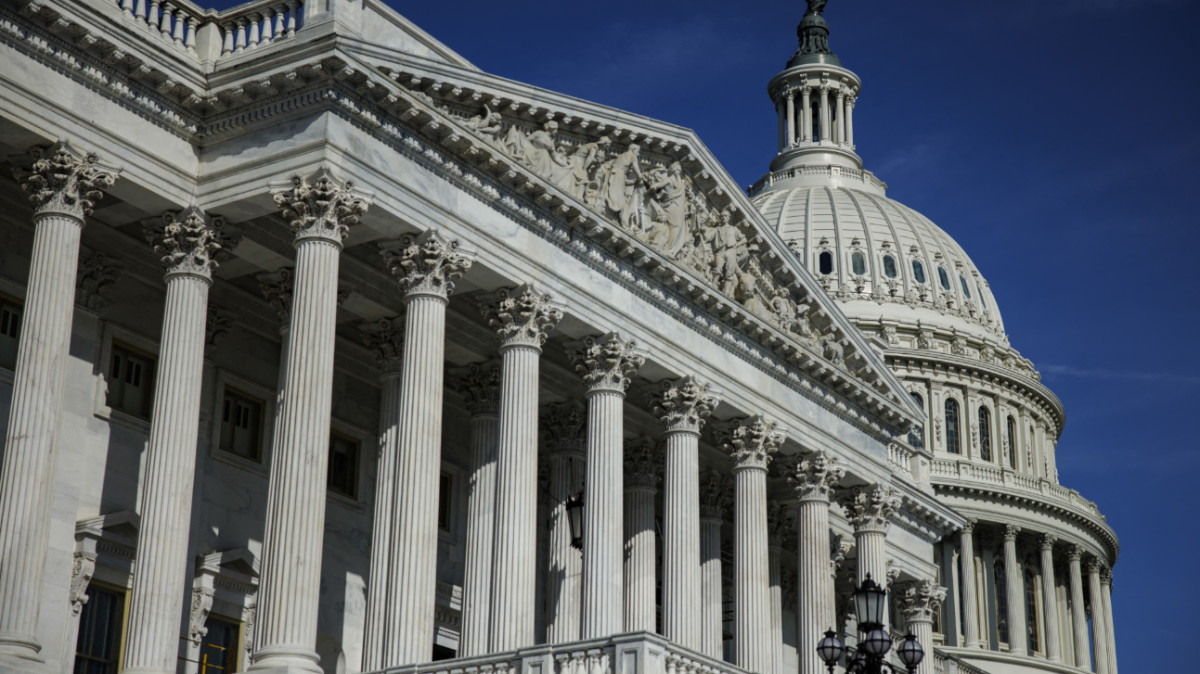
    In a significant move underscoring continued American support for its Middle Eastern ally, the US House of Representatives has approved a substantial military aid package for Israel. The funding, totaling $3.3 billion in Foreign Military Financing (FMF), was passed on Wednesday as part of the broader National Security, Department of State, and Related Programs Appropriations Act (NSRP) of 2026.

    The legislative approval comes at a time of heightened regional instability, with the Biden administration reportedly considering additional military actions against Iran. This development follows recent hostilities between Israel and Iran, including a 12-day conflict in June that concluded with US airstrikes targeting Tehran’s nuclear infrastructure.

    Unlike traditional arms sales where nations use their own funds to purchase American equipment, the FMF program represents direct taxpayer-funded assistance where the US government procures weapons from defense contractors on behalf of recipient countries. Israel remains the largest beneficiary of this program under a decade-long agreement established in 2018, which is scheduled for renegotiation in 2028.

    The American Israel Public Affairs Committee (AIPAC) enthusiastically endorsed the legislation, stating: “The pro-Israel provisions in this bill further reinforce the bipartisan and ironclad support for the US-Israel partnership in Congress. These resources help ensure that our ally can confront shared strategic threats and that America has a strong and capable ally in the heart of the Middle East.”

    According to research from Brown University, US military support to Israel has dramatically increased following Hamas’s October 2023 attacks and subsequent hostilities in Gaza, with total defense subsidies reaching approximately $34 billion. This figure encompasses both the standing FMF agreement and supplementary assistance provided during recent conflicts.

    The comprehensive NSRP legislation allocates roughly $50 billion for State Department operations, foreign aid, and international security assistance. Notably, the bill also contains provisions prohibiting US funding for several international bodies, including the International Criminal Court, the International Court of Justice, the UN Commission of Inquiry, and completely bans support for the UN agency serving Palestinian refugees.

    This latest appropriation builds upon previous defense authorizations, including the 2026 National Defence Authorisation Act passed in December, which provided additional specialized funding including $500 million for missile defense systems, $80 million for counter-tunneling operations, and $70 million for joint drone threat mitigation initiatives.
  • Trump warns of tariffs on nations not backing his Greenland plan

    Trump warns of tariffs on nations not backing his Greenland plan

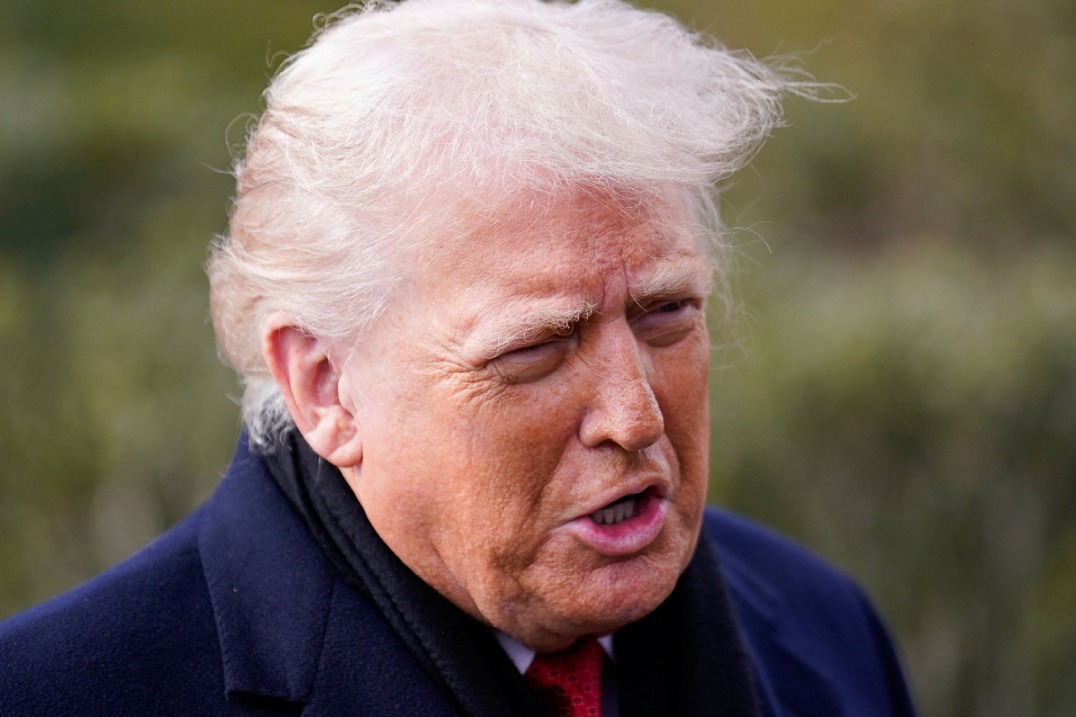
    President Donald Trump has issued a stark warning to the international community, suggesting potential tariff impositions on nations that refuse to endorse his controversial proposal for the United States to acquire Greenland. The declaration came during a White House press briefing on Friday as the President prepared to depart for Florida.

    “I may implement tariffs on countries should they fail to support our position regarding Greenland, which we consider vital for national security interests,” Trump stated, though he provided no specific details regarding which nations might be targeted or the proposed tariff rates.

    This latest development follows Wednesday’s high-level diplomatic meeting between American, Danish, and Greenlandic officials that concluded with what sources describe as a “fundamental disagreement” regarding the future status of the massive Arctic territory. The discussions involved US Vice President JD Vance, Secretary of State Marco Rubio, Danish Foreign Minister Lars Lokke Rasmussen, and Greenlandic Foreign Minister Vivian Motzfeldt.

    Greenland currently operates as a self-governing territory within the Kingdom of Denmark, with Copenhagen maintaining control over defense and foreign policy matters. The United States already maintains strategic military installations on the island, including Thule Air Base, which has served as a crucial early warning radar site since the Cold War era.

    The Trump administration has demonstrated an increasing willingness to employ economic measures, including tariffs, as instruments of foreign policy beyond traditional trade disputes. Since returning to office in 2025, the administration has expanded tariff implementations to address issues ranging from fentanyl trafficking and sanctions enforcement against Iran to water rights negotiations with Mexico.

    The President’s persistent interest in acquiring Greenland—which he has reportedly described as a “large real estate deal”—has created diplomatic tensions with Denmark, a longstanding NATO ally. The Danish government has consistently maintained that Greenland is not for sale or transfer.

  • Syrian president makes Kurdish ‘national language’, declares Nowruz a public holiday

    Syrian president makes Kurdish ‘national language’, declares Nowruz a public holiday

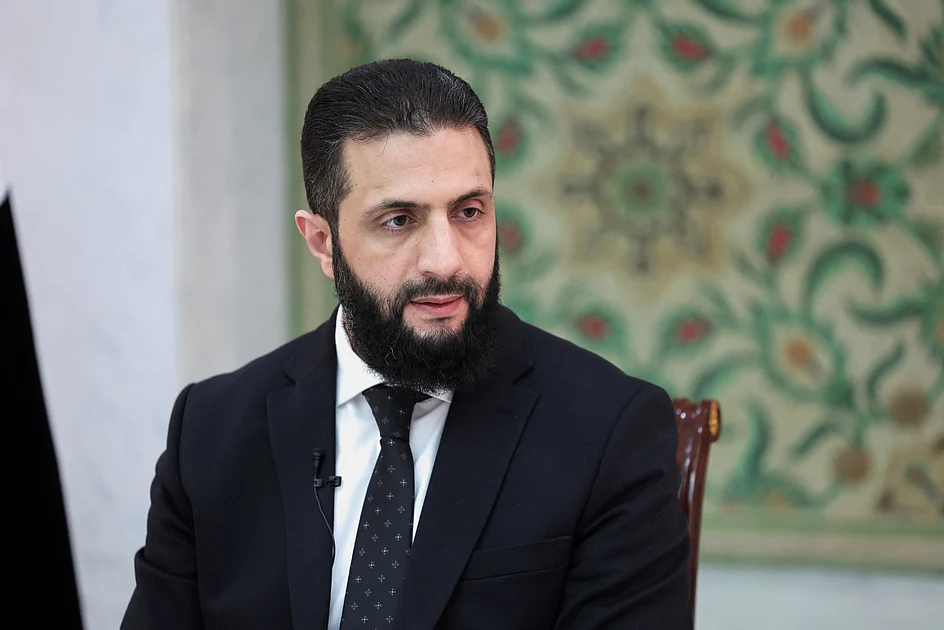
    In a historic move signaling significant cultural and political reform, Syrian President Ahmed Al-Sharaa has enacted a sweeping decree that fundamentally redefines the nation’s linguistic and cultural landscape. The presidential declaration establishes Kurdish as a national language alongside Arabic, marking an unprecedented recognition of Syria’s Kurdish minority.

    The comprehensive legislation affirms that citizens of Kurdish origin constitute an essential and integral component of the Syrian populace, acknowledging their cultural and linguistic identity as a vital element within Syria’s diverse national fabric. The state now formally commits to safeguarding cultural and linguistic diversity while guaranteeing Kurdish citizens the right to preserve their heritage, arts, and native language within national sovereignty parameters.

    Educational systems will undergo substantial transformation, with Kurdish language instruction permitted in both public and private institutions across regions with significant Kurdish populations. The curriculum integration will occur through optional academic programs or cultural educational activities.

    In a profound rectification of historical grievances, the decree nullifies all legislation and exceptional measures stemming from the controversial 1962 census in Al-Hasakah Governorate. This includes granting Syrian nationality to all Kurdish-origin residents previously registered as ‘unrecorded’ (maktoumeen al-qayd), ensuring full equality in rights and responsibilities.

    Furthermore, the ancient Kurdish festival of Nowruz, celebrating the spring equinox on March 21st, receives designation as an official paid public holiday throughout the Syrian Arab Republic. This recognition establishes the festival as a national celebration symbolizing renewal and fraternity among all Syrians.

  • Large crowds expected for ‘Hands off Greenland’ protests

    Large crowds expected for ‘Hands off Greenland’ protests

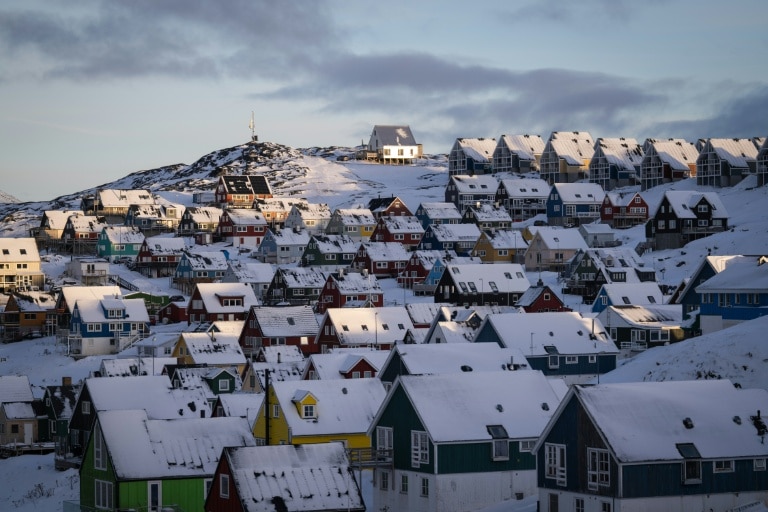
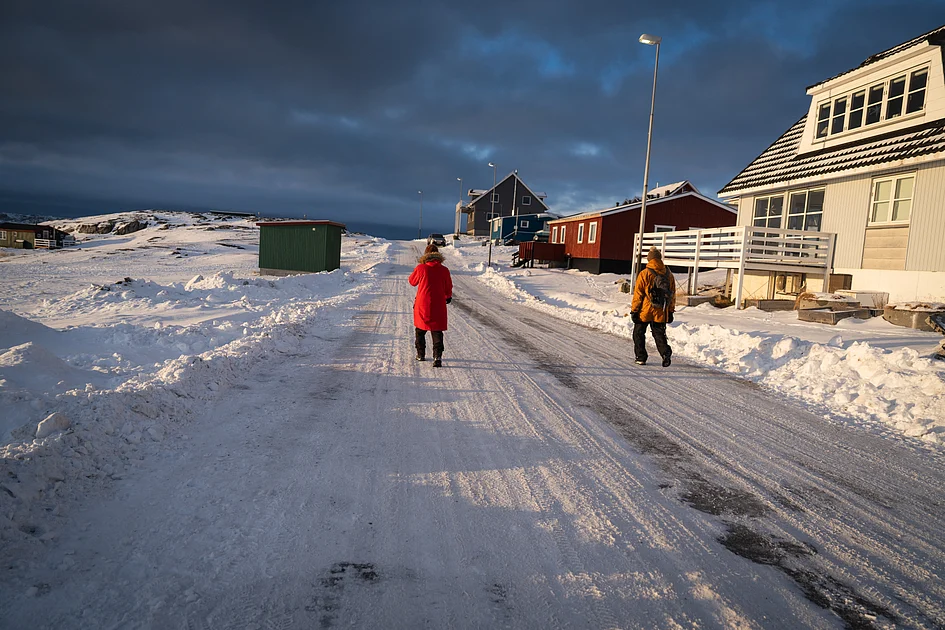
    Widespread demonstrations organized by Greenlandic associations are unfolding across Denmark and Greenland in a powerful display of opposition to U.S. President Donald Trump’s expressed interest in acquiring the autonomous Arctic territory. The coordinated protests, occurring in major cities including Copenhagen, Aarhus, Aalborg, Odense, and the Greenlandic capital of Nuuk, represent a significant grassroots mobilization against what organizers term “illegal plans” for American control.

    The citizen movement ‘Hands Off Greenland,’ alongside Uagut (an association of Greenlanders in Denmark) and the Inuit umbrella organization, initiated these rallies coinciding with a visit by a bipartisan U.S. congressional delegation to Copenhagen. Protesters in Nuuk planned to march toward the U.S. consulate bearing Greenlandic flags, while the Copenhagen demonstration included a stop at the U.S. embassy.

    Julie Rademacher, chairwoman of Uagut, emphasized the need for unity, stating recent developments have placed Greenlanders “under pressure.” Organizers Kristian Johansen and Avijaja Rosing-Olsen articulated the core demands: respect for Greenland’s right to self-determination, adherence to international law, and recognition of fundamental human rights. Their statements highlight that this struggle transcends local concerns, representing a matter of global significance.

    The protests follow President Trump’s recent escalation in rhetoric, including threats to impose tariffs on countries opposing his Greenland ambitions. This stance appears dramatically at odds with Greenlandic public opinion—a January 2025 poll indicated overwhelming opposition to joining the United States, with 85% against the proposition and only 6% in favor.

  • FAA urges pilots to exercise caution over eastern Pacific, citing ‘military activities’

    FAA urges pilots to exercise caution over eastern Pacific, citing ‘military activities’

    The Federal Aviation Administration (FAA) has issued significant flight safety advisories for aircraft operating over the eastern Pacific region, specifically highlighting areas adjacent to Mexico, Central America, and certain South American territories. These warnings, disseminated through official Notices to Airmen (NOTAMs) on Friday, cite heightened military activities and concerning instances of satellite navigation interference as primary reasons for caution.

    The FAA’s advisory explicitly states that ‘potential risks exist for aircraft at all altitudes,’ encompassing overflight operations as well as critical flight phases including arrival and departure procedures. Such notifications represent standard protocol when aerial operations might be affected by regional security developments.

    This aviation guidance emerges against the backdrop of sustained U.S. military engagement in the Caribbean Sea and eastern Pacific waters. Over the preceding four months, American forces have conducted approximately 35 targeted strikes against vessels allegedly involved in narcotics trafficking. According to official figures from the Trump administration, these operations resulted in at least 115 casualties.

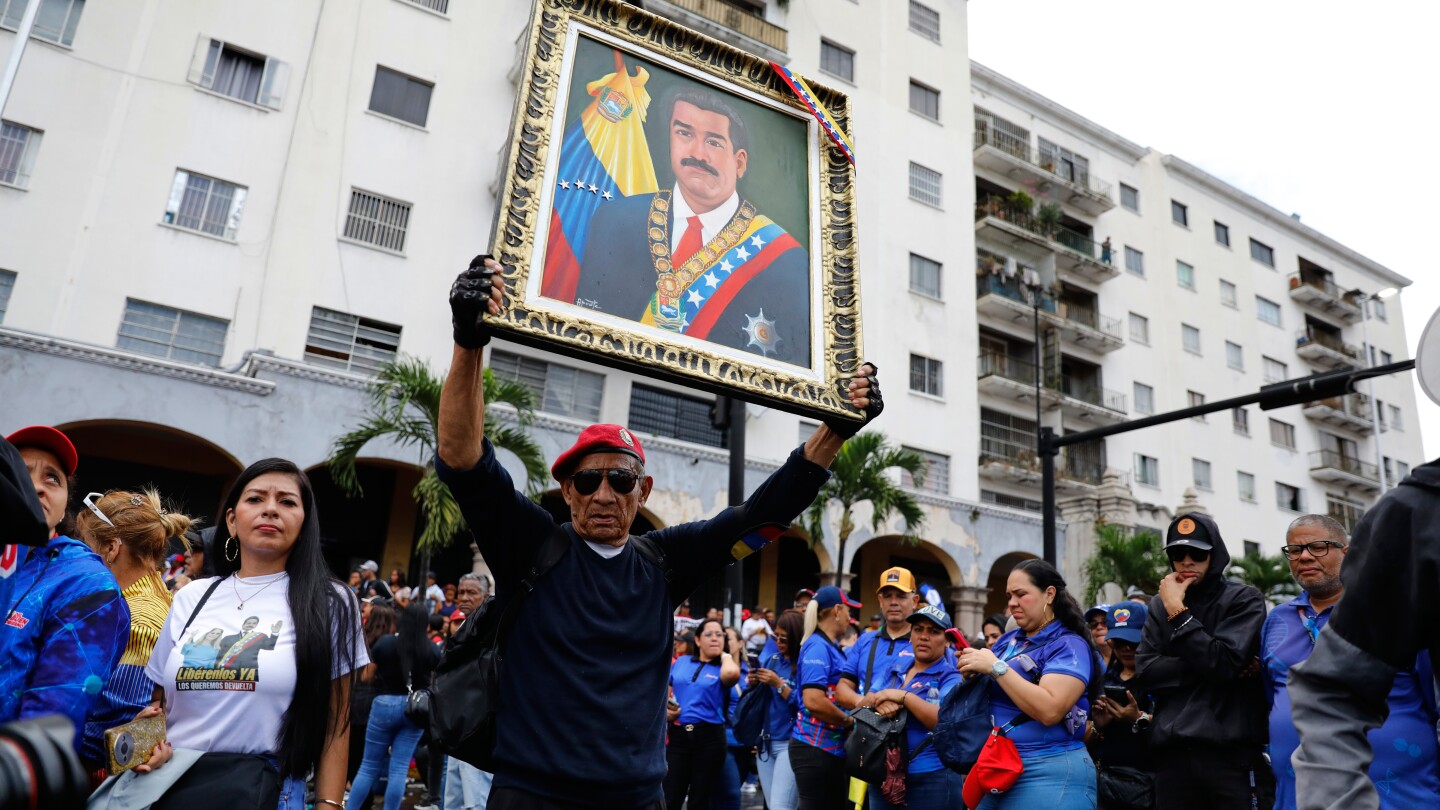
    The situation escalated dramatically with a confirmed ‘large-scale strike’ targeting Venezuelan interests. In a consequential development, Venezuelan President Nicolás Maduro and First Lady Cilia Flores were apprehended and extradited to New York, where they now confront federal indictments on drug trafficking charges. These extraordinary events have significantly altered the regional security landscape, prompting aviation authorities to implement enhanced precautionary measures for civilian air traffic.

  • How did Kuwait end up on the US immigrant visa ban?

    How did Kuwait end up on the US immigrant visa ban?

    In a perplexing diplomatic development, the Trump administration’s recent suspension of immigrant visas for nationals from 75 countries has placed Kuwait—a wealthy Gulf nation and major non-NATO US ally—alongside nations deemed to have unacceptable welfare dependency rates. This classification has baffled regional experts given Kuwait’s strategic military importance and longstanding cooperation with American interests.

    Kuwait stands as a definitive outlier on the restricted list. With a per capita GDP approaching $33,000 and one of the world’s strongest currencies, the Kuwaiti Dinar, the nation possesses considerable wealth. Its social welfare system remains so comprehensive that citizens frequently retire comfortably in their late forties.

    The strategic relationship between Washington and Kuwait has deepened significantly since the 1990-1991 Gulf War, when US-led forces liberated the country from Iraqi occupation. Kuwait subsequently served as critical infrastructure for the 2003 invasion of Iraq and became indispensable to counter-IS operations starting in 2014. Currently, approximately 13,500 US troops remain stationed at multiple American-run bases within Kuwait’s borders—making it the fourth-largest host of US forces globally, trailing only Germany, Japan, and South Korea.

    On the very day the visa restrictions were announced, the Pentagon notified Congress of an $800 million weapons sale to Kuwait, including Patriot missile system upgrades, spare parts, and training programs. This transaction further underscores the ongoing defense cooperation between the nations.

    Regional specialists have proposed multiple theories behind Kuwait’s inclusion. Some suggest it may represent a tactical pressure strategy to extract concessions on issues of regional importance to the United States. Kuwait maintains notably independent foreign policies, including refusal to normalize relations with Israel and maintaining friendly ties with Iran—positions that distinguish it from neighboring Gulf states.

    Additional considerations involve Kuwait’s relationship with the Muslim Brotherhood, which the Trump administration designated as a terrorist organization in several countries last year. While Kuwait hasn’t aggressively prosecuted the organization, regional powers like the UAE and Saudi Arabia have intensely lobbied for its suppression.

    Human rights concerns may also factor into the equation. Since September 2024, Kuwait has revoked citizenship from at least 50,000 people—a figure some activists believe could reach 200,000. These revocations, which the government ceased regularly reporting in September 2025, potentially represent significant human rights violations that past administrations might have addressed more forcefully.

    Experts note that unlike Saudi Arabia and Qatar, which have made lavish financial commitments to the Trump administration, Kuwait maintains a quieter relationship with Washington. This diplomatic approach may have left it more vulnerable to such policy decisions despite its strategic importance.

  • Outrage after US diplomat Sarab B Rogers equates refugees with ‘barbarian racist hordes’

    Outrage after US diplomat Sarab B Rogers equates refugees with ‘barbarian racist hordes’

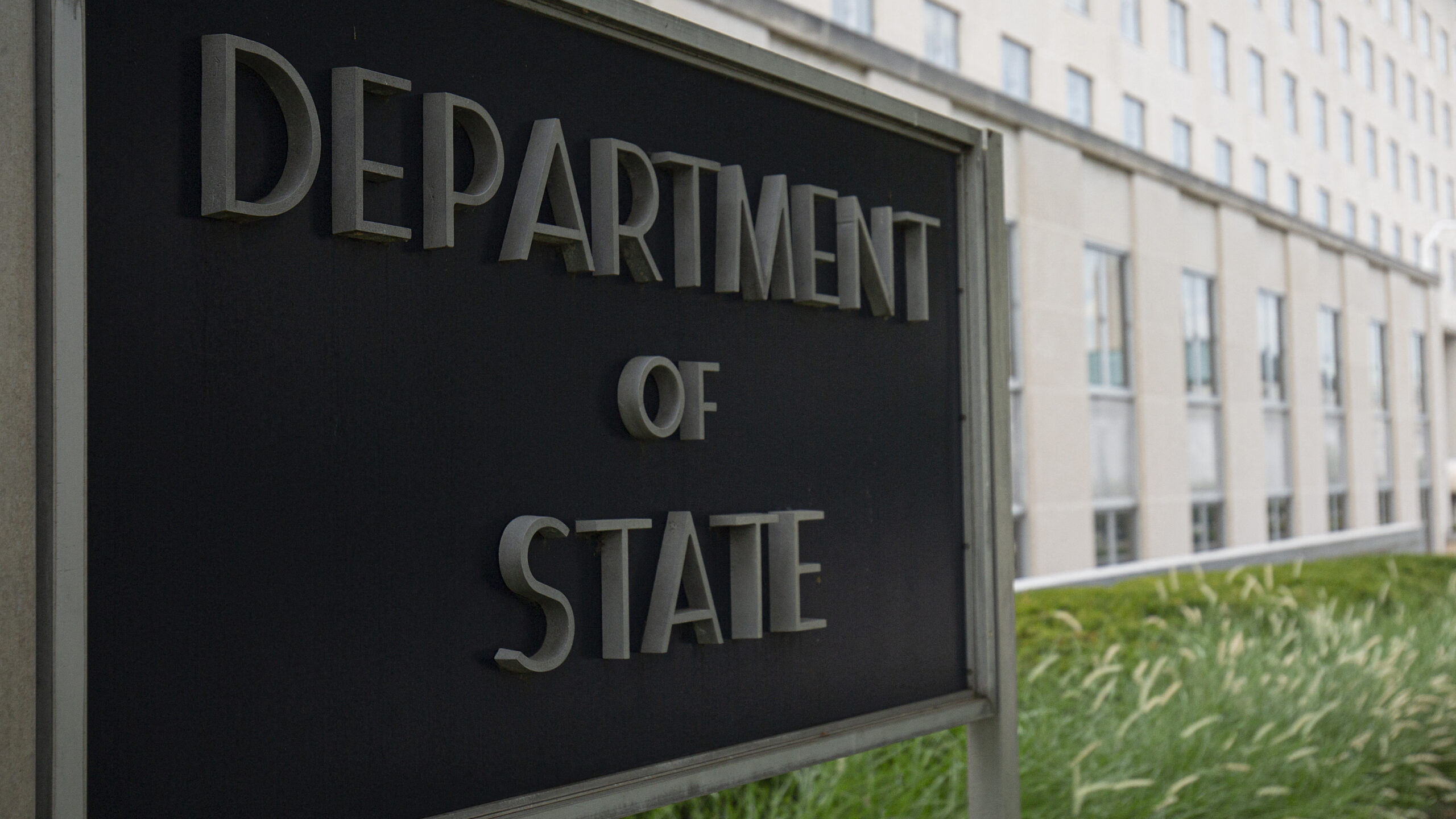
    A senior U.S. diplomat has ignited a firestorm of international criticism following inflammatory social media remarks that critics condemn as overtly racist and Islamophobic. Sarah B Rogers, the Under Secretary of State for Public Diplomacy, faces mounting backlash for comments posted on X (formerly Twitter) that employ dehumanizing language about refugees and invoke antisemitic tropes.

    The controversy erupted when Rogers engaged with an unverified screenshot referencing Germany’s migration policies, responding to another user’s provocative comment with her own statement: “Germany infamously retains very few Jews, yet imported barbarian rapist hordes…” This language, directly echoing extremist rhetoric about refugees from predominantly Muslim countries, has drawn condemnation from human rights organizations, political figures, and diplomatic observers worldwide.

    The timing and context of the remarks reference the 2015-2016 Cologne New Year’s Eve incidents, where hundreds of women reported assaults by groups of men described as being from North Africa and the Middle East. However, critics emphasize that Rogers’ blanket characterization of refugee populations as “barbarian rapist hordes” represents a dangerous escalation in official discourse.

    What makes this incident particularly alarming, according to diplomatic analysts, is Rogers’ specific portfolio as America’s top public diplomacy official. Her position mandates promoting pluralism, countering disinformation, and advancing human rights values globally. Instead, her language mirrors the very extremist narratives U.S. diplomats traditionally oppose.

    The episode has triggered broader concerns about the normalization of divisive rhetoric within official U.S. government communications. Observers note an increasing trend of culture-war messaging from official accounts that aligns with domestic political talking points rather than diplomatic language. This shift, experts warn, undermines America’s credibility on human rights issues and emboldens extremist voices worldwide.

    Historical parallels have emerged, with some commentators comparing Rogers’ rhetoric to that of Breckinridge Long, the State Department official who blocked Jewish refugees during the Holocaust. This comparison underscores the profound implications when senior officials responsible for refugee and migration policies employ dehumanizing language.

    As the international community processes this diplomatic misstep, larger questions emerge about the erosion of diplomatic norms and the weaponization of official communication channels. The incident demonstrates how social media engagement by high-ranking officials can instantly amplify harmful stereotypes and damage years of careful diplomatic work.

  • Trump threatens tariffs on countries that don’t back Greenland takeover

    Trump threatens tariffs on countries that don’t back Greenland takeover

    In a significant escalation of his campaign to acquire Greenland, President Donald Trump announced on Friday that he may impose trade tariffs on countries refusing to support his proposed takeover of the mineral-rich Arctic territory. The declaration came during a health policy roundtable at the White House, where Trump asserted Greenland’s critical importance to U.S. national security interests.

    The president framed the potential economic measures as analogous to previous tariff threats against European nations France and Germany regarding pharmaceutical pricing. This latest pronouncement represents Trump’s most explicit economic pressure tactic yet in his intensified bid to obtain the autonomous Danish territory—a pursuit he has previously suggested might necessitate military intervention.

    Trump’s justification centers on Greenland’s substantial mineral resources and its strategic position in the Arctic, where he alleges the territory has inadequately addressed security concerns regarding geopolitical rivals Russia and China. The announcement has triggered swift international response, with European nations demonstrating solidarity with Denmark and Greenland through military deployments to the region.

    A bipartisan congressional delegation concurrently initiated diplomatic meetings in Copenhagen on Friday to express support for Danish sovereignty. This development follows Wednesday’s high-level discussions at the White House involving foreign ministers from both Denmark and Greenland, which concluded with acknowledged “fundamental disagreement” regarding Trump’s acquisition ambitions.

    Despite the diplomatic impasse, all parties have agreed to establish a working group that will convene every two to three weeks to continue dialogue on the contentious issue, according to a White House statement released Thursday.

  • ‘Dangerous:’ Australian Greens to oppose Federal Government’s Bondi Bill over hate speech laws

    ‘Dangerous:’ Australian Greens to oppose Federal Government’s Bondi Bill over hate speech laws

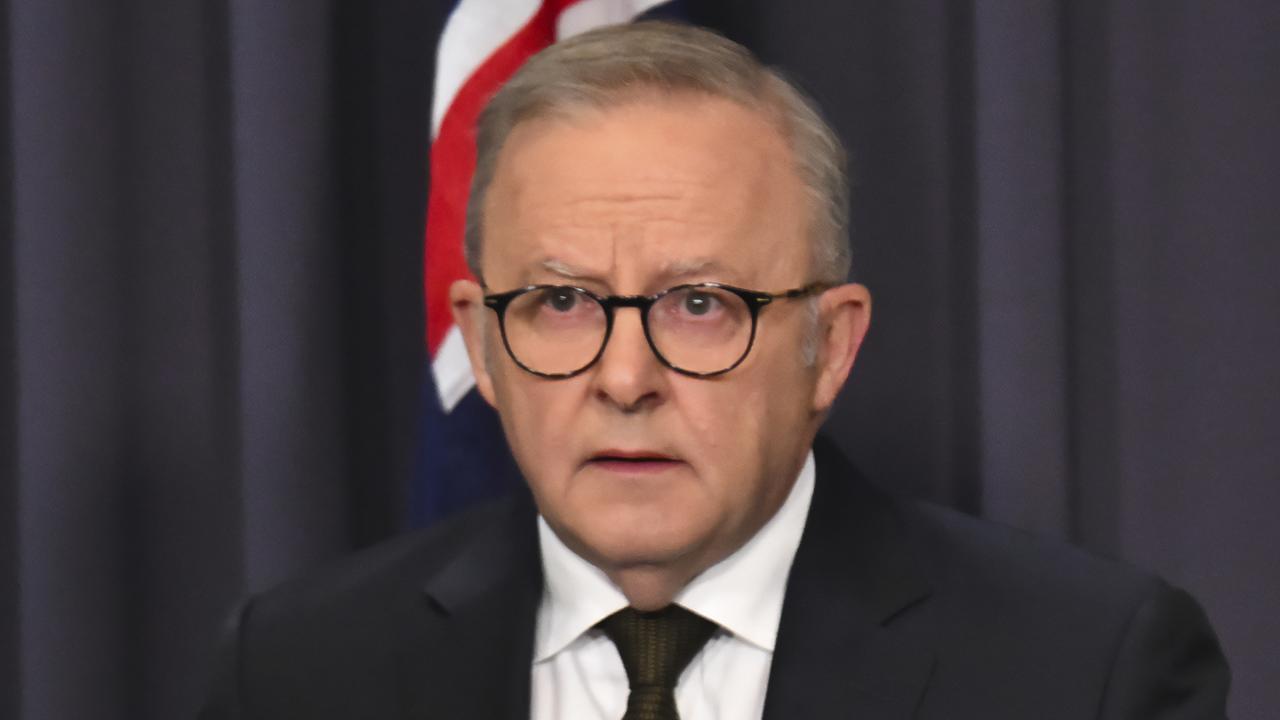
    The Australian federal government is confronting significant legislative hurdles as parliament reconvenes, with its comprehensive national security package facing bipartisan opposition. Prime Minister Anthony Albanese’s Combatting Antisemitism, Hate and Extremism Bill 2026, drafted in response to the Bondi terror attack, appears unlikely to pass the Senate without substantial amendments.

    The Greens party, led by Senator Larissa Waters, announced their intention to block the omnibus legislation unless it undergoes substantial revision. Waters emphasized that while her party supports proposed gun law reforms, the current bill’s provisions risk criminalizing legitimate political expression and fail to provide adequate protection for all religious communities, including Islamic groups.

    “The risk of unintended consequences is too substantial to rush this legislation’s passage,” Waters stated, indicating the Greens would require extended consultation periods with legal experts and community representatives that the government’s accelerated timeline doesn’t permit.

    Simultaneously, the Coalition opposition declared the legislation “unsalvageable” in its present form. Opposition Leader Sussan Ley criticized the proposal as “half-baked” and characterized by “confusion and contradiction,” pledging to introduce an alternative security package focusing on deportation protocols for non-citizens promoting extremism and enhanced arrest powers for Australian citizens engaging in hate speech.

    The parliamentary impasse leaves the Albanese government needing to negotiate either with the Greens or Coalition to pass any version of the bill. The government’s fallback position involves referring the legislation to an intelligence committee for recommendations that might satisfy the Coalition’s concerns, though both major opposing parties have expressed fundamental objections to the bill’s current architecture.

  • US justice department investigates Minnesota Democrats over alleged obstruction of ICE

    US justice department investigates Minnesota Democrats over alleged obstruction of ICE

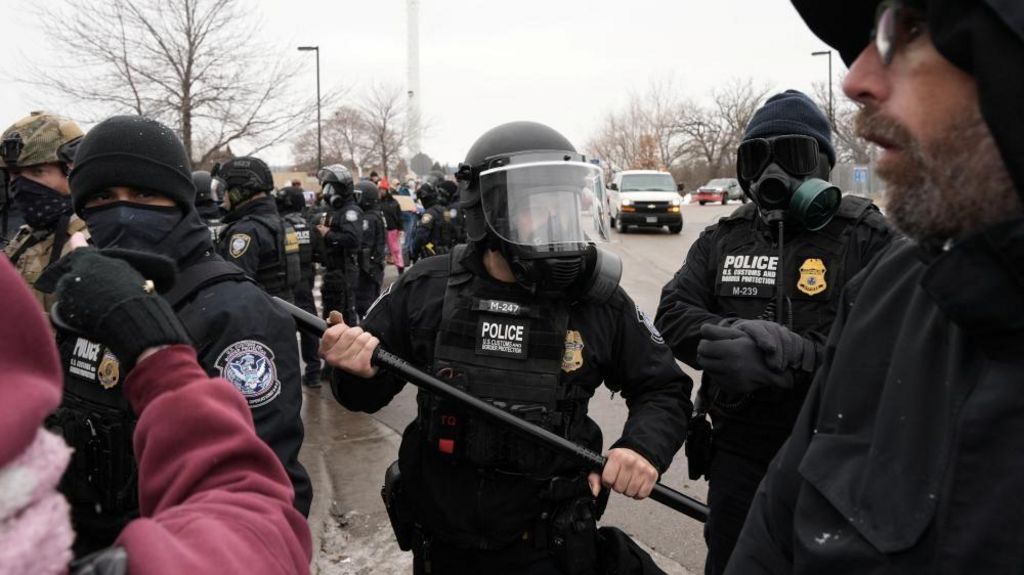
    The U.S. Justice Department has launched a formal investigation into Minnesota Governor Tim Walz and Minneapolis Mayor Jacob Frey for allegedly obstructing federal immigration enforcement operations. This development marks a significant escalation in the ongoing confrontation between the Trump administration and Democratic leaders regarding immigration policy.

    The inquiry centers on potential violations of 18 U.S.C. § 372, a federal statute that criminalizes conspiracies to impede federal officers through “force, intimidation or threats.” According to CBS News, federal subpoenas have been issued to both officials following their public criticisms of Immigration and Customs Enforcement (ICE) operations.

    The political conflict intensified following the fatal shooting of 37-year-old Renee Good by an ICE agent in Minneapolis last week. Official reports obtained by CBS indicate Good sustained at least three gunshot wounds to the chest and forearm, with possible fourth injury to the head. Paramedics found her unresponsive with an irregular pulse, and she was pronounced dead en route to the hospital.

    While federal authorities claim Good attempted to run over an ICE agent during an enforcement operation, local officials describe her as a legal observer who posed no threat. Video footage shows ICE agents approaching a vehicle blocking traffic, with an officer instructing Good to exit her Honda Pilot SUV. As she apparently attempted to drive away, an agent standing near the front of the vehicle discharged their weapon.

    Governor Walz responded to the investigation announcement by declaring on social media platform X: “Weaponizing the justice system against your opponents is an authoritarian tactic. The only person not being investigated for the shooting of Renee Good is the federal agent who shot her.” Walz had previously drawn administration criticism for comparing ICE to a “modern-day Gestapo,” while Mayor Frey has demanded ICE agents leave Minneapolis entirely.

    President Trump amplified tensions by accusing protesters of being “highly paid professionals” and claiming local leaders had “totally lost control” of the situation. Though the president suggested earlier this week he might invoke the Insurrection Act to deploy troops to Minnesota, he later stated he saw no current necessity for such measures.

    Meanwhile, Democratic lawmakers conducted hearings in Minnesota on Friday, with Congresswoman Ilhan Omar accusing ICE of attempting to “provoke chaos and fear” and New York Representative Adriano Espaillat describing the agency as a “deadly weapon.” Proposed reforms included requirements for ICE agents to wear body cameras, display identification, and obtain warrants before making arrests.

    The Department of Homeland Security defended its practices, with spokeswoman Tricia McLaughlin telling CNN that individuals “in the vicinity” of operations might be asked to confirm their identity based on “reasonable suspicion,” while denying such tactics reflect racial discrimination.

    Protests continued in Minneapolis throughout the weekend as thousands of ICE officers remain deployed in the state, with local officials appealing for calm during the holiday period.