分类: politics

  • China’s anti-graft efforts deepen in 2025, with 115 senior officials probed

    China’s anti-graft efforts deepen in 2025, with 115 senior officials probed

    China’s anti-corruption authorities have revealed a significant escalation in disciplinary actions during 2025, with unprecedented numbers of senior officials facing investigation. The latest data from China’s top disciplinary watchdogs shows a dramatic intensification of the nation’s ongoing battle against corruption.

    The Communist Party of China Central Commission for Discipline Inspection and the National Commission of Supervision announced that 115 officials at provincial or ministerial level and above underwent disciplinary investigation in 2025. This figure represents a substantial increase of 42 cases compared to the previous year’s statistics, demonstrating the heightened intensity of China’s graft prevention efforts.

    Overall disciplinary measures reached remarkable proportions, with 983,000 individuals receiving punishments for various violations throughout the year. This marks a significant rise from the 889,000 cases documented in 2024, indicating the expanding scope of China’s anti-corruption campaign.

    The comprehensive approach to corruption prevention continues to target both bribe providers and recipients with equal vigor. Official statistics reveal authorities investigated 33,000 individuals for offering bribes in 2025, transferring 4,306 of these cases to prosecutors. These numbers show a notable increase from the 26,000 bribery investigations and 4,271 prosecutorial transfers recorded in the preceding year.

    China’s anti-graft institutions have emphasized the continuous nature of these efforts, with recent communiques pledging to intensify the battle against grassroots corruption. The campaign will further deepen rectification programs in multiple high-risk sectors including financial services, state-owned enterprises, energy production, education systems, professional associations, development zones, and public bidding processes. This strategic focus targets areas most vulnerable to corrupt practices, ensuring systemic integrity across critical sectors of Chinese society.
  • Ukraine team arrives in US for Miami talks with Witkoff, Kushner

    Ukraine team arrives in US for Miami talks with Witkoff, Kushner

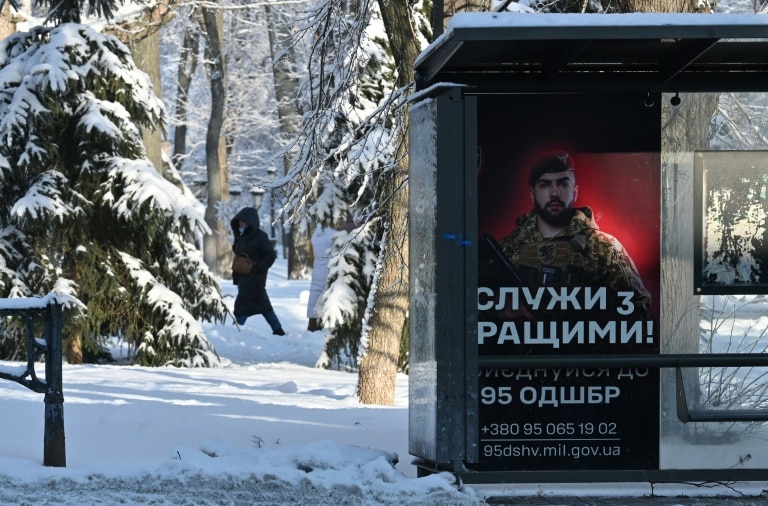
    A high-level Ukrainian delegation has arrived in Miami for pivotal discussions with key American figures, including Jared Kushner and special envoy Steve Witkoff, alongside U.S. Army Secretary Daniel Driscoll. The negotiations, occurring just before the four-year anniversary of Russia’s full-scale invasion, are set to address two fundamental pillars: concrete security guarantees for Ukraine’s future and the monumental task of post-conflict reconstruction.

    The delegation, led by President Zelensky’s new Chief of Staff Kyrylo Budanov and including Security Chief Rustem Umerov and negotiator David Arakhamia, aims to secure binding commitments from its allies. A primary objective for Kyiv is obtaining ironclad security assurances designed to deter any future Russian aggression, which it views as non-negotiable for its long-term sovereignty. President Zelensky has expressed hope to formalize these agreements at the upcoming World Economic Forum in Davos.

    These diplomatic efforts unfold against a grim backdrop of intensified warfare. Russian forces have accelerated their advance in eastern regions, recently claiming control of additional villages in Donetsk and Zaporizhzhia. Simultaneously, a relentless campaign of missile and drone strikes has crippled Ukraine’s energy infrastructure during a severe winter, leaving 56,000 families in the Bucha area alone without power and prompting widespread heating restrictions and school closures across the nation.

    The path to a peace agreement remains fraught with challenges. The Kremlin maintains its objective to seize all territories it claims as Russian, while previous U.S. pressure on Ukraine to accept terms viewed in Kyiv as capitulation has created sticking points. Furthermore, declarations of intent from European allies like the UK and France to potentially deploy troops to uphold a ceasefire have been met with stark warnings from Moscow, which labeled any foreign forces as ‘legitimate targets.’

  • Journalists in Bangladesh demand protection amid rising attacks

    Journalists in Bangladesh demand protection amid rising attacks

    DHAKA, Bangladesh — Media professionals across Bangladesh issued a collective demand for government protection Saturday following coordinated mob assaults against the nation’s leading newspapers, raising alarms about press freedom under Nobel laureate Muhammad Yunus’s interim administration.

    Journalists, editors, and media proprietors convened at a conference organized jointly by the Editors Council and Newspapers Owners Association of Bangladesh, condemning the December attacks on Daily Star (the premier English-language daily) and Prothom Alo (the largest Bengali-language newspaper). Both publications operate from the capital city of Dhaka.

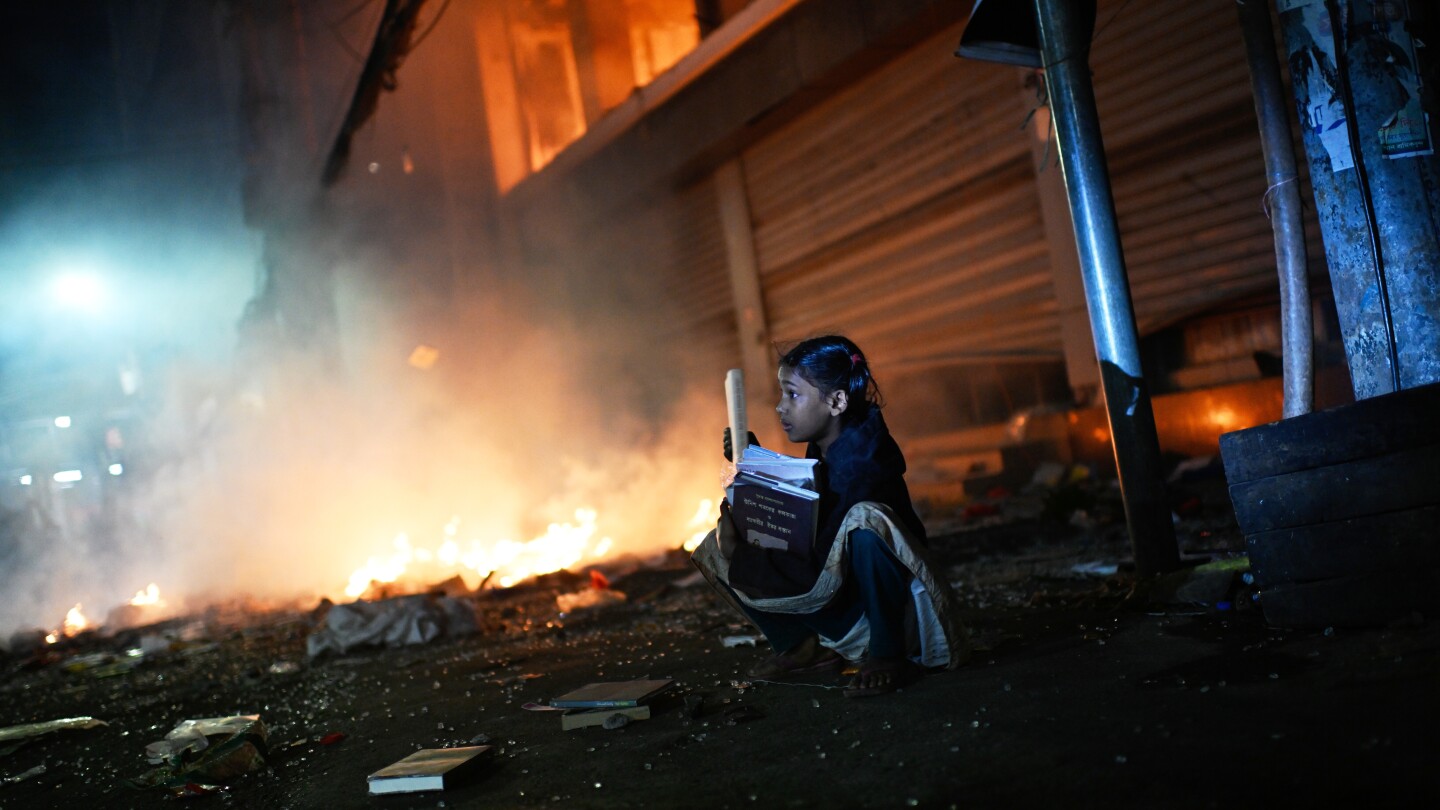
    The violent incidents saw enraged mobs storm newspaper offices, set buildings ablaze, and trap staff inside following the death of a prominent Islamist activist. Media authorities accused the interim government of failing to respond to emergency requests for intervention, resulting in extensive property damage and looting. A senior Editors Council representative was physically assaulted when attempting to address the situation on-site.

    Simultaneously, liberal cultural institutions in Dhaka faced similar attacks, though the precise motivations remain unclear. Some protesters have previously accused these media outlets of maintaining connections with India.

    Editors Council President Nurul Kabir characterized these events as reflecting “a dangerous pattern” of institutional suppression. “Those attempting to silence vehicles of democratic aspiration are employing legislation, force, and intimidation,” stated Kabir, who also edits New Age daily.

    The United Nations Special Rapporteur Irene Khan expressed deep concern regarding these developments, noting that “the weaponization of public anger against journalists proves particularly dangerous during election periods.” Khan warned of potential chilling effects on media freedom and minority voices with serious democratic consequences.

    Yunus assumed power in August 2024 after former Prime Minister Sheikh Hasina departed amid mass protests. Despite initial stability promises, international human rights organizations including Human Rights Watch and Amnesty International have criticized the administration’s civil rights record. The government faces additional accusations of enabling radical Islamist elements while pursuing legal action against journalists allegedly supporting the previous administration.

  • Venezuela’s acting president announces cabinet reshuffle

    Venezuela’s acting president announces cabinet reshuffle

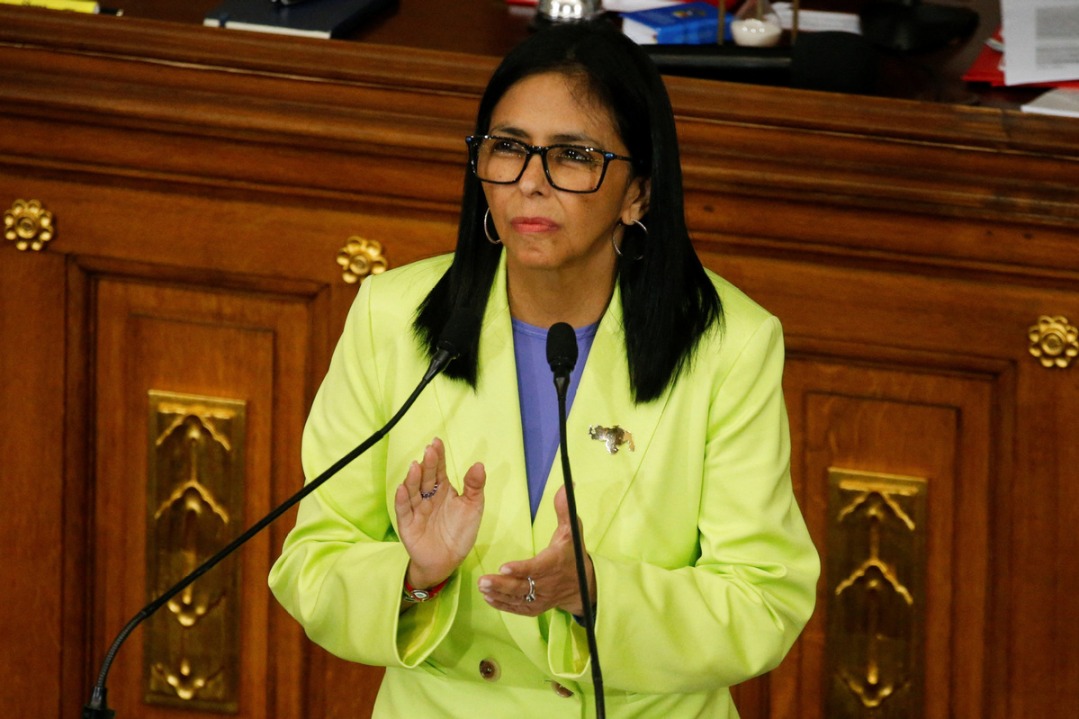
    CARACAS – In a significant administrative reorganization, Venezuela’s Acting President Delcy Rodríguez unveiled a comprehensive cabinet reshuffle on Friday, introducing three key ministerial appointments aimed at strengthening government operations.

    The strategic reassignment sees Miguel Pérez Pirela assuming the role of Minister of Communication and Information, taking over from Freddy Ñáñez. The outgoing communications chief has been entrusted with a new portfolio as head of the Ministry of Ecosocialism, signaling the government’s renewed emphasis on environmental governance.

    Through an official statement released on Telegram, Rodríguez outlined the rationale behind these changes, particularly highlighting Ñáñez’s critical mission in his new capacity. The acting president emphasized that his expertise would be instrumental in “advancing public policies dedicated to safeguarding our Pachamama (Mother Earth) and all matters pertaining to environmental preservation.”

    Completing the triad of appointments, Aníbal Coronado was designated as the new Minister of Transport, filling a vital position in the nation’s infrastructure leadership. This restructuring demonstrates the administration’s commitment to optimizing governmental efficiency across multiple sectors, including communications, ecological sustainability, and transportation infrastructure.

    The cabinet changes occur amid Venezuela’s ongoing political and economic challenges, reflecting the government’s adaptive approach to governance under Rodríguez’s interim leadership since assuming presidential duties.

  • Police deny claims Uganda opposition leader abducted by helicopter

    Police deny claims Uganda opposition leader abducted by helicopter

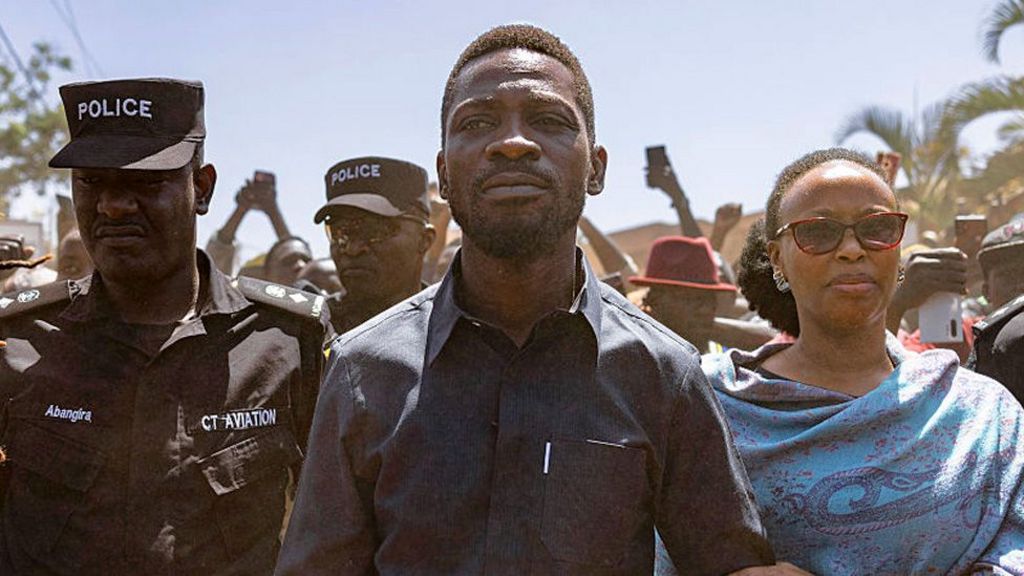
    Uganda’s political landscape remains fraught with tension as authorities and opposition figures offer conflicting narratives regarding the whereabouts and status of presidential challenger Bobi Wine. The National Unity Platform (NUP) party leader’s residence in Kampala has become the epicenter of a deepening crisis, with police asserting controlled access due to security concerns while Wine’s family alleges his abduction by helicopter.

    The electoral commission’s latest figures indicate a substantial lead for incumbent President Yoweri Museveni, showing 72% of counted votes against Wine’s 24% with 94% of polling stations reporting. These results emerge against the backdrop of a nationwide internet blackout implemented earlier this week, severely hampering information verification and communication capabilities.

    Police spokesman Kituuma Rusoke categorically denied abduction allegations during a Saturday press briefing, characterizing family claims as “untrue” and “unfounded.” He explained that security measures around Wine’s property were necessary to prevent gatherings that could potentially incite violence or destabilize national security.

    Contradictory accounts emerged from Wine’s son, Solomon Kampala, who initially reported both parents’ seizure before later asserting his father had “escaped” while his mother remained under house arrest. These developments occurred alongside reports of opposition supporter fatalities in Butambala and documented instances of security forces employing tear gas and warning shots to disperse gatherings.

    Technical difficulties plagued Thursday’s electoral process, with voting delays of up to four hours reported at numerous stations due to malfunctioning biometric verification systems and delayed ballot box deliveries. Electoral chief Simon Byabakama maintained that vote counting proceeded unaffected by communication restrictions, with final results expected by Saturday afternoon.

    The campaign period preceding this election witnessed significant violence and allegations of suppression against opposition activities. Museveni, seeking an unprecedented seventh term after initially assuming power in 1986, positions himself as Uganda’s sole guarantor of stability. Meanwhile, Wine—a former pop star representing the country’s substantial youth demographic—has campaigned on anti-corruption platforms and sweeping reform promises.

    Uganda’s Communications Commission justified internet suspension as necessary to prevent misinformation, fraud, and violence incitement, though the United Nations human rights office condemned this measure as “deeply worrying.”

  • Ugandan police deny arrest of opposition leader as country awaits final election results

    Ugandan police deny arrest of opposition leader as country awaits final election results

    Ugandan authorities have officially refuted claims regarding the detention of prominent opposition figure Bobi Wine during the highly charged electoral period. Police spokesperson Kituuma Rusoke characterized reports of the arrest as “deceitful and inciteful” while confirming that security measures had been implemented around the opposition leader’s residence to prevent potential violence incitement.

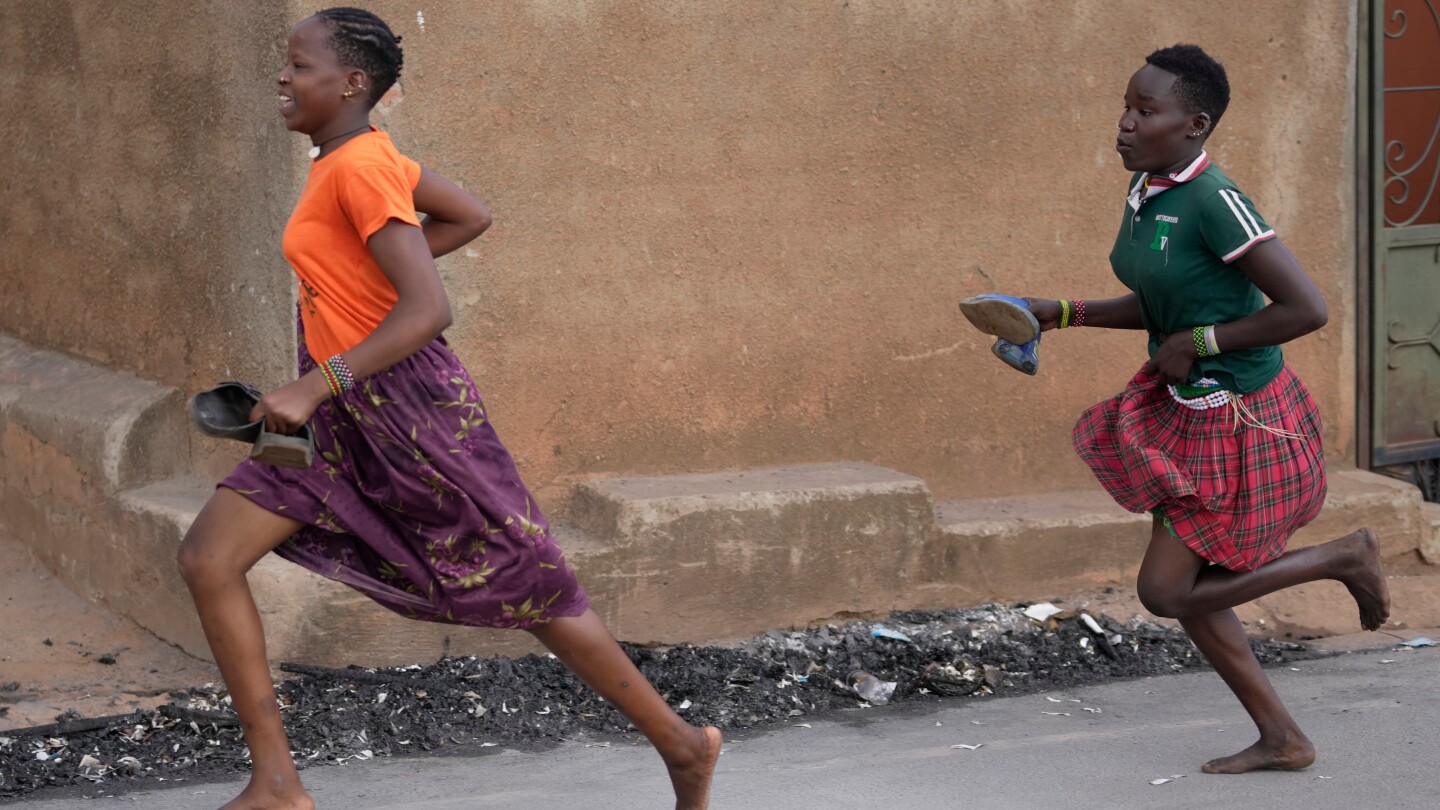
    The general elections conducted on Thursday occurred under extraordinary circumstances, featuring a nationwide internet blackout extending into its fourth day and substantial military deployment across the country. Isolated incidents of violence emerged as citizens protested parliamentary election outcomes in various regions.

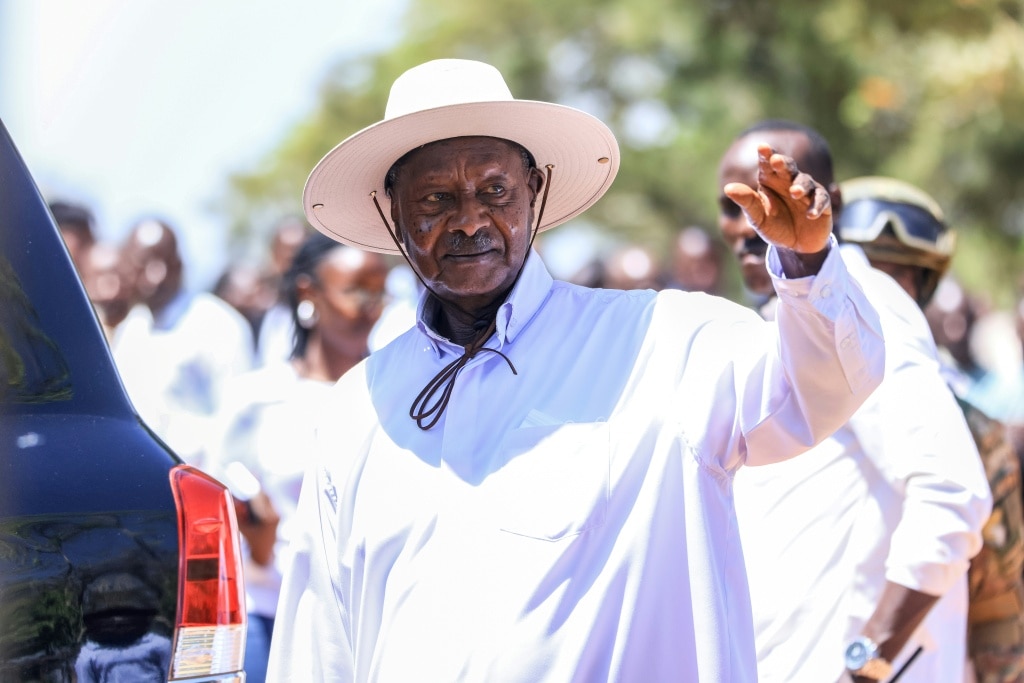
    Incumbent President Yoweri Museveni, aged 81 and pursuing an unprecedented seventh term, maintains a commanding lead in provisional results with over 70% of counted votes. His primary challenger, musician-turned-politician Kyagulanyi Ssentamu (popularly known as Bobi Wine), has secured approximately 20% of the vote according to initial tallies. Wine has vehemently dismissed these results as “fabricated” and urged his supporters to disregard the announced figures.

    Electoral officials are constitutionally mandated to announce final presidential results by Saturday’s conclusion. The electoral commission chairperson confirmed plans to meet this deadline despite operational challenges that plagued the voting process, including delayed delivery of materials to polling stations and technical failures of biometric verification systems.

    President Museveni endorsed the commission’s decision to utilize paper-based voter registration records as an alternative to malfunctioning digital systems. However, Wine’s campaign has alleged systematic electoral manipulation, citing instances of “massive ballot stuffing” and the abduction of party polling agents to create unfair advantages for the ruling party.

    The election period has been marked by intense security presence, with opposition figures reporting constant surveillance and harassment of supporters. Wine notably campaigned wearing protective gear including a flak jacket and helmet due to security concerns. Uganda continues to await the final election announcement while maintaining its historical pattern of never experiencing peaceful presidential power transition since gaining independence six decades ago.

  • UN Security Council holds emergency meeting on Iran

    UN Security Council holds emergency meeting on Iran

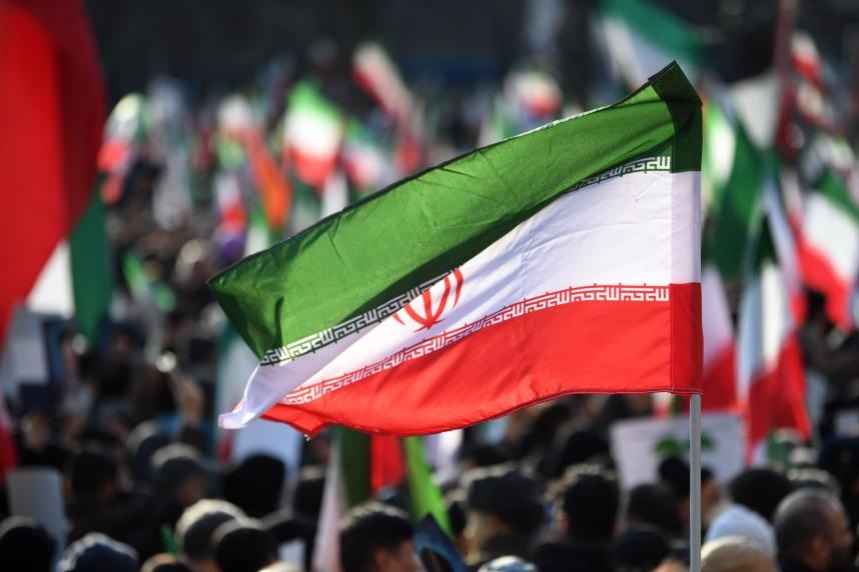
    The United Nations Security Council convened an urgent session on Thursday to address escalating tensions surrounding Iran, revealing a stark geopolitical divide between Western powers and their opponents. The emergency meeting, requested by the United States, became a platform for heated diplomatic exchanges as multiple nations warned against military aggression while others threatened forceful response.

    U.S. Ambassador Mike Waltz set a confrontational tone by declaring that “all options are on the table” regarding potential actions against Iran. This position faced immediate pushback from multiple council members who advocated for de-escalation and peaceful resolution mechanisms.

    Iran’s Deputy Permanent Representative Gholamhossein Darzi delivered a firm response, stating that while his nation seeks neither confrontation nor escalation, it would exercise its right under Article 51 of the UN Charter to respond decisively to any aggression. “Any act of aggression, direct or indirect, will be met with a decisive, proportionate, and lawful response,” Darzi asserted.

    Chinese representative Sun Lei issued a stark warning against military adventurism, cautioning that such actions “would only push the region toward an unpredictable abyss.” He emphasized the need for the United States to abandon its “fixation on the use of force” and adhere to UN Charter principles, while noting that history has repeatedly demonstrated that force and interference generate only further conflict and hatred.

    Russian Ambassador Vassily Nebenzia condemned what he characterized as “extremely dangerous and irresponsible rhetoric” from U.S. leadership, accusing Washington of openly advocating for the overthrow of Iran’s constitutional order. He expressed particular concern about America’s “aggressive course toward the use of military force” and urged “hotheads” in the United States and other nations to “come to their senses.”

    The session revealed broad international consensus against military action, with representatives from Pakistan, Liberia (speaking for African members), and Colombia all warning that threats or use of force would dangerously destabilize an already volatile region and undermine global peace and security.

  • Uganda opposition leader cut off from communications after polls

    Uganda opposition leader cut off from communications after polls

    Uganda’s political landscape remains in a state of heightened tension as opposition leader Bobi Wine faces a complete communications blackout following a police raid on his residence. The security operation, which occurred on Saturday, effectively isolated the prominent challenger to President Yoweri Museveni’s longstanding administration just as election results were being finalized.

    With more than 90% of votes counted, Uganda’s Electoral Commission reported President Museveni maintaining a commanding lead of 71.9% against Wine’s 24.5%. The 81-year-old incumbent, who seized power in 1986 as a former guerrilla fighter, appears poised to extend his four-decade rule amid widespread reports of electoral irregularities and suppression tactics.

    The election period has been characterized by significant unrest, including an ongoing nationwide internet blackout implemented ahead of Thursday’s polls. According to opposition accounts, security personnel clad in black attire scaled the walls of Wine’s compound, confiscating communication devices and effectively cutting off all contact with the outside world.

    Conflicting reports emerged regarding Wine’s whereabouts, with his party initially claiming he had been forcibly removed by military helicopter—an assertion later deleted and denied by army officials as ‘absurd’ and designed to ‘incite his supporters.’ Local residents reported hearing drones and helicopters near the opposition leader’s residence throughout Friday night, with many fleeing the area due to security concerns.

    Police spokesman Kituuma Rusoke defended the security measures, stating authorities had ‘controlled access in areas we feel are security hotspots’ to prevent gatherings that might ‘incite violence.’

    The electoral process itself faced substantial challenges, with malfunctioning biometric verification machines and delayed ballot deliveries in multiple regions. Beyond the capital, reports emerged of violent confrontations, including claims from opposition parliament member Muwanga Kivumbi that security forces had killed ten campaign agents in Butambala after storming his home.

    Police provided an alternative account, stating an ‘unspecified number’ of people had been ‘put out of action’ when opposition members allegedly planned to attack a local tally center and police station.

    The United Nations human rights office had previously warned that the elections were occurring in an environment of ‘widespread repression and intimidation’ against opposition voices, though many of the allegations remain difficult to verify independently due to communication restrictions and limited media access.

  • S. Korean former leader gets 5-year jail

    S. Korean former leader gets 5-year jail

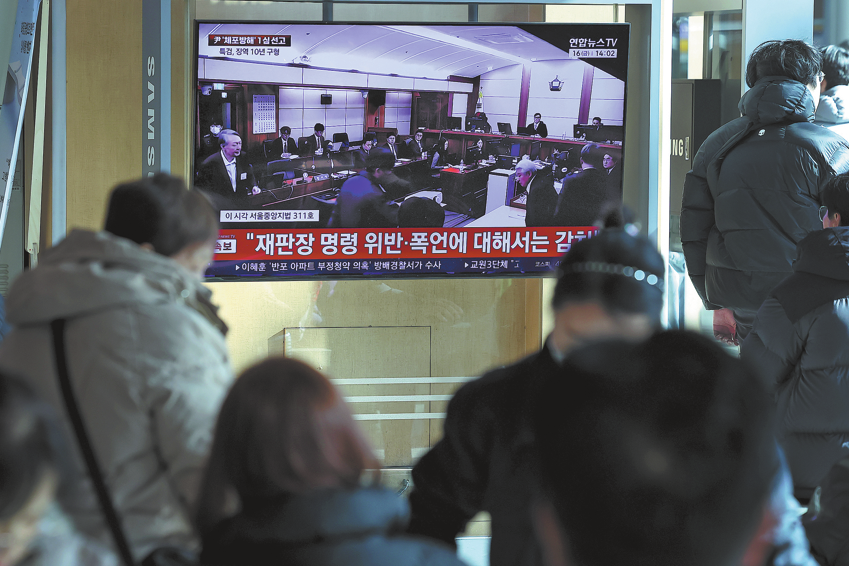
    In a landmark judicial ruling, former South Korean President Yoon Suk-yeol has been convicted and sentenced to five years imprisonment for his attempted imposition of martial law in late 2024. The Seoul Central District Court delivered the verdict on Friday, marking the first resolution among eight ongoing cases against the former leader.

    Presiding Judge Baek Dae-hyun found Yoon guilty on multiple charges including obstruction of justice, abuse of authority, and document destruction. The court determined that on January 3, 2024, Yoon mobilized presidential security personnel to block arrest attempts by the Corruption Investigation Office for High-ranking Officials. The ruling also convicted him of violating ministers’ constitutional rights regarding martial law deliberation procedures.

    “The nature of these crimes is extremely serious given the circumstances and specific details of the offenses,” stated Judge Baek during the televised proceedings. The judge noted Yoon had demonstrated no remorse for actions that threatened democratic institutions.

    The controversial martial law declaration occurred on December 3, 2024, when Yoon cited protection from “anti-state” forces including opposition lawmakers. The decree collapsed within six hours following a National Assembly revocation vote, ultimately leading to Yoon’s impeachment and removal from office in April 2025.

    While special prosecutors had sought a 10-year sentence last month, Yoon’s legal team immediately announced plans to appeal, claiming the verdict contained “significant legal errors” and exhibited political bias. Meanwhile, ruling Democratic Party leader Jung Chung-rae declared this sentencing merely begins the “eradication of insurrection,” advocating for zero tolerance against rebellion.

    The former president faces additional serious charges including insurrection, with prosecutors recently demanding the death penalty in a separate case scheduled for adjudication on February 19.

  • Nobel Peace Prize inseparable from laureate, award body says after Trump gets medal from Machado

    Nobel Peace Prize inseparable from laureate, award body says after Trump gets medal from Machado

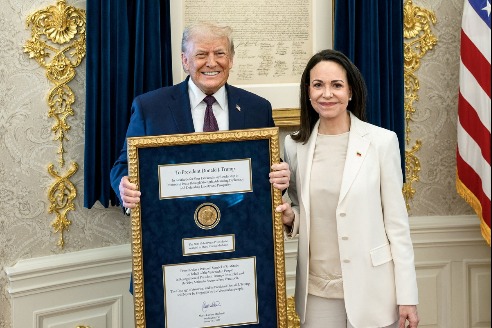
    The Norwegian Nobel Committee has issued a formal statement addressing the inseparable connection between the Nobel Peace Prize and its designated laureate. This declaration comes in response to Venezuelan opposition leader Maria Corina Machado’s presentation of her 2025 Peace Prize medal to former U.S. President Donald Trump during a January 15th meeting at the Oval Office.

    The Committee emphasized that while laureates maintain full autonomy over the physical components of the award—including the medal, diploma, and monetary prize—the historical recognition remains exclusively with the original recipient. “Regardless of what may happen to the medal, the diploma, or the prize money, it is and remains the original laureate who is recorded in history as the recipient of the prize,” the statement clarified.

    The unusual transfer occurred during Machado’s high-profile visit to Washington, where she presented Trump with the gold medal displayed in an elaborate frame. White House officials confirmed the former president intends to retain the medal despite the Committee’s position that such transfers do not alter the official record of achievement.

    The Nobel Foundation’s statutes contain no restrictions regarding laureates’ disposition of their award components, permitting recipients to “keep, give away, sell, or donate these items” according to their discretion. Machado’s complete award package included not only the medal but also the official diploma and 11 million Swedish crowns (approximately $1.19 million).

    The Committee’s unusual public statement serves both as clarification of protocol and reaffirmation of the award’s institutional integrity amid international attention surrounding the medal’s transfer between two controversial political figures.