分类: politics

  • US Justice Department investigating Minnesota governor, Minneapolis mayor for impeding federal law enforcement

    US Justice Department investigating Minnesota governor, Minneapolis mayor for impeding federal law enforcement

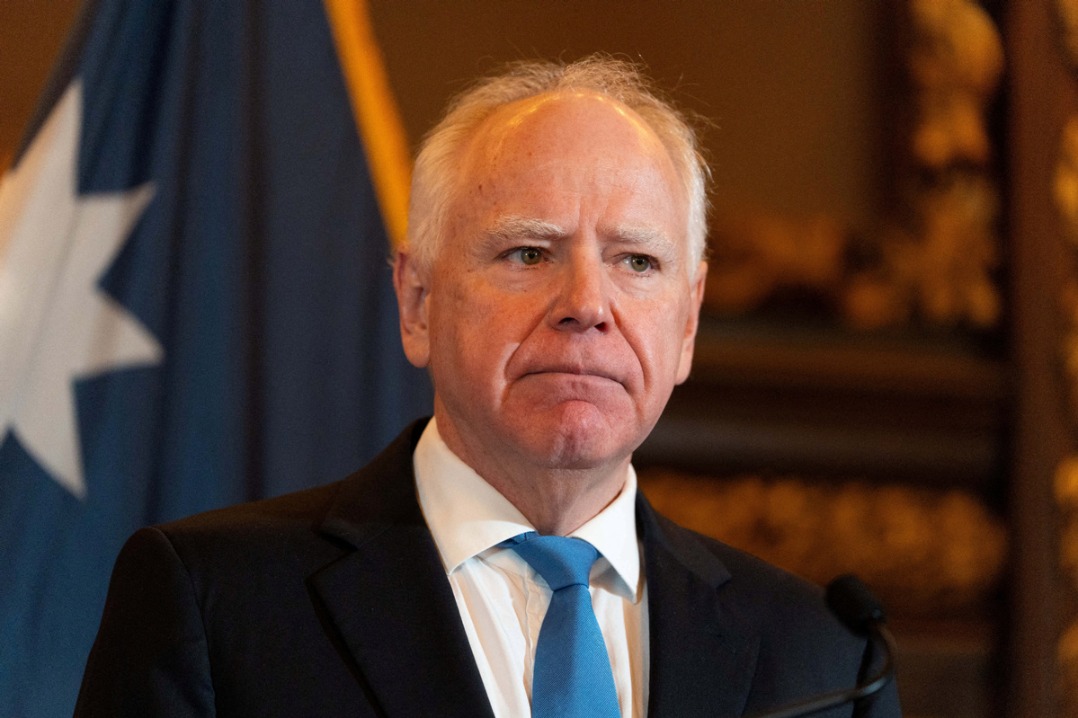
    The U.S. Justice Department has launched a formal investigation into Minnesota Governor Tim Walz and Minneapolis Mayor Jacob Frey for allegedly obstructing federal immigration enforcement operations, according to multiple reports confirmed by sources familiar with the matter.

    The probe, initiated by federal prosecutors, centers on accusations that the Democratic officials’ public statements and policies have impeded Immigration and Customs Enforcement (ICE) activities within the state. Deputy Attorney General Todd Blanche characterized the officials’ rhetoric as approaching potential federal offenses, specifically citing instances where Mayor Frey allegedly encouraged citizens to report ICE sightings to local emergency services.

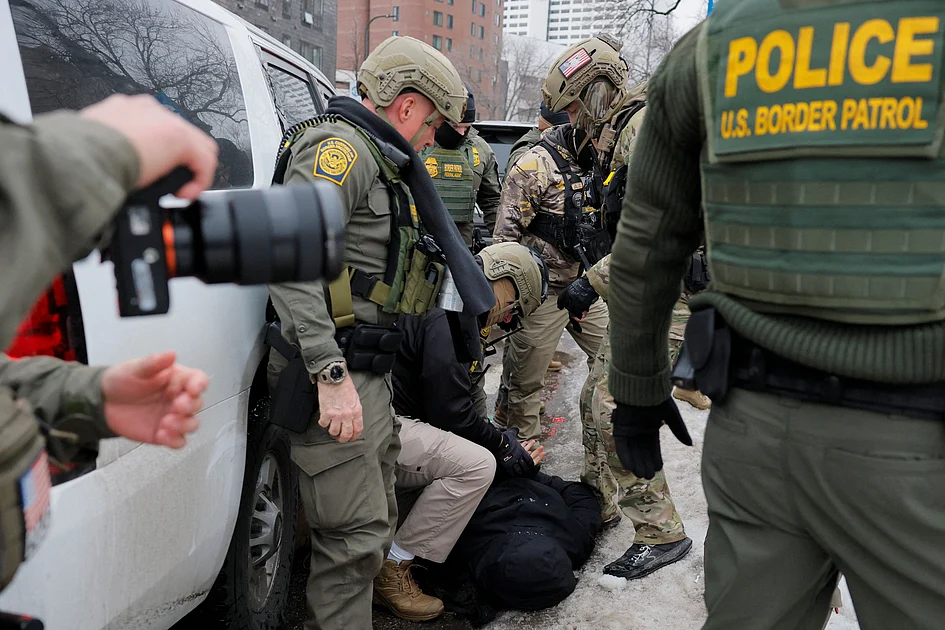
    While the investigation remains in preliminary stages with no formal charges filed, the Justice Department has issued subpoenas to both officials. The inquiry emerges amidst heightened tensions following the January 7th fatal shooting of 37-year-old U.S. citizen Renee Good during an ICE operation in Minneapolis. The incident triggered nationwide protests and prompted both Walz and Frey to demand cessation of ICE raids in the Twin Cities area, where approximately 2,500 individuals have been apprehended.

    Governor Walz condemned the investigation as politically motivated, stating: ‘Weaponizing the justice system and threatening political opponents is a dangerous, authoritarian tactic.’ He notably referenced previous investigations against other Democratic figures while emphasizing that the federal agent involved in Good’s shooting has not faced scrutiny.

    The case represents a significant escalation in the ongoing conflict between federal immigration authorities and local officials in sanctuary jurisdictions, testing the boundaries of federal-state cooperation in law enforcement operations.
  • Netflix, Warner Bros bonds among $100 million purchased by Trump

    Netflix, Warner Bros bonds among $100 million purchased by Trump

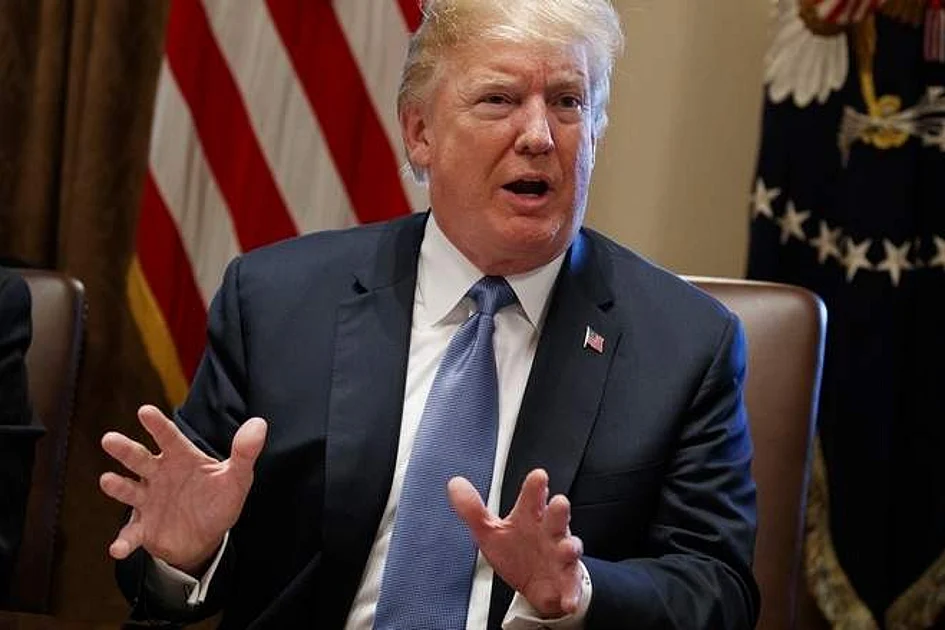
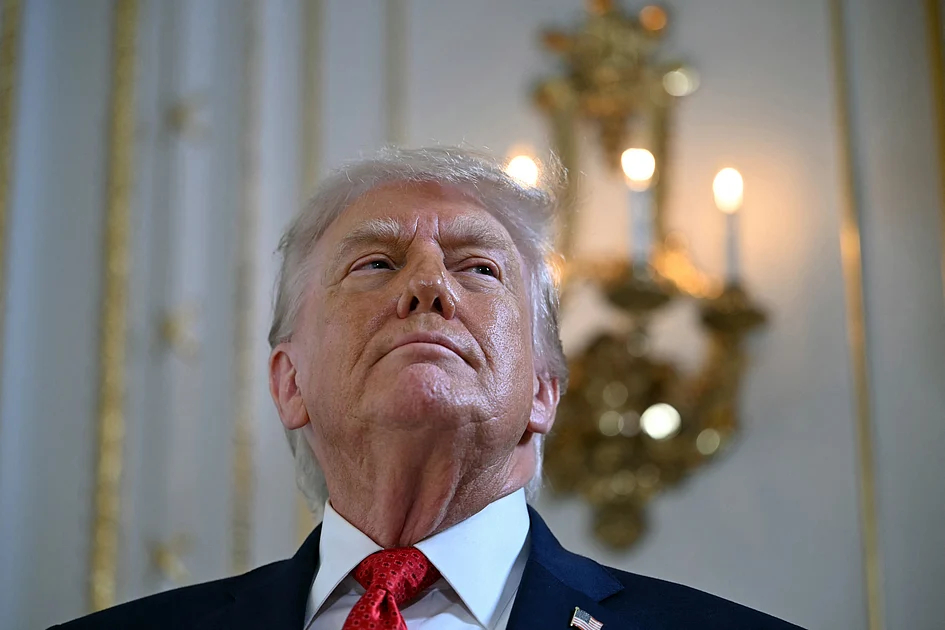
    Recent financial disclosures reveal former President Donald Trump acquired approximately $100 million in municipal and corporate bonds between mid-November and late December 2025, including substantial holdings in Netflix and Warner Bros Discovery securities. This investment activity occurred mere weeks after the entertainment giants announced their proposed merger—a transaction requiring regulatory approval from the very administration Trump led.

    The documentation, released Thursday and Friday, indicates the majority of Trump’s purchases consisted of municipal bonds supporting local infrastructure, school districts, utilities, and hospitals. Corporate bond acquisitions extended beyond media companies to include aerospace manufacturer Boeing, energy firm Occidental Petroleum, and automotive leader General Motors.

    This portfolio expansion intensifies existing ethical concerns regarding potential conflicts of interest, as Trump maintains investments in sectors directly affected by federal policies and regulatory decisions. The Netflix-Warner Bros merger presents a particularly notable case, given that Trump publicly commented in December about having “a say” in the transaction’s approval process, which currently faces a competing bid from Paramount Skydance.

    A White House representative, speaking anonymously, asserted that Trump’s investment portfolio is managed independently by third-party financial institutions without direct influence from the former president or his family. This defense mirrors previous statements addressing Trump’s continuous bond acquisitions, which previously included at least $82 million in purchases between late August and early October 2025.

    The situation highlights ongoing tensions between personal financial interests and governmental responsibilities, reviving debates about wealth management protocols for high-ranking officials whose investment decisions may intersect with policy domains.

  • Large crowds expected for ‘Hands off Greenland’ protests

    Large crowds expected for ‘Hands off Greenland’ protests

    Mass demonstrations organized under the banner ‘Hands Off Greenland’ swept through Denmark and Greenland on Saturday, representing a powerful grassroots response to U.S. President Donald Trump’s controversial statements regarding potential acquisition of the autonomous Danish territory. The protests, coordinated by Greenlandic associations including Uagut and the Inuit umbrella organization, drew thousands of participants across multiple cities including Copenhagen, Aarhus, Aalborg, Odense, and the Greenlandic capital of Nuuk.

    The mobilization follows Trump’s January 16th warning that he “may put a tariff” on nations opposing his territorial ambitions toward Greenland. This economic threat has ignited widespread condemnation among Greenlanders, with recent polls indicating 85% of the territory’s population opposes joining the United States, while only 6% support such a move.

    In Nuuk, demonstrators gathered at 4:00 PM local time to march toward the U.S. consulate carrying Greenlandic flags, explicitly protesting what organizers termed “the United States’ illegal plans to take control of Greenland.” Simultaneously, in Copenhagen, protesters assembled at noon outside the U.S. embassy, creating a visible symbol of resistance during a visit by a bipartisan delegation of U.S. lawmakers.

    Julie Rademacher, chairwoman of Uagut, emphasized the need for unity, stating recent events have placed “Greenlanders in both Greenland and Denmark under pressure.” Organizers Kristian Johansen and Avijaja Rosing-Olsen articulated clear demands for “respect for our country’s right to self-determination” and adherence to “international law and international legal principles,” framing the struggle as having global significance beyond Greenland’s 57,000 inhabitants.

    The protests represent a remarkable show of democratic engagement in the Arctic territory, with social media indications suggesting participation numbers that would represent a substantial portion of Greenland’s total population.

  • Ugandan leader to extend 40-year rule after being declared winner of contested poll

    Ugandan leader to extend 40-year rule after being declared winner of contested poll

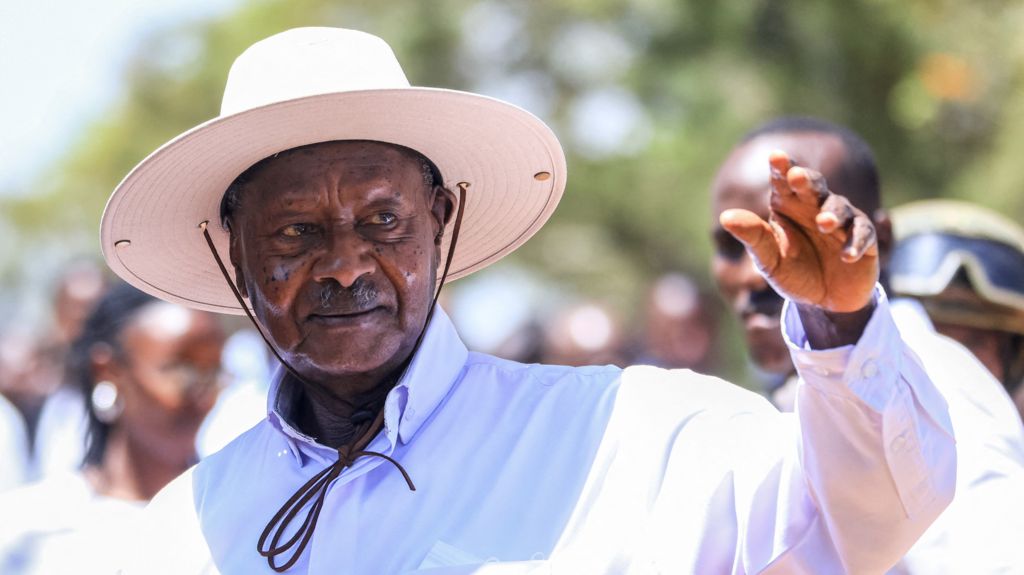
    Ugandan President Yoweri Museveni has secured a seventh electoral victory, extending his four-decade rule for another five-year term following Thursday’s contentious presidential election. According to official results from Uganda’s electoral commission, the 81-year-old incumbent captured 72% of the vote, while his primary challenger, former pop star turned opposition leader Bobi Wine, garnered 25%.

    Wine, whose legal name is Robert Kyagulanyi, immediately denounced the outcome as fraudulent, urging citizens to engage in peaceful demonstrations against what he characterized as ‘fabricated results.’ The 43-year-old opposition leader reported that at least 21 fatalities had occurred during electoral violence, though authorities have only confirmed seven deaths.

    The election process was overshadowed by an unprecedented nationwide internet shutdown implemented since Tuesday, severely hampering information verification capabilities. Government officials defended the digital blackout as a necessary measure to combat misinformation, electoral fraud, and potential incitement to violence. However, the United Nations human rights office condemned the internet suspension as ‘deeply concerning,’ while Wine demanded immediate restoration of digital connectivity.

    Museveni first assumed power in 1986 as a rebel leader and has since maintained control through a series of electoral victories that opposition groups and international observers have frequently questioned. The latest electoral process has drawn heightened scrutiny due to the combination of violence allegations, communication restrictions, and disputed results that characterize Uganda’s political landscape.

  • Judge urges US grant visa to college student deported due to ‘mistake’

    Judge urges US grant visa to college student deported due to ‘mistake’

    A federal judge has delivered a stern rebuke to the Trump administration, mandating corrective action within 21 days for the wrongful deportation of a Honduran college student. U.S. District Judge Richard Stearns in Boston characterized the incident as a “tragic and preventable mistake” that violated a standing court order.

    The case involves Any Lucia Lopez Belloza, a 19-year-old Babson College freshman who was apprehended at Boston’s Logan International Airport on November 20 while preparing to travel home to Texas for Thanksgiving. Despite a judicial order issued on November 21 that explicitly prohibited her deportation or transfer from Massachusetts for 72 hours, immigration authorities had already moved Lopez Belloza to Texas. She was subsequently deported to Honduras on November 22.

    Lopez Belloza’s complex immigration history reveals she originally entered the United States at age eight with her mother while seeking asylum. She maintains she was unaware of any existing removal order against her.

    In his Friday ruling, Judge Stearns proposed two potential remedies: either the U.S. Department of State issues her a student visa, or the administration facilitates her return to the United States. The judge emphasized that the “simplest solution” would be visa issuance, while acknowledging jurisdiction limitations since Lopez Belloza was outside Massachusetts when legal proceedings began.

    Government attorneys previously apologized for what they described as an “amalgam of errors,” specifically noting that an Immigration and Customs Enforcement officer failed to properly flag the court order, mistakenly believing it no longer applied once she left Massachusetts.

    Lopez Belloza’s attorney, Todd Pomerleau, welcomed the judicial intervention as a positive step toward negotiating his client’s return. The Justice Department has declined to comment on the ongoing proceedings. Lopez Belloza currently remains in Honduras with her grandparents.

  • Trump offers Egypt to mediate on Ethiopia dam to resolve ‘The Nile Water Sharing’

    Trump offers Egypt to mediate on Ethiopia dam to resolve ‘The Nile Water Sharing’

    In a significant diplomatic development, former U.S. President Donald Trump has formally offered to reactivate American mediation efforts between Egypt and Ethiopia concerning the contentious Grand Ethiopian Renaissance Dam (GERD) project on the Nile River. The proposal came through an official letter to Egyptian President Abdel Fattah al-Sisi, publicly shared by the White House on social media platforms.

    The communication emerges against the backdrop of longstanding tensions between the two African nations regarding water allocation from the Nile, which represents approximately 97% of Egypt’s freshwater supply. President Sisi has repeatedly characterized the Ethiopian hydroelectric project as an existential threat to his nation’s water security.

    Trump’s letter explicitly stated: “I am ready to restart US mediation between Egypt and Ethiopia to responsibly resolve the question of ‘The Nile Water Sharing’ once and for all.” He further emphasized that “no state in this region should unilaterally control the precious resources of the Nile and disadvantage its neighbours in the process,” positioning the GERD dispute as a priority matter for his potential administration.

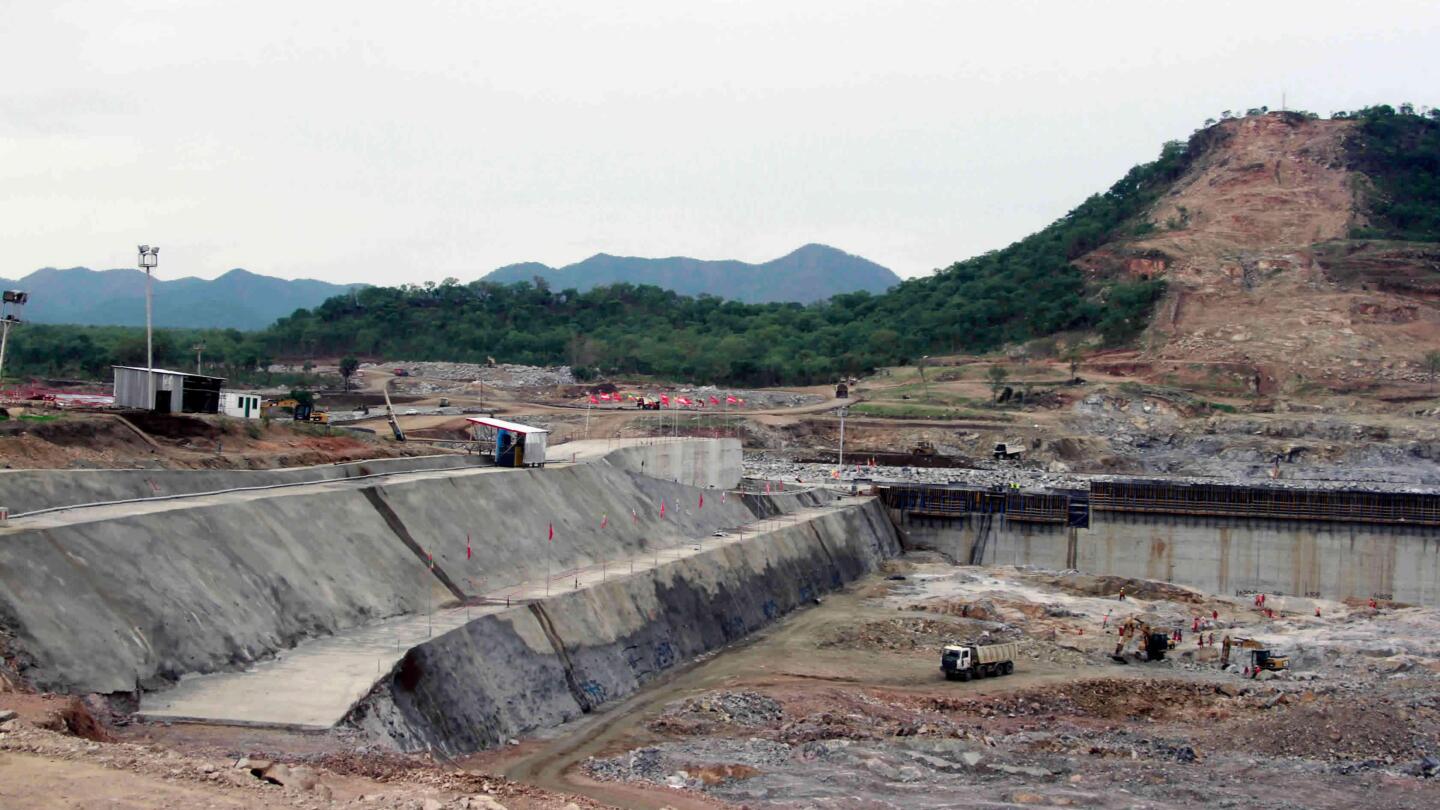
    The proposed framework envisions a negotiated settlement that would ensure predictable water supplies for downstream nations Egypt and Sudan, while simultaneously allowing Ethiopia to either sell or distribute electricity generated from the $4 billion infrastructure project. The GERD, Africa’s largest hydropower initiative inaugurated by Prime Minister Abiy Ahmed in September, promises to more than double Ethiopia’s current electricity capacity upon completion.

    Historical context reveals this isn’t Trump’s first intervention in the matter. During his previous term, he sparked controversy by suggesting Egypt might resort to military action against the dam, remarks that prompted diplomatic summons from both nations and heightened regional tensions. Previous mediation attempts involving the United States, World Bank, Russia, United Arab Emirates, and African Union have consistently failed to produce a lasting resolution over the past decade.

    The dam has evolved into a powerful symbol of national pride and development aspiration in Ethiopia, while simultaneously representing a water security crisis in Egypt. Trump’s relationship with President Sisi, a former general who assumed power in 2013 and has since governed with authoritarian measures, has remained notably warm throughout both leaders’ political careers.

  • Egypt and Sudan welcome Trump’s offer to mediate Nile River dam dispute

    Egypt and Sudan welcome Trump’s offer to mediate Nile River dam dispute

    Egypt and Sudan have expressed approval of former President Donald Trump’s proposal to restart American mediation efforts concerning the contentious Grand Ethiopian Renaissance Dam (GERD) on the Nile River. The diplomatic overture comes amid ongoing tensions between the Nile Basin nations over Africa’s largest hydroelectric project.

    Egyptian President Abdel-Fattah el-Sissi acknowledged Trump’s engagement with what Cairo considers a matter of national survival, stating his country remains committed to “serious and constructive cooperation with the Nile Basin countries, based on the principles of international law.” Simultaneously, Sudan’s military leader Gen. Abdel-Fattah Burhan characterized Trump’s initiative as a positive step toward achieving sustainable solutions that protect all parties’ rights.

    The $5 billion GERD project, inaugurated by Ethiopia last fall, represents a monumental infrastructure development with the capacity to generate over 5,000 megawatts of electricity—effectively doubling Ethiopia’s power generation capabilities. However, downstream nations Egypt and Sudan view the dam’s operation as potentially catastrophic to their water security.

    Egypt, whose 110 million population depends overwhelmingly on Nile waters, fears the dam could significantly reduce water flow, threatening agricultural sustainability and other vital sectors. Sudan has emphasized the need for coordinated reservoir management to prevent adverse effects on its own dams.

    The core disagreement revolves around establishing binding agreements regarding the dam’s filling procedures, water release protocols during droughts, and dispute resolution mechanisms. Previous U.S.-mediated negotiations initiated during Trump’s presidency stalled in 2020 when Ethiopia withdrew from talks, though discussions continued under African Union auspices without resolution.

    Ethiopia maintains that the dam is crucial for national development, noting that most of its population lacks reliable electricity access. As of this reporting, Ethiopian officials had not publicly responded to Trump’s renewed mediation offer.

  • Trump names Tony Blair, Marco Rubio to Gaza ‘board of peace’

    Trump names Tony Blair, Marco Rubio to Gaza ‘board of peace’

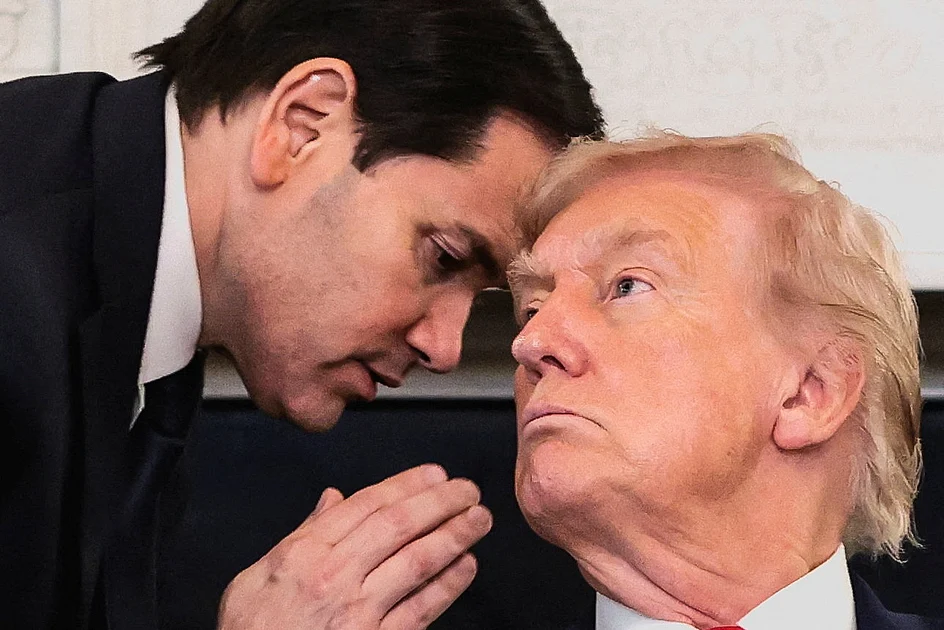
    In a significant diplomatic move, US President Donald Trump has established a high-profile “board of peace” as part of the ongoing efforts to stabilize Gaza following recent conflicts. The newly formed seven-member executive board will be chaired by Trump himself and includes prominent international figures such as Secretary of State Marco Rubio and former British Prime Minister Tony Blair.

    The board’s composition, announced by the White House on Friday, also features Trump’s special envoy Steve Witkoff, son-in-law Jared Kushner, and World Bank President Ajay Banga. Additional members are expected to be appointed in the coming weeks, according to official statements.

    This development represents Phase Two of the US-backed peace plan that initially took effect on October 10, 2025, which previously facilitated the release of all Hamas-held hostages and ended active combat between the Palestinian militant group and Israeli forces in the besieged territory.

    The selection of Tony Blair raises particular interest given his controversial legacy in Middle Eastern affairs, specifically his role in the 2003 Iraq invasion. President Trump acknowledged these concerns, noting he had sought to ensure Blair would be “an acceptable choice to everybody” involved in the peace process.

    Concurrent with the board’s establishment, a 15-member Palestinian technocratic committee has been formed to handle Gaza’s daily governance, headed by Gaza native and former Palestinian Authority deputy minister Ali Shaath. Additionally, US Major General Jasper Jeffers has been appointed to lead the International Stabilisation Force (ISF) in Gaza.

    Despite these structural advancements, the peace initiative faces ongoing challenges including allegations of aid shortages, sporadic violence, and Hamas’s continued reluctance to commit to full disarmament—a non-negotiable condition from Israel.

  • Ukrainian delegation arrives in US for peace talks as Russia hammers energy sites

    Ukrainian delegation arrives in US for peace talks as Russia hammers energy sites

    KYIV, Ukraine — A high-level Ukrainian diplomatic team has arrived in the United States to advance peace negotiations aimed at resolving the ongoing nearly four-year conflict, even as Russia continues its systematic targeting of Ukraine’s energy infrastructure during freezing winter conditions.

    The delegation, led by Ukrainian President Volodymyr Zelenskyy’s Chief of Staff Kyrylo Budanov, includes key negotiators Rustem Umerov and Davyd Arakhamia. Their mission focuses on finalizing critical aspects of a proposed peace settlement, particularly regarding postwar security guarantees and economic recovery frameworks.

    Budanov confirmed via Telegram that the team would meet with U.S. Special Envoy Steve Witkoff, former presidential advisor Jared Kushner, and U.S. Army Secretary Dan Driscoll. The discussions represent a significant diplomatic push by the United States to broker a resolution to the prolonged conflict.

    President Zelenskyy indicated that should American officials approve the proposed agreements, formal signing could occur as early as next week during the World Economic Forum in Davos, Switzerland—an event where former President Donald Trump is also expected to appear.

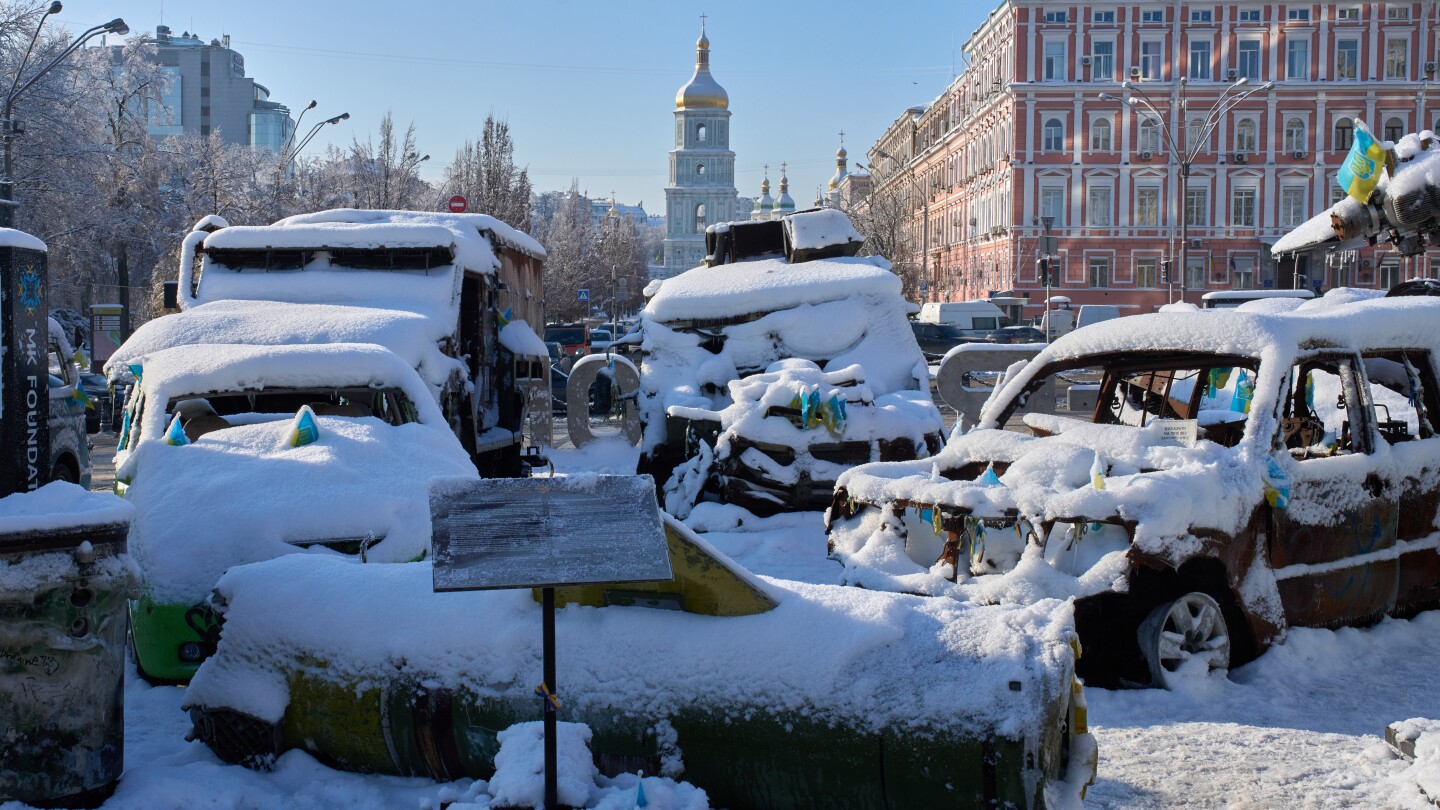
    Meanwhile, Russia launched renewed attacks on energy infrastructure in Ukraine’s Kyiv and Odesa regions overnight into Saturday, leaving more than 20 settlements without power amid subzero temperatures. This continues Russia’s documented strategy of targeting energy systems during winter months, which Ukrainian officials describe as “weaponizing winter” to undermine national resistance.

    Ukraine’s Energy Minister Denys Shmyhal reported that Russia conducted 612 attacks on energy targets throughout the previous year, with increasing intensity as temperatures plummet to -18°C (0°F). In response, Ukraine has implemented emergency measures including eased curfew restrictions to allow citizens access to public heating centers, while prioritizing energy supplies to hospitals, schools, and critical infrastructure.

    The government has also directed major state enterprises—including Ukrzaliznytsia, Naftogaz, and Ukroboronprom—to urgently procure imported electricity to cover at least half of their consumption needs.

  • US Congressional delegation seeks to reassure Denmark and Greenland after Trump’s threats

    US Congressional delegation seeks to reassure Denmark and Greenland after Trump’s threats

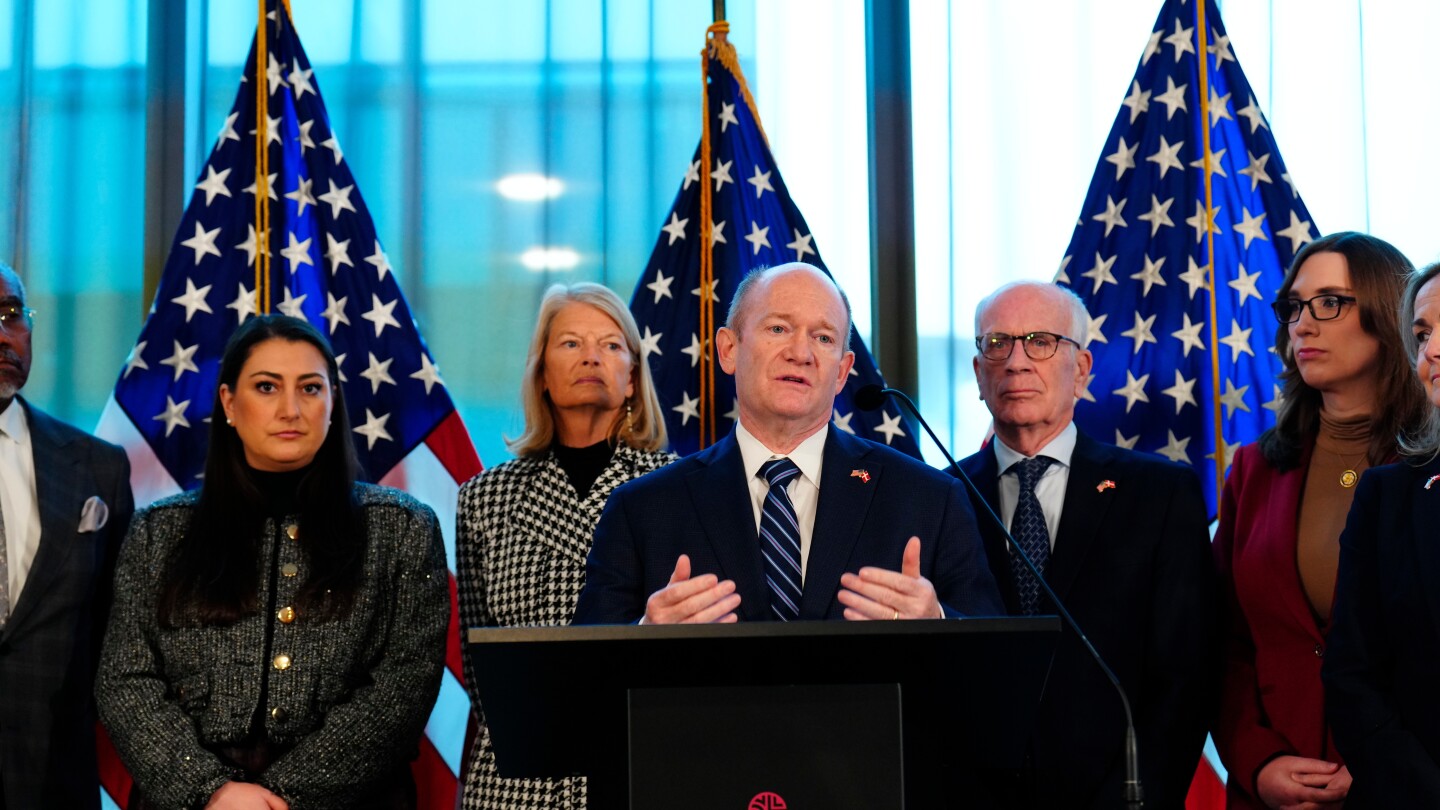
    A bipartisan delegation from the United States Congress has embarked on a diplomatic mission to Copenhagen and Nuuk aiming to reassure Danish and Greenlandic officials amidst escalating tensions following President Donald Trump’s controversial statements regarding the Arctic territory. Led by Democratic Senator Chris Coons of Delaware, the delegation explicitly distanced itself from the White House’s position, emphasizing the United States’ profound respect for Denmark as a vital NATO partner.

    The congressional visit coincides with planned demonstrations in both Copenhagen and Nuuk, Greenland’s capital, where locals are expected to express strong support for the island’s current self-governing status within the Danish Kingdom. Senator Coons, addressing the media in Copenhagen, characterized the recent rhetoric from Washington as a source of significant concern and expressed his intent to de-escalate the situation. He underscored the critical importance of the U.S.-Denmark alliance, warning that actions which cause doubt among such a steadfast partner could have far-reaching consequences for America’s global credibility.

    This conciliatory approach stands in stark contrast to the administration’s stance. President Trump has repeatedly framed a potential U.S. acquisition of Greenland as a national security imperative, citing alleged ambitions from China and Russia over the island’s vast reserves of untapped critical minerals. Notably, the White House has not dismissed the possibility of acquiring the territory by force. Further complicating relations, Trump recently threatened to impose tariffs on countries, including those within the Danish realm, if they did not support the U.S. takeover, marking a new escalation in his strategy.

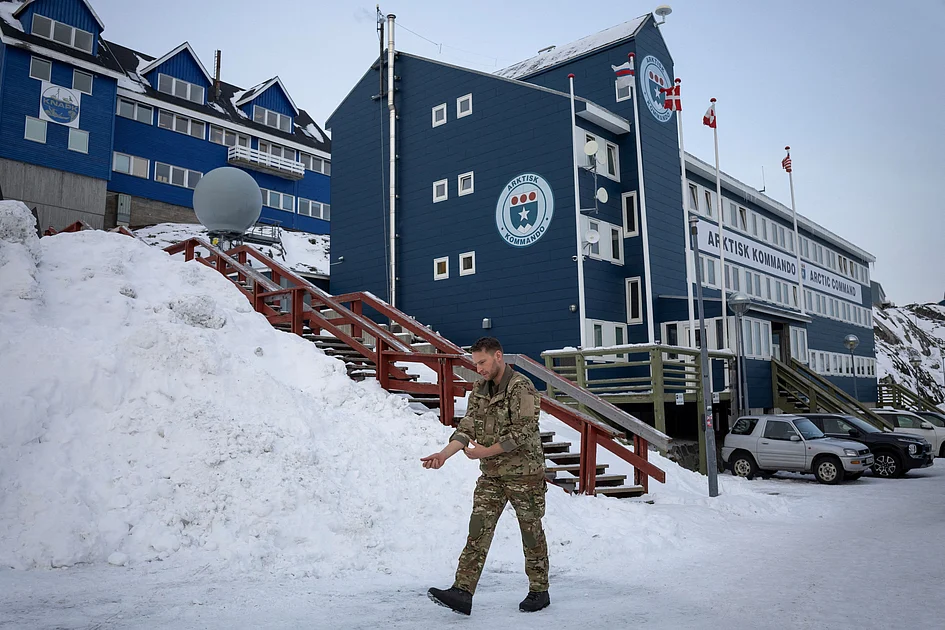
    The fundamental disagreement was further highlighted after a recent meeting in Washington between U.S. officials and the foreign ministers of Denmark and Greenland. While the parties agreed to establish a working group, they provided publicly divergent explanations of its purpose. In response to the heightened tensions, Denmark has announced plans to bolster its military presence in Greenland in coordination with its allies, firmly asserting that matters concerning the territory’s sovereignty are for Denmark and Greenland alone to decide.