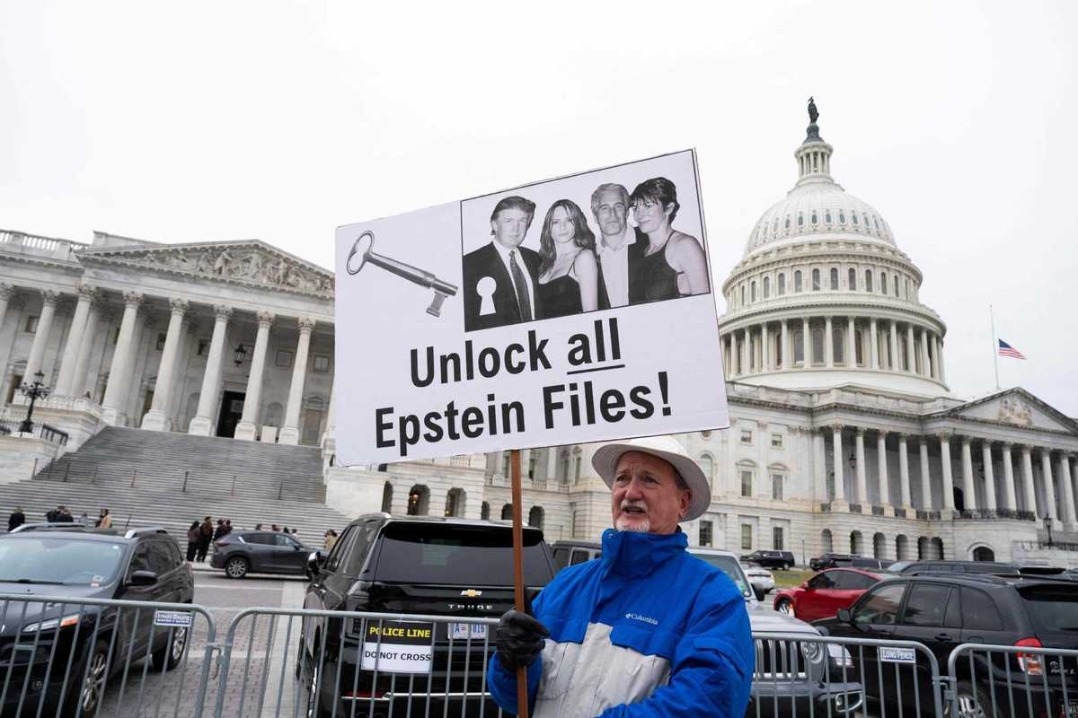
In a rare display of bipartisan unity, the United States Congress has taken decisive action to compel the release of Justice Department files related to the late financier and convicted sex offender Jeffrey Epstein. The House of Representatives passed the resolution with an overwhelming vote of 427-1, swiftly followed by approval from the Republican-majority Senate. The bill is now poised for President Donald Trump’s signature, which could occur as early as Wednesday. This move marks a significant shift in Trump’s stance, as he had previously opposed the release of these documents for months. The Epstein scandal has been a persistent source of political friction for Trump, with many of his supporters believing that his administration has obscured Epstein’s connections to influential figures and the circumstances surrounding his 2019 death, which was officially ruled a suicide. The pressure for transparency intensified when approximately two dozen survivors of Epstein’s alleged abuse joined lawmakers outside the Capitol to advocate for the release of the records. These women, holding photographs of their younger selves, shared their harrowing experiences and urged accountability. Following the vote, survivors and advocates applauded lawmakers from the public gallery, some visibly emotional. Despite his eventual support for the bill, Trump expressed frustration over the ongoing attention to the Epstein matter, lashing out at a reporter during a press briefing and denying any personal involvement with Epstein. The White House was reportedly surprised by the speed at which the measure passed through Congress, anticipating a lengthier deliberation in the Senate. The controversy has impacted Trump’s public approval, with a recent Reuters/Ipsos poll revealing his lowest approval rating this year, particularly regarding his handling of the Epstein case. Only 20% of voters overall and 44% of Republicans expressed satisfaction with his approach to the matter.
分类: politics
-
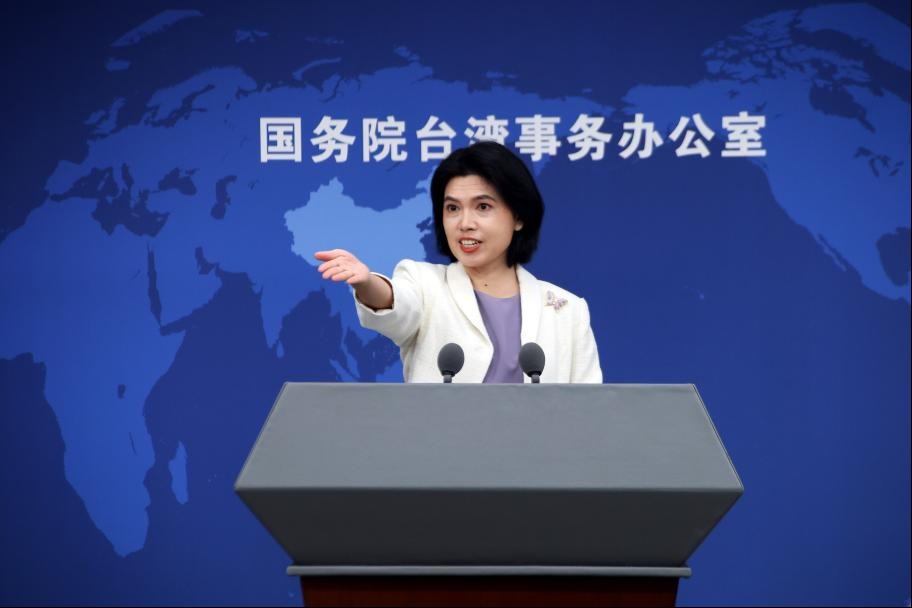
Japan’s meddling in Taiwan fiercely opposed
China has issued a stern warning against Japan’s recent comments on Taiwan, emphasizing that such interference in China’s internal affairs is unacceptable. Zhu Fenglian, spokesperson for the State Council Taiwan Affairs Office, addressed the media on Wednesday, condemning Japanese Prime Minister Sanae Takaichi’s remarks about the Taiwan Strait. Takaichi had suggested that China’s actions toward Taiwan could pose a ‘survival-threatening situation’ for Japan, hinting at potential military intervention. Zhu labeled these comments as an attempt to revive militarism and undermine the achievements of the Chinese People’s War of Resistance Against Japanese Aggression (1931-45). She reiterated that Taiwan is an inalienable part of China and called on Japan to cease its provocative actions. Zhu also criticized Taiwan’s Democratic Progressive Party (DPP) for colluding with external forces to pursue ‘independence,’ warning that such efforts are futile and will be met with firm countermeasures. Over 30 civil groups in Taiwan joined in condemning Takaichi’s remarks, rejecting any role as victims of Japanese militarism. Additionally, Zhu opposed Taiwan leader Lai Ching-te’s reported plans to transit through the United States, urging the U.S. to adhere to the one-China principle and avoid sending wrong signals to ‘Taiwan independence’ forces.
-
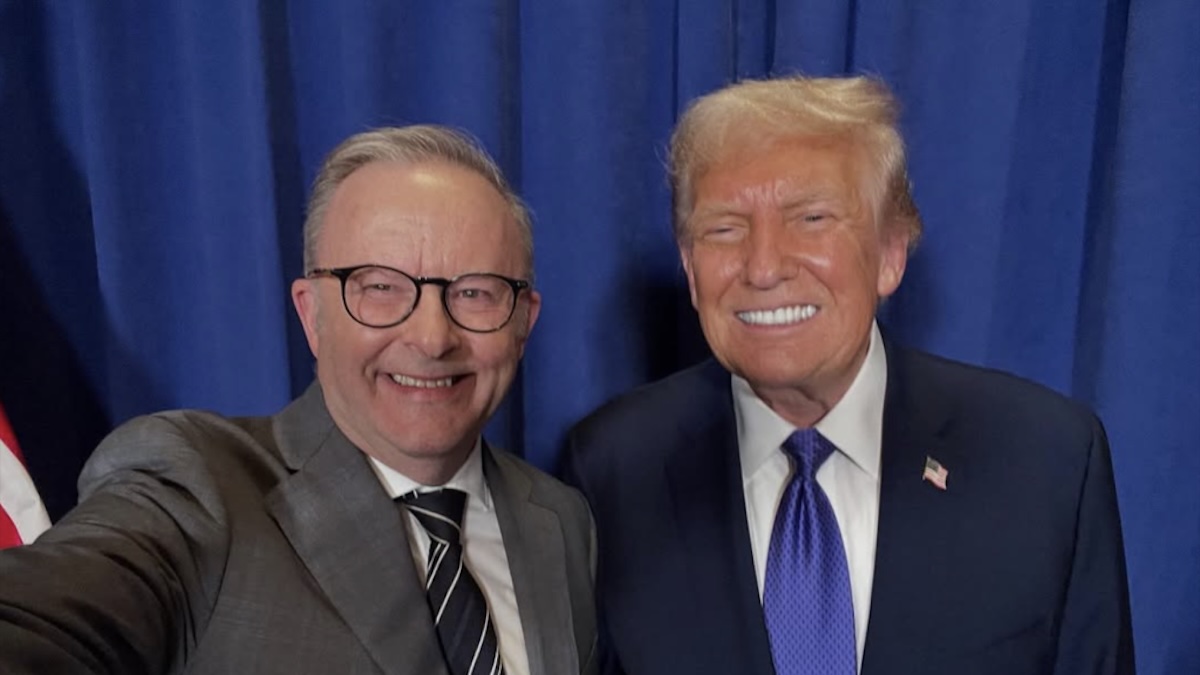
Australians worry markedly more about US interference: new poll
Australians continue to value their alliance with the United States, but a new poll reveals growing skepticism and critical views toward the relationship. Conducted by the Australia-China Relations Institute at the University of Technology Sydney, the survey of 2,045 respondents highlights a significant shift in public opinion. For the first time in five years, more Australians (57%) believe the US, rather than China (51%), would pressure Australia to take sides in their rivalry. This reflects a broader awareness that pressure can come from allies as well as adversaries. Concerns about US interference in Australia have surged to 54%, a nearly 20-point increase since 2021, narrowing the gap with concerns about interference from China and Russia, which remain steady at 64%. The poll also indicates that nearly two-thirds of Australians fear a second Trump presidency would heighten the likelihood of conflict with China. Economic perceptions have shifted dramatically, with 72% of respondents now viewing the US as using trade for political punishment, compared to 70% for China. Despite these concerns, Australians’ views of China have softened since 2021. While mistrust of the Chinese government persists, it has declined from 76% to 64%, and two-thirds of Australians now see China as a security concern, the lowest level in five years. Regional tensions, particularly in the South China Sea, remain a focal point, with 72% of respondents viewing China’s actions there as a threat to Australia’s interests. Support for defense spending has reached a record high of 72%, though this drops to 55% when trade-offs with health or education are considered. The AUKUS defense pact, which includes plans to acquire nuclear-powered submarines, is supported by half of Australians as a means to enhance national security. On Taiwan, opinions are divided: 37% would support sending troops if China attacked, while most prefer neutrality or non-military engagement. In a hypothetical US-China conflict over Taiwan, 50% of Australians would favor neutrality, and 47% would back supporting the US. The survey also reveals that China policy is increasingly influencing Australian voters, with 37% citing it as a factor in the 2025 federal election, up 10 points from 2022. Overall, Australians are adopting a more nuanced approach to managing their relationships with both China and the US, balancing economic interests with strategic concerns.
-
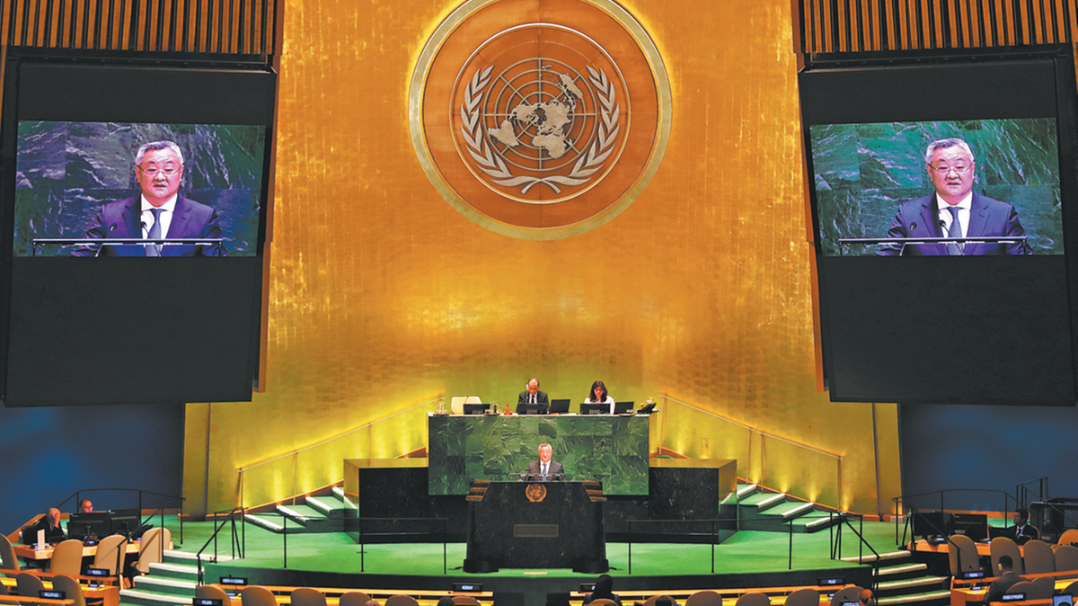
Japanese PM’s remarks seen as bid to court right-wingers
Japanese Prime Minister Sanae Takaichi’s recent comments suggesting potential military intervention in Taiwan have drawn sharp criticism from China and raised concerns about the resurgence of militarism in Japan. Observers argue that Takaichi’s remarks are a calculated move to court right-wing supporters and bolster her Liberal Democratic Party’s (LDP) position after losing its parliamentary majority. Earlier this month, Takaichi became the first sitting Japanese prime minister to publicly discuss military action in Taiwan, framing it as a response to a ‘survival-threatening situation.’ This stance directly contradicts Article 9 of Japan’s pacifist Constitution, which renounces war and the use of force in international disputes. Chinese Foreign Ministry spokeswoman Mao Ning condemned the remarks, likening them to historical justifications used by Japanese militarism, such as the 1931 invasion of Manchuria and the attack on Pearl Harbor. Mao emphasized the need for the international community to remain vigilant against militarism and uphold the postwar international order. At the UN General Assembly, China’s Permanent Representative Fu Cong criticized Takaichi’s comments as a departure from Japan’s commitment to peaceful development and a threat to global stability. Analysts warn that Takaichi’s rhetoric risks inflaming populist sentiments and could lead to significant domestic and international repercussions. Meanwhile, Japan’s refusal to retract the remarks has prompted China to suspend imports of Japanese aquatic products, citing safety concerns and public backlash. Mao reiterated that Japan would bear the consequences of its actions if it persists in its stance.
-

Military surge in Caribbean raises concern
The United States has significantly increased its military presence in the Caribbean Sea under the guise of an anti-drug campaign, raising concerns about its true intentions and the potential destabilization of Latin America. Since September, US forces have adopted a more aggressive stance, conducting attacks on alleged drug-smuggling vessels in international waters, resulting in at least 80 fatalities. Despite Washington’s claims that these actions aim to curb drug flow into the US, no concrete evidence linking the targeted vessels to drug smuggling has been provided.
Venezuela’s Foreign Minister Yvan Gil has condemned these attacks as violations of international law, while experts like Cao Ting, director of the Center for Latin American Studies at Fudan University, argue that counter-narcotics has historically been a pretext for US intervention in the region. Reports from the US Drug Enforcement Administration indicate that Venezuela is not a primary source of drugs entering the US, further questioning the legitimacy of these military operations.
The recent arrival of the Gerald R. Ford aircraft carrier strike group has pushed the total US military personnel in the Caribbean to over 15,000, marking the largest buildup in decades. Zheng Meng, an associate research fellow at the Institute of Latin America Studies, asserts that the scale of this deployment far exceeds what is necessary for drug interdiction, suggesting that the true objective is to strengthen political control and economic exploitation in Latin America.
This military surge has sparked widespread controversy, both domestically and internationally. A Reuters/Ipsos poll revealed that only 29% of Americans support military strikes against suspected drug traffickers without judicial oversight. French Foreign Minister Jean-Noel Barrot criticized the operations as violations of international law, and the UK has suspended intelligence sharing with the US on suspected drug trafficking vessels in the Caribbean.
Experts warn that the US’s unilateral actions and power politics not only violate international law but also undermine regional peace and stability, leading to growing global dissatisfaction. As the US continues to escalate its military operations, Latin America faces an increasingly dangerous and uncertain future, transforming what should be a peaceful region into a volatile one.
-
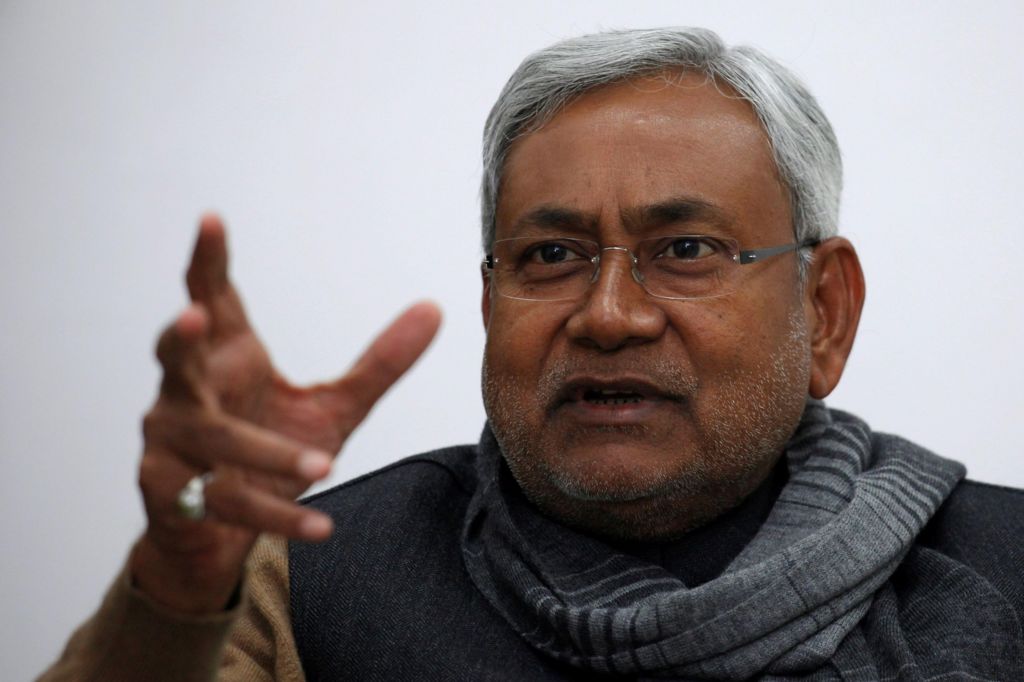
Modi’s ally returns as chief minister after sweeping Indian state polls
In a historic political milestone, Nitish Kumar, the leader of Janata Dal (United), has been sworn in as the Chief Minister of Bihar for an unprecedented 10th term. This follows a resounding victory in the state’s recent elections, where his party and its allies, including Prime Minister Narendra Modi’s Bharatiya Janata Party (BJP), secured a commanding 202 out of 243 seats. The 74-year-old political stalwart, who has dominated Bihar’s political landscape for most of the past two decades, took the oath of office in Patna before a massive gathering on Thursday. The ceremony came a day after his party’s legislators unanimously elected him as their leader, with the broader alliance endorsing the decision. The election itself was marked by controversy, with opposition parties alleging that a revision of voter lists unfairly favored the BJP—a claim both the party and the Election Commission denied. Bihar, one of India’s poorest states with over 74 million voters, has long been a political battleground. Despite its challenges, the state saw a record voter turnout of 66.91%, the highest since 1951, with women outnumbering men at the polls. The BJP won 89 seats, while Kumar’s party secured 85, with the remaining 28 seats going to other alliance partners. The opposition coalition, led by the Congress party and the Rashtriya Janata Dal (RJD), managed to win only 35 seats. This election is seen as a precursor to crucial state polls next year in West Bengal, Kerala, and Tamil Nadu, where the BJP has struggled to establish a foothold. Prime Minister Modi hailed the Bihar results as ‘a victory for democracy,’ underscoring the significance of the outcome in shaping India’s political future.
-
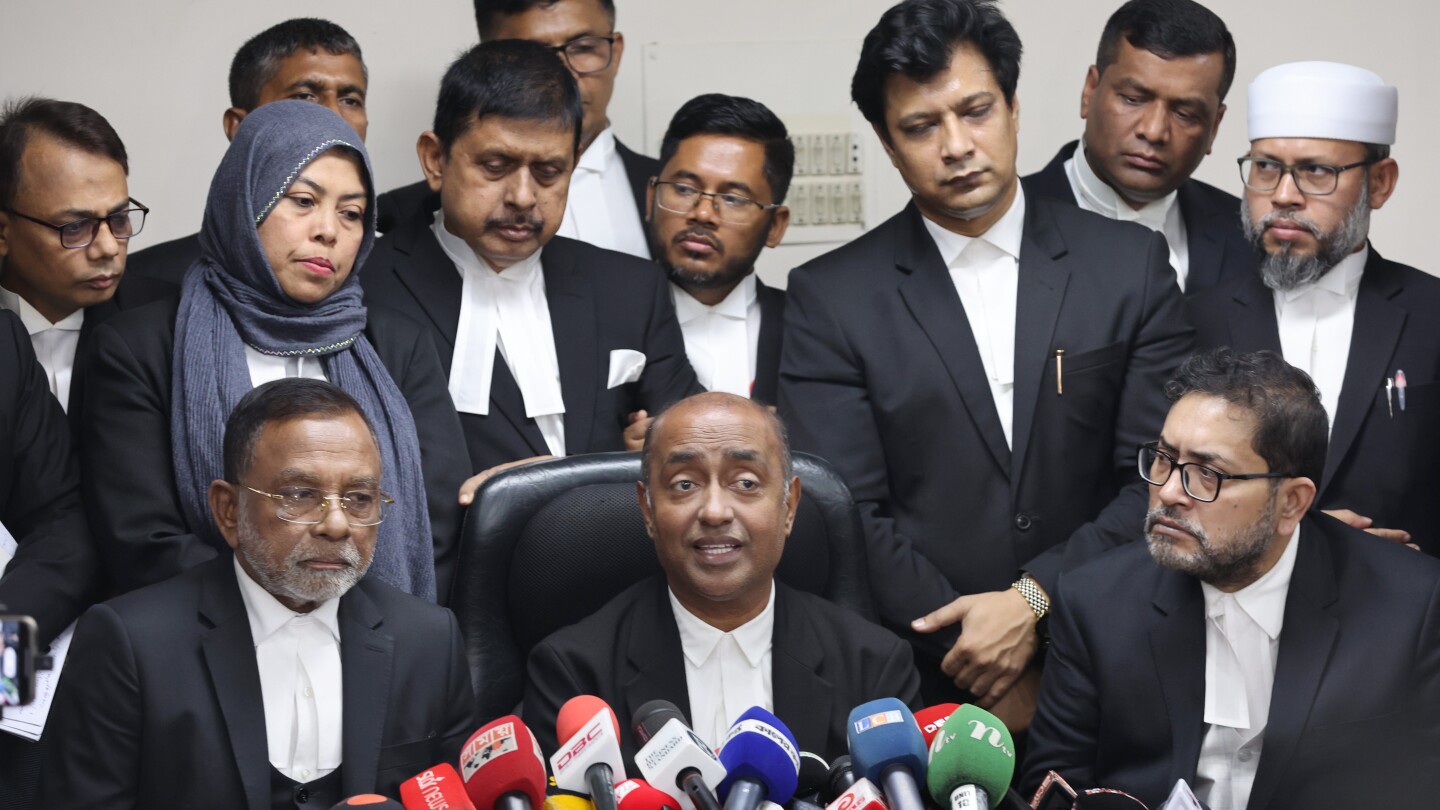
Bangladesh Supreme Court restores nonpartisan caretaker system but not for next elections
In a landmark decision on Thursday, Bangladesh’s Supreme Court reinstated the nonpartisan caretaker government system for national elections, a move hailed as a step toward ensuring electoral fairness. However, the ruling clarified that the system would not apply to the upcoming elections scheduled for early next year. The caretaker system, first introduced in 1996, was widely regarded as a cornerstone of democratic integrity in Bangladesh, a parliamentary democracy of 170 million people. It facilitated two subsequent elections in which retired chief justices led nonpartisan governments, ensuring smooth transitions of power within 90 days. The 2008 elections were also conducted under a former central bank governor. Despite its initial success, the system was abolished in 2011 under then-Prime Minister Sheikh Hasina, following political disputes. Critics accused Hasina of manipulating future elections, a claim underscored by the controversial 2014, 2018, and 2024 elections, which were marred by allegations of credibility issues. The Bangladesh Nationalist Party (BNP), led by Hasina’s rival Khaleda Zia, boycotted the 2014 and 2024 polls, demanding the restoration of the caretaker system. The Supreme Court’s unanimous ruling on Thursday addressed two appeals and four petitions seeking a review of the 2011 verdict. The court stated that the caretaker system would be reinstated for the 14th national election since Bangladesh’s independence in 1971 but would not affect the 13th post-independence vote, which will be overseen by the interim government led by Nobel Peace Prize laureate Muhammad Yunus. Attorney General Mohammed Asaduzzaman praised the decision, calling it a milestone for Bangladesh’s democracy. Meanwhile, the BNP welcomed the ruling, with party leader Amir Khasru Mahmud Chowdhury describing it as the dawn of a new era. The decision comes amid a turbulent political climate, with Hasina in exile in India following her ousting in August 2024 and subsequent death sentence for crimes against humanity. Analysts warn that Bangladesh faces a challenging path ahead as it navigates this critical juncture under Yunus’s leadership.
-
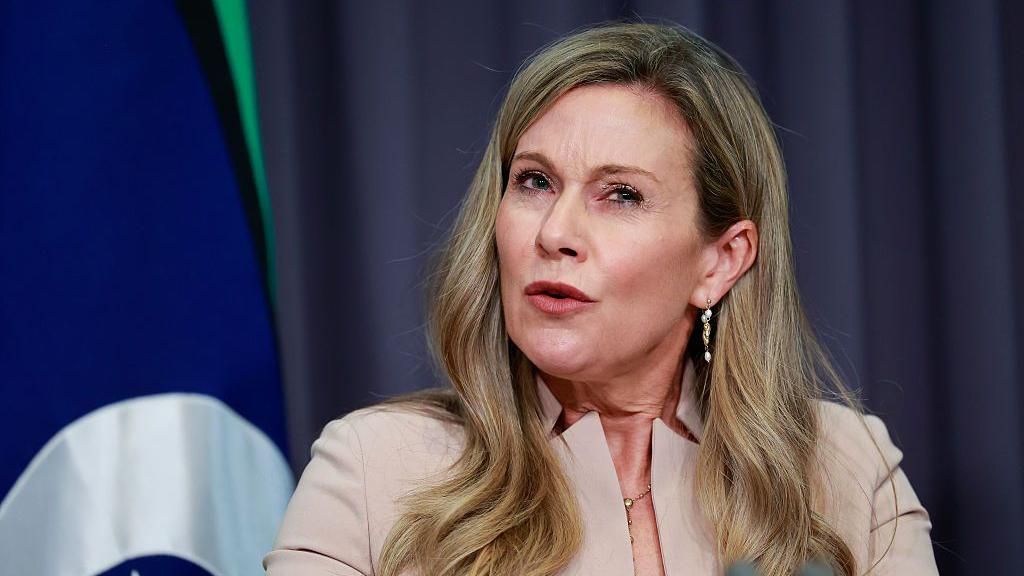
US congress calls Australia’s internet regulator to testify
Australia’s eSafety Commissioner, Julie Inman Grant, is under scrutiny from US Republican Congressman Jim Jordan, who has requested her testimony before the US Congress. Jordan, chair of the Committee of the Judiciary, expressed concerns that Australia’s Online Safety Act (OSA) enforcement is impinging on free speech in the United States. In a letter to Inman Grant, Jordan criticized her as a ‘noted zealot for global takedowns’ and accused her of overreaching by applying Australian laws extraterritorially, which he claims threatens American citizens’ speech rights. He has demanded her appearance by December 2, just before Australia’s social media ban for under-16s takes effect. A spokesperson for Inman Grant stated that she is considering the request, emphasizing that her role is to enforce Australian laws and that she is accountable to Australia’s Minister for Communications and Parliament. The spokesperson also clarified that eSafety’s actions do not restrict American companies from displaying content to Americans. Jordan’s letter referenced Inman Grant’s past legal actions against Elon Musk’s X platform, where she sought the removal of videos depicting a Sydney church stabbing, deemed a terrorist incident, from global users. Although X initially refused to comply, it later blocked the videos in Australia. Jordan also accused Inman Grant of collaborating with pro-censorship entities in the US to promote ‘global censorship regimes’ and criticized her speech at Stanford University, labeling it as ‘troubling’ and indicative of efforts to censor lawful American speech. He warned that such global content takedown orders could set a dangerous precedent for other governments to follow.
-
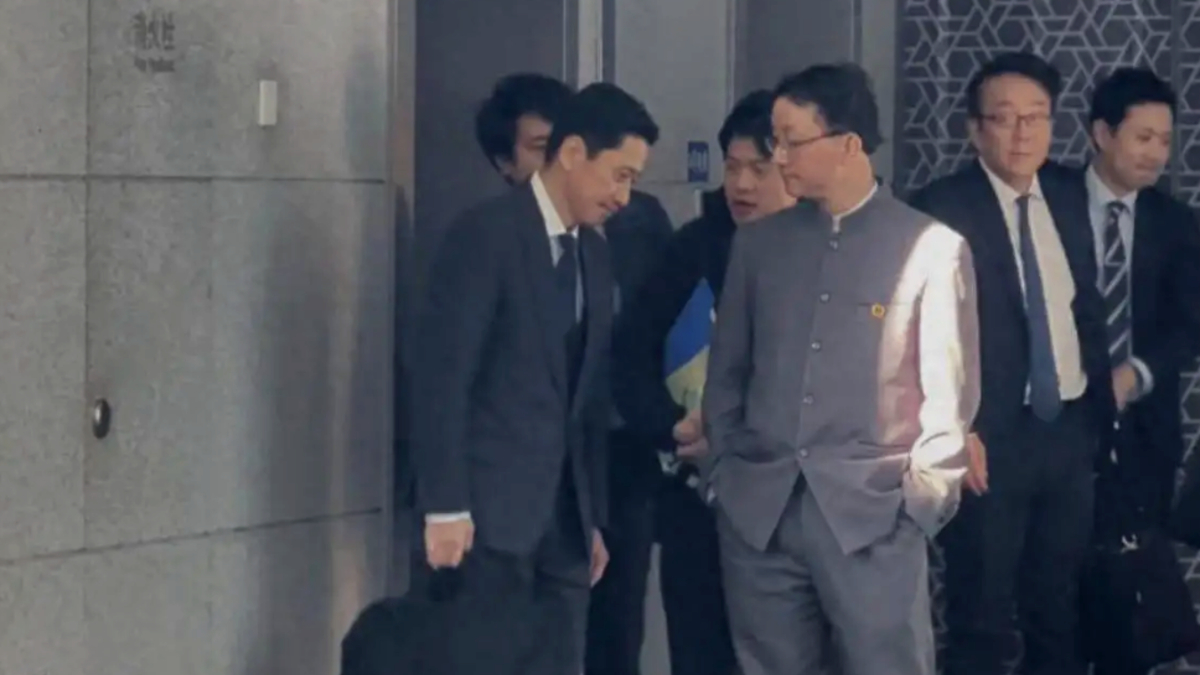
China’s economic retaliation against Takaichi is just beginning
The diplomatic relationship between China and Japan has taken a sharp turn towards confrontation following provocative remarks by Japanese Prime Minister Sanae Takaichi regarding Taiwan. In response, Chinese analysts and policymakers have proposed stringent measures against Japan, including banning exports of rare earths and halting imports of Japanese seafood and agricultural products. Gao Zhikai, a prominent Chinese academic and former diplomat, suggested these measures in a social media video, emphasizing the need for a robust response to Japan’s pro-Taiwan stance. Gao also recommended canceling visa-free arrangements for Japanese passport holders and barring entry to those who visited the controversial Yasukuni Shrine in the past year. These proposals have already begun to materialize, with China suspending imports of Japanese aquatic products and terminating bilateral consultations on Japanese beef exports. The rare earths issue is particularly critical, as Japan relies heavily on China for these materials, essential for its high-tech industries. The situation has been further exacerbated by China’s issuance of travel advisories and study-abroad alerts, citing deteriorating security conditions in Japan. The economic impact is significant, with Chinese travel platforms canceling hundreds of thousands of tickets to Japan, leading to substantial revenue losses for Japanese businesses. The tensions stem from Takaichi’s recent comments on Taiwan, which Beijing views as a direct challenge to its sovereignty. China has warned of severe consequences if Japan intervenes militarily in the Taiwan Strait, with state media highlighting the risks of a hostile security environment and international criticism. Despite diplomatic efforts to stabilize ties, including a recent meeting between officials from both countries, progress has been minimal. The situation remains volatile, with both nations standing firm on their positions.
-

A corruption scandal pressures Ukraine’s Zelenskyy to show greater accountability
Ukrainian President Volodymyr Zelenskyy is under increasing pressure to demonstrate accountability as a corruption scandal threatens to destabilize his government amidst the ongoing war with Russia. The scandal, involving the embezzlement of $100 million from Ukraine’s energy sector, has led to the dismissal of two top officials and sanctions on close associates. However, these actions have failed to quell public outrage, particularly as Ukrainians endure frequent power outages caused by Russian bombardments. Calls are growing for the resignation of Zelenskyy’s chief of staff, Andrii Yermak, who is seen as a central figure in the administration. While neither Zelenskyy nor Yermak have been directly implicated, critics argue that senior leaders must be held accountable to restore public trust and maintain credibility with Western allies. The scandal has intensified scrutiny of Ukraine’s long-standing corruption issues, which Zelenskyy had pledged to eradicate when elected in 2019. Despite the political storm, Zelenskyy has not yet decided to dismiss Yermak, whose influence in the administration remains significant. The situation highlights the delicate balance Zelenskyy must strike between addressing internal corruption and maintaining focus on the war effort.