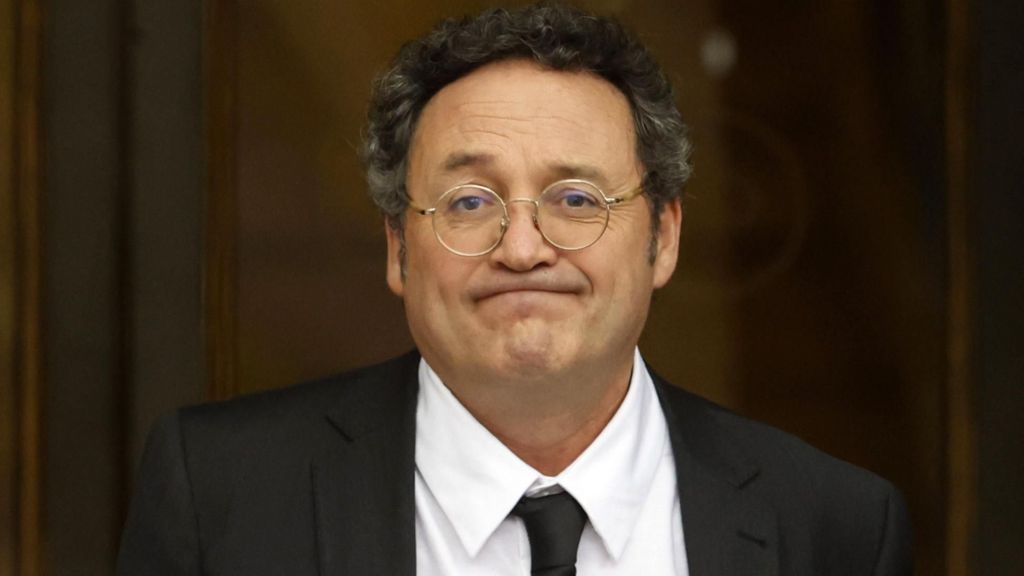
Spain’s Attorney General, Álvaro García Ortiz, has been compelled to resign following a Supreme Court ruling that found him guilty of unlawfully disclosing confidential information. The case, which has deepened the nation’s political divide, centered on García Ortiz’s revelation of the tax status of Alberto González Amador, a businessman and partner of a prominent conservative politician. The court imposed a two-year ban from public office and a €7,200 fine on García Ortiz, who must also pay €10,000 in compensation to González Amador. The trial has exacerbated tensions between Prime Minister Pedro Sánchez’s left-wing government and the right-wing opposition. Conservative People’s Party spokeswoman Ester Muñoz called for Sánchez’s resignation and immediate elections, while the government stated it respected the ruling despite disagreeing with it. Left-wing politicians, including Health Minister Mónica García, criticized the verdict as politically motivated and damaging to the presumption of innocence. The case originated in March 2024 when the attorney general’s office corrected erroneous press reports about González Amador’s tax evasion plea bargain. González Amador filed a complaint, alleging a breach of privacy, and García Ortiz was accused of leaking information to the media. Despite the lack of direct evidence linking him to the leak, the court ruled against him. García Ortiz retains the right to appeal. This ruling adds to the judicial pressures facing Prime Minister Sánchez, whose family and party members are embroiled in various legal controversies.
分类: politics
-
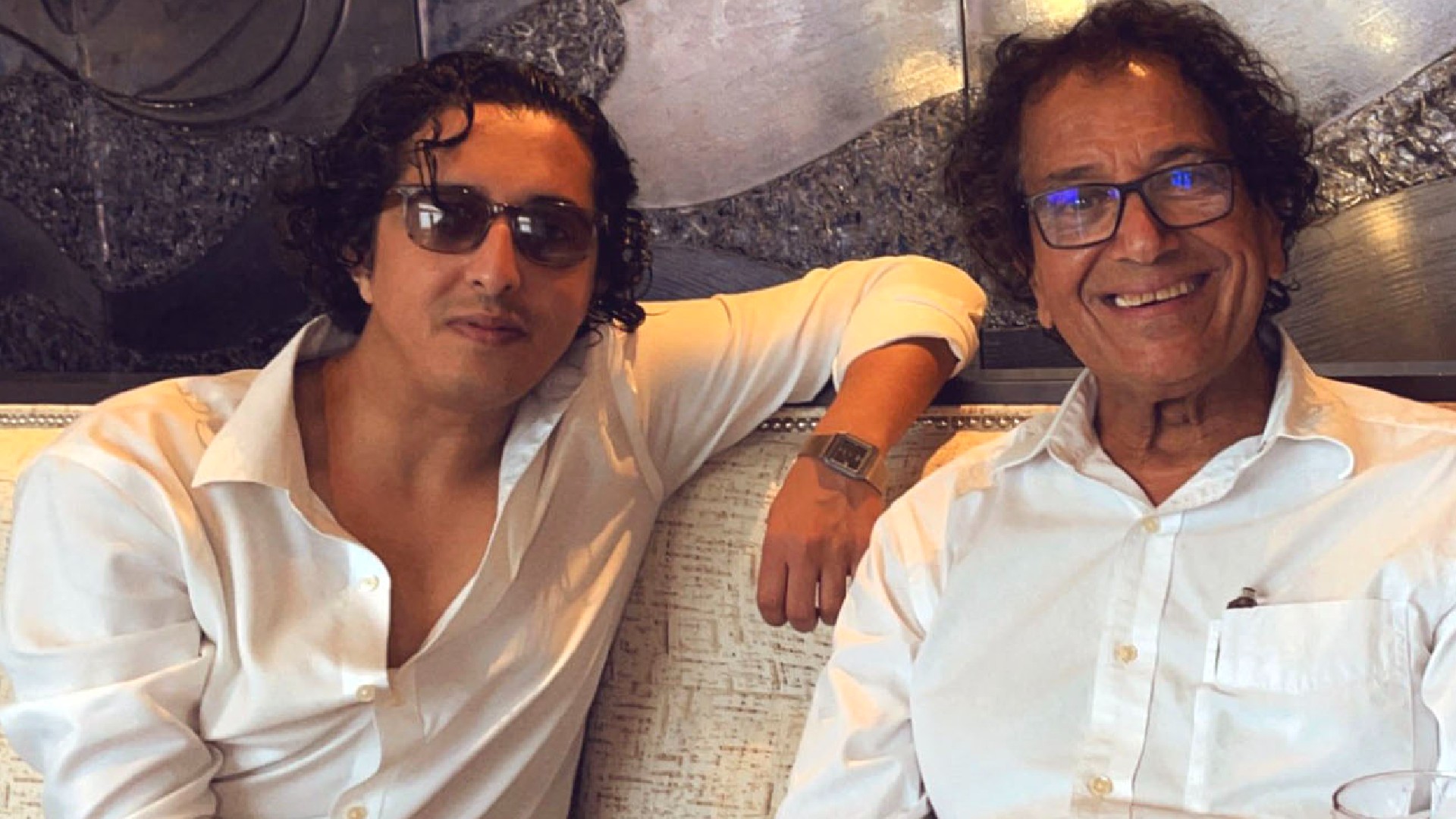
Saudi Arabia allows US citizen Saad Almadi to return home
In a significant diplomatic development, Saudi Arabia has permitted Saad Almadi, a 75-year-old Saudi-US citizen, to return to the United States after a high-profile meeting between Crown Prince Mohammed Bin Salman and former US President Donald Trump at the White House. Almadi, a retired engineer, had been subjected to a travel ban following his arrest in 2021 for allegedly posting social media content critical of the Saudi government. Despite being released in 2023 and having charges dropped, he remained under a 30-year travel ban, unable to leave the kingdom for four years. His family expressed immense relief, stating, ‘Our family is overjoyed that, after four long years, our father, Saad Almadi, is finally on his way home to the United States!’ Almadi’s son, Ibrahim, credited the Trump administration’s ‘tireless efforts’ for securing his father’s return. The case has drawn international attention, particularly due to Almadi’s posts criticizing urban demolitions, poverty, and referencing the murder of journalist Jamal Khashoggi. The Crown Prince’s visit marked the first since Khashoggi’s 2018 killing, with Trump defending the Saudi leader and dismissing questions about the incident. This resolution highlights the complex interplay between diplomacy, human rights, and international relations.
-
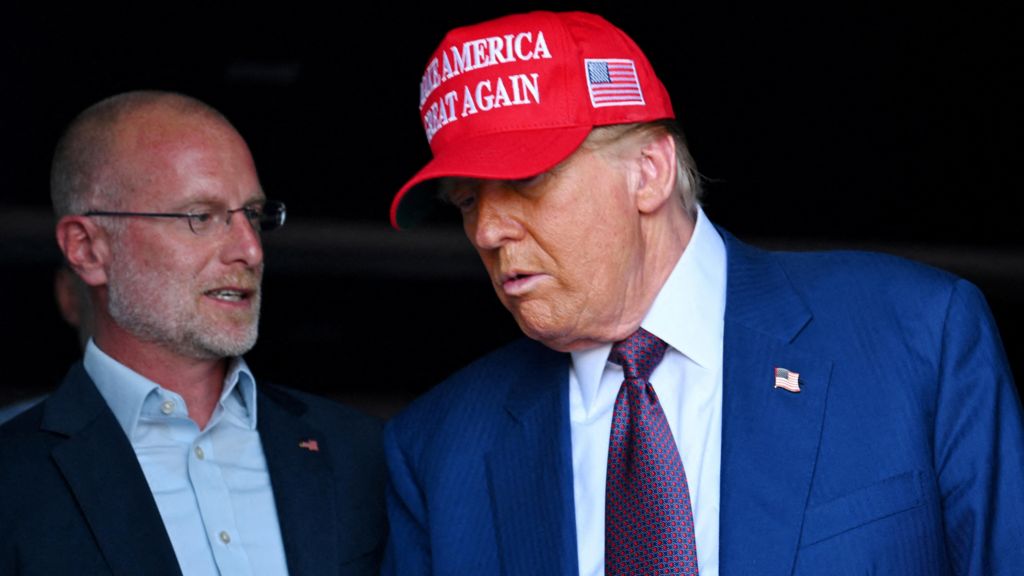
US broadcast regulator writes to BBC over Panorama edit of Trump speech
The Federal Communications Commission (FCC) has initiated an inquiry into the BBC following a controversial episode of its Panorama program that spliced parts of a 2021 speech by former US President Donald Trump. FCC Chairman Brendan Carr sent letters to the BBC’s outgoing Director General Tim Davie, as well as executives at US public service broadcasters NPR and PBS, which occasionally air BBC content. Carr’s letter seeks to determine whether the BBC provided the edited material to any FCC-regulated broadcaster for airing in the US. The Panorama episode, titled ‘Trump: A Second Chance?’, allegedly misrepresented Trump’s speech by editing together separate segments, creating the impression that he directly incited violence during the January 6, 2021, Capitol riot. Trump has threatened legal action, accusing the BBC of defamation and demanding financial compensation. The BBC has apologized for the misleading edit but maintains it did not distribute the episode in the US and restricted its availability to UK viewers on BBC iPlayer. The broadcaster also argued that the documentary did not harm Trump, as he was re-elected shortly after its release. The FCC’s investigation hinges on whether the edited clip was broadcast in the US, which could establish jurisdiction. Media experts suggest the FCC is unlikely to find evidence supporting Trump’s claims if the program was not aired in the US. The controversy has led to the resignation of BBC Director General Tim Davie and BBC News chief Deborah Turness. The BBC is regulated by the UK’s Ofcom, while US broadcasters fall under the FCC’s jurisdiction. The FCC has yet to comment further on the matter.
-
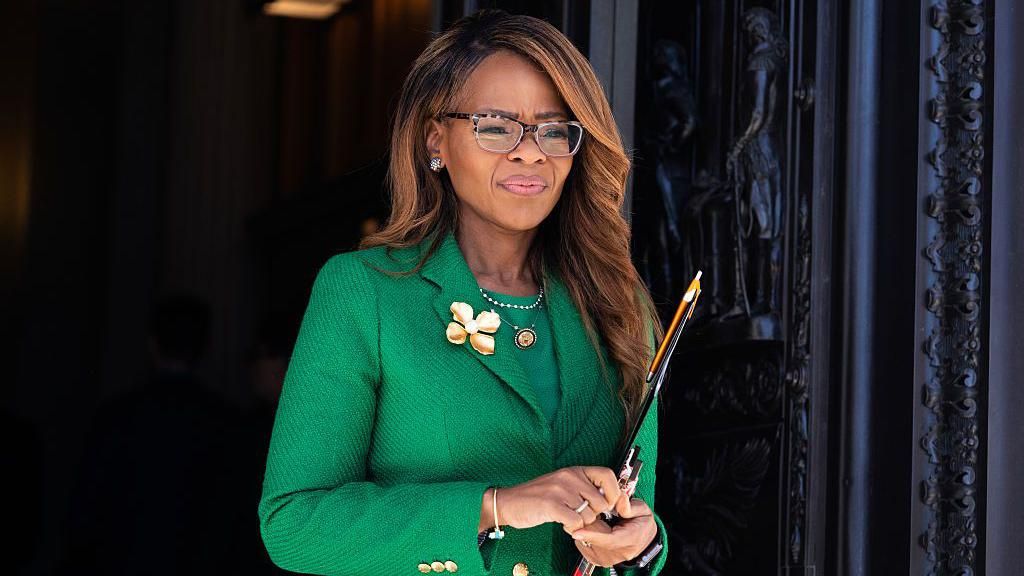
US congresswoman charged with stealing $5m in federal disaster funds
A Florida congresswoman, Sheila Cherfilus-McCormick, has been indicted on charges of embezzling $5 million in federal disaster funds. The 46-year-old Democrat, elected to Congress in 2022, is accused of laundering a portion of the misappropriated Federal Emergency Management Agency (FEMA) funds into her 2021 election campaign. The alleged fraud was orchestrated through Trinity Healthcare Services, a company she co-owned with her brother, Edwin Chefilus, who is also implicated in the scheme. The company had secured a FEMA contract to register individuals for COVID-19 vaccines but reportedly received an overpayment of $5 million in July 2021. Prosecutors claim the siblings attempted to conceal the money’s origin by funneling it through multiple accounts, with a significant portion allegedly used to finance her congressional bid. Additionally, funds were reportedly diverted to friends and relatives, who then contributed to her campaign as personal donations. Attorney General Pam Bondi condemned the act as a ‘particularly selfish, cynical crime,’ emphasizing that no one is above the law. If convicted, Cherfilus-McCormick faces up to 53 years in prison. She has vehemently denied the charges, calling the indictment ‘unjust and baseless,’ and vowed to clear her name. The House Ethics Committee is also investigating her conduct, and Florida Republican Congressman Greg Steube has proposed a resolution to expel her from Congress, citing the severity of the allegations.
-
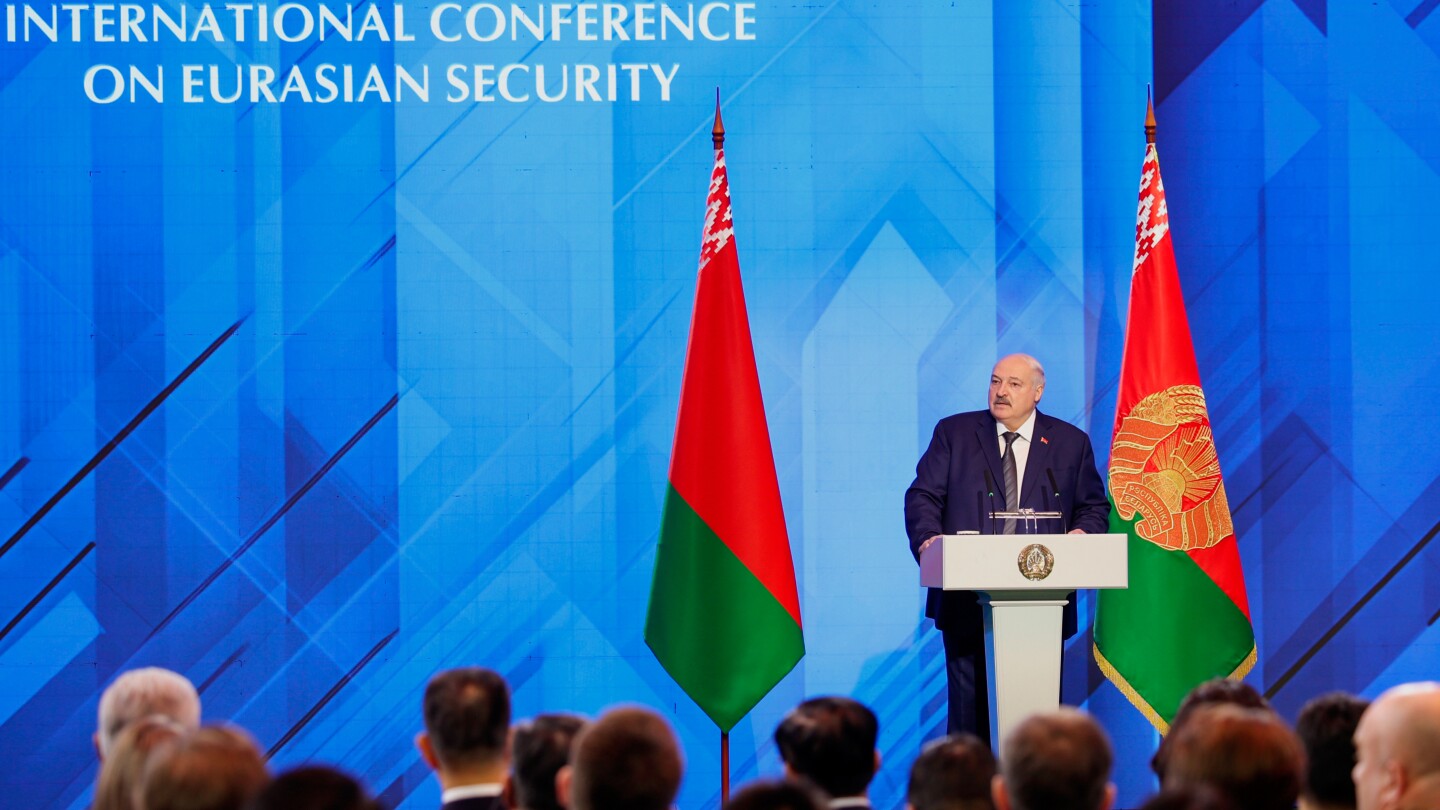
Belarus frees 2 imprisoned Catholic priests after talks with Vatican
In a significant development, two Roman Catholic priests imprisoned in Belarus on charges widely regarded as politically motivated were released on Thursday. The release followed diplomatic discussions involving the Vatican, as confirmed by the Conference of Catholic Bishops in Belarus. This move has sparked speculation about a potential thaw in relations between Belarus and Western nations, particularly after a recent phone conversation between Belarusian President Alexander Lukashenko and former U.S. President Donald Trump led to the release of several political prisoners earlier this year. Among the freed clergymen was Rev. Henrykh Akalatovich, a 65-year-old priest sentenced to 11 years in prison in 2023 on treason charges. Akalatovich, who had criticized the government in his sermons, denied accusations of espionage for Poland and the Vatican, calling them baseless. His arrest marked the first politically driven case against Catholic clergy in Belarus since the country’s independence in 1991. Also released was Rev. Andrzej Yukhnevich, who was serving a 13-year sentence for child molestation charges that he and human rights activists claimed were politically motivated. Yukhnevich had previously been detained multiple times, including for displaying a Ukrainian flag on social media. The releases followed a visit to Belarus by Cardinal Claudio Gugerotti, a papal envoy and former Vatican ambassador to Belarus, in October. The Conference of Catholic Bishops expressed optimism about renewed dialogue between Belarus, the U.S., and the Vatican. However, the whereabouts of the released priests remain unknown, with many political prisoners previously relocated to Lithuania without proper documentation. Opposition leader Sviatlana Tsikhanouskaya praised the Vatican’s intervention, emphasizing the need to end repression against believers. The case highlights the ongoing crackdown on dissent in Belarus, where over 1,200 political prisoners, including 29 clergy members, remain incarcerated. Despite Orthodox Christianity dominating Belarus’ religious landscape, Catholics and Protestants continue to face persecution for their opposition to Lukashenko’s regime.
-

Mainland official slams Japan’s remarks on Taiwan
A senior Chinese official has strongly criticized Japan for its unwarranted comments on Taiwan, emphasizing that Taiwan is an inalienable part of China. Song Tao, the head of both the Taiwan Work Office of the Communist Party of China Central Committee and the Taiwan Affairs Office of the State Council, made these remarks during a cross-Strait exchange event in Chengdu, Sichuan province. Song reiterated that the resolution of the Taiwan issue is a matter solely for the Chinese people, and no external forces have the right to interfere. He asserted China’s unwavering determination and capability to thwart any ‘Taiwan independence’ separatist activities and external interventions, safeguarding national sovereignty and territorial integrity. Song also condemned the Democratic Progressive Party (DPP) authorities for disregarding historical facts, opposing the will of the people, and persistently advocating for ‘Taiwan independence.’ He accused the DPP of aggressively promoting separatist rhetoric and inciting cross-Strait confrontation, which has jeopardized peace in the Taiwan Strait and challenged the one-China principle. Song emphasized that China’s reunification is an inevitable historical trend, regardless of provocations from ‘Taiwan independence’ forces or external interference. He expressed hope that Taiwanese compatriots would continue to uphold their patriotic traditions.
-
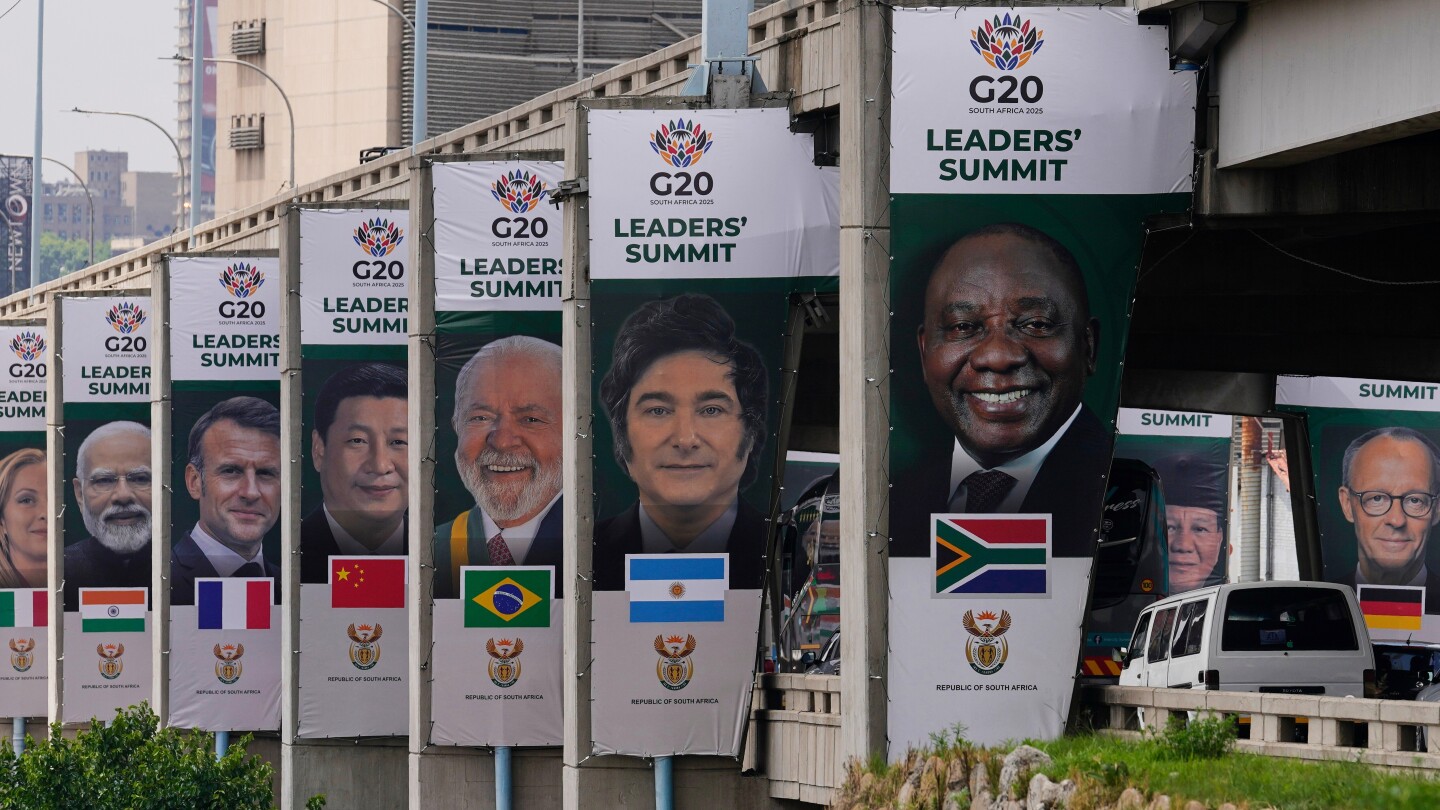
South Africa president says G20 will make declaration despite US warning and ‘will not be bullied’
The Group of 20 (G20) nations are set to issue a joint declaration at the conclusion of their summit in Johannesburg this weekend, despite objections from the United States, South African President Cyril Ramaphosa announced on Thursday. Ramaphosa emphasized that South Africa, as the host nation, will not succumb to pressure from the Trump administration to dilute the summit’s outcomes. The U.S. has boycotted the two-day meeting, citing unfounded claims by President Donald Trump that South Africa’s government is violently persecuting its white minority. A South African G20 ambassador revealed that the U.S. had advised against adopting any declaration, arguing that the absence of the U.S. would undermine consensus. Instead, the U.S. proposed a less formal statement from South Africa to conclude the summit. Ramaphosa, however, reaffirmed his commitment to a joint declaration, stating that discussions were progressing smoothly and that the summit would not be derailed by external pressures. The G20, comprising 19 nations, the European Union, and the African Union, is focused on addressing global challenges such as climate change, debt relief for developing nations, and wealth inequality. South Africa, the first African nation to hold the G20 presidency, aims to advance these priorities despite criticism from U.S. officials. Other leaders, including China’s Xi Jinping and Russia’s Vladimir Putin, have also opted to skip the summit but have sent delegations. Ramaphosa expressed confidence in the summit’s success and reiterated that South Africa would not be bullied into altering its stance.
-
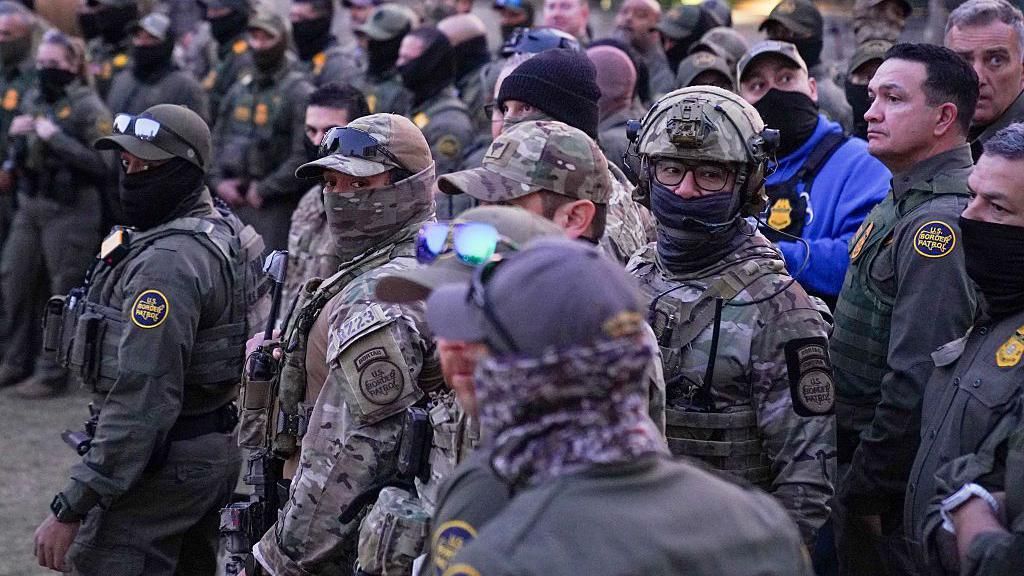
More than 250 arrested in Charlotte as immigration crackdown escalates
In a significant escalation of President Donald Trump’s immigration enforcement efforts, U.S. Border Patrol agents have detained more than 250 individuals in Charlotte, North Carolina, since Saturday. This operation, dubbed ‘Operation Charlotte’s Web’ by federal authorities, targets undocumented immigrants, particularly those with criminal backgrounds or gang affiliations. Officials from the Department of Homeland Security (DHS) emphasized that the arrests include individuals convicted of serious offenses such as assault on law enforcement, theft, and document tampering. However, the crackdown has sparked widespread criticism from local leaders and residents. North Carolina’s Democratic Governor Josh Stein accused federal agents of racial profiling, citing instances of heavily armed officers targeting individuals based on skin color. Charlotte Mayor Vi Lyles echoed these concerns, urging federal agents to respect the city’s values while commending protesters who rallied against the administration’s actions. The operation’s duration remains unclear, with similar measures in cities like Chicago still ongoing. As fear spreads among Charlotte’s immigrant community, reports suggest the crackdown may extend to Raleigh, prompting renewed calls for a focus on violent criminals rather than ordinary residents.
-
Former Czech deputy FM hails success of China’s five-year plans
In a recent exclusive interview with China Daily, Petr Drulak, the former deputy foreign minister of the Czech Republic, lauded China’s economic and social development model. Drulak highlighted the significant increase in China’s share of global GDP, which has risen from approximately 9 percent in 2005 to 20 percent in 2025, based on purchasing power parity. This substantial growth underscores the efficacy of China’s five-year plans, showcasing the nation’s economic resilience and sustained development. Drulak’s remarks emphasize the global recognition of China’s strategic planning and its ability to achieve long-term economic goals. The interview also reflects the growing international interest in China’s development strategies and their implications for global economic dynamics.
-
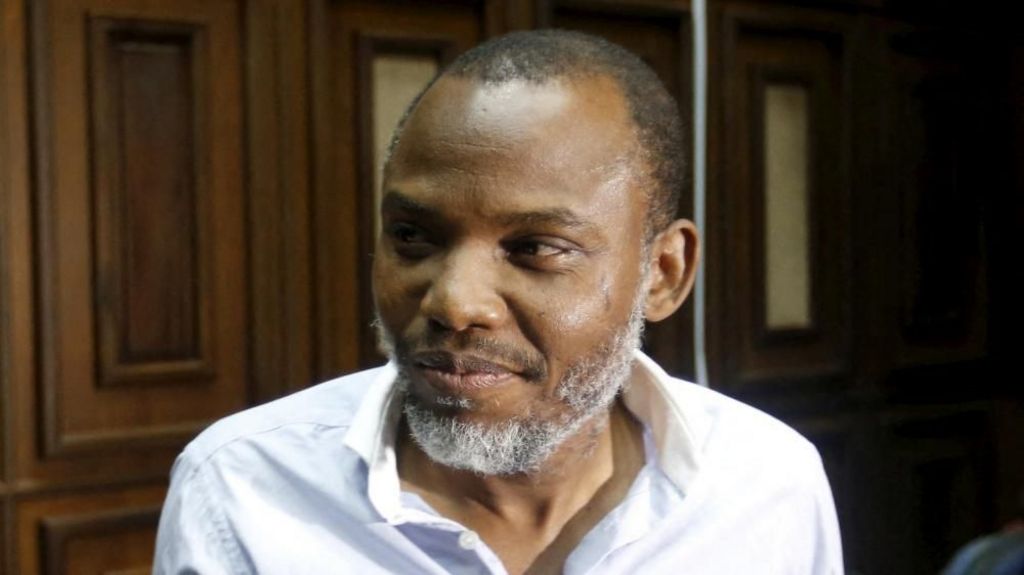
Nigerian separatist leader convicted on terrorism charges
A Nigerian court has delivered a guilty verdict against Nnamdi Kanu, the leader of the separatist movement advocating for an independent state of Biafra in southeastern Nigeria. Kanu was convicted on six out of seven terrorism-related charges, with the judge, James Omotosho, stating that the evidence clearly demonstrated Kanu’s involvement in inciting violence and carrying out preparatory acts of terrorism. The court highlighted that Kanu’s broadcasts, aimed at promoting Biafran independence, had incited killings and unrest. Kanu, who founded the Indigenous People of Biafra (Ipob) in 2014, has been a controversial figure since launching Radio Biafra in 2009, which called for Igbo independence from Nigeria. Ipob was designated a terrorist organization in 2017, and its armed wing, the Eastern Security Network, has been accused of violent acts. Kanu, who holds British nationality, was first arrested in 2015 but fled Nigeria in 2017 after a military raid on his home. He was re-arrested in Kenya in 2021 and has since faced legal proceedings. During the trial, Kanu accused the judge of bias and claimed he was denied the opportunity to file his final written address. The verdict was delivered after Kanu was forcibly removed from the courtroom for unruly behavior. The Biafran independence movement traces back to 1967, when Igbo leaders declared a Biafran state, leading to a devastating civil war that resulted in up to a million deaths before the rebellion was quashed.