分类: other

  • Guardians of the South China Sea

    Guardians of the South China Sea

    The official website operated by China Daily Information Co (CDIC) has laid out clear intellectual property guidelines for users and third-party platforms looking to reuse its content. All materials published across the site — including but not limited to written articles, photographic assets, and multimedia products — have been protected under a copyright regime first established in 1994, with all intellectual property rights retained exclusively by CDIC.

    Under the site’s terms of use, no content hosted on CDIC’s platforms may be republished or repurposed in any format without the explicit, written approval of the organization. Beyond copyright regulations, the site also includes a technical recommendation for end users: to ensure optimal browsing performance and layout rendering, visitors are encouraged to use displays with a minimum resolution of 1024*768 or higher.

    Additionally, the site lists its official regulatory credentials: it holds an online multimedia publishing license numbered 0108263 and a official registration number 130349. For audiences and stakeholders, the platform also outlines key navigation points for public engagement, including dedicated sections for learning more about China Daily’s operations, placing advertising inquiries, contacting the editorial and administrative teams, exploring open career opportunities, and checking open roles for expatriate workers, alongside links to follow CDIC’s social media channels.

  • People embrace spring across China

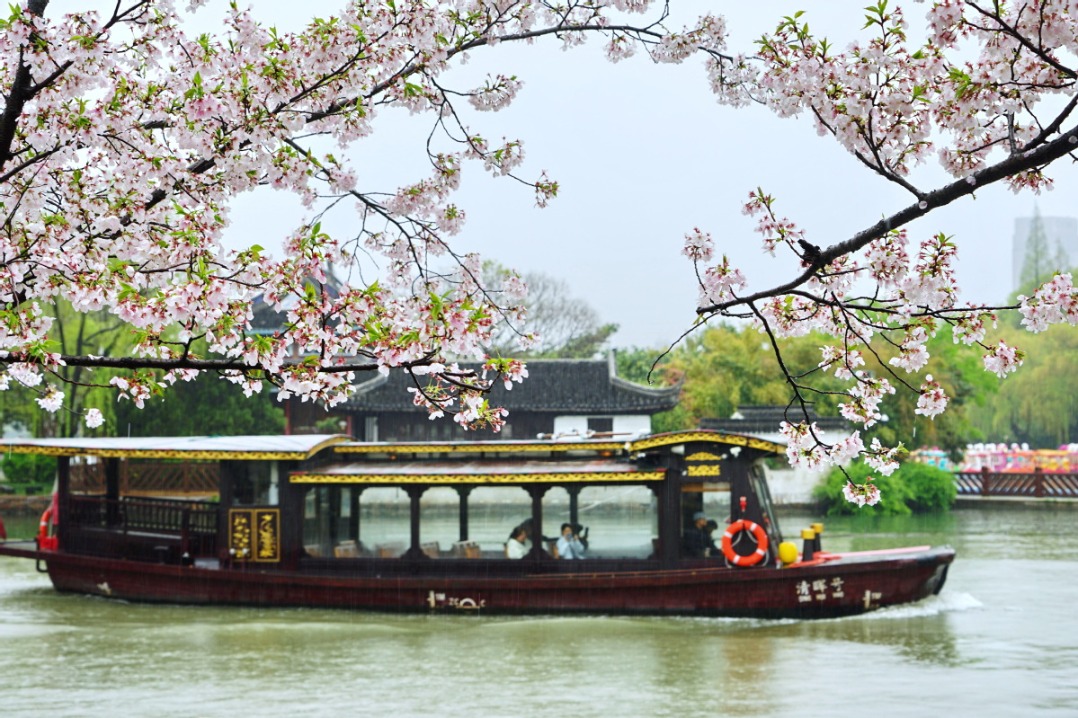
    People embrace spring across China

    Established with formal regulatory registration, China Daily’s official digital platform operates under clear intellectual property guidelines that structure how its content may be used across the internet. All material hosted on the site – including written articles, photographic assets, multimedia segments and other forms of digital content – has been held under exclusive copyright by China Daily Information Co (CDIC) since 1994, with all legal rights reserved.

    The company enforces a strict rule that no part of the site’s content may be republished, redistributed or repurposed in any format without explicit, prior written authorization granted by CDIC’s official management. Alongside its copyright policies, the platform also includes a technical recommendation for visitors: users will get the optimal browsing experience when accessing the site through a display configured to a resolution of 1024*768 or higher.

    Formal regulatory documentation for the site includes an online multimedia publishing license numbered 0108263 and an official registration number 130349. To help visitors engage more deeply with the organization, China Daily’s website also hosts a range of dedicated navigation sections covering key information: an introductory overview of the China Daily organization, details for brands interested in purchasing advertising space on the platform, official contact information for general inquiries, current open job vacancies, and specific employment resources for expatriate workers seeking opportunities with the outlet. Visitors are also invited to follow China Daily’s official content across multiple social media platforms to stay updated on the latest news and updates.

  • Pope Leo XIV carries cross for full Good Friday procession, the first pontiff to do so in decades

    Pope Leo XIV carries cross for full Good Friday procession, the first pontiff to do so in decades

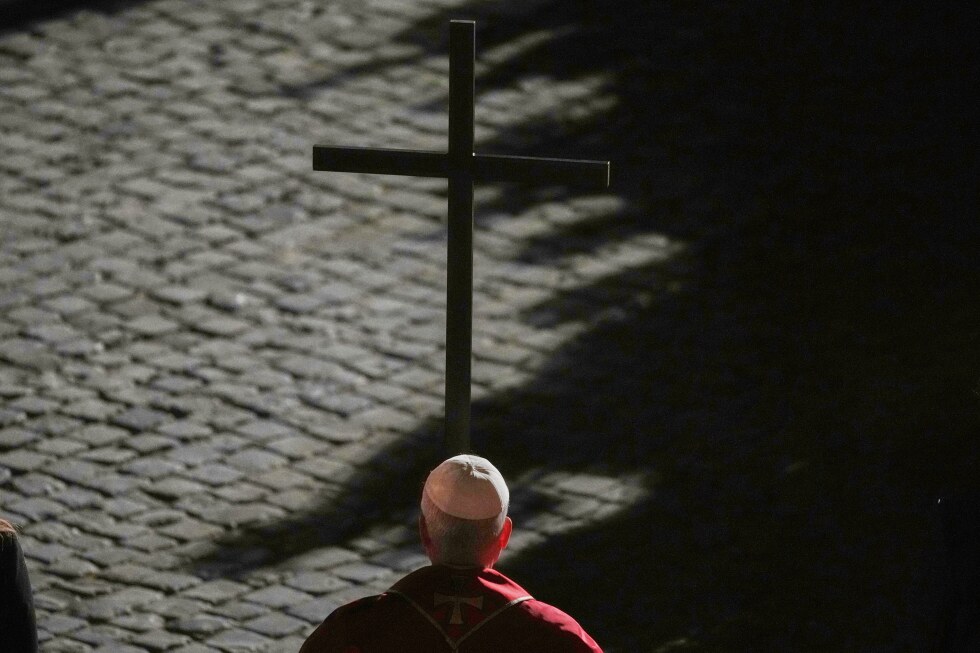
    ROME – In a striking break from recent papal practice that revives a tradition not seen in nearly 30 years, Pope Leo XIV personally carried a wooden cross through all 14 stations of the iconic Good Friday Way of the Cross procession at Rome’s Colosseum, marking a meaningful milestone during his first Holy Week as head of the Roman Catholic Church.

    Speaking to reporters earlier this week outside the papal retreat of Castel Gandolfo, the new pontiff framed the act as more than a ceremonial gesture. He emphasized that the cross-bearing carries a profound spiritual message for the modern world: “I think it will be an important sign because of what the pope represents, a spiritual leader in the world today, and for this voice, that everyone wants to hear, that says Christ still suffers,” he said. “I carry all of this suffering in my prayer.”

    Flanked by two torchbearers who stayed at his side for the full hour-long journey, Pope Leo lifted the cross to launch the rite inside the ancient Colosseum. The procession wound through thousands of gathered faithful outside the monument, climbed the steep slopes of Palatine Hill, and concluded with the pontiff delivering the final blessing at the traditional end point.

    The meditations for each station, crafted specifically for Pope Leo’s inaugural Good Friday by Rev. Francesco Patton, who served as Custodian of the Holy Land from 2016 to 2025 overseeing Christian sacred sites, carried a sharp focus on the moral weight of power. At the opening station, which commemorates Jesus’ condemnation to death, the meditation highlighted that all holders of authority will ultimately answer to God for how they exercise their influence. “The power to judge; the power to start or end a war; the power to instill violence or peace; the power to fuel the desire for revenge, or for reconciliation,” the text read.

    Roughly 30,000 pilgrims and faithful from around the world gathered for the event, joining the recitation of the stations broadcast over loudspeakers. Among them was Sister Pelenatita Kieoma Finau, a member of the Missionary Sisters of the Society of Mary from Samoa, who described the experience as unparalleled. “We have been part of our parish stations of the cross, but this is so exciting,” she said. “It is very meaningful to have the experience of being with the people of Rome on this special occasion.”

    To understand the significance of Pope Leo’s choice, it is necessary to look back at recent papal tradition. John Paul II carried the cross for the entire procession from his first Good Friday as pontiff in 1979 until he underwent hip surgery in 1995, after which he only bore the cross for part of the route. During his first two years as pope, Benedict XVI carried the cross only for the opening station inside the Colosseum before following other cross-bearers for the remainder of the procession to Palatine Hill. Pope Francis never personally carried the cross, participating in the procession only until his declining health forced him to step back; he died last year on Easter Monday, April 21, after a long period of illness.

    Age and physical health have long shaped popes’ participation in the procession. John Paul II was just 58 when he assumed the papacy and was famously an avid hiker and outdoor enthusiast. His two immediate successors were both in their late 70s when they began their papacies, and Francis lived with partial lung loss from a youth pulmonary infection. At 70, Pope Leo is in excellent physical condition: he is an enthusiastic tennis player and regular swimmer, and his former trainer has confirmed that before his election, he worked out consistently at a gym near the Vatican following a fitness routine typical of a man decades younger.

    In his introduction to the procession’s meditations, Patton outlined the core purpose of the centuries-old ritual, which commemorates the final hours of Jesus’ life, from his death sentence to crucifixion, death and burial. “The Way of the Cross is not intended for those who lead a pristinely pious or abstractly recollected life,” Patton wrote. “Instead, it is the exercise of one who knows that faith, hope and charity must be incarnated in the real world.”

    The Good Friday procession kicks off a full schedule of Holy Week observances for the new pontiff. On Holy Saturday, he will preside over the overnight Easter Vigil, where he will baptize new converts to Catholicism and lead the Church into Christianity’s most sacred celebration of Jesus’ resurrection. On Easter Sunday, he will celebrate an open-air Mass in St. Peter’s Square, deliver his first official Easter message as pope, and bestow the traditional “Urbi et Orbi” blessing to the city of Rome and the entire world.

  • Pope Leo XIV revives the Holy Thursday foot-washing of priests after Francis’s inclusive tradition

    Pope Leo XIV revives the Holy Thursday foot-washing of priests after Francis’s inclusive tradition

    VATICAN CITY, ROME — In a deliberate departure from the progressive reforms of his predecessor Pope Francis, Pope Leo XIV has revived a centuries-old tradition for the Holy Thursday foot-washing ritual, washing the feet of 12 priests this year in a ceremony held at Rome’s Archbasilica of St. John Lateran, the official episcopal seat of the Bishop of Rome.

    Among the 12 participants, 11 were ordained by Leo himself just last year, and the group was rounded out by Rev. Renzo Chiesa, head of the Rome Diocese’s main seminary. Following the long-standing script for the ritual, Leo poured water over each priest’s feet from a ornate golden pitcher, dried them with a plain white linen cloth, and finished with a ceremonial kiss. In his homily delivered during the service, the pontiff framed the humble act as a reflection of divine power, calling it a “gratuitous and humble gesture” that reveals “the true omnipotence of God.”

    “Through this act, Jesus purifies not only our image of God – from the idolatry and blasphemy that have distorted it – but also our image of humanity,” Leo told attendees. The pope, who has already established a pattern of outspoken public opposition to global armed conflict, added that modern conceptions of power stand in stark contrast to Christ’s example: “For we tend to consider ourselves powerful when we dominate, victorious when we destroy our equals, great when we are feared. In contrast, as true God and true man, Christ offers us the example of self-giving, service and love.”

    The foot-washing rite is a central tradition of Christian Holy Week, commemorating the act of Jesus washing the feet of his 12 apostles during the Last Supper, ahead of his crucifixion. For decades before Francis’ papacy, popes exclusively performed the ritual on Catholic men within the walls of a Rome basilica. But when Francis took office in 2013, he revolutionized the ceremony, expanding it to include laypeople, women, and even non-Christians, often holding services in unconventional settings including prisons, youth detention facilities, and refugee asylum centers. Francis framed this shift as a rejection of the “clerical culture” that elevates priests above lay followers, an attitude he blamed for enabling the systemic clergy sexual abuse crisis that has shaken the global Catholic Church for decades.

    Leo’s decision to roll back this reform and restore the ritual’s exclusive focus on priests is not an arbitrary change, but a deliberate step aligned with his broader papal priorities. The new pontiff has made supporting and protecting clergy a core focus of his early tenure, highlighting the struggles many priests face in modern ministry. Just this week, the Vatican released Leo’s monthly prayer intentions for April, which are dedicated to priests experiencing crisis, burnout, loneliness, and spiritual doubt. In that message, Leo pushed back against the idea that priests are mere ecclesiastical functionaries, asking: “Let them feel they are not mere functionaries or lonely heroes, but beloved sons, humble and cherished disciples, and pastors sustained by the prayer of their people.” He called on lay Catholic faithful to support their clergy, urging them “to listen without judging, to give thanks without demanding perfection,” and walk alongside priests through persistent prayer.

    This shift in the Holy Thursday ritual is the latest in a series of early moves by Pope Leo that signal a return to more traditional Vatican practices, paired with a renewed focus on lifting up the Catholic clergy. It comes alongside other recent high-profile actions from the new pontiff, including carrying the cross during the entire Good Friday procession (the first pope to do so in decades) and delivering repeated calls for global peace in his first Easter celebrations as head of the Catholic Church.

  • Push to preserve language landscape

    Push to preserve language landscape

    For Wang Lining, a linguistics professor at Beijing Language and Culture University and a Guangxi native working far from home, a recent interaction with Doubao, a popular Chinese artificial intelligence chatbot, delivered far more than a technical demonstration. When she spoke to the platform in her native Cantonese dialect and received a seamless, natural response, the moment was less about cutting-edge processing power and more about a long-awaited emotional reconnection to her roots.

    “Living in Beijing, few people can talk with me using the hometown language,” she explained, describing the quiet joy of speaking a tongue that carries the memories and cultural identity of her childhood.

    This small, personal milestone is part of a much larger national initiative to safeguard China’s extraordinary linguistic diversity and revitalize fading local languages and dialects for the 21st century. Late last year, China’s Ministry of Education joined forces with six other national ministries to release a landmark policy notice focused on deepening the inheritance and innovative development of Chinese language culture, a framework that views regional dialects and ethnic minority languages not as outdated relics, but as living repositories of history, community identity and intangible cultural heritage that stretch from folk oral traditions to local social customs.

    Home to 56 ethnic groups, China boasts one of the world’s most linguistically diverse landscapes, encompassing between seven and 10 major dialect groups and more than 130 distinct languages. For decades, however, rapid urbanization and the widespread, necessary adoption of Mandarin as a national lingua franca left many local mother tongues at risk of fading into disuse, as younger generations grew up speaking primarily Mandarin and fewer opportunities remained to pass regional dialects down through families and communities.

    Officials from the Ministry of Education’s Department of Language and Writing Information Management note that the new policy aims to drive creative transformation and modern development of Chinese language culture, boost public linguistic and cultural literacy especially among young people, and support national goals of building global leadership in education, culture and talent development. For Wang, the multi-ministerial notice marks the end of more than a decade of exploratory work, turning a long-held vision for language preservation into an actionable, coordinated national strategy.

    Since 2012, China has released a series of policy documents guiding the inheritance and protection of Chinese language culture, with the latest framework building on early pilot programs to lay out clear, detailed roadmaps for future action. Wang emphasized that the initiative goes far beyond education alone, tying language preservation to broader economic and social development. “It plays a role not only in school education, but also in urban and rural production and livelihood, cultural tourism and cultural relics conservation. It can unleash great potential in socioeconomic development,” she said.

    A key strength of the new policy is its emphasis on cross-sector collaboration, Wang added. In the past, efforts by private enterprises, universities and independent language experts often operated in isolation, lacking coordination to scale successful projects. The participation of multiple national ministries will allow organizers to systematize the scattered successful initiatives from across the country, “stringing them together like beads, thereby ushering in a new era of systematic advancement,” she explained.

    The policy outlines seven core priorities for advancing the cause: strengthening scientific research and interpretation of linguistic heritage, expanding inclusive language education, protecting and developing existing language resources, leveraging digital empowerment, cultivating specialized talent, broadening public outreach, and deepening cultural exchange through language. For researchers like Rao Gaoqi, a linguistics researcher at Beijing Language and Culture University, the focus on digital innovation stands out as a game-changing shift.

    “Digital technology is extremely helpful for the development of language and culture. Conversely, the growth of language culture also serves as a driving force behind the advancement of digital technology,” Rao explained. Beyond academic research, this digital empowerment delivers tangible benefits for public safety and economic development, most notably in the creation of barrier-free emergency language services. During large-scale natural disasters such as earthquakes and floods, the National Language Service Corps partners with the Ministry of Emergency Management to ensure first responders can communicate effectively with elderly residents who may only speak their local dialect. This capability has even been extended internationally: when a devastating earthquake struck Turkiye in 2023, Chinese-developed large language models were deployed to provide real-time translation between Chinese, English and local Turkish languages to support rescue efforts.

    “Language and script are fundamental. We learn to write and speak not for their own sake, but to work, to love and to live our lives well. Language itself is a basic resource. The digitization of language is likewise a foundational endeavor that serves to empower everything else,” Rao said.

    For more than a decade, Wang has been a core participant in the national Project for the Protection of Language Resources of China, an initiative that originally focused on documenting and archiving fading dialects before shifting to a new, more dynamic goal: moving beyond “saving and recording” to “bringing them back to life and utilizing them” in daily life. Over the course of the project, teams of linguists traveled to nearly 1,800 locations across the country to systematically document local dialects through fieldwork and multimedia recording, building a comprehensive national digital archive of China’s vocal cultural heritage. Today, those collected materials are being transformed into accessible cultural products that are integrated into everyday life.

    Under the new policy, qualified local governments and institutions are encouraged to repurpose historic buildings and public spaces to create venues dedicated to preserving and promoting linguistic cultural heritage. Last year, for example, a dialect museum opened in Wuyi County, Zhejiang Province, housed in a restored historic traditional residence. Visitors can view traditional farming tools and vintage household items, and when they touch an exhibit, audio recordings of the local dialect terms for the object play, drawing on language materials collected by the project’s Zhejiang team to help local residents reconnect with their traditional way of life.

    Today, local dialects are increasingly appearing in pop culture, from original songs and television dramas to a growing range of creative consumer products. Wang says the goal of the movement is not limited to academic archives or static museum displays. “We want to create offerings that are part of everyday life — practical, engaging and fun — so that people willingly take part in keeping language culture alive and helping it grow,” she explained.

    Xing Biqian, a researcher at the China National Academy of Educational Sciences, echoed this focus on lived, daily practice as the key to long-term revitalization. “Language is the carrier of civilization and the root of culture, and practice is precisely the key to activating this root and enabling civilization to take hold,” Xing said. “When we lift the language culture from the pages of textbooks and make it part of everyday life, it begins to take root in hearts and minds. Through lived experience, it shapes not only how we learn and communicate, but also who we become: how we think, what we value, and what we find beautiful. That is where its true power lies.”

  • US martial arts enthusiast: Bridging China and the world

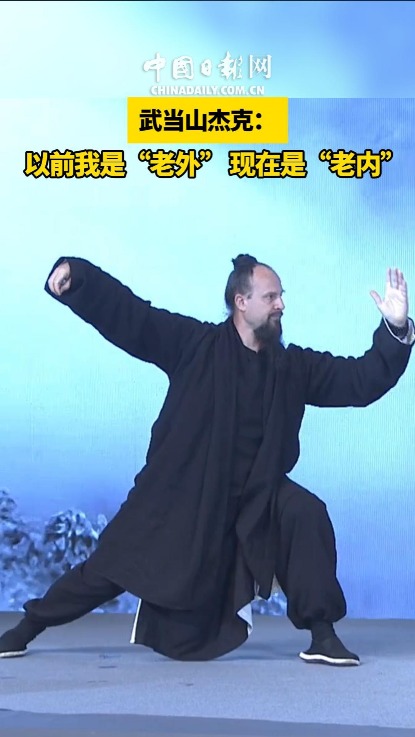
    US martial arts enthusiast: Bridging China and the world

    China Daily Information Co. (CDIC) holds exclusive copyright over all content published on this platform, according to an official statement. This comprehensive protection extends to textual materials, photographic works, multimedia information, and all other forms of content accessible through the site.

    The copyright notice explicitly prohibits republication or utilization of any content without obtaining prior written authorization from CDIC. This legal safeguard ensures that all intellectual property remains protected under Chinese copyright law.

    Technical recommendations accompany the legal information, with the site advising visitors to utilize browsers set at 1024*768 resolution or higher for optimal viewing experience. This specification suggests the platform’s design incorporates complex visual elements that require higher display capabilities.

    Additional information reveals the organization’s multimedia publishing license (0108263) and registration number (130349), providing official documentation of its operating credentials. The platform also facilitates various user interactions through dedicated sections including corporate advertising opportunities, general inquiries, employment information for both domestic and expatriate candidates, and comprehensive background information about China Daily.

    The site further encourages visitor engagement through social media channels, highlighting the organization’s commitment to maintaining communicative relationships with its audience while protecting its intellectual property rights.

  • Following Edgar Snow: Content creators explore Henan

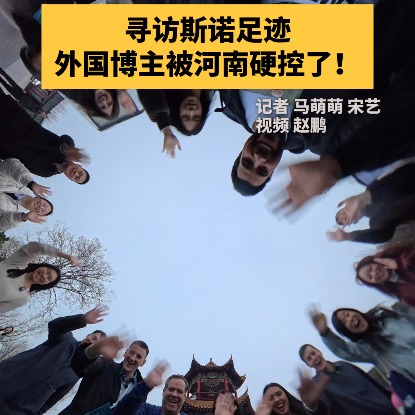
    Following Edgar Snow: Content creators explore Henan

    China Daily Information Co (CDIC) has issued a formal declaration regarding the intellectual property rights governing all content published across its digital platforms. The comprehensive copyright notice explicitly states that all materials—including textual articles, photographic imagery, multimedia presentations, and other informational assets—remain the exclusive property of CDIC.

    The company emphasizes that republication or utilization of any content in any format is strictly prohibited without obtaining prior written authorization. This protection extends to all creative and journalistic works hosted on CDIC’s domains, reinforcing the organization’s commitment to safeguarding its intellectual assets.

    Additionally, the publication provides technical recommendations for optimal user experience, suggesting visitors utilize display configurations of 1024*768 resolution or higher. The notice further displays the organization’s official publishing license (0108263) and registration details (130349), underscoring its operational legitimacy.

    The footer section includes navigational links to corporate information pages, covering aspects such as corporate profiling, advertising opportunities, contact channels, and employment prospects—including specific sections for expatriate recruitment. The announcement concludes with prompts for social media engagement, encouraging readers to follow the organization’s digital updates.

  • Ten photos from across China: March 20 – 26

    Ten photos from across China: March 20 – 26

    China Daily Information Co (CDIC) has established stringent intellectual property protections governing all content published across its digital platforms. The company’s comprehensive policy explicitly prohibits unauthorized republication or usage of any materials—including text, photographs, and multimedia information—without obtaining formal written authorization from CDIC.

    The protection framework extends to technical specifications, with the organization recommending 1024*768 or higher resolution for optimal browsing experience. The company maintains multiple regulatory credentials, including publishing license 0108263 and registration number 130349, underscoring its compliance with Chinese digital media regulations.

    CDIC has developed extensive organizational infrastructure supporting both commercial operations and user engagement. The platform offers advertising opportunities through its ‘Advertise on Site’ program while maintaining dedicated channels for stakeholder communication via ‘Contact Us’ portals. The company further facilitates career development through its ‘Job Offer’ and ‘Expat Employment’ sections, demonstrating commitment to international workforce integration.

    As part of its digital outreach strategy, CDIC encourages audience engagement through social media channels via its ‘FOLLOW US’ initiative. This multifaceted approach combines content protection with user accessibility, balancing intellectual property rights with information dissemination in the digital publishing landscape.

  • Karst cave in Zhangjiajie sees international tourist surge as spring unfolds

    Karst cave in Zhangjiajie sees international tourist surge as spring unfolds

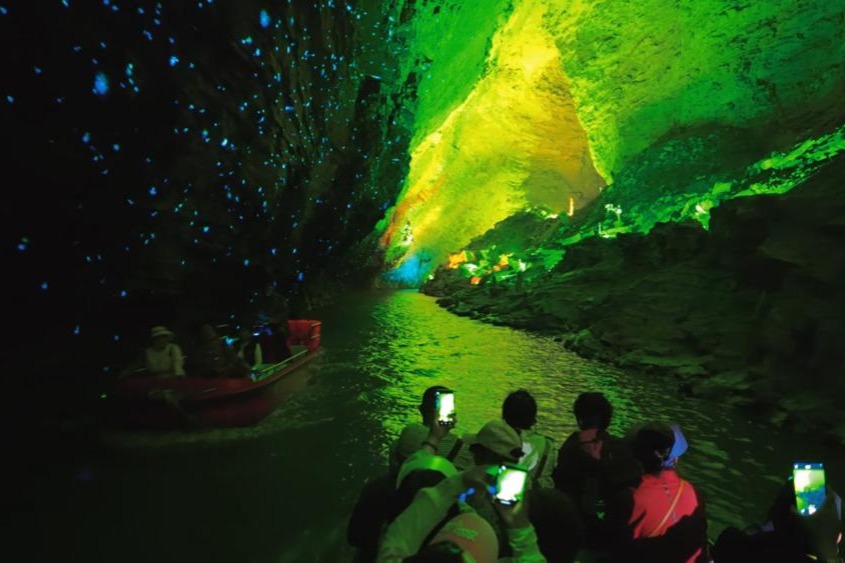
    Huanglong Cave, a magnificent karst formation within China’s Zhangjiajie UNESCO Global Geopark, is witnessing a remarkable surge in international tourism as spring transforms the landscape. The cave’s recent resurgence follows a comprehensive lighting system upgrade completed in May 2025, which has fundamentally transformed the visitor experience.

    The enhanced illumination technology utilizes the cave’s natural domes and limestone walls as projection surfaces, creating an immersive spectacle that artfully merges cutting-edge light technology with ancient mythological narratives and geological wonders. This innovative approach has positioned Huanglong Cave as a premier destination for both domestic and international travelers seeking unique natural and technological experiences.

    Complementing the subterranean attractions, the surrounding terrain has erupted in vibrant displays of golden rapeseed flowers, creating a breathtaking contrast against the dramatic karst topography. This seasonal transformation has further amplified the destination’s appeal, drawing photography enthusiasts, nature lovers, and cultural explorers from across the globe.

    Located within the Wulingyuan Scenic and Historic Interest Area in Hunan Province, Huanglong Cave represents one of China’s most significant karst systems, featuring spectacular stalactites, stalagmites, and underground rivers. The recent infrastructure improvements and strategic presentation have successfully elevated its status on the international tourism circuit, demonstrating how natural wonders can be enhanced through thoughtful technological integration while preserving ecological integrity.

  • Spring plowing, crop management carried out in East China’s Shandong

    Spring plowing, crop management carried out in East China’s Shandong

    China Daily Information Co (CDIC) has issued a formal copyright notice asserting exclusive ownership of all content published across its digital platforms. The comprehensive declaration covers textual materials, photographic content, multimedia information, and all other published elements appearing on the China Daily website.

    The notice explicitly prohibits any republication or utilization of protected content without obtaining prior written authorization from CDIC. This restriction applies to all potential forms of content reuse and redistribution, establishing clear boundaries for third-party usage of the organization’s intellectual property.

    Additionally, the publication provides technical recommendations for optimal user experience, suggesting that visitors utilize display configurations with 1024*768 resolution or higher when accessing the platform. The notice concludes with reference to the organization’s official publishing license (0108263) and registration details (130349), while providing navigation to various sections including corporate information, advertising opportunities, contact channels, and employment information for both general and expatriate positions.

    The copyright statement further encourages readers to follow the organization’s official channels for ongoing updates and content distribution, reinforcing the publication’s commitment to protecting its journalistic assets while maintaining accessibility for its audience.