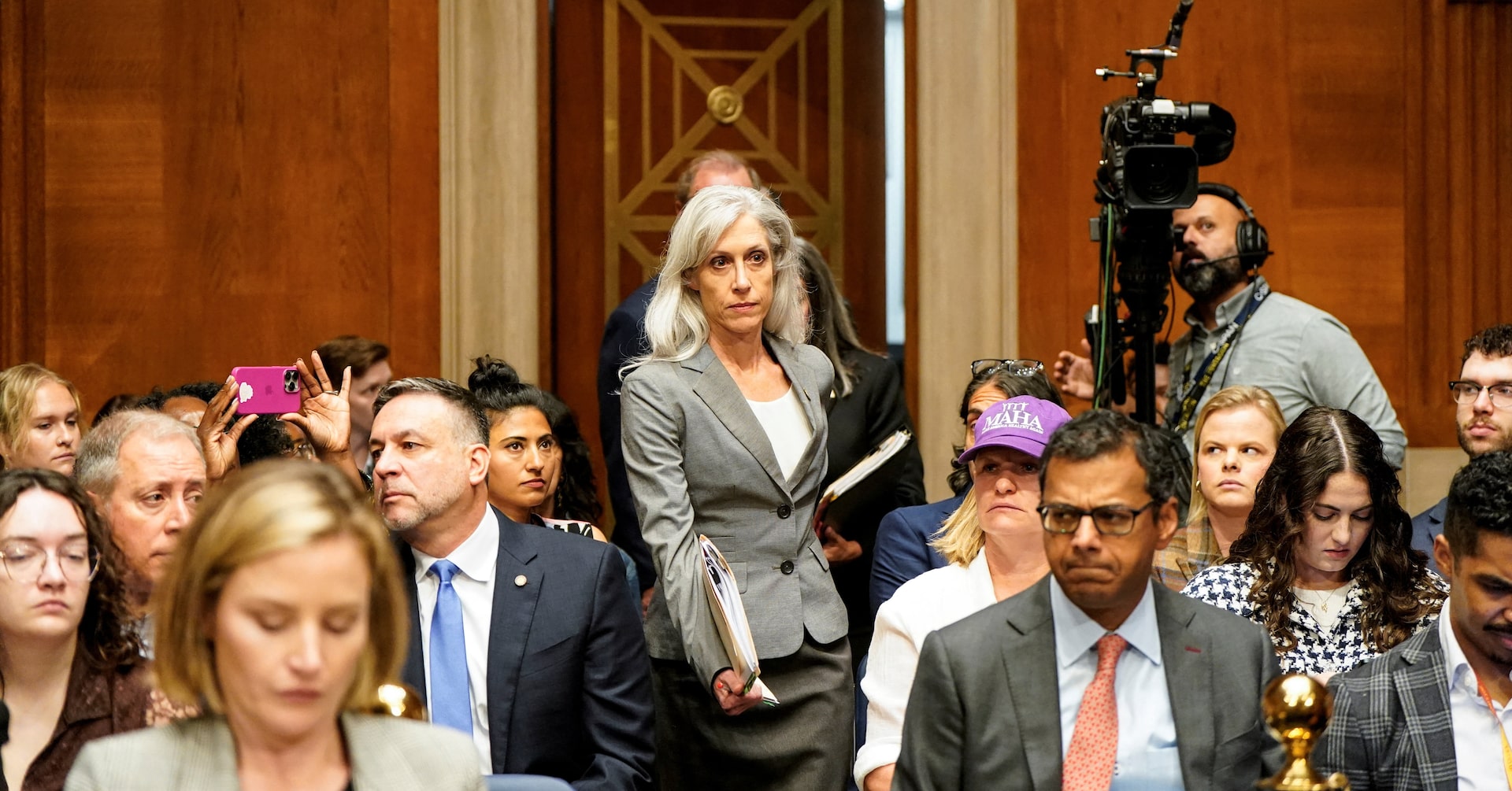
In a revealing Senate hearing on September 17, former CDC Director Susan Monarez detailed her contentious interactions with U.S. Health Secretary Robert F. Kennedy Jr., which ultimately led to her dismissal. Monarez testified before the Senate Health, Education, Labor, and Pensions (HELP) Committee, shedding light on Kennedy’s demands for pre-approval of changes to the childhood vaccination schedule without scientific review. Kennedy allegedly insisted on blanket approval of recommendations from the agency’s vaccine advisory board and required Monarez to seek political staff approval for her decisions, actions she resisted to maintain the CDC’s scientific integrity. Monarez was fired on August 28 after just 29 days in office, a move that has sparked widespread criticism and led to the resignation of four CDC officials. The hearing also highlighted the broader debate over U.S. vaccination policy, with Kennedy advocating for reduced vaccine use and public health experts calling for his resignation. Republicans and Democrats alike expressed concerns over the politicization of vaccine policy, with some Democrats apologizing for their initial lack of support for Monarez. The Department of Health and Human Services defended Kennedy’s actions, stating that any changes to the vaccine schedule would be science-based. The CDC’s Advisory Committee on Immunization Practices, now with 12 new members, is set to discuss two children’s vaccines in an upcoming meeting, raising questions about the future of U.S. vaccination policy.
分类: health
-
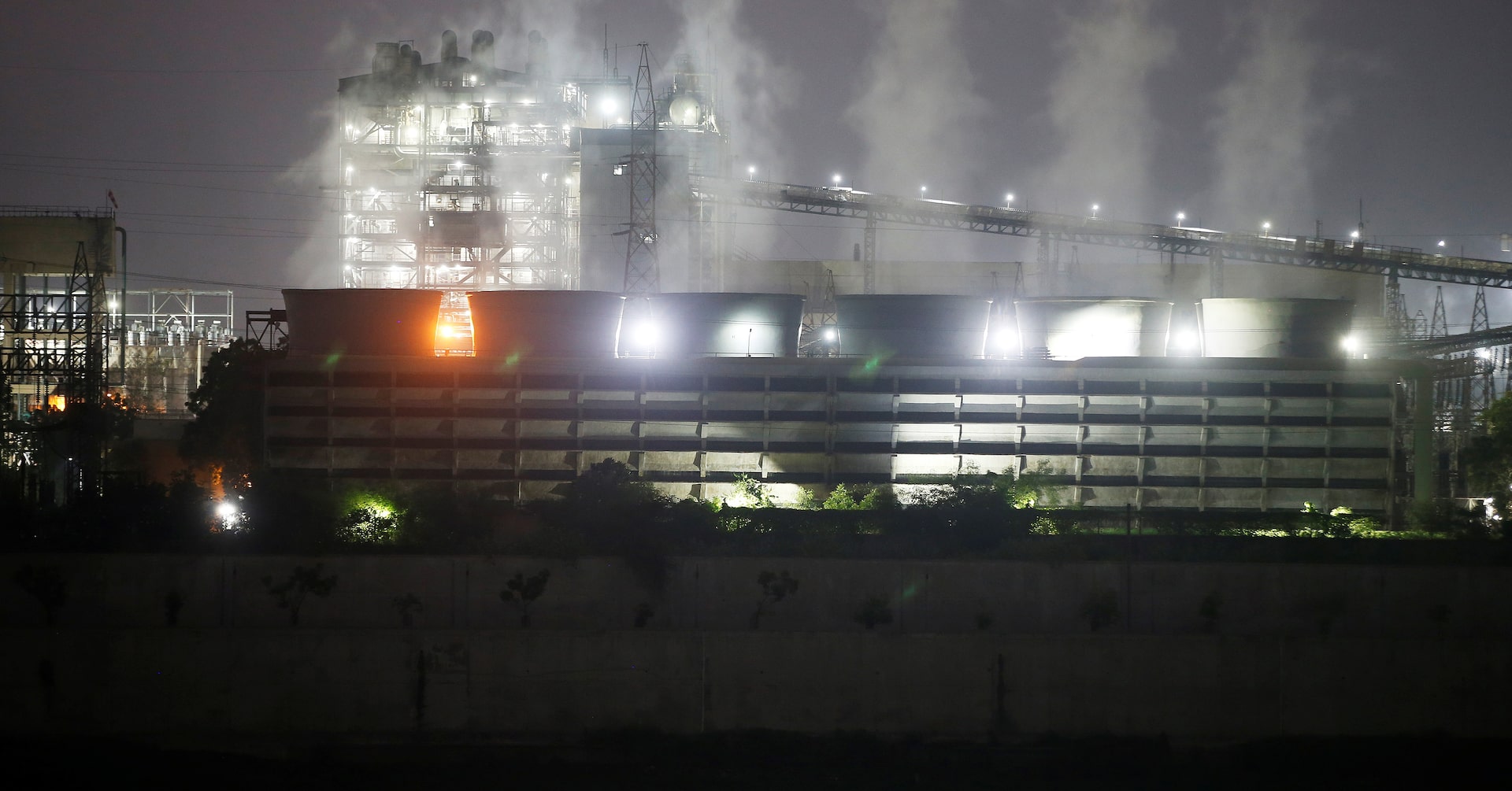
India’s power-sector CO2 emissions fall for second time in over four decades, report says
India’s power sector witnessed a notable 1% decline in carbon dioxide emissions during the first half of 2025, marking only the second such reduction in nearly five decades. This shift was driven by a combination of record-breaking clean energy capacity additions and unusually mild weather, which collectively curbed electricity demand, according to a report by the Centre for Research on Energy and Clean Air (CREA). The Helsinki-based think tank attributed 65% of the drop in fossil fuel generation to slower demand growth, 20% to accelerated clean energy expansion, and 15% to increased hydropower output. The analysis, based on official data from various government ministries, revealed that India added 25.1 gigawatts (GW) of non-fossil capacity in the first six months of 2025—a 69% increase from the previous record. This capacity is sufficient to generate nearly 50 terawatt hours (TWh) annually. Additionally, lower temperatures and above-average rainfall between March and May reduced air conditioning usage, while hydropower output surged. Despite a 9TWh rise in total power generation, fossil fuel generation fell by 29TWh. Oil demand growth also stalled, contributing to the broader emissions slowdown. However, emissions from steel and cement production rose sharply due to increased government infrastructure spending. CREA suggested that India’s power-sector emissions could peak before 2030 if clean energy growth continues and demand remains within projections. Historically, the power sector has accounted for half of India’s emissions growth. The country aims to add 500 GW of clean energy by 2030 as part of its broader climate goals.
-
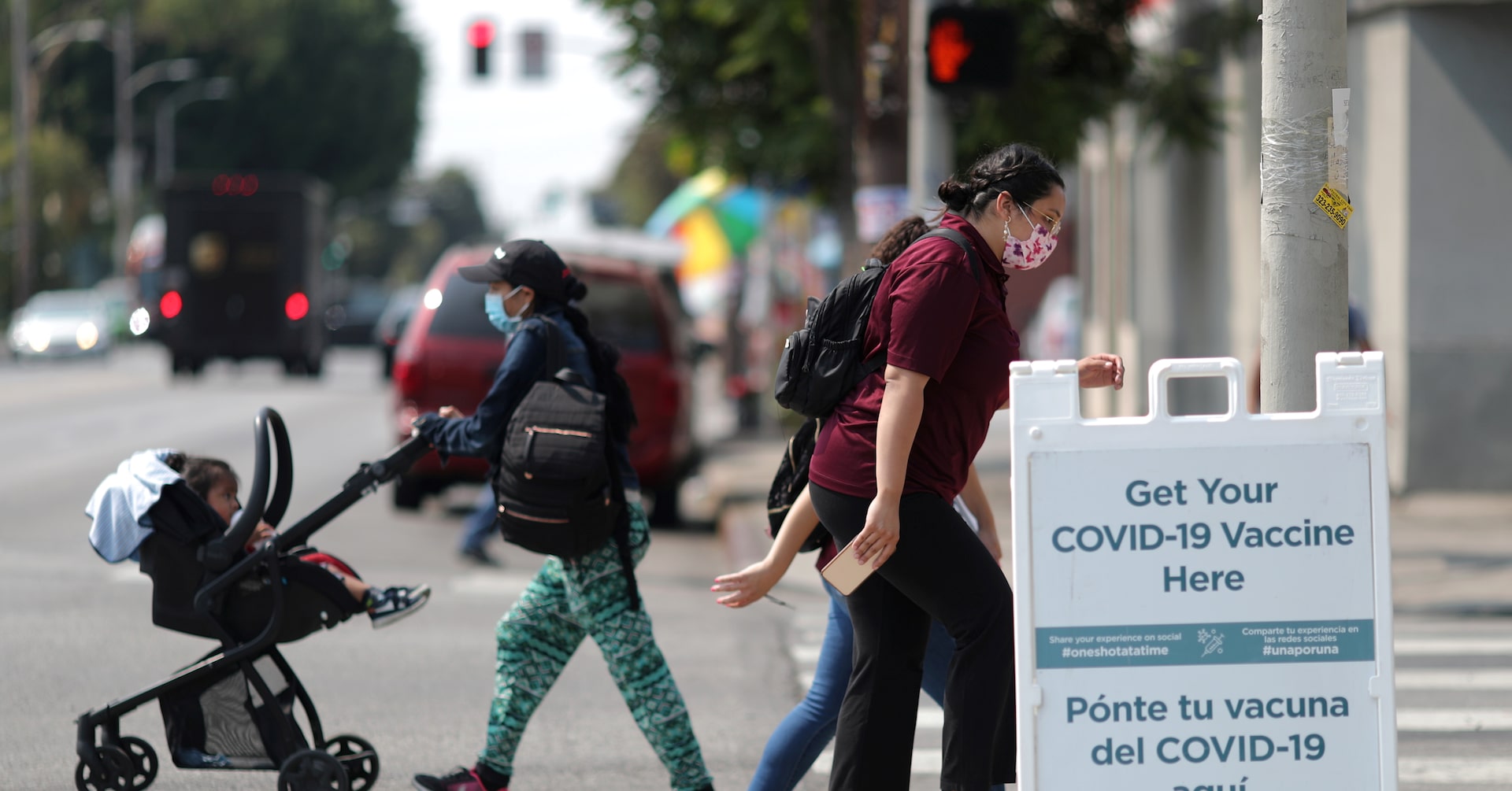
West Coast states recommend COVID shots for all adults and children, breaking with federal policy
In a notable divergence from federal guidelines, the West Coast Health Alliance, encompassing California, Oregon, and Hawaii, has issued updated recommendations for COVID-19 vaccinations. On Wednesday, the alliance urged all adults and children seeking protection to receive the updated vaccines, particularly emphasizing the importance for children aged six to 23 months and those aged two to 18 with risk factors or no prior vaccination history. This stance contrasts sharply with the U.S. Food and Drug Administration’s (FDA) recent approval, which limited the updated vaccines to individuals with health conditions and those aged 65 and older. The alliance’s recommendations come in response to sweeping changes in federal vaccine policy under Health Secretary Robert F. Kennedy Jr., which included the withdrawal of COVID-19 vaccine recommendations for pregnant women and healthy children in May. These federal shifts have prompted medical organizations and states to establish their own guidelines ahead of the fall immunization campaign, aiming to ensure continued access to vaccines. Typically, the Advisory Committee on Immunization Practices, a federal advisory body to the Centers for Disease Control and Prevention (CDC), provides guidance on vaccine administration post-FDA approval. Notably, the West Coast Health Alliance’s recommendations for respiratory syncytial virus and influenza vaccines align with those of the CDC.
-

Australia announces higher emissions cuts by 2035
In a significant move to combat climate change, Australian Prime Minister Anthony Albanese has announced a new emissions reduction target for 2035. The nation, known as one of the world’s largest per capita polluters, aims to cut its carbon emissions by at least 62% compared to 2005 levels. This announcement comes as Australia faces mounting global criticism for its reliance on fossil fuels and increasing climate-related challenges. The new target surpasses the previous goal of a 43% reduction by 2030 and aligns with recommendations from the Climate Change Authority, a government advisory body. Albanese emphasized that the target is ‘responsible, science-backed, and achievable with proven technology.’ The commitment will be formally presented at the upcoming UN General Assembly meeting in New York. Australia’s climate efforts are part of its obligations under the 2015 Paris Climate Agreement, which aims to limit global temperature rise to 1.5°C above pre-industrial levels. Recent years have seen Australia grapple with extreme weather events, including severe droughts, historic bushfires, and record-breaking floods. A landmark government-commissioned risk assessment warned of escalating climate risks, such as heatwave-related deaths, water quality degradation, and sea level rises threatening 1.5 million people. Despite these challenges, Australia’s climate agenda remains contentious. The opposition Liberal National coalition has criticized the new target, calling it costly and lacking credibility, while independent and Greens MPs advocate for more aggressive cuts. Meanwhile, the Labor government continues to approve fossil fuel projects, such as the recent extension of Woodside’s North West Shelf gas project, drawing criticism from environmental advocates. Australia’s dual approach—pursuing renewable energy while supporting fossil fuels—highlights the complexities of its climate policy.
-

Europe struggles with chronic drug shortages, auditors warn
Europe continues to grapple with the risk of critical medicine shortages, including essential antibiotics and painkillers, according to a recent report by the European Court of Auditors (ECA). The report, released on Wednesday, highlights the fragility of supply chains and the EU’s heavy reliance on manufacturers in Asia as primary causes of the ongoing crisis. The European Commission has identified these vulnerabilities as a significant threat to public health, particularly in the face of future health emergencies. In July, European crisis chief Hadja Lahbib announced plans to stockpile critical medical equipment and vaccines, alongside creating a network to enhance coordination among member states. However, the ECA cautioned that stockpiling in some countries could exacerbate shortages in others. Between January 2022 and October 2024, EU countries faced critical shortages of 136 medicines, with the situation peaking in 2023 and 2024. The ECA described the issue as a ‘chronic headache for the EU,’ emphasizing the lack of a robust system to address severe shortages. Auditors noted that the current framework to prevent drug shortages lacks a solid legal foundation and timely information sharing. The European Medicines Agency (EMA), the region’s drug regulator, has limited powers outside of health crises, further complicating the situation. Klaus Heiner Lehne, the ECA member leading the audit, warned that medicine shortages can have severe consequences for patients, compromise public health, and impose high costs on healthcare providers and countries. Regulatory barriers within the EU’s medicine market also hinder cross-border redistribution, exacerbating shortages and unequal access. The European Commission has proposed legal changes aimed at reducing reliance on countries like China and India, which, if implemented, could significantly improve the system.
-
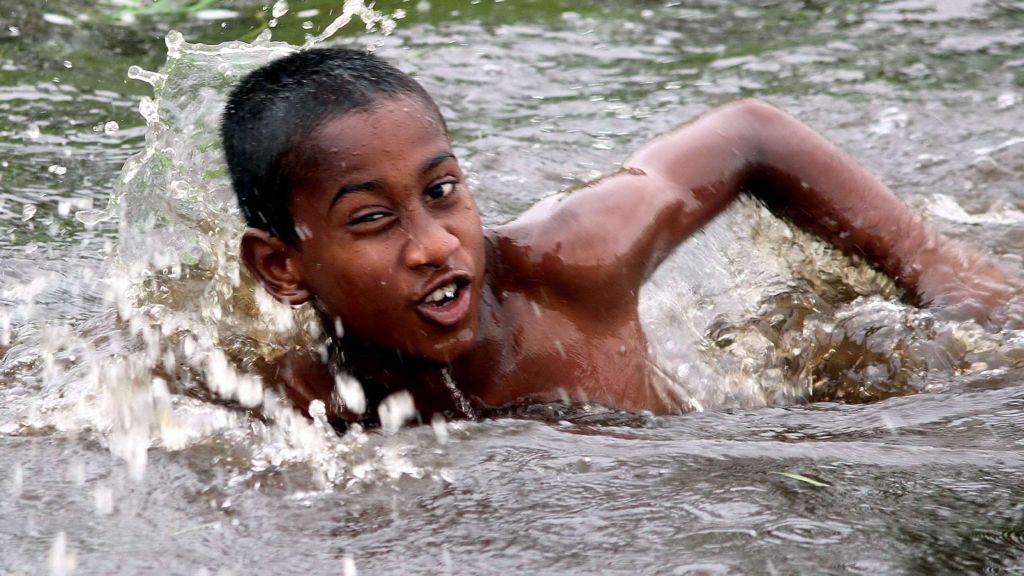
Battling a rare brain-eating disease in an Indian state
On the eve of Onam, Kerala’s most celebrated festival, 45-year-old Sobhana lay unconscious in an ambulance, her life slipping away as her family rushed her to a hospital. Just days earlier, the fruit juice bottler from Malappuram district had complained of dizziness and high blood pressure. Doctors prescribed medication, but her condition deteriorated rapidly, culminating in her death on September 5. The cause? Naegleria fowleri, the brain-eating amoeba, a rare but deadly pathogen that enters the body through the nose during freshwater activities.
This year, Kerala has reported over 70 cases of Naegleria fowleri infections, with 19 fatalities. The victims range from a three-month-old infant to a 92-year-old man. The amoeba, which thrives in warm freshwater, causes primary amoebic meningoencephalitis (PAM), a near-fatal brain infection. Since 2016, Kerala has seen a gradual increase in cases, though global numbers remain low, with only 488 reported since 1962, primarily in the US, Pakistan, and Australia. The disease has a staggering 95% fatality rate.
Despite the grim statistics, Kerala has made strides in combating the infection. Improved detection methods and early diagnosis have reduced the fatality rate from 23% last year to 24.5% this year. ‘Aggressive testing and customised treatment with antimicrobials and steroids have saved lives,’ says Dr. Aravind Reghukumar, head of infectious diseases at Thiruvananthapuram Medical College.
Kerala’s heavy reliance on groundwater and natural water bodies makes it particularly vulnerable. Contaminated ponds and wells have become conduits for the amoeba, with some cases linked to risky practices like vaping boiled cannabis mixed with pond water. Public health campaigns have chlorinated 2.7 million wells and posted warnings around ponds, but enforcing these measures across the state’s 5.5 million wells and 55,000 ponds remains a challenge.
Scientists warn that climate change exacerbates the risk, with warmer waters and rising temperatures creating ideal conditions for the amoeba. ‘Even a 1°C rise can trigger its spread,’ says epidemiologist Prof. Anish TS. Despite Kerala’s progress, the global implications are clear: climate change may be reshaping the map of disease, turning rare pathogens into growing threats.
-
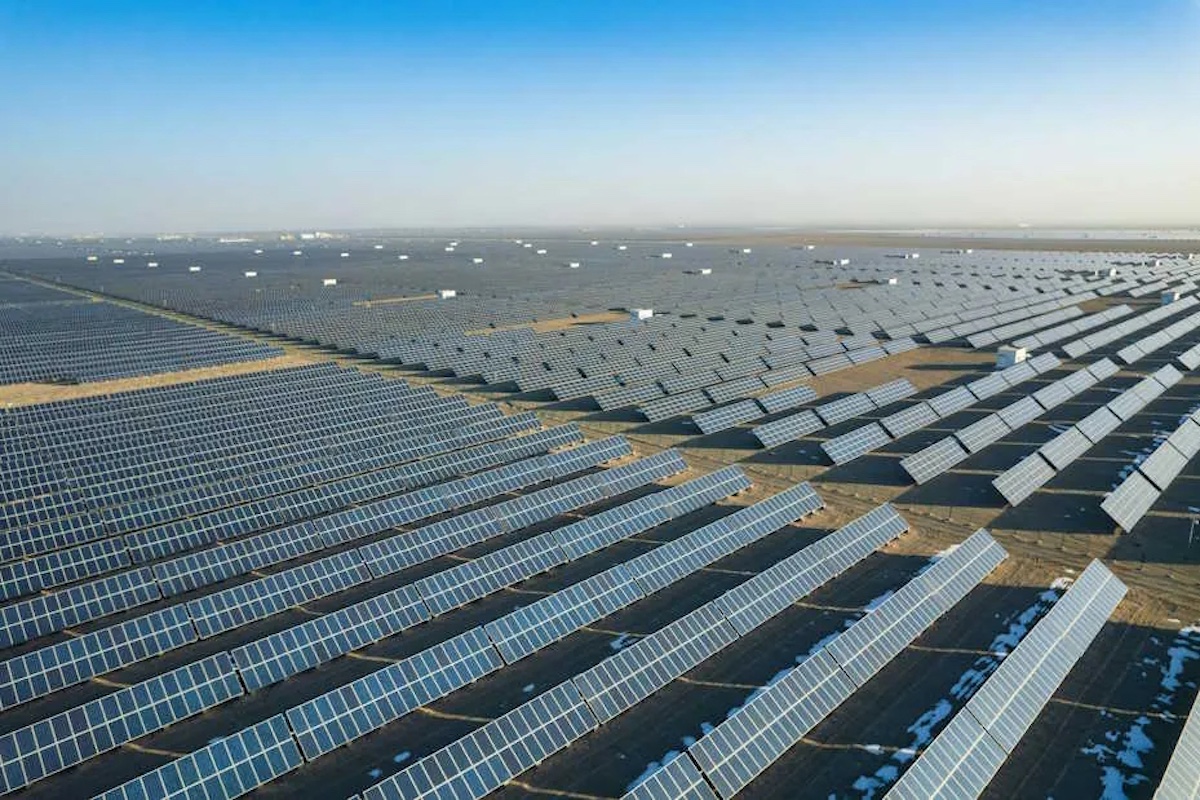
China is quietly saving the world from climate change
The People’s Republic of China remains the world’s largest contributor to environmental degradation, responsible for overfishing oceans, emitting harmful pollutants like mercury and nitrous oxide, and dumping plastic waste into marine ecosystems. Despite these challenges, China has made strides in addressing some of these issues. However, as the globe’s foremost manufacturing hub, it inevitably leads as the top polluter. China’s most significant environmental impact stems from its greenhouse gas emissions, primarily due to its heavy reliance on coal, which results in annual carbon emissions surpassing those of the United States and Europe combined. Even when accounting for offshored emissions, China’s carbon footprint remains alarmingly high, contributing to a rising share of global emissions. Decarbonization is imperative to combat climate change, with two primary pathways: economic degrowth and green energy adoption. While degrowth is not a viable option for China or other developing nations, the transition to green energy presents a feasible solution. The key to this transition lies in making renewable energy technologies, such as solar power and batteries, economically viable. Historically, cost reductions in these technologies were driven by research and development, but recent years have seen economies of scale play a dominant role. China has emerged as a global leader in scaling green technologies, heavily subsidizing solar panels, wind turbines, and electric vehicles. This strategic focus has not only helped plateau China’s emissions but also facilitated the export of green technologies to developing countries, enabling them to grow economically without exacerbating carbon emissions. While the United States has faltered in its climate commitments, China’s industrial policy and manufacturing prowess have positioned it as a pivotal player in the global fight against climate change. Despite criticisms of its governance, China’s efforts in making green energy affordable and accessible deserve recognition, offering a glimmer of hope in the battle against environmental degradation.
-
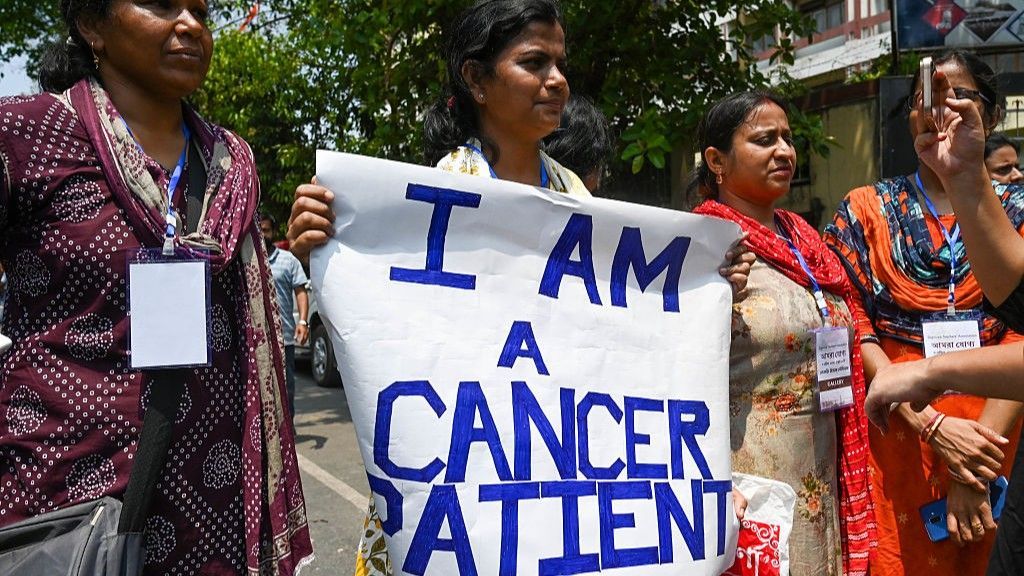
Why more women get cancer in India – but more men die
In India, a striking paradox has emerged in the realm of cancer: women are more likely to be diagnosed with the disease, yet men face a higher likelihood of dying from it. This phenomenon, revealed in a recent study of India’s cancer registry, highlights a complex interplay of biological, social, and healthcare factors. Women account for just over half of all new cancer cases, but men constitute the majority of cancer-related deaths. This trend stands in contrast to global patterns, where men generally have higher incidence and mortality rates. In 2022, the global average was 212 cancer cases per 100,000 men compared to 186 for women, according to the World Cancer Research Fund. In India, the most common cancers among women are breast, cervical, and ovarian, with breast and cervical cancers making up 40% of female cases. Hormonal factors and lifestyle changes, such as delayed pregnancies, reduced breastfeeding, obesity, and sedentary habits, are key contributors. For men, oral, lung, and prostate cancers dominate, with tobacco use driving 40% of preventable cancers. Awareness campaigns and improved healthcare facilities have led to earlier detection of cancers in women, resulting in better treatment outcomes and lower mortality rates. In contrast, men’s cancers are often linked to lifestyle factors like tobacco and alcohol, which are associated with more aggressive and less treatable cancers. Additionally, men are less likely to seek preventive care or early medical intervention, exacerbating their poorer outcomes. Regional disparities further complicate the picture. India’s northeast region, particularly Mizoram, has the highest cancer risk, largely due to rampant tobacco use and dietary habits. Meanwhile, cities like Srinagar and Hyderabad report high rates of lung and breast cancers, respectively. The cancer burden in India is not only growing but also becoming more complex, reflecting societal transitions in longevity, lifestyle, and environmental factors. Addressing these challenges requires targeted prevention, early detection, and lifestyle changes, underscoring the urgent need for comprehensive public health strategies.
-
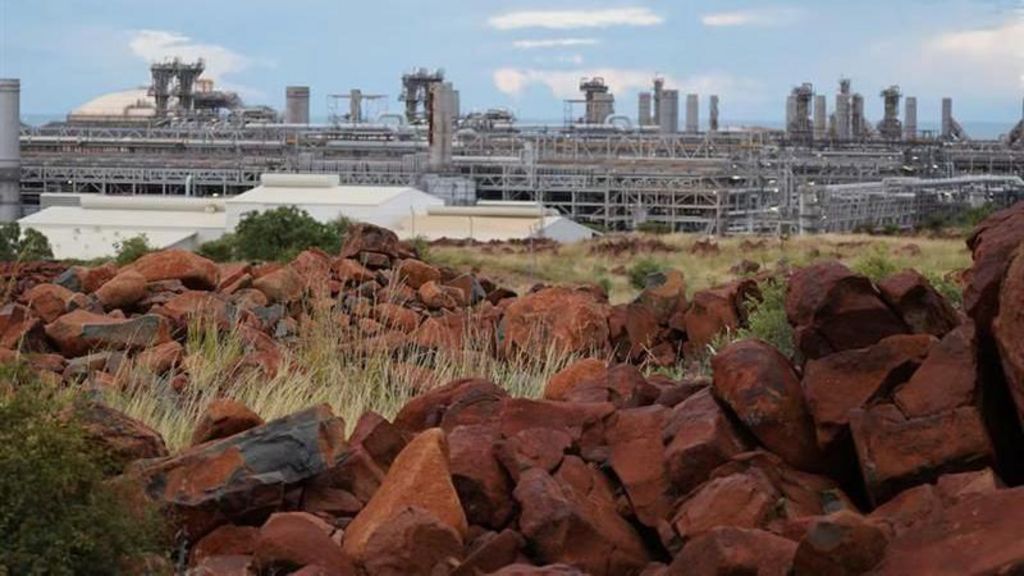
Major Australian gas project extended until 2070
The Australian government has officially extended the operational lifespan of the North West Shelf, one of the nation’s largest fossil fuel projects, by four decades to 2070. This decision comes just days before the federal government is set to announce its 2035 emissions reduction targets. Australia, one of the world’s highest per capita polluters, has committed to reducing emissions by 43% by 2030 but faces criticism for its continued reliance on fossil fuels. Critics argue that the extension undermines global climate goals, while Environment Minister Murray Watt defended the decision, citing 48 new strict conditions imposed on oil and gas giant Woodside Energy. These conditions mandate the reduction of specific gas emissions by 2030 and achieving net zero by 2050. Additionally, safeguards have been introduced to protect the ancient Indigenous rock art in Western Australia’s Pilbara region. Woodside Energy’s Chief Operating Officer, Liz Westcott, welcomed the extension, emphasizing the company’s commitment to providing reliable energy. The North West Shelf project, which includes a processing and export plant in Karratha, is located near the 60,000-year-old World Heritage-listed Murujuga rock art. Watt highlighted that the new conditions would prevent unacceptable impacts on the heritage site, including restrictions on air emissions that could accelerate damage. The decision also includes legal requirements for industry consultation with Indigenous communities and a robust monitoring system to ensure compliance with emissions limits. Further protections for the heritage site were announced under a ‘partial declaration.’ Peter Hicks, chair of the Murujuga Aboriginal Corporation, praised the additional protections for an area of great cultural significance. However, climate groups, including the Australian Conservation Foundation, condemned the extension, labeling the project a ‘carbon bomb’ that jeopardizes global efforts to combat rising temperatures. Australian Greens leader Larissa Waters described the decision as a ‘betrayal and disastrous for the planet’s future.’ Australia has faced successive natural disasters in recent years, with climate experts warning of more crises unless significant emissions reductions are achieved. Prime Minister Anthony Albanese, who came to power in 2022 promising stronger climate action, has been criticized for his government’s continued support of coal and gas projects.
-

What the NHS can learn from the European country that helped more people survive cancer
Denmark’s remarkable transformation in cancer care over the past 25 years has become a beacon of hope for healthcare systems worldwide, particularly for the UK’s National Health Service (NHS). In the late 1990s, Denmark’s cancer survival rates were alarmingly low, with patients often seeking treatment abroad due to inadequate domestic services. However, a bold and comprehensive strategy has since propelled Denmark to the forefront of cancer care, offering valuable insights for the NHS.