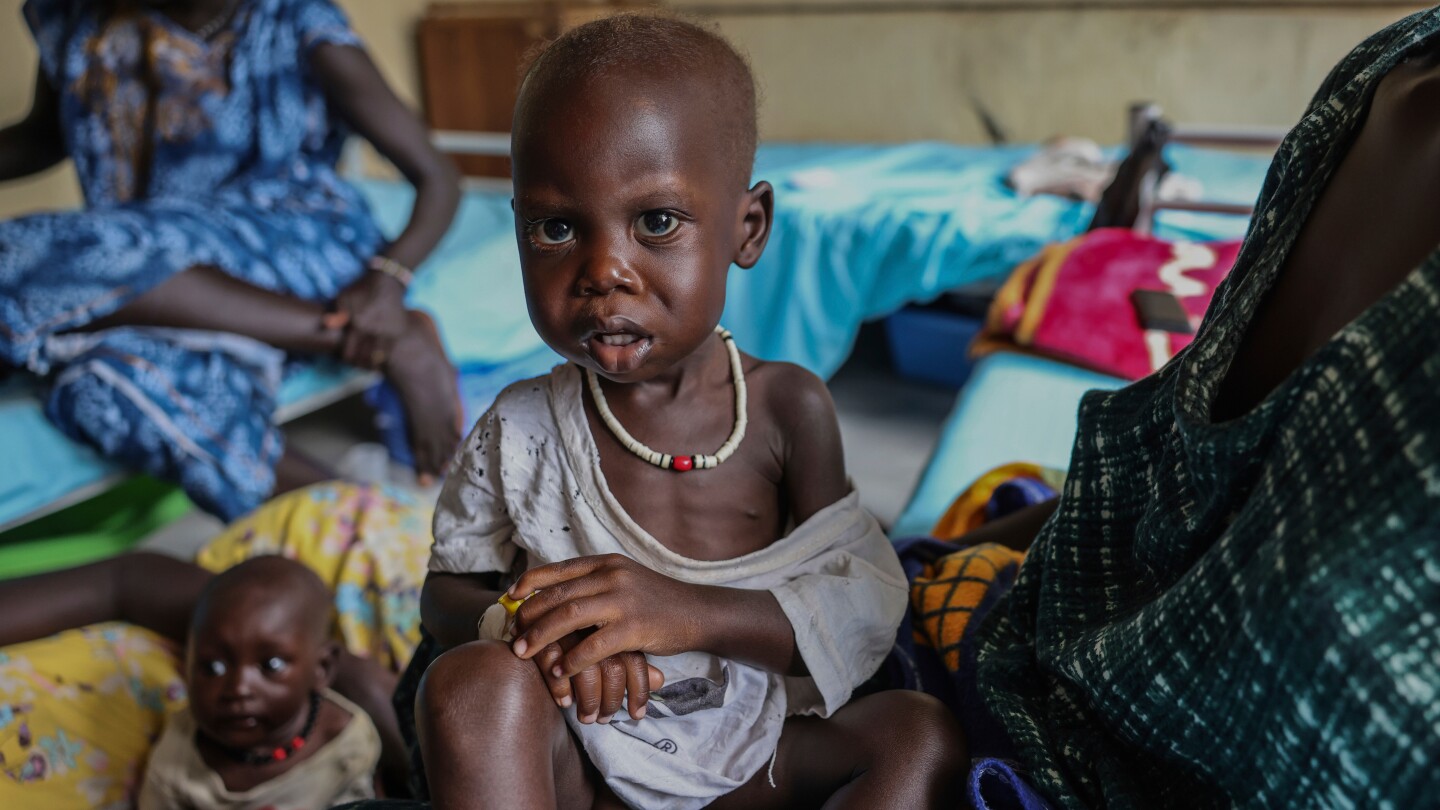
In South Sudan, a devastating hunger crisis is unfolding, exacerbated by a toxic mix of conflict, corruption, and climate change. At Bor State Hospital, 200 kilometers from the capital Juba, 14-month-old Adut Duor lies emaciated, his spine protruding and legs too weak to walk. His mother, Ayan, unable to breastfeed, represents the plight of 1.1 million malnourished pregnant and lactating women in the country. A recent UN-backed report reveals that 2.3 million children under five require treatment for acute malnutrition, with over 700,000 in severe condition. The crisis is fueled by renewed violence in northern counties, reduced humanitarian aid, and systemic corruption. Funding cuts have forced organizations like Save the Children to lay off critical staff, while supplies of life-saving therapeutic food are dwindling. Violence in Upper Nile State has blocked aid delivery, leaving thousands of children without essential support. Flooding, worsened by climate change, has submerged farmland and displaced 1.6 million people, compounding food insecurity. Hospitals like Maban County Hospital near the Sudan border face severe shortages, with staff unpaid for months and basic supplies exhausted. The neighboring war in Sudan has disrupted trade, driving up costs and pushing 92% of South Sudanese below the poverty line. Critics argue that years of aid dependence and government mismanagement have left the country ill-equipped to address the crisis. The UN has accused South Sudanese leaders of siphoning billions of dollars that could have been used to build schools, staff hospitals, and secure food. As the international community warns of a worsening crisis, the suffering of children like Adut and Moussa Adil underscores the urgent need for action.
分类: health
-
Northeast US states form health alliance in response to federal vaccine limits
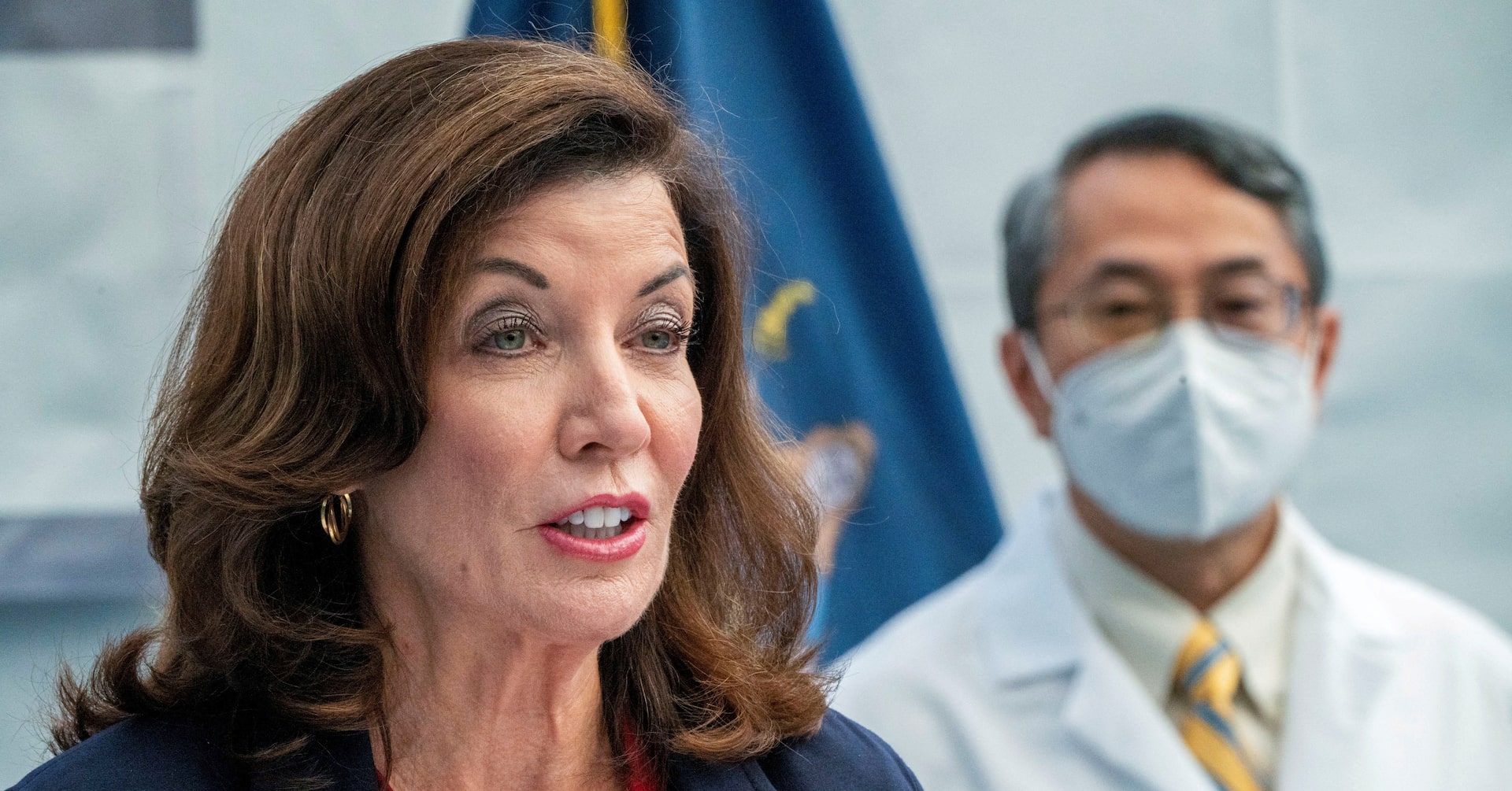
In a significant move to address federal vaccine policy changes, seven northeastern U.S. states, including New York, Pennsylvania, and New Jersey, have united to establish the Northeast Public Health Collaborative. This coalition aims to issue independent vaccine recommendations, particularly in response to the Trump administration’s controversial alterations to federal health guidelines. The initiative mirrors the West Coast Health Alliance, a similar coalition of California and three other western states, which recently released its own vaccine recommendations surpassing federal guidelines. The Northeast group also includes Connecticut, Massachusetts, Maine, Rhode Island, and New York City, all Democratic-led states. The coalitions’ formation underscores a broader effort to counteract federal restrictions on vaccine accessibility, including for COVID-19, under the leadership of U.S. Health and Human Services Secretary Robert F. Kennedy, a known vaccine skeptic. Kennedy’s decision in June to dismiss all members of the Centers for Disease Control and Prevention’s vaccine advisory panel and replace them with like-minded advisors has raised concerns among medical experts. The panel, which determines vaccine schedules and coverage, is currently reviewing potential changes to the nation’s childhood immunization schedule, a move that could have dire public health consequences. New York Governor Kathy Hochul announced that the Northeast coalition has agreed to recommend updated COVID-19 vaccines for children aged six months to 18 years, older children and adults with specific risk factors, and adults over 64. The coalition also advocates for universal adult vaccination. Hochul emphasized New York’s commitment to ensuring vaccine access for all residents, criticizing federal policies as ‘misguided attacks on science.’ Meanwhile, medical organizations like the American Academy of Pediatrics are preparing their own vaccine recommendations for the upcoming respiratory illness season, including COVID-19.
-

Australia’s watered down emissions target draws ire of environmentalists
Australia has announced its 2035 emissions reduction target, aiming to cut emissions by 62%-70% from 2005 levels. However, this figure has drawn sharp criticism from environmental groups, who argue it lacks ambition and prioritizes industry over vulnerable communities. The target falls below the 65%-75% range initially suggested by the Climate Change Authority, an independent advisory body. Climate Change and Energy Minister Chris Bowen defended the decision, stating that the target must be both ambitious and achievable, with a reduction beyond 70% deemed unrealistic. Greenpeace Australia Pacific’s Shiva Gounden condemned the plan, accusing the government of favoring coal and gas profits over the safety of Pacific and Australian communities. WWF-Australia CEO Dermot O’Gorman echoed these concerns, labeling the target as ‘dangerously short of what the science demands.’ Despite the backlash, the Labor government has committed billions of dollars to clean energy initiatives, including A$5 billion for industrial decarbonization and A$2 billion for the Clean Energy Finance Corporation. The government also aims to host the 2026 COP31 summit in partnership with Pacific nations. However, tensions remain over Australia’s decision to extend the life of a major natural gas project and its reluctance to phase out aging coal power plants, which critics argue hinders renewable energy adoption. Prime Minister Anthony Albanese emphasized Australia’s commitment to climate action, stating it is crucial for the nation’s neighbors, economy, and future generations.
-

New US global health plan prioritizes drugs, recipients’ self-reliance
The Trump administration has unveiled a new global health strategy, titled ‘America First Global Health Strategy,’ which marks a significant shift in how the United States approaches international health aid. Released on Thursday, the strategy emphasizes direct collaboration with recipient countries, prioritizing frontline health supplies, staff, and country-to-country agreements over traditional contractor-based models. This move comes after months of uncertainty following sweeping cuts to foreign aid earlier this year.
The plan requires recipient nations to co-invest in global health goals, particularly in combating diseases such as HIV/AIDS, malaria, tuberculosis, and polio. It also outlines a transition from aid dependency to self-reliance over the next few years. Notably, the strategy does not address several areas previously prioritized, including maternal and child health, cholera, and vaccine-preventable diseases like measles.
Secretary of State Marco Rubio highlighted the need to retain effective aspects of U.S. health foreign assistance while addressing inefficiencies. The strategy, however, lacks specific budget details, leaving questions about its financial feasibility. This announcement follows the dismantling of the United States Agency for International Development (USAID), which was integrated into the State Department as part of President Trump’s broader plan to reduce foreign aid.
The strategy also proposes changes to the President’s Emergency Plan for AIDS Relief (PEPFAR), a program previously lauded for its success. The new approach aims to allocate more funding directly to purchasing drugs and supporting health workers, reducing programmatic overheads that previously consumed up to 60% of funds. Additionally, the U.S. plans to promote its health innovations and products globally.
Critics, however, argue that an effective response to infectious diseases requires more than just products. Asia Russell, director of Health GAP, an HIV advocacy group, emphasized the importance of outreach to ensure patients access healthcare systems. She expressed concern that the U.S. is retreating from its leadership role in global health, particularly in the fight against HIV/AIDS.
The strategy also commits to a 72-hour U.S. response to disease outbreaks threatening Americans but notably omits any mention of climate change, which experts link to the increasing frequency of global outbreaks. Senior administration officials indicated that the U.S. will use next week’s U.N. General Assembly meetings in New York to engage in bilateral discussions with countries, aiming to finalize transition plans by March 2025.
-
US vaccine panel sets up two working groups to study pregnancy and childhood vaccination schedule
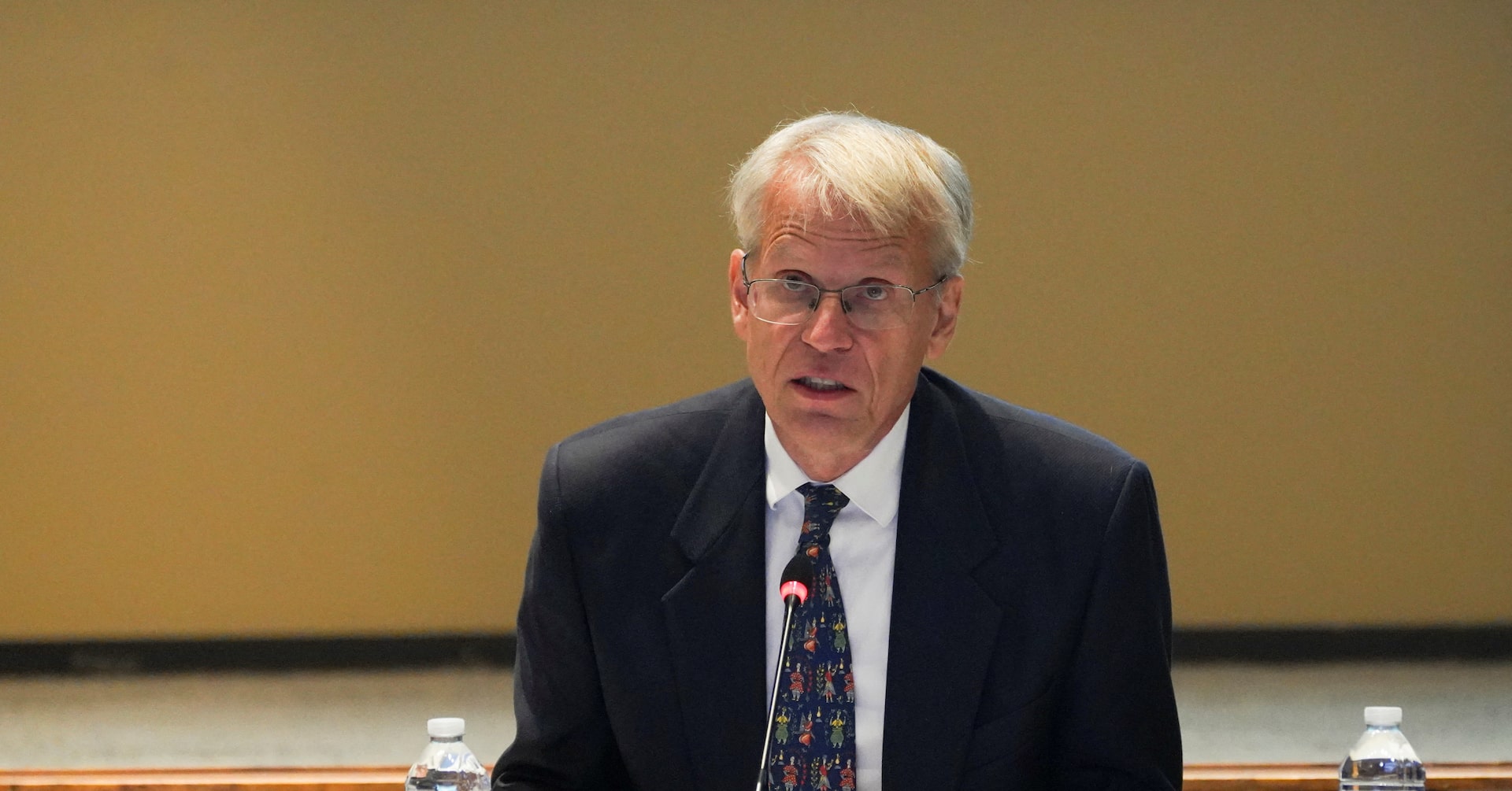
In a significant move to enhance vaccine research and policy, the U.S. Centers for Disease Control and Prevention (CDC) has formed two new specialized working groups. These teams will focus on vaccines during pregnancy and the childhood immunization schedule, as announced by Dr. Martin Kulldorff, chair of the Advisory Committee on Immunization Practices (ACIP), on September 18, 2025. The working groups, composed of ACIP members, CDC staff, and external experts, aim to address critical gaps in vaccine safety and efficacy for these vulnerable populations. The initiative underscores the CDC’s commitment to advancing public health through targeted, evidence-based strategies. The announcement follows a series of meetings held in Atlanta, Georgia, where Dr. Kulldorff and other experts discussed the evolving landscape of immunization practices. This development is expected to have far-reaching implications for healthcare policies and maternal and child health outcomes in the United States.
-
Over 30 people have died from Ebola in Congo, says World Health Organization
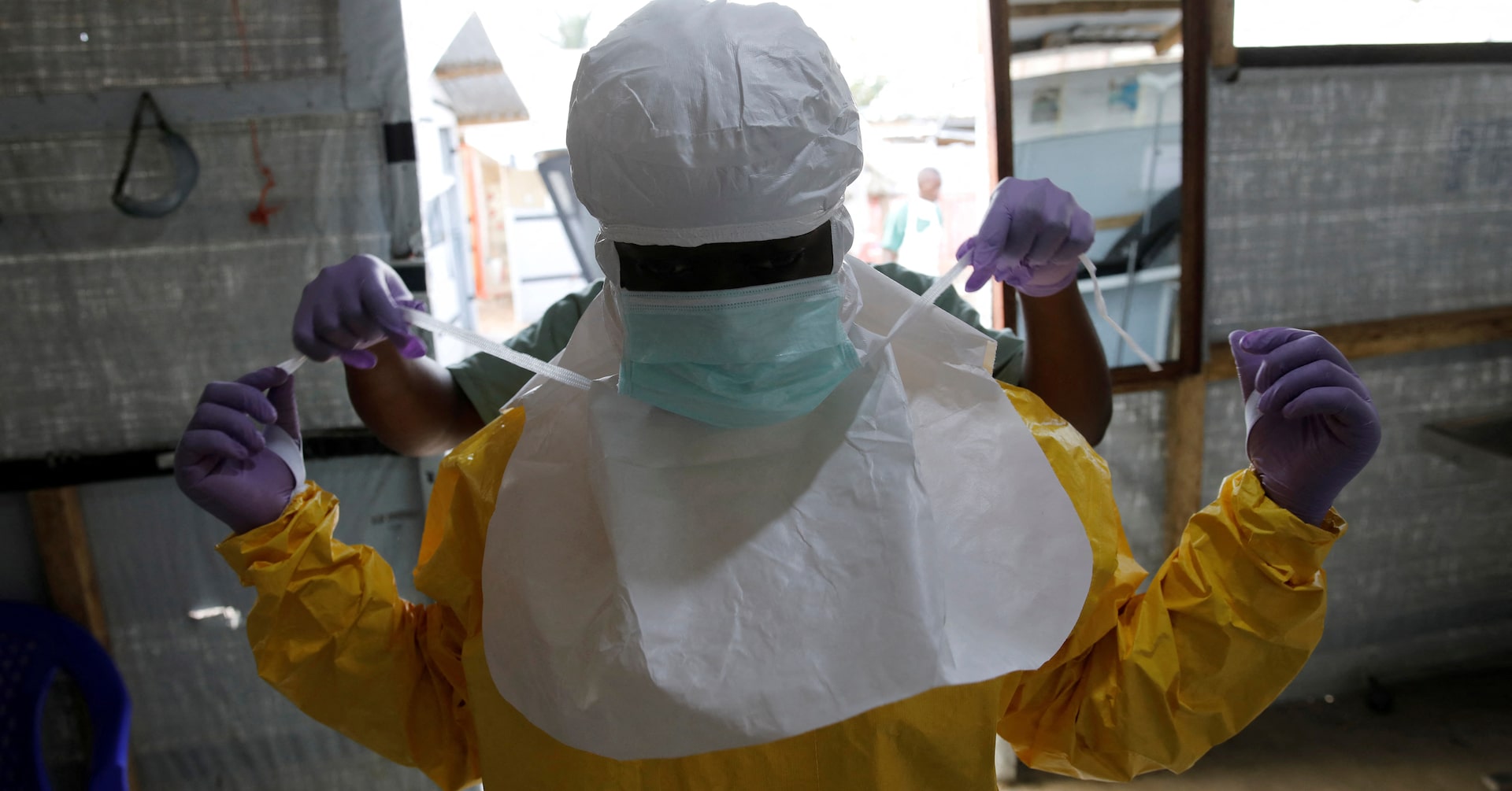
The World Health Organization (WHO) has reported a concerning escalation in the Ebola outbreak in the Democratic Republic of Congo (DRC), with 48 confirmed cases and 31 fatalities as of Thursday. WHO Director-General Tedros Adhanom Ghebreyesus disclosed the figures during a press briefing held via video link from the organization’s headquarters in Geneva. The outbreak, declared by the DRC government two weeks prior, has raised alarms within the global health community. Health workers at the ALIMA (The Alliance for International Medical Action) Ebola treatment center in Beni are seen donning protective gear before entering the Biosecure Emergency Care Unit (CUBE), highlighting the rigorous measures being taken to contain the virus. The situation underscores the persistent threat of Ebola in the region and the critical need for international support and resources to combat the spread of the disease.
-
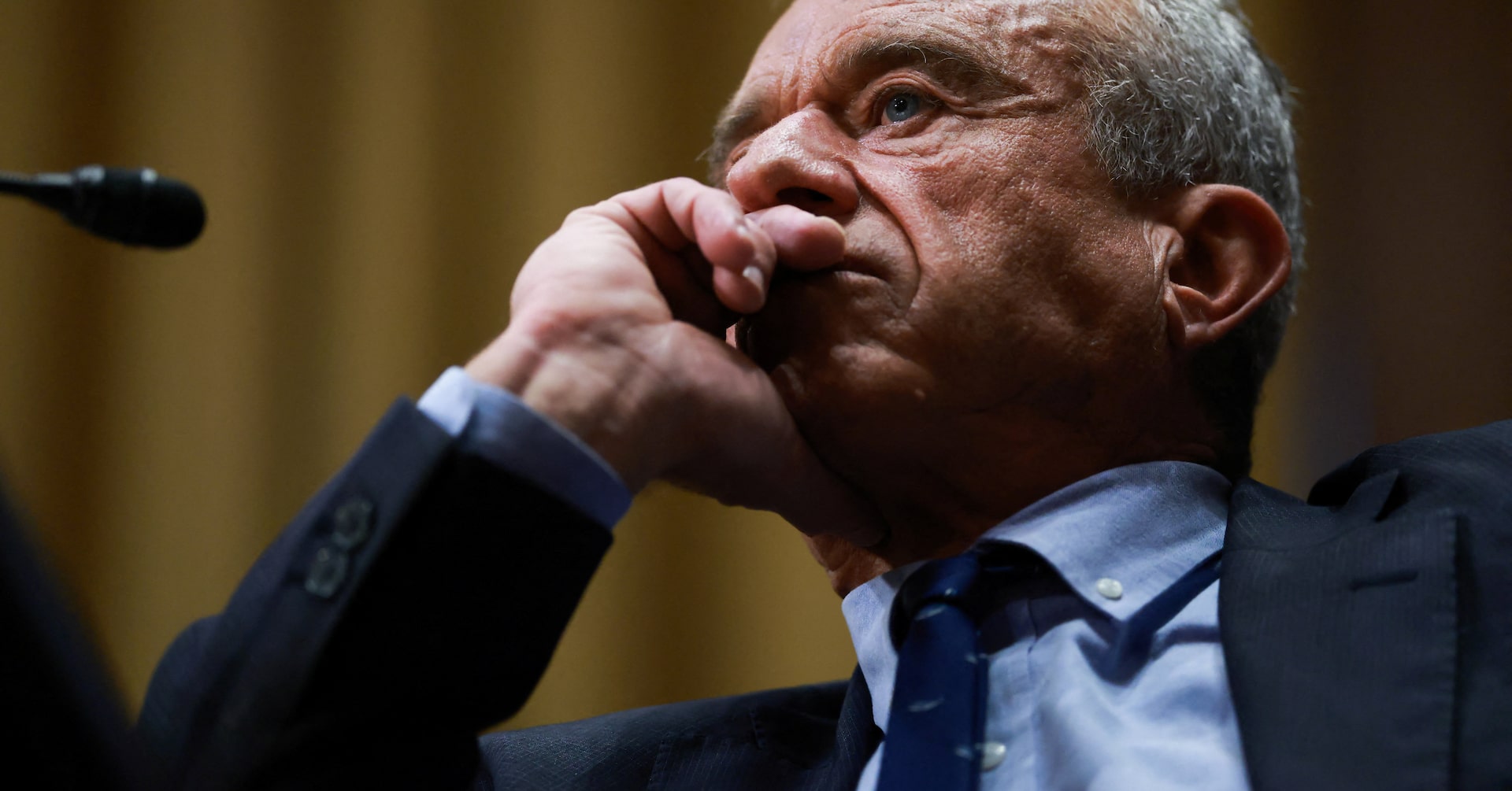
Kennedy’s hand-picked CDC committee to vote on hepatitis B and COVID shots
In a pivotal moment for U.S. public health policy, the Centers for Disease Control and Prevention (CDC) is poised to redefine its vaccination guidelines under the leadership of Health Secretary Robert F. Kennedy Jr. A newly appointed advisory committee, handpicked by Kennedy, is set to convene on September 18 and 19, 2025, to deliberate on critical vaccine recommendations, including those for hepatitis B, measles-mumps-rubella-varicella (MMRV), and COVID-19. This meeting follows Kennedy’s controversial decision earlier this year to dismiss all 17 members of the CDC’s Advisory Committee on Immunization Practices (ACIP) and replace them with a smaller, 12-member panel. The new committee, chaired by Martin Kulldorff, a biostatistician and epidemiologist known for his opposition to COVID-19 lockdowns, has already stirred debate. Among the key issues on the agenda is the potential delay of the hepatitis B vaccine for newborns, a move that has drawn criticism from medical experts who argue that the birth dose has been instrumental in reducing hepatitis B infections. The committee will also review the use of a combined MMRV vaccine, which has been linked to a higher risk of seizures in young children compared to separate MMR and varicella vaccines. The reshuffling of the CDC’s leadership and advisory panels has raised concerns among public health officials, with some accusing Kennedy of prioritizing ideology over science. The meeting comes amid broader turmoil at the CDC, including the resignation of several senior officials who cited fears that policy decisions were being predetermined without adequate scientific review. As the nation watches, the outcome of these deliberations could mark a significant shift in U.S. vaccination policy, with far-reaching implications for public health.
-
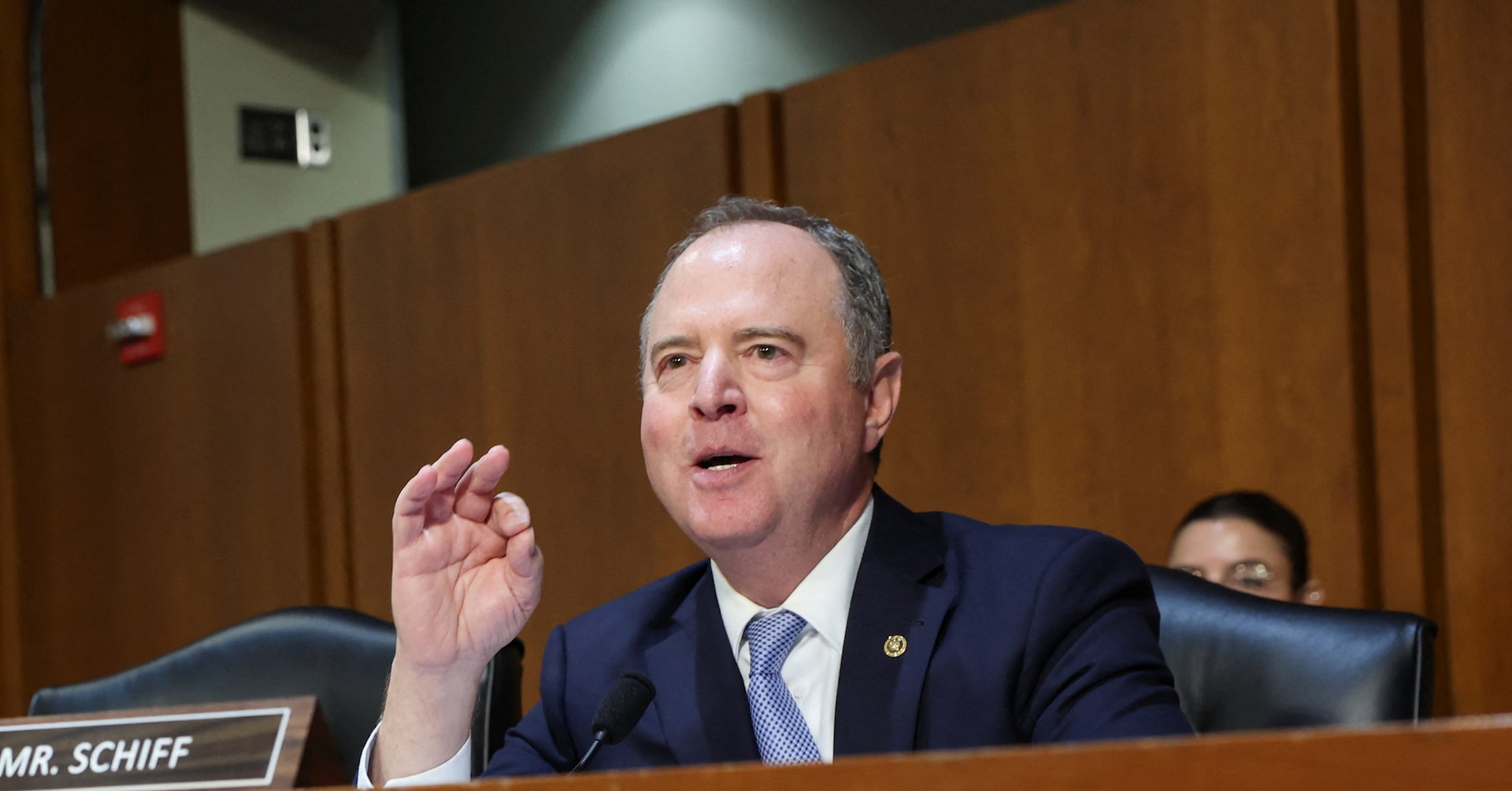
US Democratic Senator asks health insurers to commit to covering vaccines
U.S. Senator Adam Schiff (D-CA) has taken a proactive stance in ensuring continued access to routine vaccinations, sending letters to major health insurers ahead of a pivotal meeting of the CDC’s Advisory Committee on Immunization Practices (ACIP). In the letters, Schiff urged companies such as UnitedHealth Group, CVS Health, Elevance Health, Cigna, and Kaiser to publicly commit to covering vaccines for illnesses like measles and COVID-19, regardless of the committee’s recommendations. He emphasized that patients should not face out-of-pocket costs for these essential immunizations. Schiff’s move comes in response to recent changes within the ACIP, which have caused confusion among patients and healthcare providers. In May, Health and Human Services Secretary Robert F. Kennedy Jr., a known vaccine skeptic, announced that the CDC would no longer recommend the COVID-19 vaccine for healthy pregnant women and children. This decision, coupled with Kennedy’s replacement of ACIP members with less experienced or skeptical individuals, has raised concerns about the committee’s credibility. Schiff highlighted that the Affordable Care Act (ACA) mandates private insurers to cover vaccines recommended by the ACIP, but the statute did not anticipate the committee’s overhaul. In response, some states have allowed pharmacies to follow guidance from medical organizations like the American College of Obstetrics and Gynecology. Meanwhile, America’s Health Insurance Plans has assured that coverage for previously recommended vaccines will continue through the end of 2025. The ACIP is set to review recommendations for COVID-19, Hepatitis B, and the measles-mumps-rubella-varicella vaccines on September 18 and 19. Schiff’s initiative underscores the importance of maintaining evidence-based vaccine policies and ensuring public access to critical healthcare services.
-
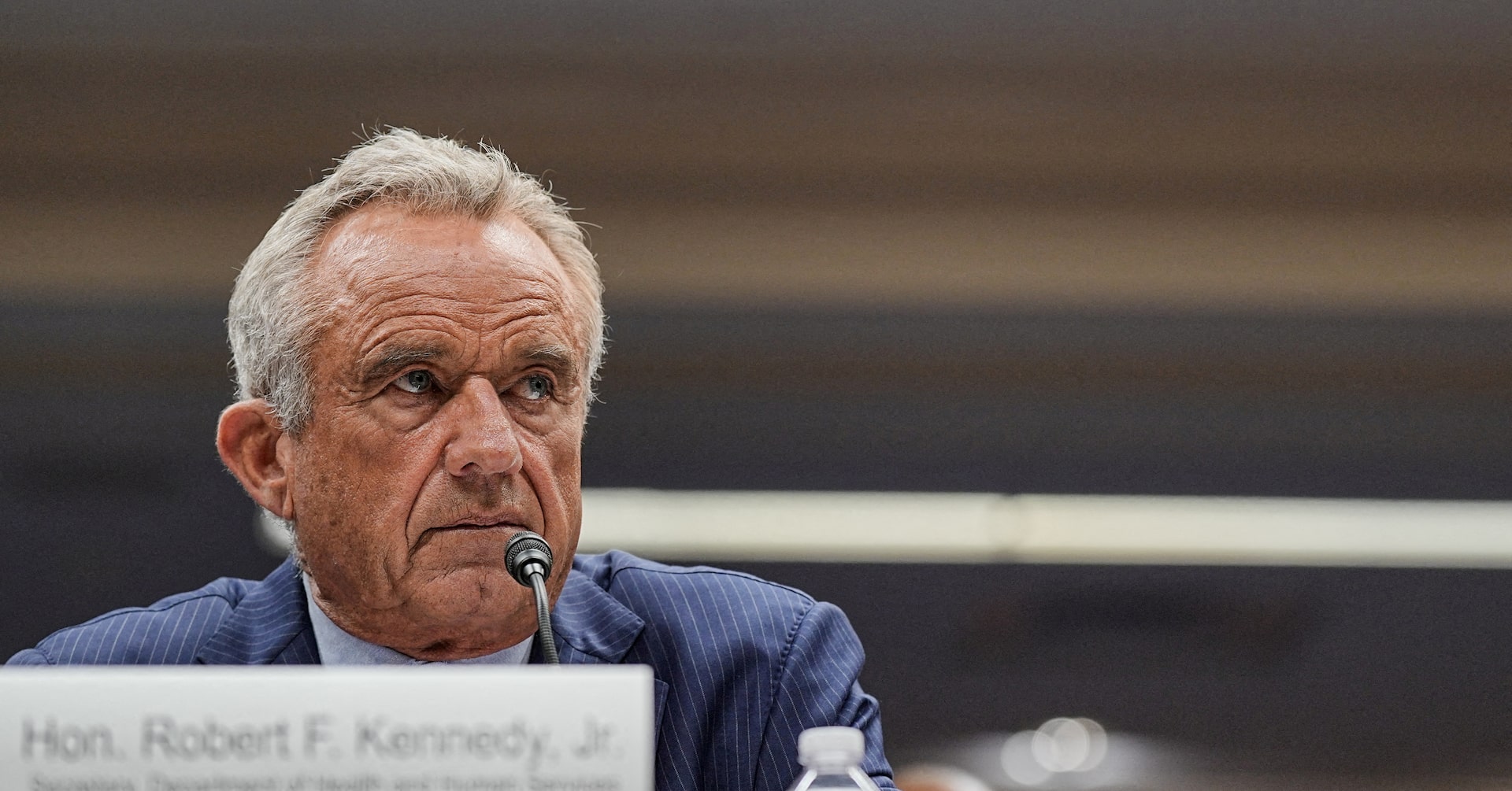
Kennedy is rewriting US vaccine policy — fast and on his terms
U.S. Health and Human Services Secretary Robert F. Kennedy Jr. is aggressively advancing sweeping changes to the nation’s vaccine policies, despite significant opposition from scientists, lawmakers, and public health experts. Since taking office, Kennedy has restricted eligibility for COVID-19 vaccines, removed the country’s top public health official, expanded federal support for state-level vaccine exemptions, dismantled the vaccine recommendation review process, and reshaped a national vaccine advisory board with like-minded experts. These actions have drawn sharp criticism from medical societies, Democrats in Congress, and even members of Kennedy’s own family, who have called for his removal. Public health leaders warn that his policies could restrict access to critical vaccines for children, potentially reversing decades of progress in immunization. Kennedy’s supporters, however, argue that his efforts aim to restore public trust in health agencies and promote greater scrutiny of vaccine safety. The ongoing debate comes as a Kennedy-appointed advisory board prepares to vote on potential changes to childhood vaccine recommendations, a decision that could have far-reaching implications for public health nationwide.
-
US vaccine panel to vote on the use of combined measles shot this week
The U.S. Centers for Disease Control and Prevention (CDC) is set to host a pivotal meeting this week, where vaccine advisers will vote on a proposal to eliminate recommendations for the combined measles, mumps, rubella, and varicella (MMRV) vaccine for children under four. This decision comes amid heightened scrutiny from Health Secretary Robert F. Kennedy Jr., who has long questioned vaccine safety despite overwhelming scientific evidence to the contrary. Kennedy has promoted the unfounded claim that the MMRV vaccine is linked to autism, a theory repeatedly debunked by rigorous scientific studies. The Advisory Committee on Immunization Practices (ACIP) will convene on September 18-19 to deliberate on the proposal, as outlined in a draft agenda on the CDC’s website. The meeting follows Kennedy’s controversial decision in June to dismiss all 17 ACIP members and appoint eight new advisers, some of whom have previously opposed vaccines. Since assuming his role under the Trump administration, Kennedy has initiated a review of vaccine policies, including the measles shot, which remains the most effective method to prevent the highly contagious and potentially deadly virus. Currently, the CDC recommends that children under four receive separate doses of the MMR and varicella vaccines, with the MMRV vaccine preferred for older children. This year, the U.S. has reported 1,454 measles cases, the highest in over three decades, underscoring the urgency of the debate. The MMRV vaccine is marketed in the U.S. by pharmaceutical giants Merck and GSK, with Merck also offering the ProQuad shot, which protects against measles, mumps, rubella, and varicella.